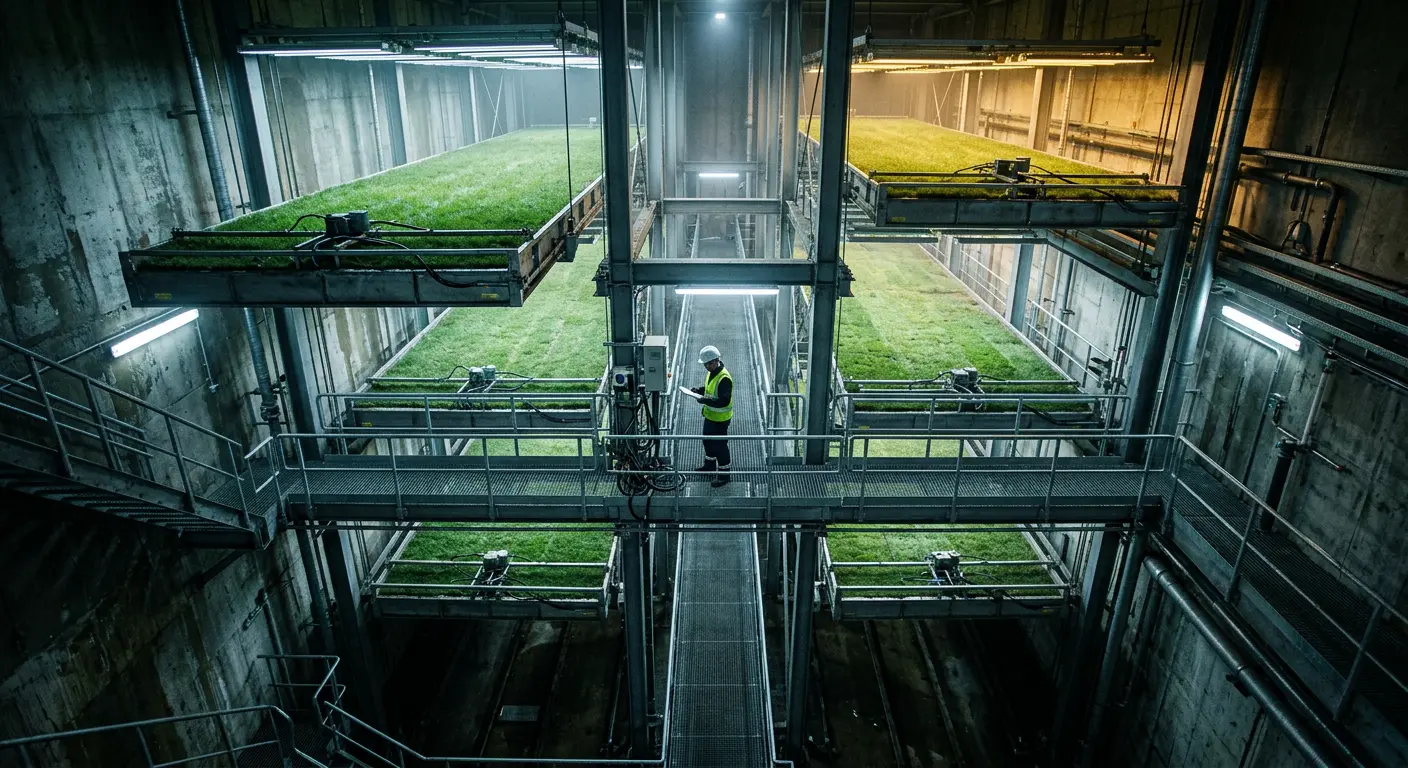
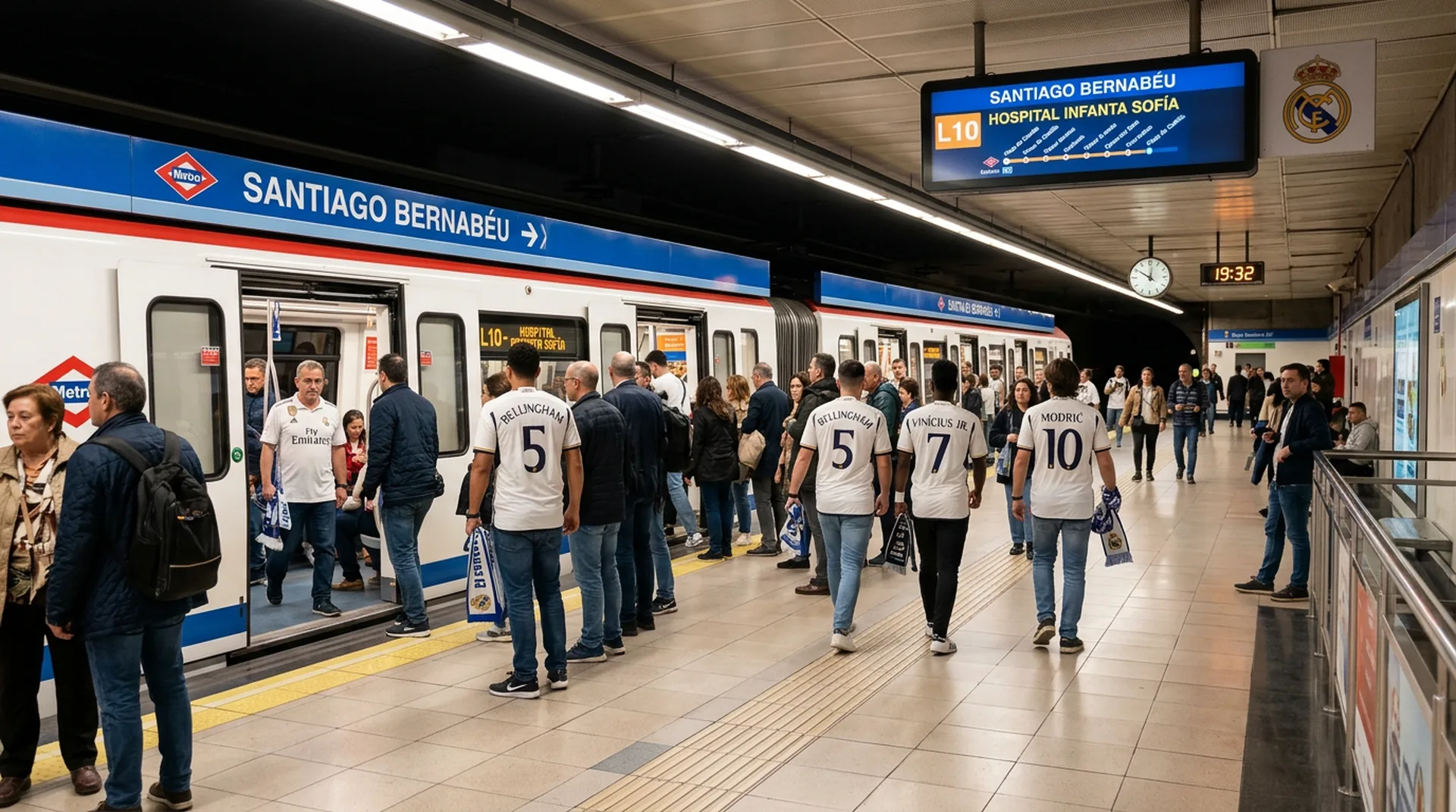
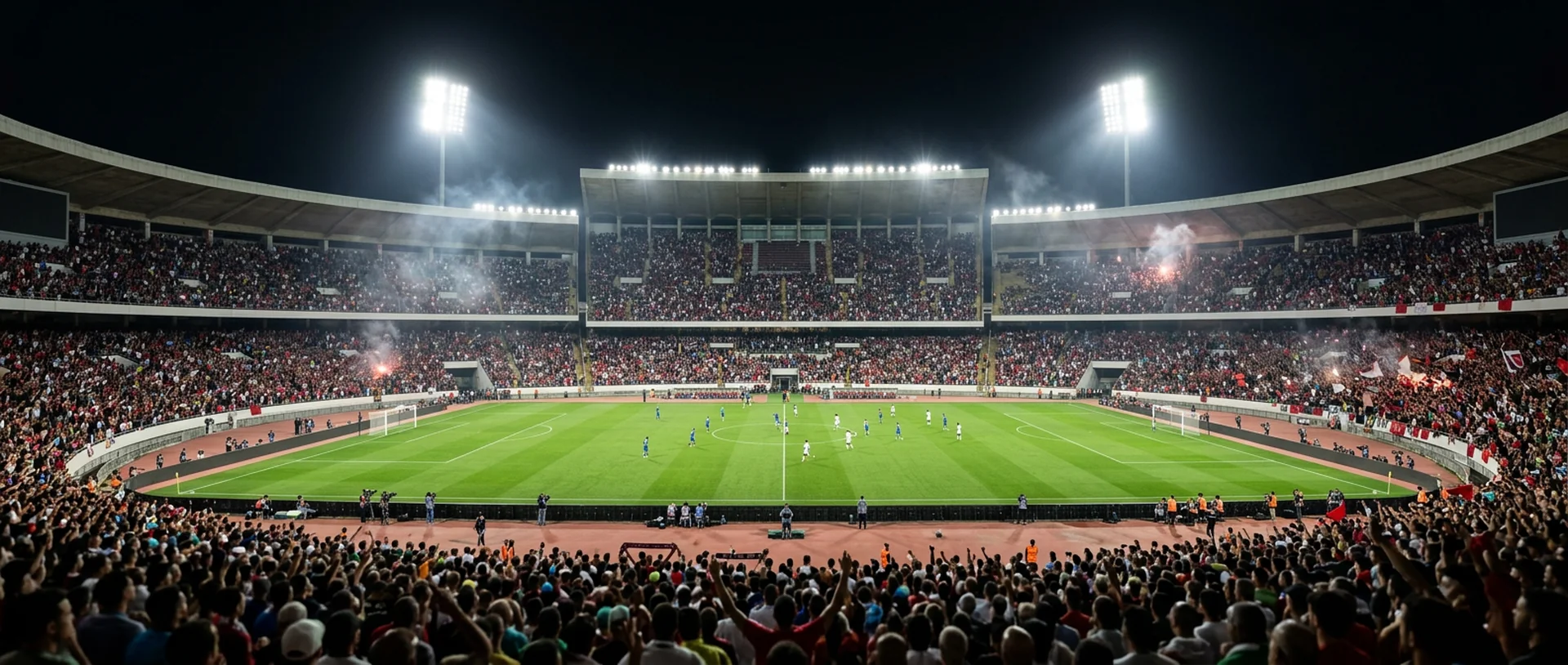
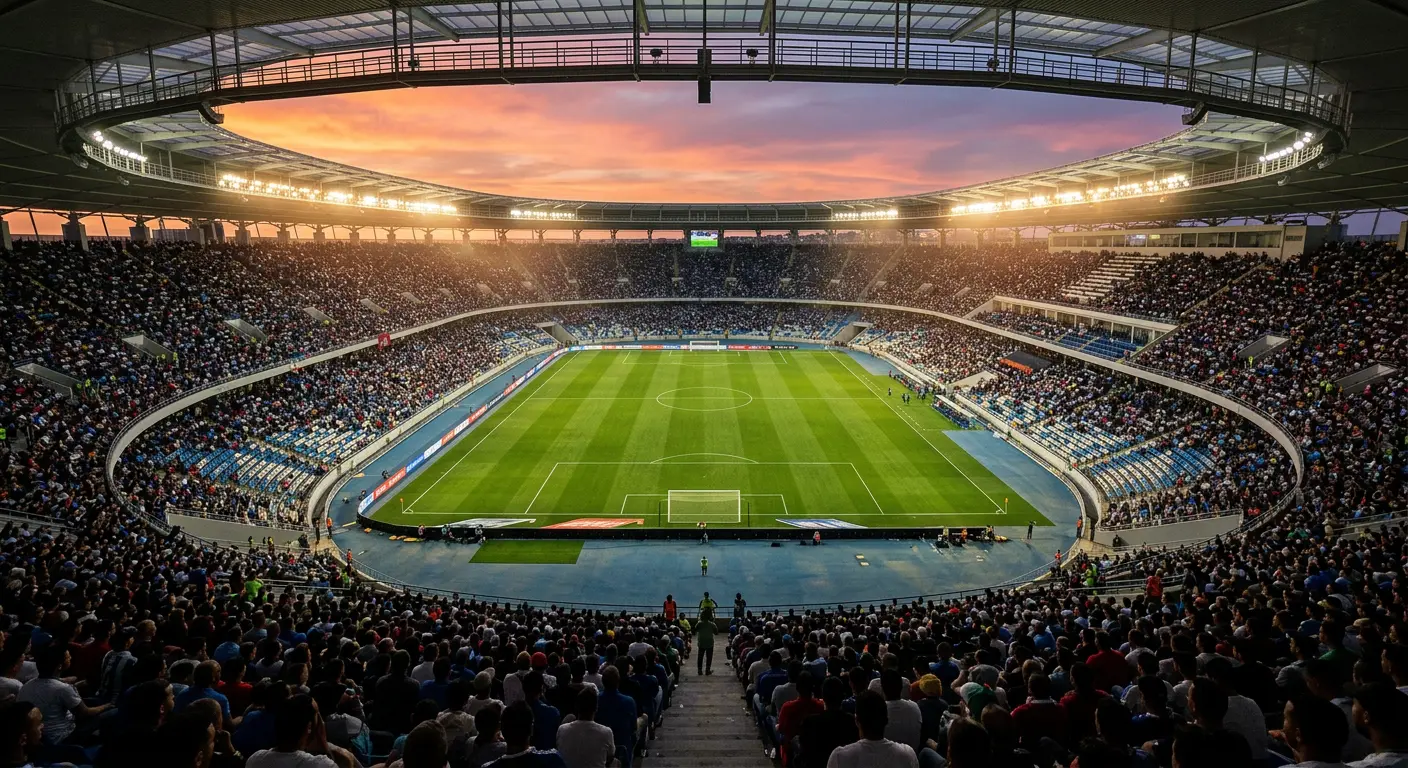
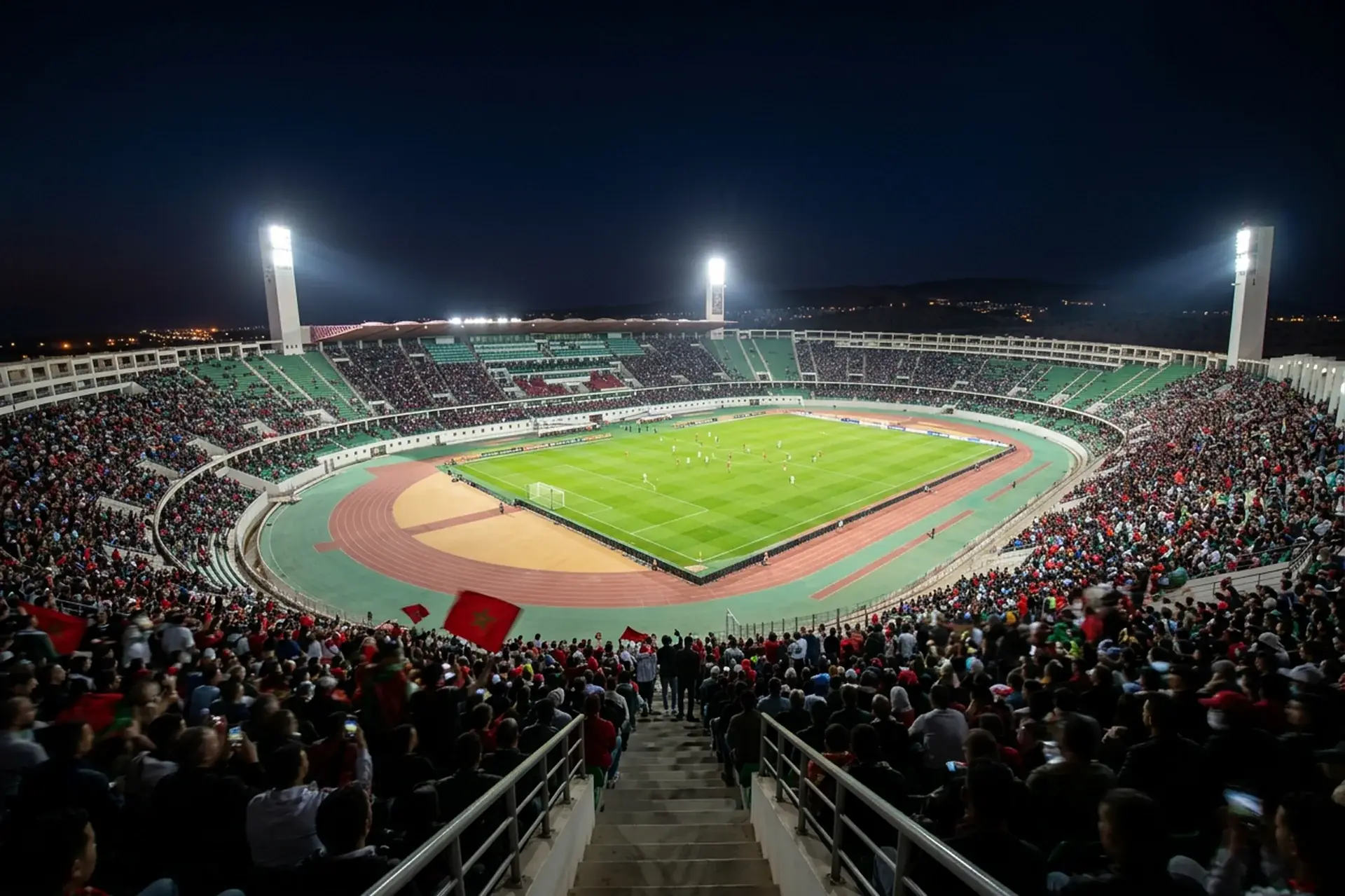
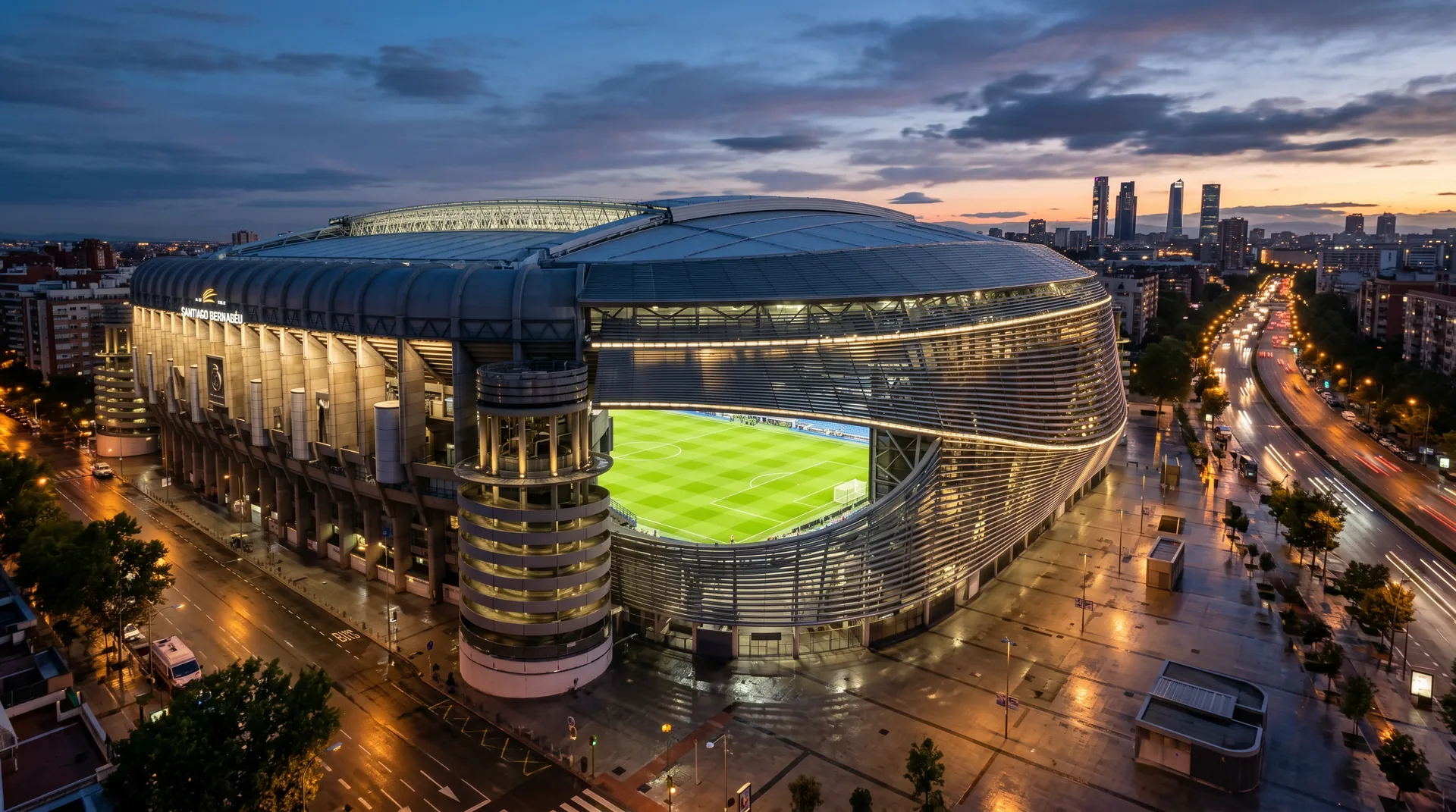
Real Madrid's home stadium emerged from a five-year, €1.17 billion transformation in late 2024: a stainless-steel facade, a fully retractable roof, and an underground pitch storage system, all built with one goal in mind, hosting the 2030 World Cup final on 21 July.
Architecture & Design
Santiago Bernabéu Stadium first opened in 1947, designed by Spanish architects Manuel Muñoz Monasterio and Luis Alemany Soler. In 2014, an international design competition to reimagine the stadium was won by German firm gmp Architekten (Gerkan, Marg and Partners) working alongside Spanish studios L35 Arquitectos and Ribas & Ribas Arquitectos, beating out submissions from Foster + Partners, Rafael Moneo, Herzog & de Meuron and Populous.
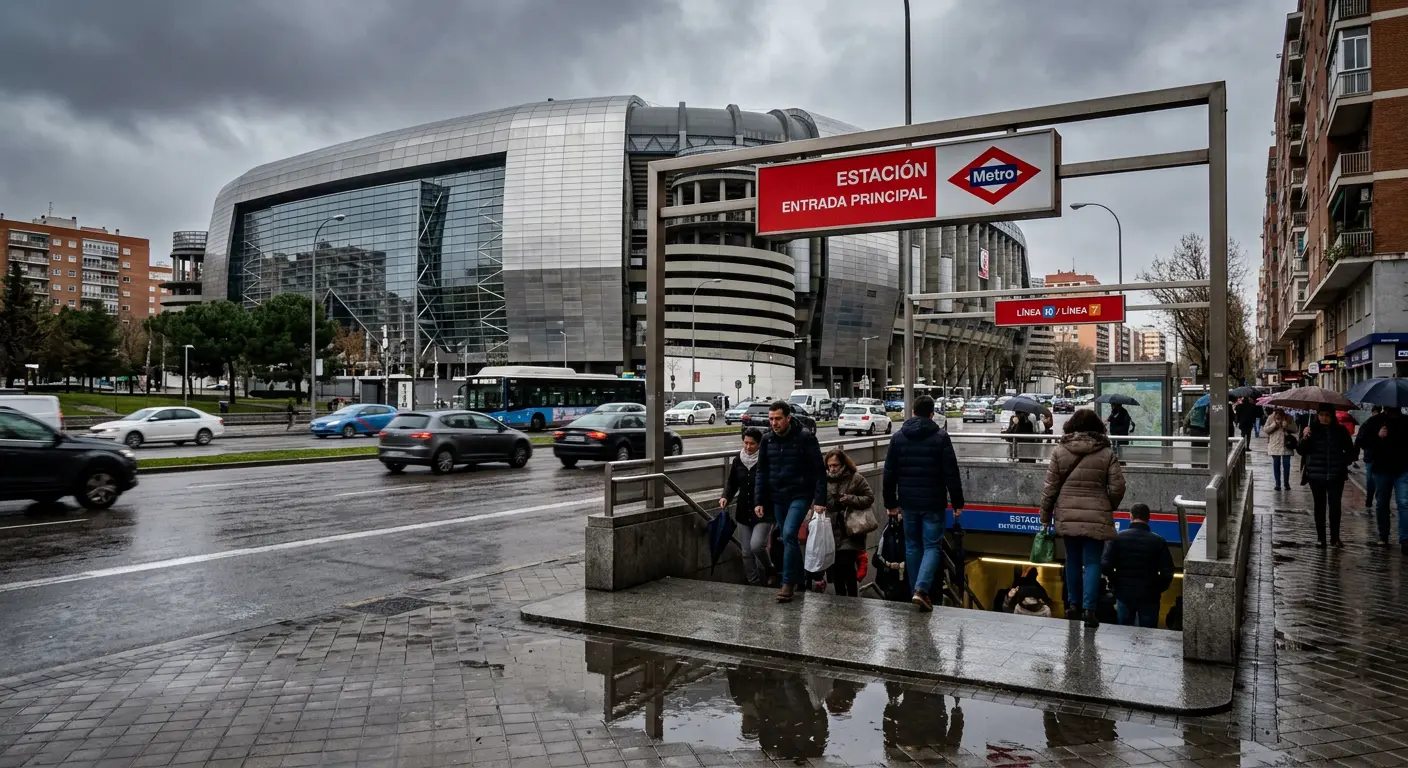
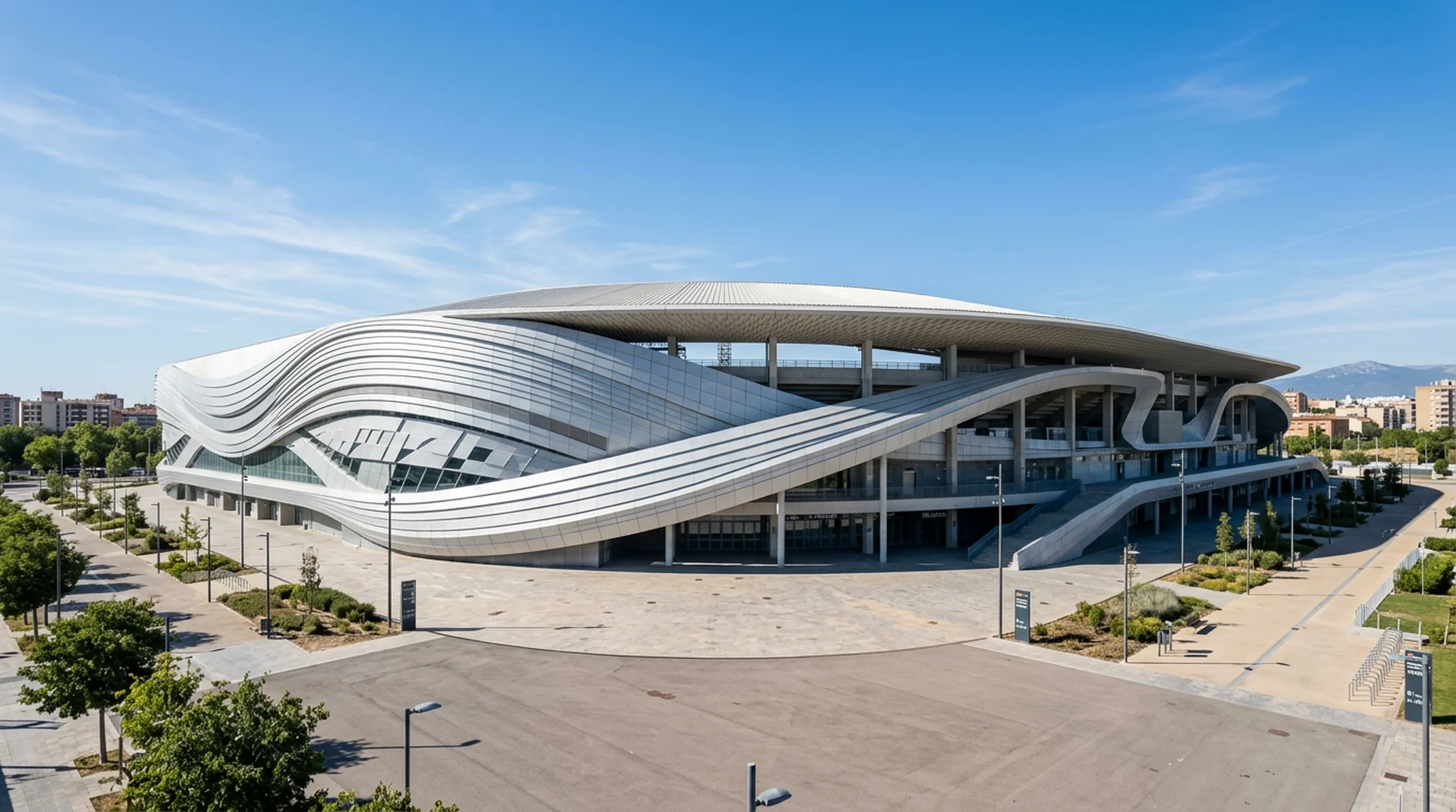
Construction ran from 2019 to late 2024, transforming the stadium from the outside in without ever fully closing it to matches. The most visible change is the facade: the original Brutalist concrete structure is now wrapped in roughly 7,500 V-shaped stainless steel slats, which enable outdoor ventilation while giving the stadium a shimmering, futuristic exterior that can project images via an integrated LED lighting system.
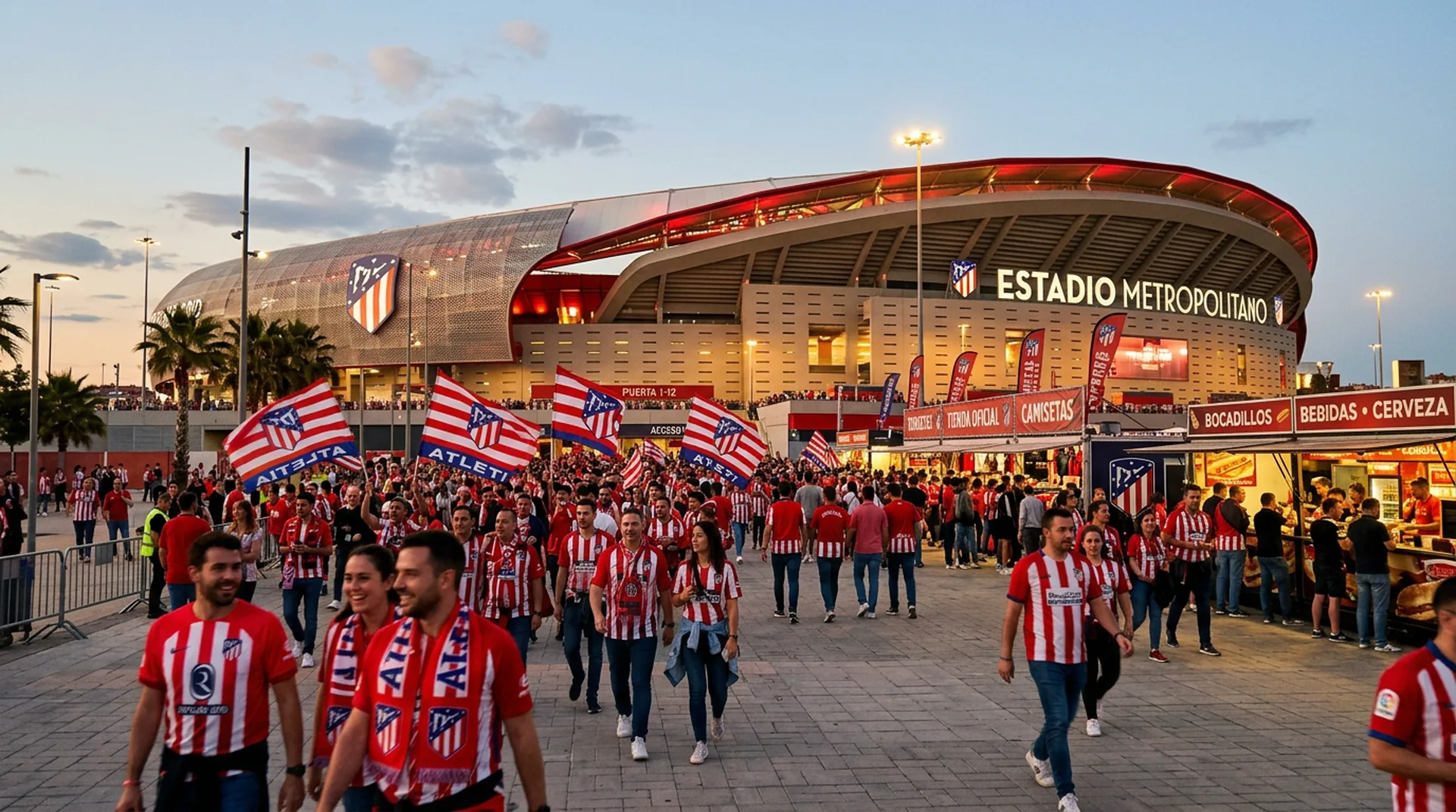
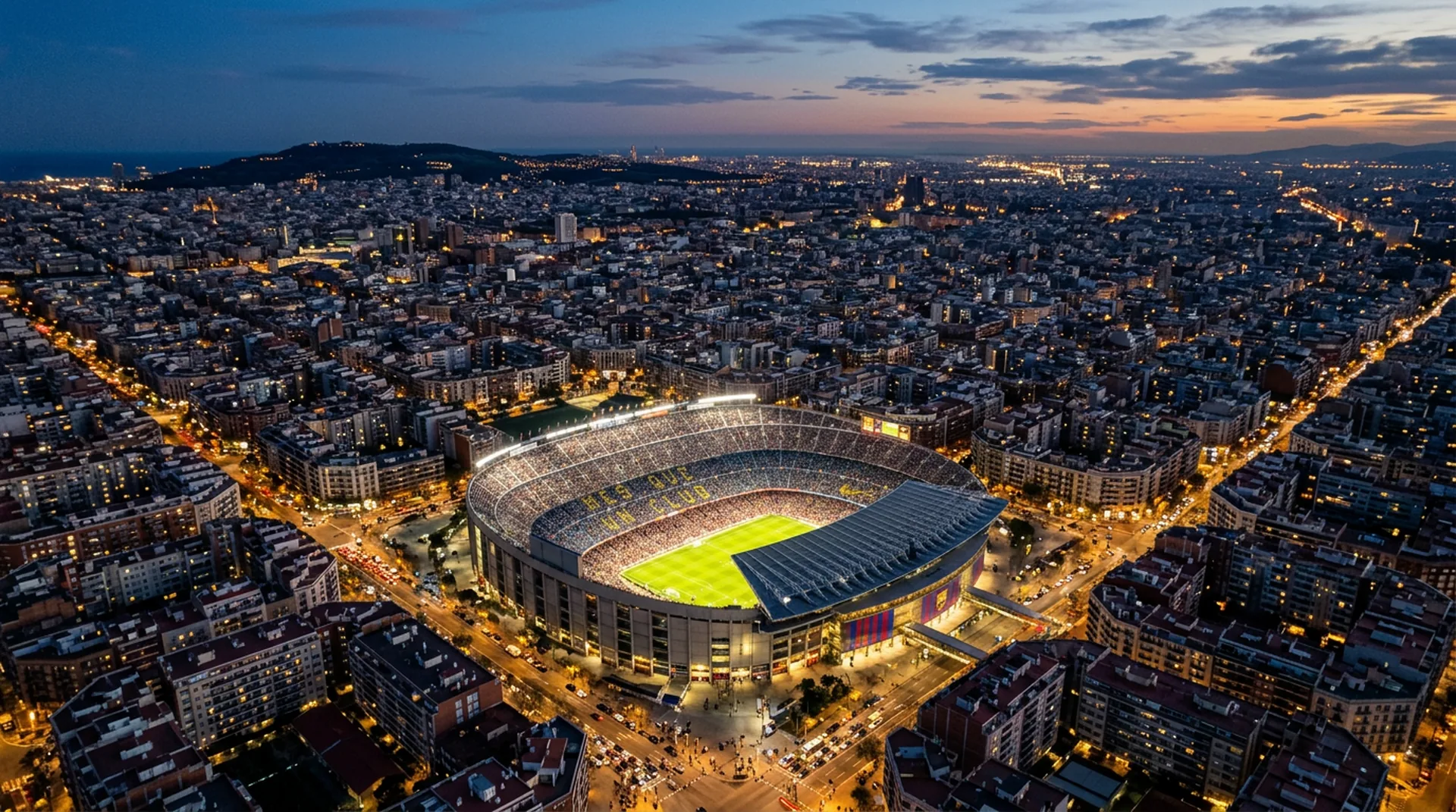
Unlike Barcelona's Camp Nou, which closed entirely for its own renovation, or Morocco's ground-up new builds like Hassan II Stadium and the rebuilt Ibn Batouta Stadium, Real Madrid's approach kept the ground playable throughout, a genuinely unusual feat of sequencing that added complexity and cost but preserved continuous matchday revenue across the five-year build. Madrid's other 2030 venue, Atlético Madrid's Cívitas Metropolitano, took a different route again: a purpose-built football ground converted from a former athletics stadium shell rather than adapted piece by piece around live matches.
Inside, the renovation reworked concourse circulation almost as thoroughly as the exterior, widening walkways, adding new vertical cores, and improving sightlines from steepened lower tiers, changes less visible in photographs than the facade but arguably more consequential for the actual matchday experience of getting to a seat.
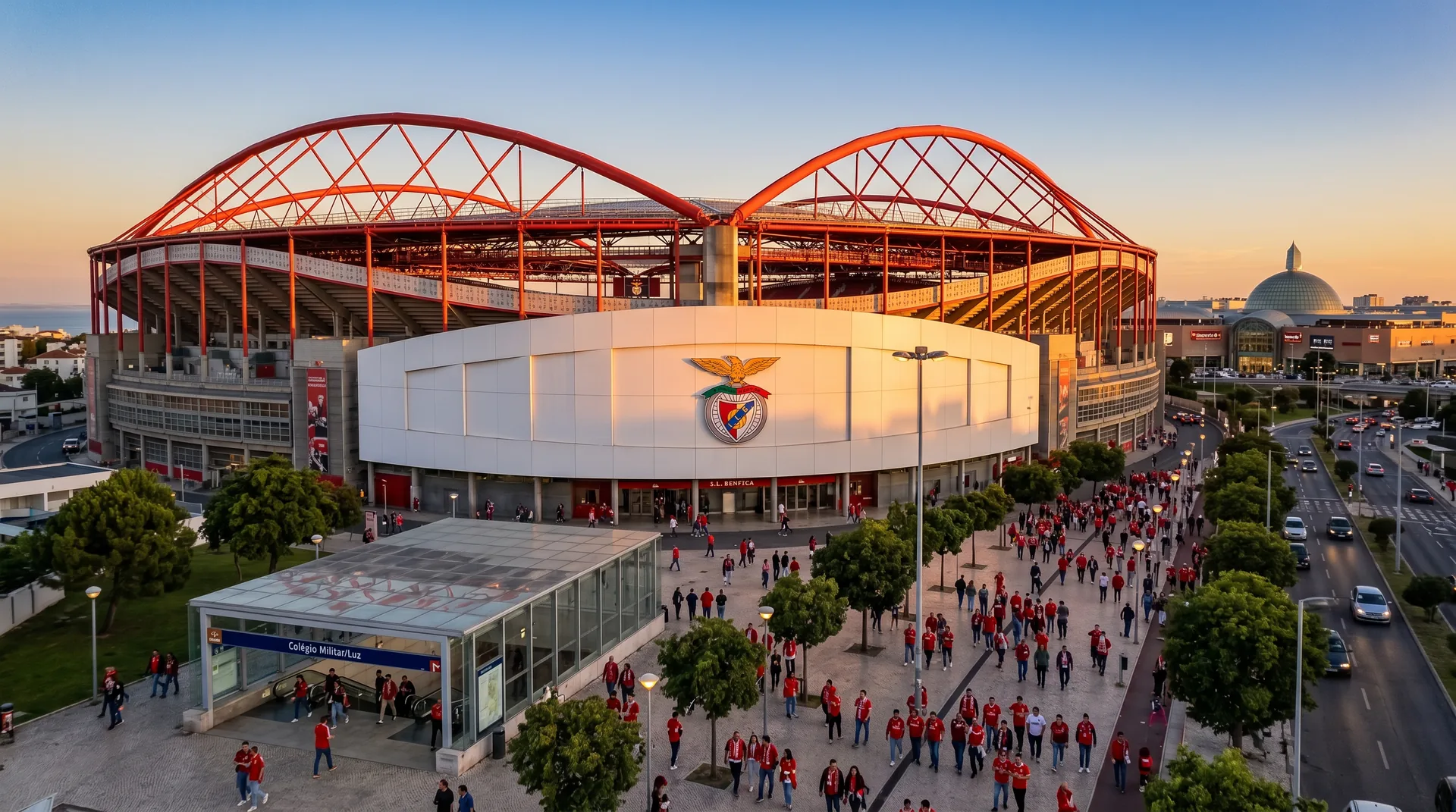
The steel-slat facade concept has since become something of a reference point for other stadium projects chasing a similarly futuristic, media-capable exterior, though few have matched its scale: Portugal's Estádio da Luz has floated its own expansion and modernisation plans partly in response to the bar Madrid's renovation set for what a 2030 host venue should look like on matchday broadcasts.
Real Madrid's total financing for the project reached approximately €1.17 billion, drawn across three separate loans between 2019 and 2023, with annual repayments running through 2049.
Planning a trip around this stadium? See the full Madrid guide →
Search Madrid HotelsThe multifunctional design has already been tested well beyond football: Taylor Swift became the first international artist to play the renovated stadium in May 2024, Karol G holds the record for most concert performances there, and the venue has also hosted NFL regular-season games, a detail FIFA officials have reportedly cited approvingly as evidence of the stadium's operational reliability at global scale. The retractable pitch and roof are what make the venue viable as a year-round entertainment complex rather than a football-only ground.
What We Don't Know Yet
The stadium's exact seating capacity remains genuinely disputed, see the Capacity & Construction FAQ tab below for the full picture. Real Madrid has not published an official figure, and estimates from FIFA's own bid documents, La Liga, and the club itself all differ.
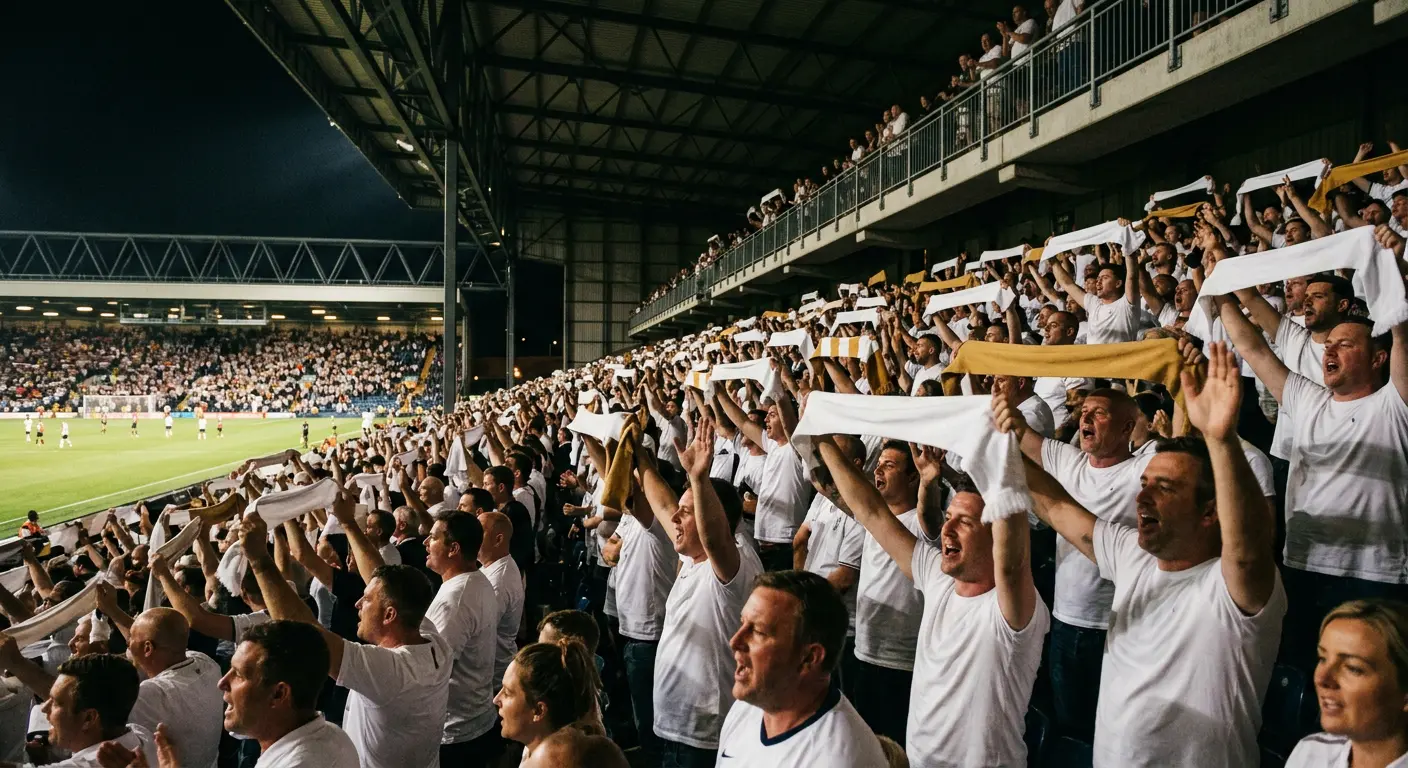
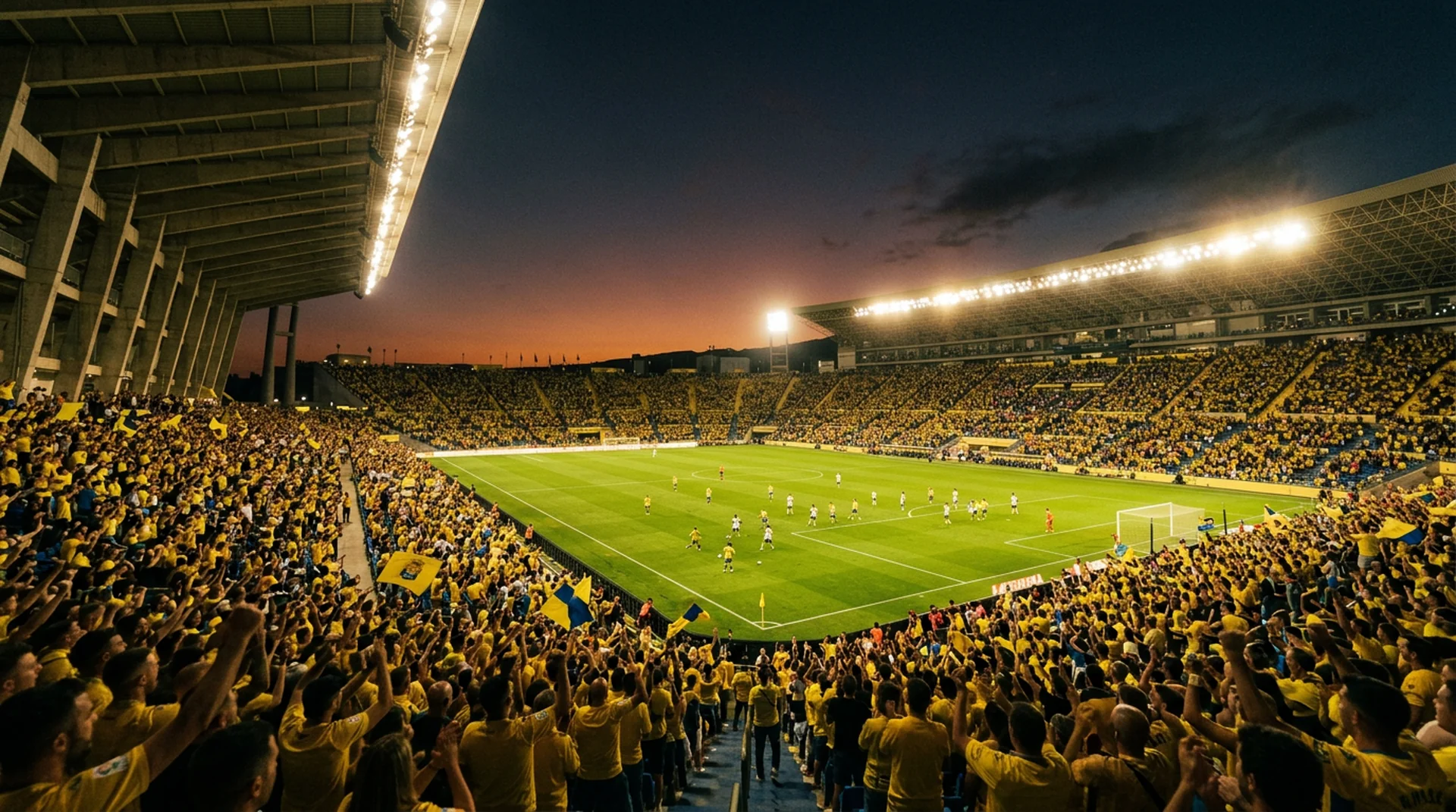
The south stand is home to Grada Fans RMCF, the club's official organised supporters' group since 2014, formed after Real Madrid severed ties with its previous fan group over years of behavioural and disciplinary problems and set out to build a louder, younger, family-friendly matchday section instead. Beyond that curated core, dozens of independent peñas (fan clubs) from across Spain and abroad travel in for big fixtures, part of a broader Madridista culture that treats attending a match at the Bernabéu as something close to a pilgrimage.
El Clásico against Barcelona remains the fixture that defines the calendar, regularly among the most-watched club matches on the planet, with average Real Madrid broadcasts drawing more than 37 million television viewers worldwide even outside that rivalry. Champions League nights carry their own distinct intensity, with the stadium's acoustics, redesigned during the renovation, noticeably amplifying crowd noise compared to the pre-2019 bowl.
Matchday food inside the renovated stadium runs toward the modern and upscale end of the spectrum: sit-down restaurants, branded concession stands and a members-only skywalk bar with panoramic Madrid views, a different register from the street-vendor culture found around several other 2030 host venues.
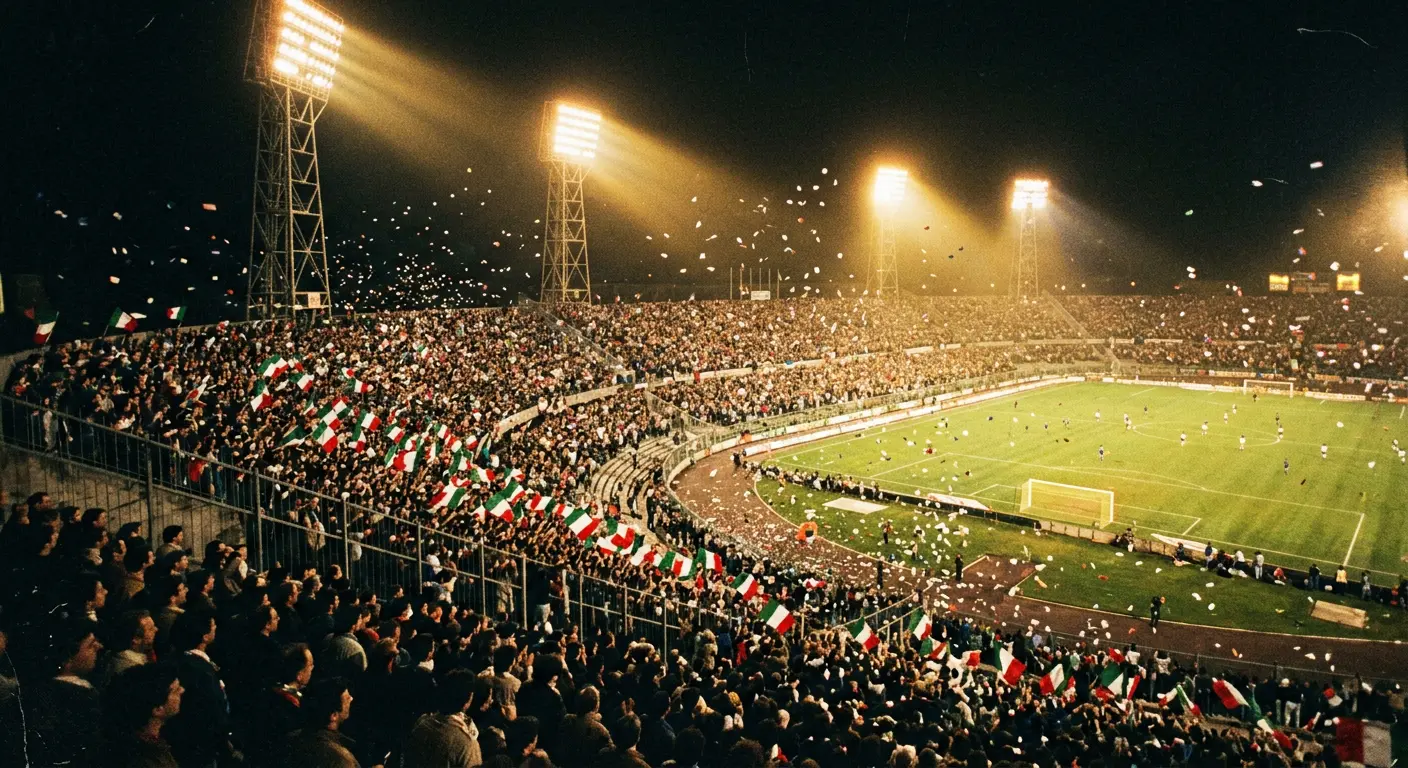
Full Madrid GuideExpanded to around 125,000 in a 1955 renovation and later reduced as safety standards evolved, the stadium's story since has been one of gradual modernisation punctuated by two genuinely transformative moments: the 1982 World Cup final, and the 2019-2024 renovation. Santiago Bernabéu Stadium is a leading candidate to host the 2030 World Cup final on 21 July, alongside Camp Nou in Barcelona and Hassan II Stadium in Casablanca.
The stadium is the home of Madrid's Real Madrid CF, one of the most decorated clubs in world football history. On average, over 37 million television viewers watch each Real Madrid match, underlining the scale of the stage the renovated stadium now provides.
Nothing is officially confirmed. FIFA's full host-stadium list is expected only in December 2026, and both Barcelona's Camp Nou and Morocco's Hassan II Stadium remain genuine competitors. Camp Nou's own renovation targets roughly 105,000 seats, which would make it the largest stadium in Europe and a hard capacity argument to ignore, while Hassan II is being built for 115,000 with the explicit stated goal of hosting the final. Portugal's Estádio da Luz has even been floated by some as a neutral compromise between Spain and Morocco, contingent on Benfica's own planned expansion to around 83,000 seats.
One complication for Madrid's bid: FIFA requires a minimum capacity of roughly 80,000 for the final, and the Bernabéu's own bid-book figure of 78,297 sits just under that threshold, one reason reports suggest Real Madrid is exploring adding roughly 1,700 further seats to put the question beyond doubt. Spanish federation president Rafael Louzán has publicly argued the final "has" to be in Spain given the country's leading role in the joint bid, a sign of how politically charged the decision has become even before FIFA weighs in.
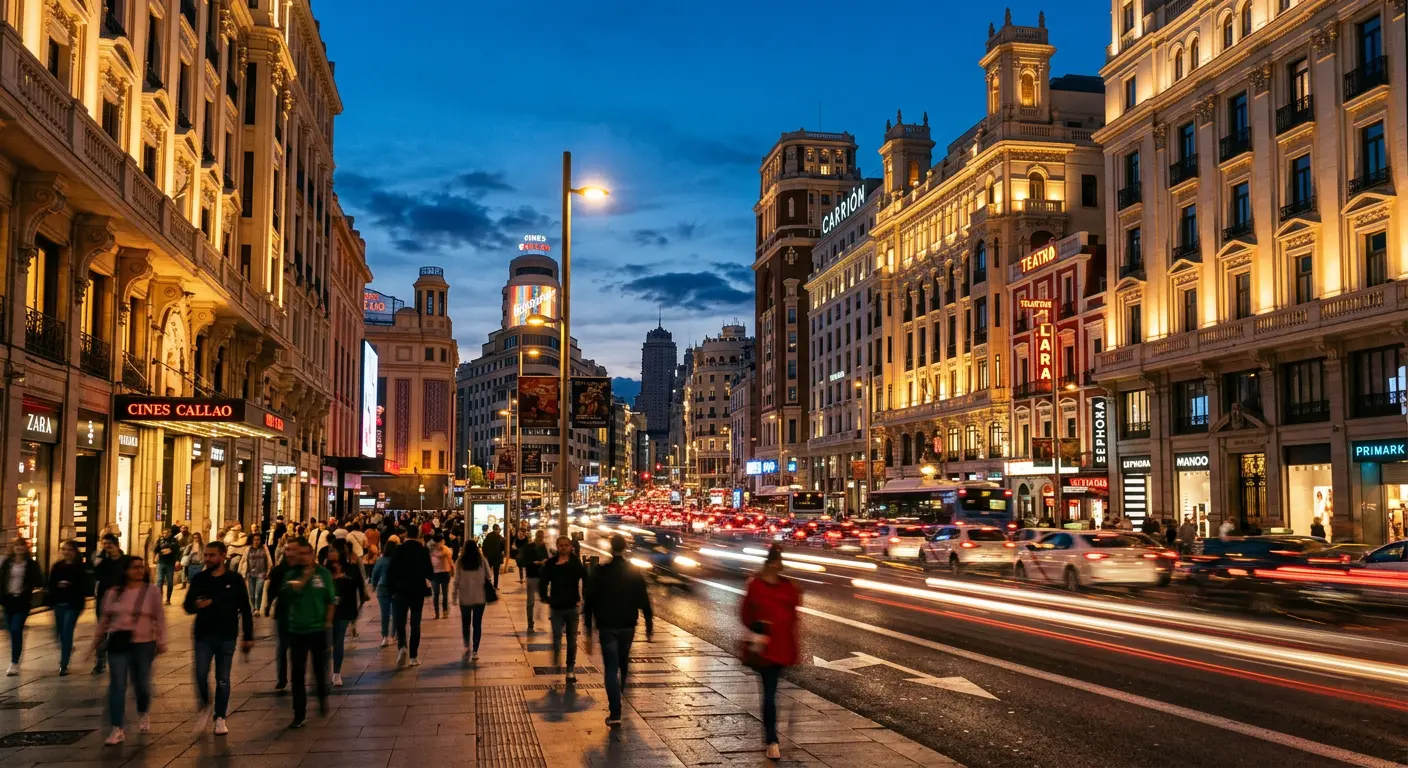
From Central Madrid
Exact matchday shuttle and transport plans will be confirmed by FIFA and Spanish authorities closer to 2030. Check back here for updates.
🇪🇸 Spain


🇲🇦 Morocco


🇵🇹 Portugal
🏆 Centenary Matches
Frequently Asked
Continue Exploring
See every World Cup 2030 stadium, or the full Madrid travel guide.
Stay Informed
Final-venue confirmations, ticket ballot dates and Madrid travel tips - straight to your inbox.