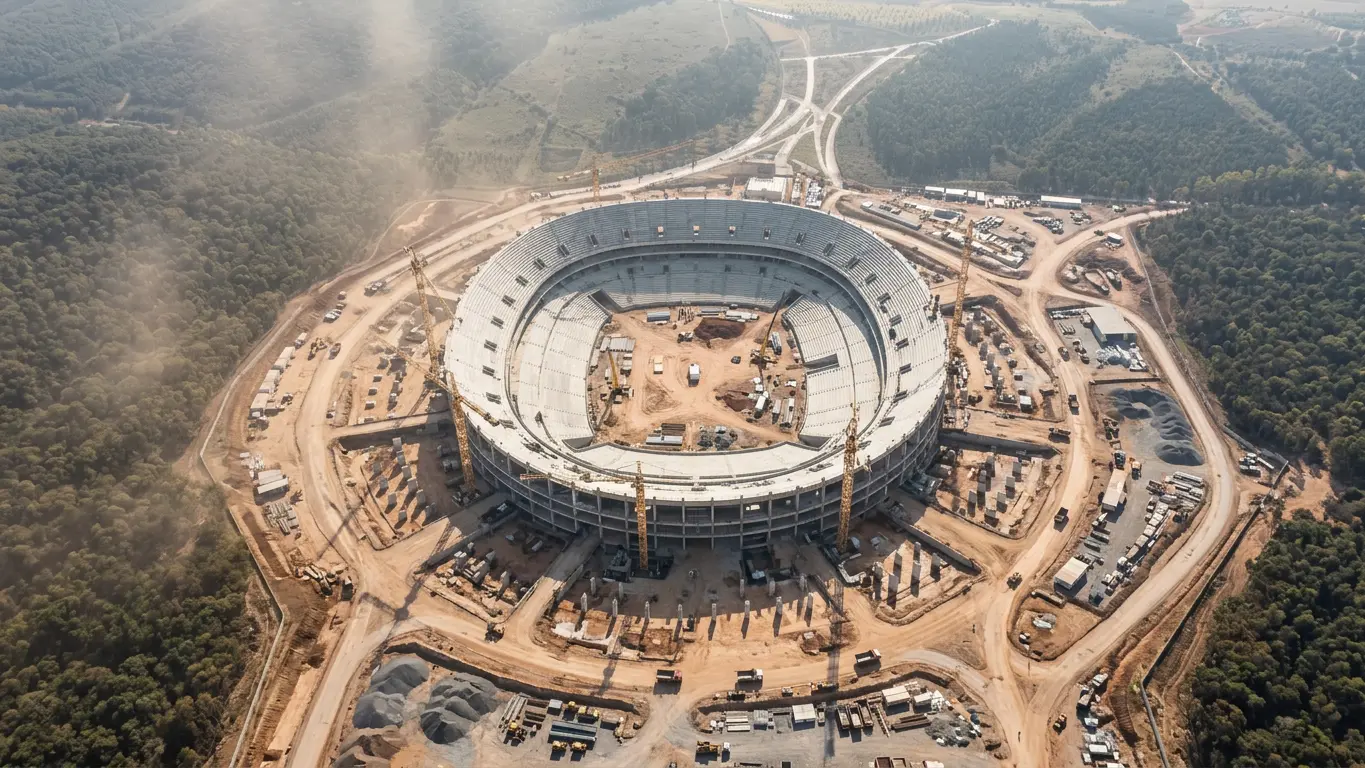
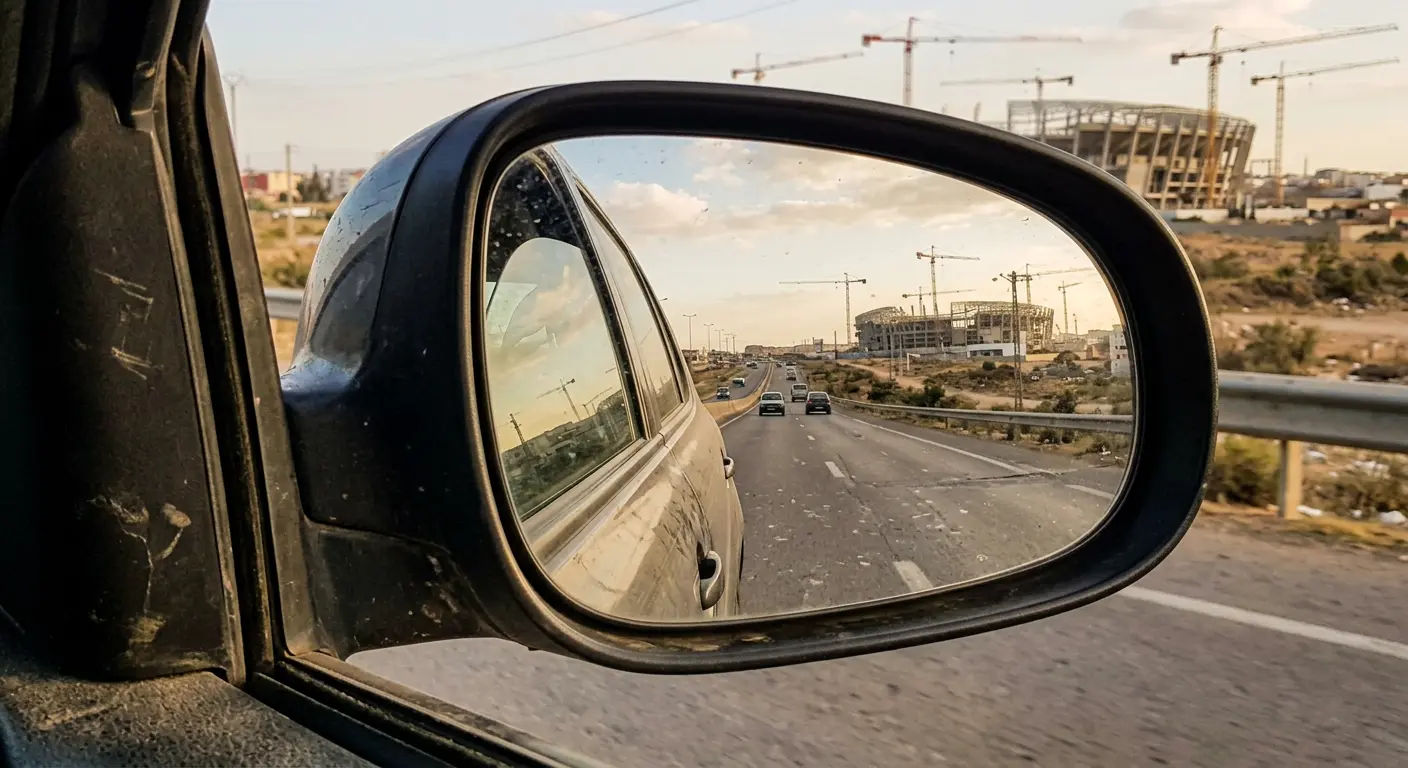
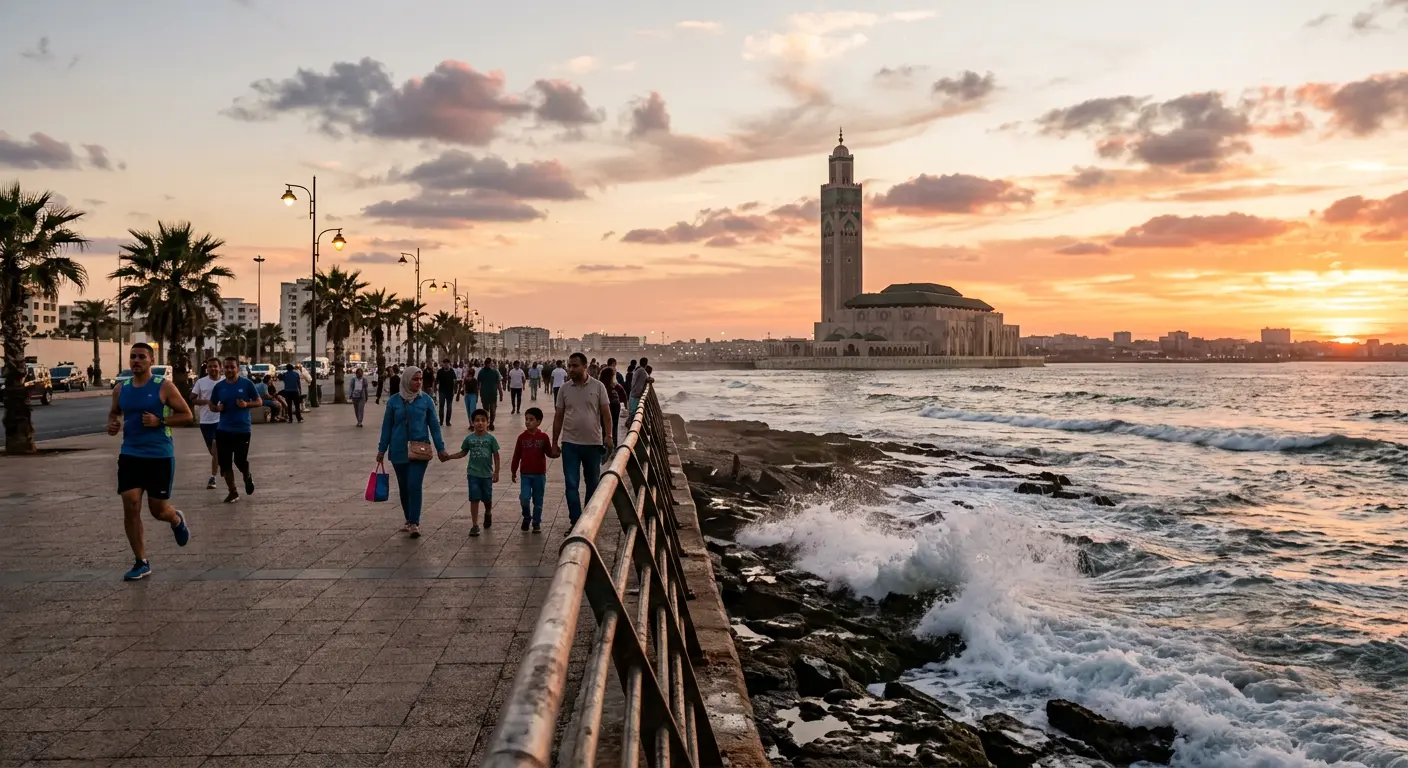
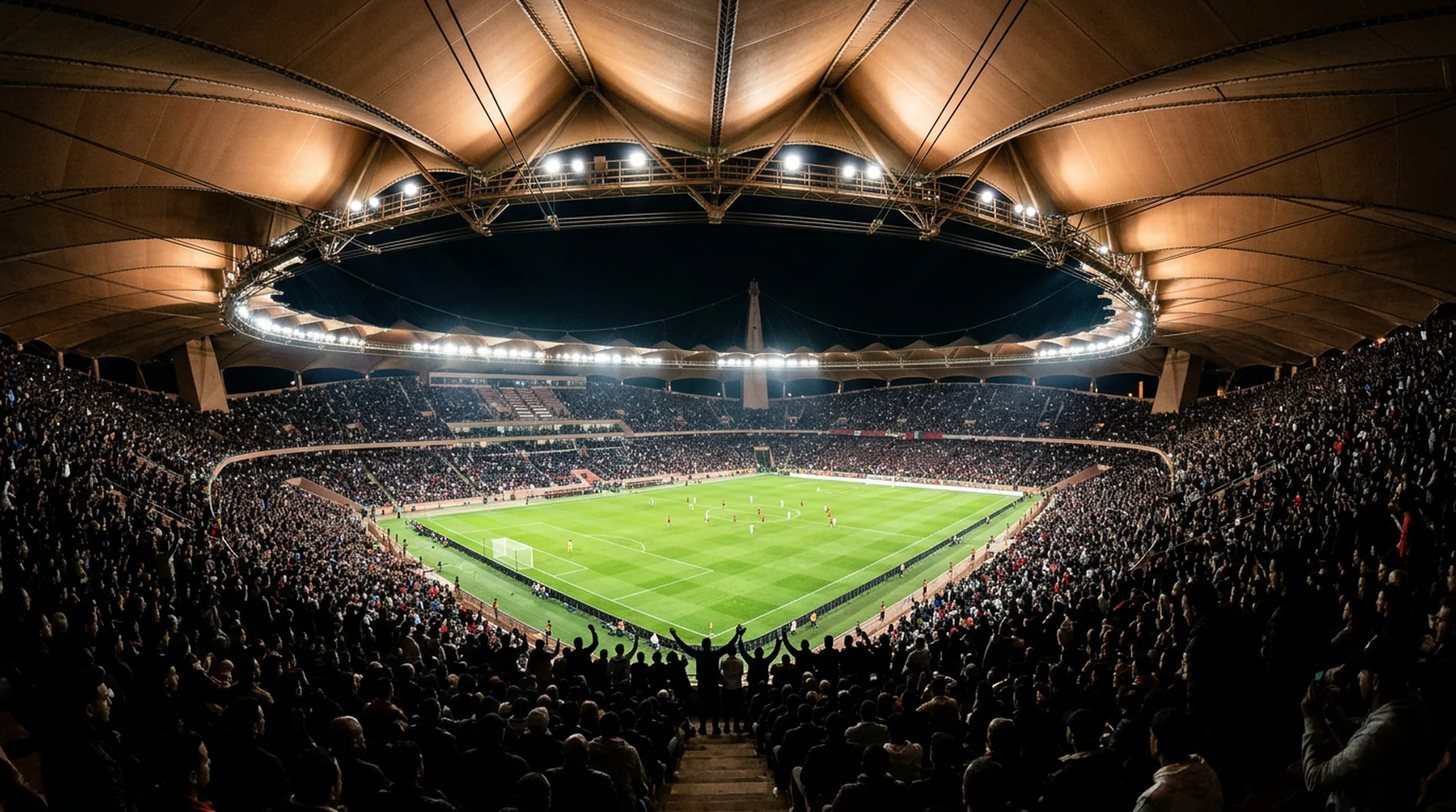
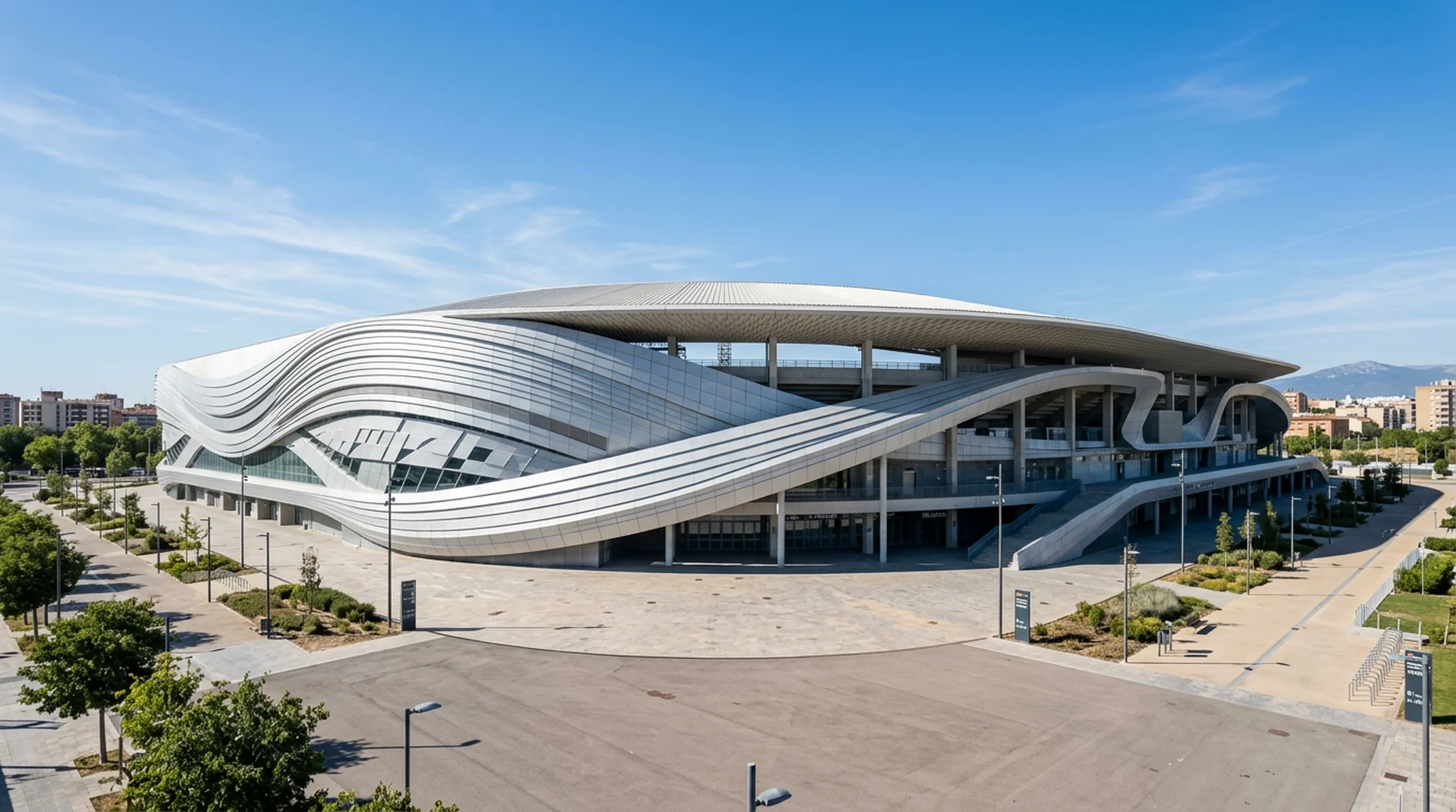
A 115,000-seat tent rising from the El Mansouria forest north of Casablanca, designed by Populous and Oualalou + Choi with the explicit goal of hosting the 2030 World Cup final, and racing toward a targeted December 2027 completion.
Architecture & Design
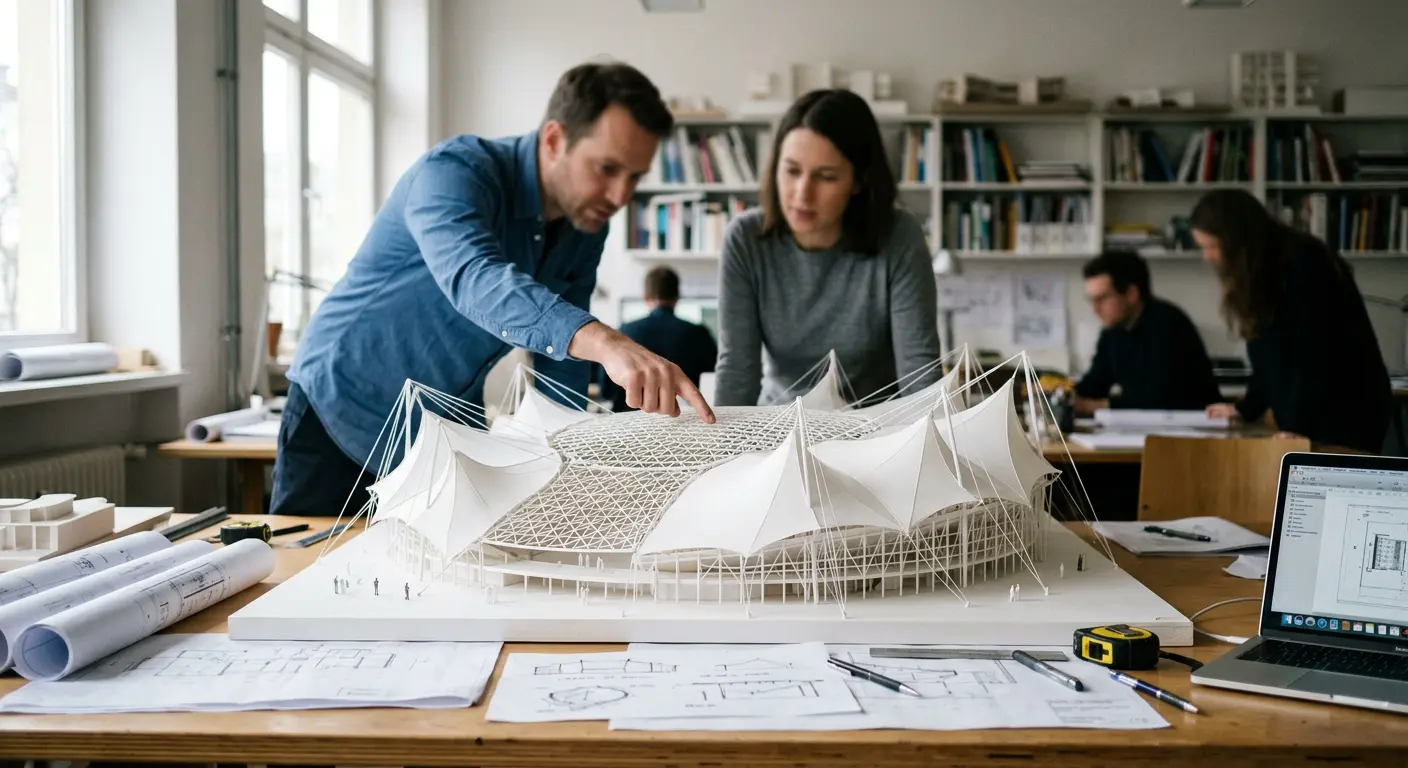
In March 2024, a consortium led by Populous and Casablanca and Paris-based studio Oualalou + Choi won the international design competition for the Grand Stade Hassan II, beating submissions from Cruz y Ortiz, Foster + Partners, GMP Architects, Herzog & de Meuron, HPP Architects and Zaha Hadid Architects. Populous handled the sports-venue engineering side of the design, working alongside Tarik Oualalou, the project's lead architect and founding partner of Oualalou + Choi.
The concept draws directly on the moussem, a traditional Moroccan communal gathering historically held beneath vast tents. Tarik Oualalou describes the design as rooted in three "ancient and primordial figures": the moussem itself, the tent, and the garden, layered onto the topography and landscapes of Morocco. The result is a stadium shaped like a colossal tent settled into the El Mansouria forest, its silhouette described by Populous's Christopher Lee as having a "mountain-like profile."
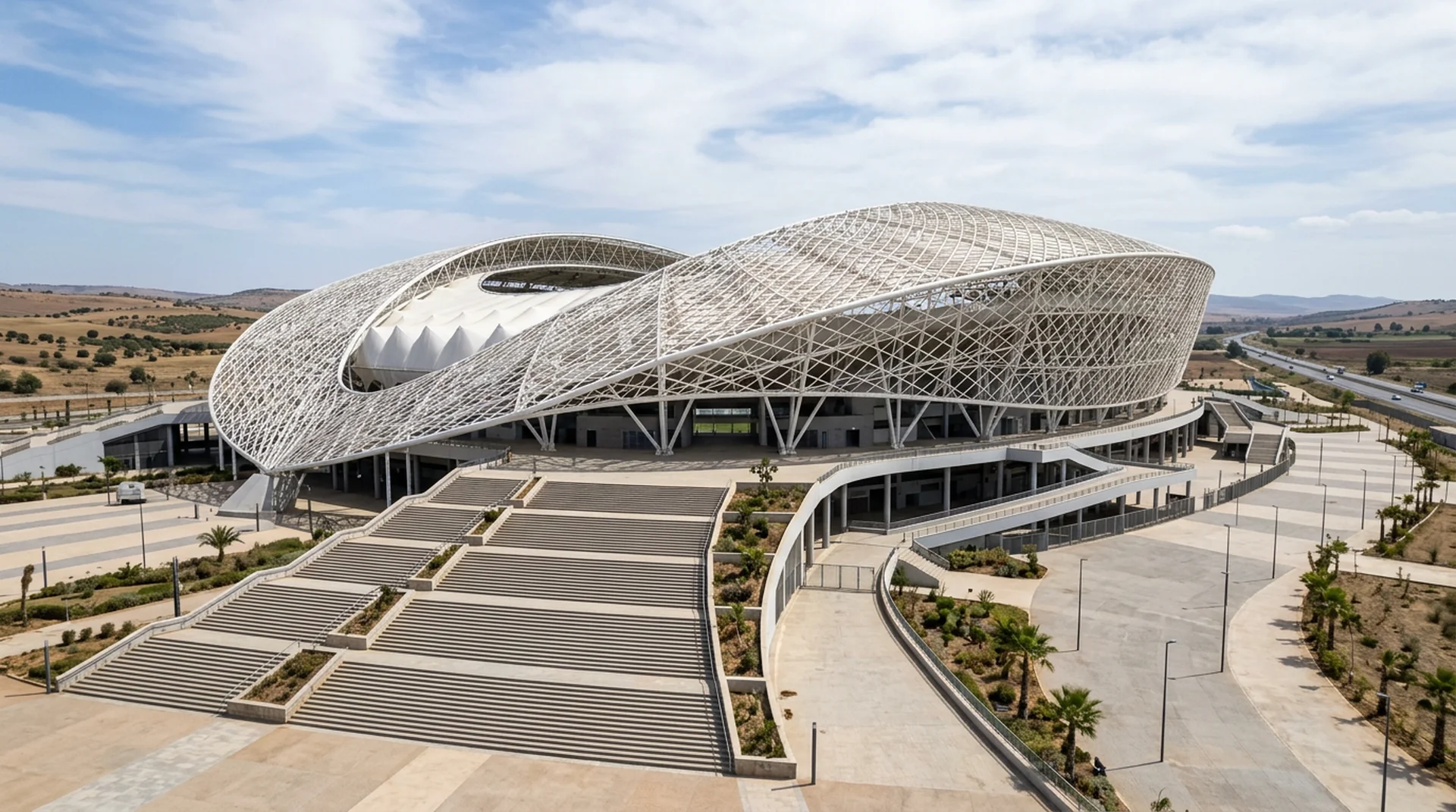
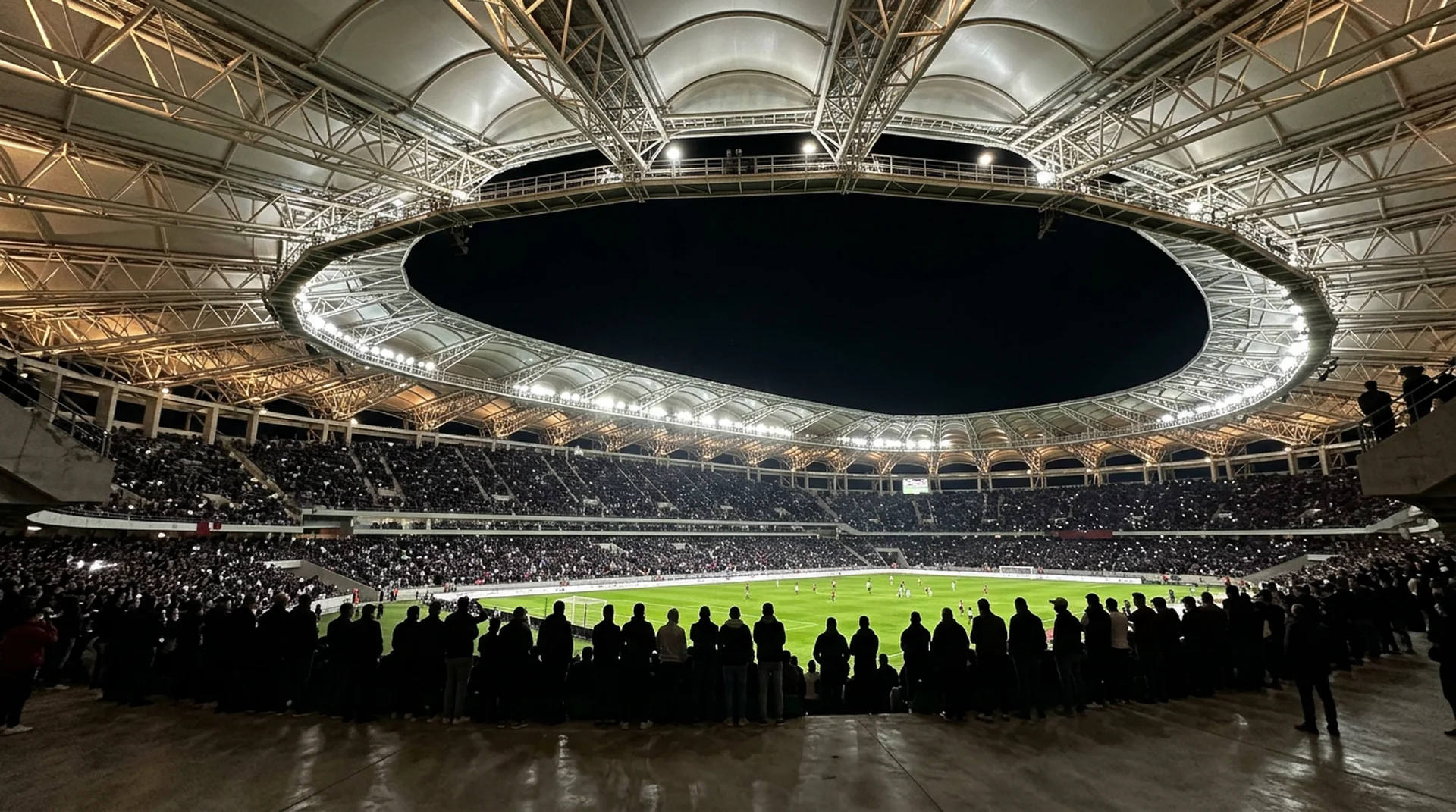
The defining architectural gesture is the roof: a translucent aluminium lattice that filters natural light into the bowl below while casting a distinctive silhouette over the landscape from outside. A structural ring of 32 monumental stair towers supports the roof and doubles as a series of scenographic entrance gateways into the stadium. In June 2026, the project won the Jury Prize in the "Unbuilt Sports & Recreation" category at the Architizer A+Awards, a notable honour for a stadium still under construction.
"It is rooted in ancient and primordial figures: the moussem, the tent, and the garden, as well as the topography and landscapes of Morocco. It's a generous space, open to the world and respectful to the nature it protects."
Tarik Oualalou, Lead Architect, Oualalou + ChoiGardens run through the design at two levels: elevated platforms around the 32 stair towers host lush greenery roughly 28 metres above ground, while a further series of botanical gardens sits at ground level beneath the outer reaches of the roof canopy. Populous describes the overall effect as "an oasis of greenery under the translucent roof canopy," extending the stadium's public realm well beyond the seating bowl itself. By design, the bowl itself rises in three tiers: architect Tarik Oualalou has described roughly 22,500 seats on the first level, 40,000-42,000 on the second, and a third ring completing the 115,000 total.
Hassan II Stadium is the largest and most ambitious of six Moroccan venues built or renovated for 2030, alongside Grand Stade de Marrakech, Prince Moulay Abdellah Stadium in Rabat, and Ibn Batouta Stadium in Tangier, which has already reopened after its own major expansion.
Planning a trip around this stadium? See the full Casablanca guide →
Search Casablanca HotelsConstruction is organised into twelve procurement lots, three of which had been awarded by March 2026: earthworks (356 million MAD, won by SGTM), technical installations and fluids (763 million MAD), and the roof and facade (3.7 billion MAD, won by a joint venture of SGTM and TGCC). As of May 2026, project officials told Reuters the stadium was roughly 30% complete after nine months of the main structural phase, with 5,000 workers on site scaling toward 10,000 at peak; a separate report by Spanish newspaper AS the same month put progress closer to 40%.
One argument Tarik Oualalou has made directly to FIFA: because the stadium is being designed from scratch rather than retrofitted, it can build in dedicated FIFA offices and operational space from day one, something older, already-built stadiums like the Bernabéu can't easily replicate. The wider 100-hectare (some reports say up to 150-hectare) complex also includes 70,000m² of training pitches and an energy centre, a 38,000m² athletics stadium, a 34,200m² aquatics centre, and further gymnastics and multi-sport halls.
What We Don't Know Yet
Because Hassan II Stadium is still under construction, several details remain unsettled. Reports put site size at anywhere from 100 to 150 hectares. By March 2026, roughly 7.45 billion MAD had already been committed across just three of twelve procurement lots, already exceeding the original 5.1 billion MAD budget figure, and a final total hasn't been confirmed. Precise pitch-to-first-row distances and formal acoustic figures also haven't been published. We'll update this page as soon as that data becomes public, rather than guess at numbers.
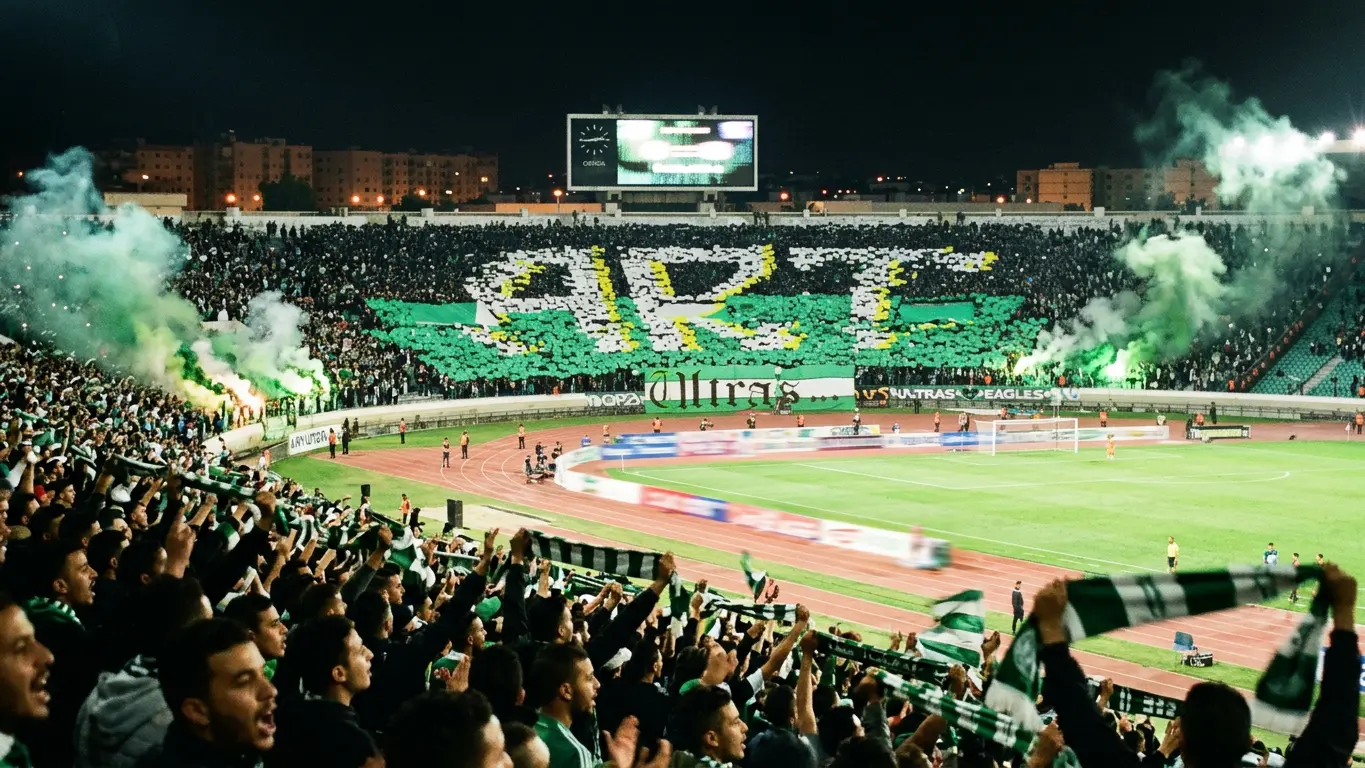
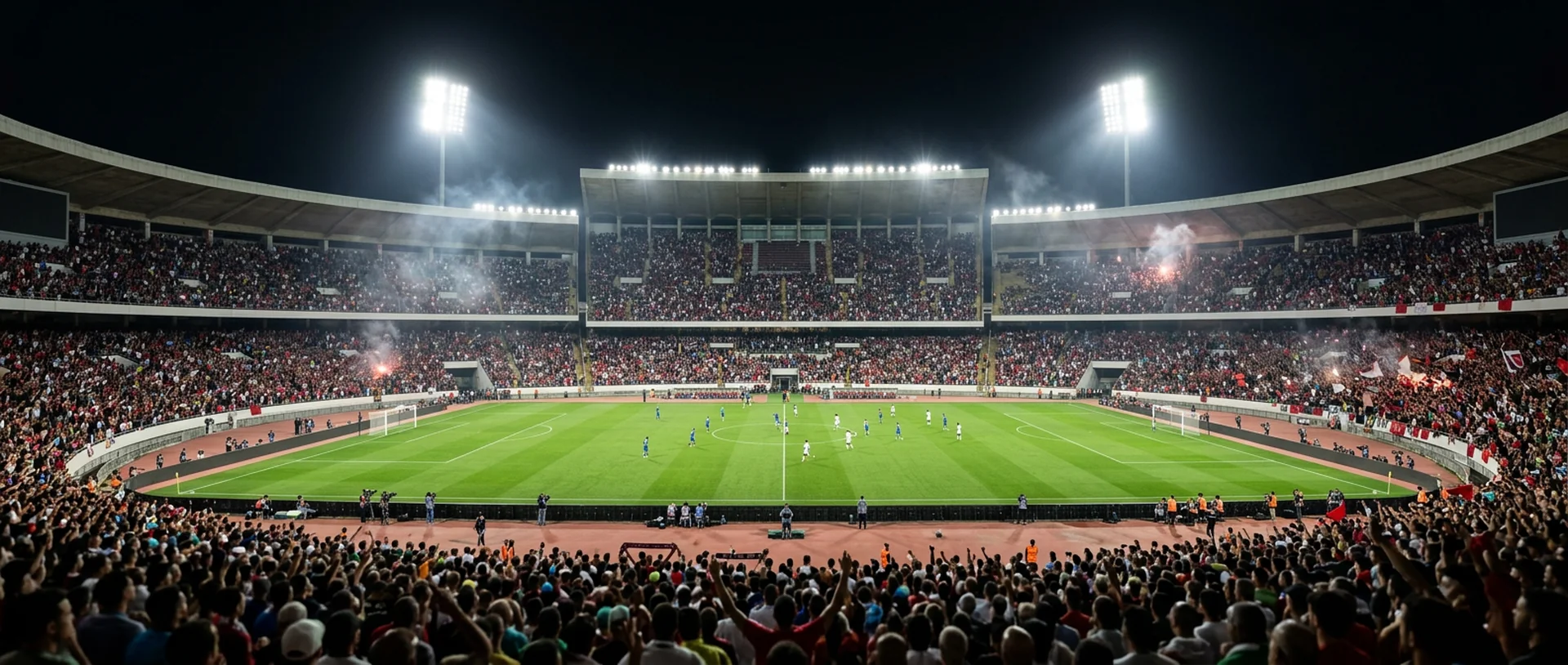
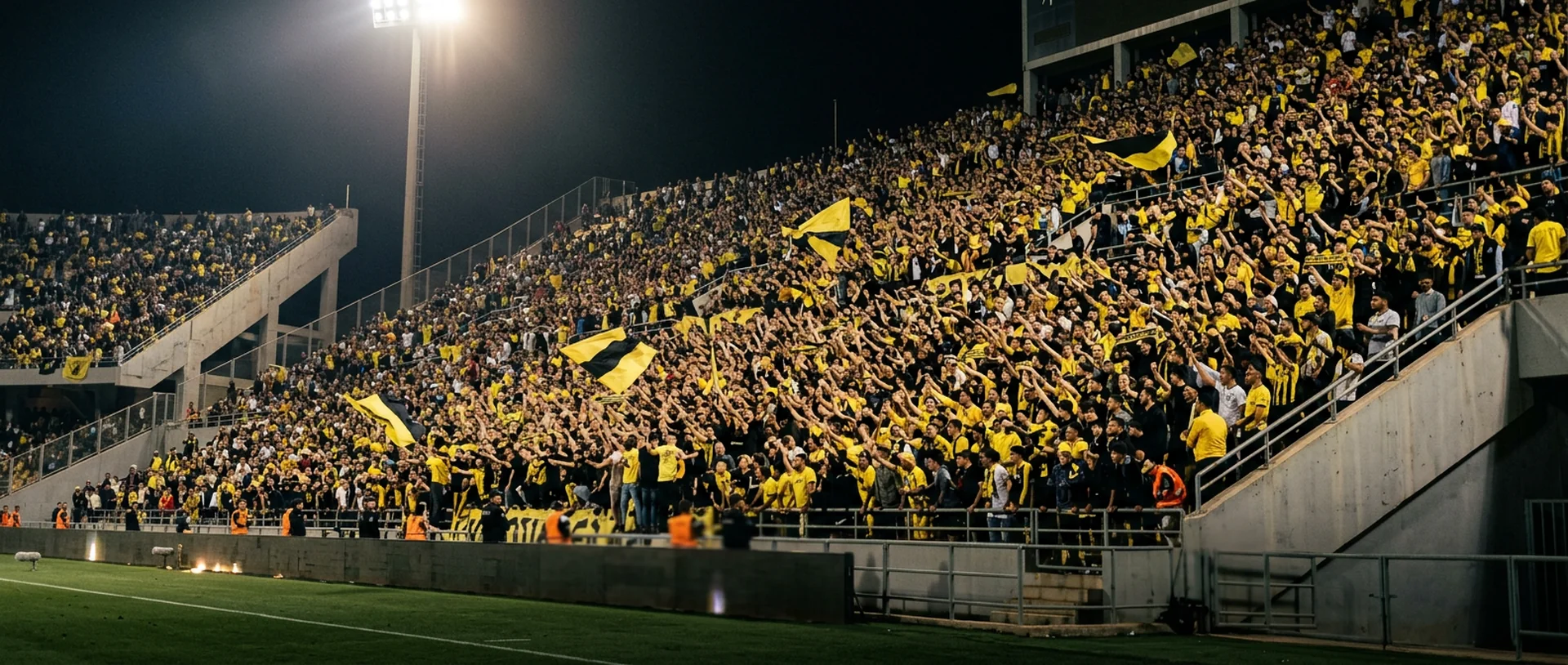
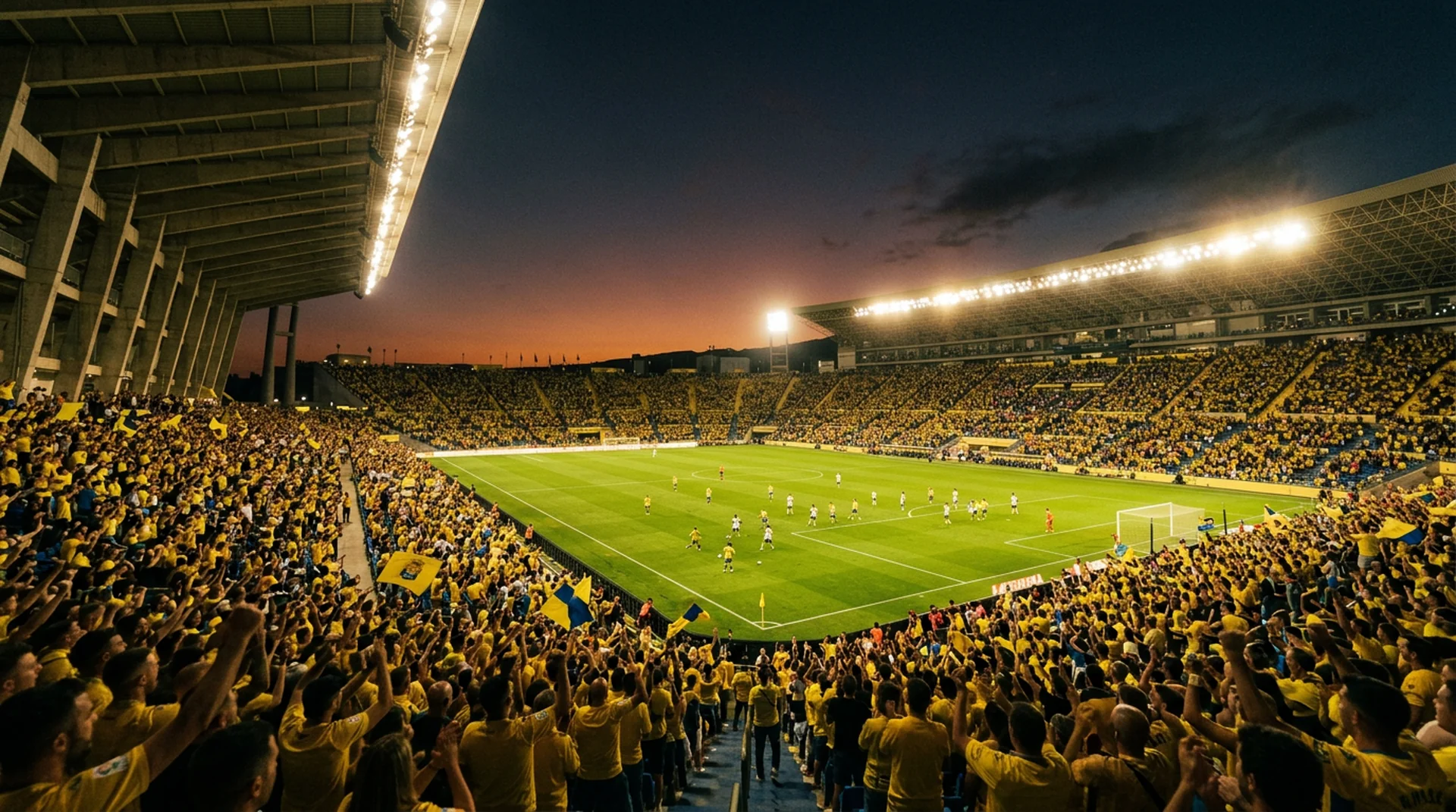
Raja's support is anchored by two groups: Ultras Green Boys 2005, widely credited as the first organised ultras movement in Morocco, and Ultras Eagles 2006, which split off the following year. Both occupy the south "Magana" end at Mohammed V, wearing Raja's green and white, colours chosen to represent hope and the city of Casablanca. Across the pitch, Wydad's "Winners," formed in 2005, pack the north curve some 10,000 strong, staging choreographed card mosaics and torch displays under the motto "Free souls." Both groups lean toward vocal, sometimes politically charged chanting, a well-documented feature of Moroccan ultras culture generally, though this page keeps its focus on the football and matchday spectacle rather than that wider context.
Once Hassan II Stadium opens, the Casablanca Derby, one of the fixtures most associated with Moroccan football, is expected to move here permanently, giving both sets of ultras a stage built for genuinely extreme scale: each end of the new stadium alone holds roughly 29,500 fans, nearly three times the Winners' current turnout at Mohammed V.
Street food traditions from Mohammed V, grilled sandwiches, msemen flatbread, and sweet mint tea from vendors lining the approach streets, are expected to transfer with the clubs, alongside new fixed-price concourse kiosks built into the stadium itself.
Full Casablanca GuideA grand new stadium for Casablanca was first floated for Morocco's bid to host the 2010 World Cup, which the country lost to South Africa by a narrow 14-10 vote. The idea resurfaced for the 2026 bid, which included a 93,000-seat design by Spanish firm Cruz y Ortiz Arquitectos intended to host the opening match and final, but that bid lost to the United 2026 bid (USA, Canada, Mexico) in 2018. The project only gained real momentum after Morocco's historic run to the semi-finals of the 2022 World Cup in Qatar, which strengthened the country's football federation to push hard for a fresh World Cup bid.
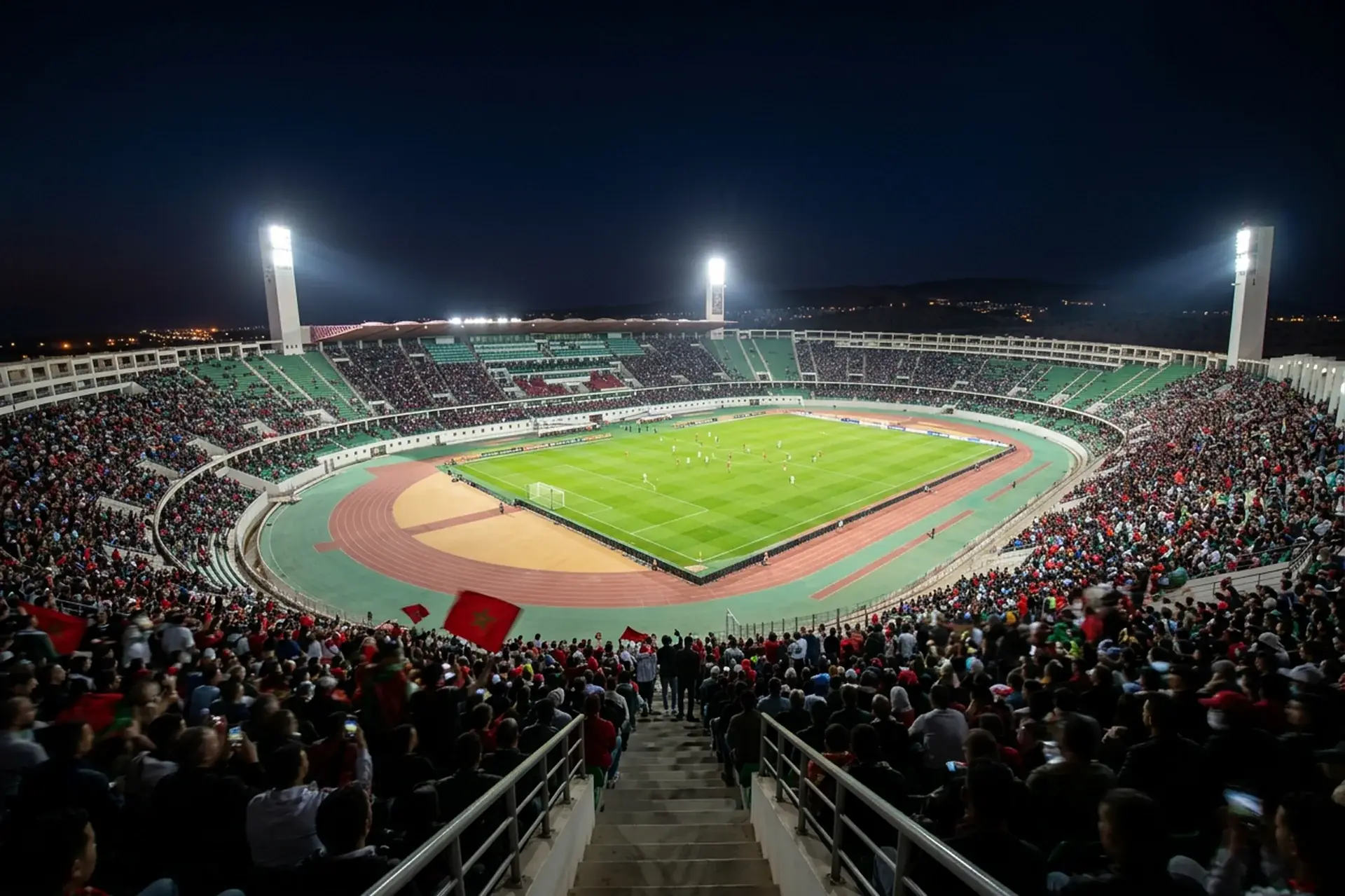
The stadium's total construction cost was originally set at 5.1 billion Moroccan dirhams, financed through an October 2023 agreement between the Moroccan government and the Caisse de Dépôt et de Gestion, though committed spending had already exceeded that figure by early 2026. Once complete, it is expected to become the shared home of Casablanca's two giants, Raja Club Athletic and Wydad Athletic Club, who currently share the smaller, older Stade Mohammed V.
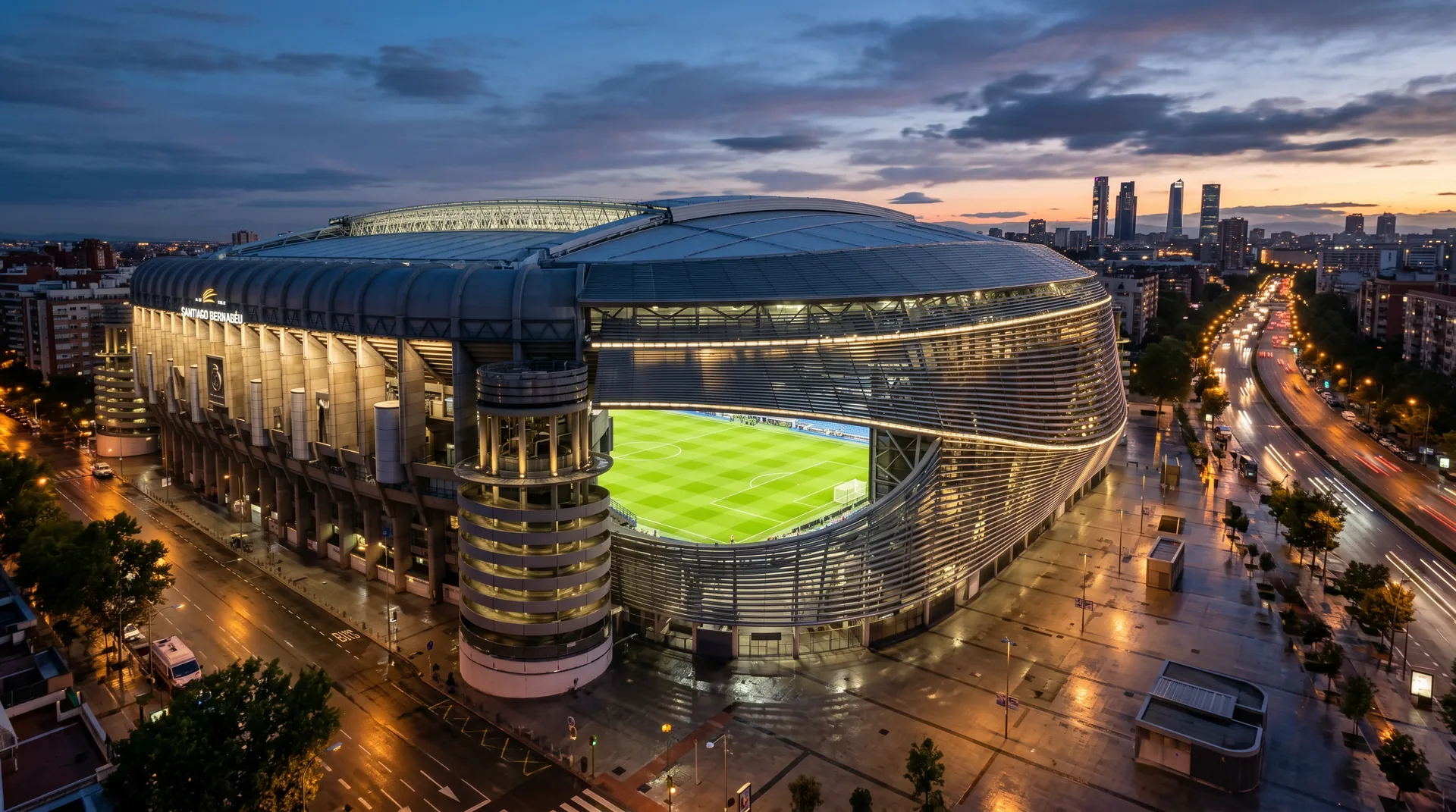
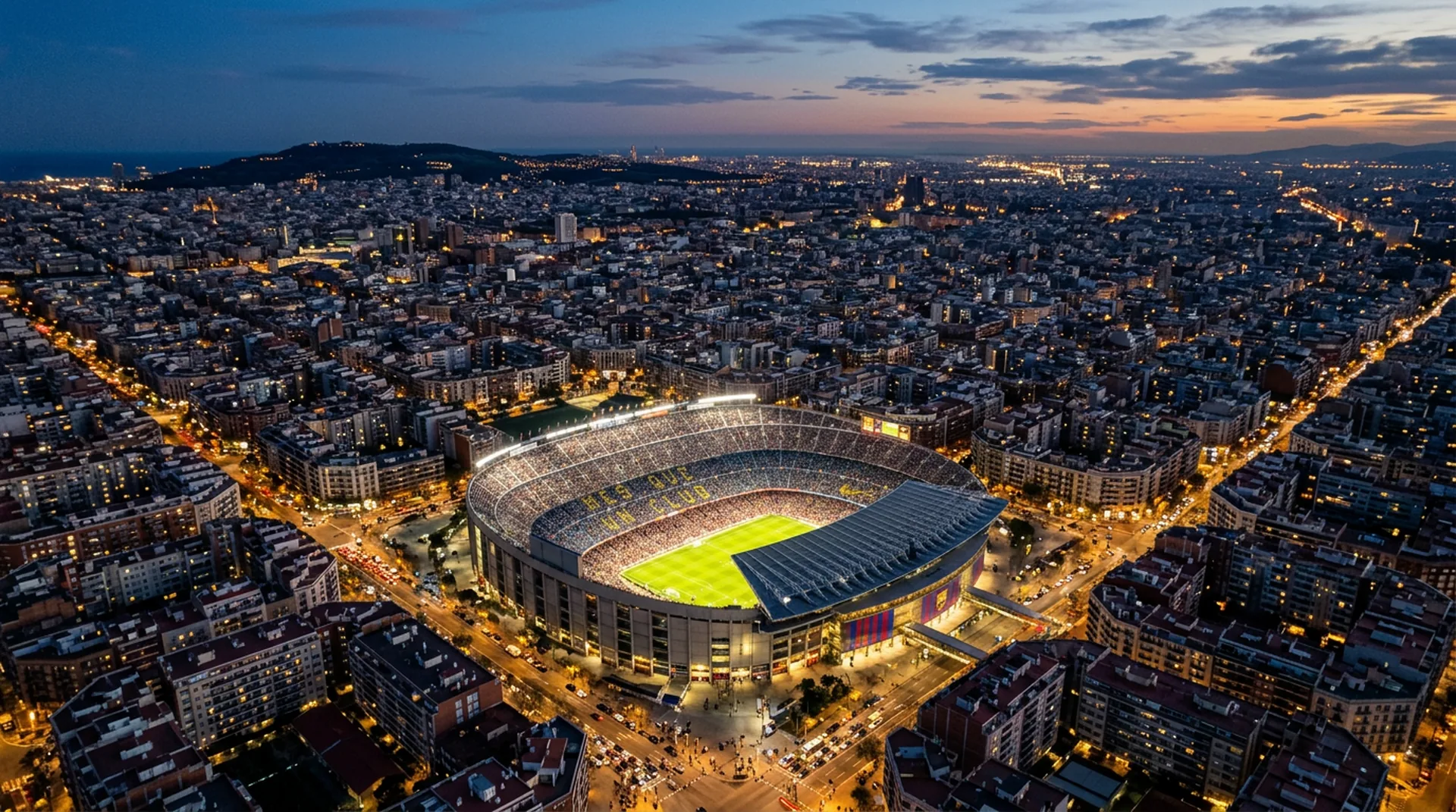
FIFA has not yet confirmed the final's venue, and reporting through 2026 has also floated Spain's Santiago Bernabéu and Barcelona's Camp Nou as candidates, so nothing is settled. One argument Moroccan officials have made to Spanish media: roughly 9,000 VIP and VVIP seats, an unusually high figure even against the Bernabéu's own renovated hospitality offering, alongside dedicated office space designed into the building specifically for FIFA's operational needs.
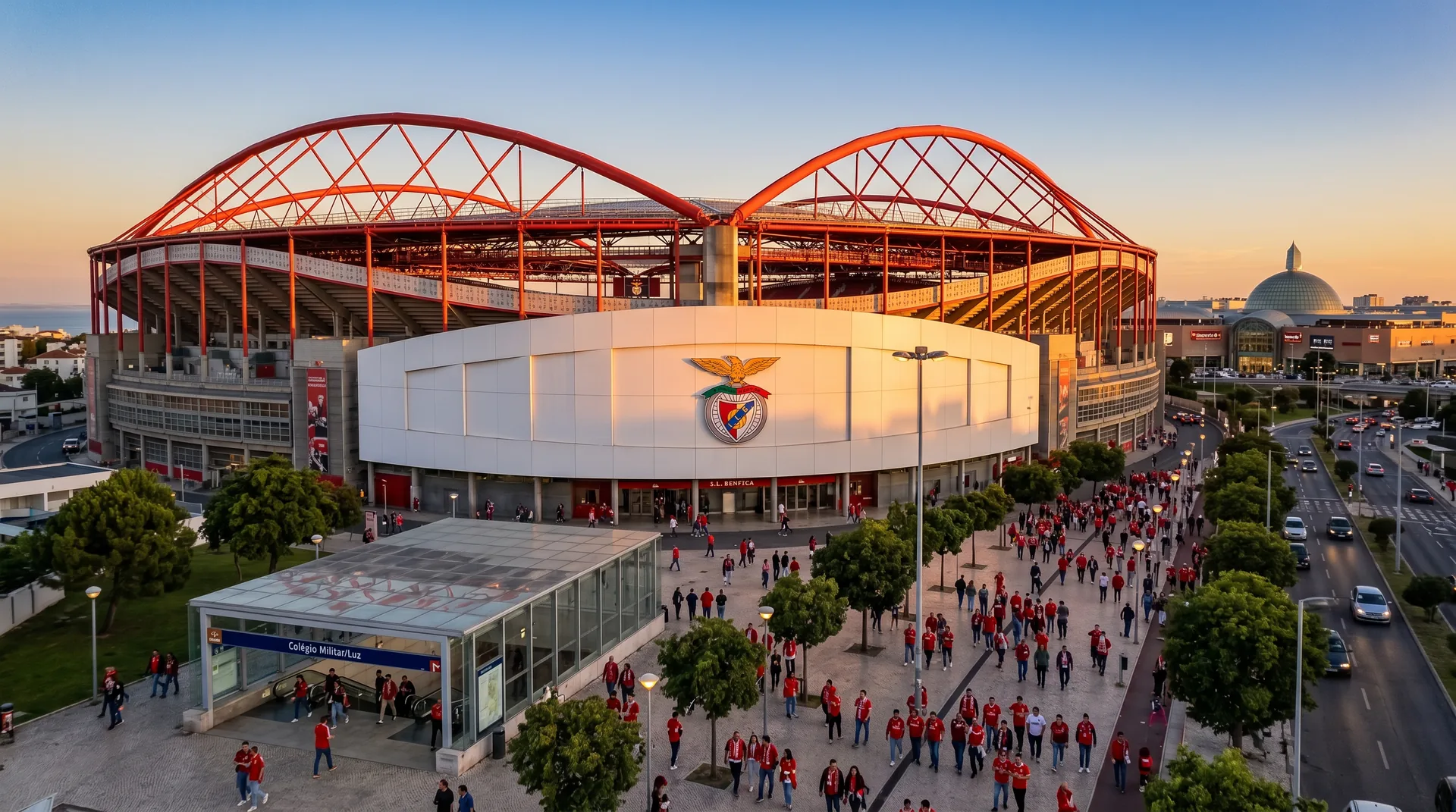
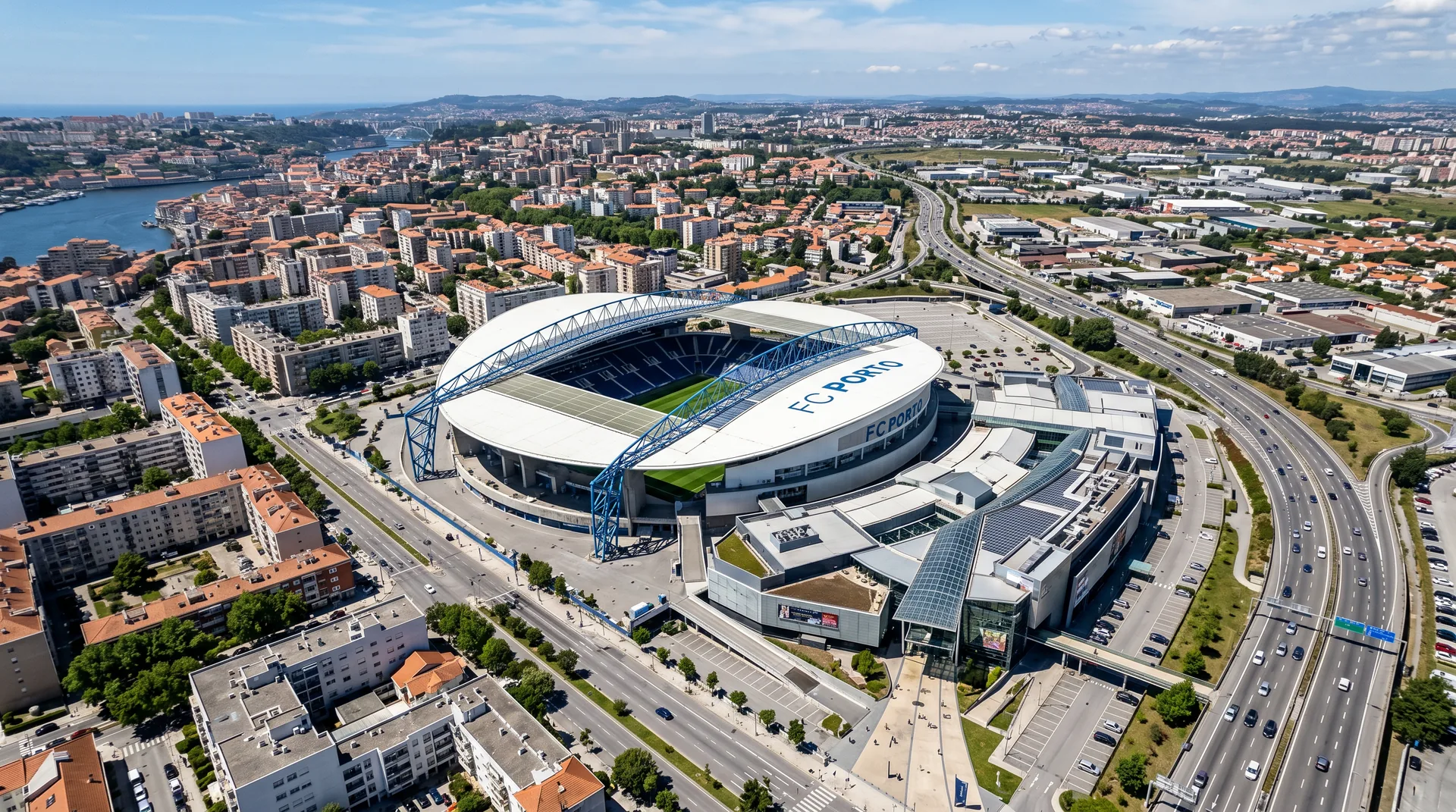
Whichever match it ultimately hosts, the stadium is designed to be fully FIFA-compliant for top-tier international competition, with construction timed to leave buffer room for test events and certification well before the tournament begins on 8 June 2030. At more than double the capacity of Portugal's largest venue, Estádio da Luz (65,000 seats), Hassan II Stadium sits in a class of its own among the tournament's 21 confirmed venues.
From Casablanca City Centre
Exact matchday shuttle and transport plans will be confirmed by FIFA and Moroccan authorities closer to 2030. Check back here for updates.
🇲🇦 Morocco


🇵🇹 Portugal
🇪🇸 Spain


🏆 Centenary Matches
Frequently Asked
Continue Exploring
See every World Cup 2030 stadium, or the full Casablanca travel guide.
Stay Informed
Construction milestones, confirmed budget figures, final-venue decisions and Casablanca travel tips - straight to your inbox.