Spain Stadiums Architecture History Where to Stay FAQ Newsletter
San Mamés Stadium's white triangular facade illuminated at night, Athletic Bilbao's home for the 2030 FIFA World Cup
Spain · World Cup 2030 Stadium Guide

San Mamés

Built beside the century-old original it replaced, San Mamés inherited the nickname "La Catedral" and Athletic Bilbao's fiercely guarded Basque-only cantera policy, a piece of the old pitch's turf planted at its centre on opening day.

53,331Capacity
2013Opened
ACXT / IDOMLead Architect
1898Club Founded
📍Nervión riverside, Bilbao
Home: Athletic Bilbao
Status: Open & World Cup Confirmed
🏆LEED Certified
🏟"La Catedral" nickname
Architecture Engineering Atmosphere History World Cup Role Getting There Where to Stay All Stadiums FAQ

Architecture & Design

A New Cathedral, Built Beside the Old One

Architect César Azkárate of ACXT-IDOM presented plans in March 2007 for a three-tiered, 56,000-seat stadium, drawing influence from Germany's 2006 World Cup venues, particularly Munich and Hamburg. Athletic Club had considered other sites, including a proposal by Norman Foster for a 55,000-seat stadium in nearby Abandoibarra, before settling on building the new stadium directly beside the century-old original, on the site of the former Bilbao International Trade Fair.

That decision made for an unusually complicated construction process: work began in 2009 and proceeded in two carefully sequenced phases specifically so Athletic never had to play a single match away from Bilbao, with the old San Mamés gradually demolished as the new stadium rose around it, three-quarters complete before the first matches were played there.

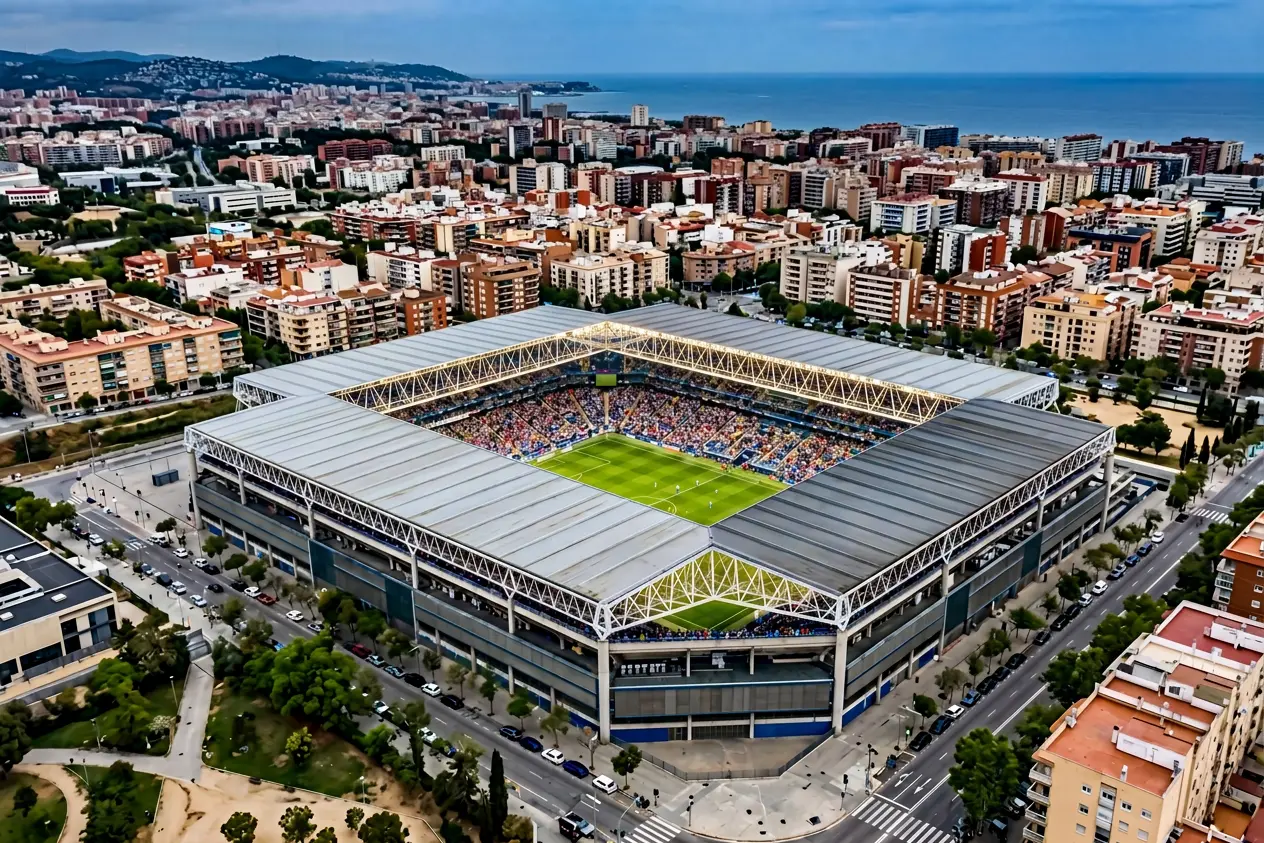
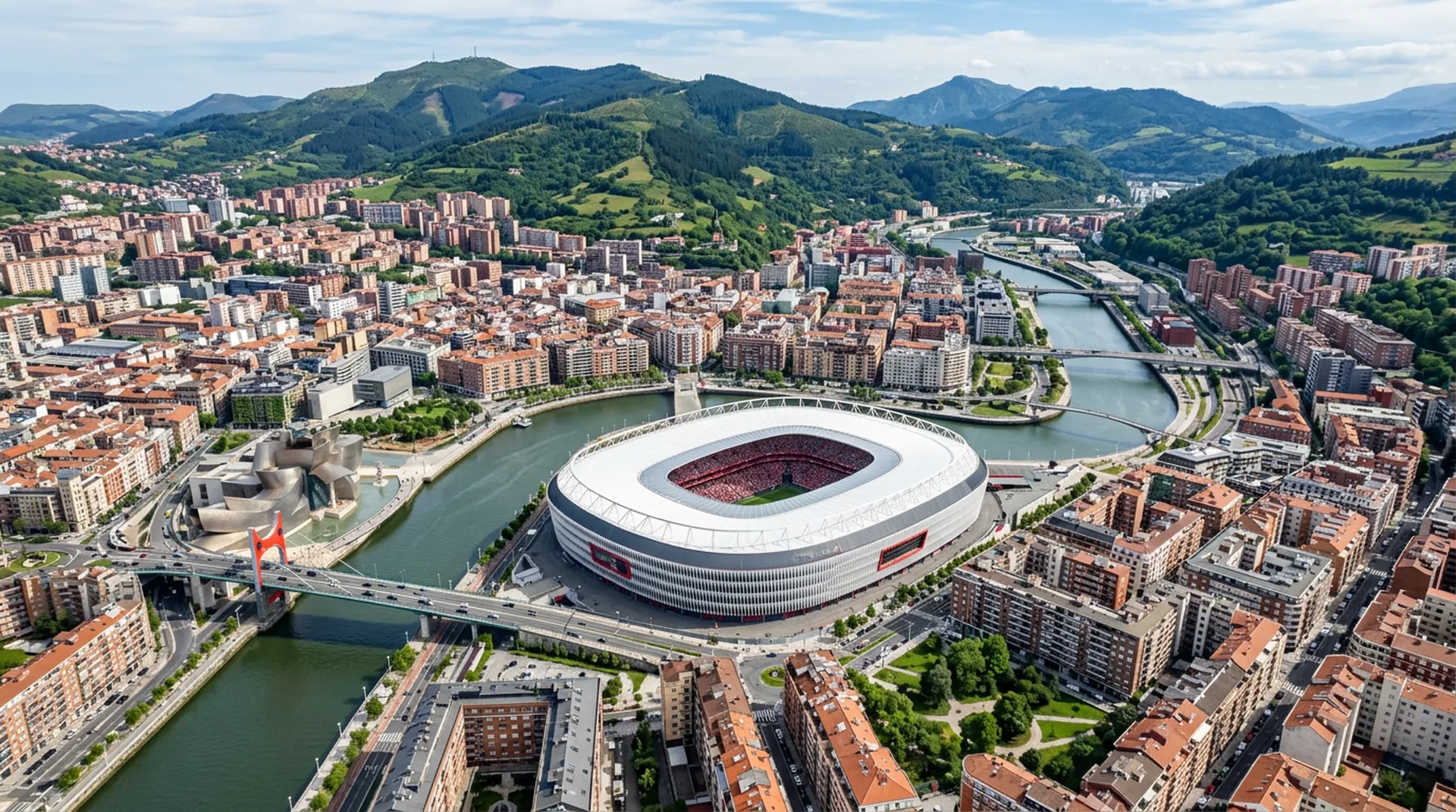
The result is a rectangular bowl with soft, curved corners, its exterior distinguished by a facade of ETFE modular panels equipped with LED lighting that from a distance appears composed of triangles, illuminated at night as one of Bilbao's recognisable landmarks along the Nervión River, a very different approach from RCDE Stadium's glass-curtain facade in Barcelona.

San Mamés Barria, the company formed in 2007 to build the stadium, brought together Athletic Club, savings bank BBK and the Biscay Provincial Council. The financial crisis of 2008 forced a redesign partway through planning, trimming the original 56,000-seat, glass-fronted concept down to roughly 53,000 seats before a symbolic groundbreaking on 26 May 2010, attended by the Basque Lehendakari Patxi López and marked by a human chain of former players carrying a piece of turf and a brick from the old stadium's facade to the new site.

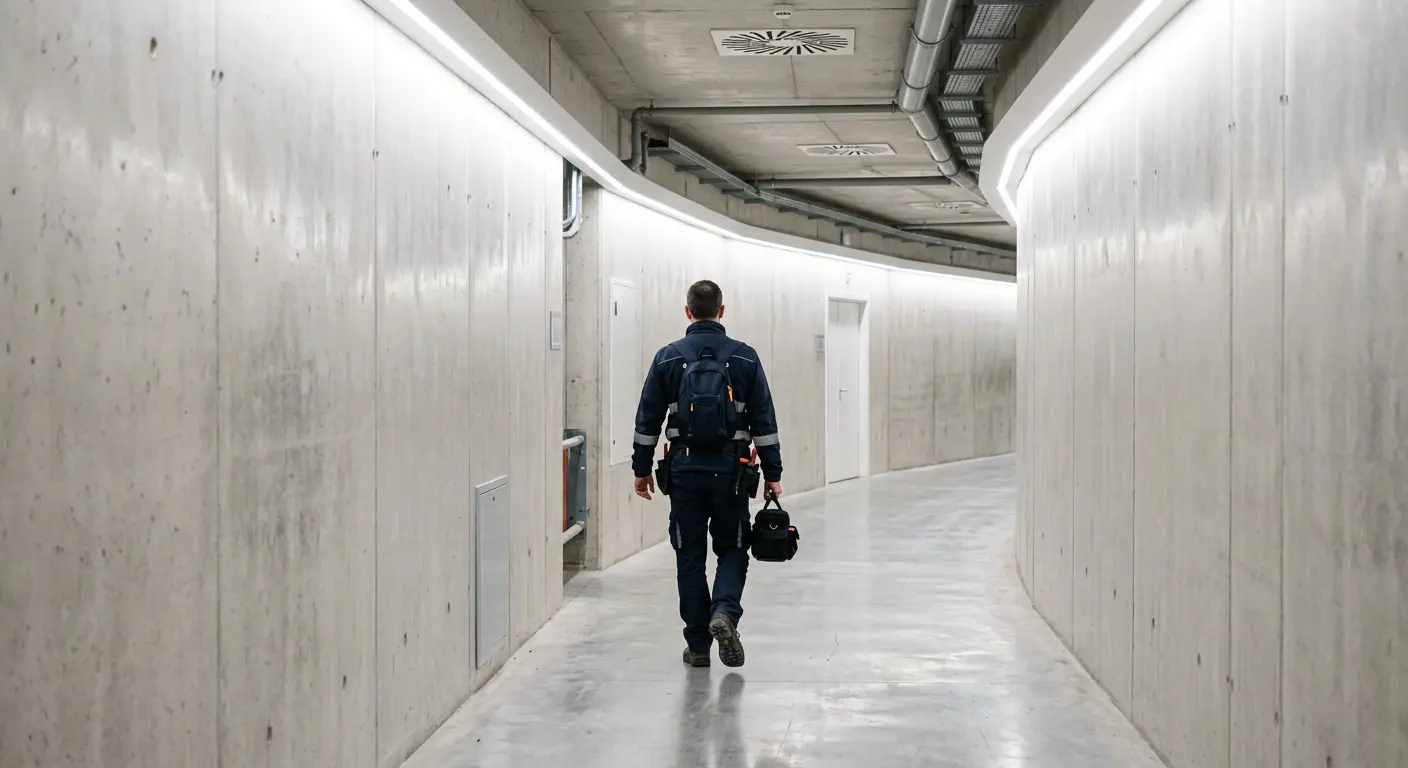
Engineer IDOM's structural solution rests on roughly 80 concrete portal frames spaced around the perimeter, supporting a roof with cantilevers reaching up to 50 metres over the stands. Much of the stadium's scale is invisible from street level: three basement storeys beneath the bowl house a municipal sports complex, opened in 2019, with an Olympic pool, spa and an indoor athletics module, tucked entirely beneath the seating rather than added as a separate building.
Planning a trip around this stadium? See the full Bilbao guide →

Search Bilbao Hotels
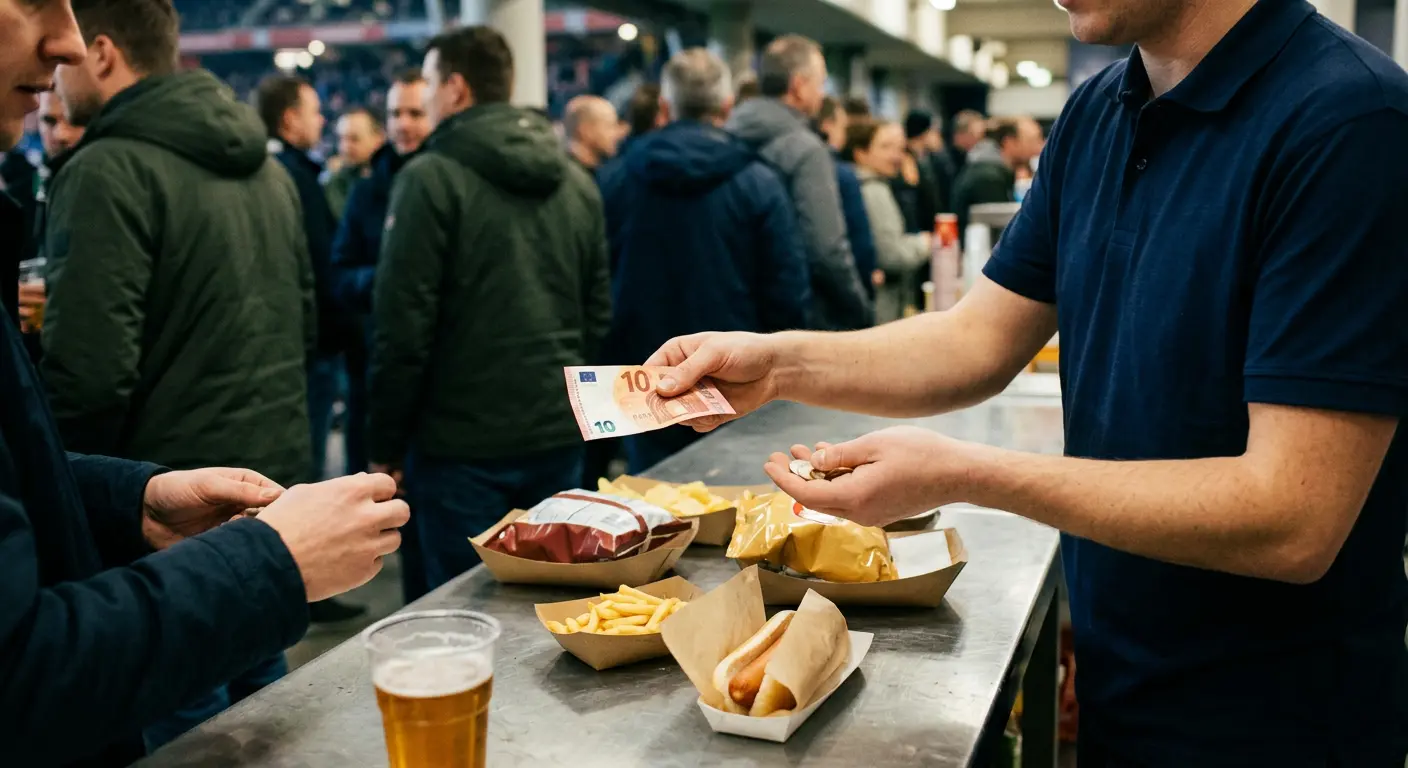
A fan buying food and drink at a San Mamés concession stand on matchday

Turf From the Old Cathedral

San Mamés was designed as a double-tier bowl interspersed with a smaller ring, deliberately built to create pressure for both players and spectators, the same intensity that defined the original stadium.

Search Bilbao Hotels Get Stadium Updates

The pitch itself sits below street level, keeping the overall structure from dominating its riverside surroundings, while the upper tier's undulating shape, peaking in the central area, was engineered to give every seat an excellent sightline.

🏆
Awards
World's Best
World Architecture Festival, Sports category, 2015
🌱
Sustainability
LEED Certified
The first European football stadium to receive LEED certification
Roof
Extended 2016
A €12.6 million project added 13-23 metres of extra coverage
🏟
Symbolic Detail
Old Pitch Turf
A piece of the original San Mamés pitch was planted at the centre of the new one

San Mamés has hosted the 2018 European Rugby Champions Cup final (a record attendance of 52,282), a 2019 Copa de la Reina match that set the Spanish women's football attendance record (48,121, Athletic vs Atlético Madrid), and, as compensation for losing scheduled UEFA Euro 2020 matches, both the 2024 UEFA Women's Champions League final and the 2025 UEFA Europa League final. The Champions Cup and Challenge Cup rugby finals return to Bilbao in 2026, following the venue's selection from 23 stadiums across 12 countries.

"Superbly equipped San Mamés stadium in Bilbao."

- EPCR Board, on awarding the 2026 rugby finals to San Mamés

What We Don't Know Yet

Bilbao's exact terms with FIFA remain under negotiation as of mid-2026, including disputes over free public transport for ticket holders and potential premium-seating upgrades. There has also been recent discussion of San Mamés and Reale Arena operating together as a single combined Basque host venue, but this remains an unconfirmed proposal rather than a formal FIFA decision. We'll update this page as things are confirmed.

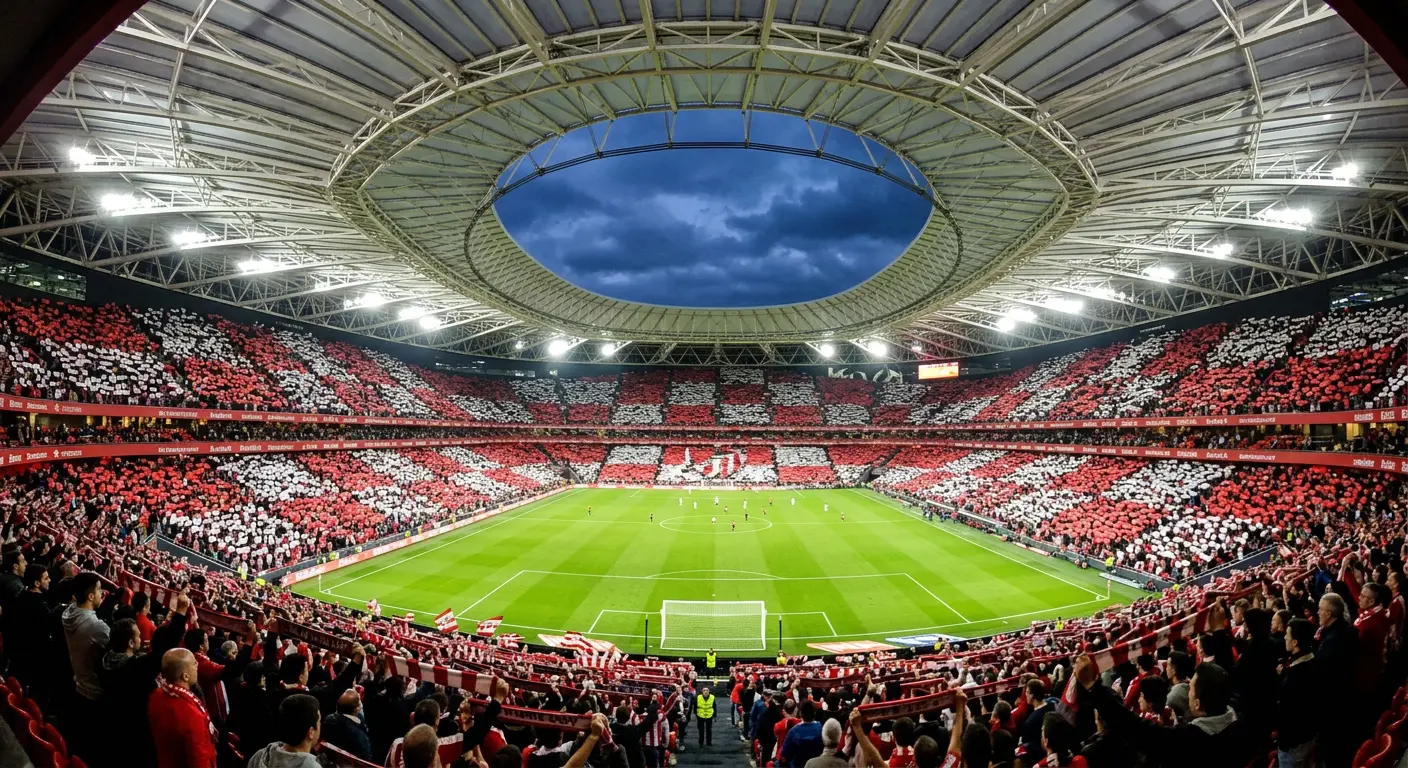
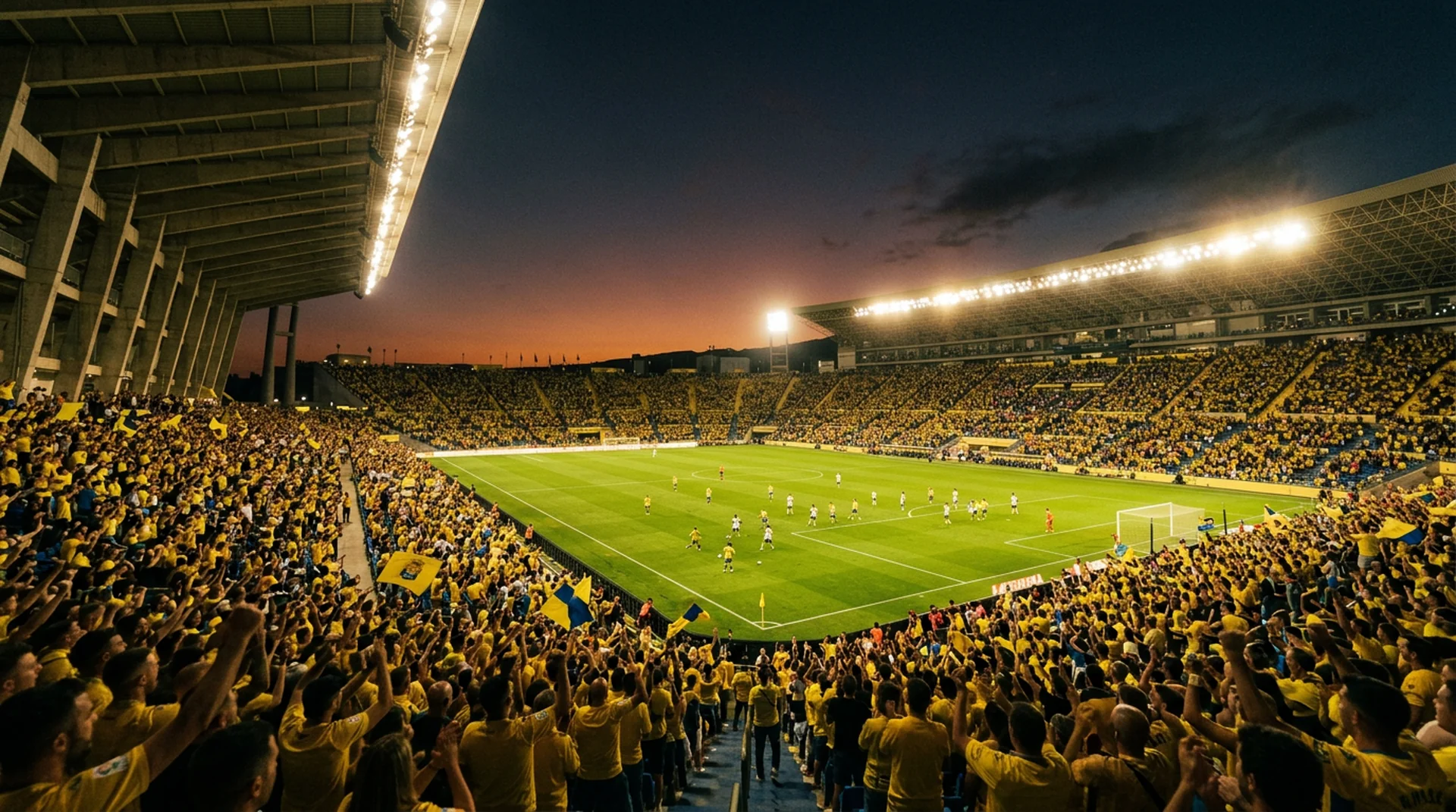
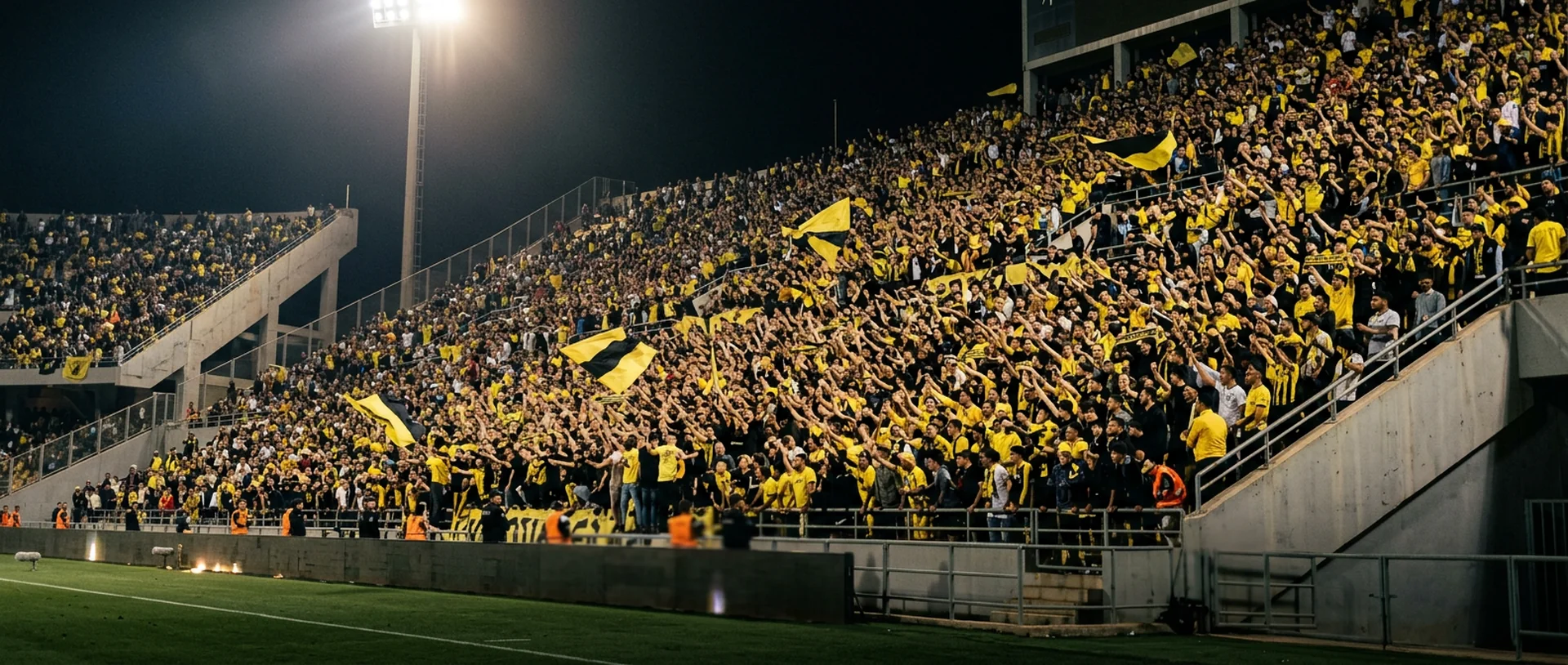
Athletic Bilbao supporters filling the stands at San Mamés on matchday

Basque Pride, Sung From the North End

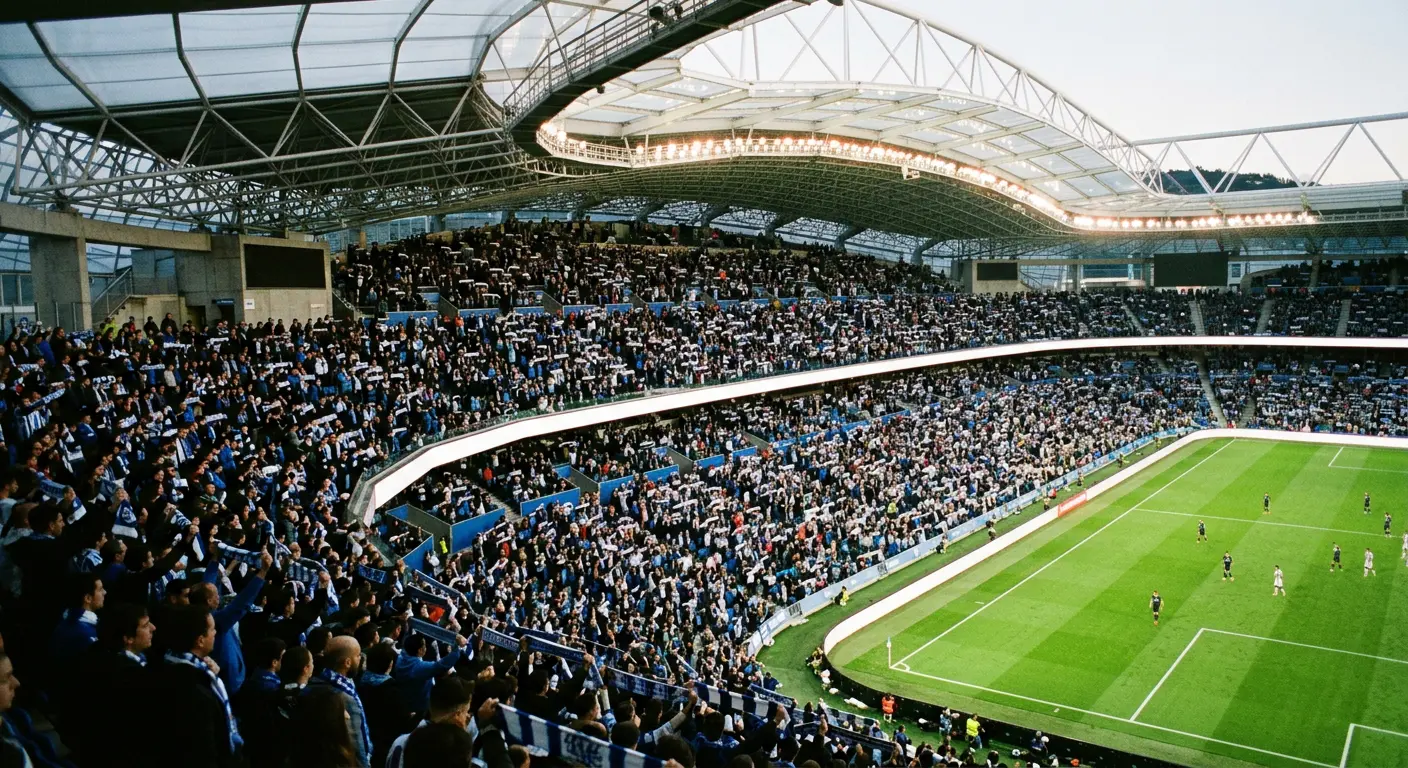
San Mamés is widely regarded as one of the most passionate grounds in European football, its "La Catedral" nickname reflecting a near-religious devotion among Athletic's supporters.

Compare Flights to Bilbao See All Stadiums

Athletic Club's Basque-only cantera policy shapes an unusually local matchday identity: nearly every player on the pitch was born or trained in the Basque Country, and the connection between fans and squad runs deeper than at almost any other major European club. A 4,000-capacity official singing section, introduced in the Tribuna Norte end in 2019 and expanded in 2022, leads chants throughout the match, and San Mamés carries real political weight too: in 1976, during Spain's fascist dictatorship, the Basque flag was openly displayed for the first time in decades, held aloft by the Athletic and Real Sociedad captains ahead of a Basque derby at the old stadium.

The club has permanently banned an unofficial radical faction from the ground following a 2018 inclusion on Spain's official list of violent and radical supporter groups, and matchday security remains a live topic given occasional clashes with visiting ultras from other European clubs. In November 2025, over 50,000 fans filled San Mamés for a Basque Country friendly against Palestine held in support of peace in Gaza, one of the ground's most striking recent political moments.

"Against the Basque Country? Of course."

- Imanol Pradales, President of the Basque Country, on Spain playing at San Mamés, 2026
Full Bilbao Guide
A bright, clean service tunnel corridor beneath San Mamés's stands

A Century of La Catedral

The original San Mamés opened on 21 August 1913, designed by architect Manuel María Smith as Spain's first purpose-built football stadium, a lineage the new stadium carries into the 2030 World Cup.

Book Your Bilbao Stay Explore Spain

The original ground seated around 7,000 at first, growing to roughly 46,000 by the 1980s through renovations in 1952 and again for the 1982 World Cup. Its nickname, "La Catedral," came from its proximity to the Church of San Mamés, its status as Spain's oldest surviving stadium, and the near-religious devotion of Athletic's fans. San Mamés is one of nine confirmed Spanish venues for the 2030 World Cup, alongside Reale Arena in nearby San Sebastián and Santiago Bernabéu in Madrid, joining a 21-venue list that also includes Morocco's Ibn Batouta Stadium in Tangier.

1913
Original San Mamés opens, Spain's first purpose-built football stadium, designed by Manuel María Smith.
1982
Rebuilt for the 1982 World Cup, hosting three group-stage matches and reaching a capacity of 45,000.
2010
New stadium construction begins beside the original, timed so Athletic never has to play away from Bilbao.
26 May 2013
Final match at the old San Mamés, a 1-0 loss to Levante, ending 100 years and 3,695 matches.
16 Sep 2013
New San Mamés opens at partial capacity, Athletic beating Celta Vigo 3-2, with a piece of the old pitch's turf planted at the centre.
2024
Copa del Rey title, ending a 40-year trophy drought, followed by a return to the Champions League for 2025-26.
May 2026
Official FIFA delegation visit, alongside Spanish, Portuguese and Moroccan federation representatives, reaffirming the venue's World Cup suitability.
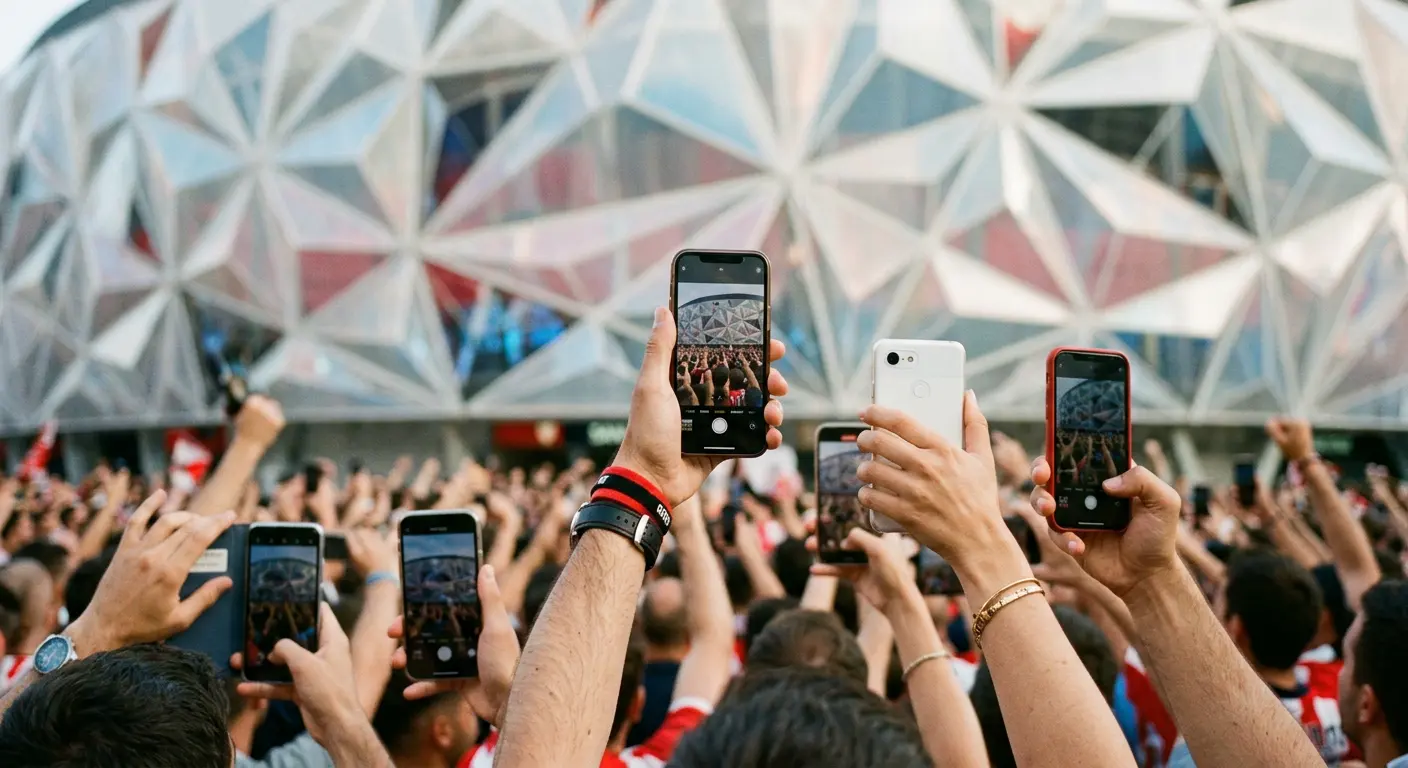
Fans photographing the entrance plaza at San Mamés with their phones

Basque Country's World Stage

San Mamés brings genuine elite-tournament pedigree to 2030: UEFA's highest Elite category certification, back-to-back Women's Champions League and Europa League finals, and an atmosphere widely regarded as among the best in European football.

Find Bilbao Hotels Explore Spain

At 53,331 seats, San Mamés comfortably clears FIFA's requirements for group-stage and knockout matches. Together with Reale Arena in nearby San Sebastián, it gives the Basque Country two 2030 World Cup venues within an hour of each other by road, a genuine cluster for fans wanting to combine matches with the region's renowned food culture.

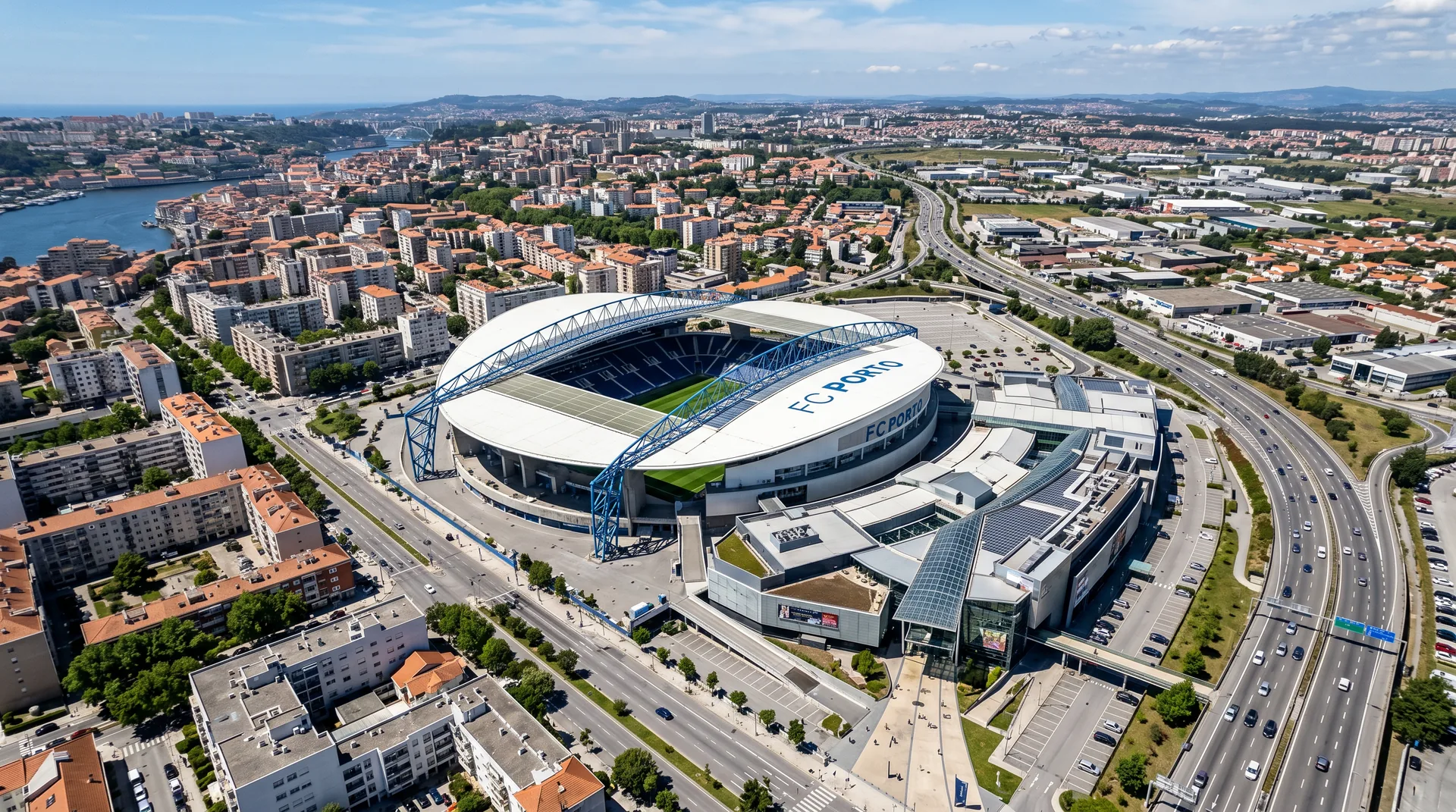
Bilbao's hosting role isn't entirely settled: city officials have publicly pushed back on some of FIFA's requirements, including a proposal for free public transport for ticket holders, and are weighing further investment in premium seating and hospitality areas. Basque institutions have floated a joint Bilbao-San Sebastián bid using both San Mamés and Anoeta, though Mayor Juan Mari Aburto has stressed Bilbao is not withdrawing its own candidacy regardless of how FIFA responds. At 53,331 seats, San Mamés sits in a similar bracket to Portugal's Estádio do Dragão in Porto, both solid mid-to-large venues rather than final contenders.

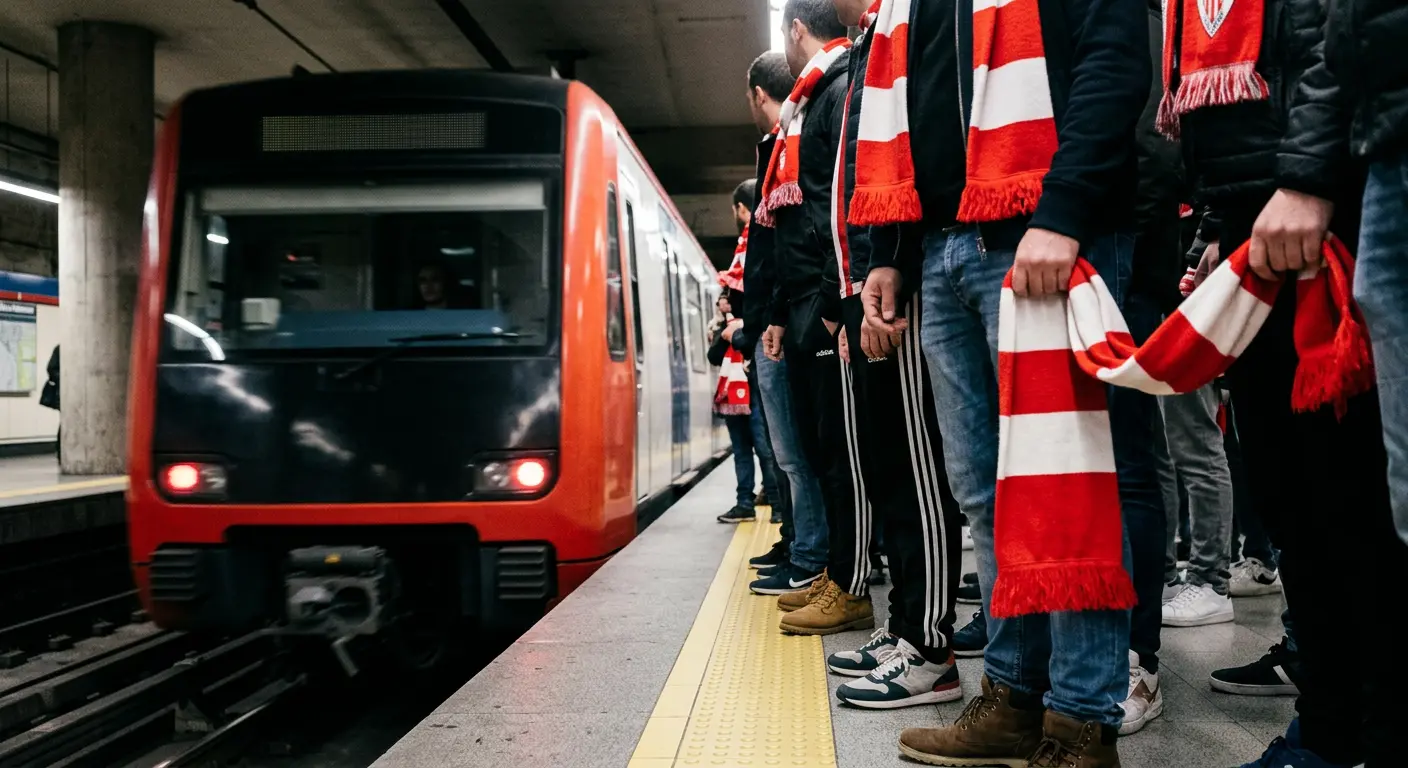
Fans waiting on a metro platform on the way to San Mamés

Right by the Nervión

San Mamés sits in Bilbao's Ensanche district, on the south bank of the Nervión River, served directly by its own Metro stop, San Mamés, an easy walk from the city centre.

All Stadiums Compare Flights to Bilbao

From Central Bilbao

Casco Viejo
City centre
~10-15 min
San Mamés
Metro San Mamés stop
53,331 seats

Exact matchday shuttle and transport plans will be confirmed by FIFA and Spanish authorities closer to 2030. Check back here for updates.

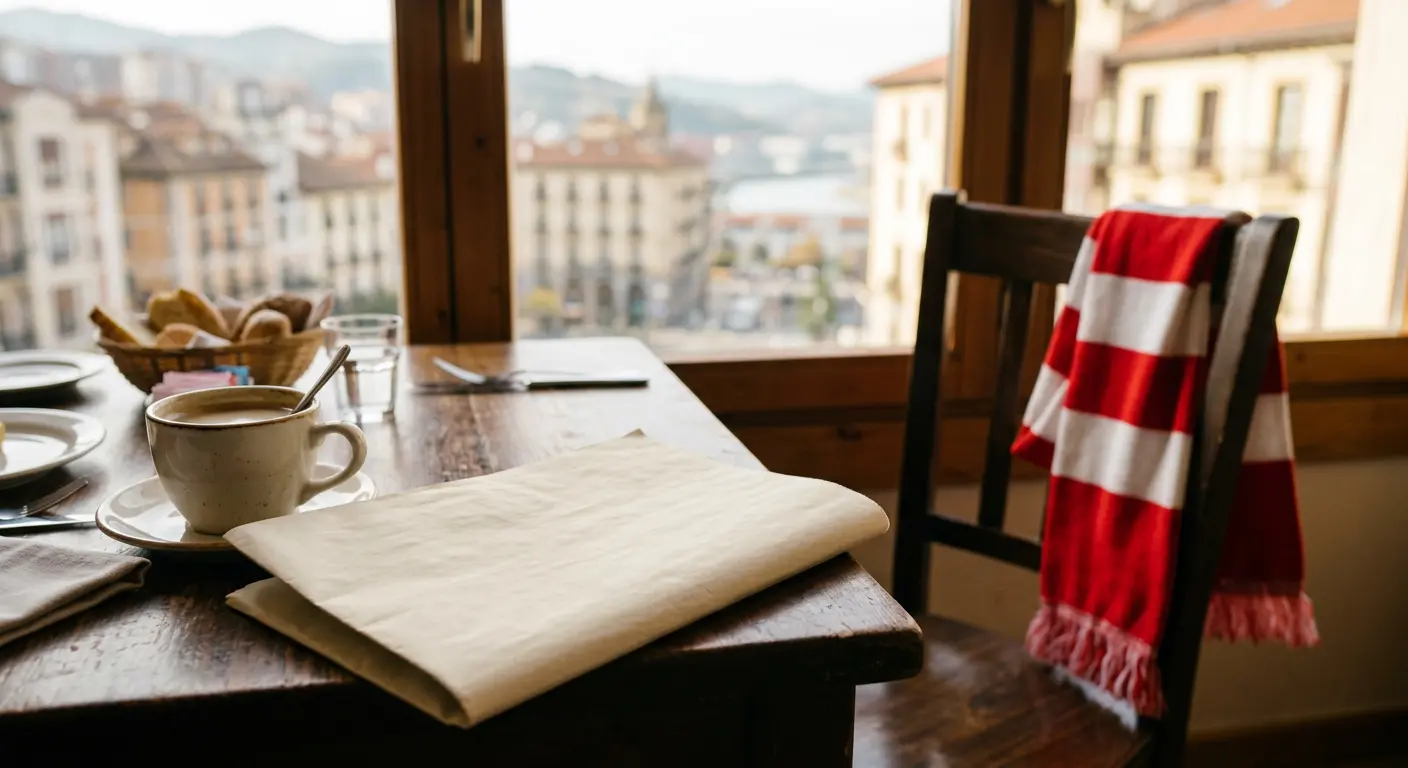
A matchday breakfast table at a Bilbao hotel with a football scarf draped over a chair

Where to Stay for San Mamés

The stadium's own Metro stop makes it easy to reach from anywhere in central Bilbao, so most fans base themselves centrally rather than near the ground itself.

Book Bilbao Hotels Full Bilbao Guide
Flying to Bilbao
Bilbao Airport (BIO) is roughly 30-40 minutes from the stadium by taxi or the Bizkaibus airport bus.
Compare flights
World Cup Tickets
FIFA has not opened ticket sales for 2030 yet. We'll post the official ballot dates and links here the moment they're announced.
Planning Multiple Cities
Following matches across Spain? Start with our full Spain travel guide covering all nine host cities.
See Spain Guide
San Mamés exterior, Bilbao

Every Host Stadium

San Mamés is one of 21 confirmed venues across Morocco, Portugal, Spain and the three centenary host nations. Explore the others below.

See Spain Guide

🇪🇸 Spain

🇲🇦 Morocco

🇵🇹 Portugal

🏆 Centenary Matches

Frequently Asked

San Mamés Questions

Who designed San Mamés?
Architect César Azkárate of ACXT-IDOM presented the winning design in March 2007, drawing influence from Germany's 2006 World Cup stadiums, particularly Munich and Hamburg.
Why was the new stadium built next to the old one?
Athletic Club wanted to preserve its connection to the site and its fans rather than relocate, even though a rejected alternative proposal by Norman Foster would have built a new stadium in nearby Abandoibarra.
What is the stadium's facade made from?
ETFE modular panels equipped with LED lighting, which from a distance appear composed of triangles and illuminate the stadium at night as a recognisable Bilbao landmark.
How much did San Mamés cost to build?
€211 million, over half funded by public institutions: the Basque Government (€50m), Bilbao City Council (€11m) and the Biscay Provincial Council (€50m including land), alongside Athletic Club and BBK/Kutxabank.
What is the capacity of San Mamés?
53,331 seats, the seventh-largest stadium in Spain and the largest in the Basque Country.
How was the stadium built without Athletic playing away from Bilbao?
Construction, which began in 2009, proceeded in careful phases while the old stadium remained in use, with the new stadium built to three-quarters completion before the first matches were played there in 2013.
Is San Mamés environmentally certified?
Yes, it was the first European football stadium to receive LEED certification, a globally recognised sustainability standard.
Has the stadium been expanded since opening?
Yes, a €12.6 million roof extension in 2016 added between 13 and 23 metres of extra coverage to improve fan comfort during Bilbao's frequent rain.
When did the original San Mamés open?
21 August 1913, Spain's first purpose-built football stadium, designed by architect Manuel María Smith.
What does "La Catedral" mean and why is San Mamés called that?
"The Cathedral" in Spanish, a nickname reflecting the original stadium's status as Spain's oldest, its proximity to the Church of San Mamés, and the almost religious devotion of Athletic's fans, a nickname the new stadium inherited.
What is Athletic Bilbao's cantera policy?
Athletic Club fields only players of Basque origin or trained in Basque academies, a distinctive policy maintained since the club's founding in 1898 that makes it unique among major European clubs.
Is there a physical link to the old stadium?
Yes, a piece of turf from the original San Mamés pitch was planted at the centre of the new stadium on its opening day, and the old stadium's famous white arch was relocated to Athletic's Lezama training ground.
How do I get to San Mamés?
The stadium has its own Metro stop, San Mamés, roughly 10-15 minutes from central Bilbao.
What's the nearest airport to San Mamés?
Bilbao Airport (BIO), roughly 30-40 minutes from the stadium by taxi or the Bizkaibus airport bus.
Where should I stay for a match at San Mamés?
Anywhere in central Bilbao works well thanks to the stadium's own Metro stop. See our full Bilbao guide for specific neighbourhood recommendations.
Can I combine a match here with a trip to San Sebastián?
Yes, Reale Arena in San Sebastián is roughly an hour away by road, making the two Basque World Cup venues a genuinely practical pairing for fans and food lovers alike.

Continue Exploring

See every World Cup 2030 stadium, or the full Bilbao travel guide.

All StadiumsBilbao Guide

Get San Mamés Updates

FIFA venue confirmations, ticket ballot dates and Bilbao travel tips - straight to your inbox.