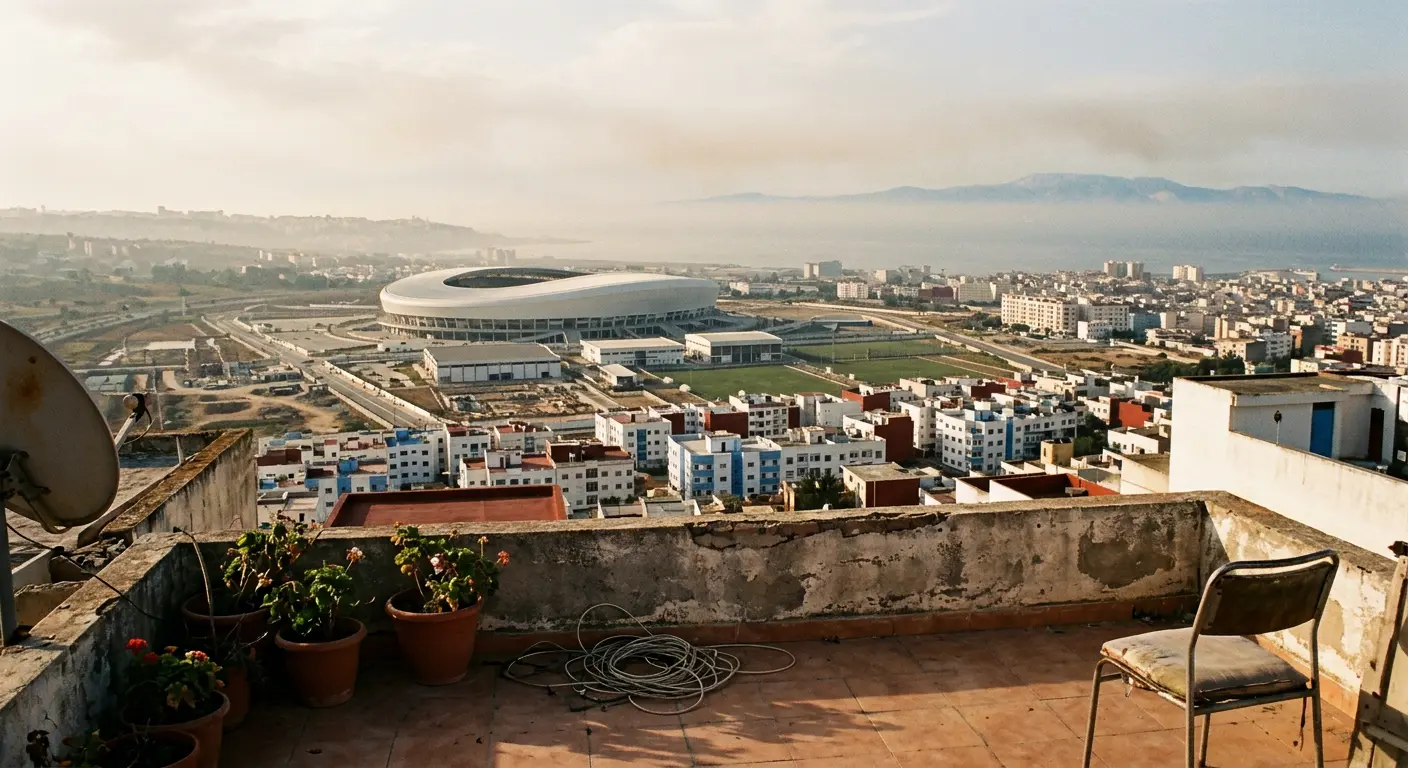
Morocco's largest completed World Cup venue, reopened in November 2025 with Africa's first hybrid pitch and a full roof, just 14km from Spain across the Strait of Gibraltar.
Architecture & Design
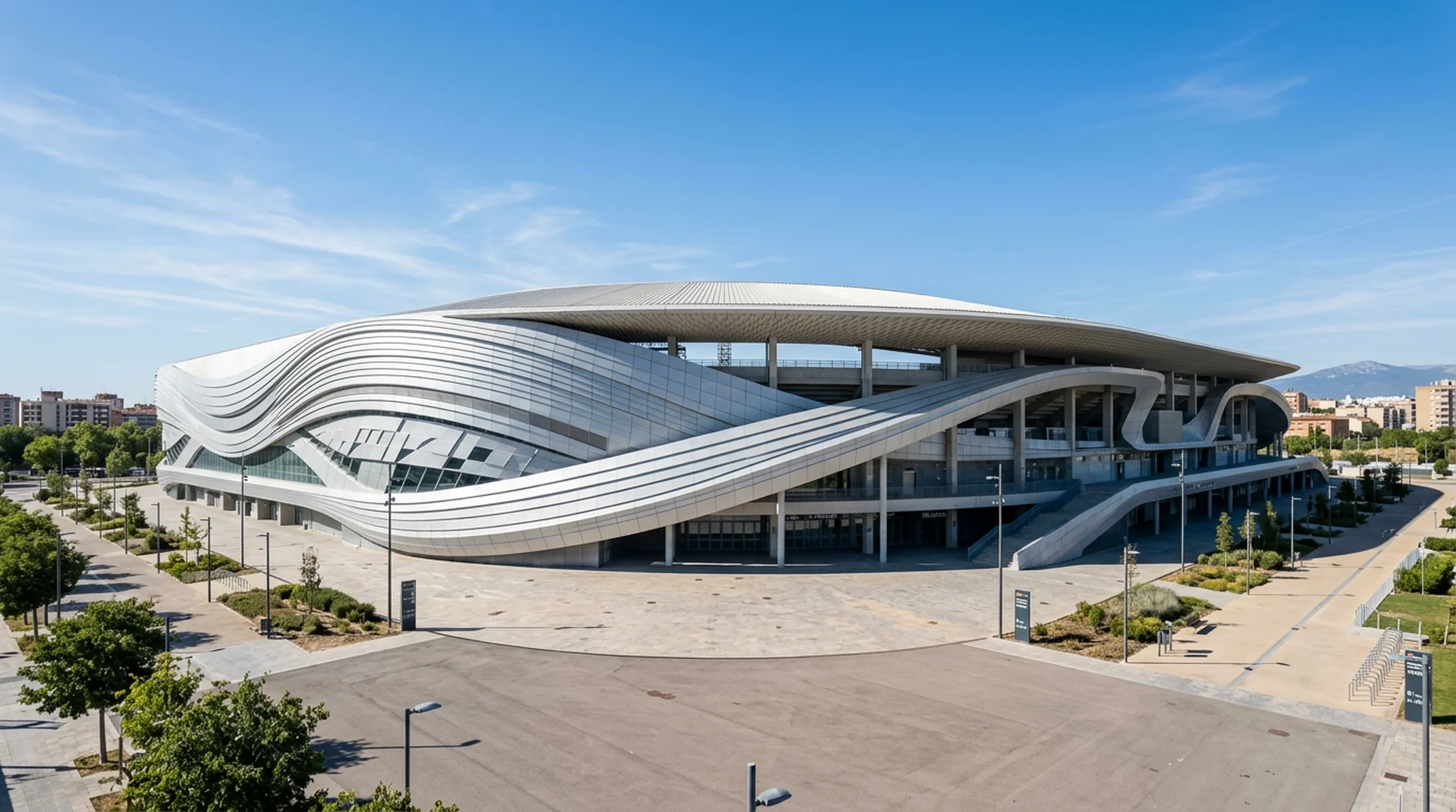
Ibn Batouta Stadium, officially the Grand Stade de Tanger, was designed by JK Architecture under chief architect Jaouad Khattabi and built between 2002 and its April 2011 opening. It takes its name from Ibn Battuta, the 14th-century Tangier-born explorer whose decades of travel across Africa, Asia and the Middle East made him one of history's most famous travellers. His tomb remains a small landmark in Tangier's old Medina, giving the stadium a direct link to the city's identity as a gateway between continents.
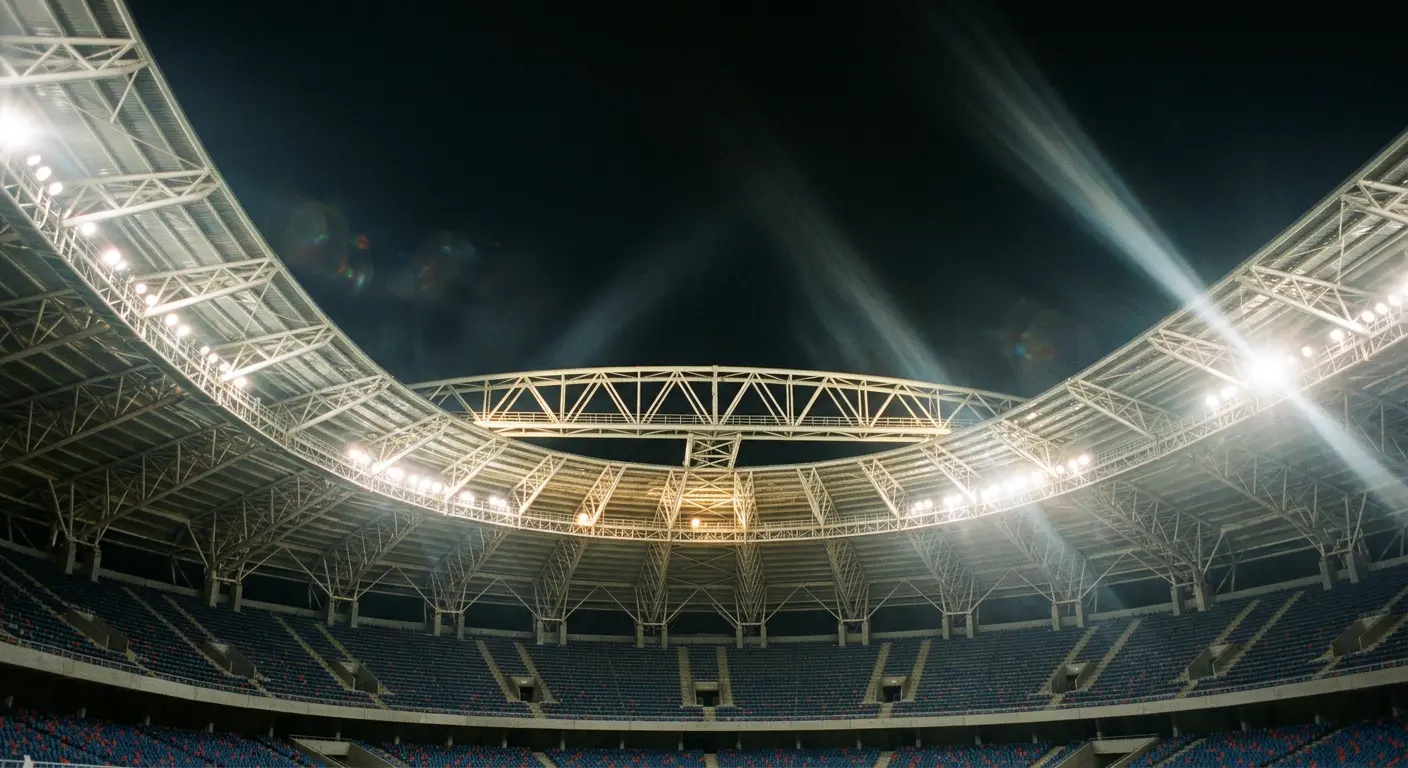
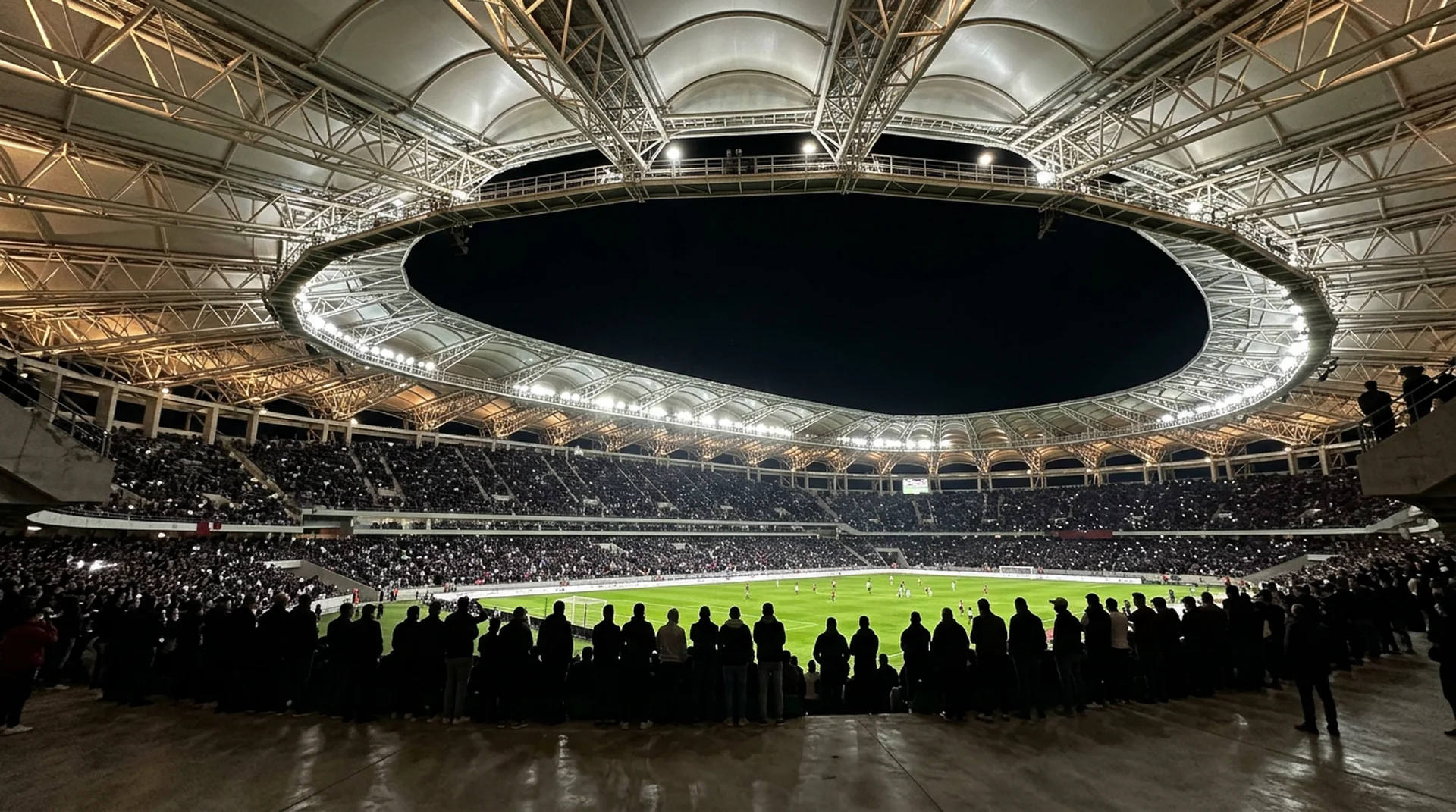
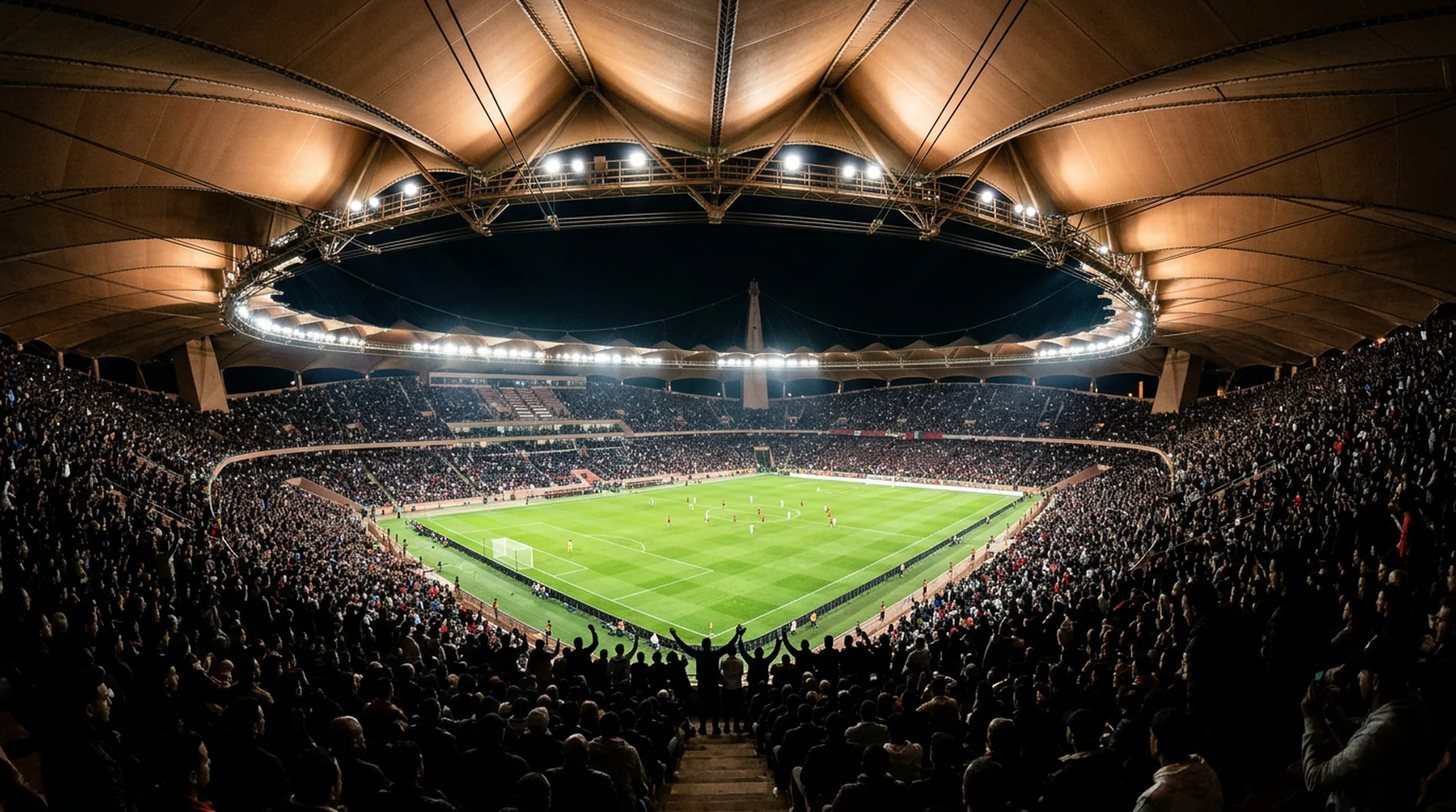
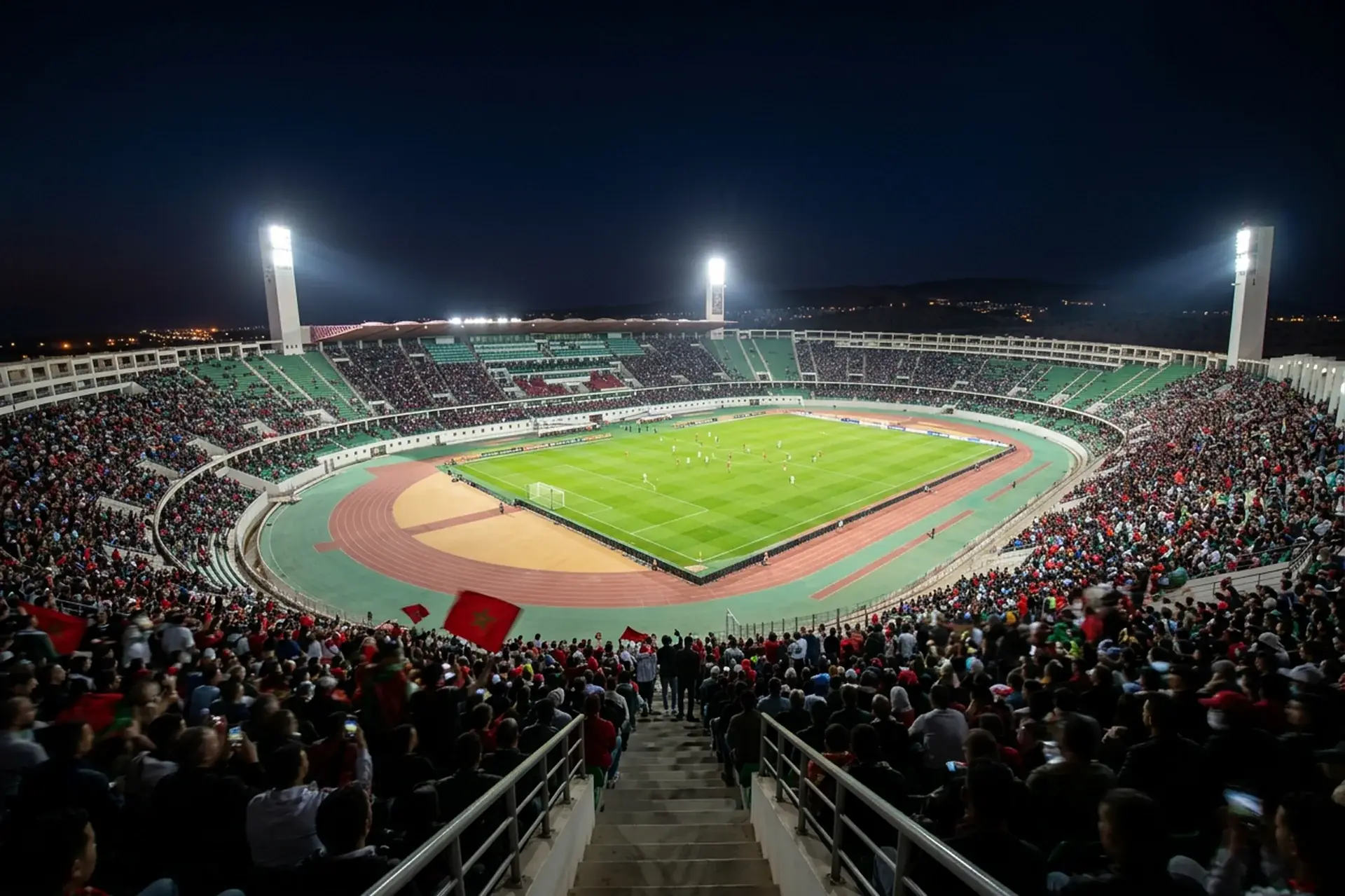
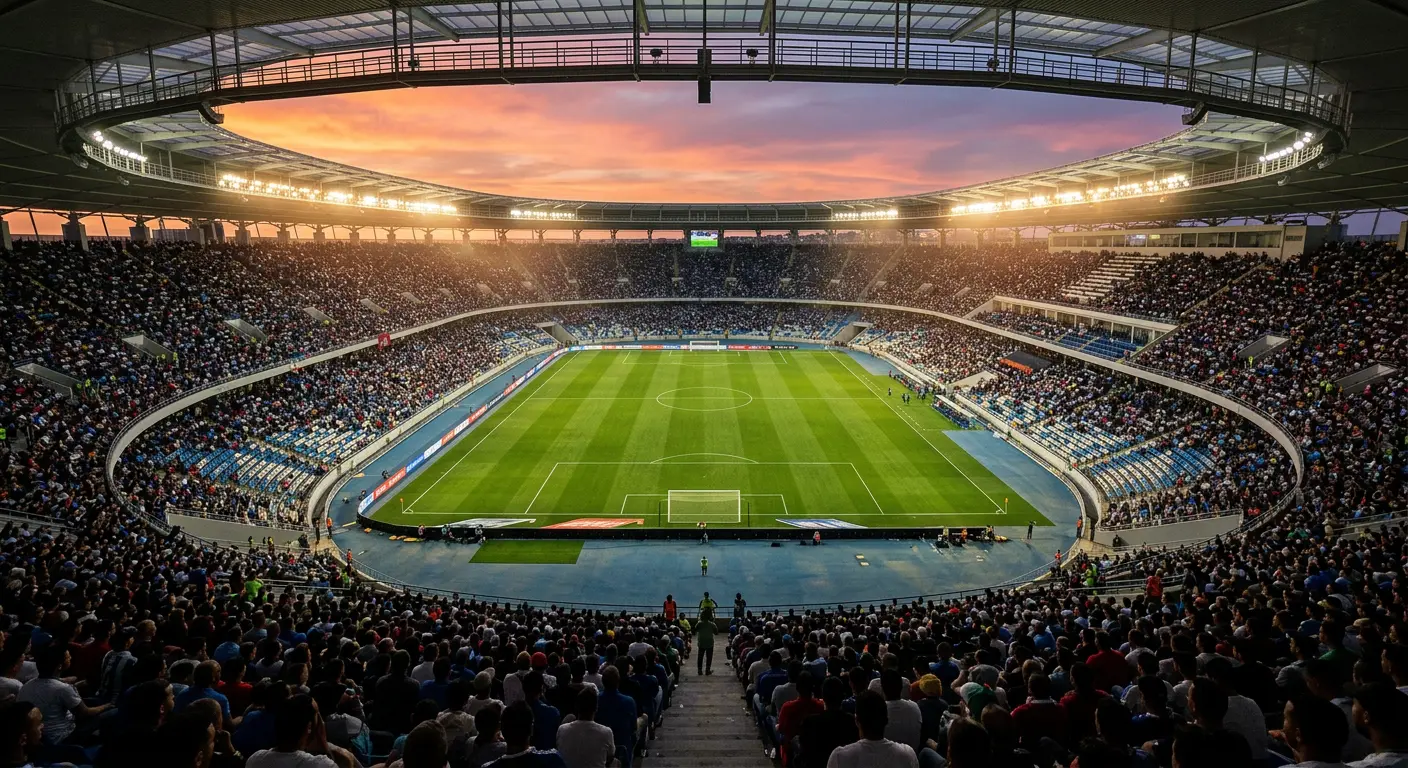
The stadium's transformation into its current form happened in two distinct phases. A first expansion, running 2020-2023, extended the curved end stands to match the height of the side stands, raising capacity from 45,000 to 65,000. A second, far more radical phase, designed by Cabinet d'Architecture Amaoui Anouar Guériri and beginning in summer 2023, removed the athletics track entirely, lowered the pitch, added a new lower tier of seating close to the field, and wrapped the whole venue in full roof coverage and a new decorative facade.
That second phase reopened the stadium on 14 November 2025, with Morocco beating Mozambique 1-0 in the inaugural friendly, just weeks before the venue hosted matches at AFCON 2025. The stadium anchors a 74-hectare Sports City on Tangier's southern edge, a dedicated sporting district managed by SONARGES and built around the venue rather than integrated into the older parts of the city.
Planning a trip around this stadium? See the full Tangier guide →
Search Tangier HotelsSince its original 2011 opening, the stadium has hosted the 2011 and 2017 editions of the Trophée des Champions (the French Super Cup), the 2018 Supercopa de España, matches at the 2018 African Nations Championship, and the 2022 FIFA Club World Cup, giving it a well-established international events pedigree well before the current renovation. Its reopening for AFCON 2025 tested the new capacity and facilities under genuine tournament conditions years ahead of the World Cup.
What We Don't Know Yet
Precise seating-tier breakdowns and detailed hospitality specifications haven't been published with the same granularity as Hassan II Stadium's, and reported capacity figures vary slightly across sources, from 75,500 to 75,600 or occasionally higher. We'll update this page as more detail becomes available.
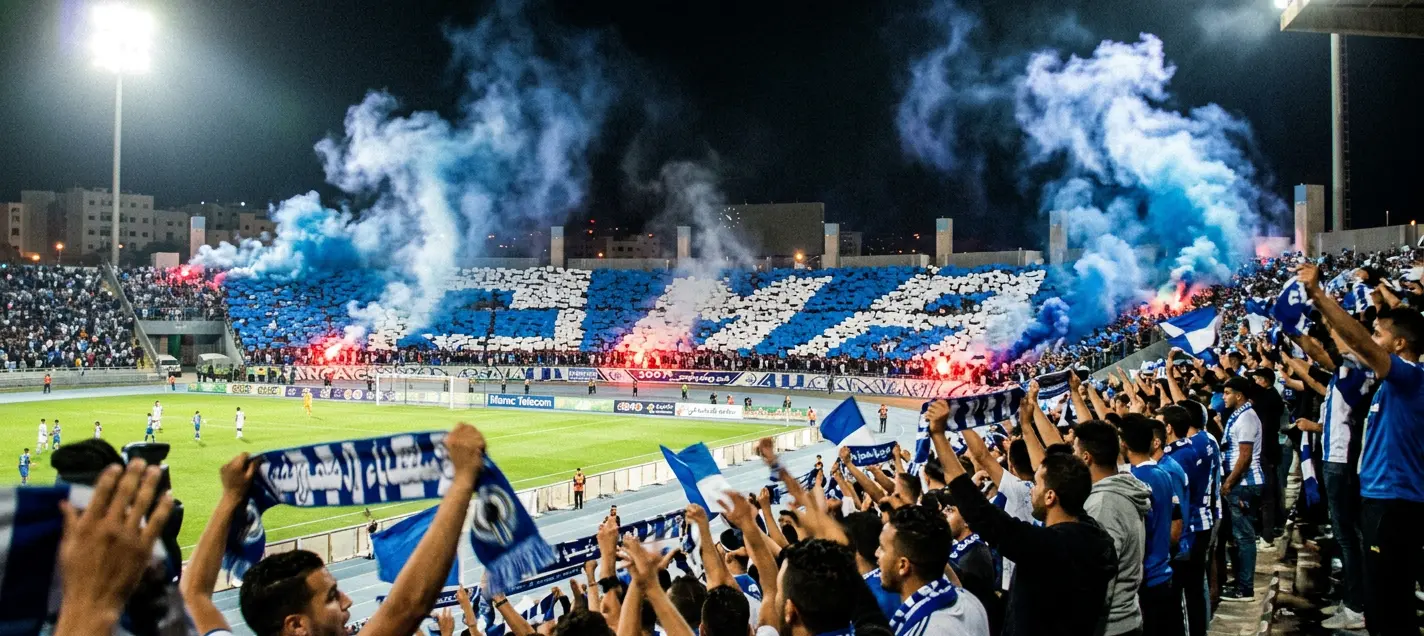
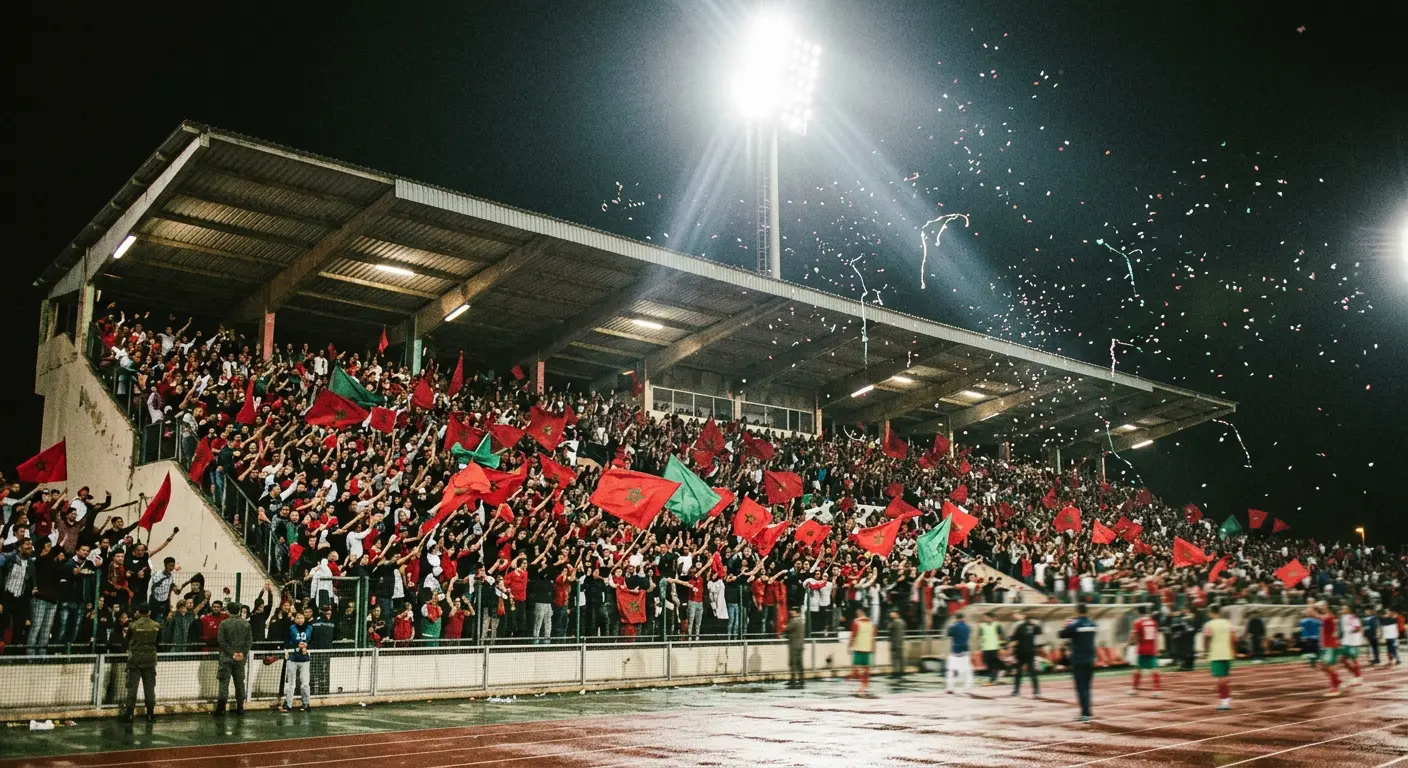
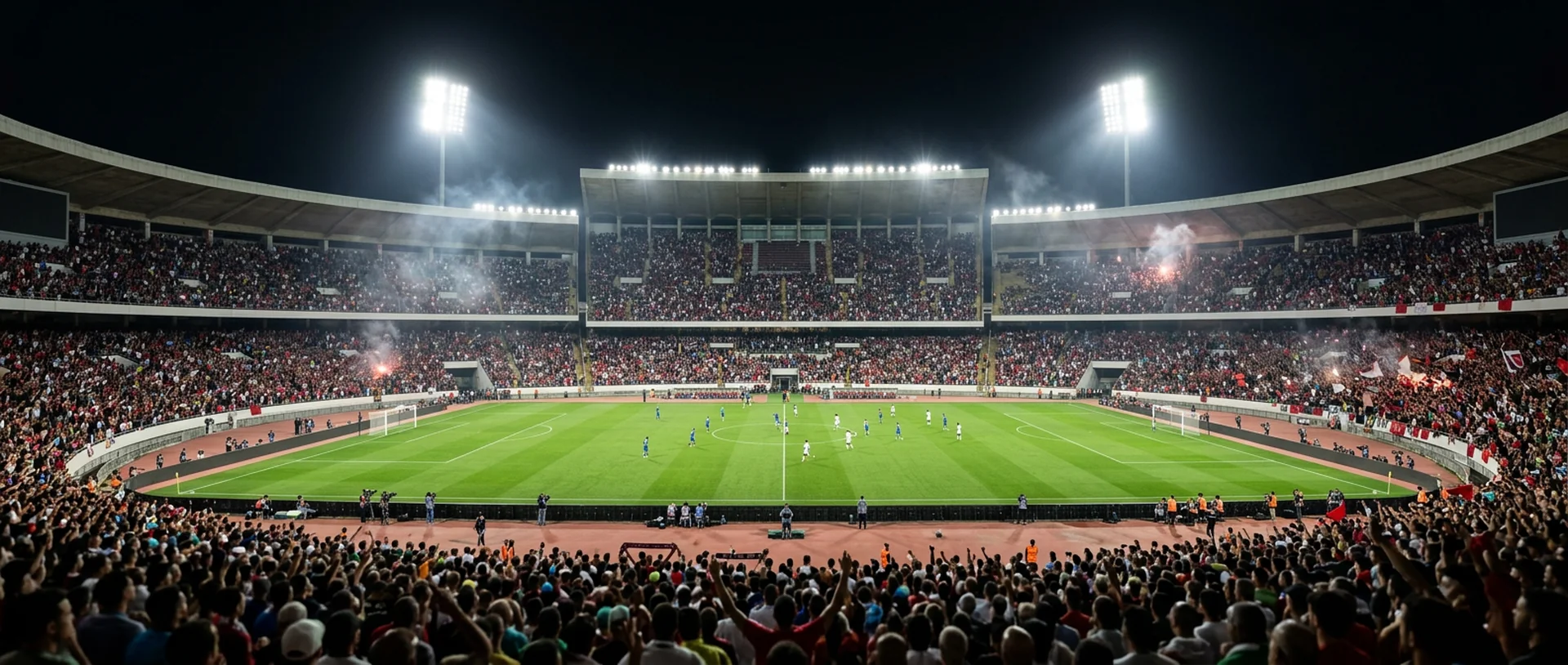
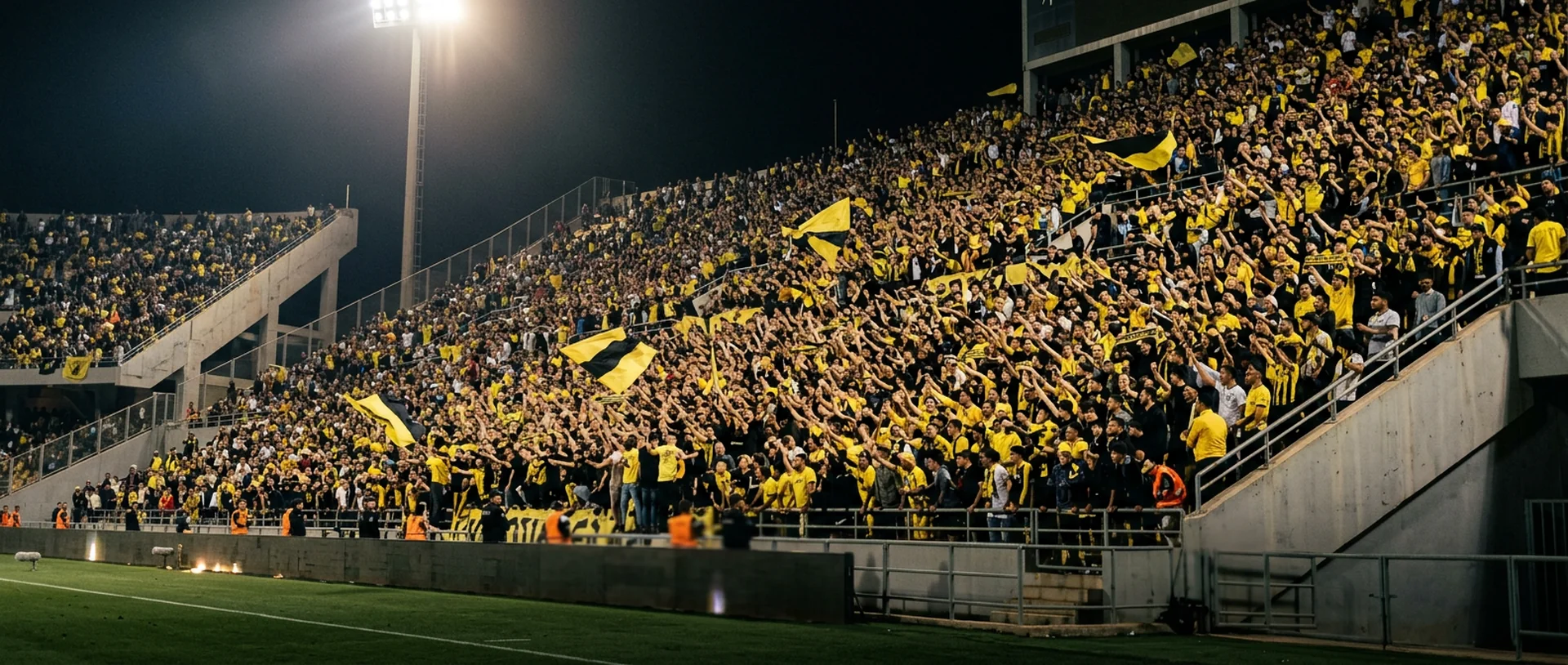
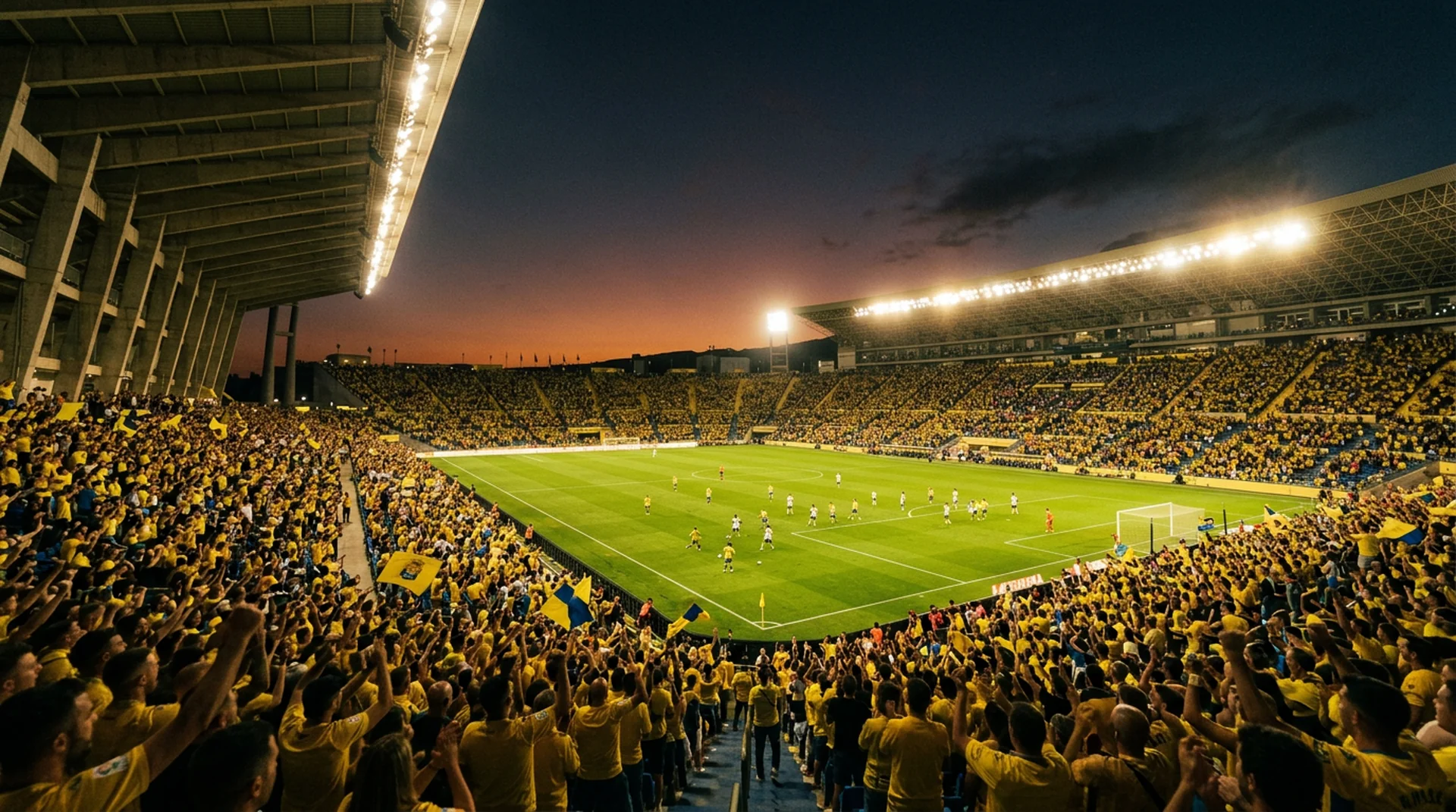
Ultras Hercules stage regular tifos and choreography for IR Tanger's home fixtures, and have been especially vocal around the club's derby with Moghreb Tétouan, a fixture with an almost perfectly even head-to-head record that carries outsized weight across the Tangier-Tétouan-Al Hoceima region. The rebuilt stadium already has one full-house atmosphere on record to point to: a 26 March 2023 friendly in which Morocco beat Brazil 2-1 in front of a capacity crowd, played while the venue still sat at its intermediate 65,000-seat configuration.
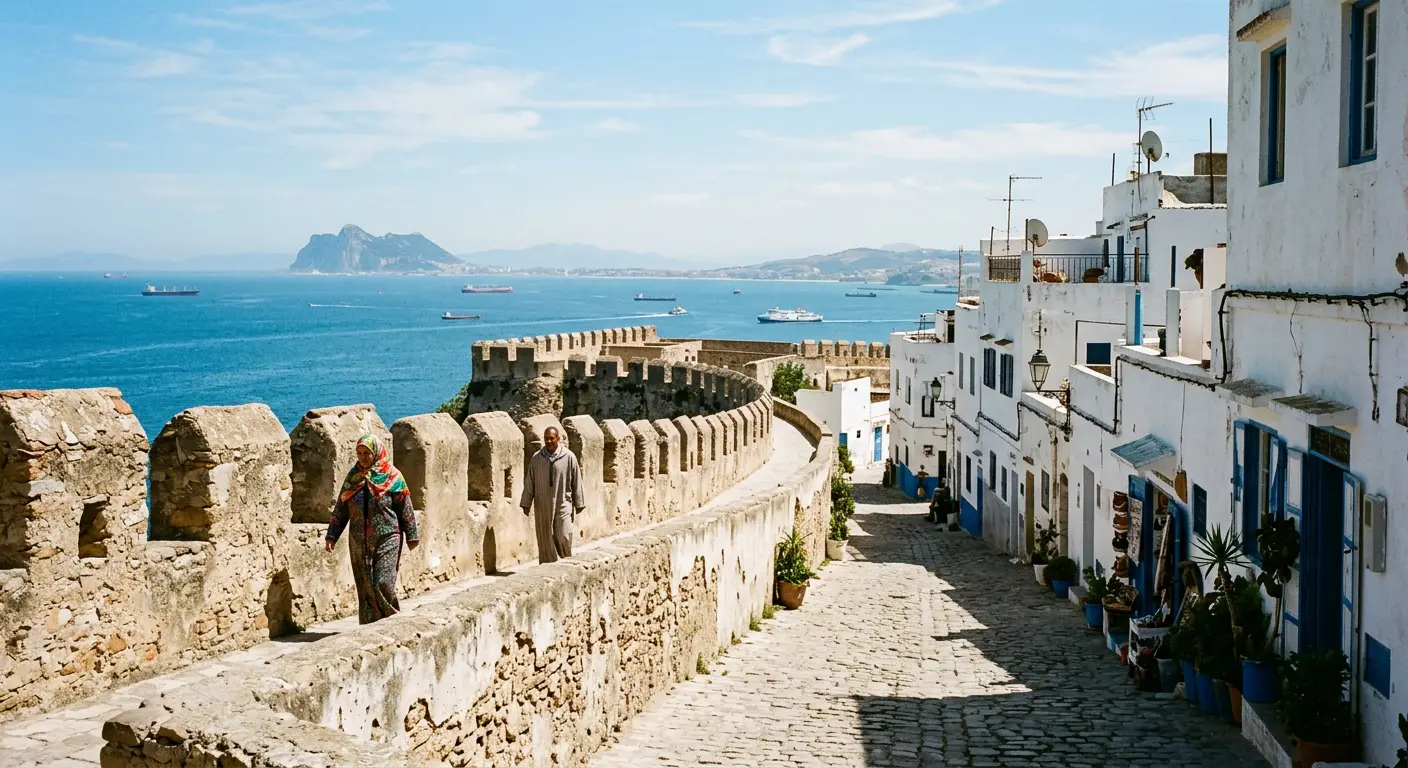
Tangier's position facing the Strait of Gibraltar adds a genuinely unusual ingredient to matchday: fans can combine a trip here with a same-day crossing to Spain, and the city's own football culture carries a distinct northern-Morocco identity separate from the Casablanca-Rabat rivalries that dominate national attention.
Street food outside the ground follows familiar Moroccan matchday patterns, grilled sandwiches, msemen flatbread and sweet mint tea from vendors along the Sports City approach, alongside the stadium's own concourse kiosks.
Full Tangier GuideThe inaugural match, on 26 April 2011, paired IR Tanger against Atlético Madrid's B team, followed by Raja CA against Atlético Madrid's first team. Three months later the stadium hosted its first Trophée des Champions, with Marseille beating Lille 5-4. Morocco was originally slated to host the 2015 AFCON here too, before FIFA and CAF stripped the country of hosting rights over Ebola-related health concerns, a rare setback in the venue's otherwise steady rise in profile.
Ibn Batouta Stadium is one of six Moroccan venues being built or renovated for 2030, alongside Hassan II Stadium in Casablanca and Prince Moulay Abdellah Stadium in Rabat, both part of the same national upgrade programme.
The stadium is the home ground of Tangier's Ittihad Riadi de Tanger (IR Tanger), founded in 1957 and playing in blue and white, first-time Botola Pro champions in 2017-18. In November 2025, IR Tanger signed a three-year strategic partnership with Eagle Football Group, the multi-club ownership group led by John Textor that also holds stakes in Olympique Lyonnais, Botafogo and Crystal Palace, timed almost exactly with the stadium's own reopening.
Tangier's position on the Strait of Gibraltar, just 14km from Spain, adds a unique cross-continental dimension: it's the only Moroccan host city with a direct ferry link to a Spanish World Cup host region, letting fans plausibly attend matches in both countries within the same trip. Some reporting has even floated the possibility of a semi-final at Ibn Batouta Stadium, though FIFA has not confirmed match assignments for individual venues.
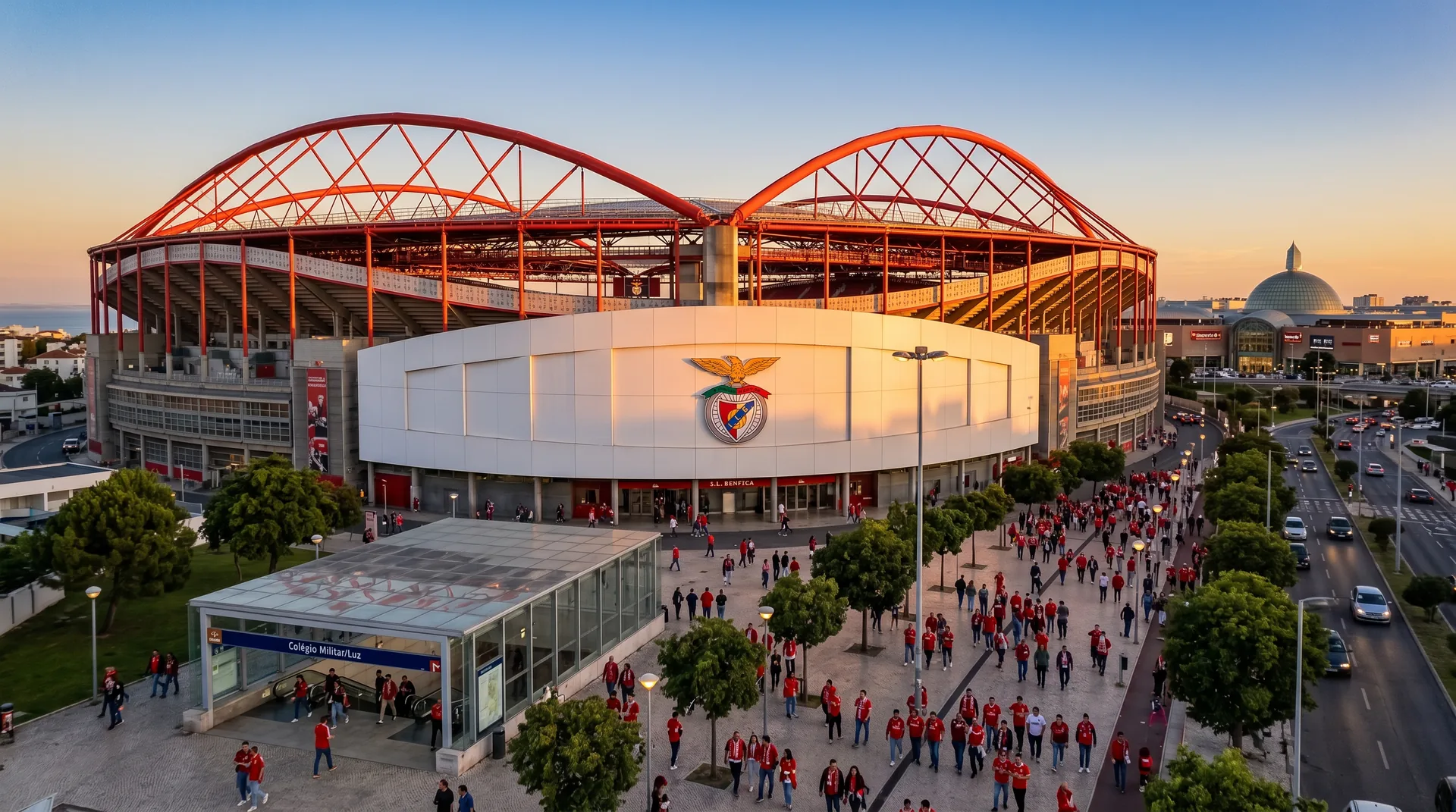
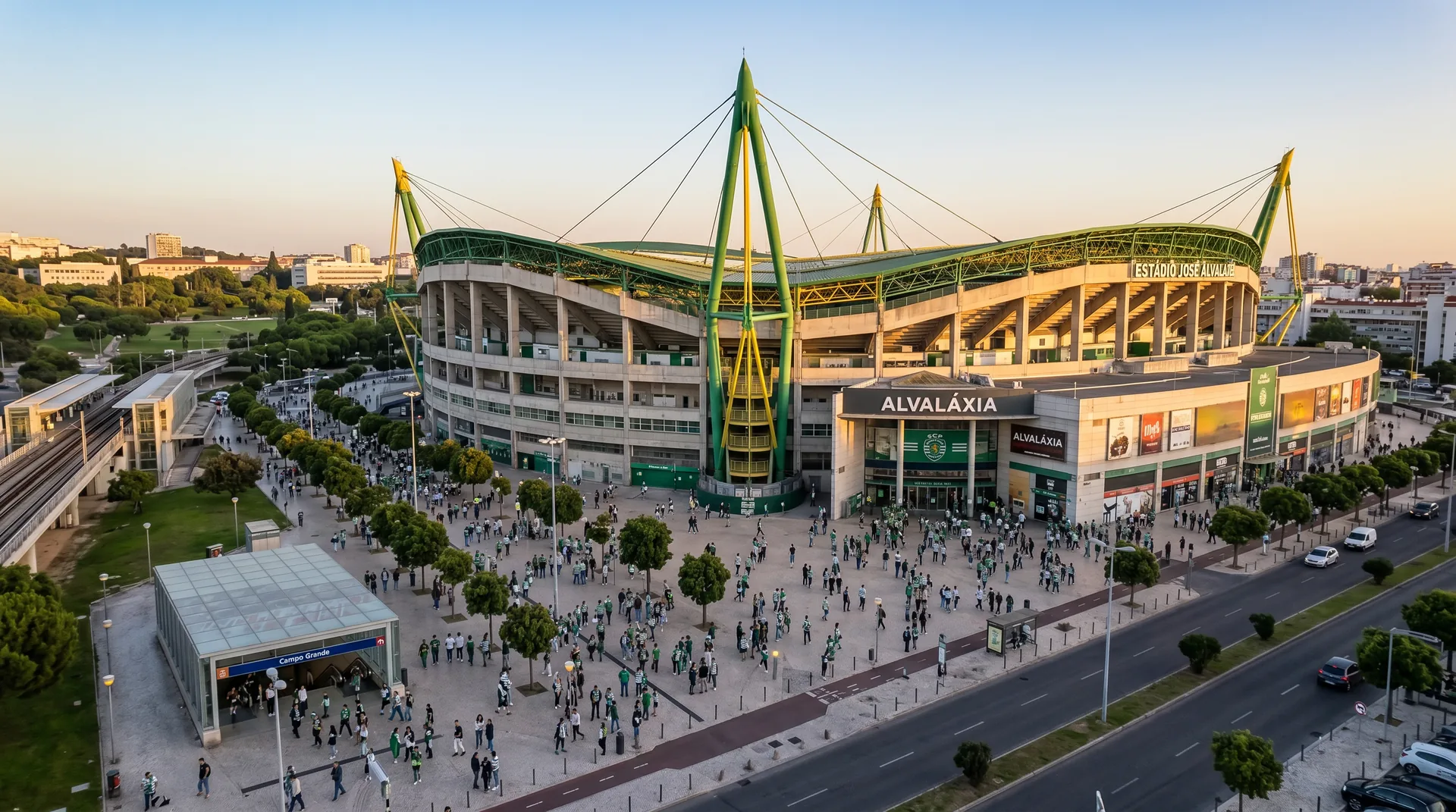
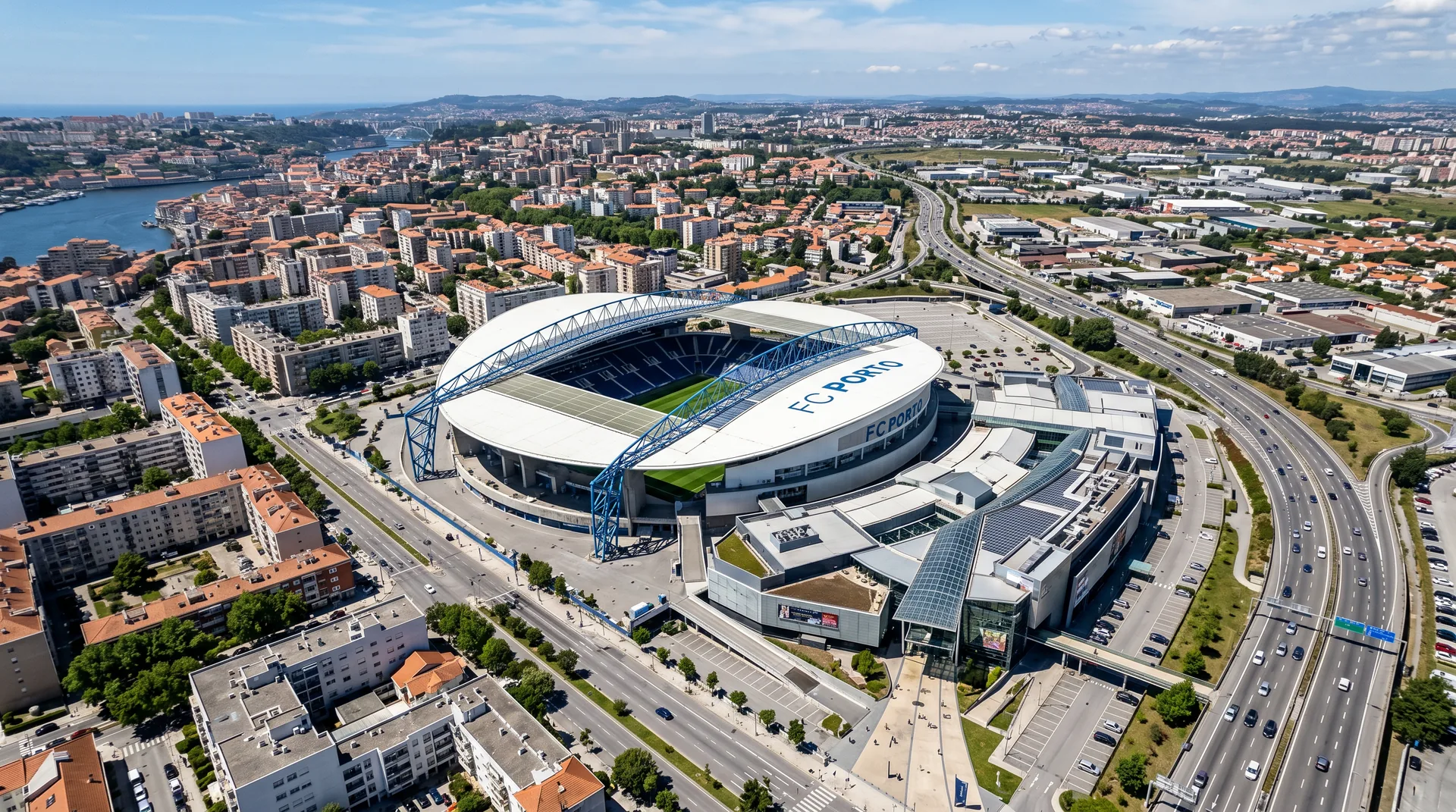
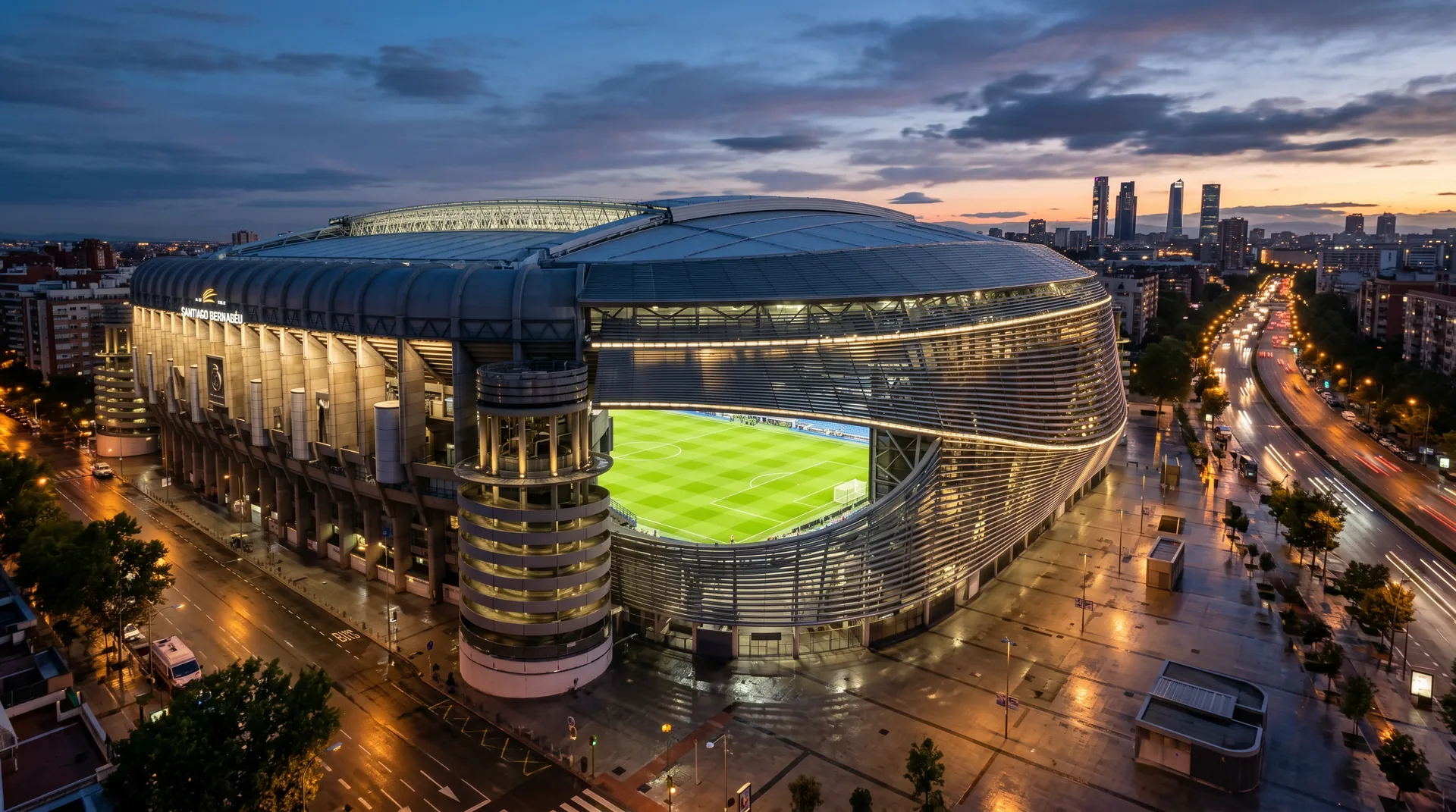
Its capacity sits in a similar bracket to Spain's Santiago Bernabéu and Portugal's Estádio da Luz, both comfortably above 65,000 seats, a useful benchmark for fans planning a trip that spans all three host nations.
From Tangier City Centre
Exact matchday shuttle and transport plans will be confirmed by FIFA and Moroccan authorities closer to 2030. Check back here for updates.
🇲🇦 Morocco


🇵🇹 Portugal
🇪🇸 Spain


🏆 Centenary Matches
Frequently Asked
Continue Exploring
See every World Cup 2030 stadium, or the full Tangier travel guide.
Stay Informed
Match announcements, ticket ballot dates and Tangier travel tips - straight to your inbox.