Spain Stadiums Architecture History Where to Stay FAQ Newsletter
Nueva Romareda under construction, Zaragoza's from-scratch 2030 FIFA World Cup stadium
Spain · World Cup 2030 Stadium Guide

Nueva Romareda

Zaragoza is doing something none of Spain's other 2030 venues are: building an entirely new stadium from the ground up, on the site of the 68-year-old ground it replaces, while Real Zaragoza plays out two seasons in a modular pop-up next door.

~43,110Capacity
2027Targeted Completion
IDOMDesign
1957Original Stadium Opened
📍Paseo Isabel la Católica, Zaragoza
Real Zaragoza (returning 2027-28)
🚦Status: Under Construction
🏆Only From-Scratch Build in Spain's 2030 Bid
🌿BREEAM ES 2025 Certified
Architecture Construction Atmosphere History World Cup Role Getting There Where to Stay All Stadiums FAQ

Architecture & Design

Spain's Only World Cup Stadium Built From Scratch

Every other Spanish 2030 World Cup venue is a renovation of an existing stadium, from La Cartuja's track removal to Camp Nou's expansion. Nueva Romareda is the outlier: the site's original 1957 stadium, designed by architect Francisco Riestra, was demolished entirely, and IDOM designed a completely new, purpose-built football ground in its place, engineered from the first foundation pour to meet FIFA's 2030 requirements rather than retrofit around them.

That from-scratch approach means none of the sightline compromises or awkward retrofits that come with adapting an older bowl, a contrast with venues like Estadio de Gran Canaria that are working within existing structures. Construction has moved in phases: foundations across all seating tiers are complete, the bowl structure at ground level is executed in the south, east and north stands, and the south stand itself is fully finished, with the east, north and west stands progressing through structural and facade work.

Sustainability has been a defining feature of the build. More than 90% of the materials from the demolished 1957 stadium were recycled or repurposed, a scale of material recovery that earned the project BREEAM ES 2025 certification for New Construction and a shortlisting at the 2026 World Stadiums & Arenas Awards in the Architectural Design category, the kind of environmental credential that's increasingly part of how stadium projects across the tournament are judged, from Portugal's Estádio do Dragão to Morocco's Grand Stade de Marrakech.

Planning a trip around this stadium? See the full Zaragoza guide →

The naming itself reflects the transition: officially still referred to as Nueva Romareda in most planning documents, the stadium currently carries sponsorship branding as Ibercaja Romareda after the Zaragoza-based bank, while fans and the press use both interchangeably during construction.

IDOM's design, led by architect César Azcárate, draws directly on Zaragoza's geography: the rectangular bowl's subtle curves and setbacks are meant to evoke the cierzo, the strong north wind the city is known for, rather than an abstract sculptural gesture. The stadium rises five floors above ground and two below, topped by a lightweight roof that covers every seat and extends outward into a 360-degree terrace, planned to offer views over both the pitch and the city at once, alongside a pitchside Pitch Club looking straight down the players' tunnel.

Of the roughly 43,000 seats, current plans allocate about 2,295 to hospitality and VIP tiers and 120 to media positions, with the rest general admission split across a standard ends-and-sides layout. The temporary Ibercaja Estadio next door, by contrast, is deliberately basic: four straight stands seating 20,103 with no roof at all over any of them, a trade-off the project's managers say was made for sightlines and comfort within a two-year lifespan rather than long-term shelter from Zaragoza's weather.
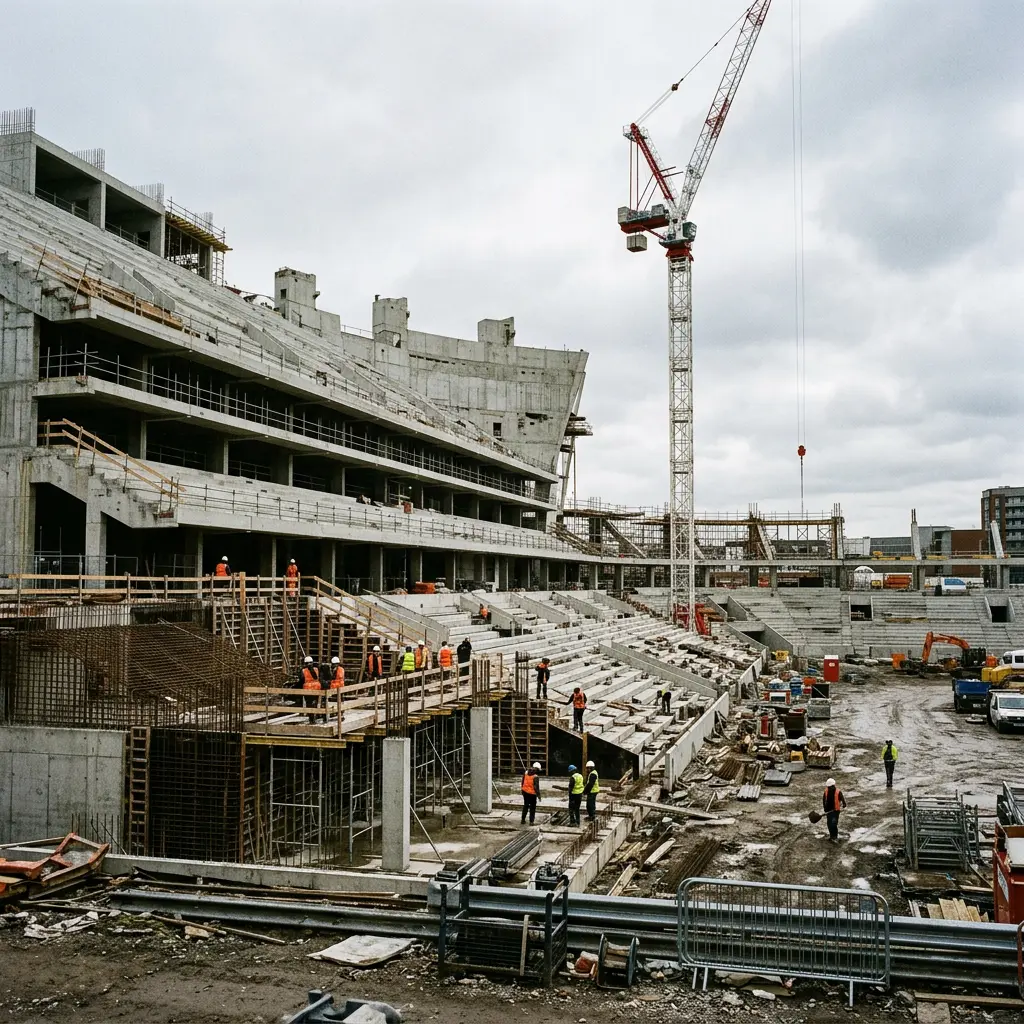
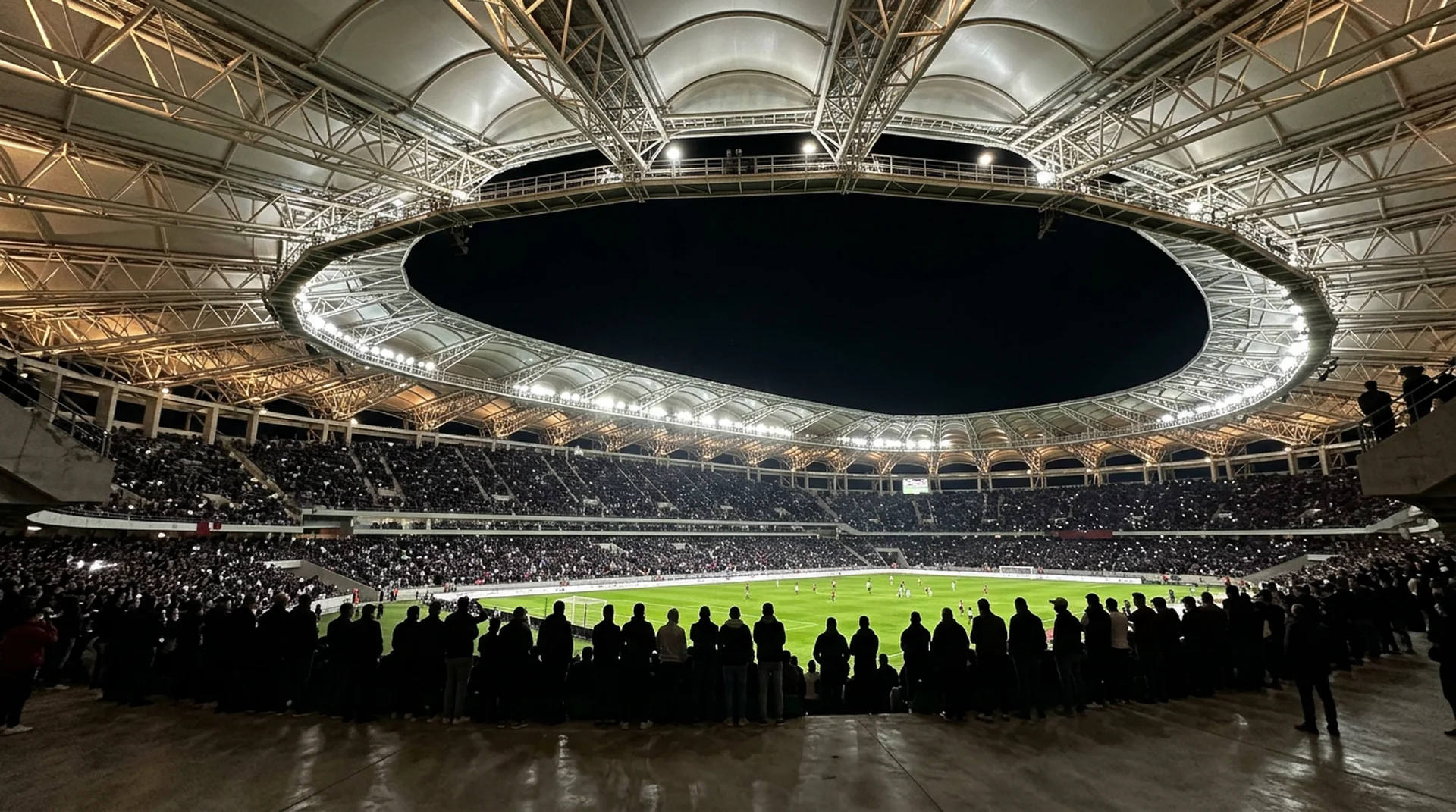
Nueva Romareda construction progress, Zaragoza

Down to the Foundations, Then Back Up

Demolition finished in 2024. The new stadium is racing to be ready for 2027, and thirteen weeks ahead of an already tight schedule.

Real Zaragoza Tickets Explore the Architecture

Demolition of the original La Romareda began on 8 July 2024, though the ground kept hosting Real Zaragoza matches around the works until its farewell fixture on 25 May 2025, a 1-0 win over Deportivo de La Coruña that closed out 68 years of history. OHLA won the main construction contract for €124.5 million, in joint venture with Altuna and Uría, promising to finish the job thirteen weeks ahead of the original schedule, targeting mid-2027 with Real Zaragoza's return set for the 2027-28 season.

🏘
Old Stadium
Fully Demolished
The 1957 La Romareda no longer exists; this is a clean-sheet rebuild
💰
Contract Value
€124.5 Million
OHLA's winning bid for the main construction works
🕑
Schedule
13 Weeks Early
OHLA's contract commits to beating the original timeline
Progress
South Stand Complete
East, north and west stands progressing through structural work

In August 2025, the old stadium's floodlight towers, landmarks visible from across the city for decades, were finally demolished, a visible milestone for a project that had spent over a year mostly working below ground level. By March 2026, the mayor's office reported that a UEFA and RFEF technical delegation had toured the site and reacted positively to the pace of work, a visit widely read locally as a strong signal for Zaragoza's World Cup host status.

“It's the only World Cup stadium in Spain built entirely from scratch.”

— Natalia Chueca, Mayor of Zaragoza, March 2026

What We Don't Know Yet

The exact final capacity has been cited anywhere from 42,500 to 43,114 across official and press sources. We'll update this page once IDOM or the club publish a confirmed figure.

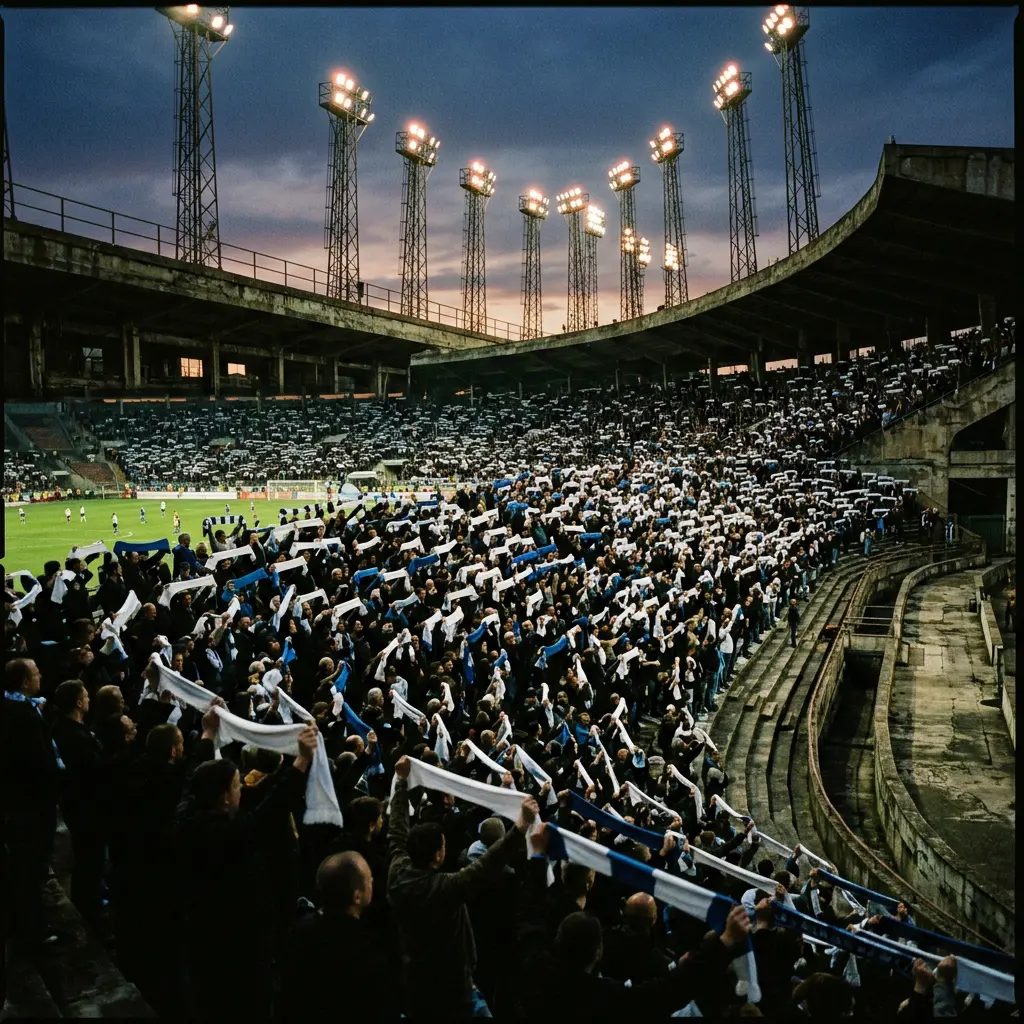
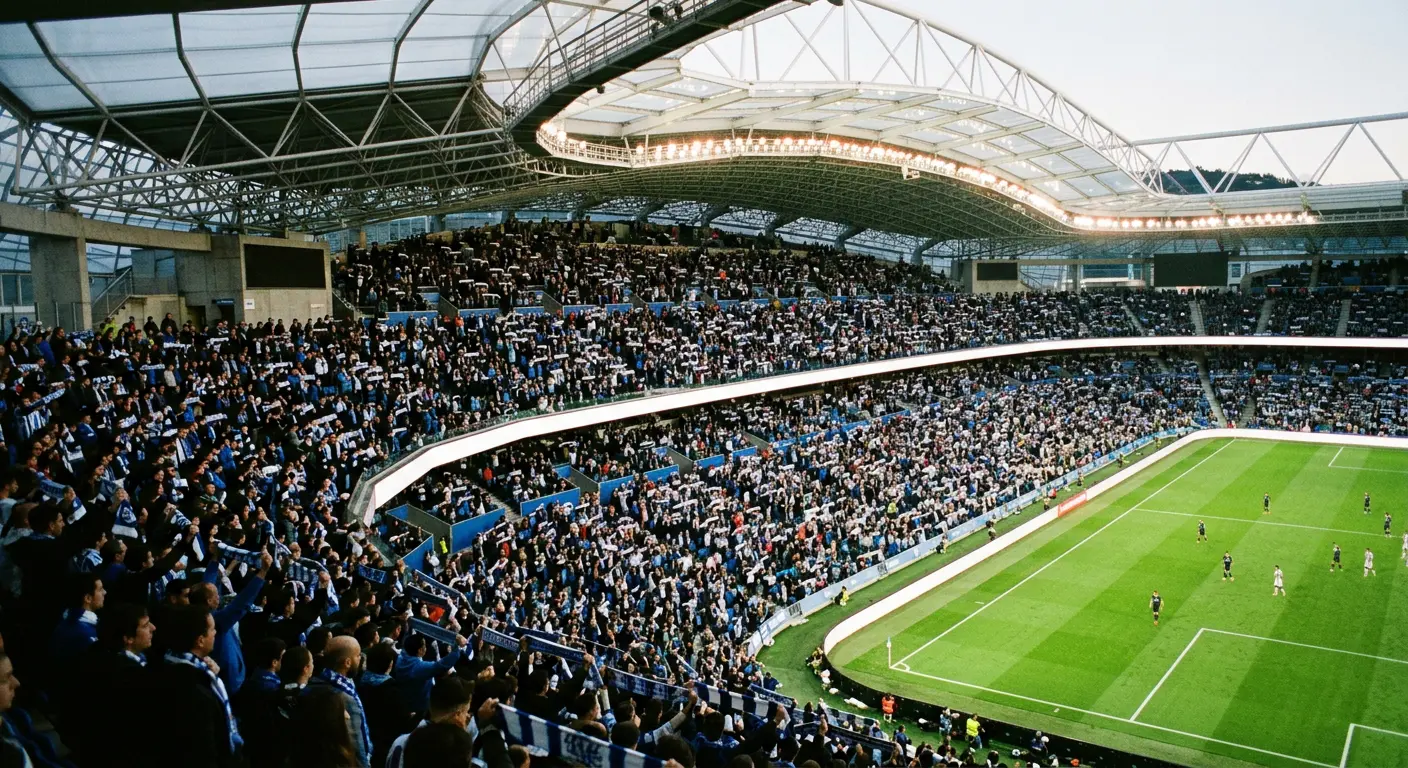
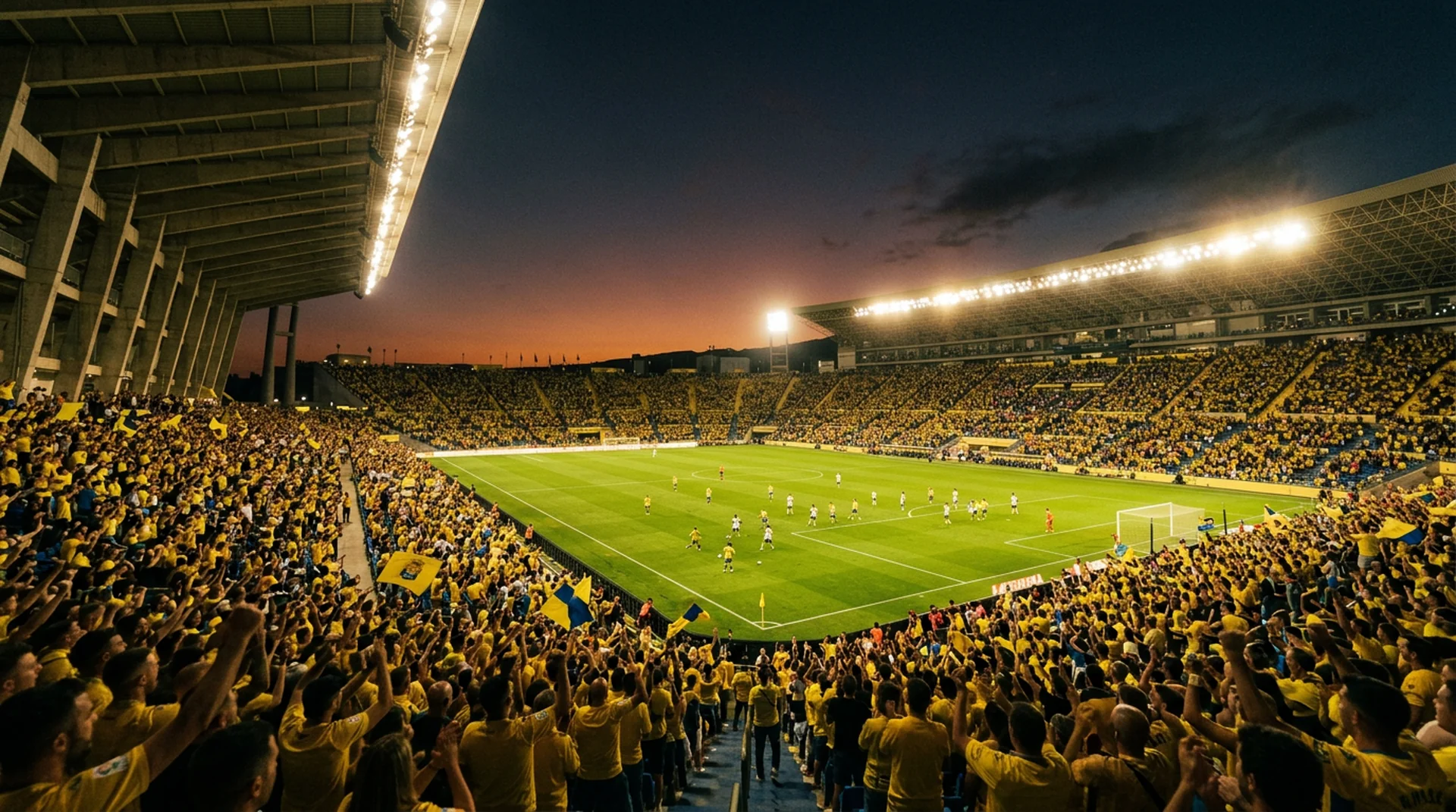
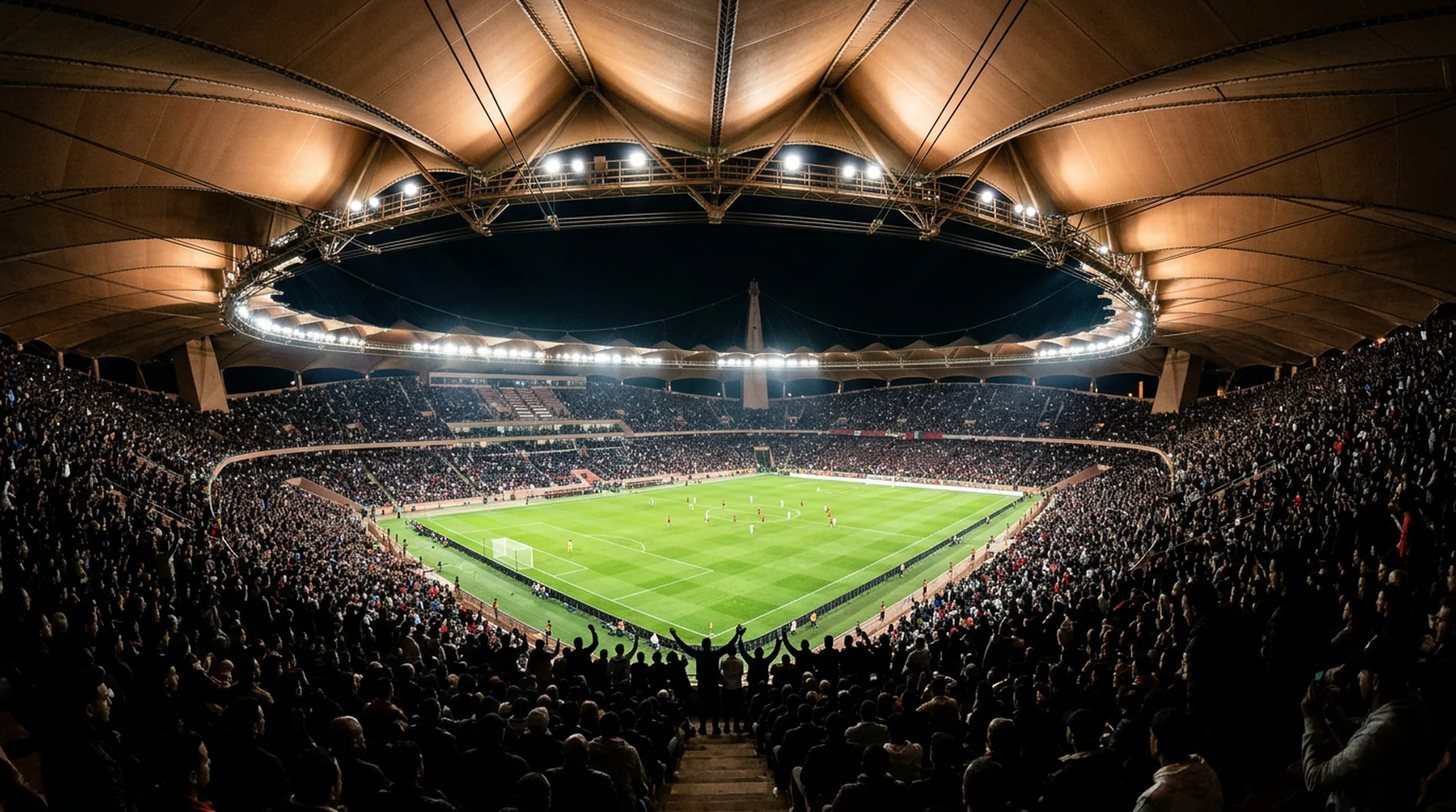
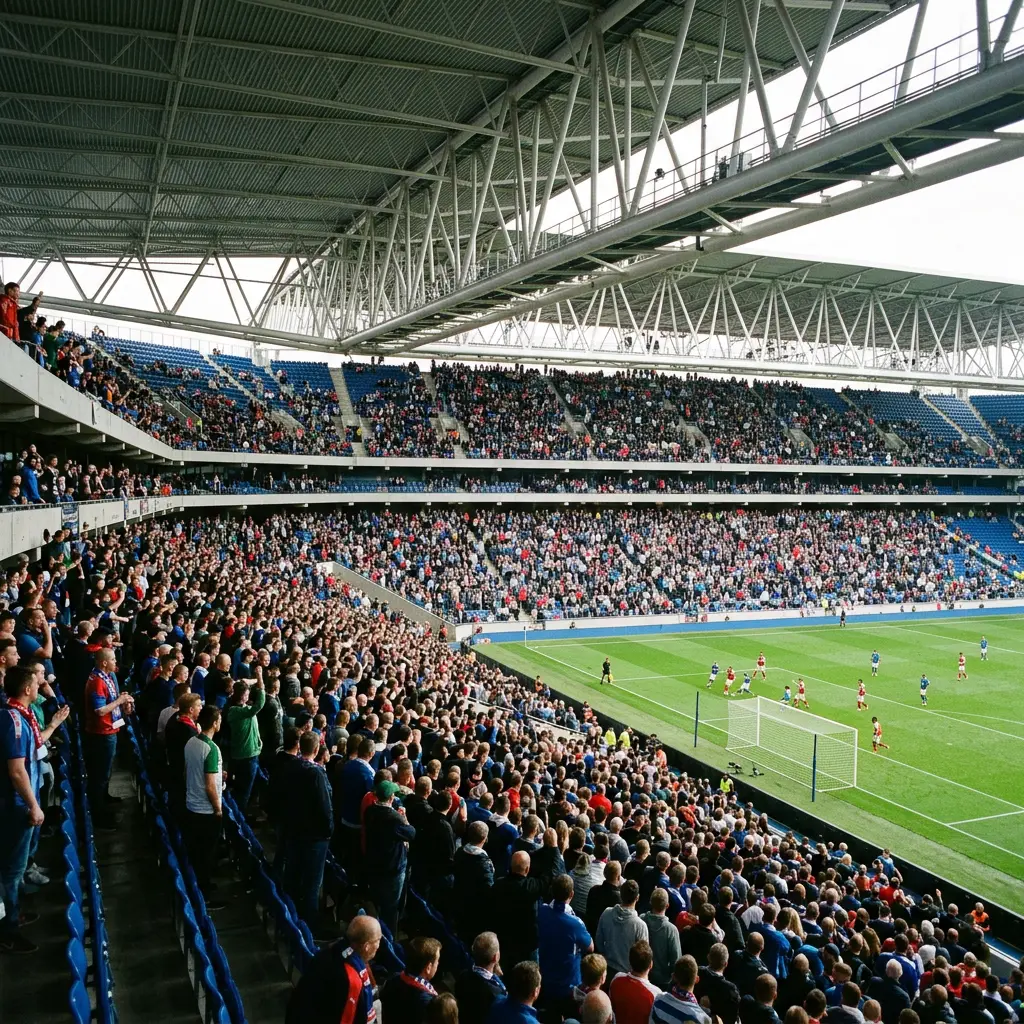
Real Zaragoza matchday atmosphere, Zaragoza

Maños in a Pop-Up Home

A club with no fallback ground has had to build one from parts, and its fans have followed anyway. The temporary Ibercaja Estadio holds about 20,000, roughly half the eventual Nueva Romareda.

See Tickets Full Zaragoza Guide

Unlike Barcelona, which could shift Camp Nou's tenants to the existing Estadi Olímpic Lluís Companys during renovation, Real Zaragoza had no second stadium waiting in the city. Officials built one instead: Ibercaja Estadio, a fully modular, all-seater ground erected on the Parking Norte site in Zaragoza's old Expo district in roughly five months between January and July 2025, seating around 20,000 for a construction cost of about €12 million, with turf brought in from Extremadura.

Real Zaragoza will play its home fixtures there through the 2025-26 and 2026-27 seasons, a genuinely unprecedented arrangement in Spanish football: a modular "pop-up" stadium as an entire club's home ground, rather than a temporary borrowed venue. Fans, known as Maños, have largely embraced it as a bridge to something better, with the Gol Sur end carrying over much of the noise and identity from the old Romareda's most vocal section.

Once the new stadium opens for 2027-28, Nueva Romareda's covered bowl will be a first for a club that spent nearly seven decades in a fully open-air ground, a change expected to noticeably amplify crowd noise on matchdays.

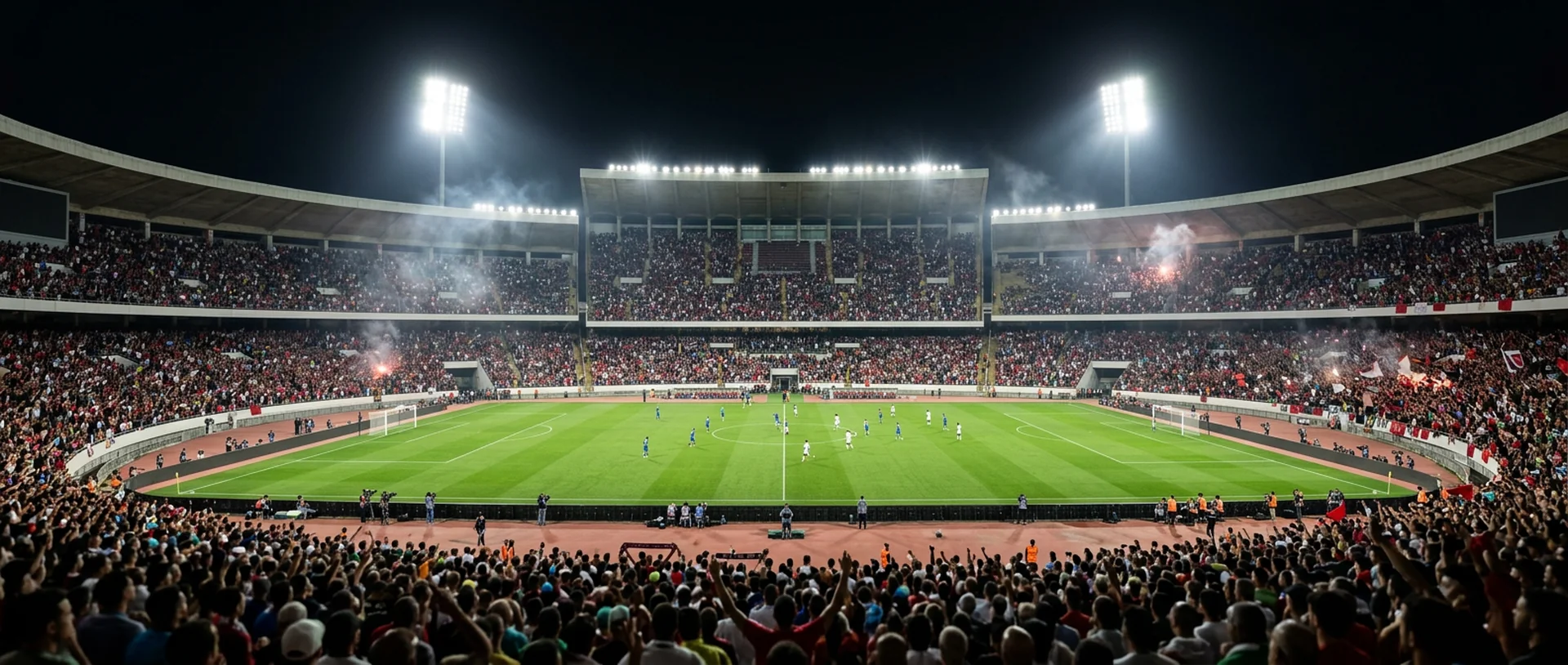
La Romareda's history, site of the 1982 World Cup, Zaragoza

Sixty-Eight Years, One Farewell Match

From a 1982 World Cup venue to a stadium torn down to build something better. A farewell match, a full demolition, and a fresh start on the same ground.

See All Stadiums See Spain Guide

The original La Romareda opened on 8 September 1957 with Real Zaragoza beating CA Osasuna 4-3, quickly becoming one of Spain's largest and most storied grounds. It hosted matches at the 1982 FIFA World Cup and football fixtures, including a quarterfinal, at the 1992 Barcelona Olympics, cementing its reputation well beyond domestic football despite sitting hundreds of kilometres from either host city.

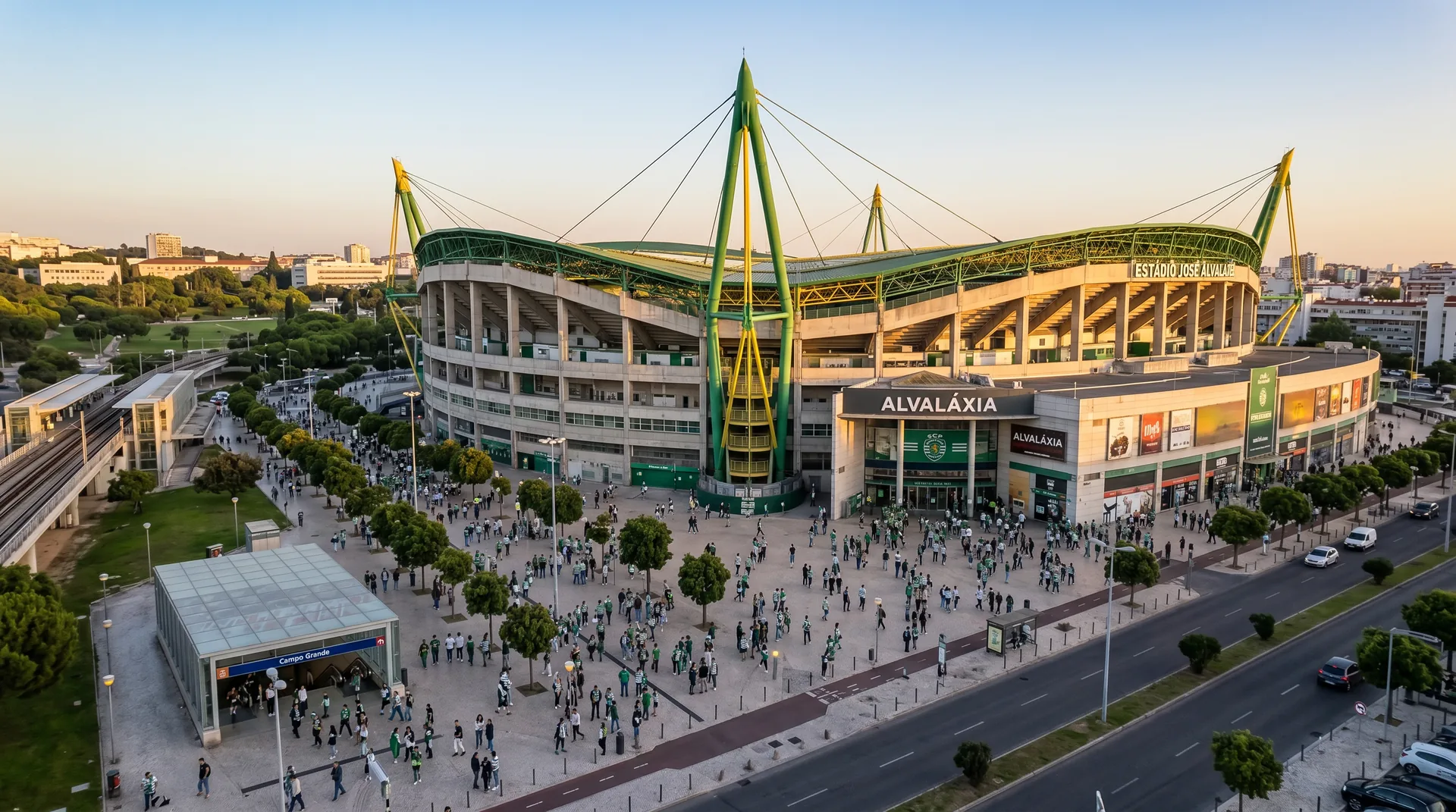
Nueva Romareda is one of the 11 venues the Real Federación Española de Fútbol has ratified for Spain's share of the 2030 World Cup, standing alongside La Cartuja in Seville and Portugal's Estádio José Alvalade as part of the shared Spain-Portugal-Morocco hosting bloc.

1957
La Romareda opens, designed by architect Francisco Riestra, with a 4-3 win over Osasuna.
1982
Hosts 1982 FIFA World Cup matches, cementing its place among Spain's major football venues.
1992
Stages Barcelona Olympics football, including a quarterfinal, as a satellite venue.
Jul 2024
Demolition begins on the original stadium as the Nueva Romareda project starts in earnest.
May 2025
Farewell match: Real Zaragoza beat Deportivo de La Coruña 1-0 in La Romareda's final fixture.
Jul 2025
Ibercaja Estadio opens, the modular temporary ground built in roughly five months.
Aug 2025
Old floodlight towers demolished, a visible city-wide milestone in the rebuild.
2027
Nueva Romareda targeted to open, with Real Zaragoza's return set for the 2027-28 season.

The stadium sits in the barrio of La Romareda in Zaragoza's Universidad district, a name inherited from an old irrigation channel once lined with rosemary bushes. Its most famous neighbours, the University of Zaragoza's Plaza San Francisco campus and the Hospital Miguel Servet, remain fixed points in a district otherwise being reshaped by the rebuild.

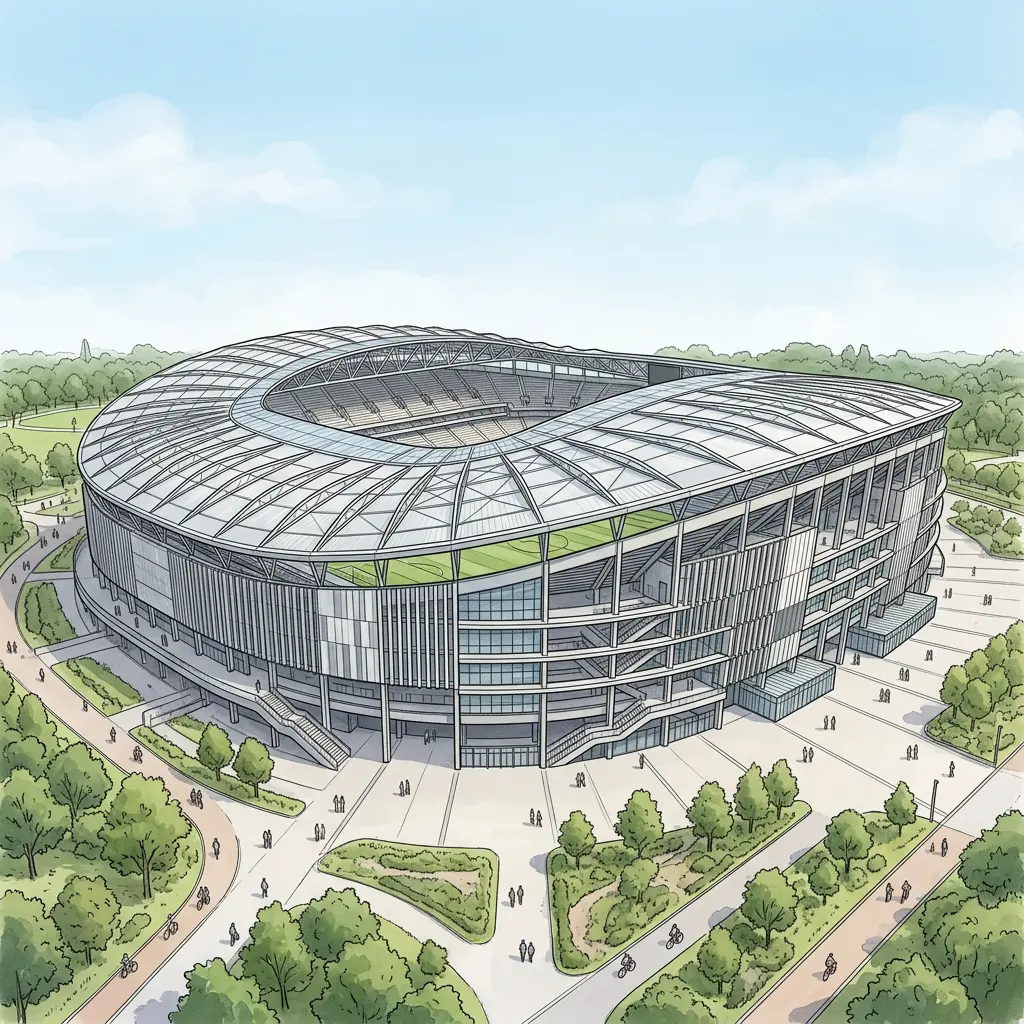
Architectural rendering of Nueva Romareda's planned design, Zaragoza

The Crown Jewel Argument

Built to FIFA's spec from day one, with local officials calling it Spain's strongest technical case among the eleven venues. Tentatively slated to host matches up through the Round of 16.

Illustrative rendering of the planned design, not a photograph of the finished stadium.

Flight Deals Full Zaragoza Guide

Zaragoza's pitch to FIFA rests on an argument none of Spain's other host cities can quite make: because Nueva Romareda is being built from nothing, it can meet every current FIFA stadium requirement without the compromises that come from adapting decades-old infrastructure. City officials have leaned into that framing hard, with the mayor calling it the "crown jewel" of Spain's bid after a UEFA and RFEF technical delegation toured the site in March 2026 and reported back favourably.

The stadium is tentatively scheduled to host matches up through the Round of 16, reflecting both its capacity and Zaragoza's position as Spain's fourth-largest city, an argument local officials have repeated whenever reshuffles to the host list, including talk of adding Valencia, have threatened to bump a confirmed venue.

“The works are advancing at an extraordinary pace.”

— Natalia Chueca, Mayor of Zaragoza, June 2026
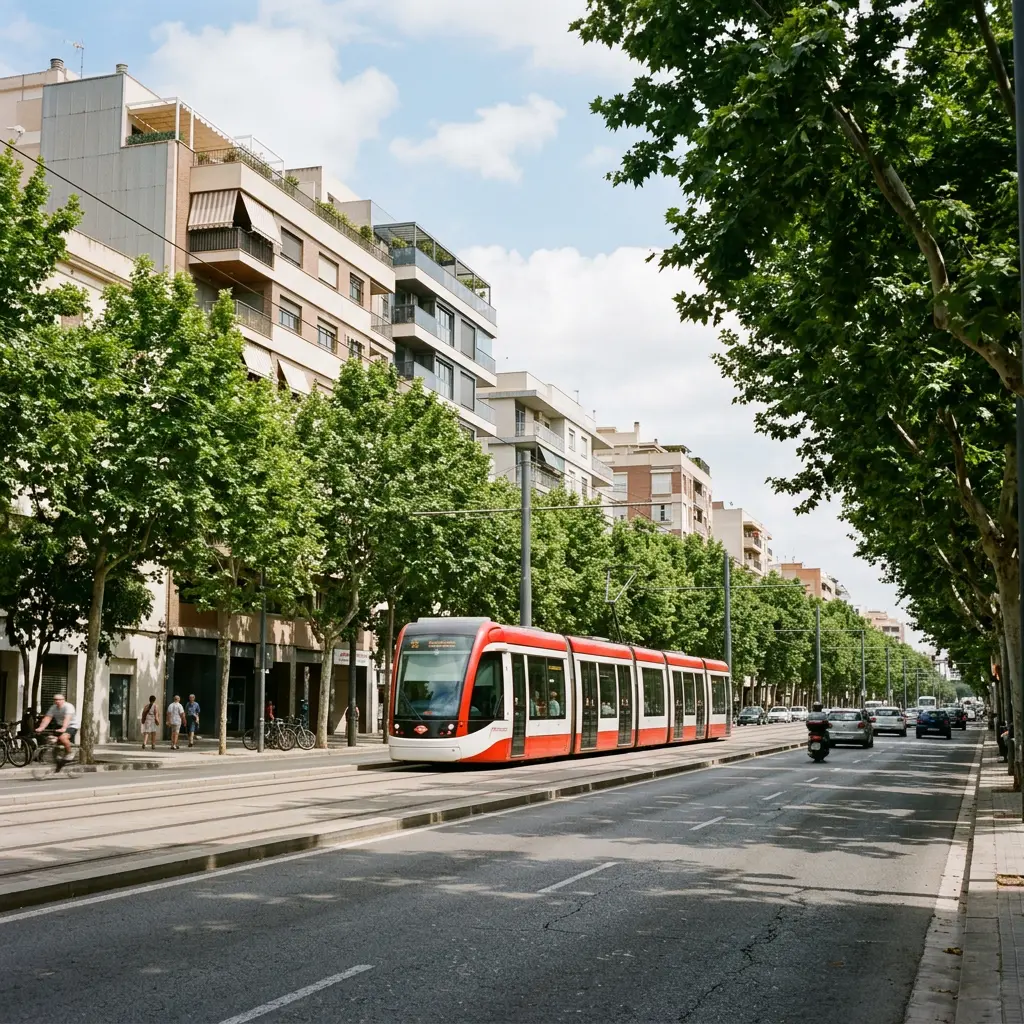
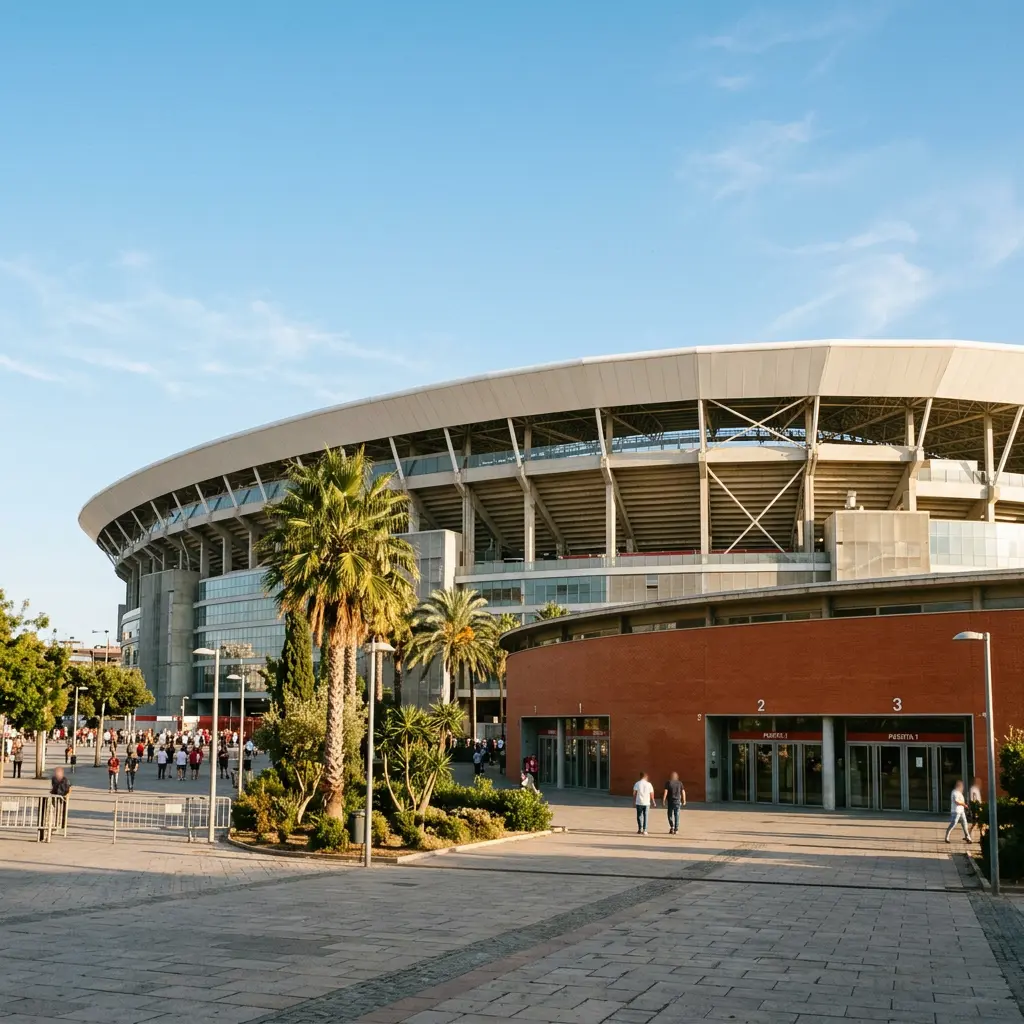
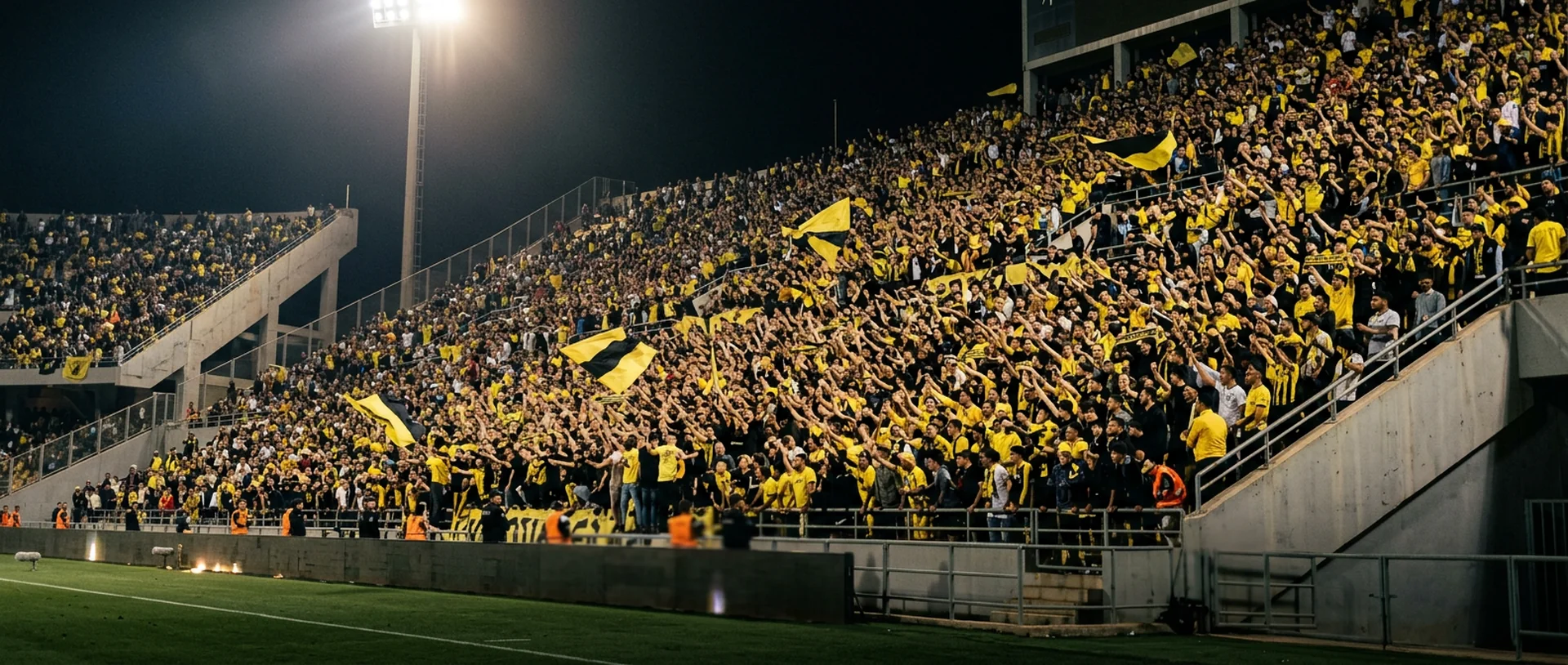
La Romareda district, Zaragoza

South of the City Centre

Fully integrated into Zaragoza's urban grid, with tram, bus and a short walk from the historic core. No island crossing or shuttle bus required, unlike some of Spain's other 2030 venues.

Search Zaragoza Hotels Compare Flights

Nueva Romareda sits at Paseo Isabel la Católica 4, in the barrio of La Romareda south of Zaragoza's historic centre, unlike La Cartuja's island setting or Nueva Romareda's Portuguese counterparts, this is a stadium woven directly into the city's residential grid, a short tram or bus ride from the Basílica del Pilar and the old town.

Tram
Line 1 of the Zarago za tram network runs close to the stadium, connecting it directly to the city centre.
Bus
The Ci1/Ci2 circular lines and bus 42 connect Zaragoza-Delicias station to the stadium.
From Plaza de España
Buses 40 and 35 run from the old town directly to Paseo Isabel la Católica.
Walk
Roughly 25-30 minutes from the Basílica del Pilar and the historic centre.

Exact matchday transport plans for the completed stadium will be confirmed closer to its 2027 opening and again ahead of 2030. Check back here for updates.

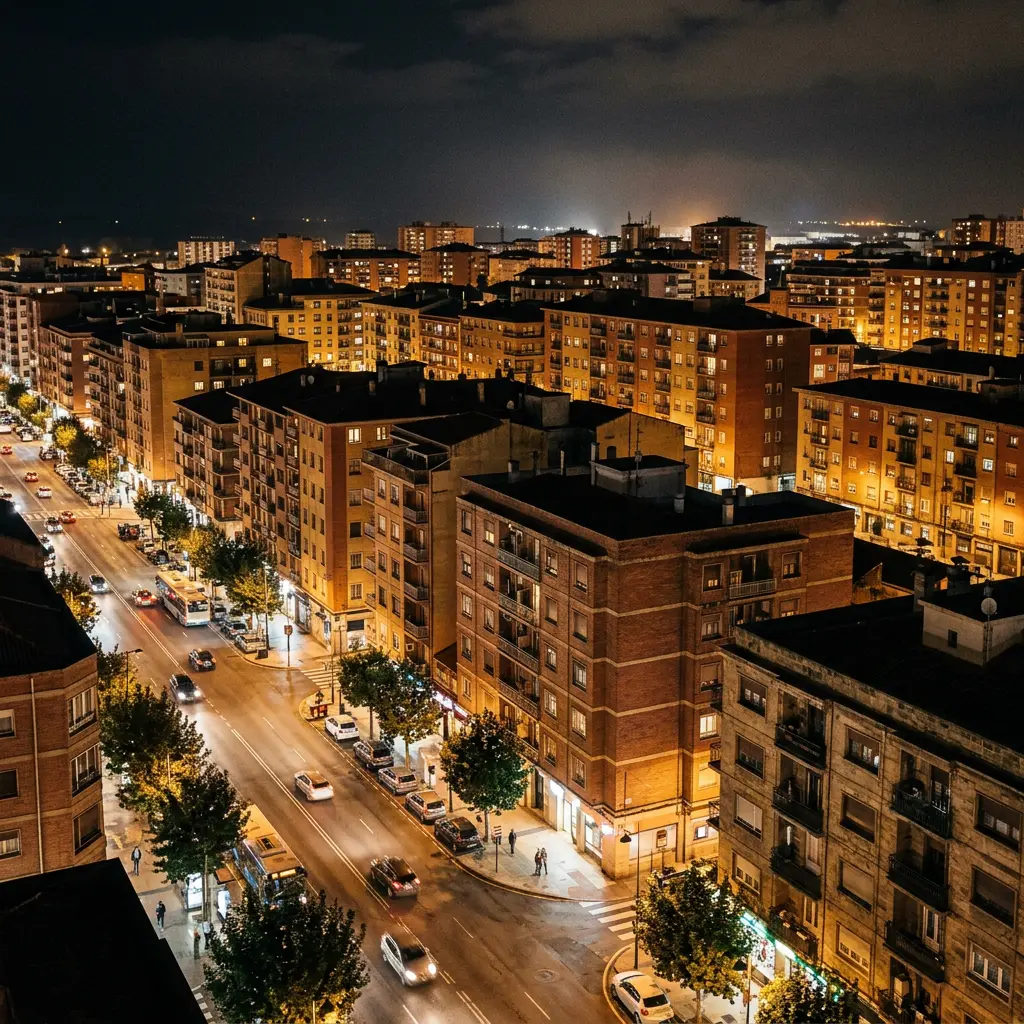
Zaragoza skyline near Nueva Romareda

Basing Yourself in Zaragoza

A compact city centre puts most hotels within a short tram ride of the stadium. Book early once the World Cup schedule and Real Zaragoza's return date are confirmed.

Search Zaragoza Hotels See Spain Guide

Zaragoza's compact centre, anchored by the Basílica del Pilar and Plaza del Pilar, sits roughly 25-30 minutes on foot or a few tram stops from the stadium, making almost any centrally located hotel a workable base. The university district near the stadium itself also has a growing supply of apartments and mid-range hotels aimed squarely at matchday visitors.

Flying to Zaragoza
Zaragoza Airport (ZAZ) is roughly 15-20 minutes from the stadium by taxi, though many travellers fly into Madrid or Barcelona and take the high-speed AVE train, both under 1.5 hours away.
Compare flights
World Cup Tickets
FIFA has not opened ticket sales for 2030 yet. We'll post the official ballot dates and links here the moment they're announced.
Planning Multiple Cities
Following matches across Spain? Start with our full Spain travel guide covering all nine host cities.
See Spain Guide
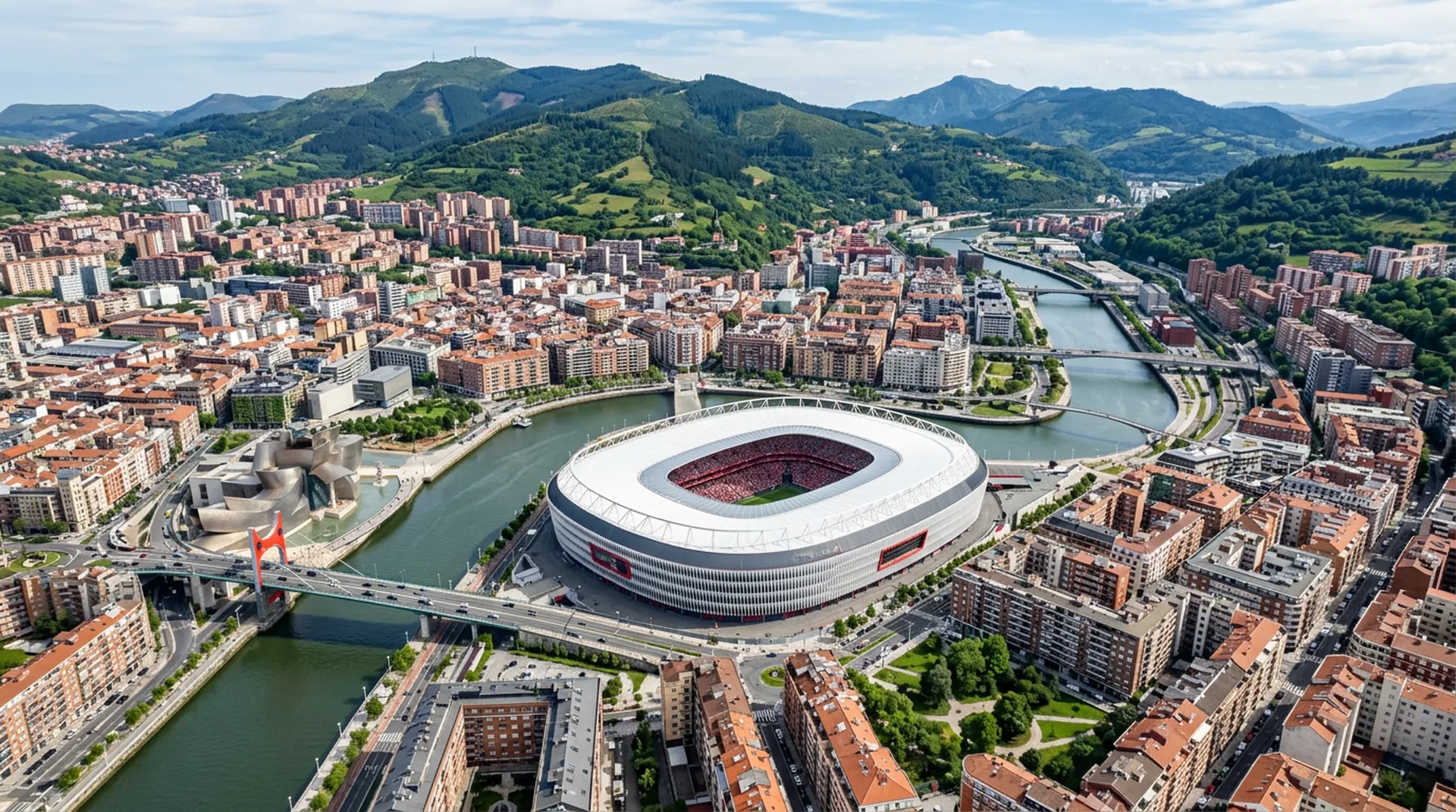
World Cup 2030 host stadiums

Every Host Stadium

21 venues, three confederations, one tournament. See how Nueva Romareda fits into the bigger picture.

Explore Every Stadium

Nueva Romareda is one of 21 confirmed venues across Morocco, Portugal, Spain and the three centenary host nations opening the tournament. From Casablanca's Hassan II to Buenos Aires' Estadio Monumental, each host city brings its own story, its own architecture, and its own claim on football history. Explore the full lineup below.

🌅 Spain

🇲🇦 Morocco

🇵🇹 Portugal

🏆 Centenary Matches

Frequently Asked

Nueva Romareda Questions

Who designed Nueva Romareda?
IDOM designed the stadium, with OHLA, in joint venture with Altuna and Uría, carrying out the main construction contract.
Is this a renovation or a new stadium?
A completely new stadium. The original 1957 La Romareda was fully demolished, making this the only 2030 World Cup venue in Spain built entirely from scratch.
Is Nueva Romareda sustainable?
Yes, the project earned BREEAM ES 2025 certification for New Construction, partly thanks to recycling or repurposing more than 90% of the materials from the demolished 1957 stadium.
What is the stadium's official name?
Nueva Romareda in most planning and press references, though it currently carries sponsorship branding as Ibercaja Romareda after the Zaragoza-based bank.
What will the capacity of Nueva Romareda be?
Approximately 43,110 seats, though figures between 42,500 and 43,114 have appeared across official and press sources; we'll update this once a final number is confirmed.
How much is the stadium costing?
OHLA's main construction contract is valued at €124.5 million, on top of earlier demolition and site preparation costs and the roughly €12 million spent on the temporary Ibercaja Estadio.
When will Nueva Romareda open?
Construction is targeted for completion around mid-2027, with Real Zaragoza's return to the site planned for the 2027-28 season, well ahead of the 2030 World Cup.
How much of the construction is finished?
As of early 2026, foundations across all seating tiers are complete and the south stand structure is finished, while the east, north and west stands progress through structural and facade work.
When did the original La Romareda open?
8 September 1957, with Real Zaragoza beating CA Osasuna 4-3 in the inaugural match.
Did the old stadium host major tournaments?
Yes, La Romareda hosted matches at the 1982 FIFA World Cup and football fixtures, including a quarterfinal, at the 1992 Barcelona Olympics.
When was the old stadium's final match?
25 May 2025, when Real Zaragoza beat Deportivo de La Coruña 1-0 in the ground's farewell fixture after 68 years.
Where does Real Zaragoza play while the new stadium is built?
At Ibercaja Estadio, a temporary modular stadium built in about five months on the Parking Norte site, seating roughly 20,000 fans through the 2025-26 and 2026-27 seasons.
How do I get to Nueva Romareda from central Zaragoza?
By Tram Line 1, the Ci1/Ci2 circular bus lines or bus 42 from Zaragoza-Delicias station, or buses 40/35 from Plaza de España, all of which stop near Paseo Isabel la Católica.
What's the nearest airport to Nueva Romareda?
Zaragoza Airport (ZAZ), roughly 15-20 minutes from the stadium by taxi, though Madrid and Barcelona are both under 1.5 hours away by high-speed AVE train.
How far is the stadium from Zaragoza's historic centre?
About 25-30 minutes on foot from the Basílica del Pilar, or a few stops by tram or bus.
How do I buy tickets for a Real Zaragoza match?
Through the club's official website, where season ticket holders get priority access before general sale opens for remaining tickets.

Continue Exploring

See every World Cup 2030 stadium, or the full Zaragoza travel guide.

All StadiumsZaragoza Guide

Get Nueva Romareda Updates

Construction milestones, FIFA venue confirmations, ticket ballot dates and Zaragoza travel tips - straight to your inbox.