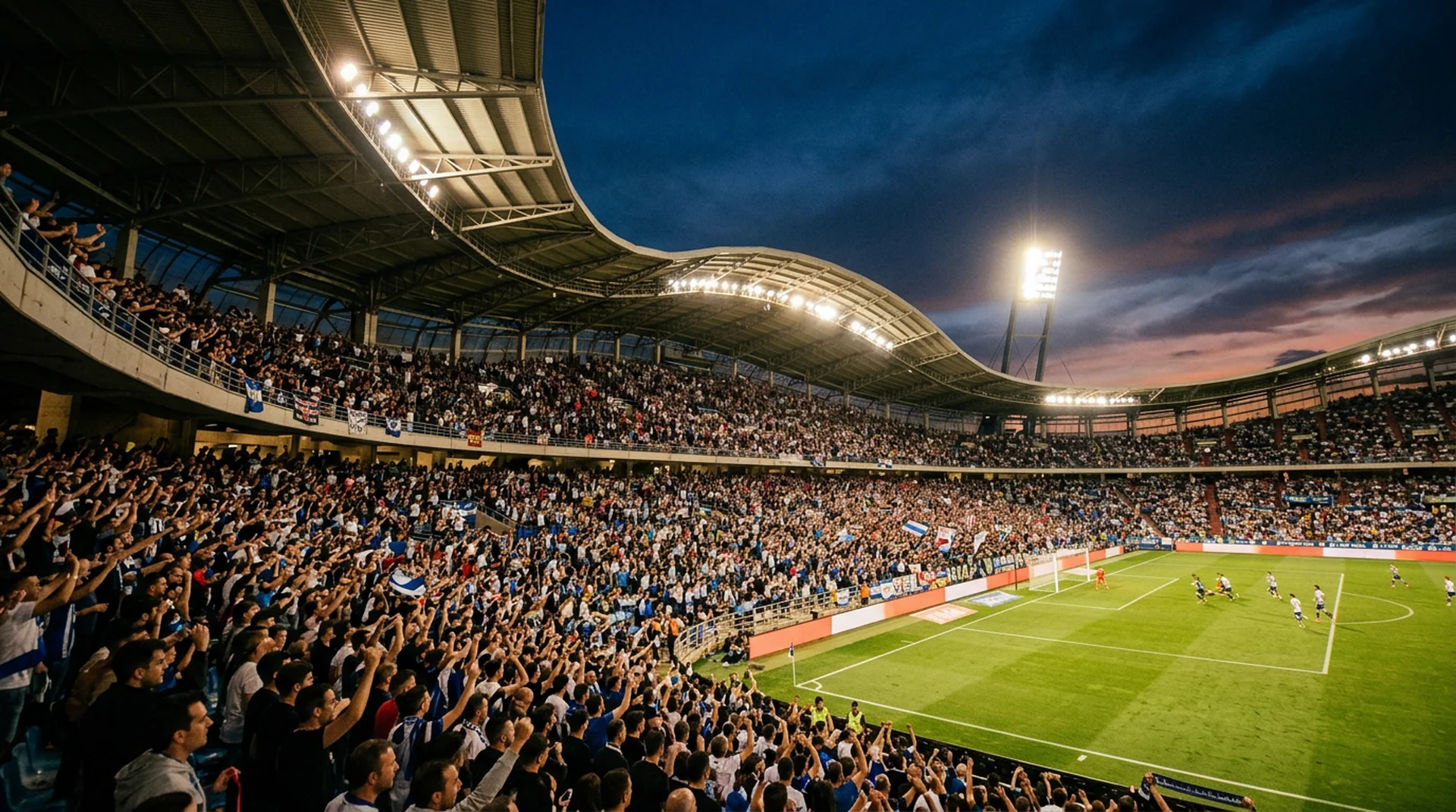
The old La Romareda is gone, demolished after 68 years to make way for the Nueva Romareda - a stadium literally shaped by the region's fierce Cierzo wind. Real Zaragoza are playing their transition seasons in a modular temporary stadium, a first for Spanish football, while the new ground rises on the same site.
Stadium
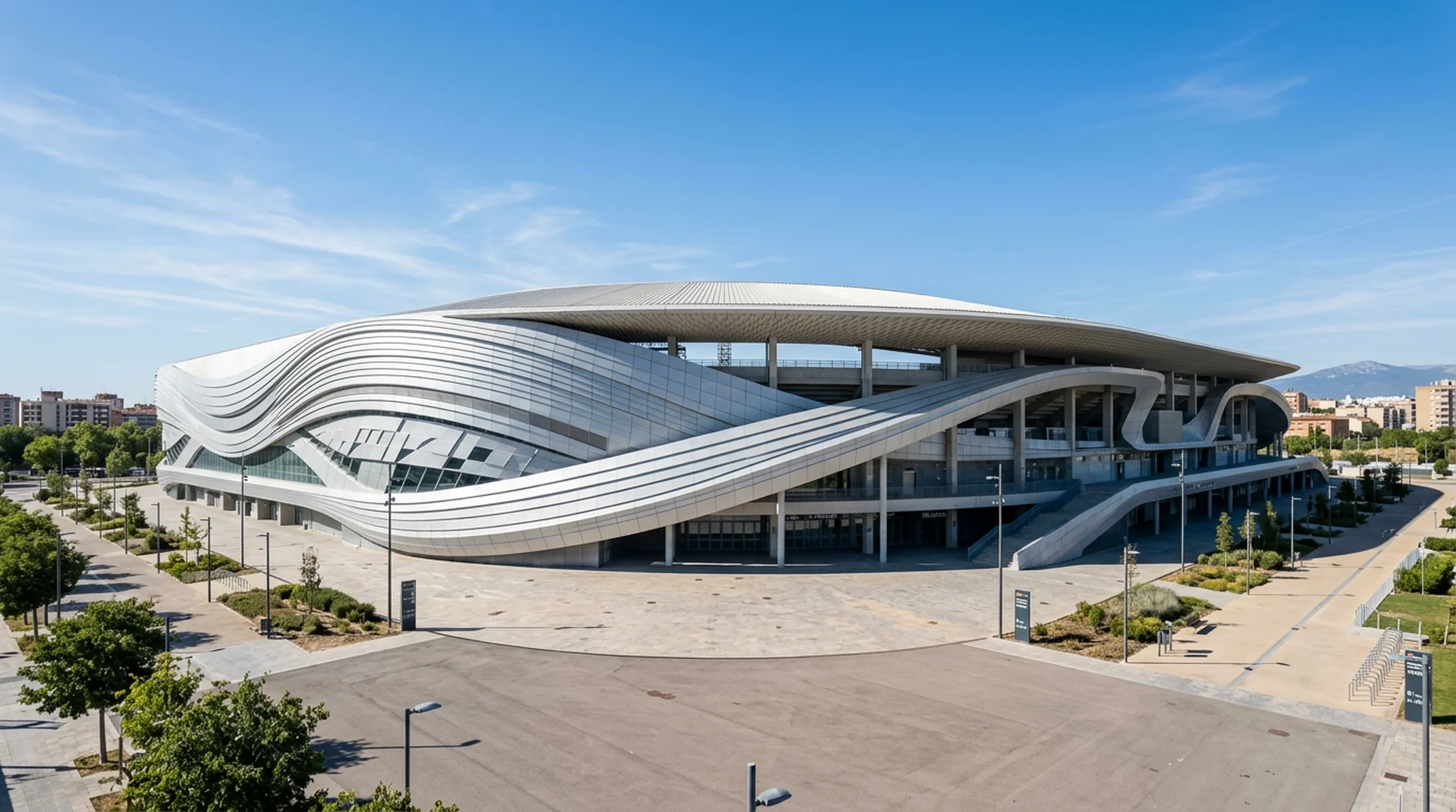
Zaragoza brings a single stadium to 2030, and it's a genuinely new one. The historic La Romareda was demolished in 2025 after 68 years, and Real Zaragoza are playing their transition seasons at a modular temporary ground while the Nueva Romareda rises on the same site, shaped by the region's distinctive Cierzo wind.

Football Culture
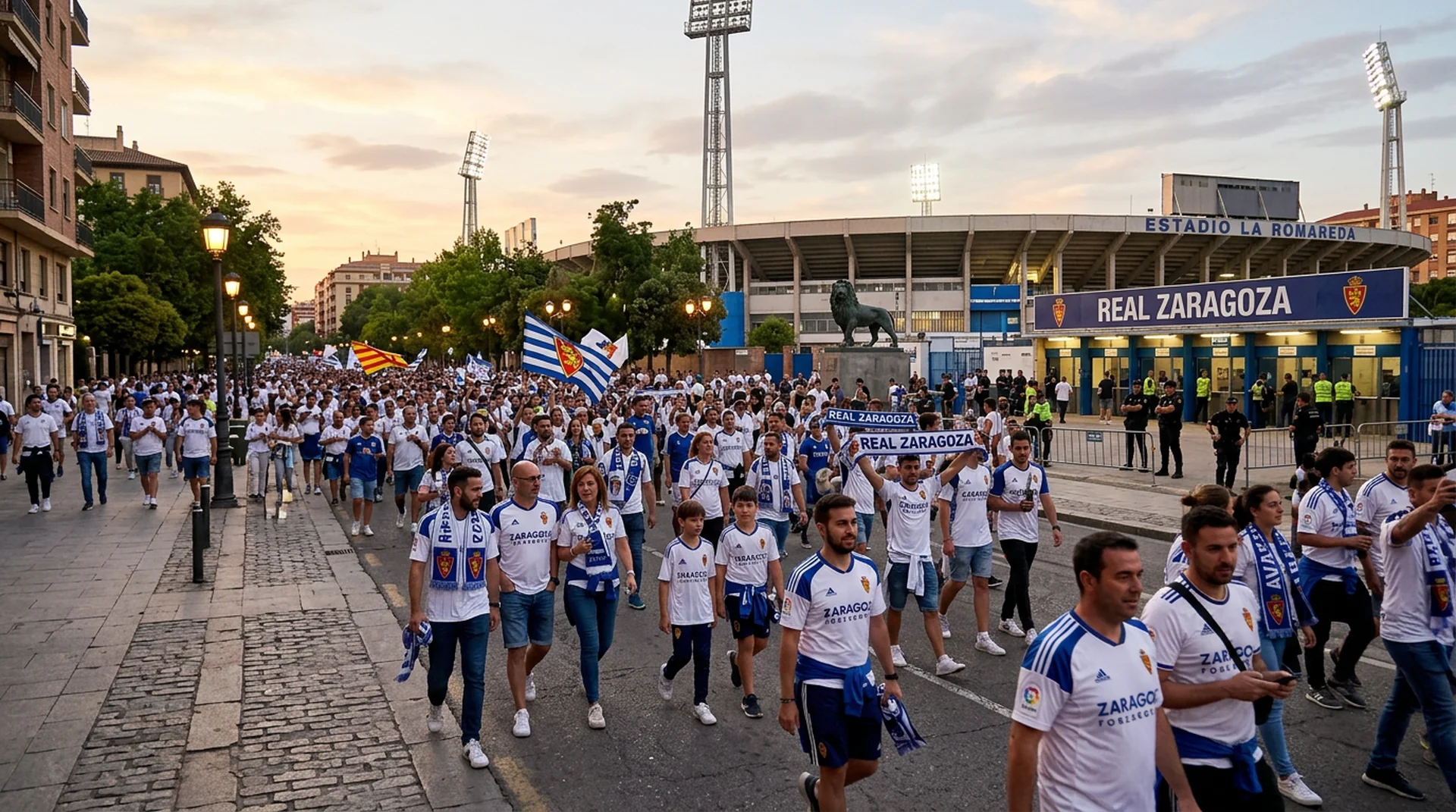
Unlike Madrid, Barcelona or Seville, Zaragoza is a genuine one-club city - Real Zaragoza has no meaningful local rival, giving its football culture a unified, communal character rather than a divided one. Founded in 1932, the club's fans are known as maños, a nickname shared with Aragonese people generally, roughly translating to a term of familiar address among locals.
The club's greatest night came on 10 May 1995, when Zaragoza beat Arsenal 2-1 in the UEFA Cup Winners' Cup Final at Parc des Princes, settled by a spectacular 25-yard strike from Nayim in the final seconds of extra time - a goal still replayed in English football folklore as one of the most painful late strikes conceded by an Arsenal side. Zaragoza have also won the Copa del Rey six times, most recently in 2004, when they beat Real Madrid in the final.
Nayim's 1995 Cup Winners' Cup Final goal against Arsenal, from inside his own half.
- still shown regularly in English football "greatest goals" compilations three decades later
The Nueva Romareda's design takes its defining cue from the Cierzo, a strong, dry, cold wind that funnels down the Ebro valley, particularly in autumn and winter. Rather than fight it, architects IDOM shaped the stadium's roof and facade around the wind's flow, using concave and convex surfaces described as being "forged by the wind" - a rare case of a World Cup stadium designed around a specific local weather phenomenon.
The rebuild is a genuinely fresh start rather than a renovation: the old La Romareda, opened in 1957, was fully demolished after Real Zaragoza's final match there in May 2025, a 1-0 win over Deportivo de La Coruña. In the meantime, the club is playing at the Ibercaja Stadium, a modular, demountable 20,103-seat venue built in around six months - the first stadium of its kind in Spanish football history.
The original La Romareda hosted three group-stage matches at the 1982 World Cup and staged football during the 1992 Barcelona Olympics. Its replacement will welcome the tournament back to Zaragoza for the first time in nearly half a century, in a stadium built specifically to meet FIFA's modern requirements.
Matchday in Zaragoza
"Zaragoza is a one-club city - there's no rival to argue with, just a shared devotion to Los Maños."
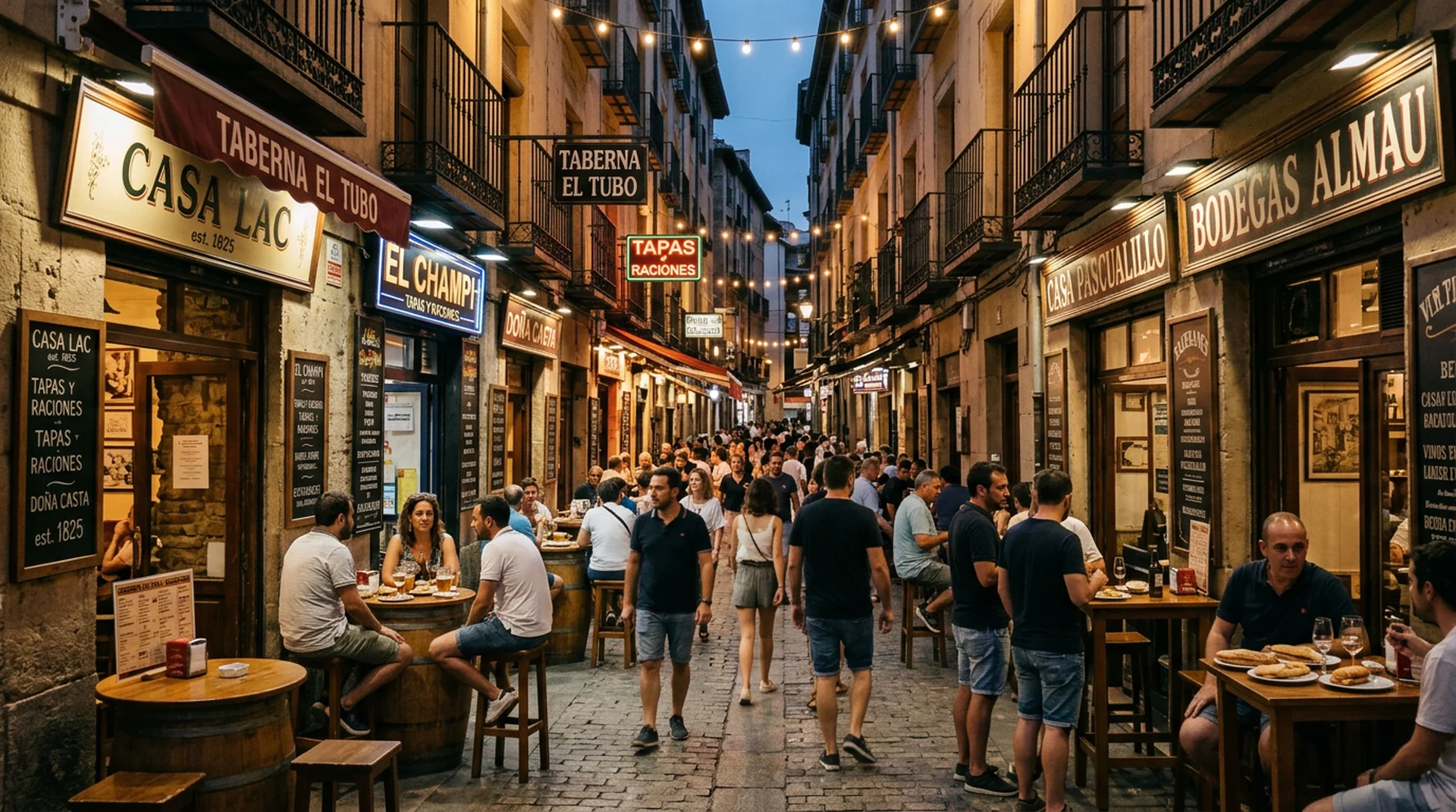
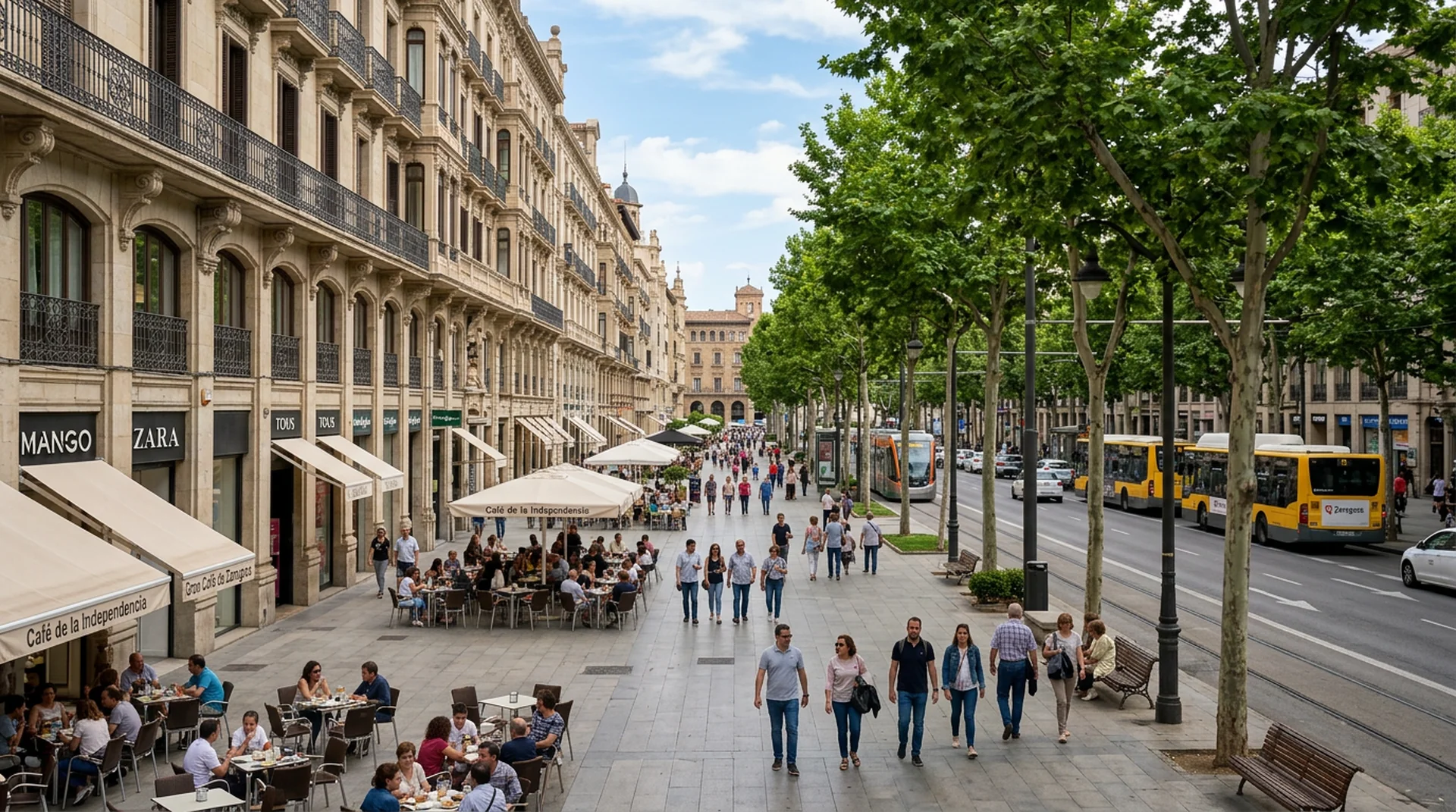
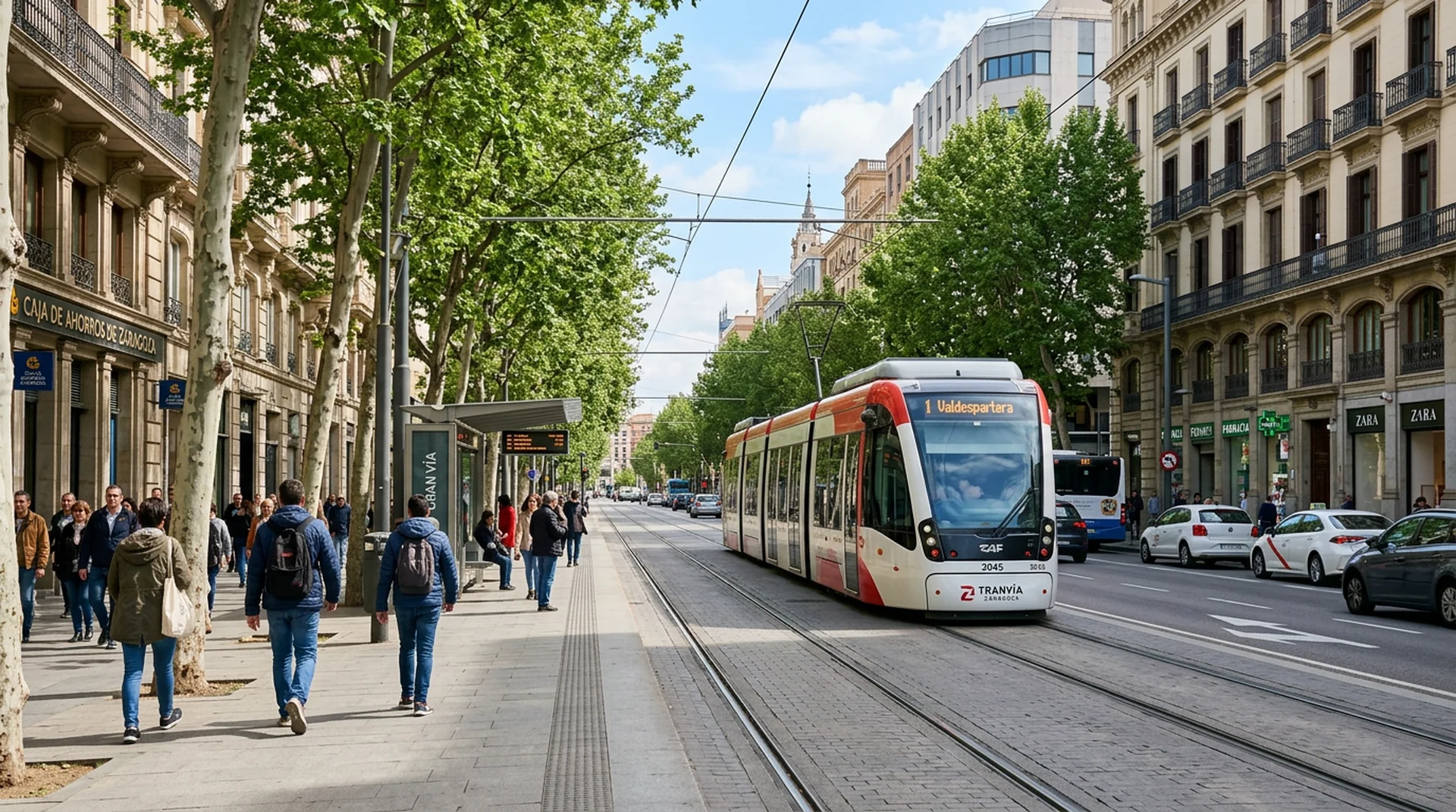
Zaragoza's compact centre and tram network mean the stadium area is reachable in well under 20 minutes from El Tubo or Plaza España. The build-up concentrates in the historic centre's tapas bars, where fans gather in Real Zaragoza's white and blue well before kickoff.
By 2030, the new stadium should be complete, but visitors in the transition years may still catch matches at the temporary Ibercaja Stadium next door - a genuinely unusual sight in top-level football.


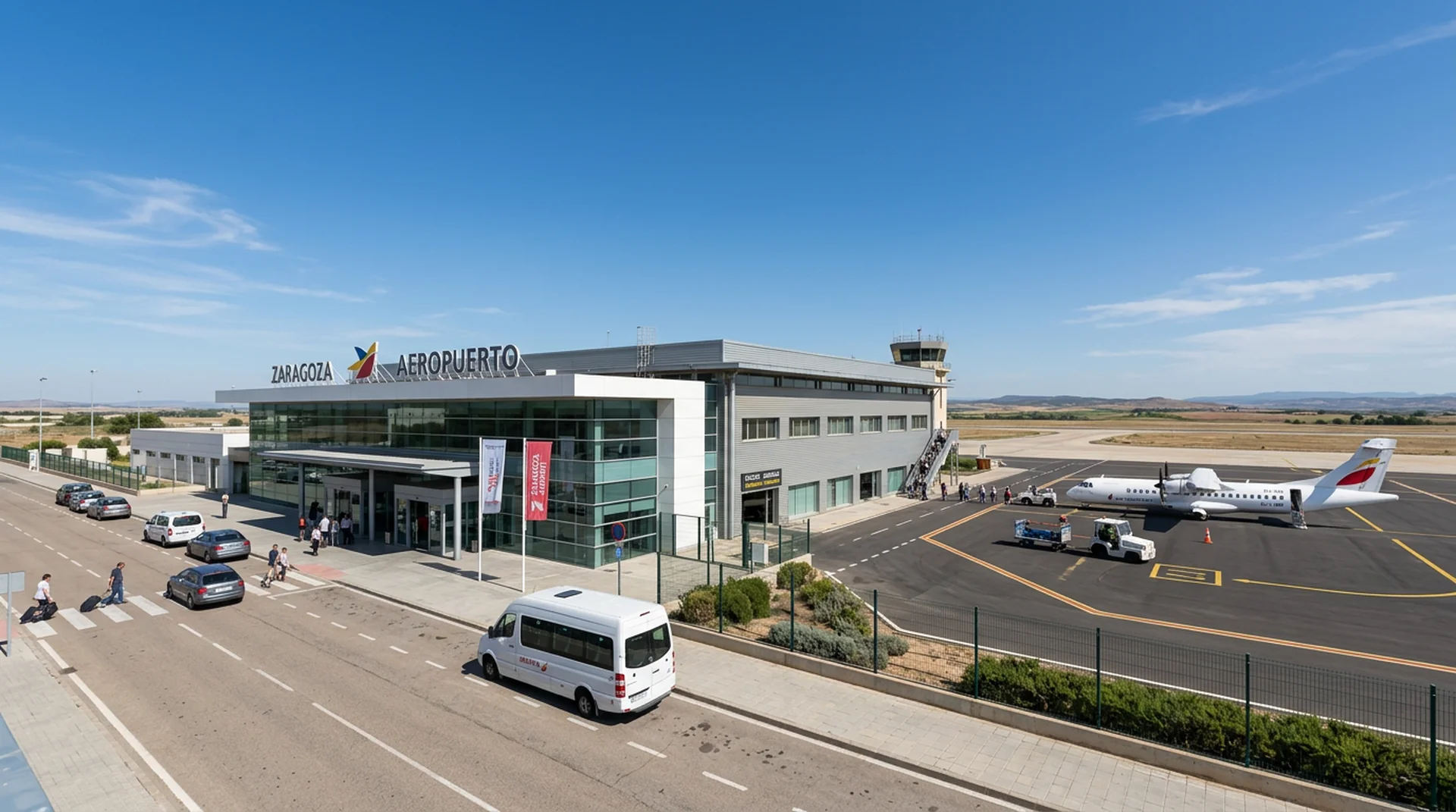
From Zaragoza Airport to the Stadium
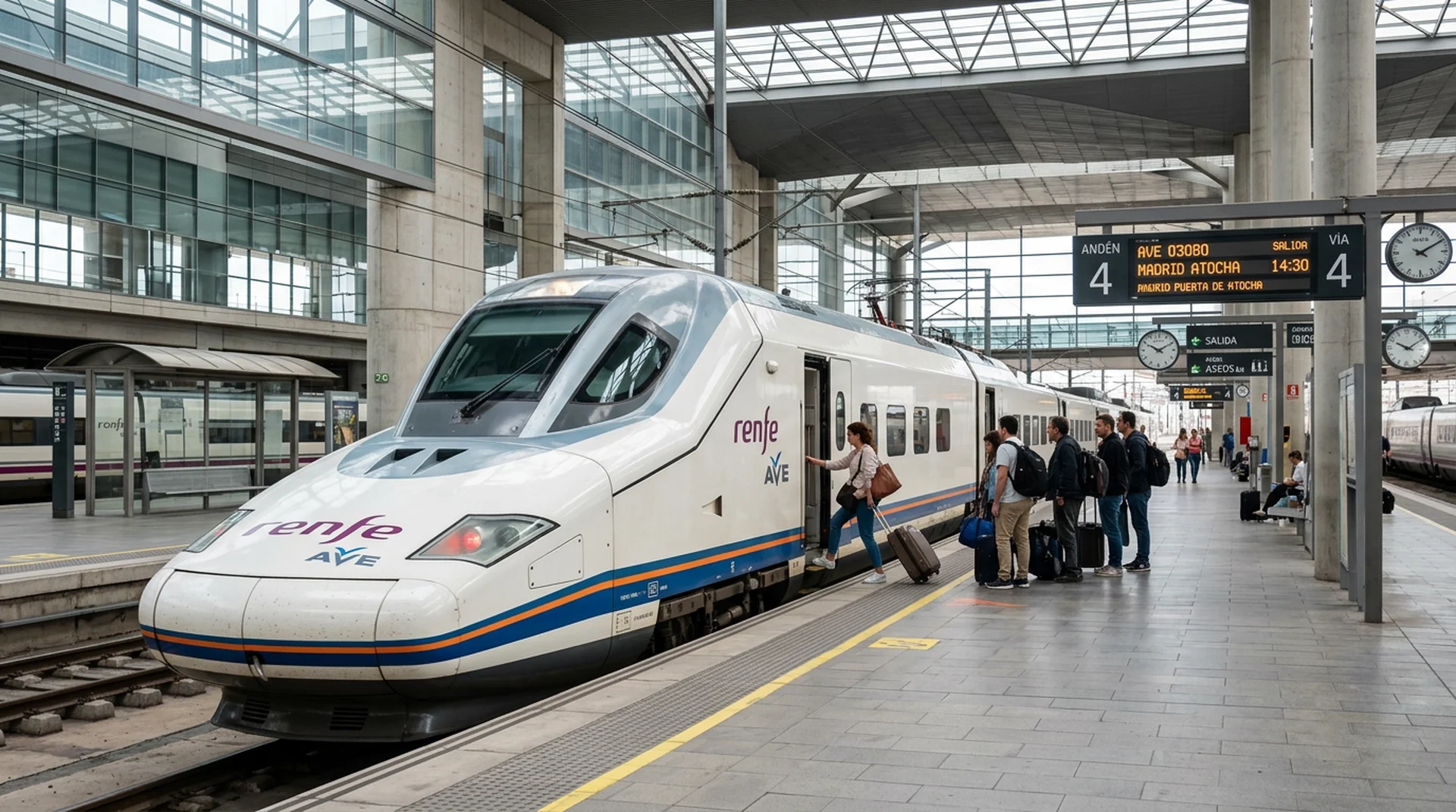
Airport to centre: ~30-45 min, €4 by bus 505 · Taxi: ~15-20 min · Madrid or Barcelona by AVE: ~1h20 each


Following matches in more than one city? Zaragoza's central location on the AVE network makes it one of the easiest World Cup 2030 host cities to combine with others. See the Spain transport guide for full routes across all host cities.
Between Matches
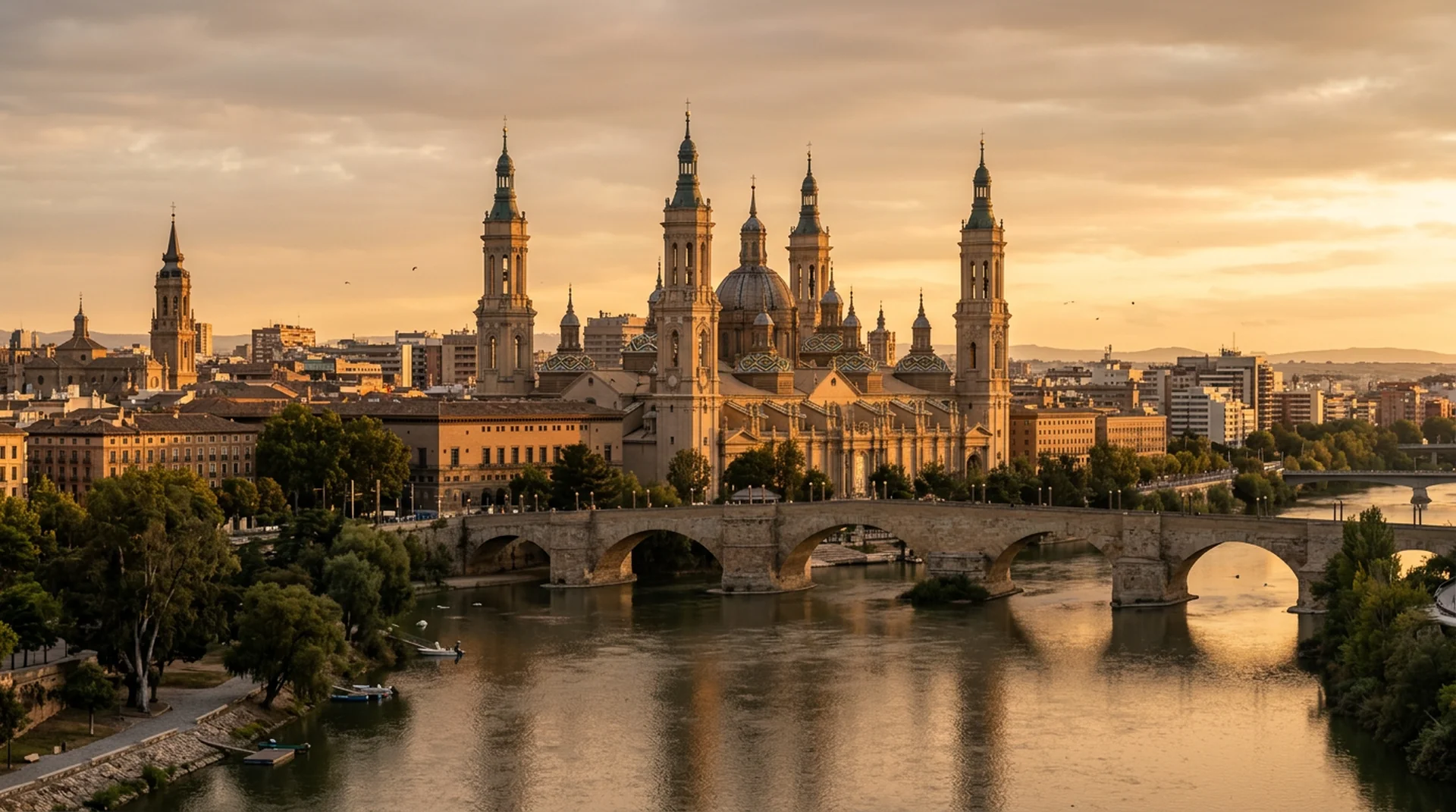
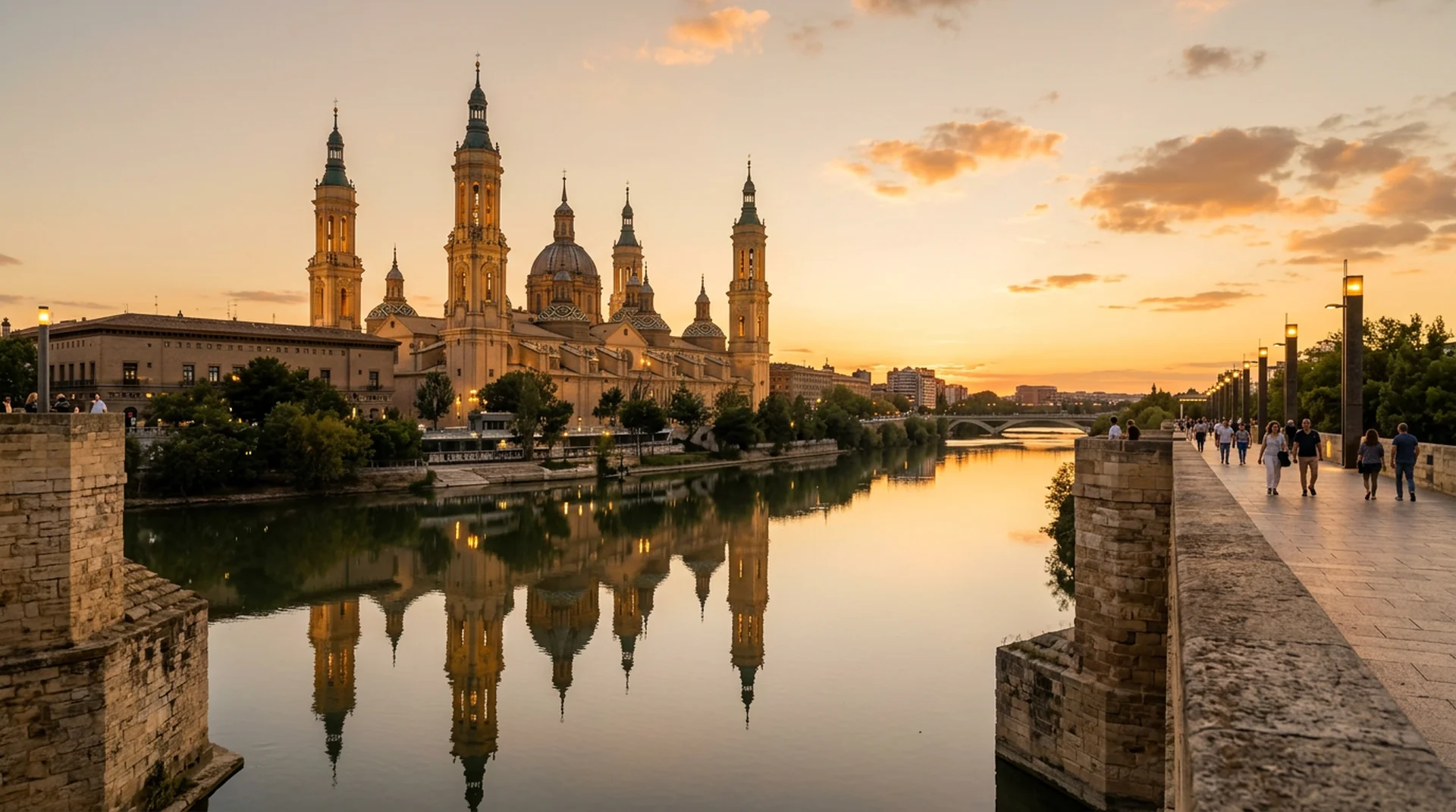
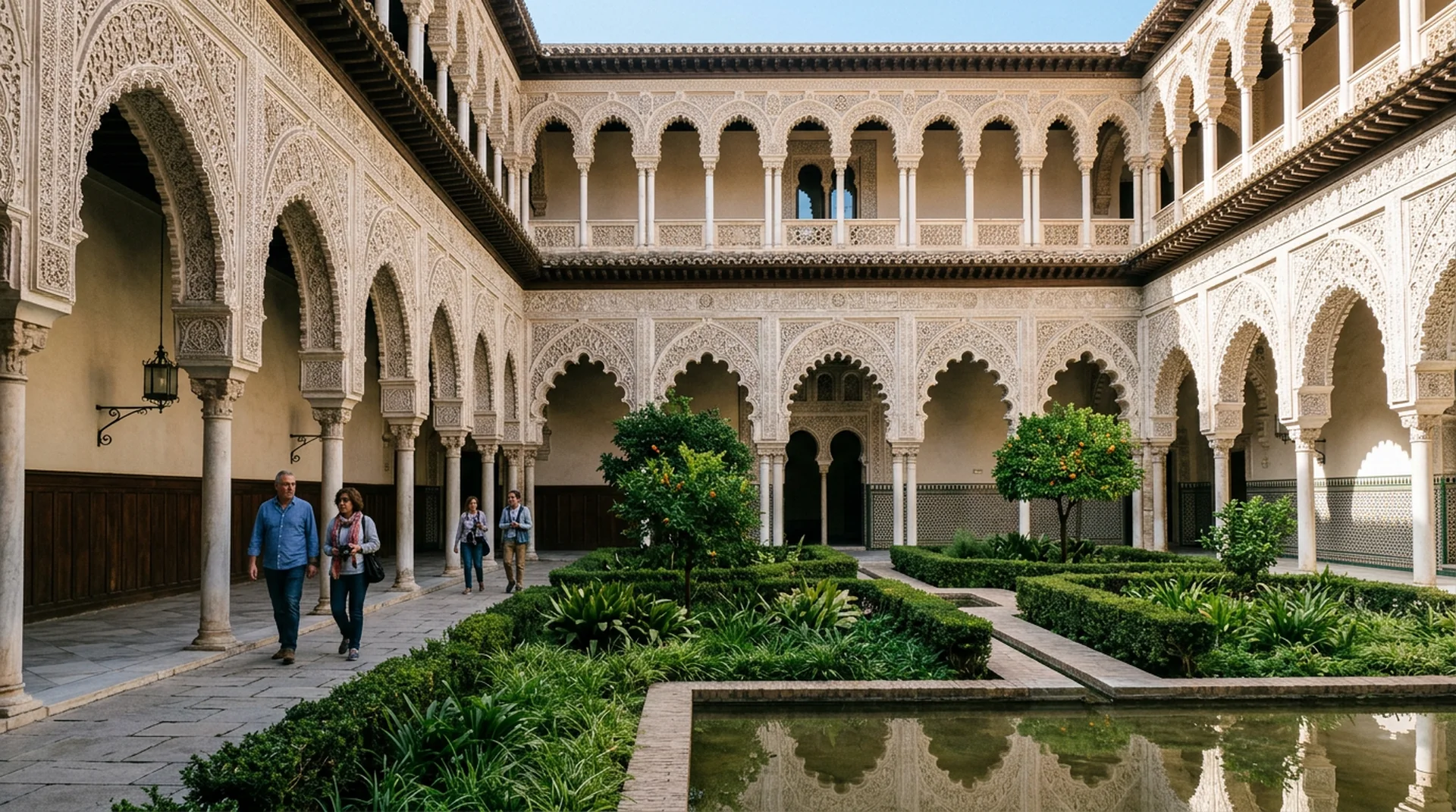
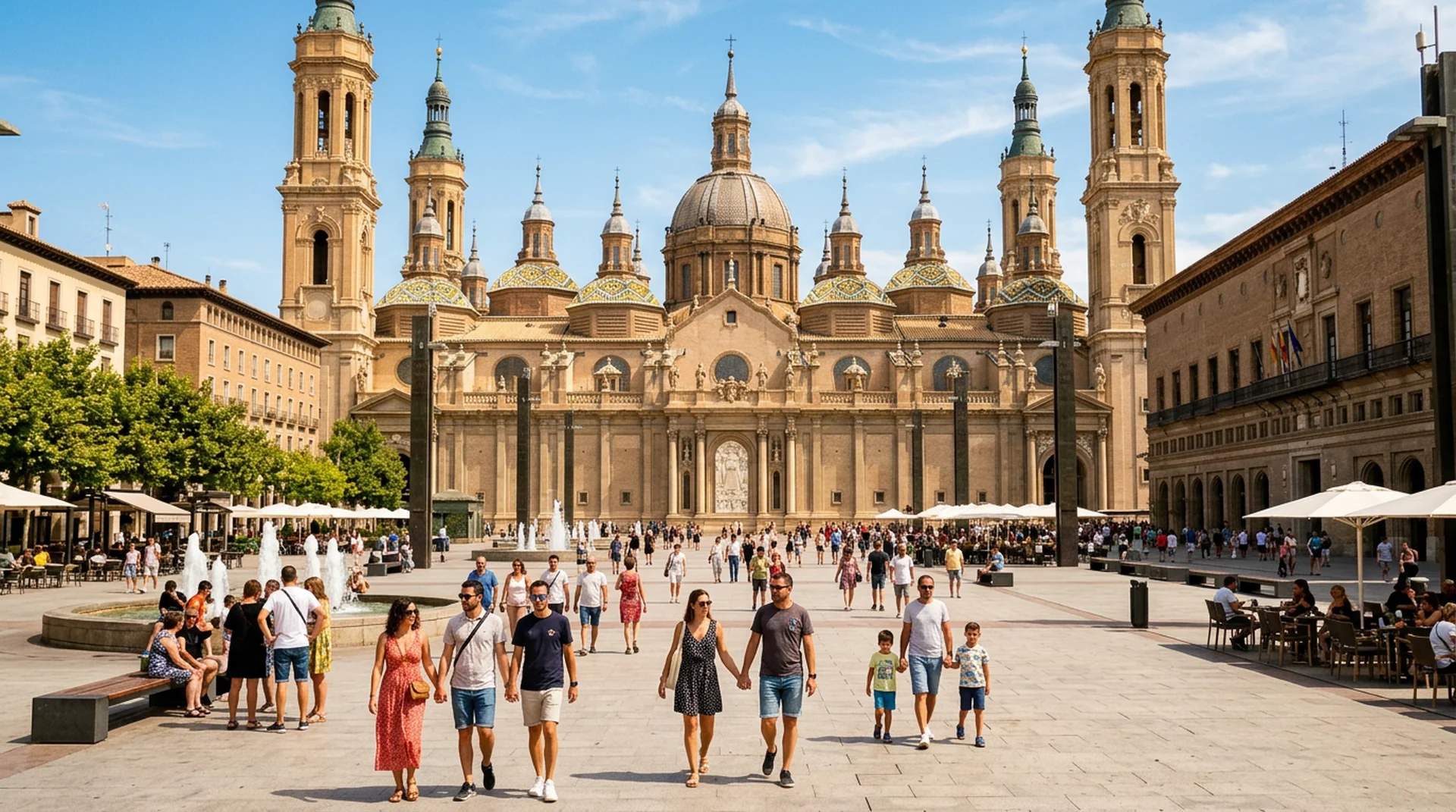
Zaragoza rewards unhurried mornings around the Basilica and long tapas evenings in El Tubo. Its compact size means most sights are within easy walking distance of each other.


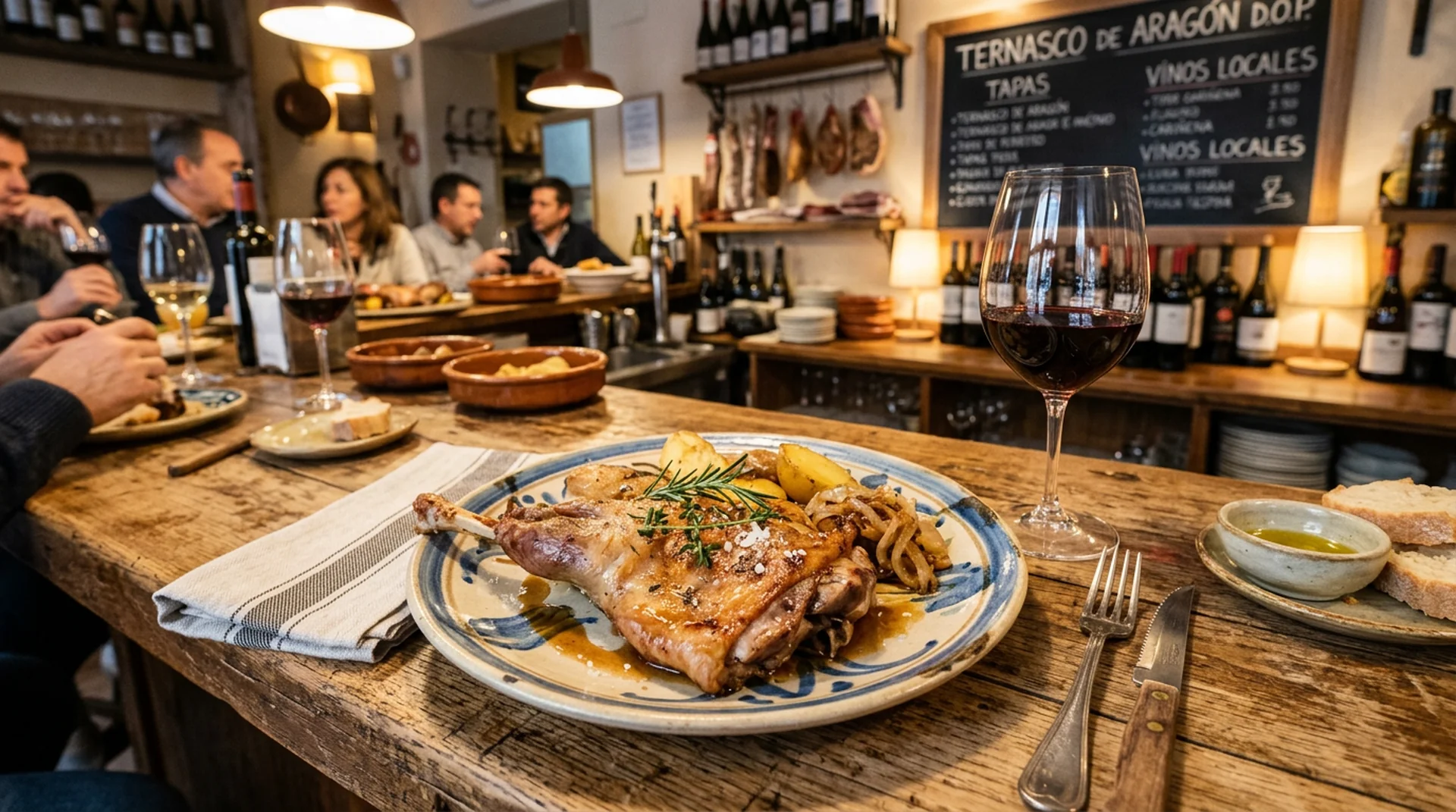
Here's what to order at each budget, from a quick tapas bite to Zaragoza's best Aragonese cooking.
Near the stadium specifically, food options are limited to a handful of casual spots, so eat in El Tubo before heading out. Zaragoza's food costs are among the most affordable of any World Cup 2030 host city in Spain.
30-34°C in June-July, hot and dry given Zaragoza's inland Ebro valley setting. The Cierzo wind can bring occasional relief, though it's more common in autumn and winter.
Zaragoza is a safe city with low rates of violent crime. Standard pickpocket precautions apply around Plaza del Pilar and El Tubo in busy periods.
Spanish is the official language; English is spoken in hotels and tourism-facing venues, though somewhat less widely than in Madrid or Barcelona.
Euro (€). Cards accepted almost everywhere, including tapas bars. ATMs widely available.
As one of Spain's more affordable host cities, Zaragoza is a practical base for budget-conscious fans, especially given its AVE links to Madrid and Barcelona. For visa requirements and FIFA ticket ballot details that apply across Spain, see the Spain visa guide and match ticket guide.
FAQ
Continue Planning
See the full Spain guide, covering all World Cup 2030 host cities across the country.
Stay Informed
Hotel deal alerts near the stadium, FIFA ticket ballot dates, and insider Zaragoza tips - straight to your inbox.