Spain Stadiums Architecture History Where to Stay FAQ Newsletter
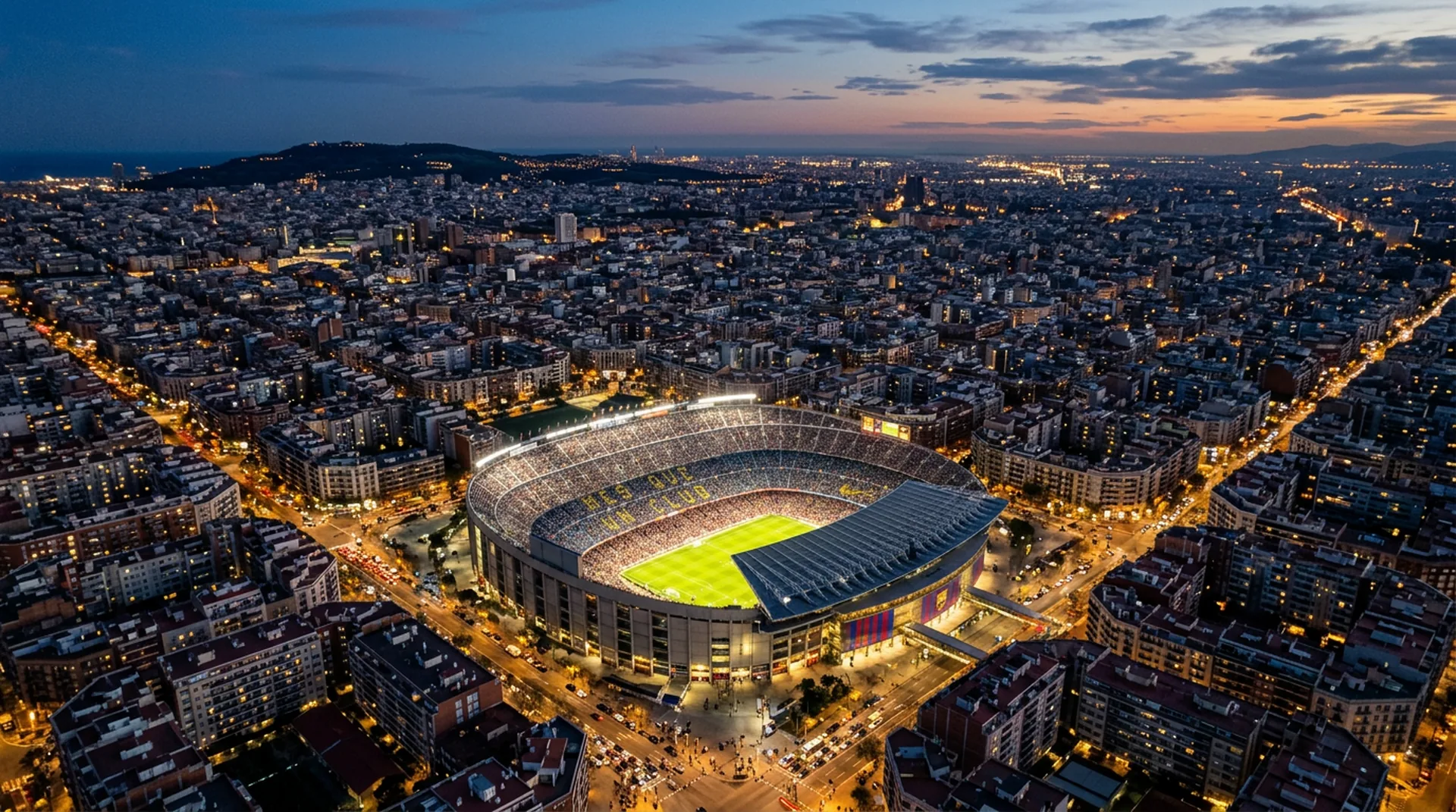
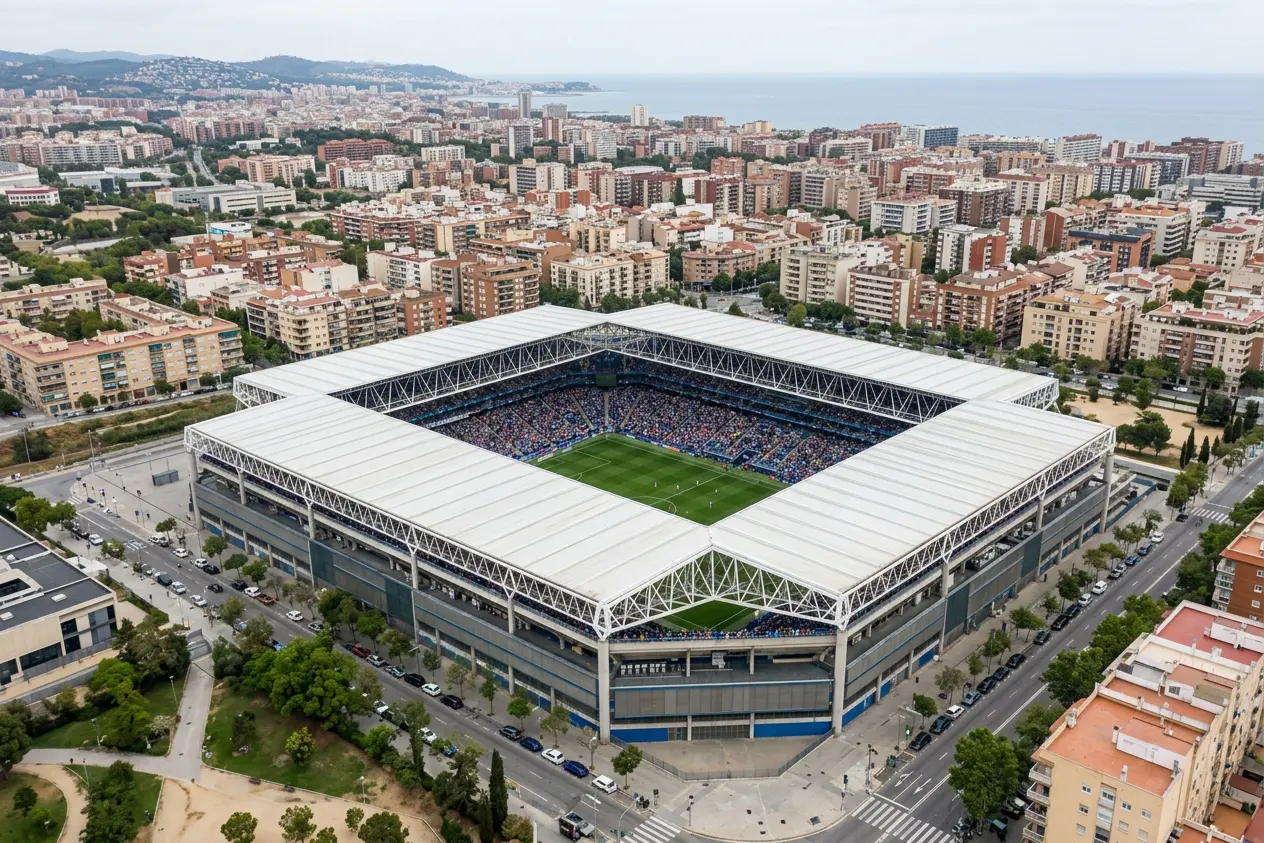
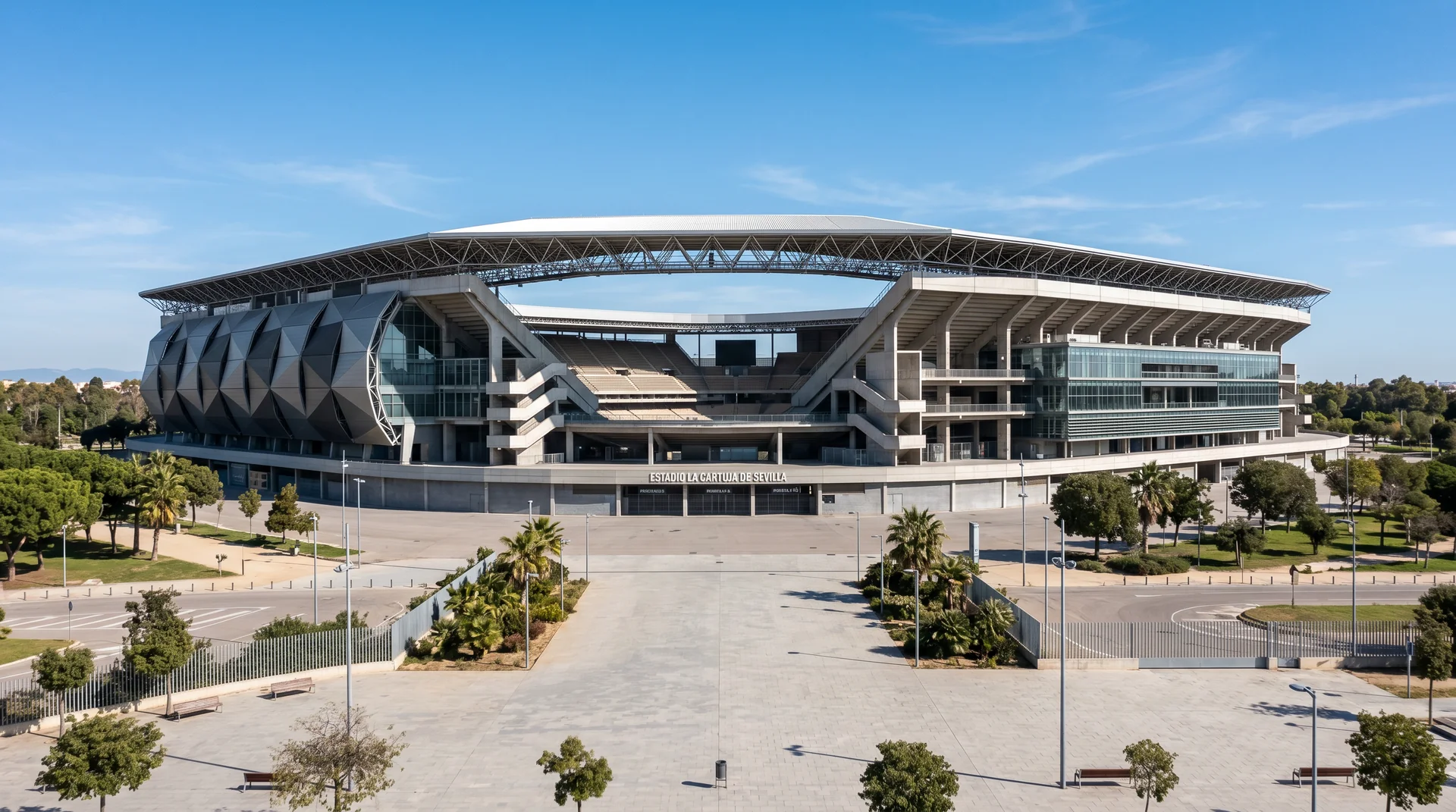
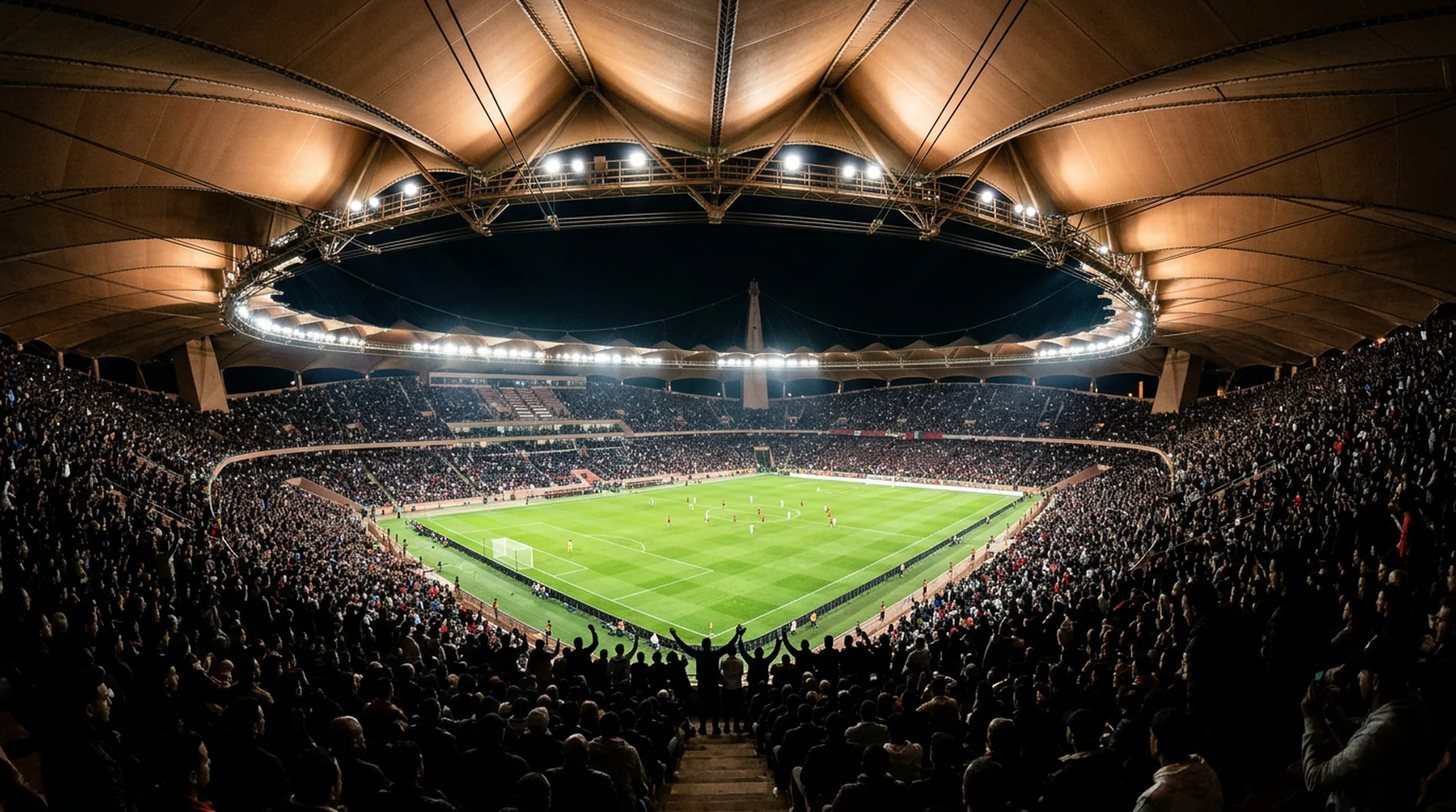
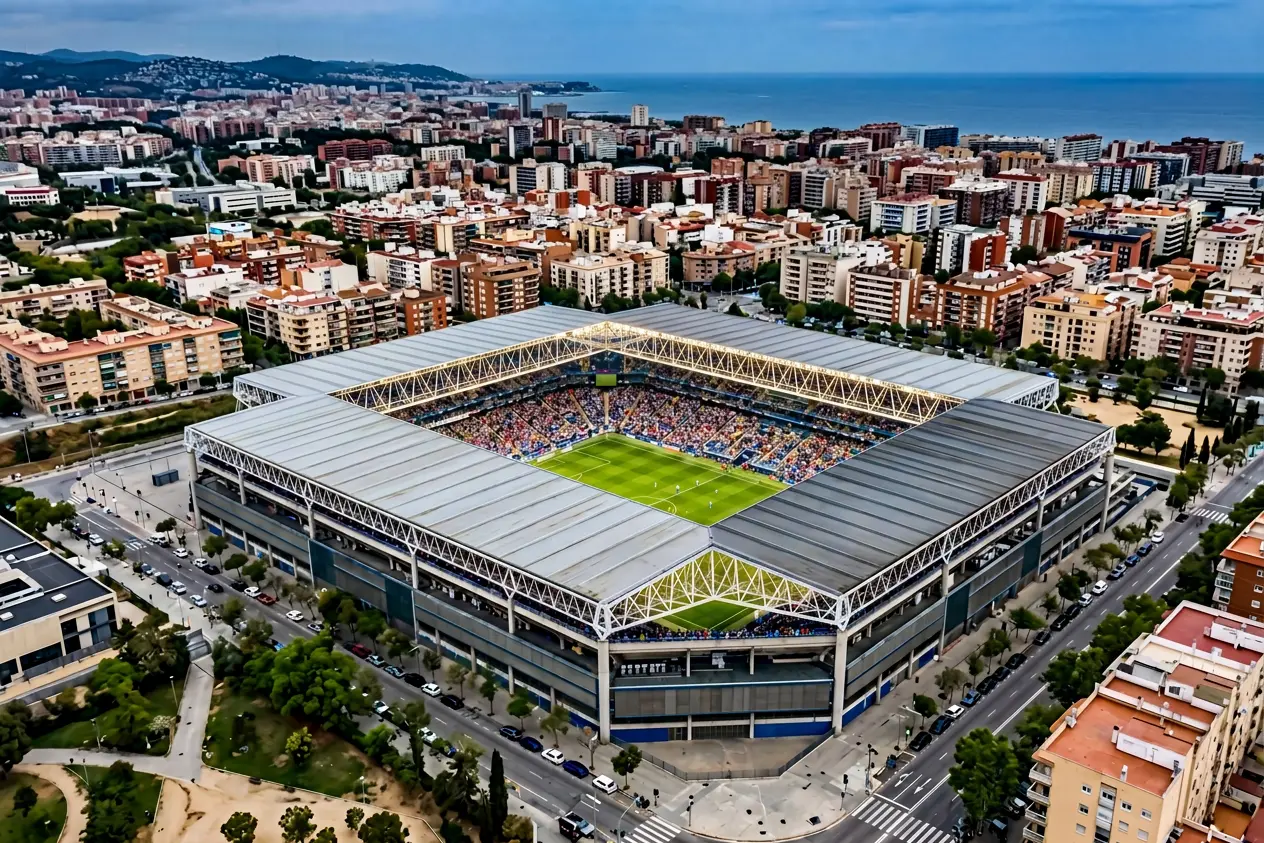
Aerial view of RCDE Stadium at dusk, floodlights illuminating the pitch and stands, RCD Espanyol's home for the 2030 FIFA World Cup
Spain · World Cup 2030 Stadium Guide

RCDE Stadium

Built on industrial wasteland on the edge of Barcelona and once questioned for its remote location, RCD Espanyol's home has become one of Spain's most respected modern grounds, chosen by FIFA in part for its sustainability and proximity to El Prat airport.

40,500Capacity
2009Opened
Fenwick IribarrenLead Architect
1900Club Founded
📍Cornellà-El Prat, Barcelona area
Home: RCD Espanyol
Status: Open & World Cup Confirmed
✈️Minutes from El Prat Airport
☀️1,860 solar panels on roof
Architecture Sustainability Atmosphere History World Cup Role Getting There Where to Stay All Stadiums FAQ

Architecture & Design

A Floating, Translucent Curtain

In 2003, RCD Espanyol ran an international competition for a new stadium, headquarters and surrounding buildings, with Reid Fenwick Asociados (Mark Fenwick and Javier Iribarren) and Gasulla Arquitectura i Gestió (Esteve Gasulla) beating finalists including Jean Nouvel, HOK and Arquitectónica. The brief asked for a stadium seating around 37,776-40,000, close enough to the pitch to feel like an English ground, so both fans and players would feel the connection more directly than at Espanyol's old home.

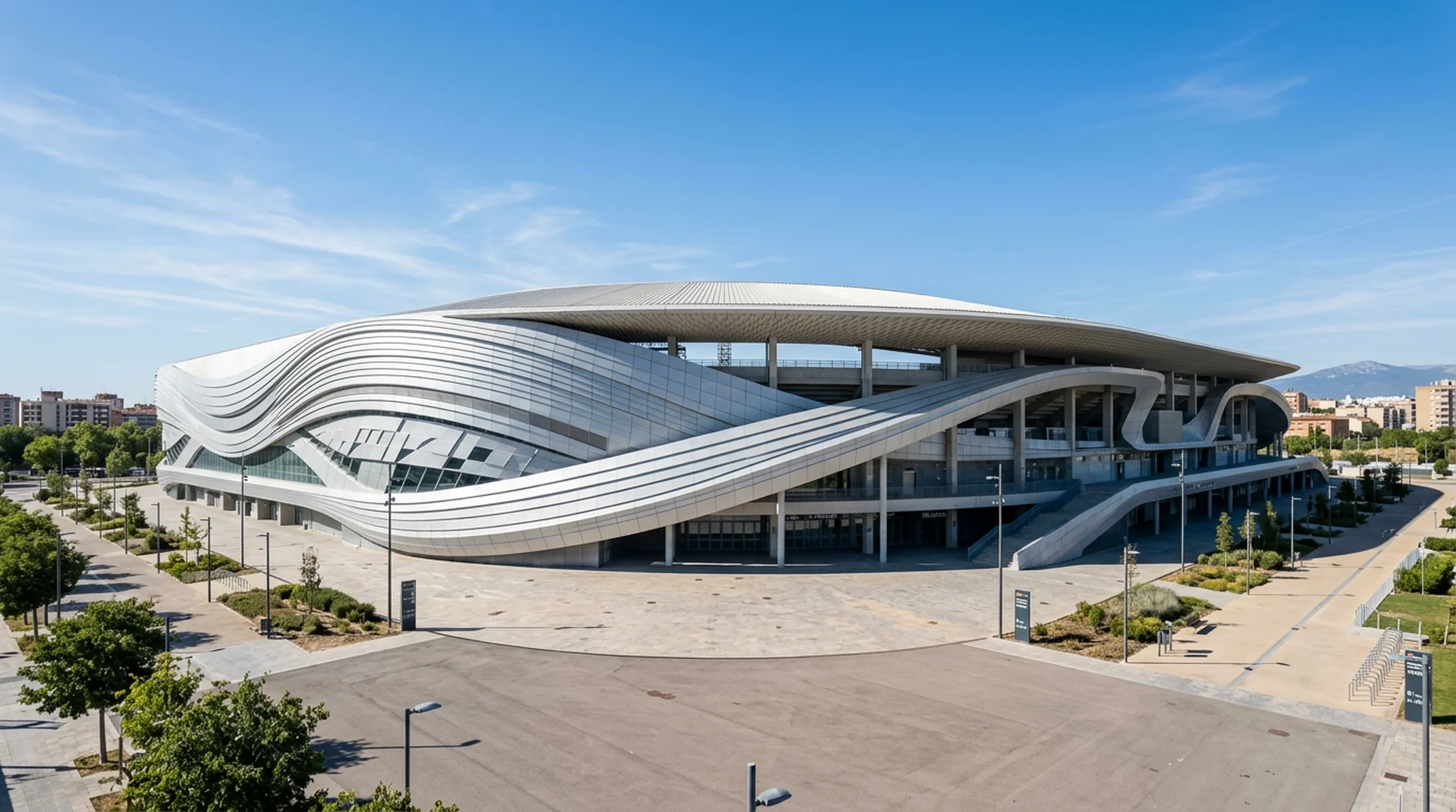
The winning design consists of two distinct elements: the bowl itself, made of tiered floors with sharp, crystalline lines, and an outer ring wrapping the whole structure in what the architects describe as a "floating and translucent curtain," clad in u-glass panels in white, blue and transparent tones that filter natural light inward and illuminate at night in the club's colours.

Construction ran from late 2006 to 2009, at a total project cost of approximately €83 million, funded through land sales, bank loans and public-private partnerships with regional and municipal authorities. RCD Espanyol purchased the site itself, on the border of Cornellà de Llobregat and El Prat de Llobregat, for €360,000 back in 2002, an unconventional industrial location at the time that raised doubts among fans but has since proven valuable given its proximity to Barcelona's airport.

Contractors FCC and Copisa handled the build. Piling began in January 2007 and the foundations were complete by September 2007, with the full reinforced-concrete structure finished by March 2008, faster groundwork than either Camp Nou or Santiago Bernabéu required, since RCDE Stadium rose from open ground rather than being rebuilt around a stadium still in use. The project still slipped past its original mid-2008 target, partly after cyclone Klaus damaged the main stand's roofing in January 2009, just months before the scheduled opening.

The stadium was never a standalone building: the competition brief and subsequent construction covered a 200,000 square metre masterplan around it, including club offices, a 10-hectare green area, urbanised streets and entrances, and a shopping centre, of which the 36,000 square metre stadium bowl is only one part. Espanyol's training complex on the same wider campus was later renamed Ciudad Deportiva Dani Jarque, in memory of the captain who died shortly after the stadium opened.

Planning a trip around this stadium? See the full Barcelona guide →

Search Barcelona Hotels
A fan buying food and drink at an RCDE Stadium concession stand on matchday

FIFA's Pick for the Right Reasons

When FIFA confirmed RCDE Stadium as a 2030 World Cup venue, it specifically highlighted the facility's sustainability, accessibility, proximity to El Prat airport, and its improved VIP and hospitality areas, factors that go beyond raw capacity in FIFA's venue selection criteria.

Search Barcelona Hotels Get Stadium Updates
☀️
Solar Power
1,860 Panels
Generating roughly 1.9 GWh a year, cutting about 800 tonnes of CO2
🏘️
Hospitality
60 Boxes
Up from 44, with 839 hospitality seats, up from 566
✈️
Airport Access
Minutes Away
One of the closest World Cup 2030 venues to a major international airport
🚗
Parking
3,278 Spaces
Substantial on-site parking for a stadium of this size

The stadium has hosted major concerts including the Black Eyed Peas (2010, 30,000 fans) and Rammstein (2019, 33,825 fans), and has repeatedly welcomed the Spain national team, most recently a March 2026 World Cup warm-up friendly against Egypt. FIFA's technical evaluation of the venue, published alongside the other Spanish bid stadiums, noted that RCDE Stadium sits right at the edge of the tournament's size requirements.

"It's close to the minimum requirement of 40,000 seats."

- FIFA venue evaluation report on RCDE Stadium, December 2024

What We Don't Know Yet

RCDE Stadium's exact role at the 2030 World Cup, group stage versus knockout matches, hasn't been announced by FIFA. Given its more modest capacity relative to Spain's biggest venues, it's most likely to host earlier-round fixtures. We'll update this page once FIFA confirms match assignments.

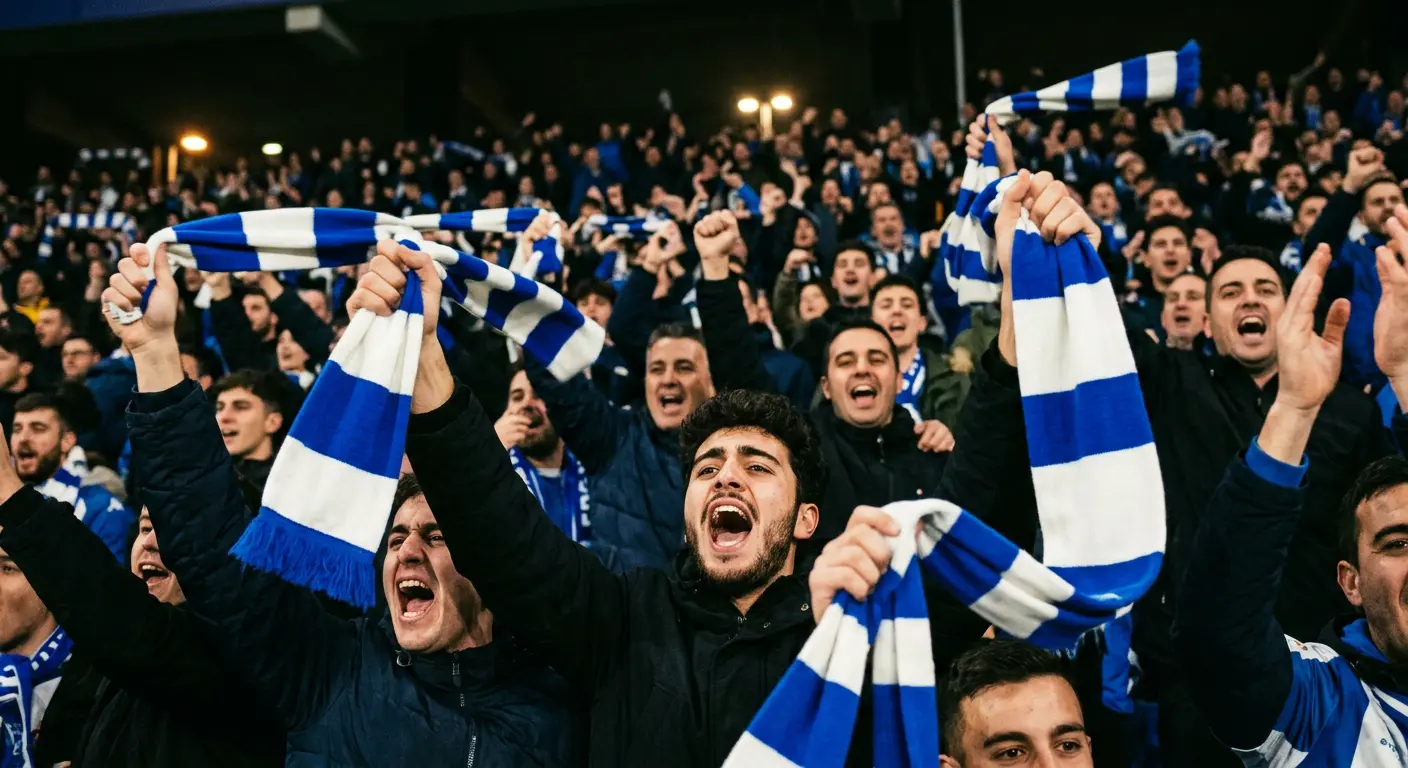
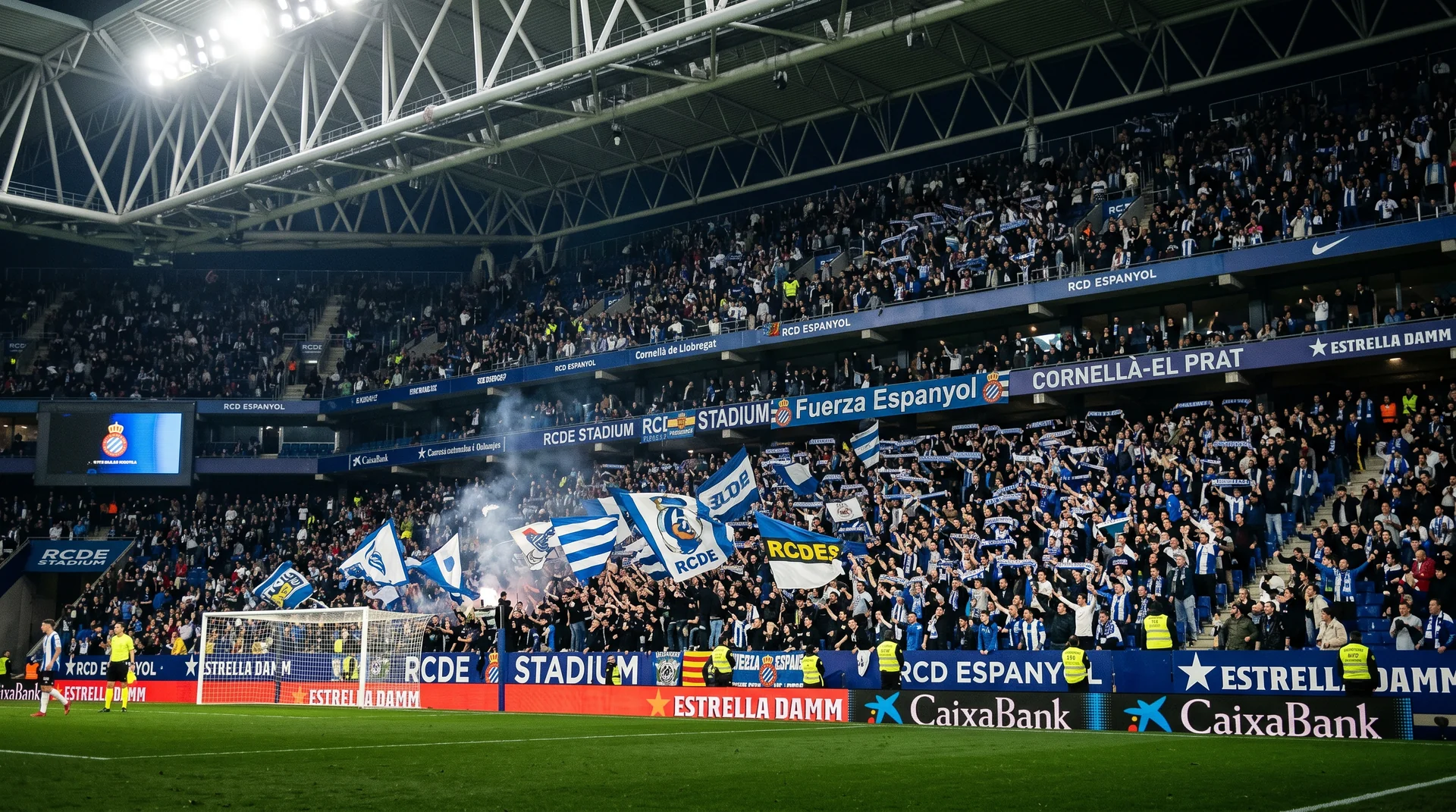
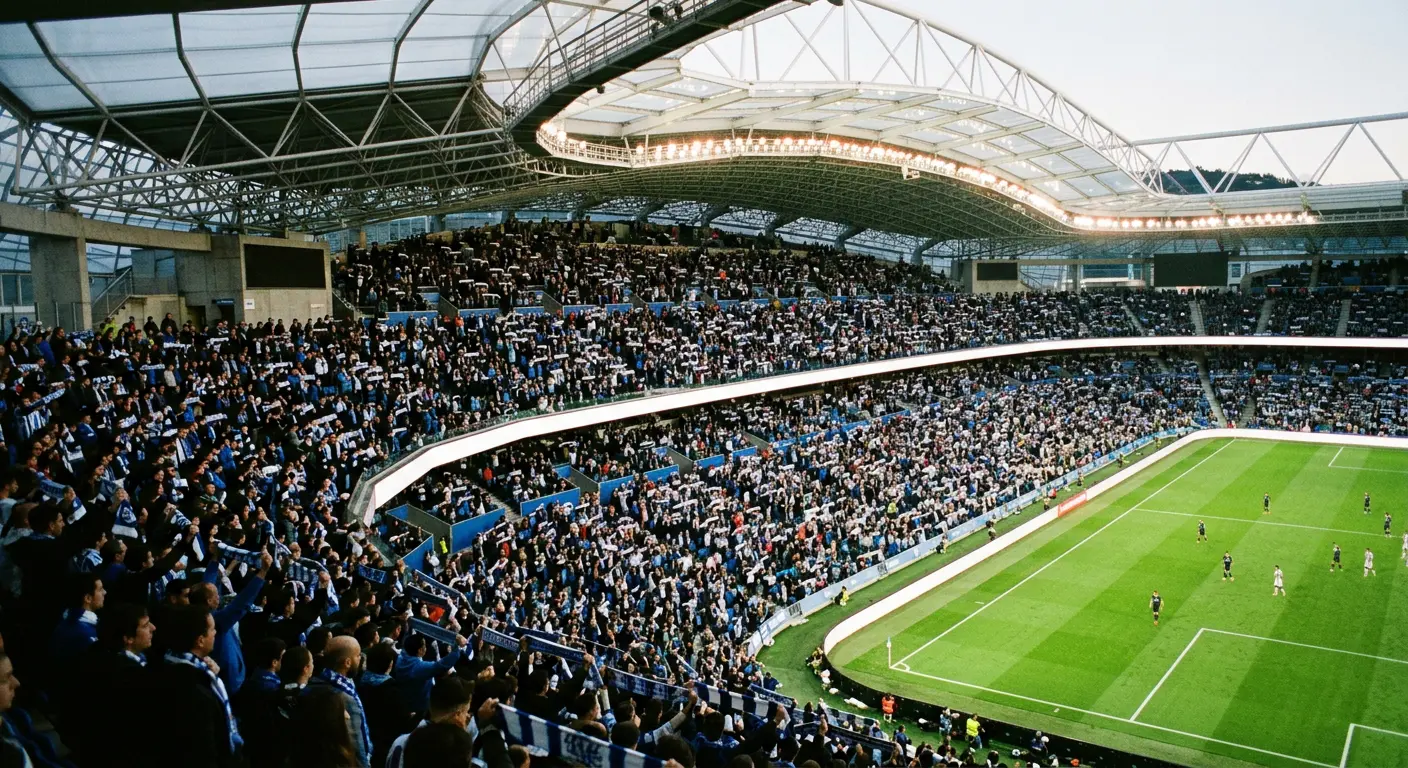
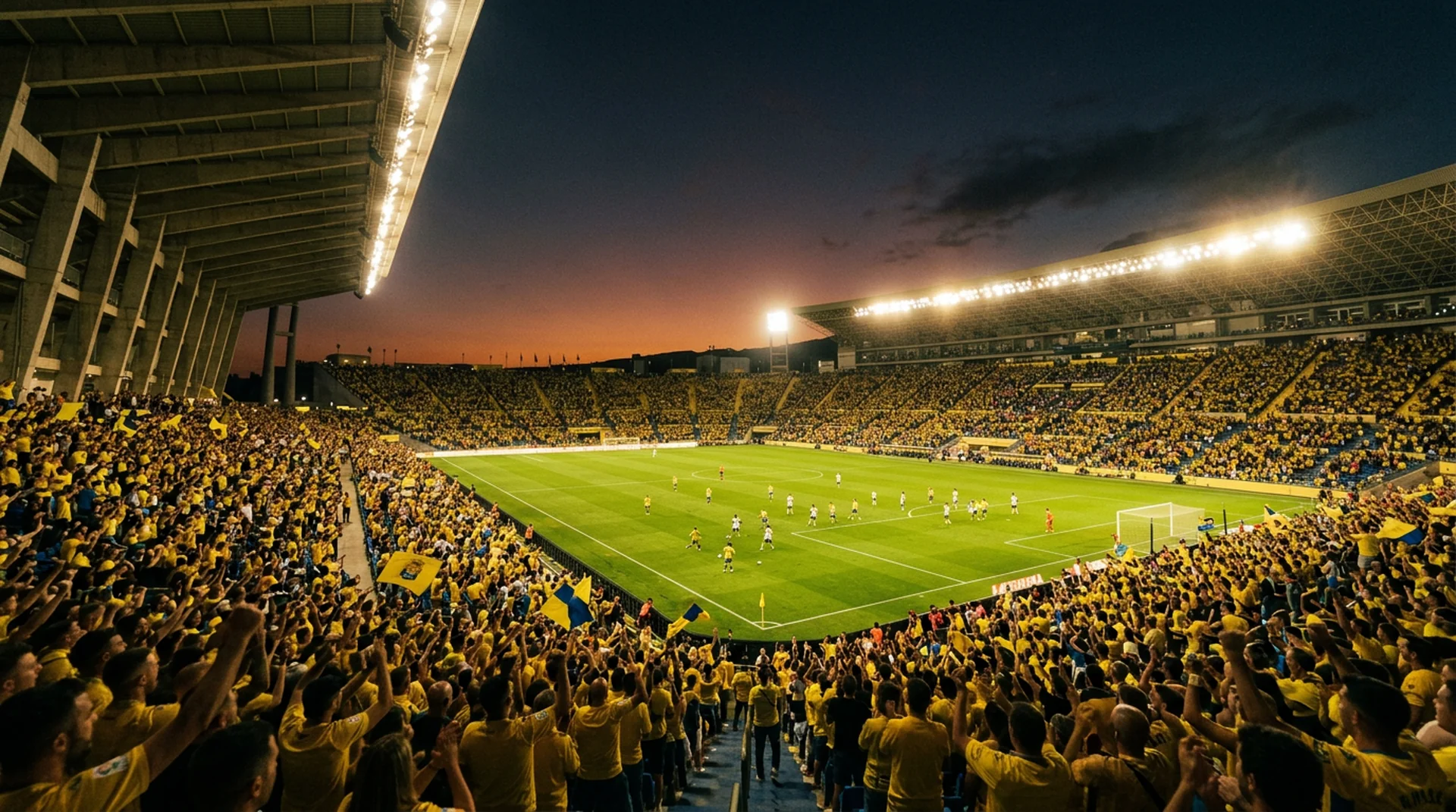
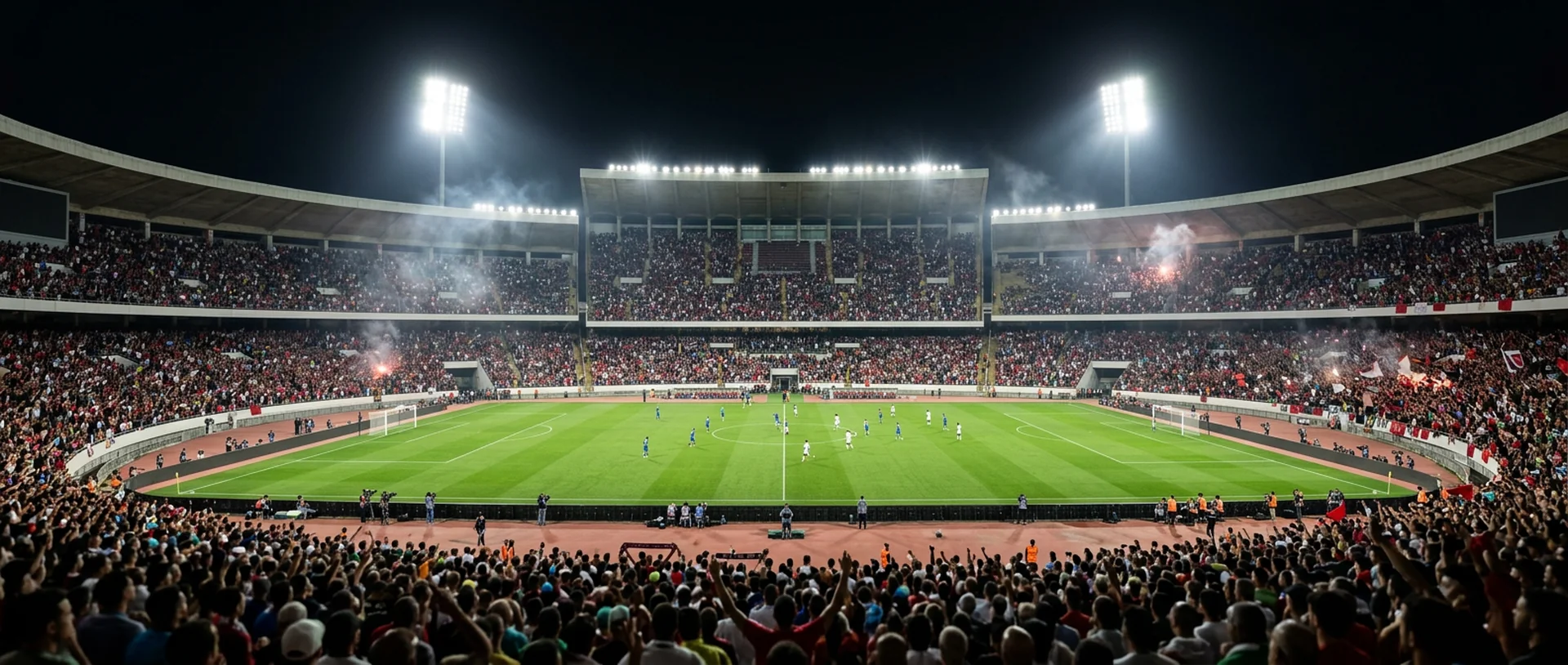
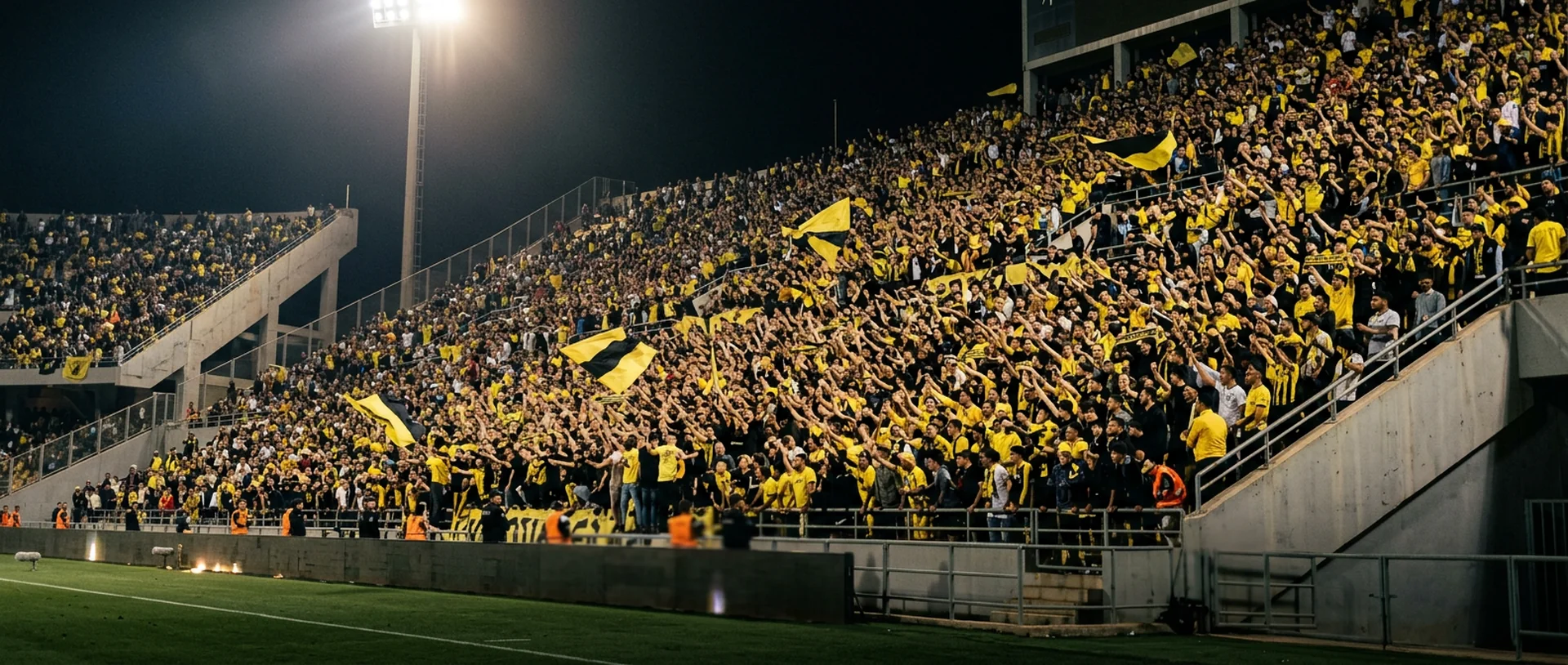
RCD Espanyol supporters filling the stands at RCDE Stadium on matchday

Working-Class Pride, Blue and White

RCD Espanyol built its identity in the shadow of a bigger neighbour, and that underdog spirit still defines the atmosphere at RCDE Stadium, especially on Derbi Barceloní day against FC Barcelona.

Compare Flights to Barcelona See All Stadiums

The steep, close-to-the-pitch bowl was designed to feel like an English ground, and it shows on matchday: the noise carries, and the Derbi Barceloní against FC Barcelona remains one of Catalan football's most intense local rivalries, pitting Espanyol's working-class identity against Barcelona's global brand. A dedicated entrance and memorial space inside the stadium honours Dani Jarque, the club's captain who died suddenly shortly after the ground opened in 2009, a loss still marked by supporters before matches.

The stadium's reputation took a hit in March 2026, when a Spain-Egypt World Cup warm-up friendly at the ground drew international criticism after discriminatory chants from parts of the crowd prompted a FIFA disciplinary investigation into the Spanish federation. Spain manager Luis de la Fuente publicly condemned the behaviour, and both the RFEF and Catalan police opened their own reviews; the episode briefly raised questions about the venue's readiness heading into 2030, though it has not affected its confirmed World Cup status.

"They are not representative of football."

- Luis de la Fuente, Spain national team coach, April 2026
Full Barcelona Guide
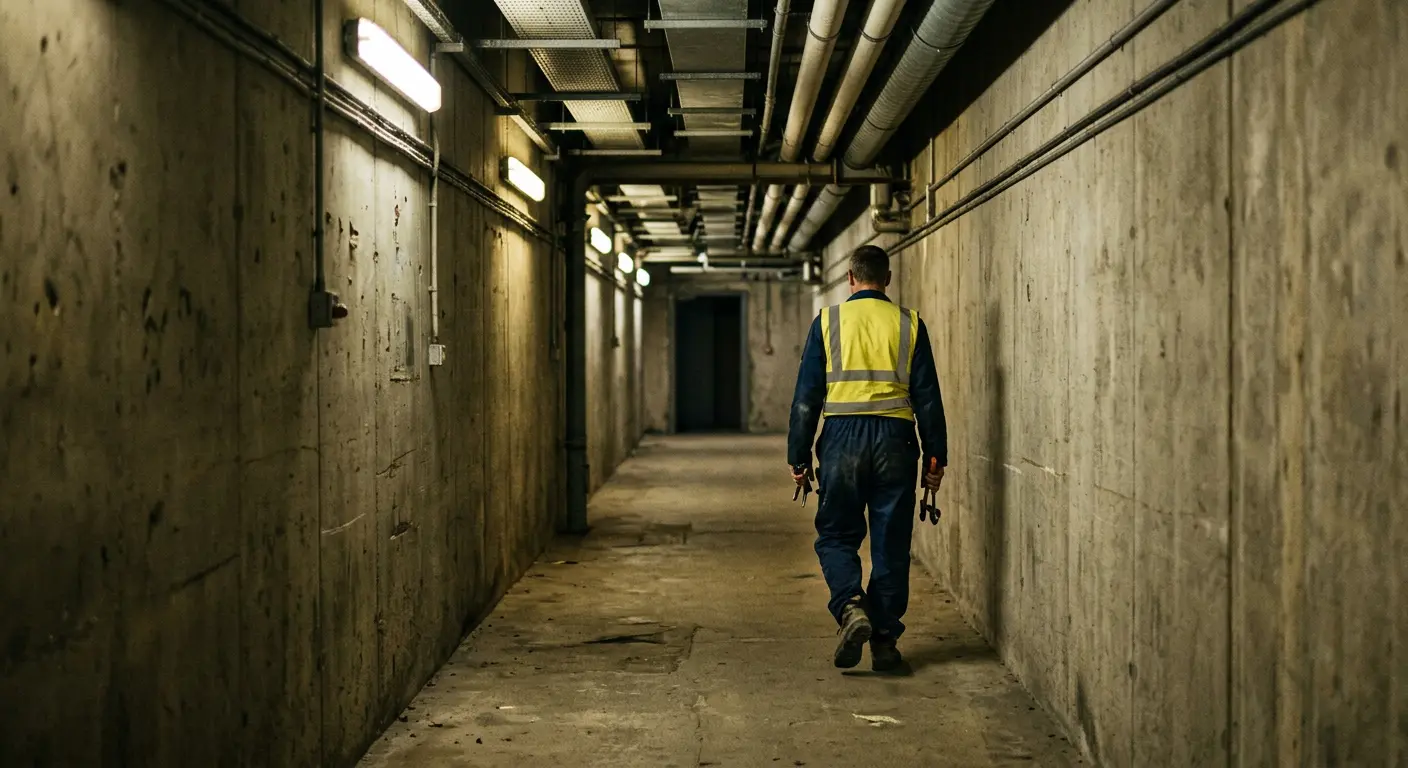
A service tunnel corridor beneath RCDE Stadium's stands

From Sarrià to a New Home

RCD Espanyol played at the beloved Estadi de Sarrià from 1923 until 1997, then spent over a decade at the Estadi Olímpic Lluís Companys before finally moving into a purpose-built home in 2009.

Book Your Barcelona Stay Explore Spain

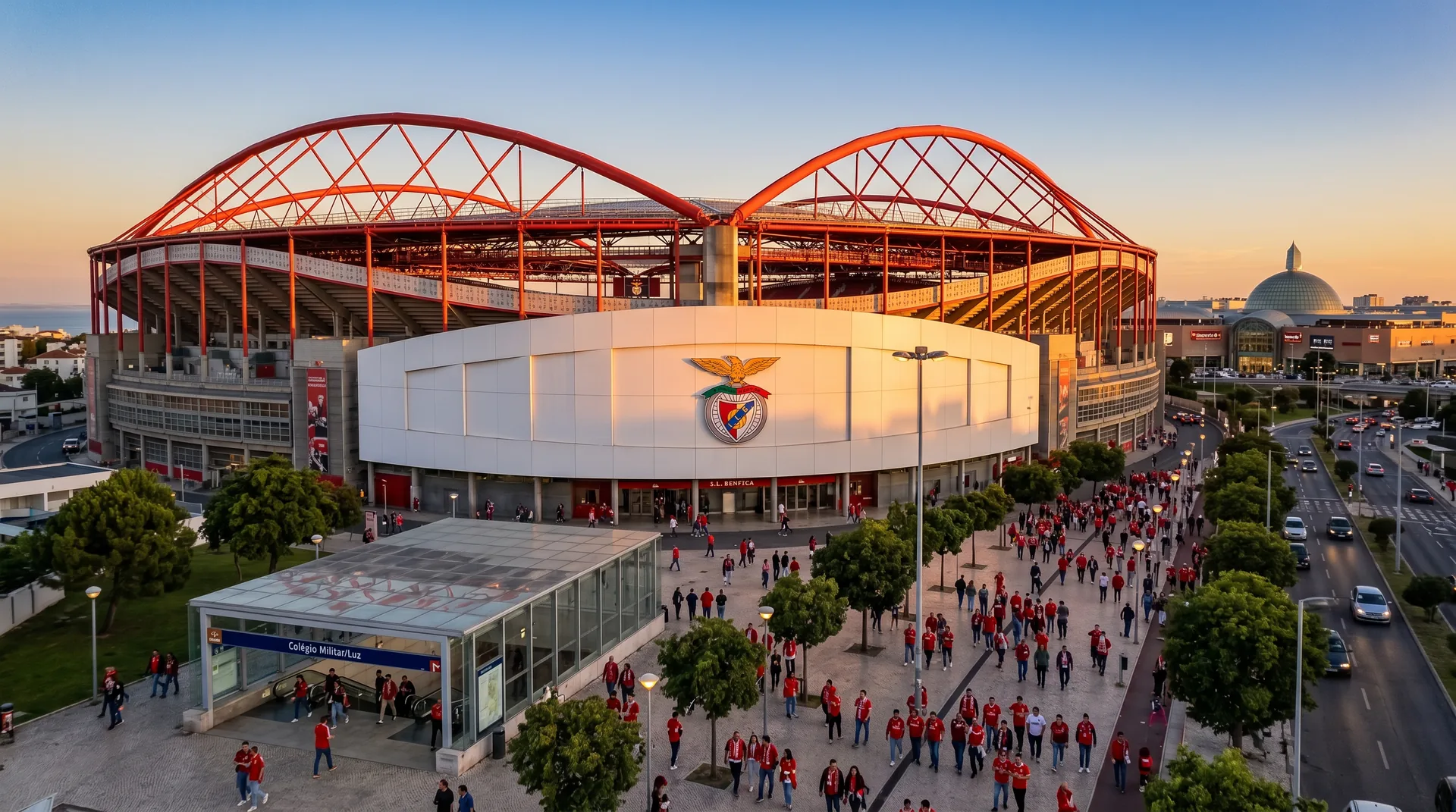
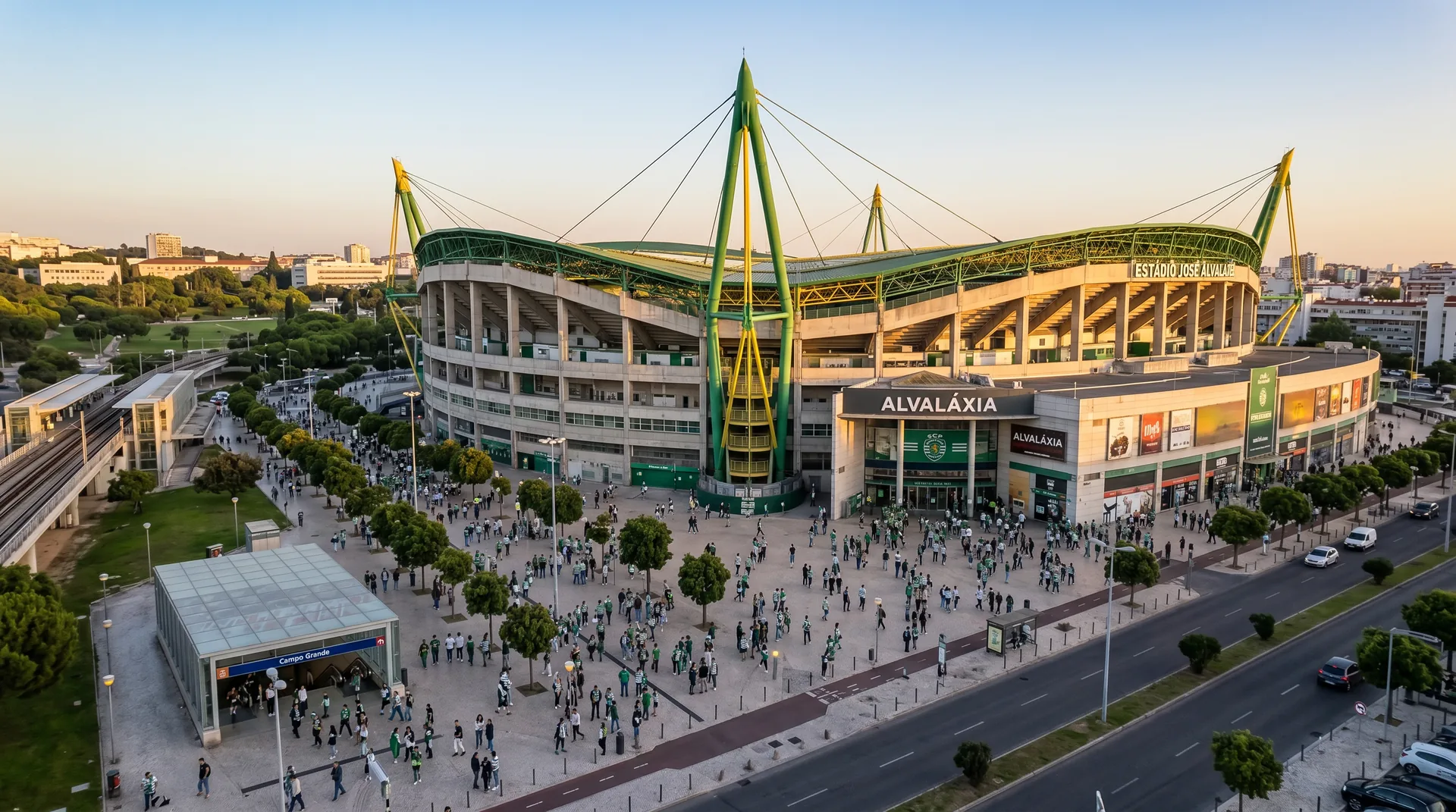
The stadium's naming history reflects the ups and downs of sponsorship deals: Power8 Stadium (2014-2016, ended after the sponsor was revealed to be an investment fraud), RCDE Stadium (2016-2023), Stage Front Stadium (2023-2024), and back to RCDE Stadium since July 2024. RCDE Stadium is one of nine confirmed Spanish venues for the 2030 World Cup, alongside Camp Nou across the city and Santiago Bernabéu in Madrid, joining Madrid and Lisbon as one of only three World Cup 2030 cities with two host stadiums, alongside Portugal's Estádio da Luz and Estádio José Alvalade.

2002
Land purchased for €360,000 on the border of Cornellà de Llobregat and El Prat de Llobregat.
2003-04
Design competition won by Reid Fenwick Asociados and Gasulla Arquitectura i Gestió.
Nov 2006
Construction begins after years of relocation negotiations between the club, municipality and Catalan Government.
2 Aug 2009
Officially opens with Espanyol beating Liverpool 3-0 in front of 40,000 fans.
2009
Dani Jarque's death, Espanyol's captain, shortly after the stadium's opening, leads to a dedicated memorial entrance and space within the venue.
2010
Named Venue of the Year at the Stadium Business Awards, less than a year after opening.
Dec 2024
Confirmed as a 2030 World Cup venue by FIFA, citing sustainability and airport proximity.
Mar 2026
FIFA technical delegation visit as part of the formal World Cup venue evaluation process.
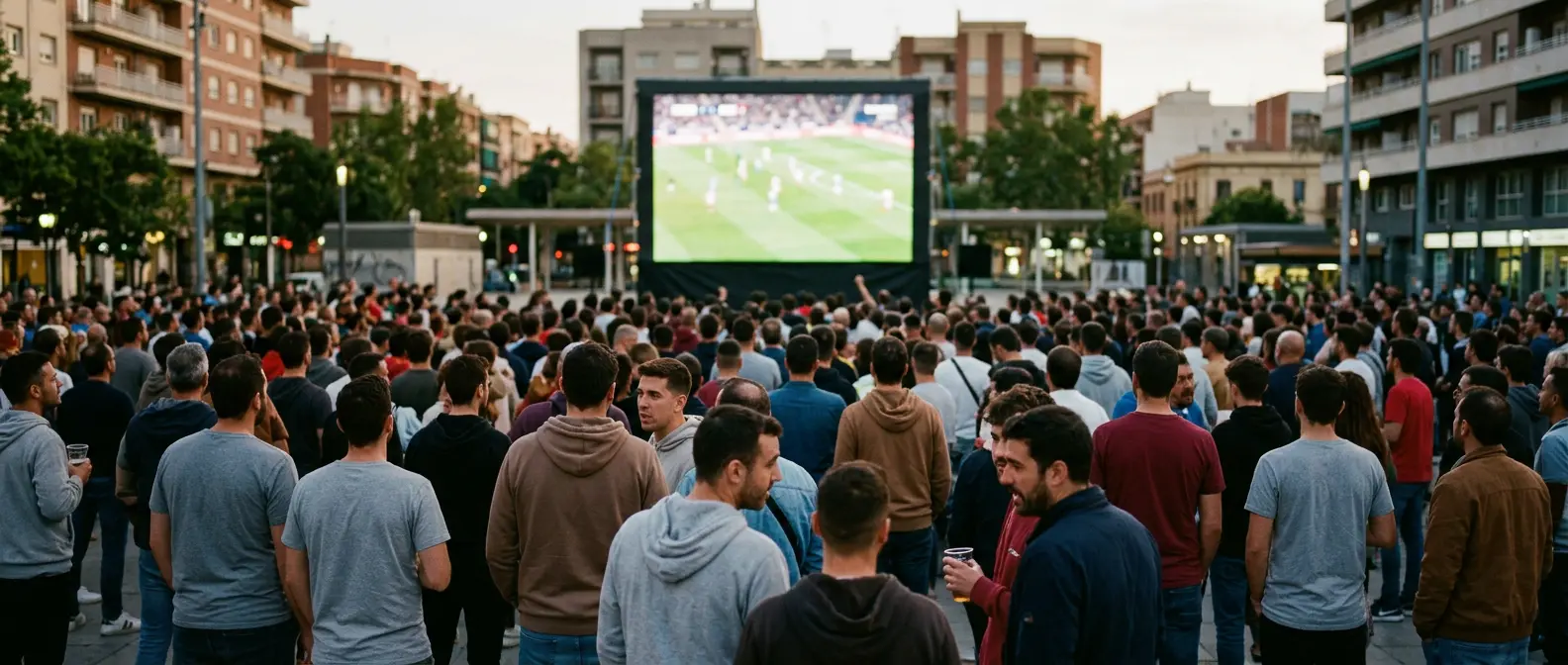
Fans watching a match on a big outdoor screen near RCDE Stadium

A Second Barcelona Legacy, Continued

FIFA's confirmation cited concrete, practical strengths, sustainability credentials, accessibility and airport proximity, over sheer size, a notably different profile from the headline-grabbing capacity battles at Camp Nou and Santiago Bernabéu.

Find Barcelona Hotels Explore Spain

At 40,500 seats, RCDE Stadium sits toward the smaller end of Spain's 2030 venues, right at FIFA's minimum size threshold for World Cup matches, making it a likely host for group-stage matches rather than marquee knockout fixtures, though FIFA has not published a confirmed match schedule by venue. A March 2026 FIFA technical delegation visit, alongside representatives from Cornellà, El Prat and Barcelona city councils, marked a further step in the formal evaluation process.

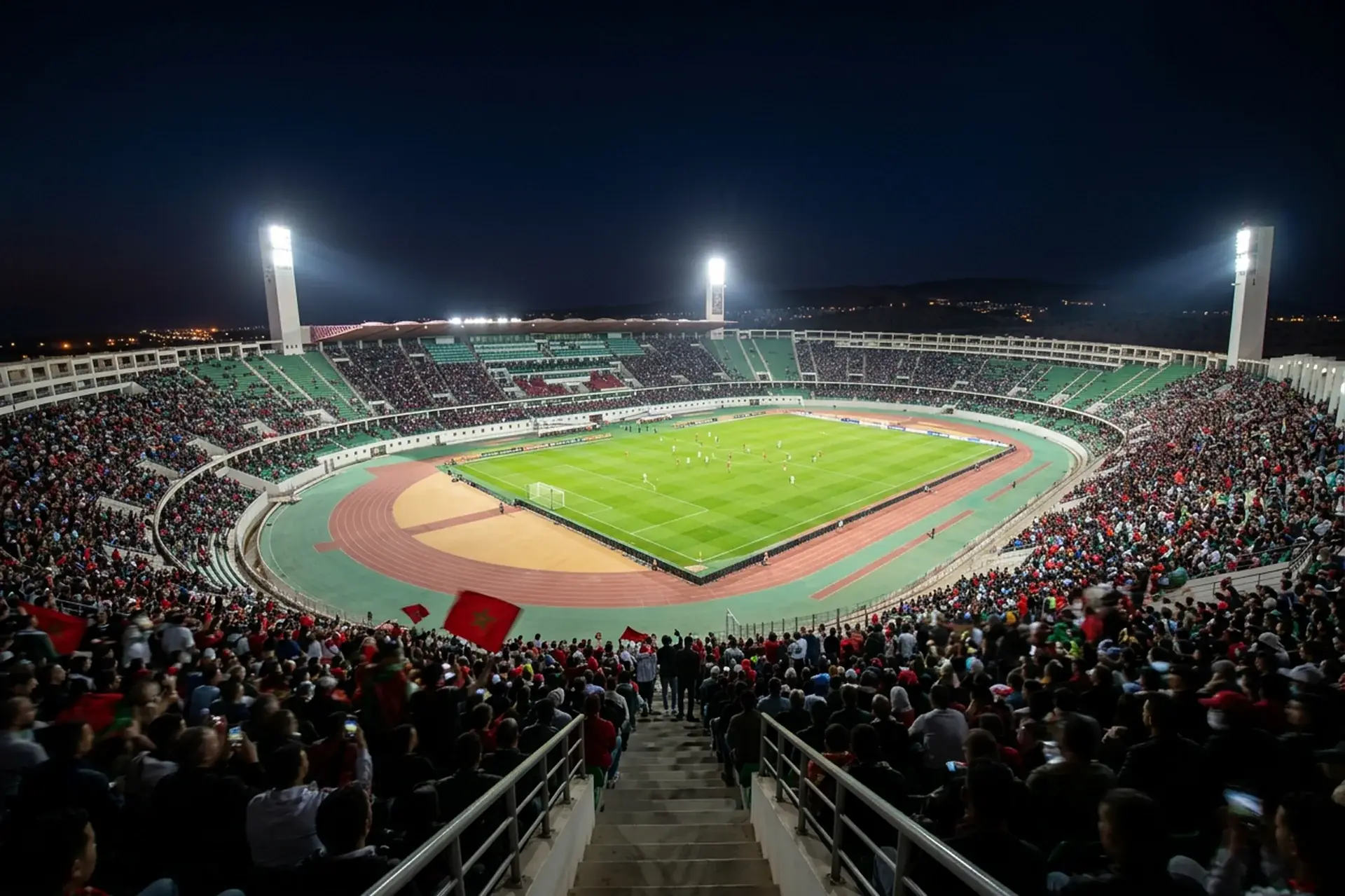
The stadium's selection wasn't without controversy: leaked audio from a 2024 RFEF venue-scoring committee meeting raised questions about how transparently Spain's eleven World Cup stadiums, RCDE Stadium among them, were originally ranked, prompting the resignation of the bid's director and public criticism from several city mayors. RCDE Stadium's 40,500 seats are modest next to Morocco's 115,000-seat Hassan II Stadium, a reminder of how differently FIFA weighed size against sustainability and access across the 21 host venues.

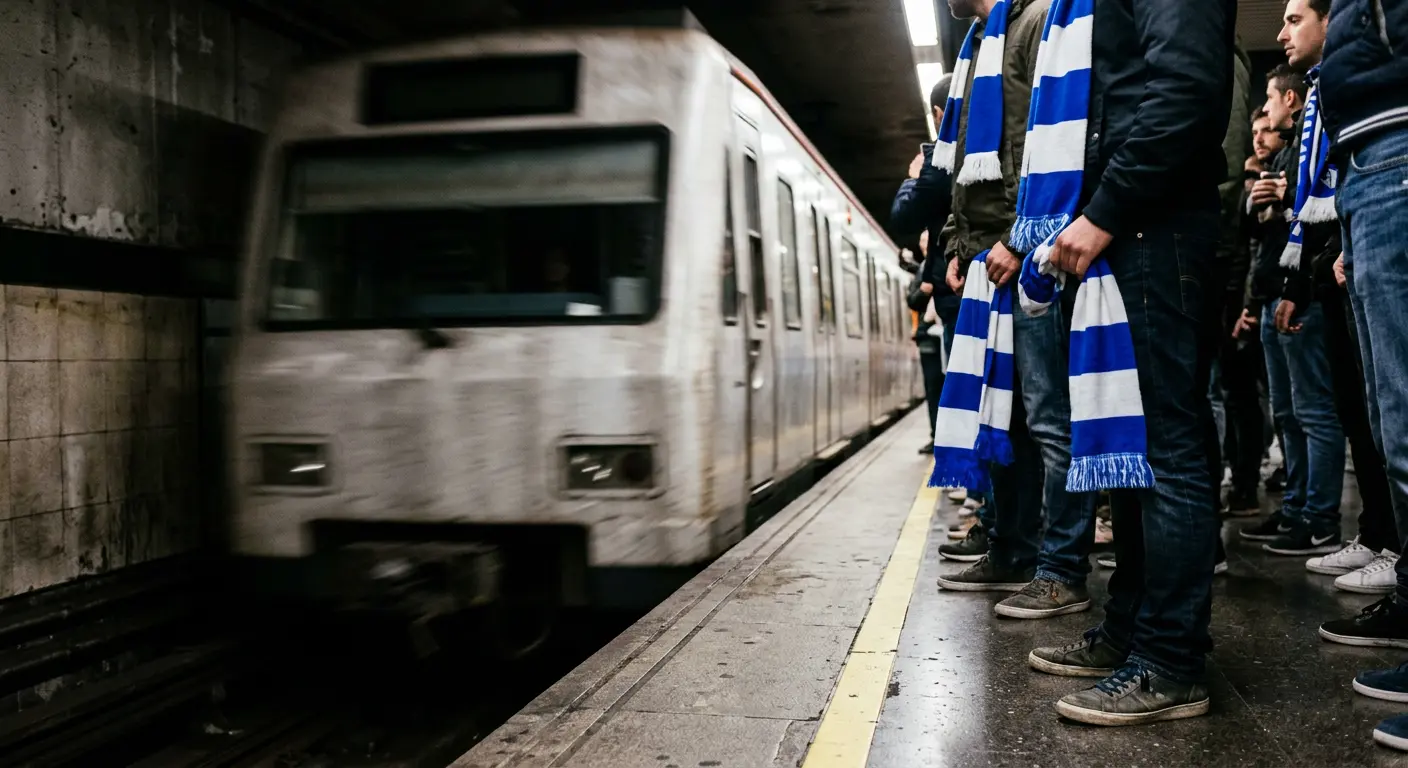
Fans waiting on a metro platform on the way to RCDE Stadium

Barcelona's Airport Stadium

RCDE Stadium sits on the border of Cornellà de Llobregat and El Prat de Llobregat, southwest of central Barcelona, served by Metro Line 5 and remarkably close to Barcelona-El Prat Airport.

All Stadiums Compare Flights to Barcelona

From Central Barcelona

Plaça Catalunya
City centre
~20-25 min
RCDE Stadium
Metro Line 5, Cornellà Centre
40,500 seats

Exact matchday shuttle and transport plans will be confirmed by FIFA and Spanish authorities closer to 2030. Check back here for updates.

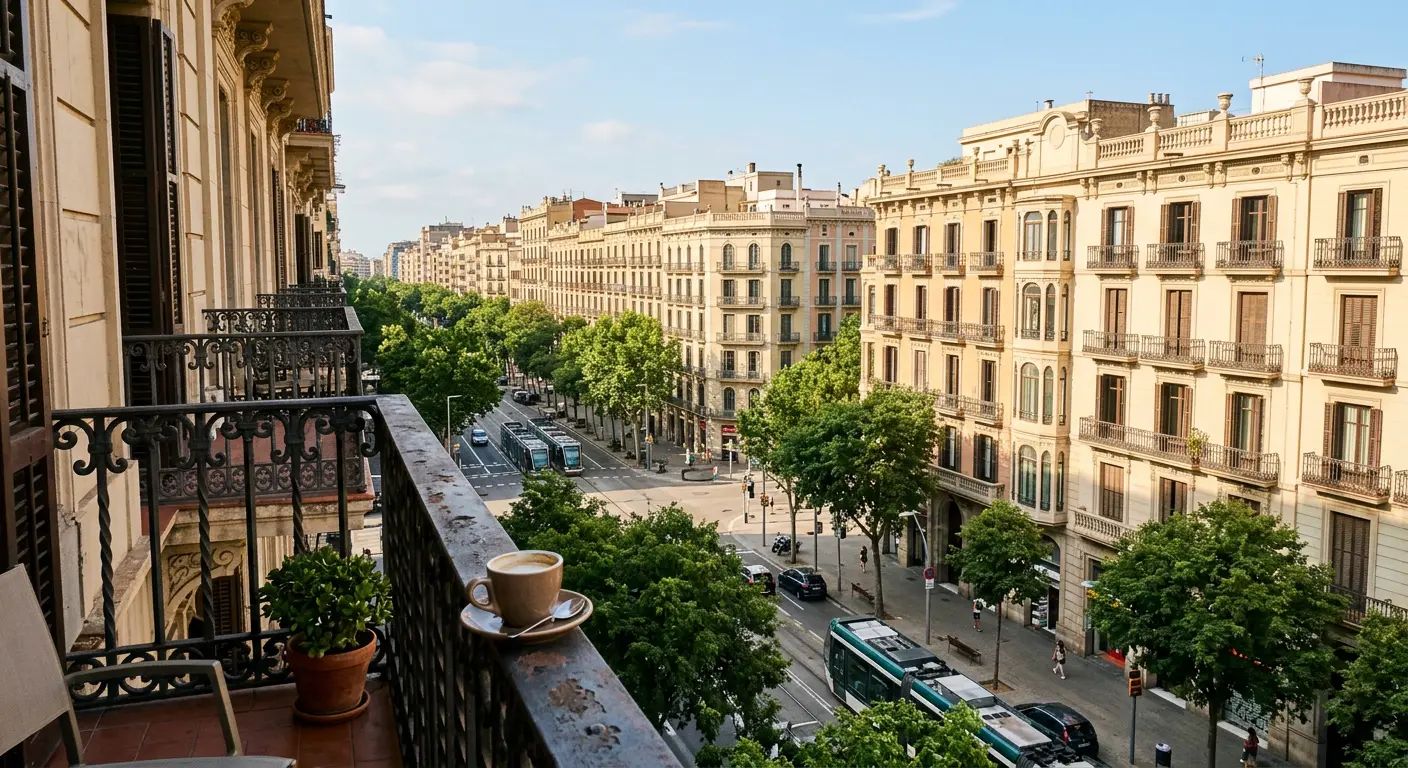
A hotel balcony view over a Barcelona Eixample street, wrought-iron balconies and tree-lined boulevard

Where to Stay for RCDE Stadium

Central Barcelona connects easily to the stadium via Metro Line 5, so most fans base themselves centrally rather than near the ground itself.

Book Barcelona Hotels Full Barcelona Guide
Flying to Barcelona
Barcelona-El Prat Airport (BCN) is unusually close to this stadium compared to most World Cup venues, one of the reasons FIFA cited for its selection.
Compare flights
World Cup Tickets
FIFA has not opened ticket sales for 2030 yet. We'll post the official ballot dates and links here the moment they're announced.
Planning Multiple Cities
Following matches across Spain? Start with our full Spain travel guide covering all nine host cities.
See Spain Guide
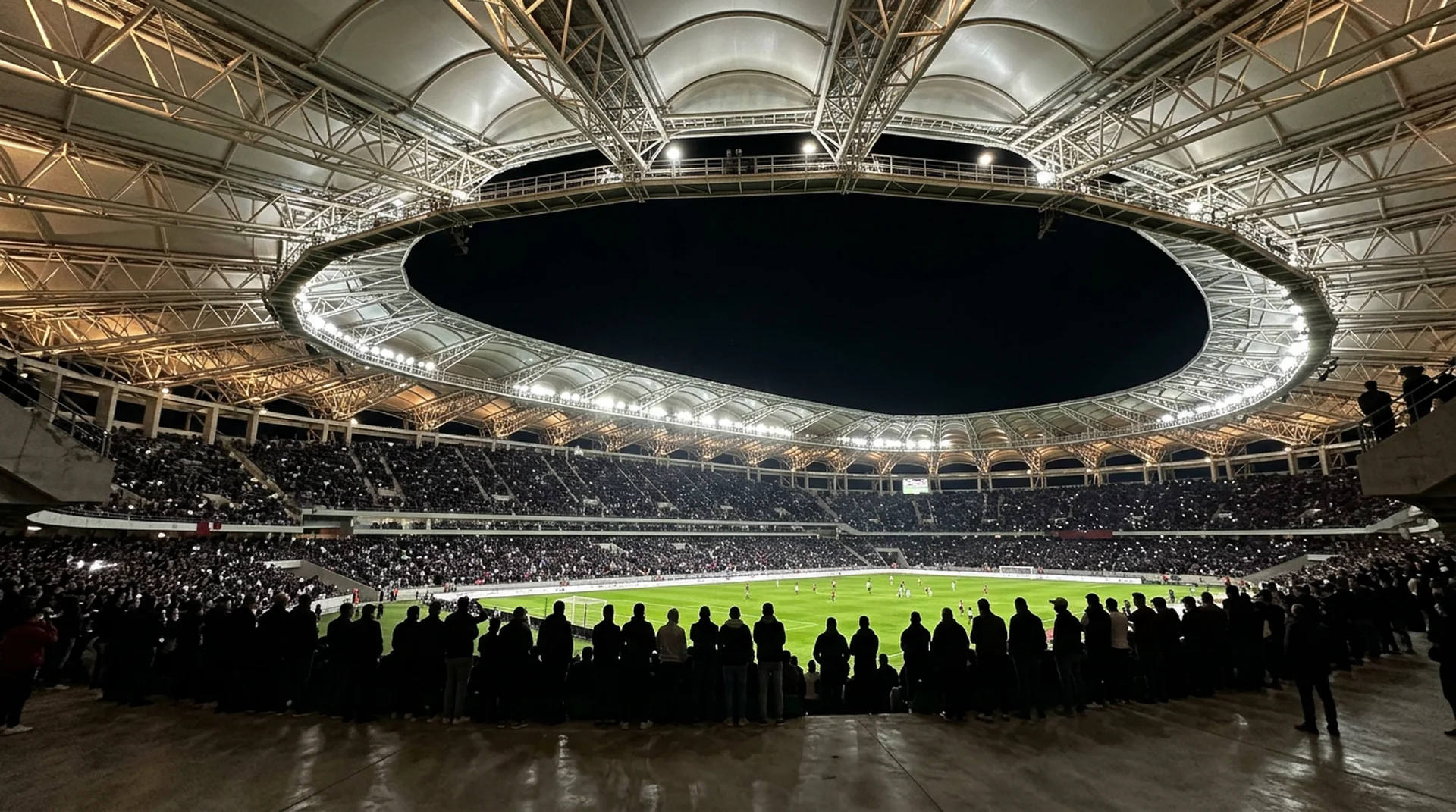
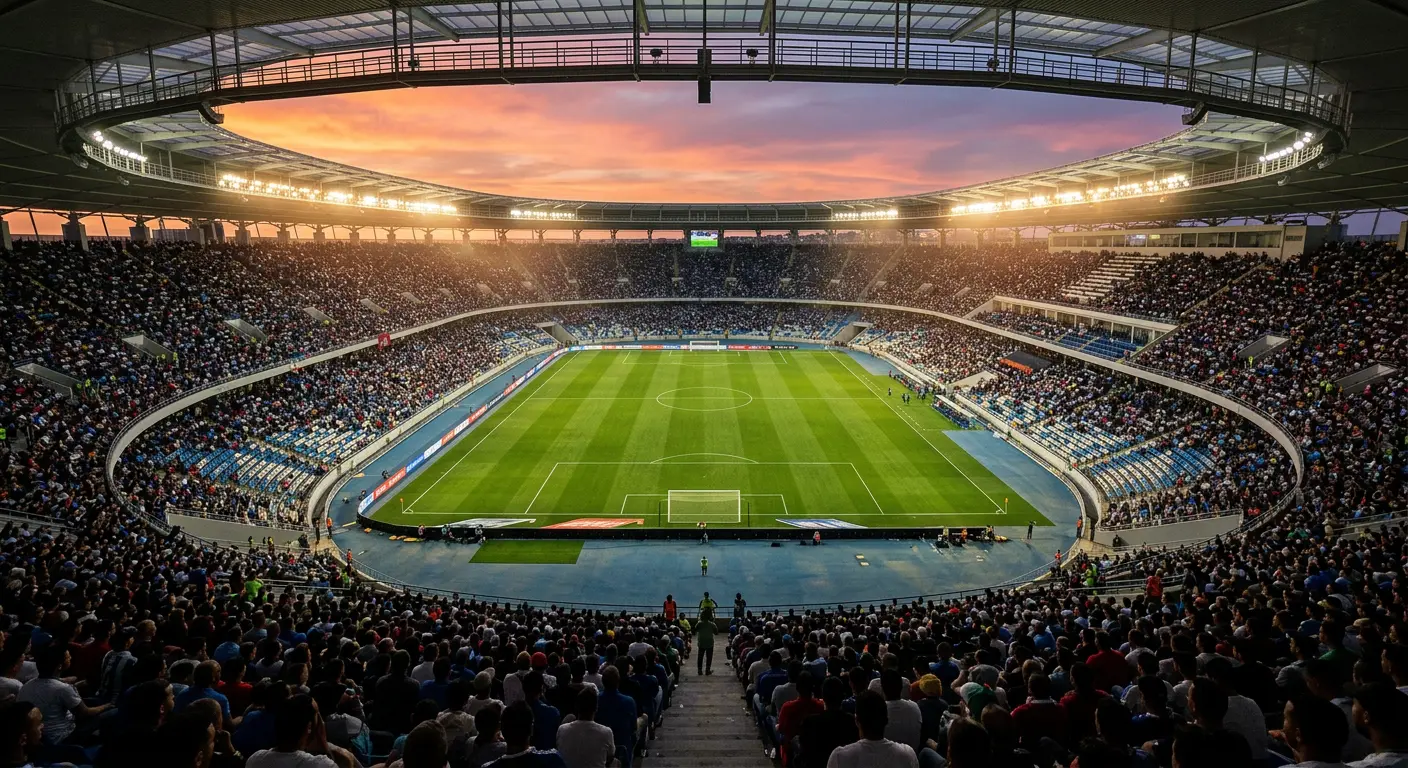
RCDE Stadium's interior bowl, close to the pitch

Every Host Stadium

RCDE Stadium is one of 21 confirmed venues across Morocco, Portugal, Spain and the three centenary host nations. Explore the others below.

See Spain Guide

🇪🇸 Spain

🇲🇦 Morocco

🇵🇹 Portugal

🏆 Centenary Matches

Frequently Asked

RCDE Stadium Questions

Who designed RCDE Stadium?
Reid Fenwick Asociados (Mark Fenwick and Javier Iribarren) together with Gasulla Arquitectura i Gestió (Esteve Gasulla) won a 2003 international design competition, beating Jean Nouvel, HOK and Arquitectónica.
What's distinctive about the stadium's design?
A steep bowl designed to feel like an English stadium, bringing fans close to the pitch, wrapped in an outer ring clad with u-glass panels in white, blue and transparent tones, described by its architects as a "floating and translucent curtain."
How much did the stadium cost to build?
Approximately €83 million for the total project, funded through land sales, bank loans and public-private partnerships with the Catalan and municipal governments.
Why was the stadium built in an industrial area?
RCD Espanyol purchased land on the border of Cornellà de Llobregat and El Prat de Llobregat in 2002, an unconventional choice at the time that raised doubts among fans, but which has since proven valuable given its proximity to Barcelona's airport.
What is the capacity of RCDE Stadium?
40,500 seats, making it the tenth-largest stadium in Spain and the third-largest in Catalonia.
Why did FIFA choose RCDE Stadium for the World Cup?
FIFA specifically cited the stadium's sustainability, accessibility, proximity to El Prat airport, and its recently upgraded VIP and hospitality areas, rather than sheer capacity alone.
What sustainability features does the stadium have?
1,860 solar panels installed on the roof, generating approximately 1.9 GWh of energy per year and reducing CO2 emissions by around 800 tonnes annually.
Has the stadium's hospitality offering grown recently?
Yes, executive boxes increased from 44 to 60, and hospitality seats grew from 566 to 839 in the most recent upgrade cycle.
When did RCDE Stadium open?
2 August 2009, with RCD Espanyol beating Liverpool 3-0 in a friendly watched by 40,000 fans.
What stadium did RCDE Stadium replace?
The beloved Estadi de Sarrià, Espanyol's home from 1923 to 1997, with the club playing at the Estadi Olímpic Lluís Companys in the interim.
Why has the stadium had several different names?
Sponsorship deals have shifted repeatedly: Power8 Stadium (2014-2016, ended after a fraud scandal involving the sponsor), RCDE Stadium (2016-2023), Stage Front Stadium (2023-2024), and back to RCDE Stadium since July 2024.
Is there a memorial inside the stadium?
Yes, following the death of club captain Dani Jarque shortly after the stadium opened in 2009, a dedicated entrance and memorial space were created in his honour.
How do I get to RCDE Stadium?
Metro Line 5 to Cornellà Centre station, a five-minute walk from the stadium, roughly 20-25 minutes from central Barcelona.
Is RCDE Stadium close to the airport?
Yes, it's one of the closest World Cup 2030 venues to a major international airport, a factor FIFA specifically cited in its selection.
Where should I stay for a match at RCDE Stadium?
Central Barcelona connects easily via Metro Line 5. See our full Barcelona guide for specific neighbourhood recommendations.
Is there parking at RCDE Stadium?
Yes, 3,278 parking spaces, a substantial provision that reflects the stadium's slightly out-of-town location compared to more central Spanish venues.

Continue Exploring

See every World Cup 2030 stadium, or the full Barcelona travel guide.

All StadiumsBarcelona Guide

Get RCDE Stadium Updates

FIFA venue confirmations, ticket ballot dates and Barcelona travel tips - straight to your inbox.