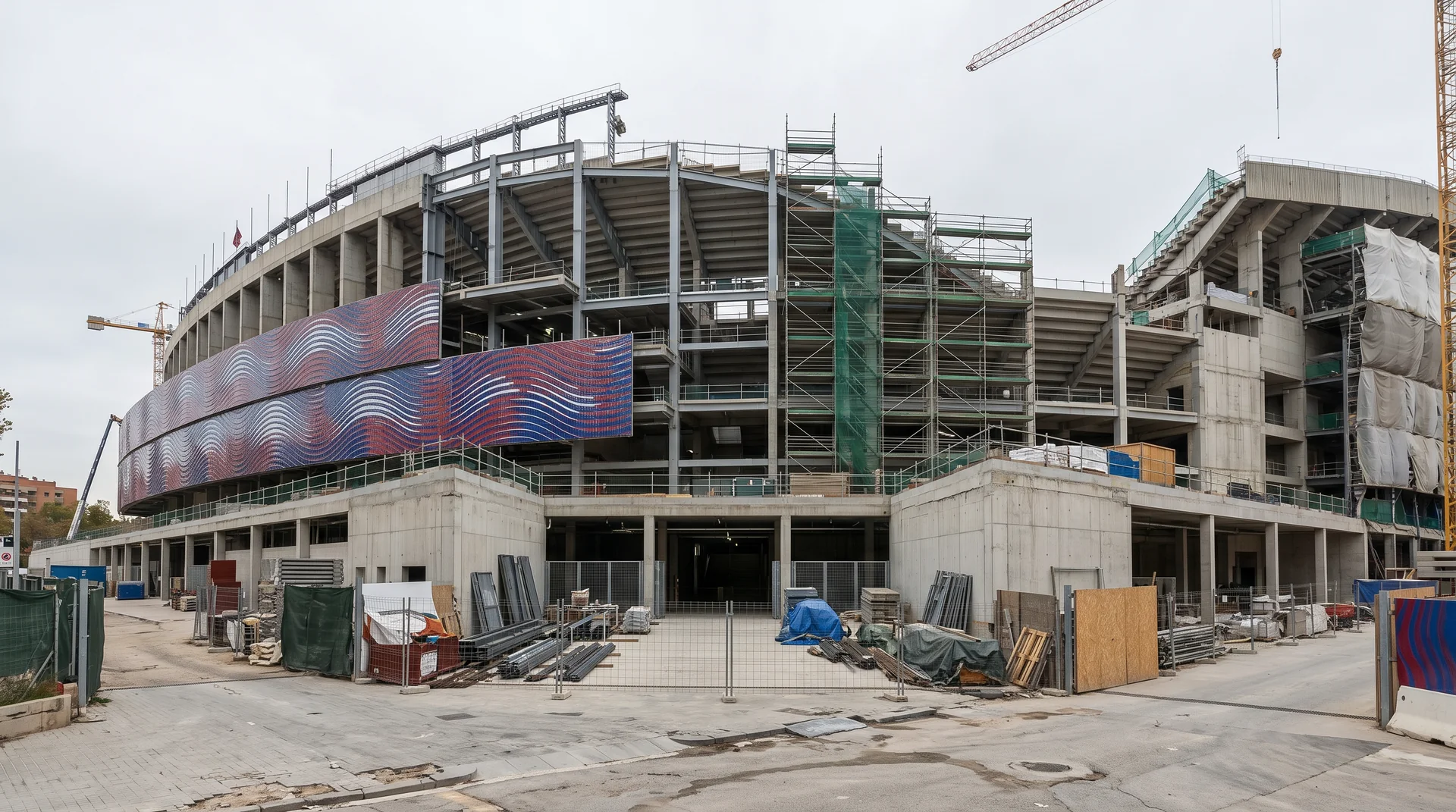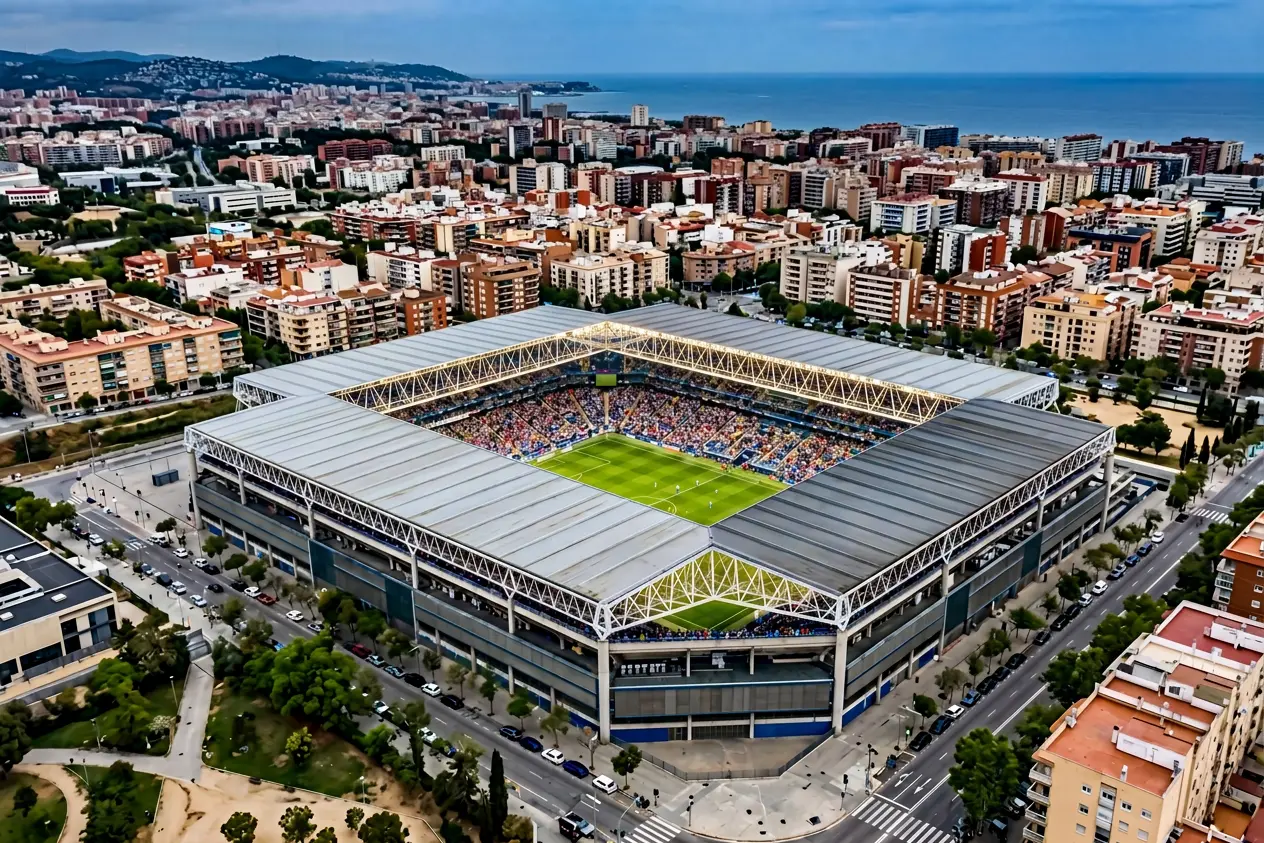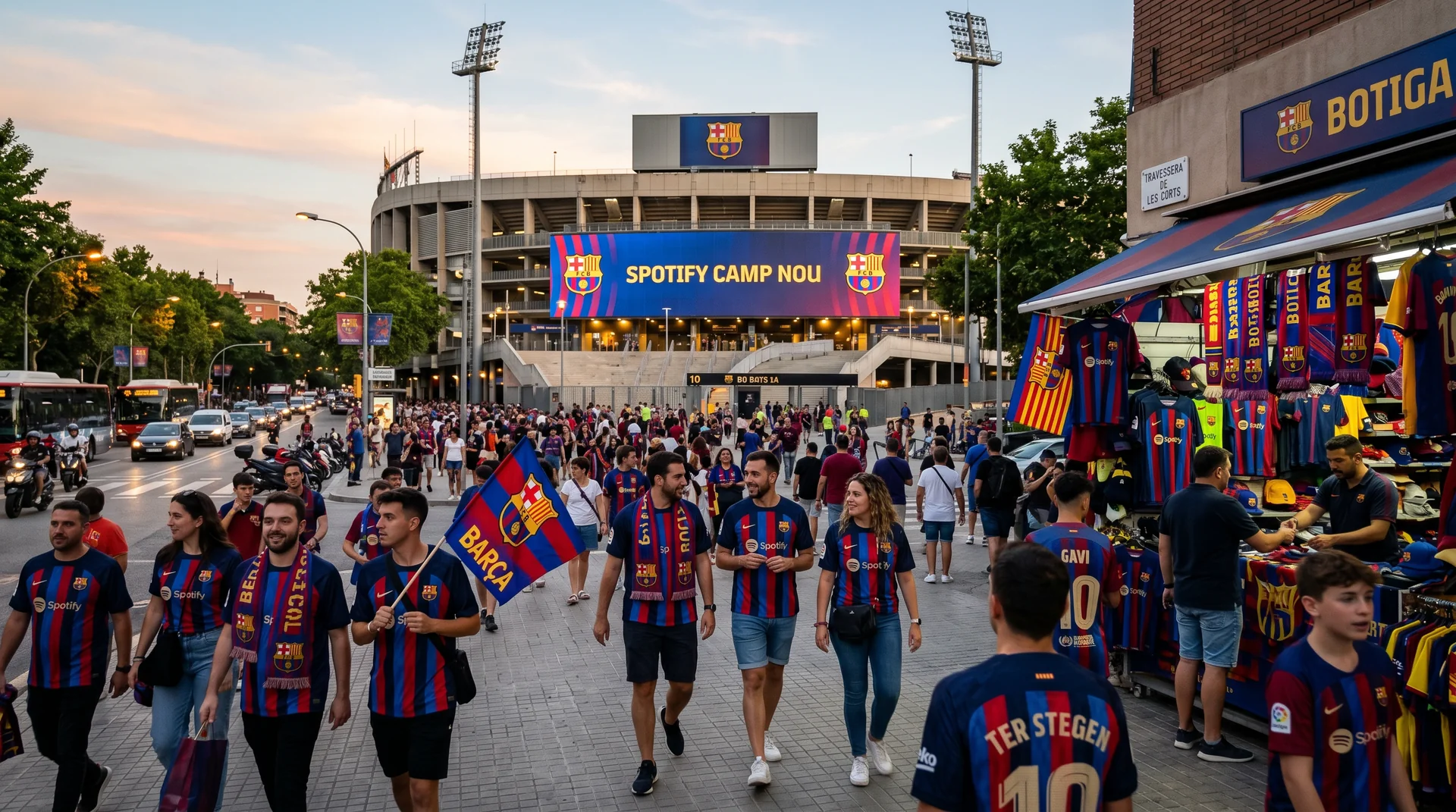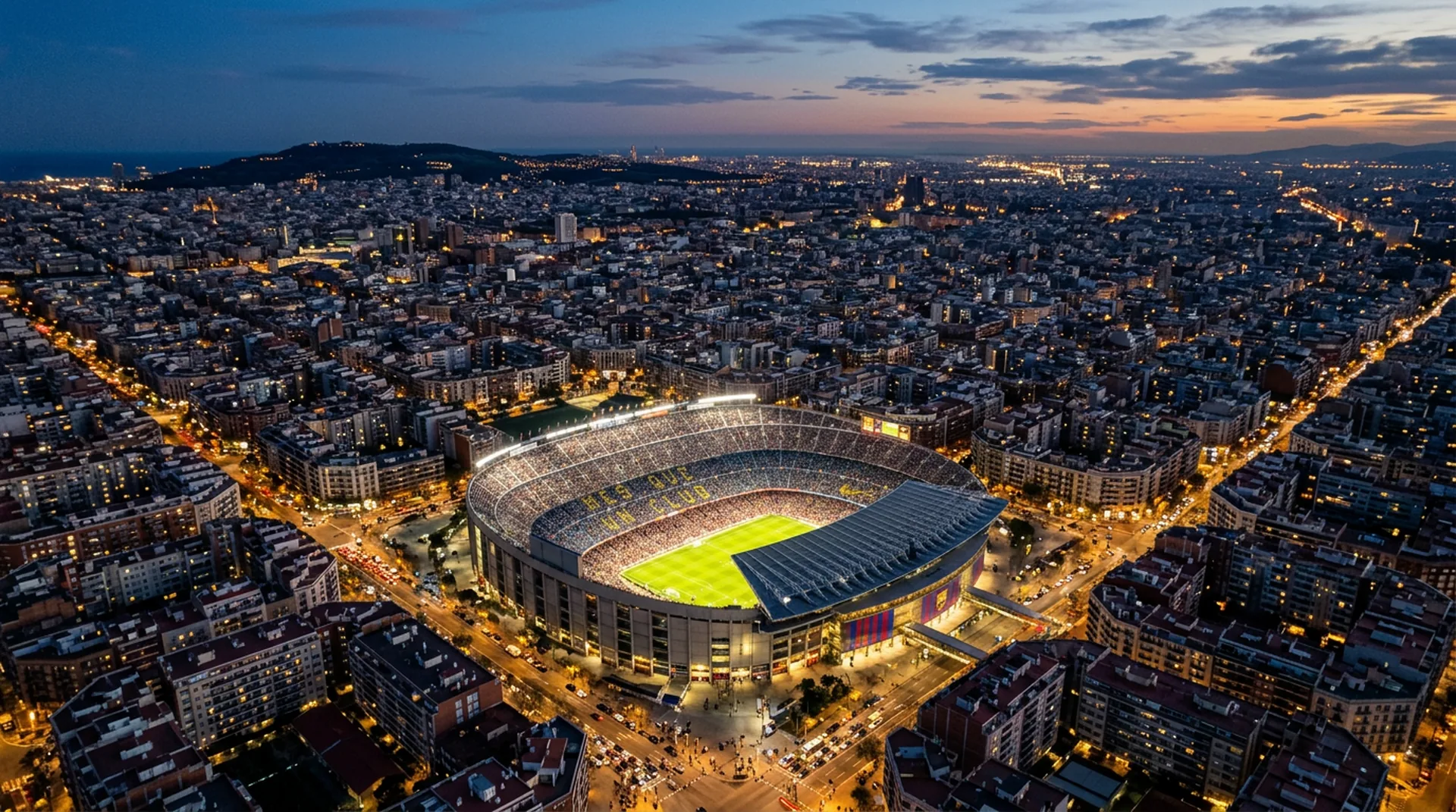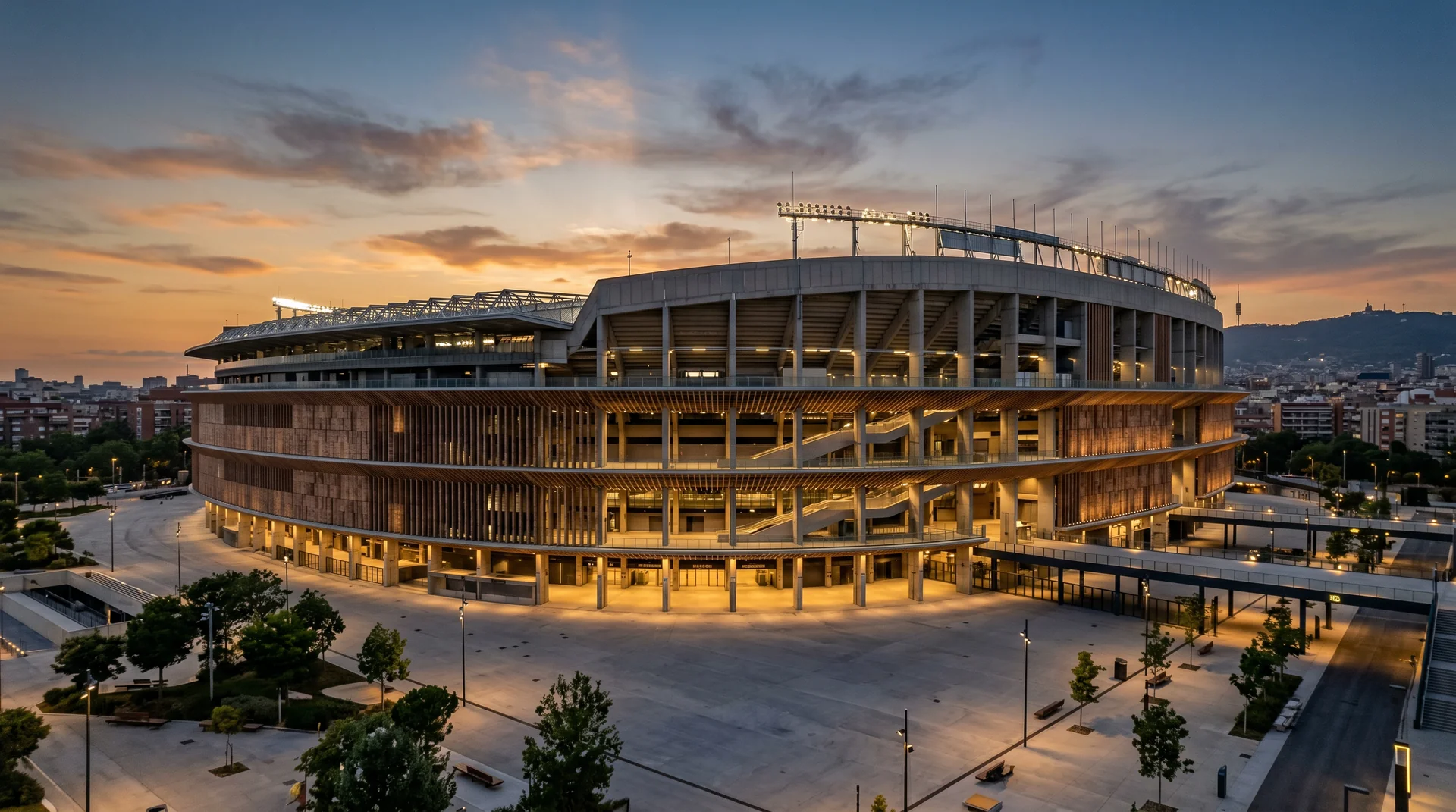
Camp Nou hosted the opening match of the 1982 World Cup - and its ongoing rebuild is racing to become the largest stadium in Europe before 2030. Barcelona stages World Cup 2030 football at two grounds a world apart: FC Barcelona's newly reborn Camp Nou and RCD Espanyol's compact RCDE Stadium.
Stadiums
Barcelona hosts World Cup 2030 football at two grounds that could not be more different: the newly reborn Camp Nou, racing to become the largest stadium in Europe and a genuine candidate for the Final, and RCDE Stadium, RCD Espanyol's compact, purpose-built home 10km outside the city.


Football Culture
FC Barcelona was founded on 29 November 1899 by a group including Swiss businessman Hans Gamper, who placed a newspaper advertisement seeking players. Under the Franco dictatorship, the club became an outlet for suppressed Catalan identity, giving rise to its motto "Més que un club" - "more than a club." Barça have won 29 La Liga titles and 5 European Cup/Champions League titles (1992, 2006, 2009, 2011, 2015), including two continental trebles of league, cup and Champions League in 2009 and 2015 - a feat no other European club has repeated twice.
RCD Espanyol, the city's other club, was founded a year later in 1900, partly by students who wanted a club open to Spanish as well as Catalan players, in contrast to Barça's more international character at the time. The two clubs were founding members of La Liga together in 1929 and have shared the city, and its politics, ever since.
"Més que un club" - "More than a club."
- FC Barcelona's official motto, adopted in 1968 under president Narcís de Carreras
The Derbi Barceloní, first played in January 1901, is one of the oldest derbies in Spanish football and one of its most one-sided: Barça have won well over 100 of roughly 180 league meetings to Espanyol's 34, though Espanyol still holds the biggest scoreline in either direction, a 6-0 win in 1951. The fixture has decided three La Liga titles outright, most recently in 2022-23 and 2024-25, both times with Barça lifting the trophy on Espanyol's own ground.
Beyond the scoreline, it carries real political weight: in the early 20th century Barça became a symbol of Catalan identity while Espanyol positioned itself as the club for Spanish-national sentiment in the city, a divide that echoes, in muted form, to this day. Barça's biggest rivalry, though, isn't local at all - it's El Clásico against Real Madrid, 500km away, arguably football's single biggest club fixture anywhere in the world.
Camp Nou hosted five matches at the 1982 World Cup, including the opening game, and has staged two European Cup/Champions League finals, in 1989 and 1999. Its ongoing Espai Barça rebuild is targeting roughly 105,000 seats once complete - which would make it the largest football stadium in Europe, ahead of Madrid's Santiago Bernabéu by a wide margin.
RCDE Stadium, by contrast, has never hosted a major final, but its steep, intimate bowl - a four-star UEFA venue since 2009 - offers 2030 visitors a completely different matchday experience from Camp Nou's scale. Whether Camp Nou or the Bernabéu ultimately lands the 2030 Final is still undecided as of mid-2026, with Casablanca's Hassan II Stadium also in contention.
From the Editor
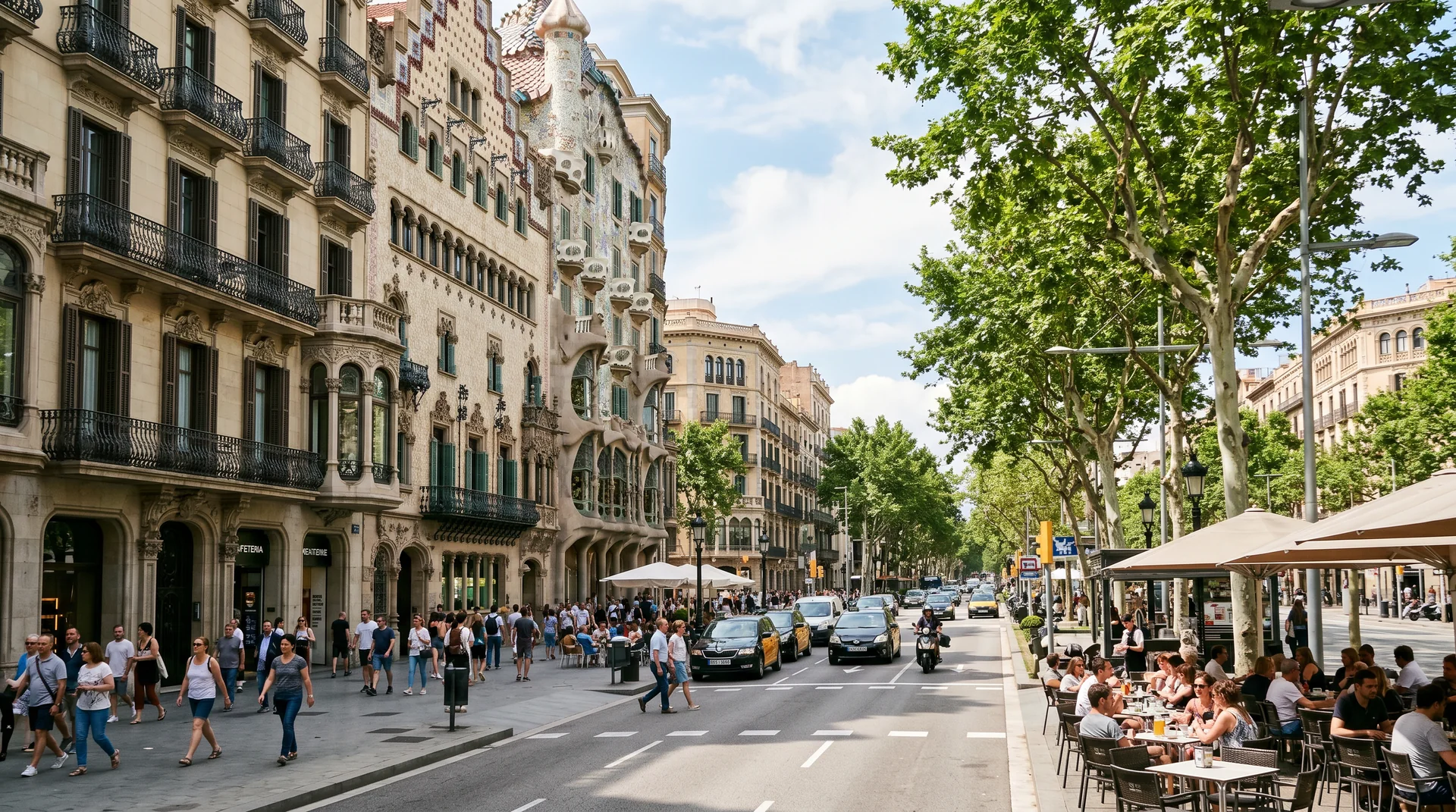
"We stayed on a main street close enough to Camp Nou that we could feel the city building up to kickoff for hours before we'd even left the hotel."
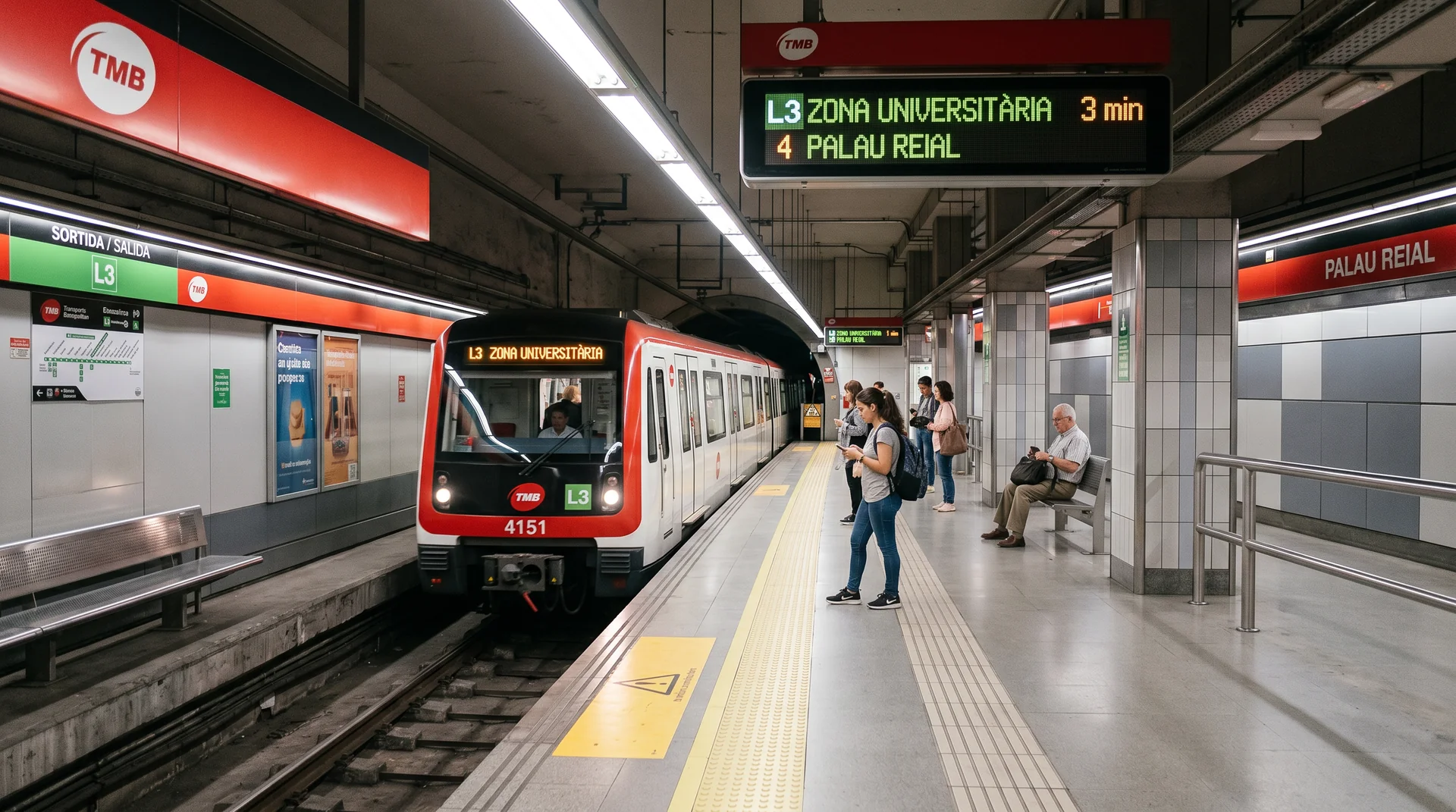
We caught a Champions League night at Camp Nou during a 2024 trip to Barcelona, staying at a hotel on a main street not far from the stadium. Getting there was straightforward - we took the tram (Trambaix) rather than the Metro, and it dropped us close enough to walk the rest of the way with the crowd.
The stadium was already deep into its renovation when we visited, part of it wrapped in scaffolding with sections still being rebuilt around us. It didn't take anything away from the night - if anything it made it more memorable, watching a match inside a ground that's quite literally being rebuilt into the biggest stadium in Europe while still hosting European football.
The crowd was a genuine mix of season-ticket regulars and travelling fans, and you could feel the noise build in the final twenty minutes before kickoff as the seats around us filled in. It's a very different energy from watching on TV - the anticipation is as much a part of the experience as the match itself.
My one piece of advice for 2030: staying within walking distance of the stadium, even on a busy main road, makes matchday feel less like a logistics exercise and more like part of the trip itself. You feel the city's rhythm build toward kickoff instead of just arriving for it.
- Total Dribble, on attending a Champions League night at Camp Nou


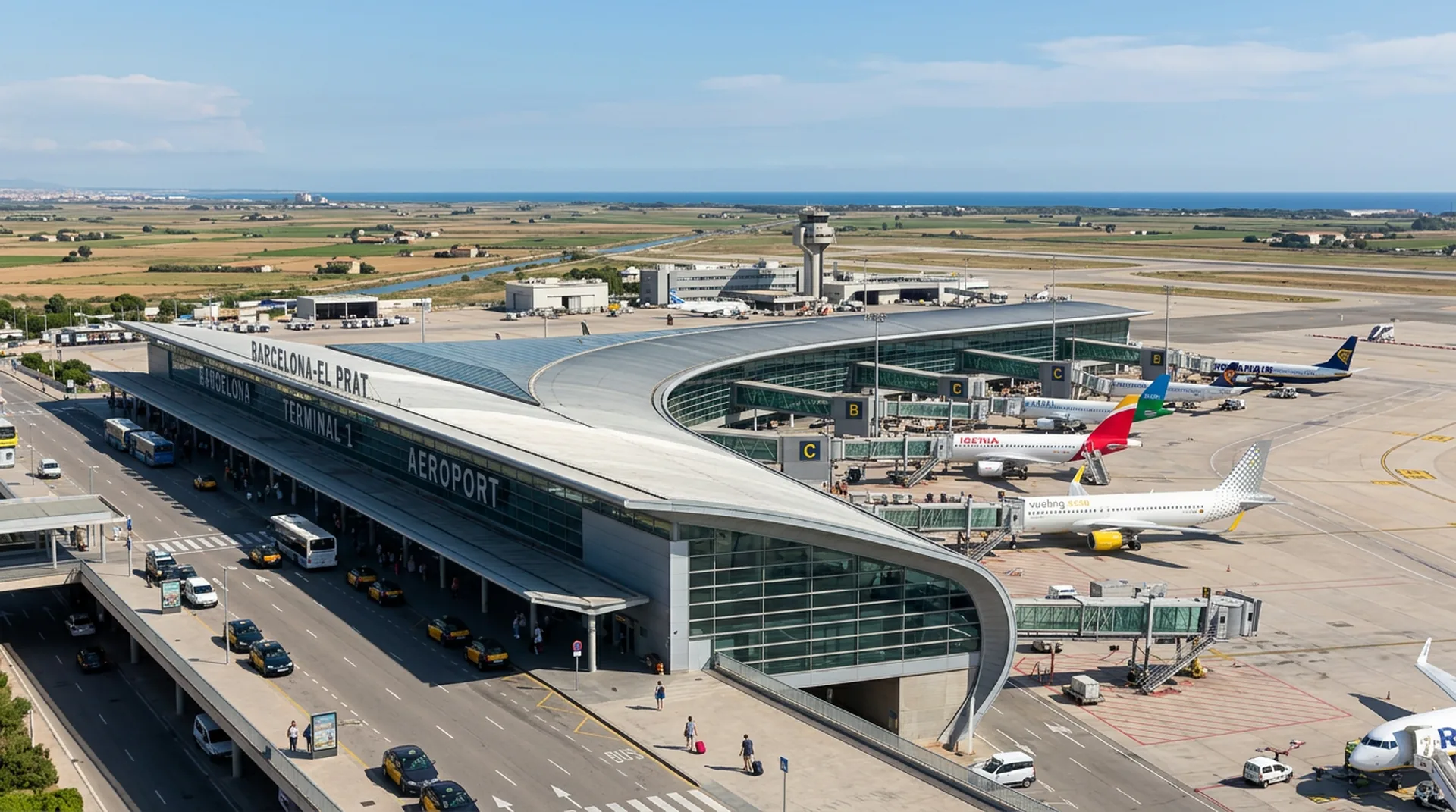
From Josep Tarradellas Barcelona-El Prat Airport to Each Stadium
Airport to Camp Nou: ~30-40 min total, €5.50-6.50 with airport supplement · Taxi/rideshare: 20-30 min outside rush hour, €30-40 · Camp Nou ↔ RCDE Stadium by Metro: ~25-30 min with one change


Following matches in more than one city? Spain's AVE high-speed rail connects Barcelona to Madrid in about 2h30m, and Barcelona-Sants links onward to France and the rest of Catalonia. See the Spain transport guide for full AVE routes and booking windows across all host cities.
Between Matches
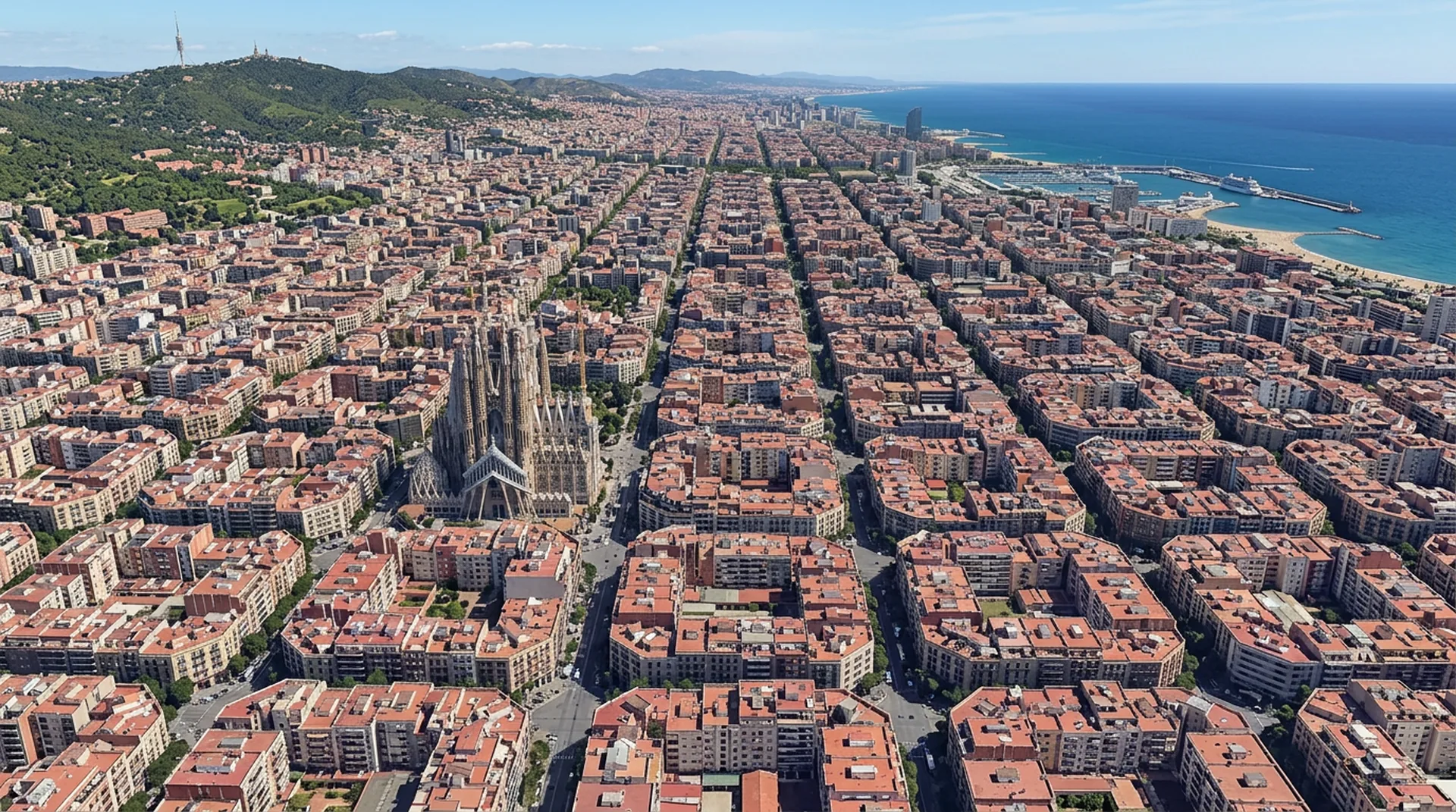
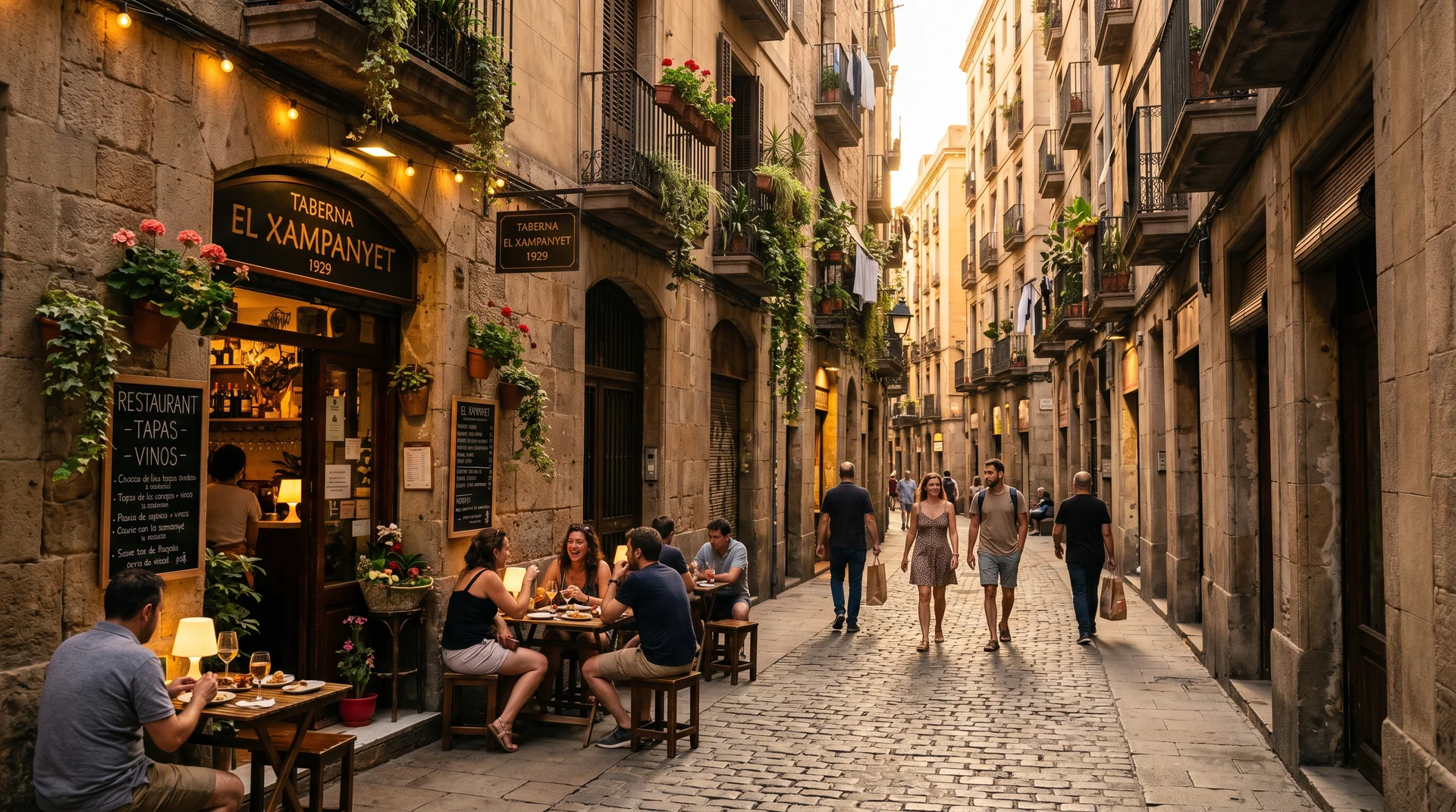
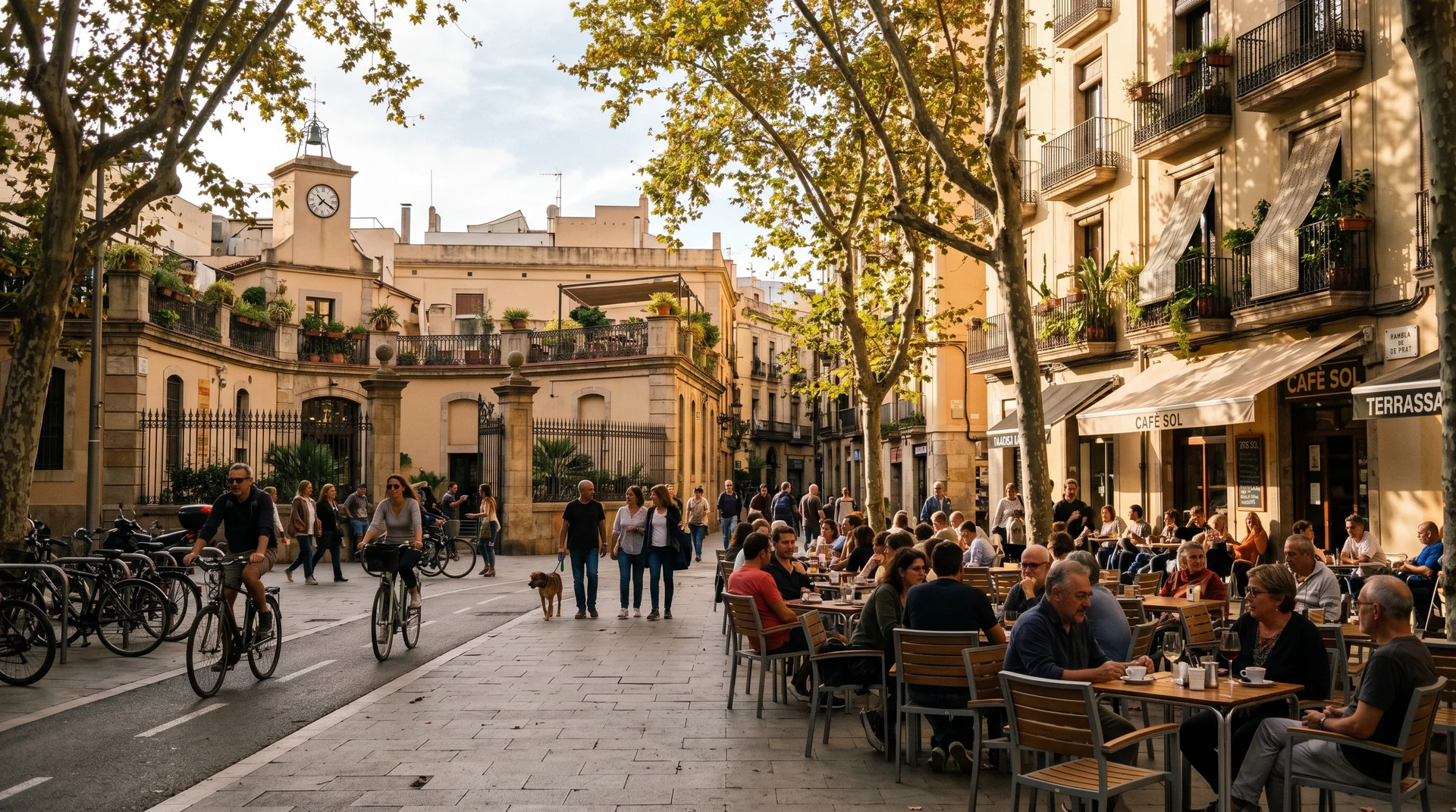
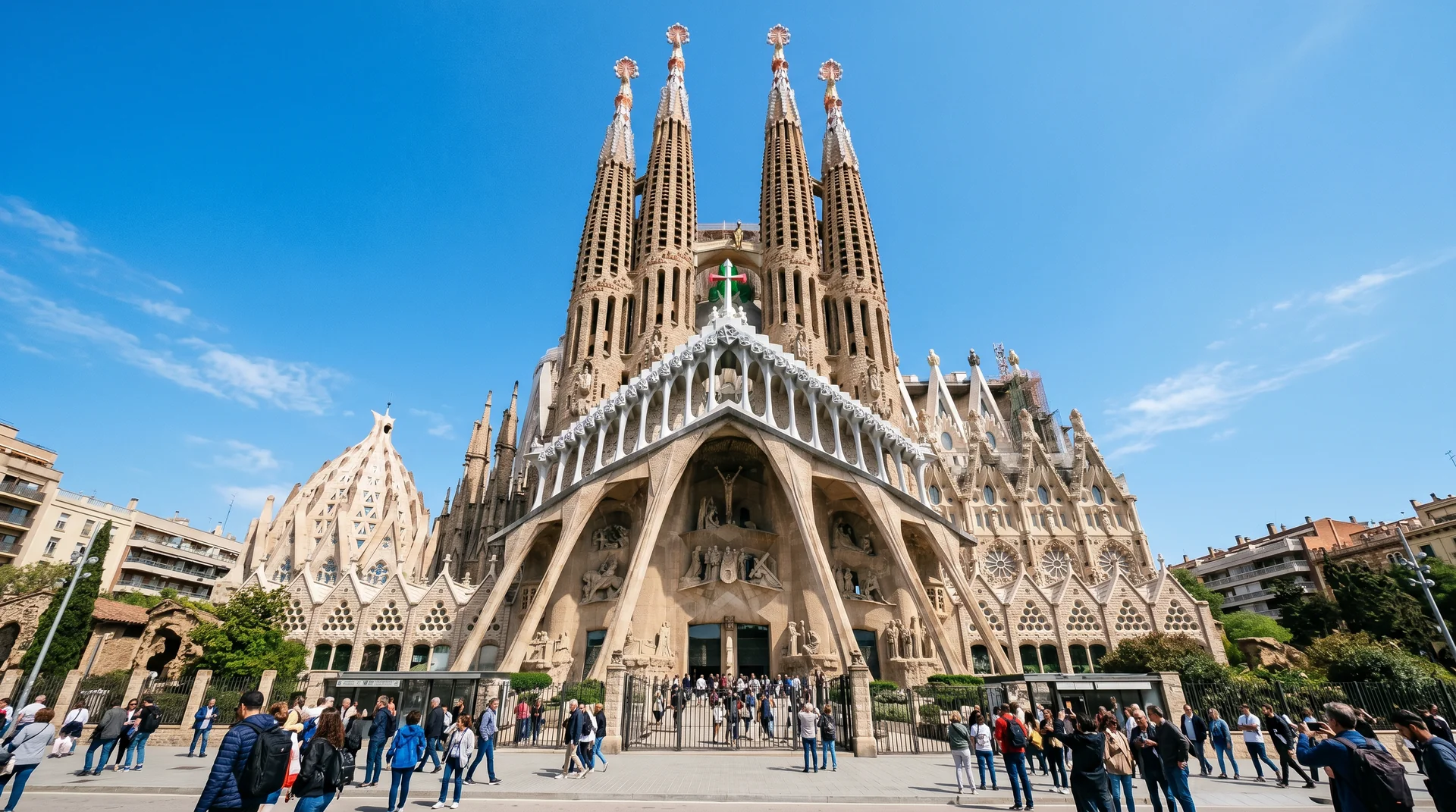
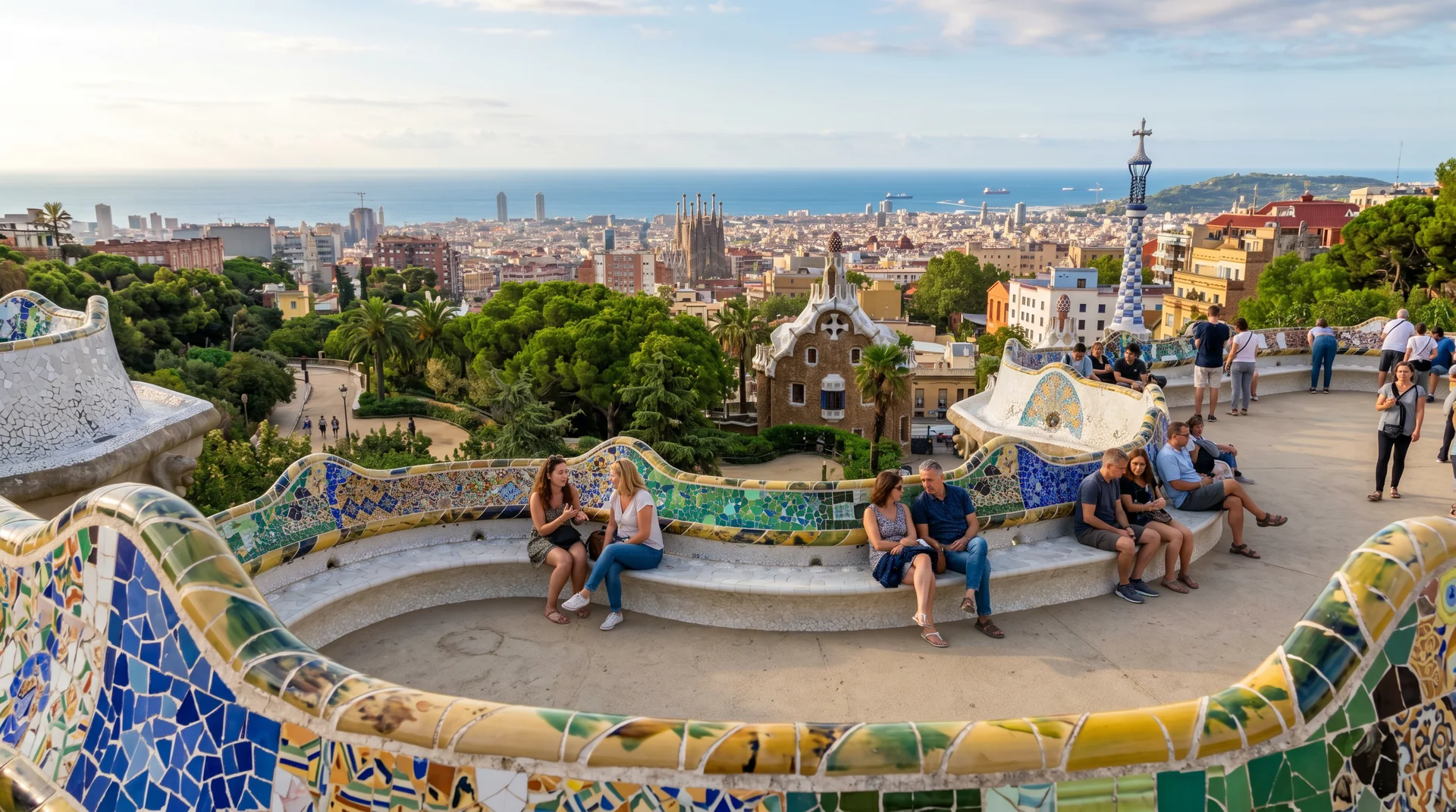
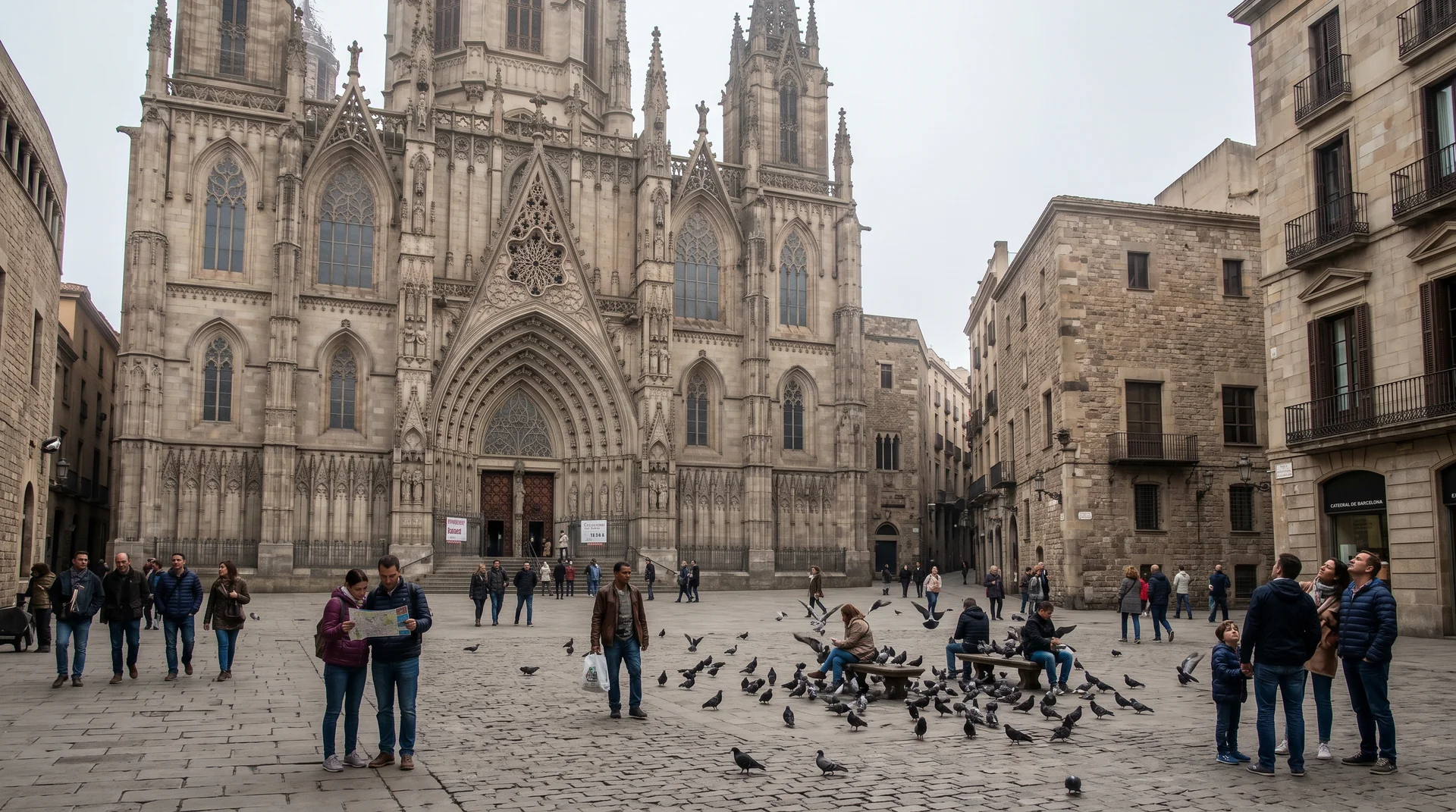
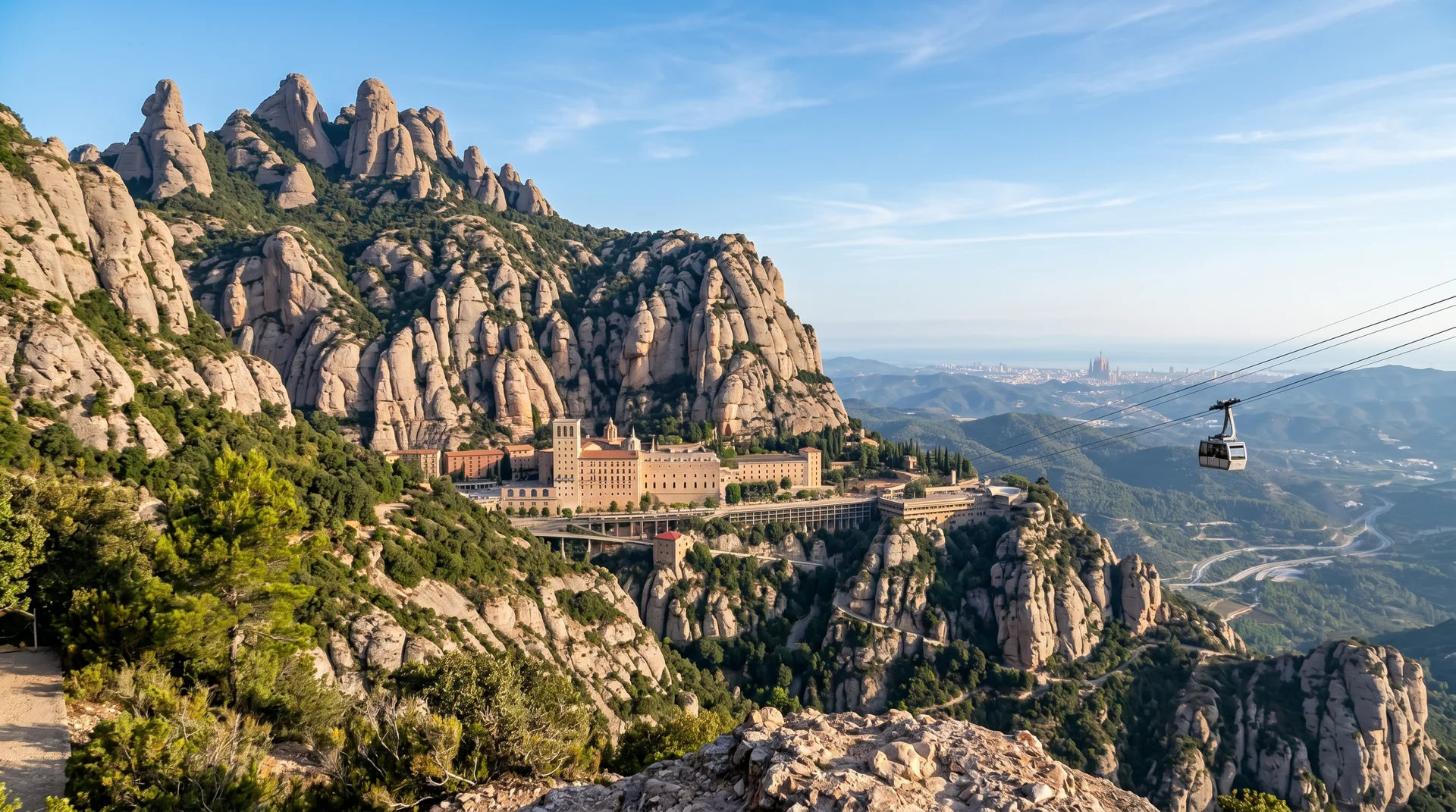
Barcelona rewards slow mornings and late dinners. Book Sagrada Família tickets well in advance, and save Montserrat for a genuine day off rather than squeezing it around a match-day schedule.


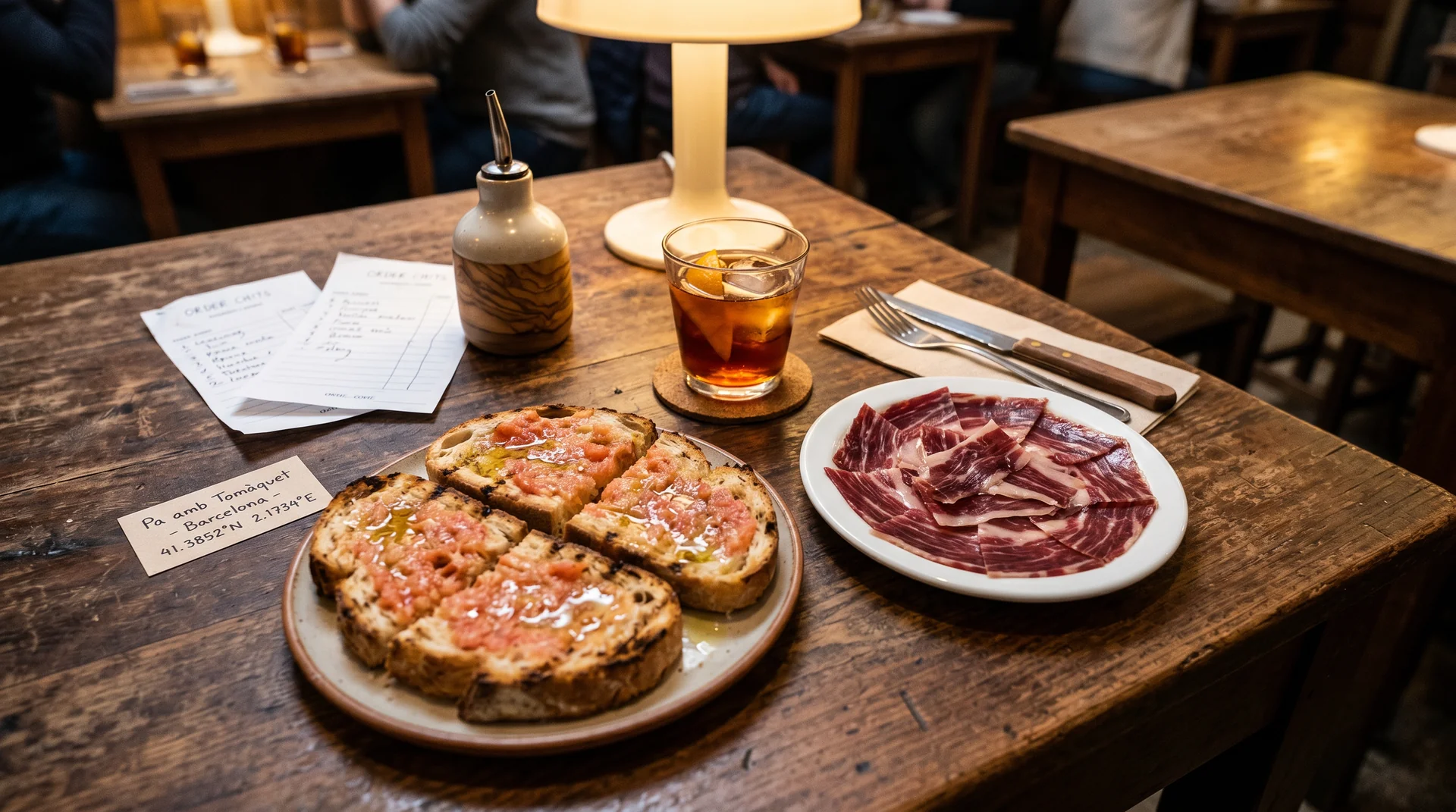
Here's what to order at each budget, from pre-match tapas to Barcelona's most celebrated tasting menus.
Near Camp Nou specifically, a small cluster of restaurants around the stadium's own gates serves tapas built for a pre-match crowd. RCDE Stadium's surroundings are quieter, with most food options in the adjacent Cornellà shopping centre rather than standalone restaurants. Arrive an hour early and eat like a local before you take your seat.
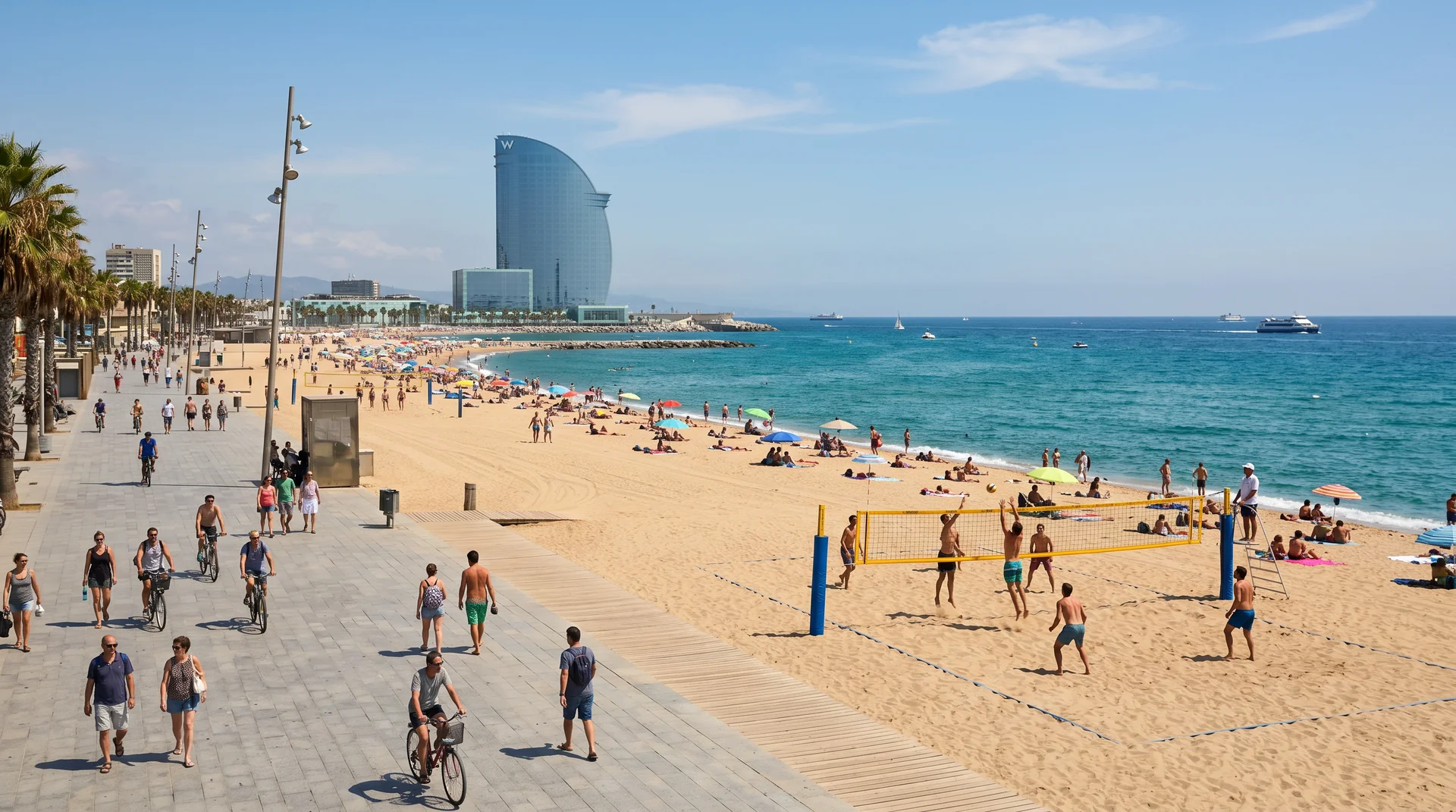
26-30°C in June-July, warm and humid given Barcelona's Mediterranean coastal setting. Sea breezes keep evenings pleasant. Milder but more humid than inland Madrid.
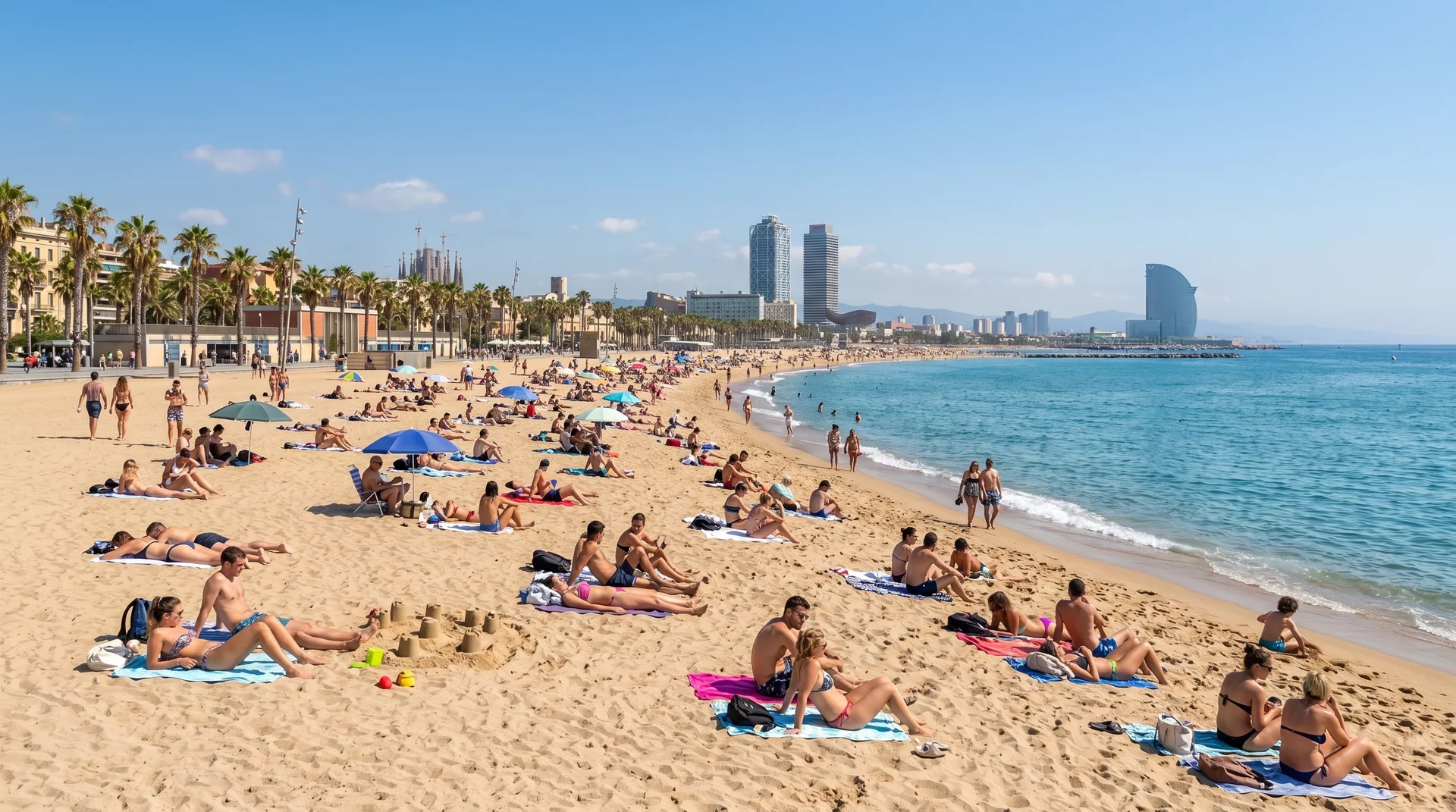
Violent crime is rare, but Barcelona has one of Europe's higher pickpocketing rates. Extra care around La Rambla, the Metro and Barceloneta beach.
Catalan and Spanish are both official; English is widely spoken in hotels, restaurants and tourism-facing venues across central Barcelona.
Euro (€). Cards accepted almost everywhere, including tapas bars and Metro ticket machines. ATMs widely available.
Hotel and flight prices in Barcelona typically climb sharply around confirmed match dates, and rooms near Camp Nou are likely to sell out early given the stadium's growing profile as a Final candidate. For visa requirements and FIFA ticket ballot details that apply across Spain, see the Spain visa guide and match ticket guide.
FAQ
Continue Planning
See the full Spain guide, covering all World Cup 2030 host cities across the country.
Stay Informed
Hotel deal alerts near Camp Nou and RCDE Stadium, FIFA ticket ballot dates, Metro service changes and insider Barcelona tips - straight to your inbox.