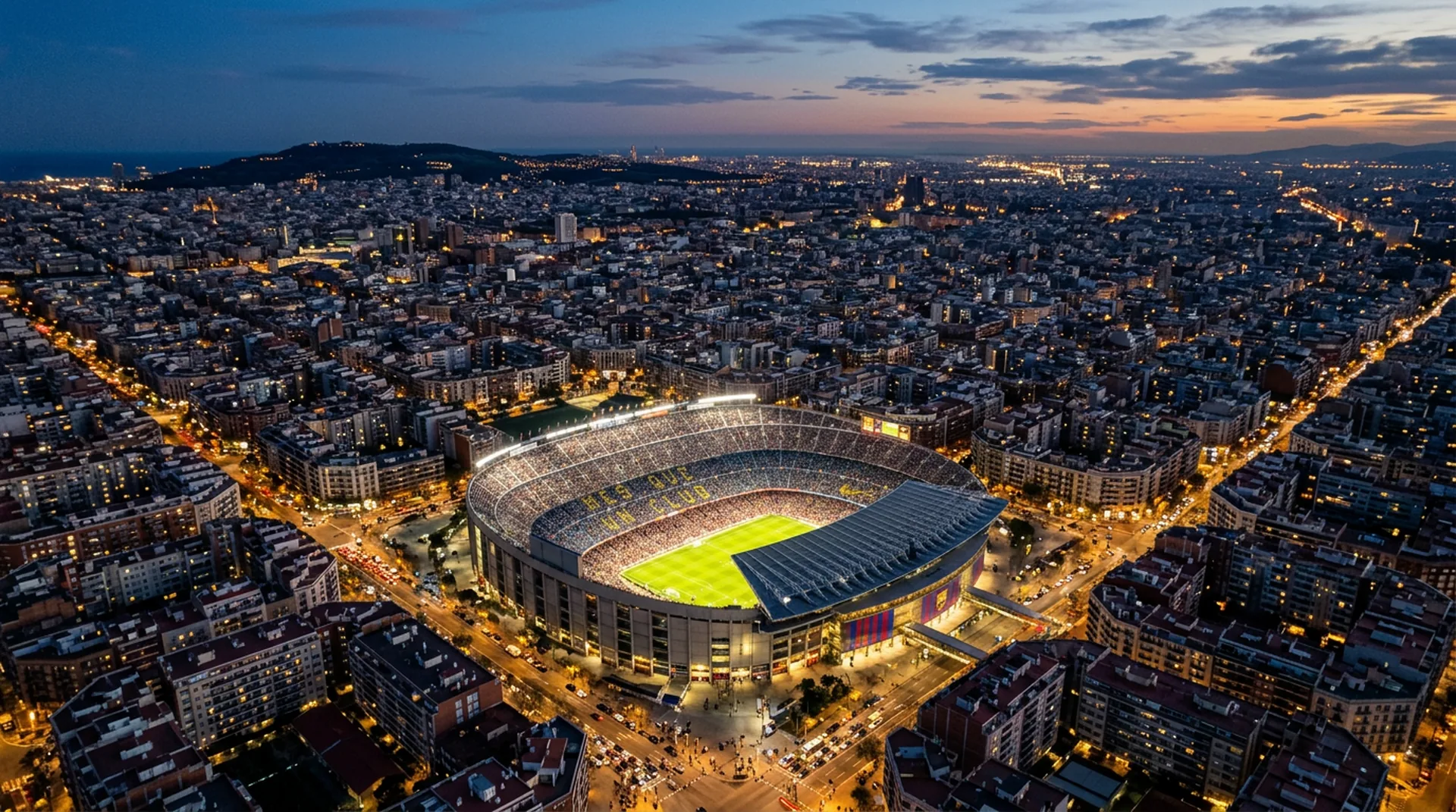
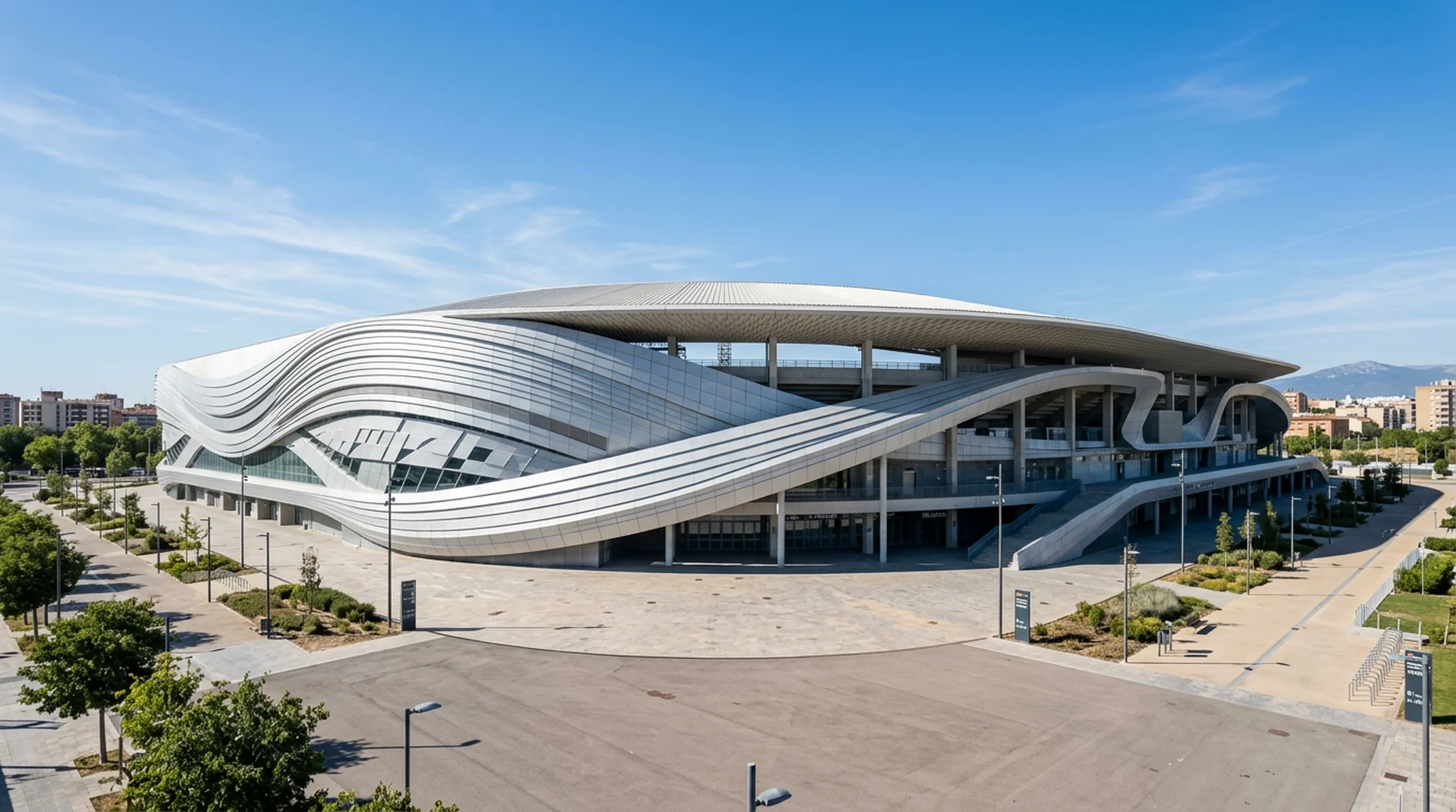
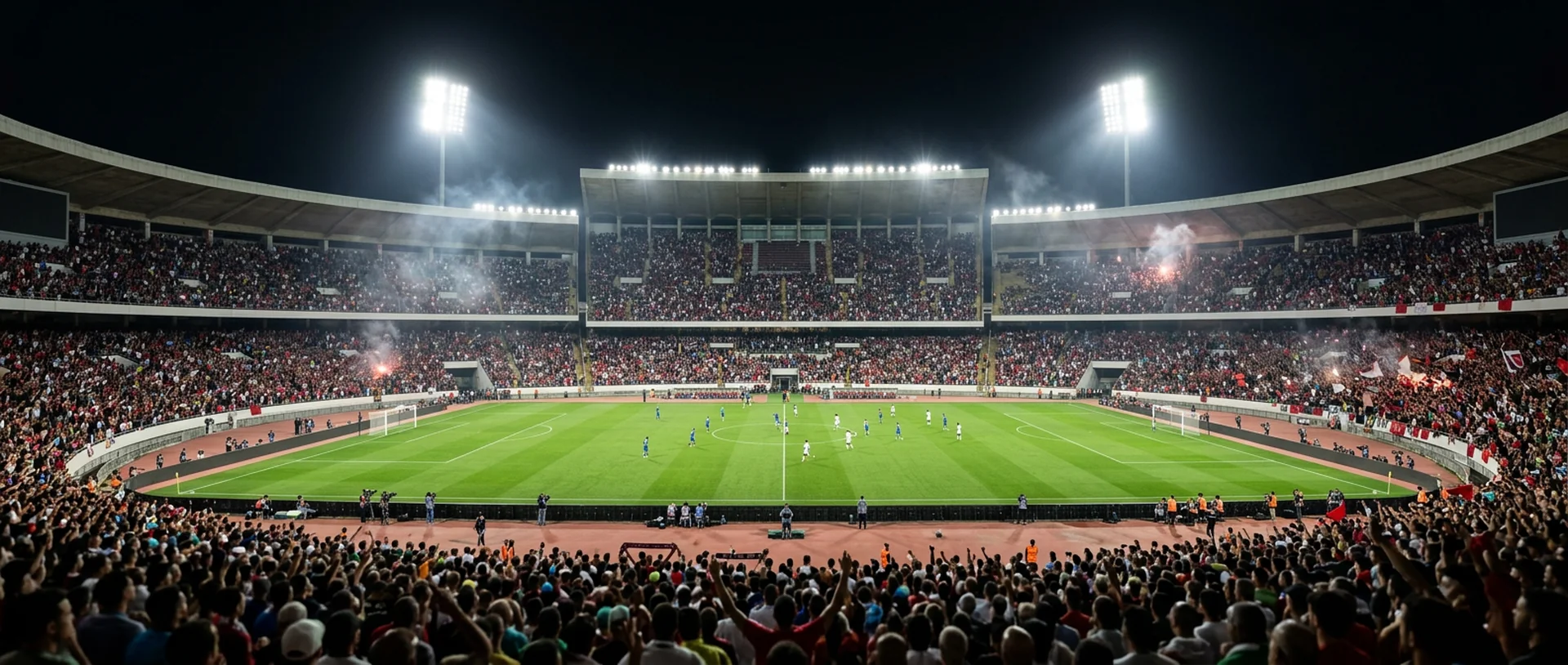
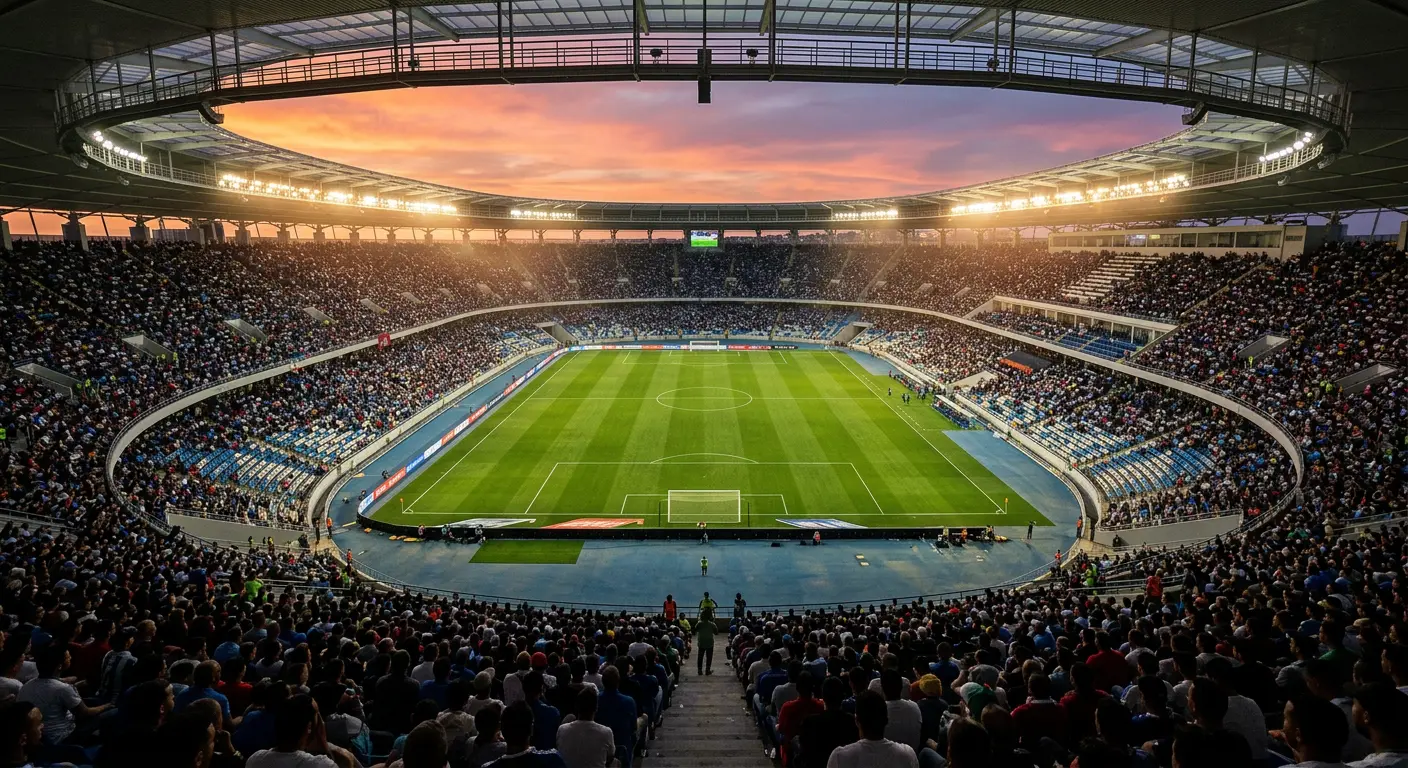
FC Barcelona's legendary home is mid-transformation: a rebuild that preserves its lower two tiers while adding a completely new third tier and full roof, on track to become Europe's largest football stadium at 105,000 seats.
105,000Target Capacity
62,652Current (2026)
Nikken SekkeiLead Architect
1957Originally Opened
Camp Nou capacity
Camp Nou's capacity will be 105,000 once the phased rebuild is complete, which would make it the largest football stadium in Europe. Before the redevelopment began the ground held 99,354. The stadium is open and operating through construction, so the seated capacity on any given matchday is lower than the final figure.Last checked 18 August 2026
A 2016 international design competition for Camp Nou's transformation was won by Japanese firm Nikken Sekkei together with Joan Pascual - Ramon Ausió Arquitectes, with the final project developed further by Barcelona Studio, IDOM and b720. The design preserves the stadium's original lower two tiers while completely rebuilding a new third tier, engineered to reach a uniform height around the entire perimeter, unlike the old stadium's asymmetric profile.
The rebuilt stadium introduces a circular open facade inspired by Catalan modernism, letting natural light flood the interior, alongside a full roof, the first Camp Nou has ever had covering the entire seating bowl, fitted with photovoltaic panels across 45,000 square metres for renewable energy generation.
The renovation, part of FC Barcelona's wider Espai Barça modernisation of its facilities, was originally budgeted at approximately €1.45-1.5 billion, financed through a syndicate of 20 investors with repayments structured over five to twenty-four years. By mid-2026, Spanish media reported the club may need to seek additional financing from its members as construction costs continued rising beyond the original estimate.
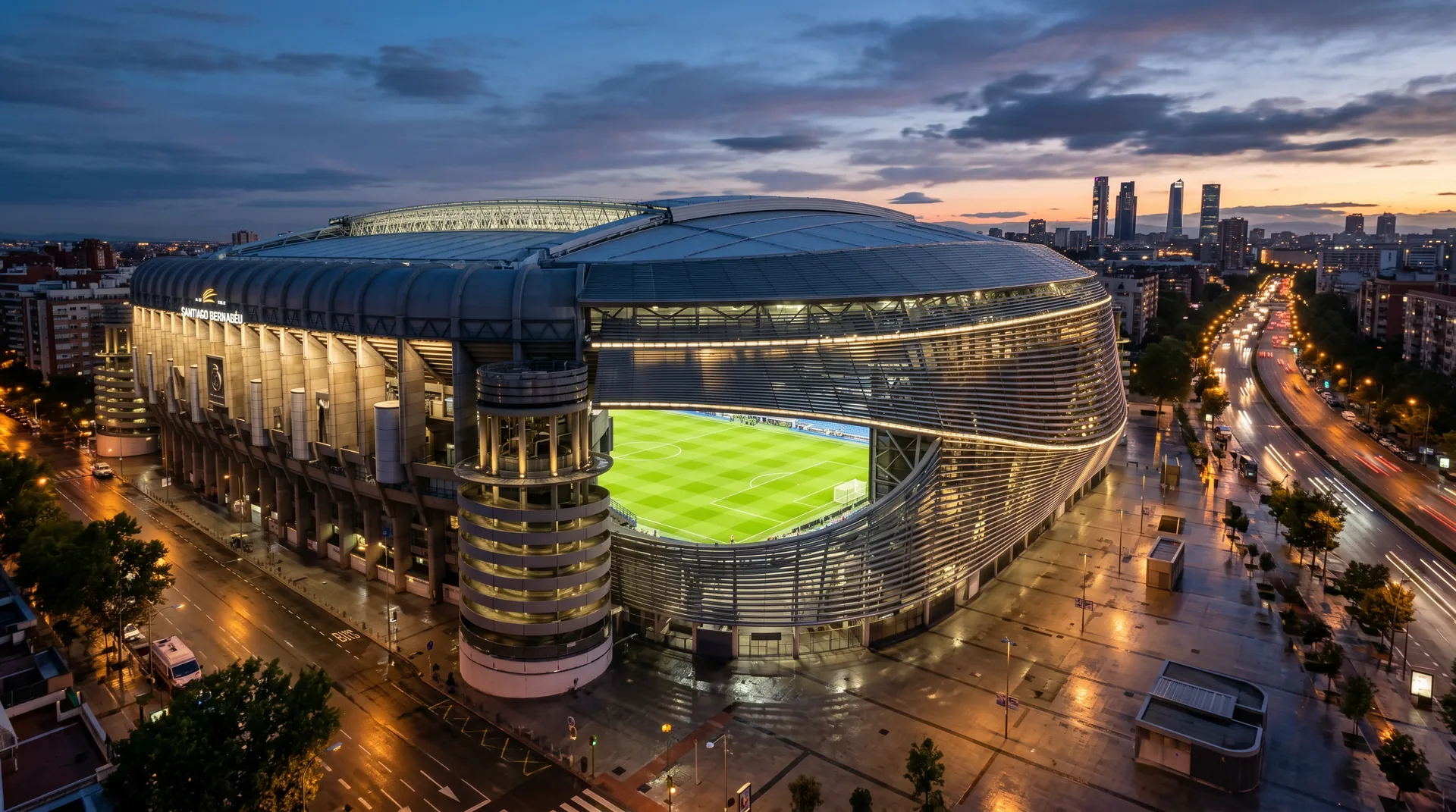
The build sits on the same footprint as the 1957 original, an unusual choice compared with Barcelona's neighbours across Spain. Santiago Bernabéu's own renovation kept Real Madrid playing at home almost continuously behind a fully enclosed shell, while FC Barcelona instead vacated the site entirely for over two years, relocating to the Estadi Olímpic Lluís Companys on Montjuïc while the lower bowl was stripped back for the new structure to rise around it.
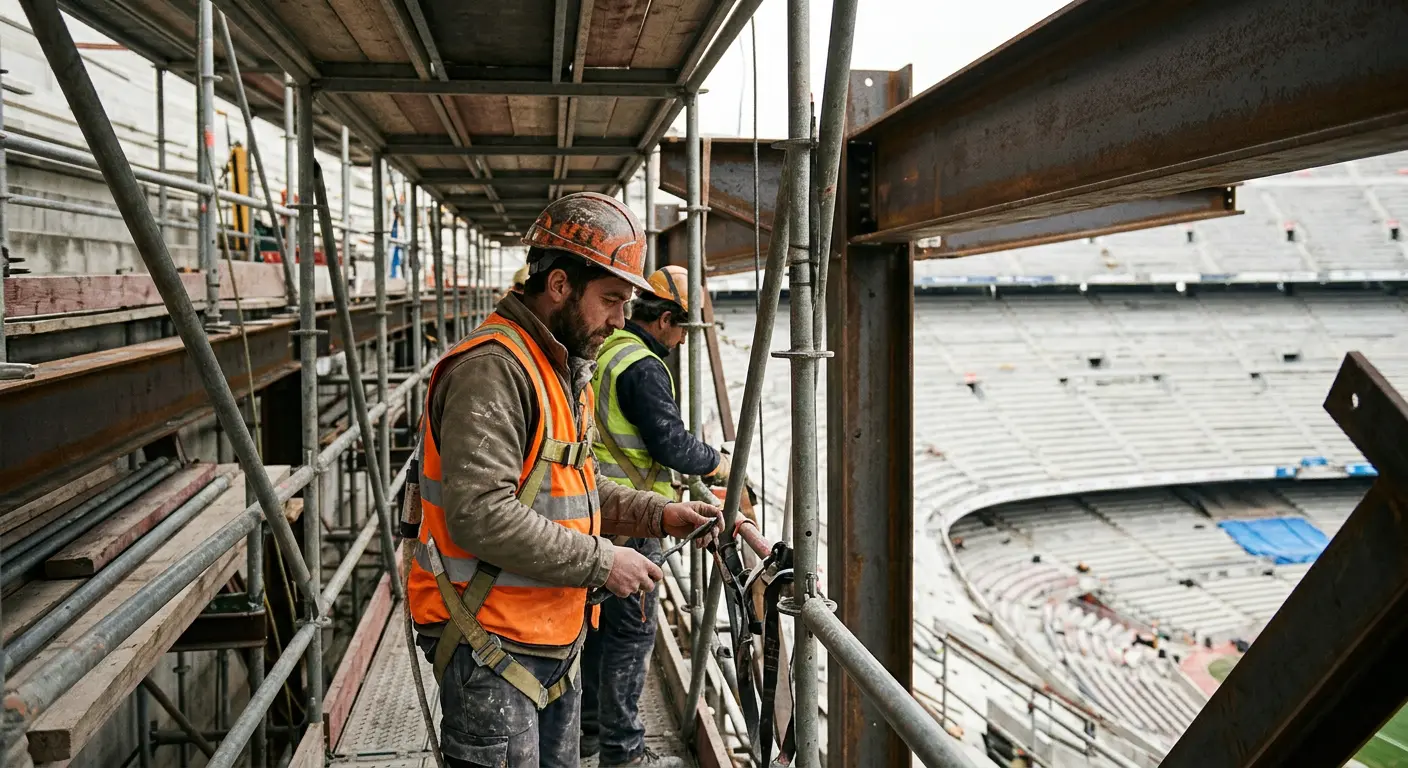
Turkish contractor Limak Holding leads construction on site, working alongside the original design team to translate the competition-winning scheme into the phased, occupied building site fans now walk into on matchdays. Cranes, exposed steelwork and construction hoarding remain part of the everyday backdrop, a contrast to the finished bowl most fans picture when they hear "Camp Nou."
The predecessor ground, Les Corts, was demolished after Camp Nou opened in 1957 and its site redeveloped into the residential and commercial blocks that make up part of today's Les Corts district, a few streets from the current stadium. Little visible trace of the old stadium remains beyond street names and local memory.
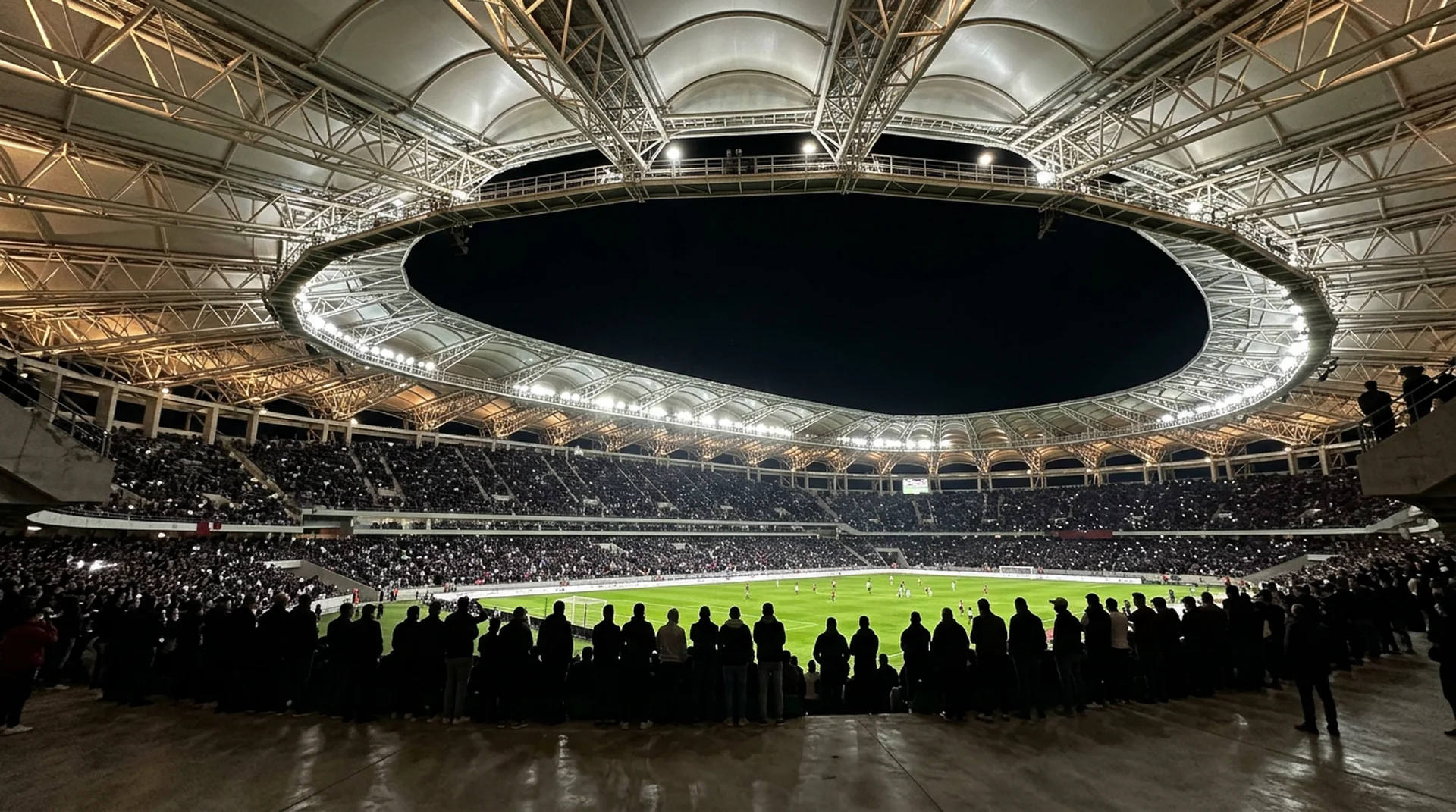
Workers on the scaffold platform above the bowl during the ongoing rebuild
Engineering & Fan Experience
Building the World's Largest Football Stadium, in Stages
Camp Nou's renovation is happening in phases while the stadium stays partially open: FC Barcelona left the ground in 2023, played two seasons at the Estadi Olímpic Lluís Companys, and returned to a partially rebuilt Camp Nou on 22 November 2025 after 906 days away.
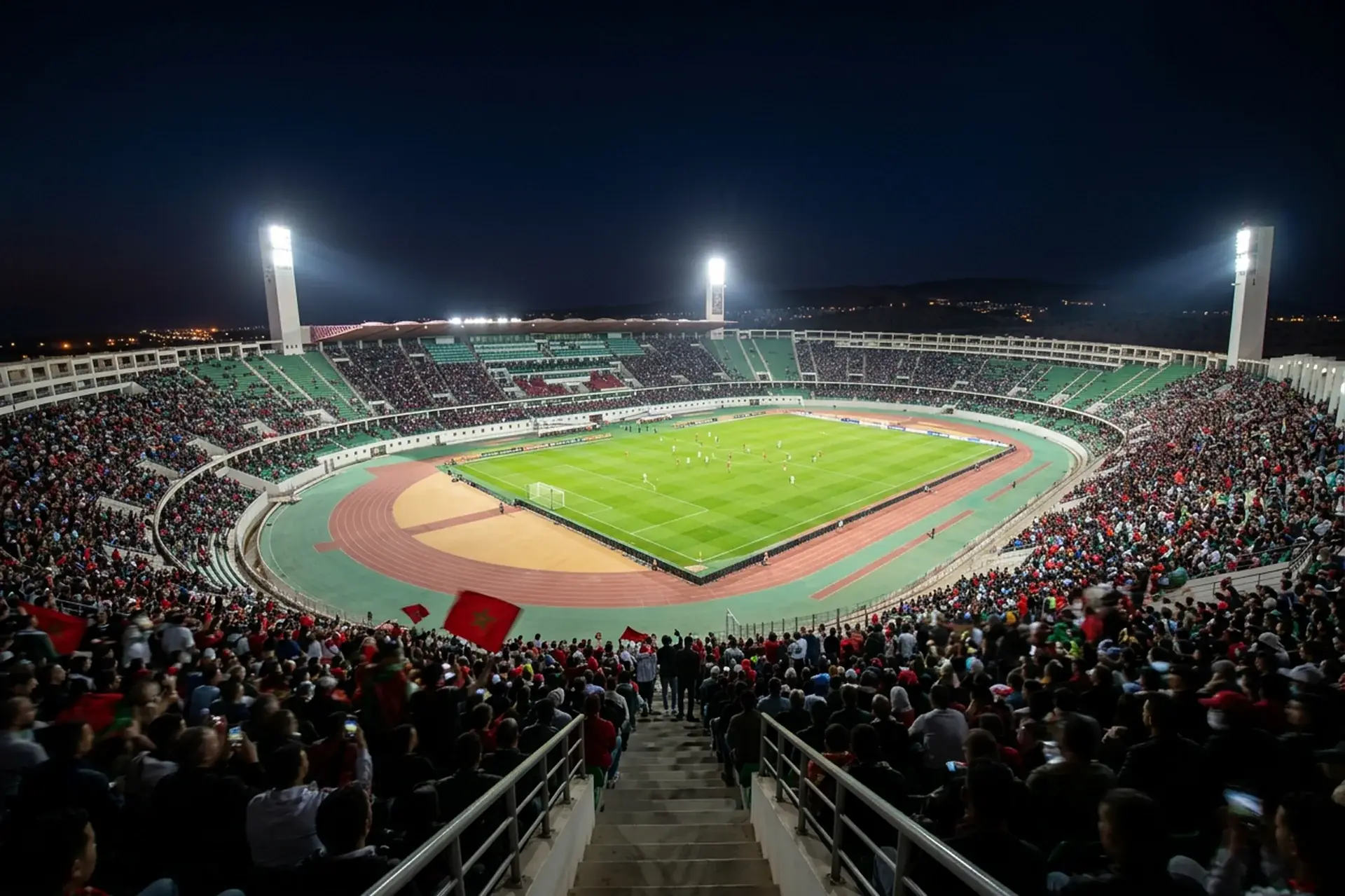
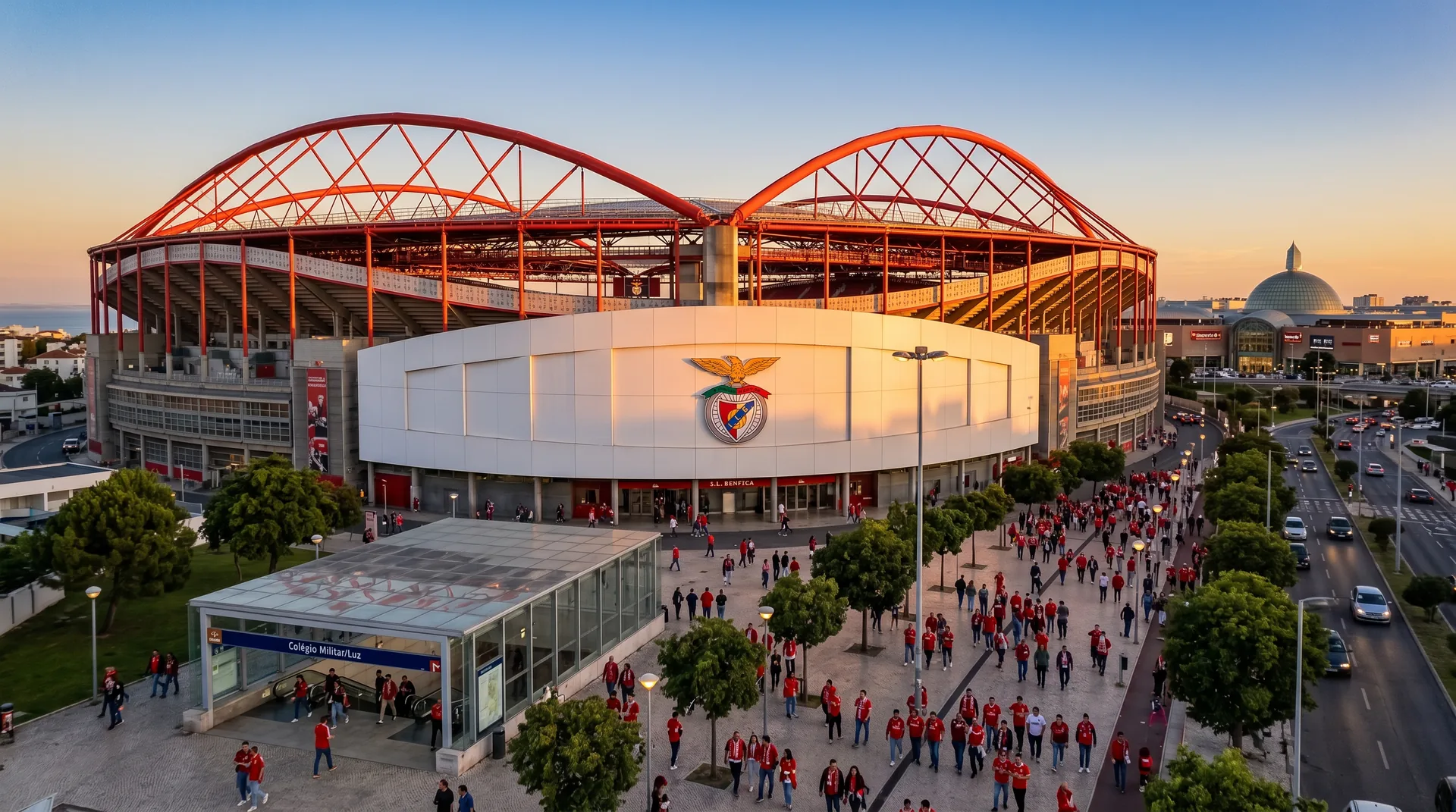
It's a markedly different strategy from Lisbon's Estádio da Luz, which was built new in a single continuous project rather than reopened gradually around live matchdays, or Morocco's ground-up new builds like Hassan II Stadium.
"We are incredibly proud. It will be the best stadium in Europe."
- Joan Laporta, FC Barcelona president, February 2026
🎫
Capacity Journey
45,000 → 105,000 From November 2025 reopening to full completion
📅
Current Stage
62,652 Seats Phase 1C licence, approved March 2026
☔
Roof
45,000 m² Full coverage with integrated photovoltaic panels
📆
Full Completion
April 2027 Third Lateral Stand due September 2026, lifting capacity to ~70,000
The project has faced real construction and financial headwinds: over 200 safety issues were flagged during recent inspections, the reopening was pushed back multiple times, and reports through mid-2026 suggest the club may need additional financing beyond the original budget as costs continue to rise. On the pitch, the atmosphere has kept pace with the rebuild: the Grada d'Animació singing section has returned to the ground, and on 10 May 2026 a sold-out 62,652 crowd, the largest at the venue since the renovation began, watched Barcelona beat Real Madrid to confirm back-to-back La Liga titles in front of their own fans.
What We Don't Know Yet
The exact final completion date and confirmed total project cost remain moving targets given repeated delays and reported financing gaps. We'll update this page as FC Barcelona and Barcelona City Council confirm further milestones.
Matchday Atmosphere
Més Que Un Club, Even Mid-Rebuild
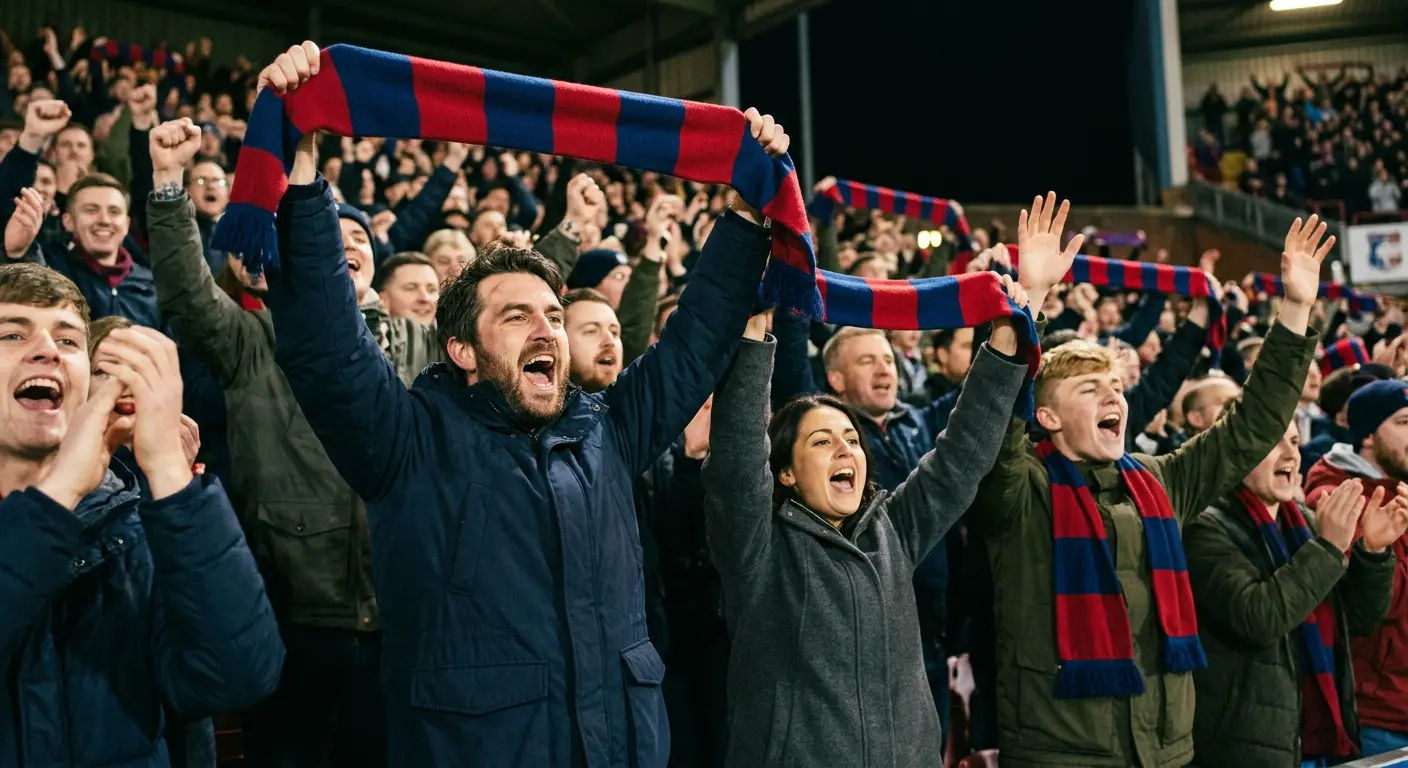
FC Barcelona's motto, "Més que un club" ("more than a club"), reflects a matchday culture built as much around Catalan identity as football, still central to the Camp Nou experience even with cranes visible over parts of the bowl.
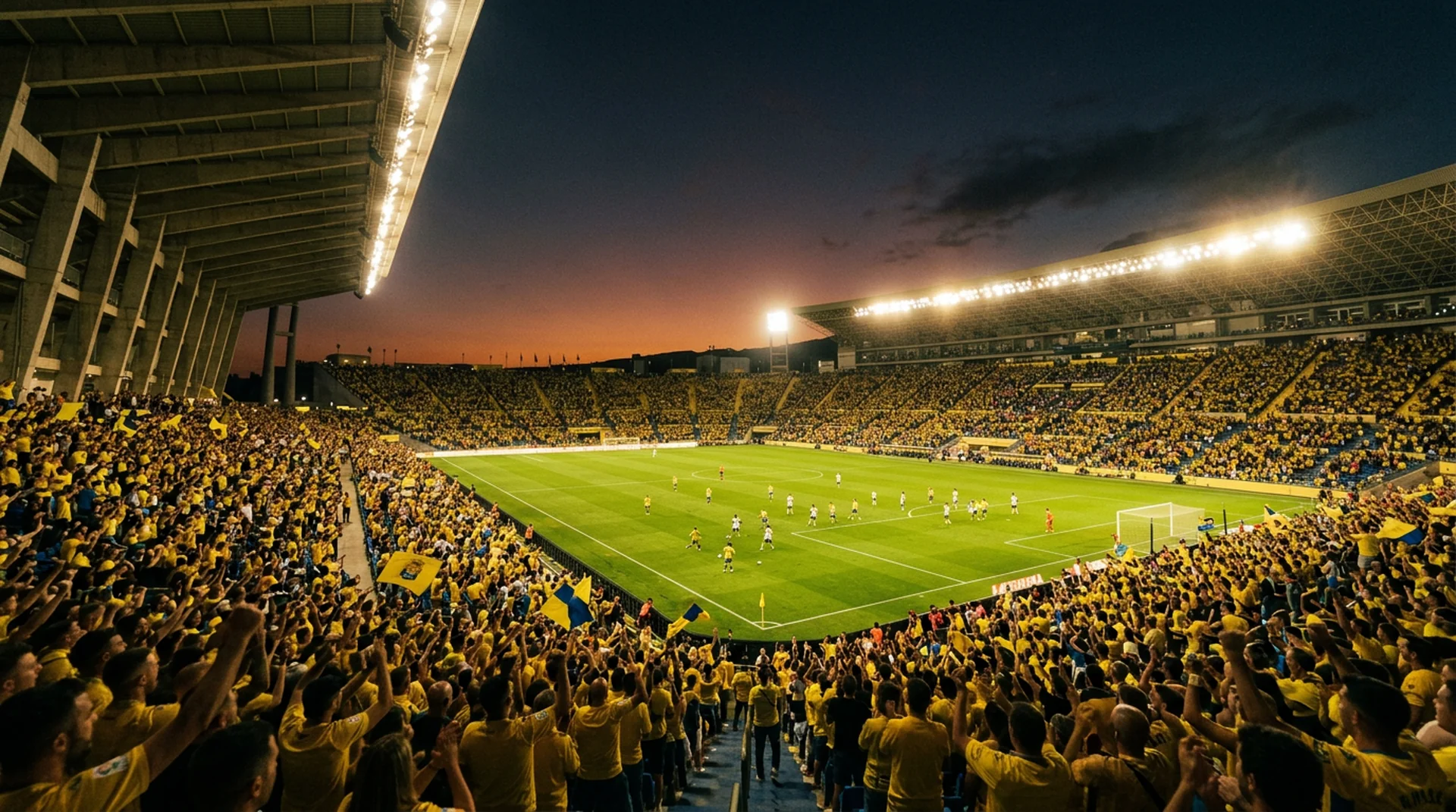
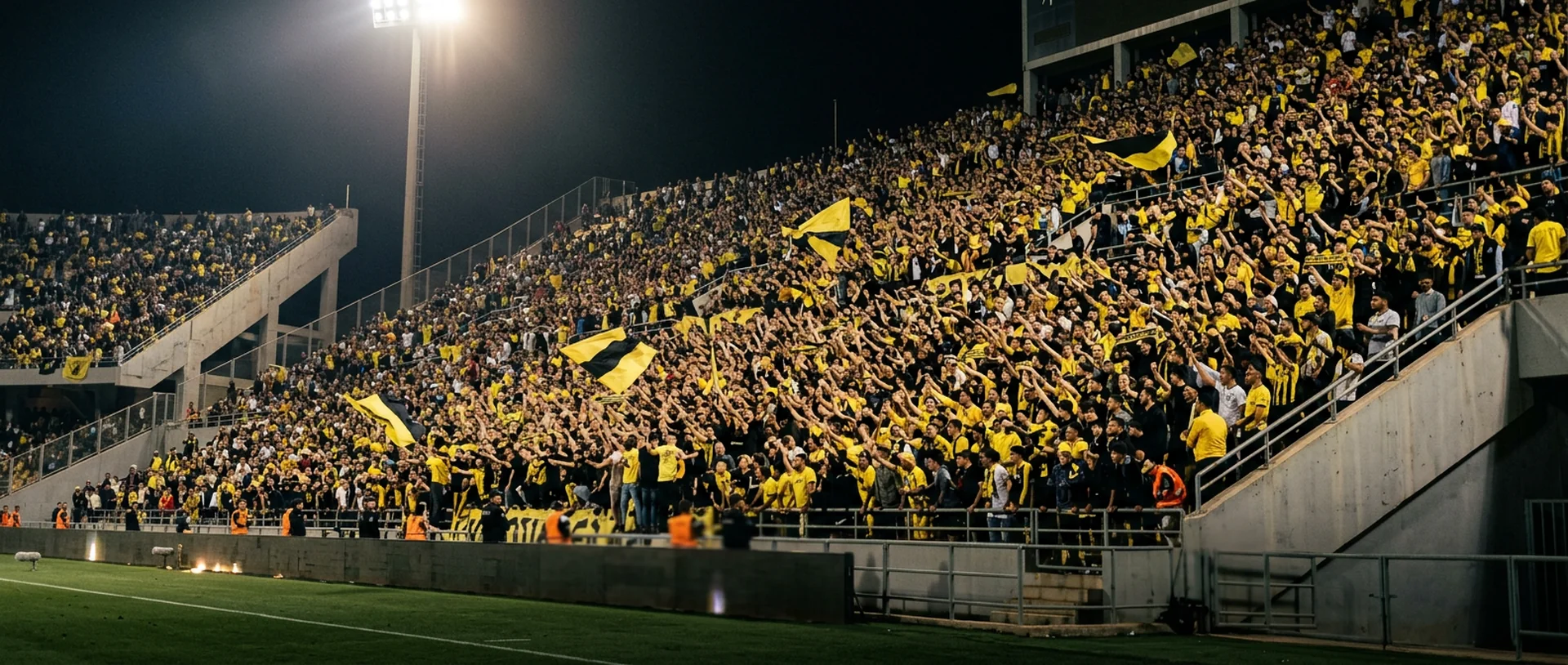
The club's giant stadium flag and the roar that greets the team walking out under a still-partial roof are as central to the Camp Nou experience today as they were before the rebuild began. Since the club severed formal ties with its previous organised ultras group over years of documented violence and extremism, official matchday atmosphere has centred on the Grada d'Animació, a club-recognised collective bringing together supporter groups including Almogàvers, Front 532, Nostra Ensenya and Supporters Barça. In March 2026 the section relocated from Gol Nord to a new first-tier stand in Gol Sud named Gol 1957, after the year Camp Nou first opened, holding between 800 and 1,000 fans. They lead chants and choreography, though tensions periodically flare with the club over fines for flares and offensive chanting and over how much space the section is allotted as capacity expands in stages.
El Clásico against Real Madrid remains the single loudest occasion at the ground; the 10 May 2026 title-clinching win drew the biggest and loudest crowd the rebuilt stadium had seen to that point. Derby days against Espanyol and European nights against clubs like Bayern Munich or Inter Milan carry their own distinct charge, still audible even with the reduced current capacity.
Camp Nou, Catalan for "New Ground," opened on 24 September 1957 as FC Barcelona's seventh home, and remains a leading candidate to host the 2030 World Cup final.
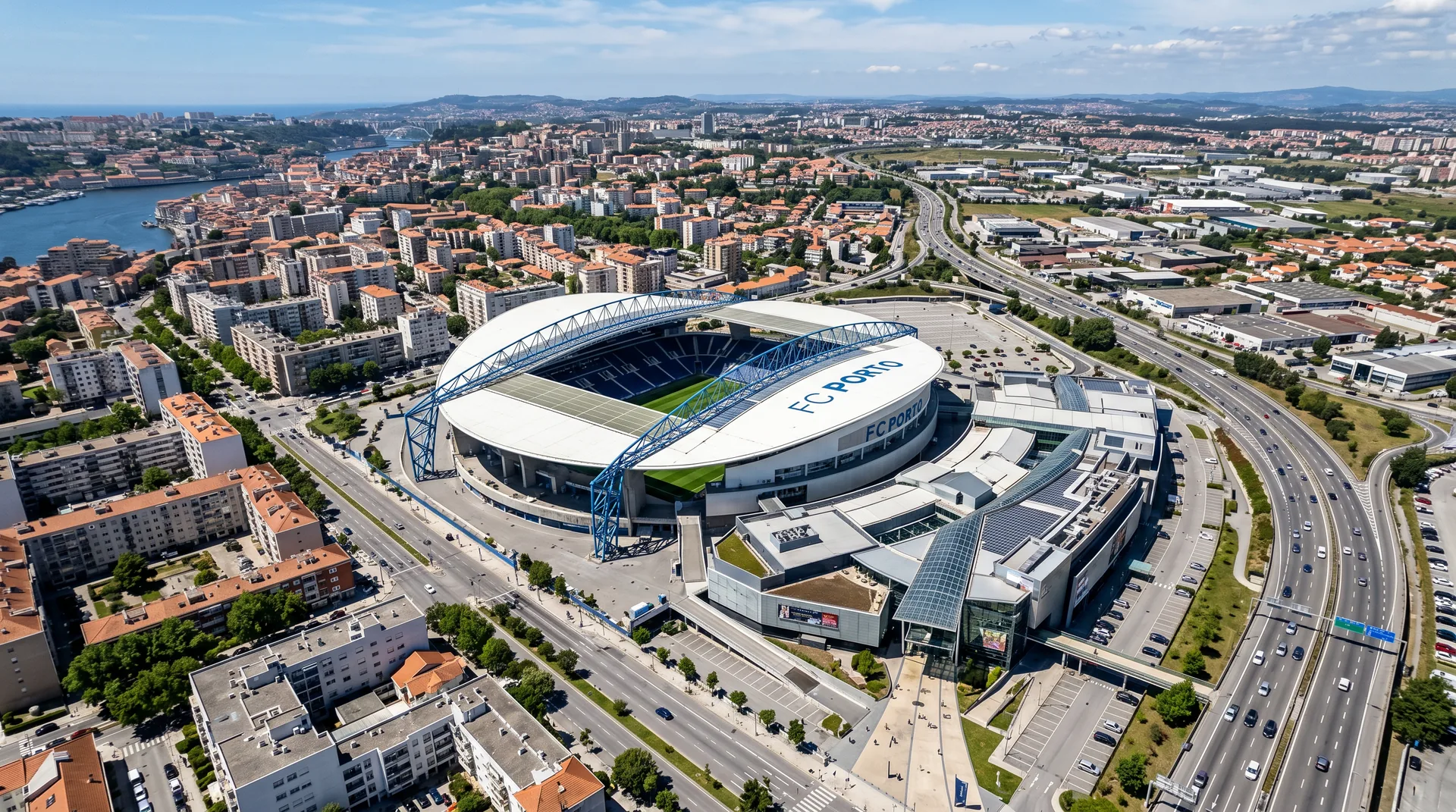
Camp Nou replaced Les Corts stadium, which could no longer accommodate the crowds drawn by the arrival of Hungarian forward László Kubala in 1950. The stadium has been expanded twice before: between 1980 and 1982, ahead of that year's World Cup in Spain, the third tier was extended around the whole ground, and in 1993-94 the lower tier was rebuilt, the pitch lowered, and remaining standing areas removed. Camp Nou is a leading candidate to host the 2030 World Cup final, alongside Santiago Bernabéu in Madrid, Hassan II Stadium in Casablanca, and Portugal's own contenders, Estádio da Luz and Estádio do Dragão.
1957
Opens as FC Barcelona's seventh stadium, replacing the outgrown Les Corts.
1980-82
First major expansion, extending the third tier around the whole stadium ahead of the 1982 World Cup.
1982
Hosts five 1982 World Cup matches, including the opening ceremony and match.
2016
Design competition won by Nikken Sekkei and Joan Pascual - Ramon Ausió Arquitectes for the current transformation.
Jun 2023
Renovation begins, with FC Barcelona relocating to the Estadi Olímpic Lluís Companys.
22 Nov 2025
Returns home after 906 days away, beating Athletic Bilbao 4-0 at partial capacity.
10 May 2026
Clinches back-to-back La Liga titles beating Real Madrid in front of the largest crowd at the rebuilt stadium so far.
The stadium is the home of Barcelona's FC Barcelona and, even mid-renovation, remains one of the most visited non-religious sites in Spain, drawing an estimated 1.5-2 million visitors a year through its museum and tours. Camp Nou also entered the race to host the 2029 UEFA Champions League final, competing against Wembley Stadium for UEFA's selection.
World Cup 2030 Role
The Scale No One Else Can Match
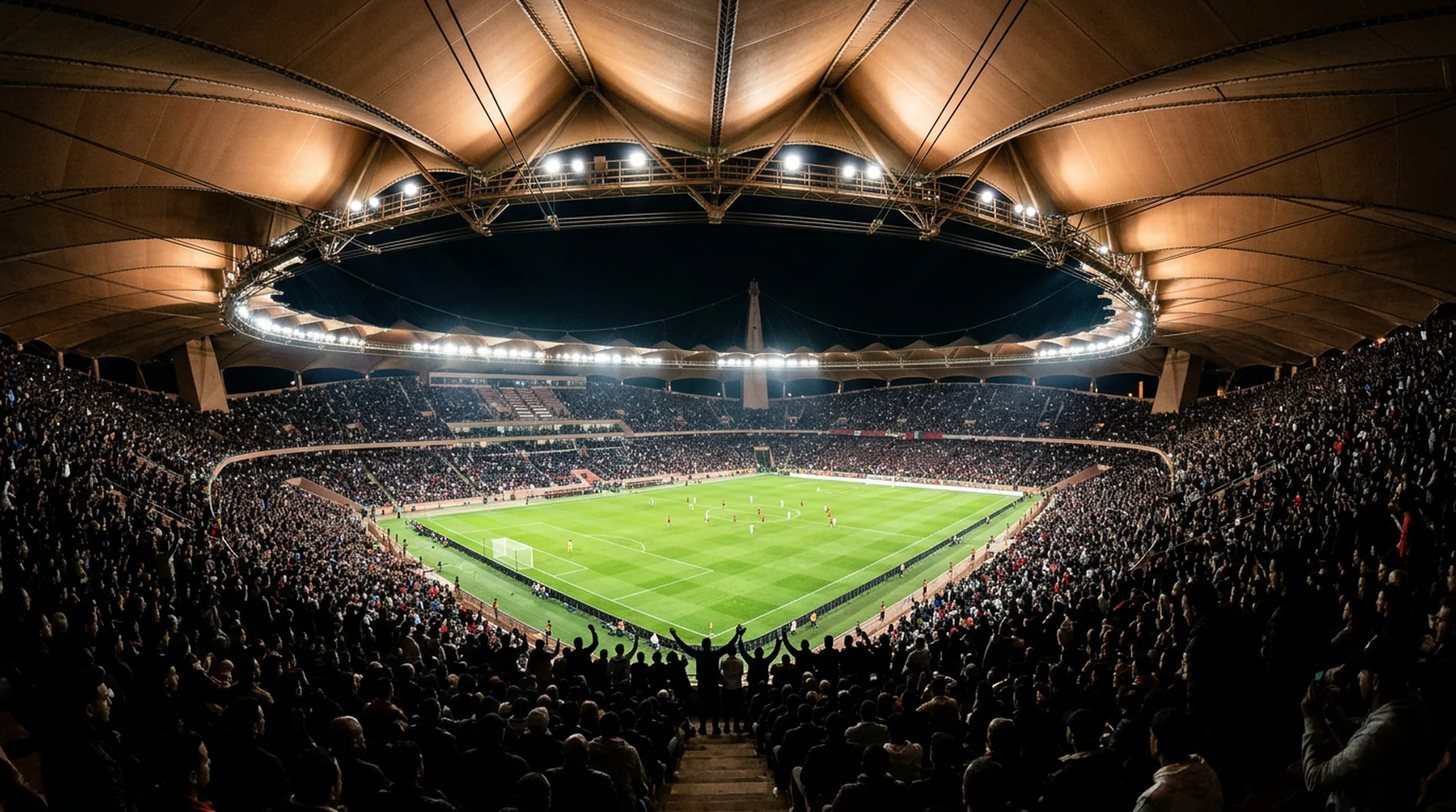
At a targeted 105,000 seats, Camp Nou will be Europe's largest stadium, comfortably the biggest venue at the 2030 World Cup among Spain, Portugal and Morocco's combined 18 stadiums.
Rivalled in size only by Morocco's still-under-construction Hassan II Stadium (115,000), that scale alone makes Camp Nou a genuine Final contender, alongside Santiago Bernabéu, though as with Madrid's bid, nothing is officially confirmed and FIFA has said a decision on the Final's venue won't come until closer to the tournament.
The stadium's construction timeline, now targeting full completion around April 2027 with the Third Lateral Stand due to open in September 2026, gives Barcelona a comfortable buffer before 2030, assuming no further major delays, something the project's history to date suggests is worth watching closely.
"Barcelona has always had a great ambition to host major sporting events."
- Jaume Collboni, Mayor of Barcelona, February 2026
Getting There
Well Served by Metro
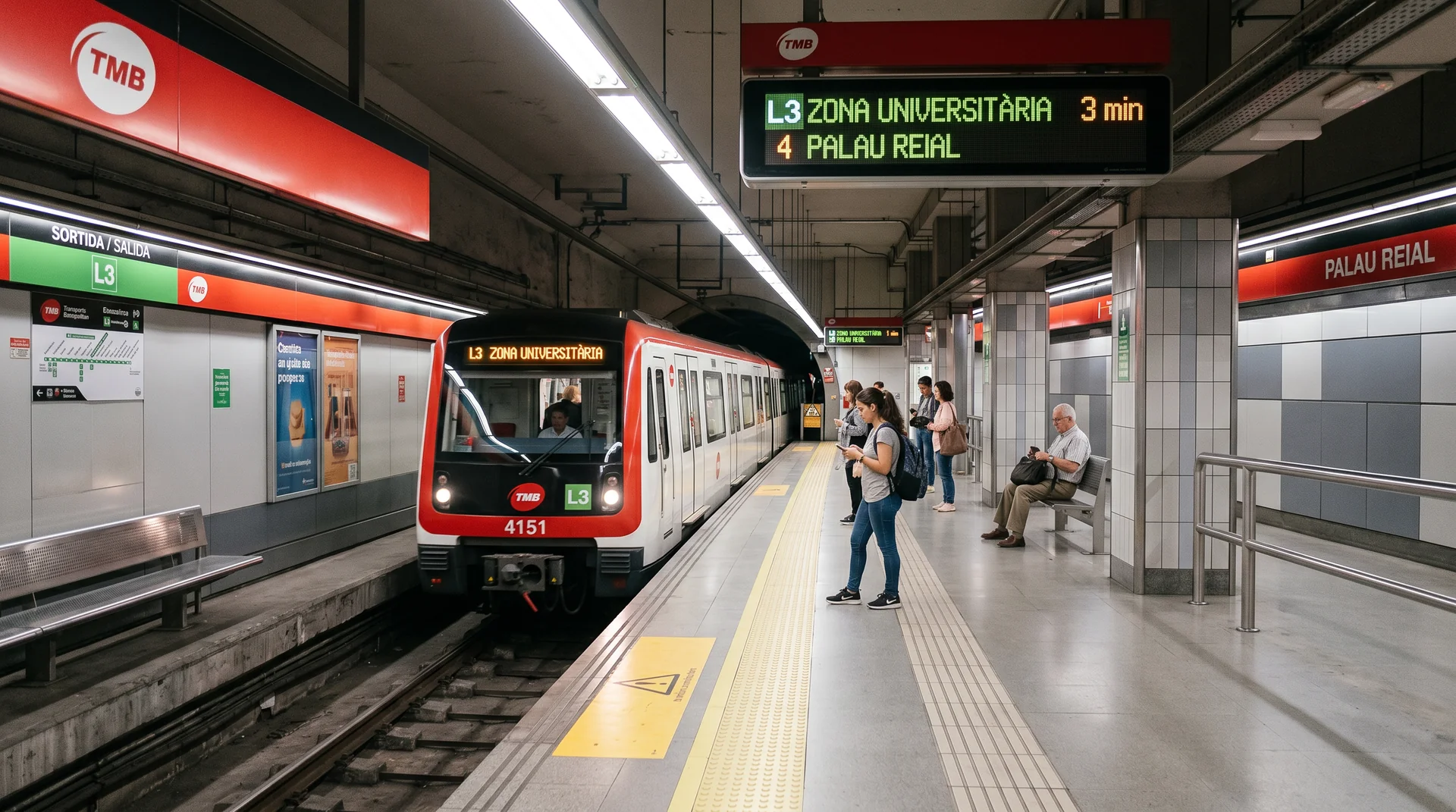
Camp Nou sits in the Les Corts district of Barcelona, served by Metro Lines 3 and 5 at the adjacent Collblanc and Les Corts stations, a short ride from the city centre.
Japanese firm Nikken Sekkei, together with Joan Pascual - Ramon Ausió Arquitectes, won the 2016 design competition. The final project was developed further with Barcelona Studio, IDOM and b720, with Turkish contractor Limak Holding leading construction.
What changes in the new Camp Nou?
The lower two tiers of original seating are preserved, while a completely new third tier is being built at a uniform height around the whole perimeter, plus a full roof, the stadium's first, fitted with photovoltaic panels.
How much does the renovation cost?
The wider Espai Barça project was originally budgeted at approximately €1.45-1.5 billion, financed through a syndicate of 20 investors. Reports through mid-2026 suggest the club may need additional financing as costs continue rising.
What does "Camp Nou" mean?
"New Ground" in Catalan, reflecting its role replacing FC Barcelona's previous stadium, Les Corts, when it opened in 1957.
What is Camp Nou's target capacity?
Approximately 105,000 seats once fully complete, up from 99,354 before the renovation began, making it Europe's largest football stadium.
What is Camp Nou's current capacity?
62,652 seats as of March 2026, following the Phase 1C occupancy licence, up from an initial 45,000 when FC Barcelona returned to the stadium in November 2025. The Third Lateral Stand is due to open around September 2026, lifting capacity to roughly 70,000.
When will Camp Nou reach full capacity?
Full completion at 105,000 seats is currently targeted for around April 2027, having slipped from an original mid-2026 estimate due to construction and administrative setbacks.
Why was the renovation delayed?
More than 200 safety issues were flagged during inspections, and the club faced repeated administrative and licensing delays with Barcelona City Council, pushing the return date back more than a year from original plans.
When did Camp Nou open?
24 September 1957, as FC Barcelona's seventh stadium, replacing Les Corts, which could no longer handle the crowds drawn by star player László Kubala.
Has Camp Nou hosted a World Cup before?
Yes, five matches at the 1982 FIFA World Cup in Spain, including the tournament's opening match, following the stadium's first major expansion between 1980 and 1982.
When did FC Barcelona return to Camp Nou?
22 November 2025, beating Athletic Bilbao 4-0, after 906 days playing at the Estadi Olímpic Lluís Companys while construction took place.
Is Camp Nou bidding to host other major finals?
Yes, Spotify Camp Nou has entered the race to host the 2029 UEFA Champions League final, competing against Wembley Stadium for UEFA's selection.
How do I get to Camp Nou?
Metro Lines 3 and 5 serve the adjacent Collblanc and Les Corts stations, roughly 20-25 minutes from central Barcelona.
What's the nearest airport to Camp Nou?
Barcelona-El Prat Airport (BCN), Spain's second-busiest hub, roughly 30-40 minutes from the stadium by taxi or train plus Metro.
Where should I stay for a match at Camp Nou?
Central Barcelona connects easily via Metro Lines 3 and 5. See our full Barcelona guide for specific neighbourhood recommendations.
Can I tour Camp Nou during the renovation?
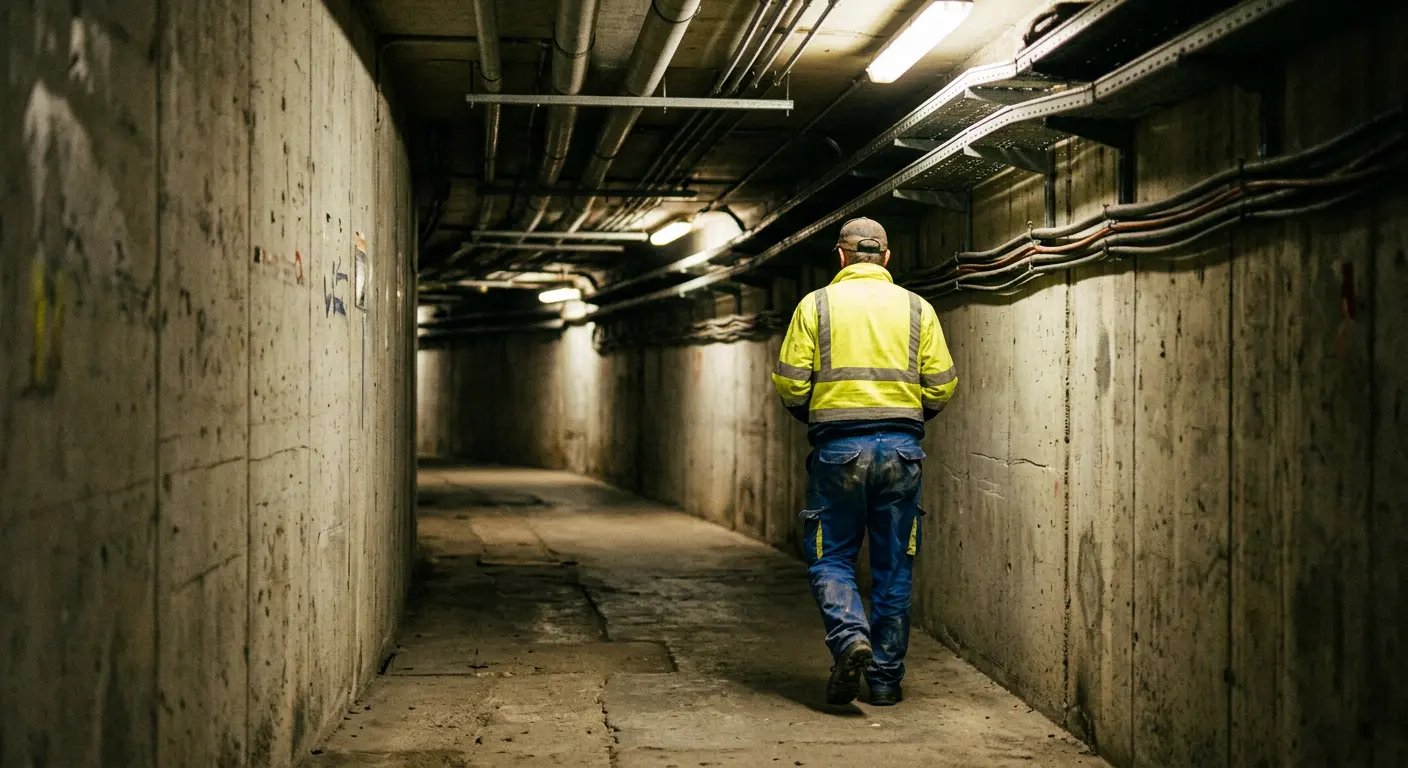
The traditional Camp Nou Experience tour (dressing rooms, tunnel, pitchside) is unavailable during construction. A Barça Immersive Tour is bookable instead, including the FC Barcelona Museum, a live audiovisual matchday experience, and construction viewpoints.
Continue Exploring
See every World Cup 2030 stadium, or the full Barcelona travel guide.