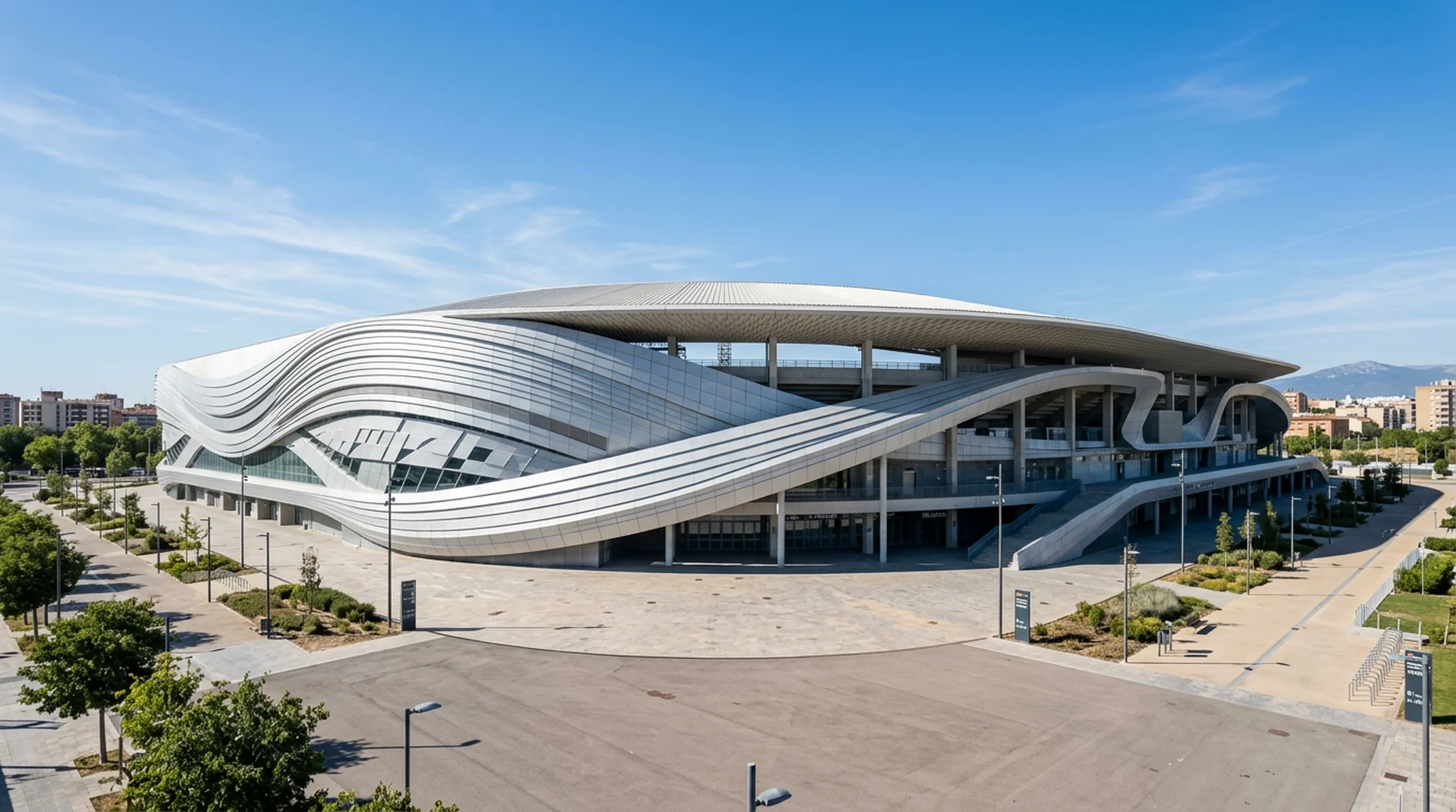
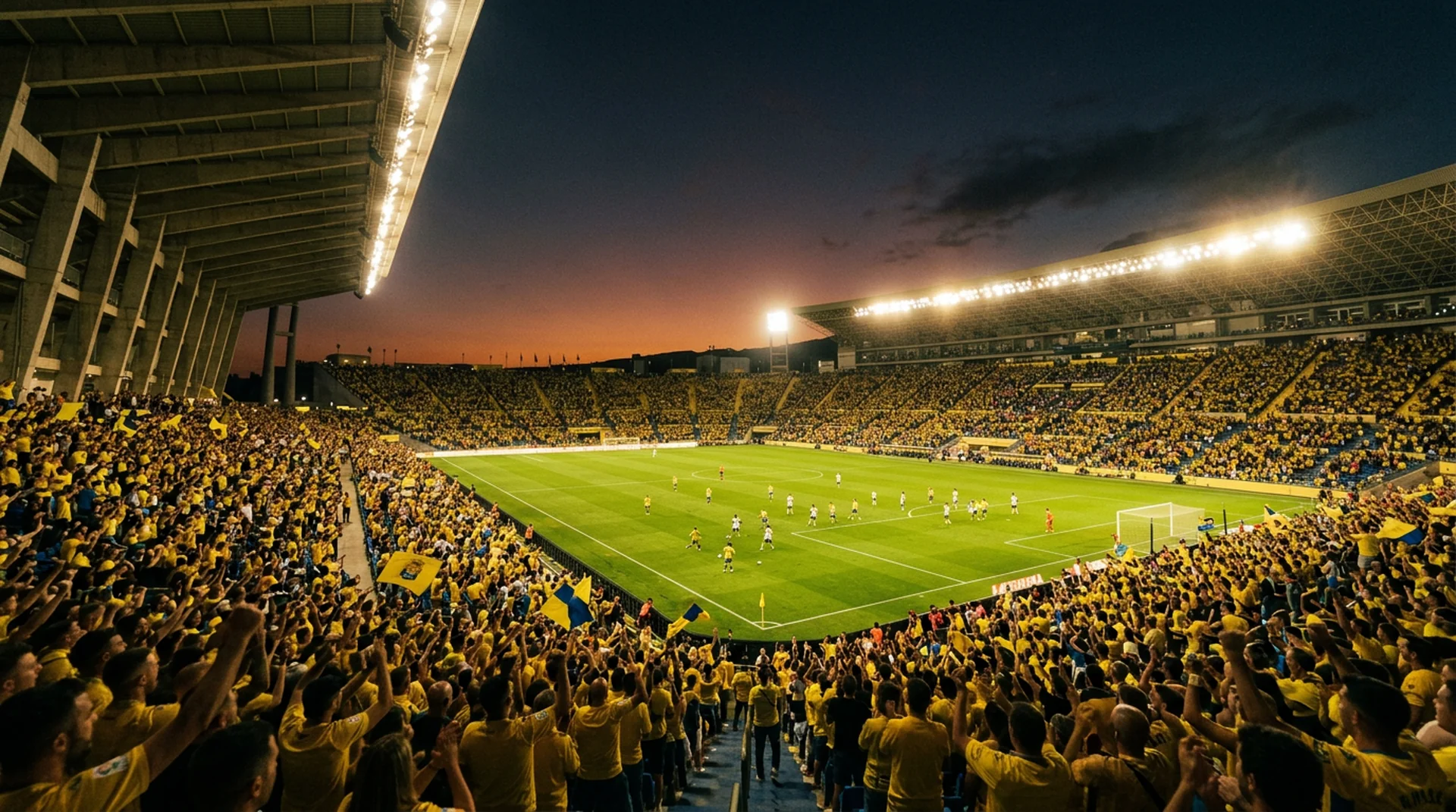
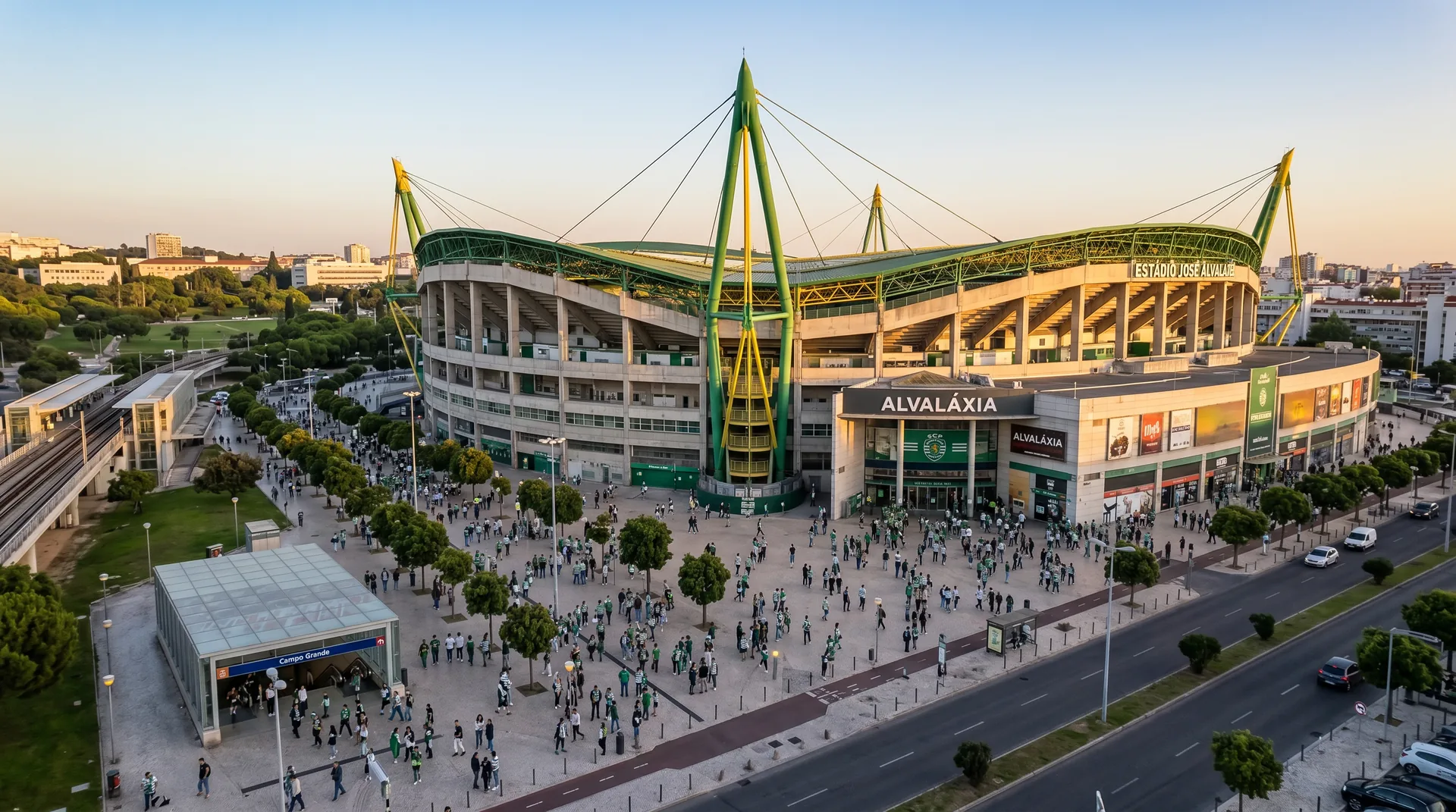
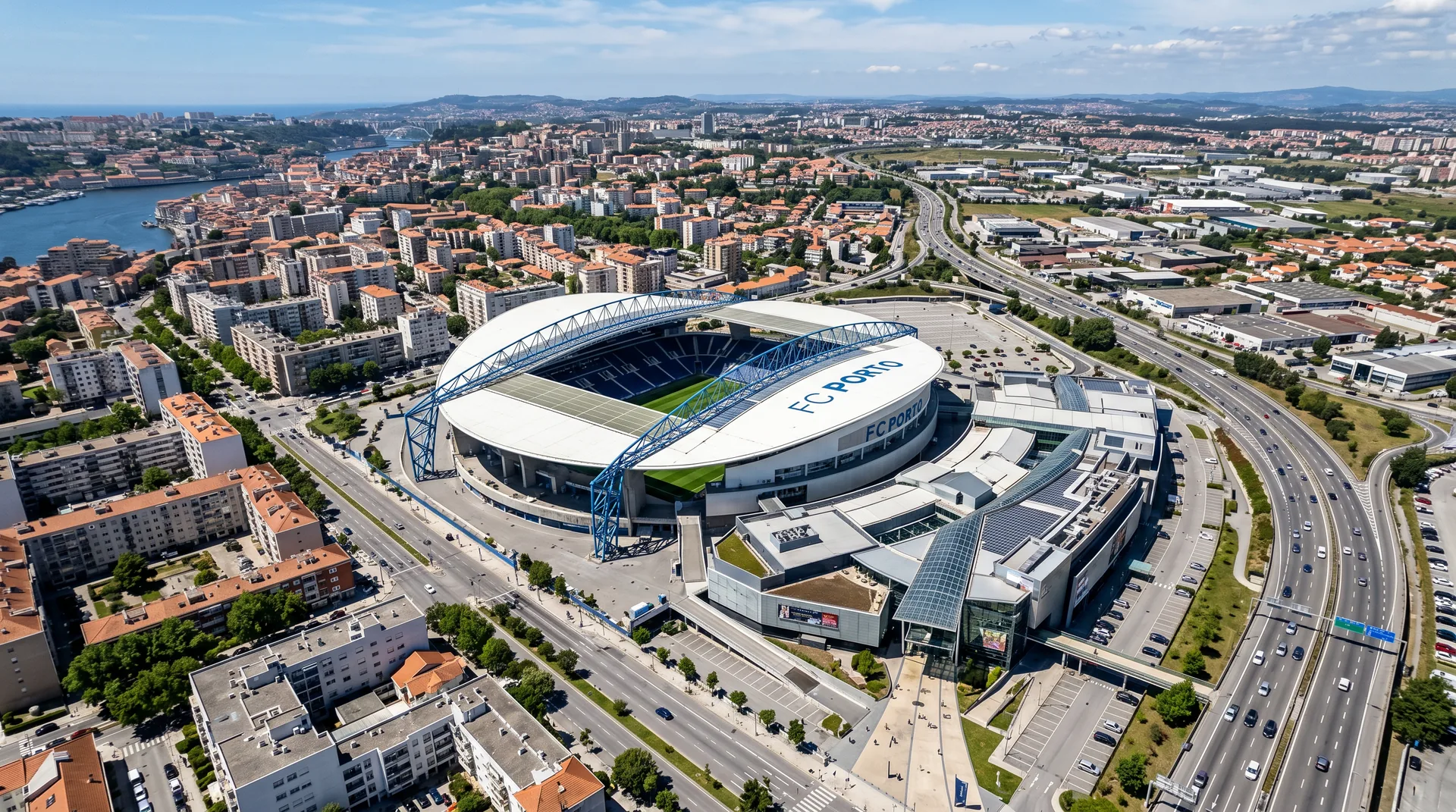
Atlético Madrid's home ground, crowned by a wave-shaped roof of 96 origami-like PTFE segments, has already hosted one Champions League final and will host another in 2027, a rare repeat that speaks to its standing among Europe's biggest stages.
Architecture & Design
The stadium's design traces back to 1988, when Cruz y Ortiz Arquitectos, led by Antonio Ortiz, first drew plans for what became the Estadio Olímpico de Madrid, built for Madrid's unsuccessful bid for the 1997 World Athletics Championships and opened in 1994. The venue closed in 2004 after Madrid's failed 2016 Olympic bid, before Atlético Madrid acquired it in 2013 and rebuilt it as their new home, reopening on 16 September 2017 as Atlético beat Málaga 1-0 in front of King Felipe VI, with Antoine Griezmann scoring the stadium's first goal.
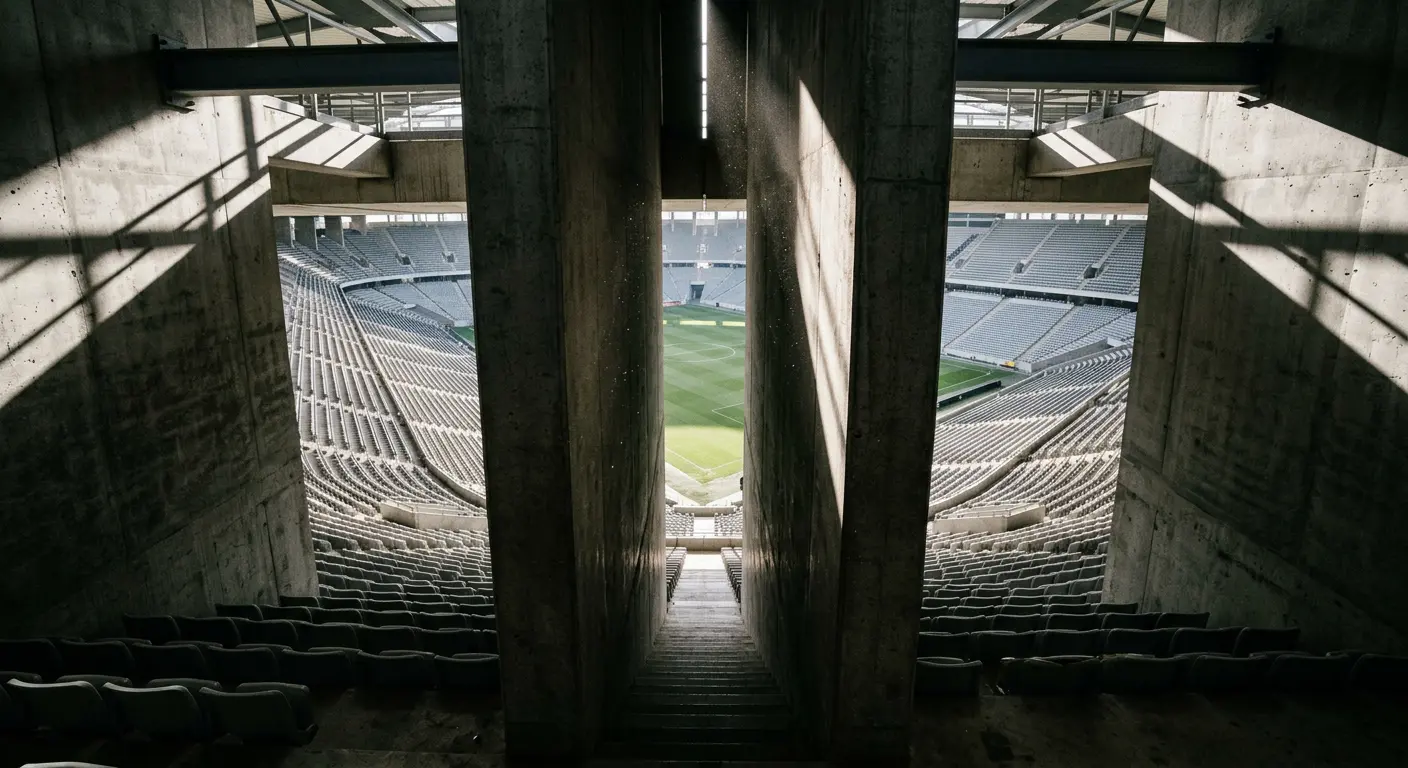
Converting a track-and-field stadium into a football-specific venue meant digging the pitch further into the ground, sinking it roughly 15 metres below street level. The result places the pitch just 6-9 metres from the first row at its closest points, dramatically better sightlines than Atlético's previous home, the Vicente Calderón, even if the distance grows significantly by the upper tiers.
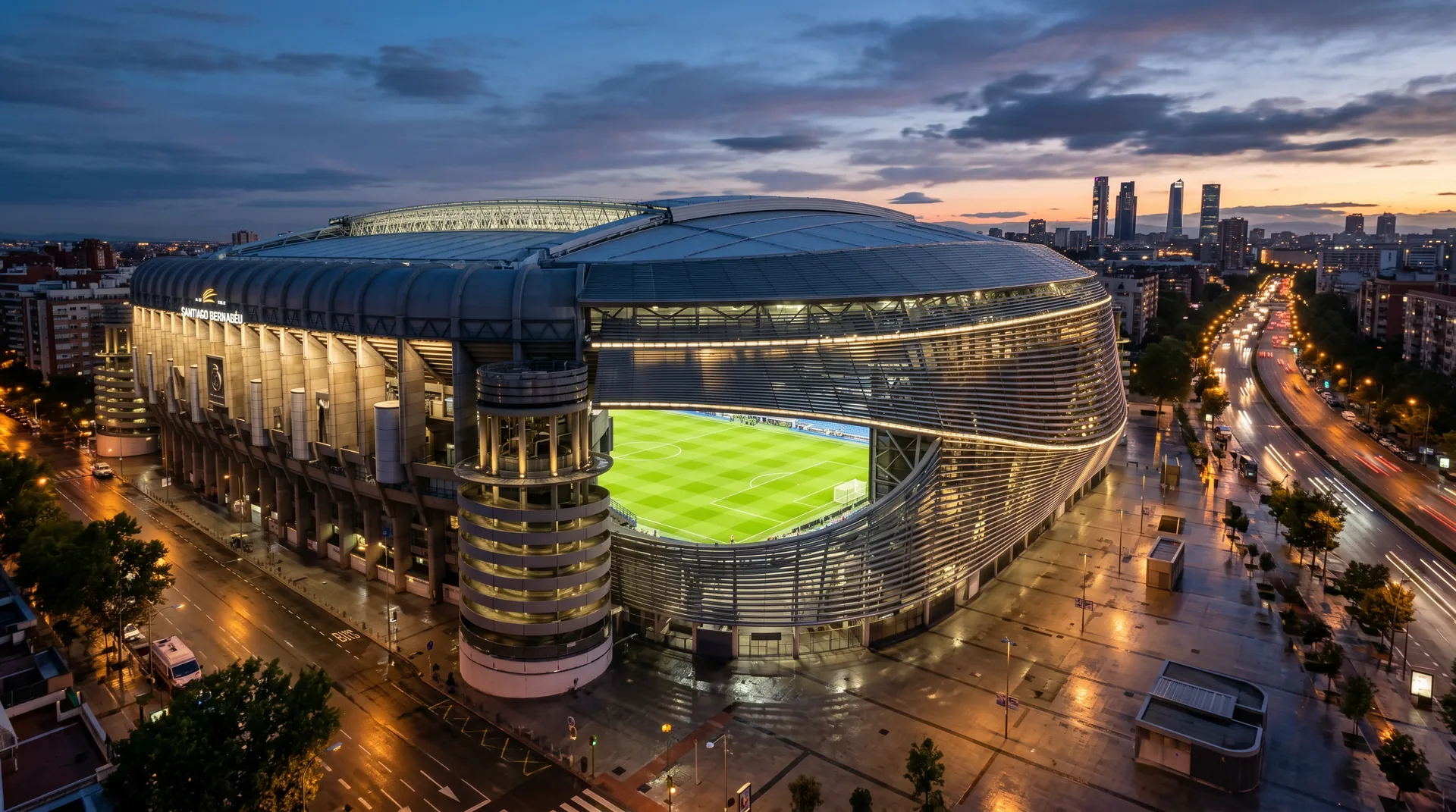
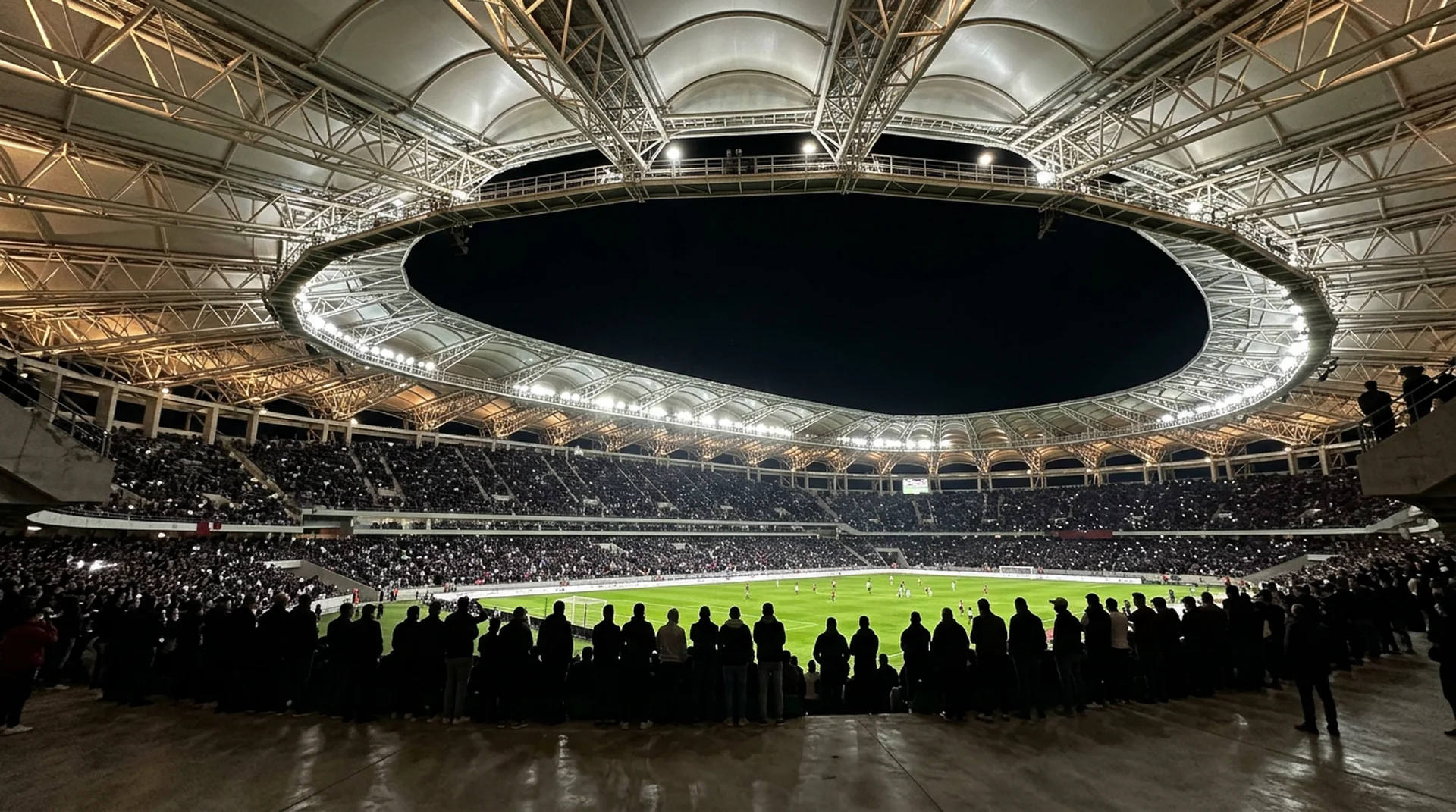
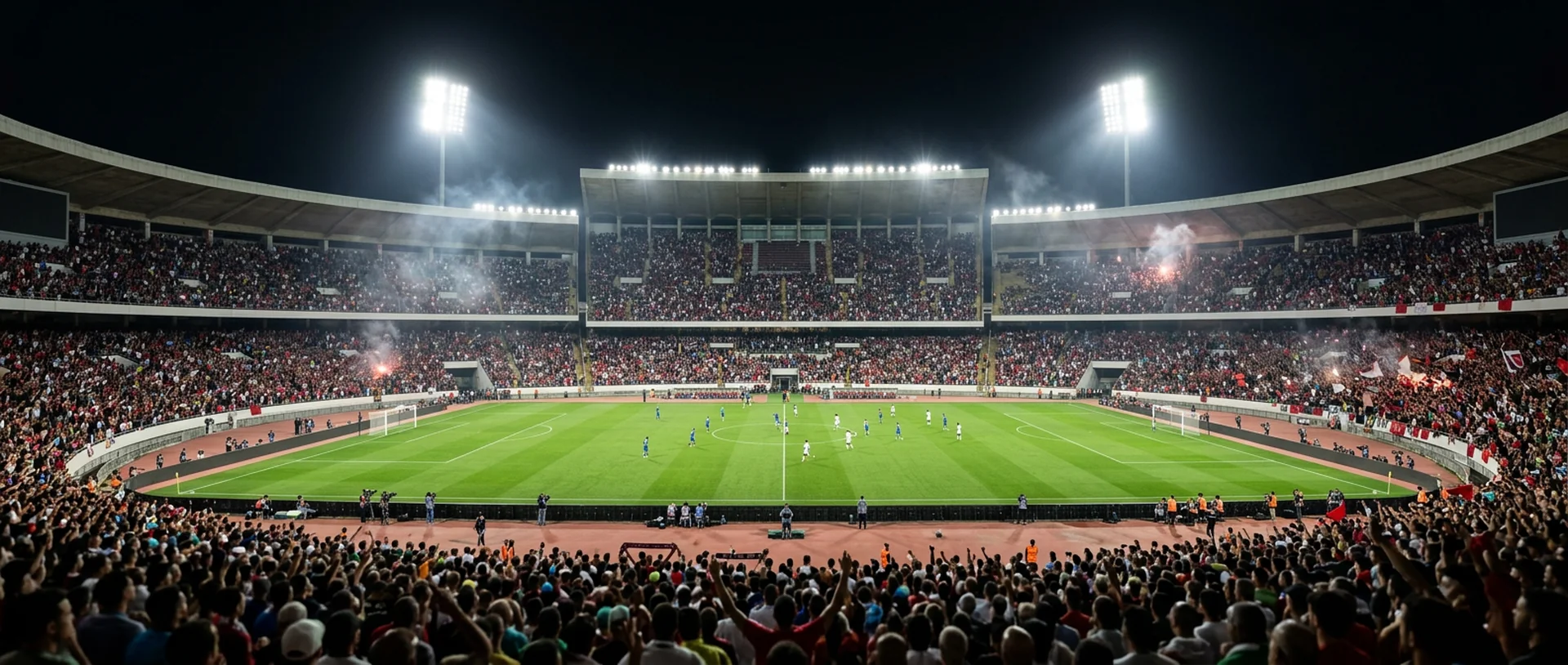
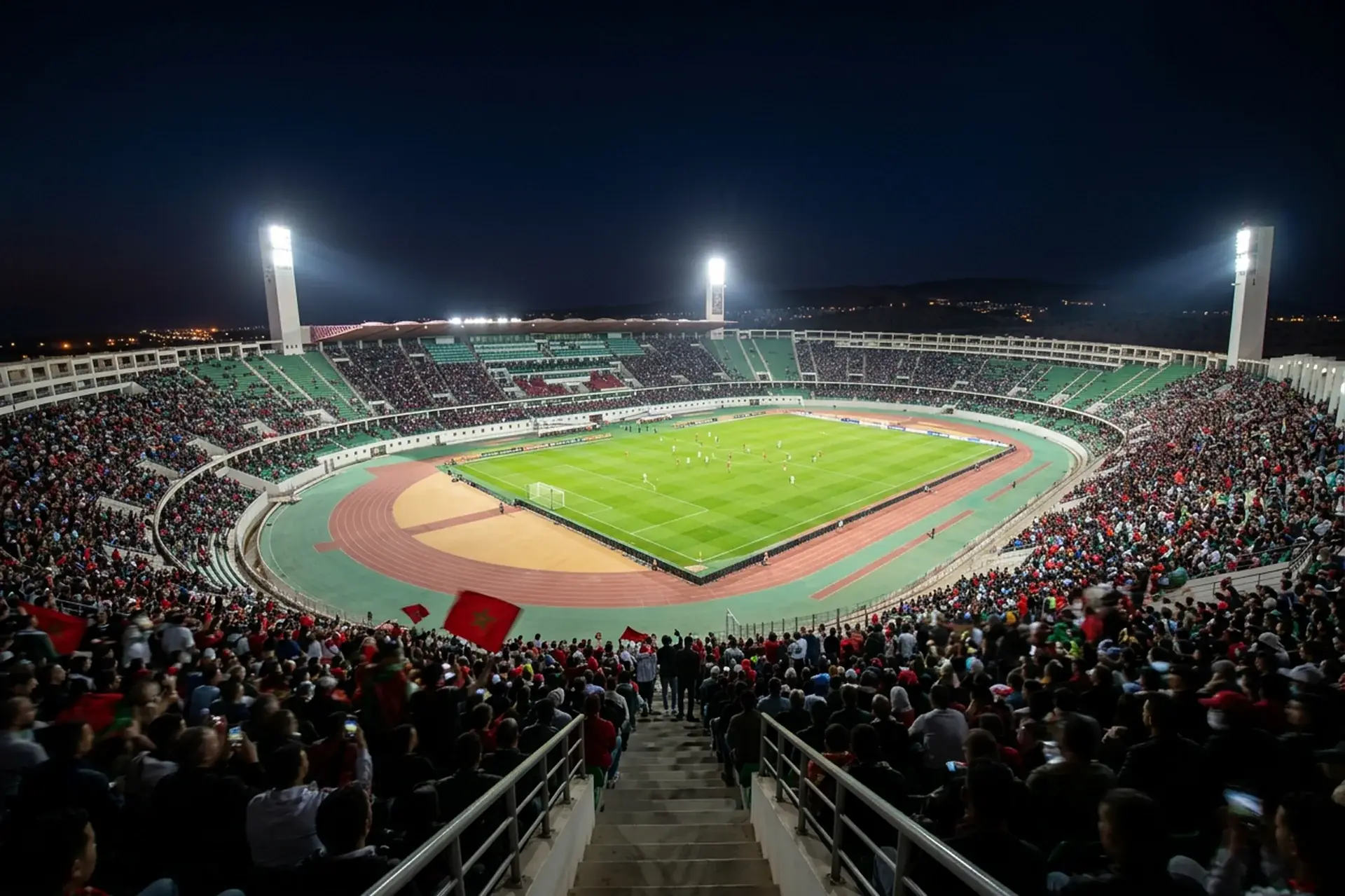
The athletics-to-football conversion puts Cívitas Metropolitano in good company among 2030 host venues: Morocco's Ibn Batouta Stadium and Adrar Stadium both removed their own athletics tracks during recent renovations to bring fans closer to the pitch, a shared design instinct across otherwise very different projects. Unlike Santiago Bernabéu, which Real Madrid renovated while continuing to play there, Atlético took the opposite route, staying at the ageing Vicente Calderón throughout construction before making a clean break to the finished venue in 2017.
Beyond the bowl itself, the conversion added more than 11,000 square metres of VIP and event space, including a 400-guest auditorium and some of Madrid's most modern convention facilities, turning what began as a purely athletic venue into a genuine year-round commercial complex.
The old Vicente Calderón didn't survive the move. Once Atlético relocated, the club sold the riverside site, the stadium was demolished, and its footprint is now home to an apartment development along the Manzanares, closing the loop on a financing plan originally tied to that very plot two decades earlier.
Sinking the pitch 15 metres also created a genuine engineering challenge around drainage and groundwater, given the site's proximity to the M-40 ring road and existing underground infrastructure. Solving it required specialist foundation work most fans never think about, buried beneath the same turf they watch from the stands every matchday.
The stadium's original financing plan, swapping land under the old Vicente Calderón and a nearby brewery site for private development funding, collapsed with the 2008 Spanish financial crisis, forcing Atlético to put forward substantial funds directly, including an initial €60.3 million just for the land itself.
Planning a trip around this stadium? See the full Madrid guide →
Search Madrid HotelsThe stadium has hosted events well beyond football, including rugby internationals, the 2018 Copa del Rey final (Barcelona 5-0 Sevilla), a women's football world attendance record (60,739 for Atlético Madrid Femenino vs Barcelona in 2019), and La Velada del Año, an annual celebrity boxing event that drew over 70,000 fans in 2023, Spain's largest boxing crowd since 1930. A concert Hall of Fame, Sala Manzanares, opened for the 2025-26 season, honouring artists from Bruce Springsteen to the Rolling Stones who have played the venue and its predecessor, the Vicente Calderón.
What We Don't Know Yet
Architect Antonio Ortiz has confirmed a third renovation phase is planned, adding a new facade and improved acoustics, but no timeline or budget has been published as of this writing. Capacity figures also vary slightly by source, from 70,460 after the September 2023 expansion to 70,692 following further Skybox and accessibility additions. We'll update this page once further details are confirmed.
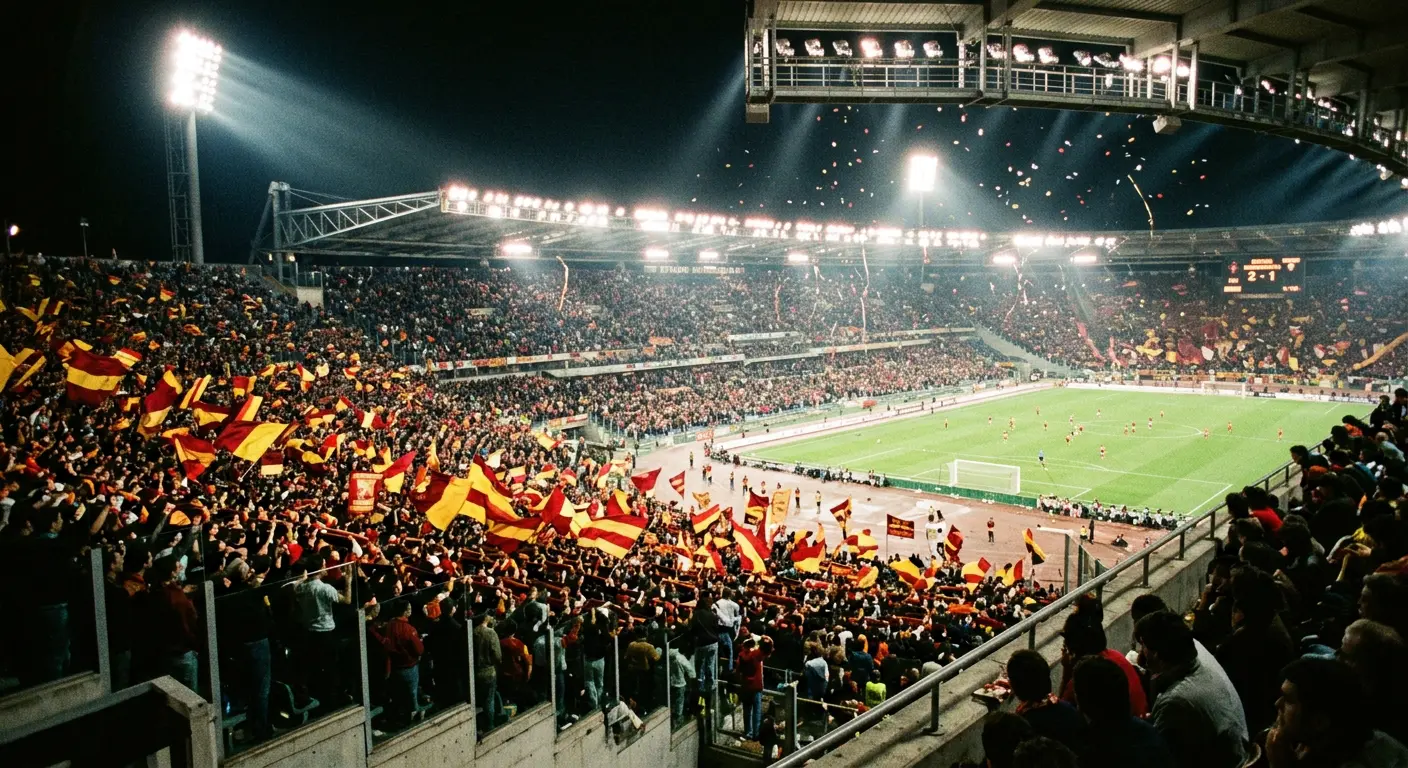
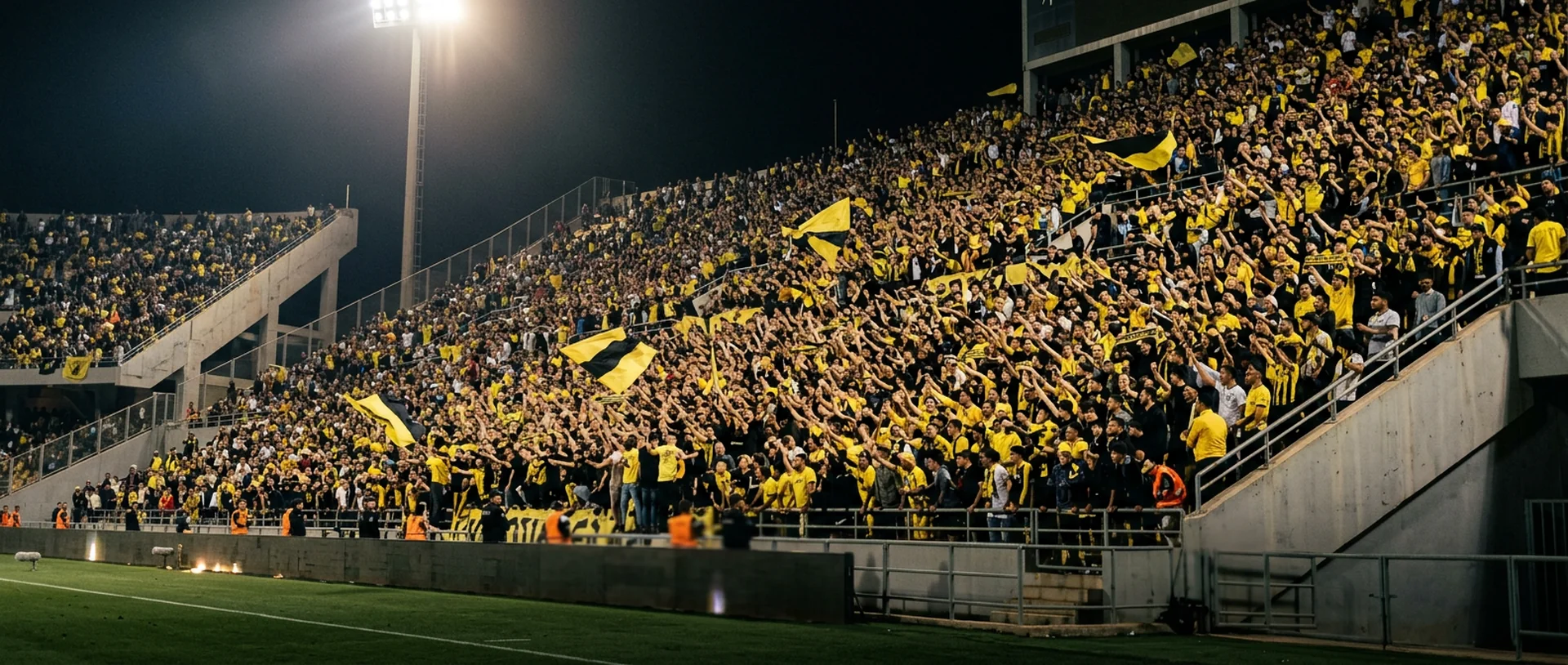
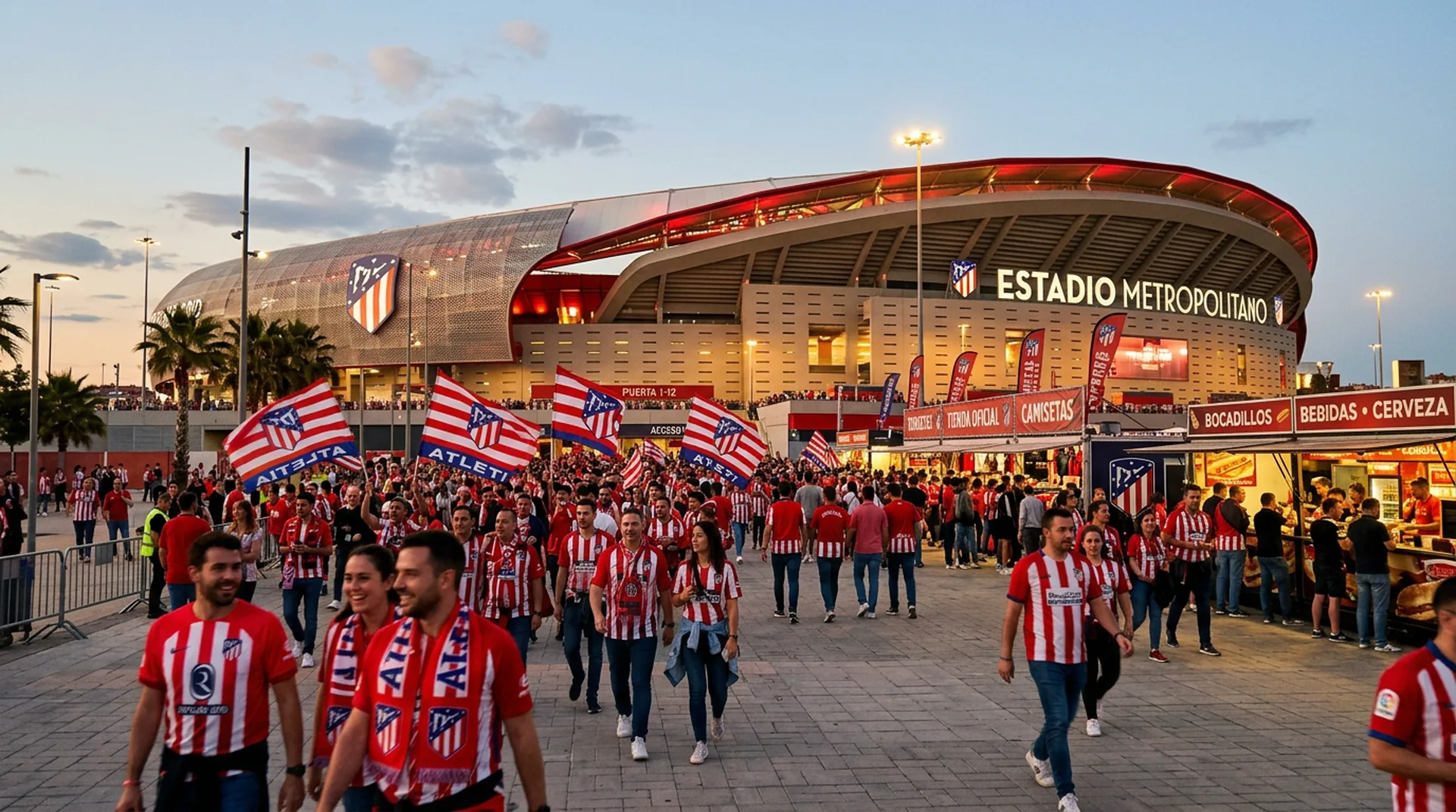
Matchdays here revolve around what's often called "Cholismo," the gritty, all-in football identity built by long-serving coach Diego Simeóne, a mentality Atlético fans have embraced as a point of pride against the bigger budgets across town at Real Madrid. The stadium's south and north ends each have dedicated fan zones, the south hosting a concert stage and concession stands, the north set aside specifically for families.
The Madrid Derby against Real Madrid remains the fixture that defines the calendar, a genuine rivalry rather than a mismatch in recent years, with both sides having claimed major trophies against the other. Beyond the derby, the stadium's acoustics, engineered specifically to project crowd noise, give even routine league fixtures a notably loud, compact atmosphere compared to many larger European grounds.
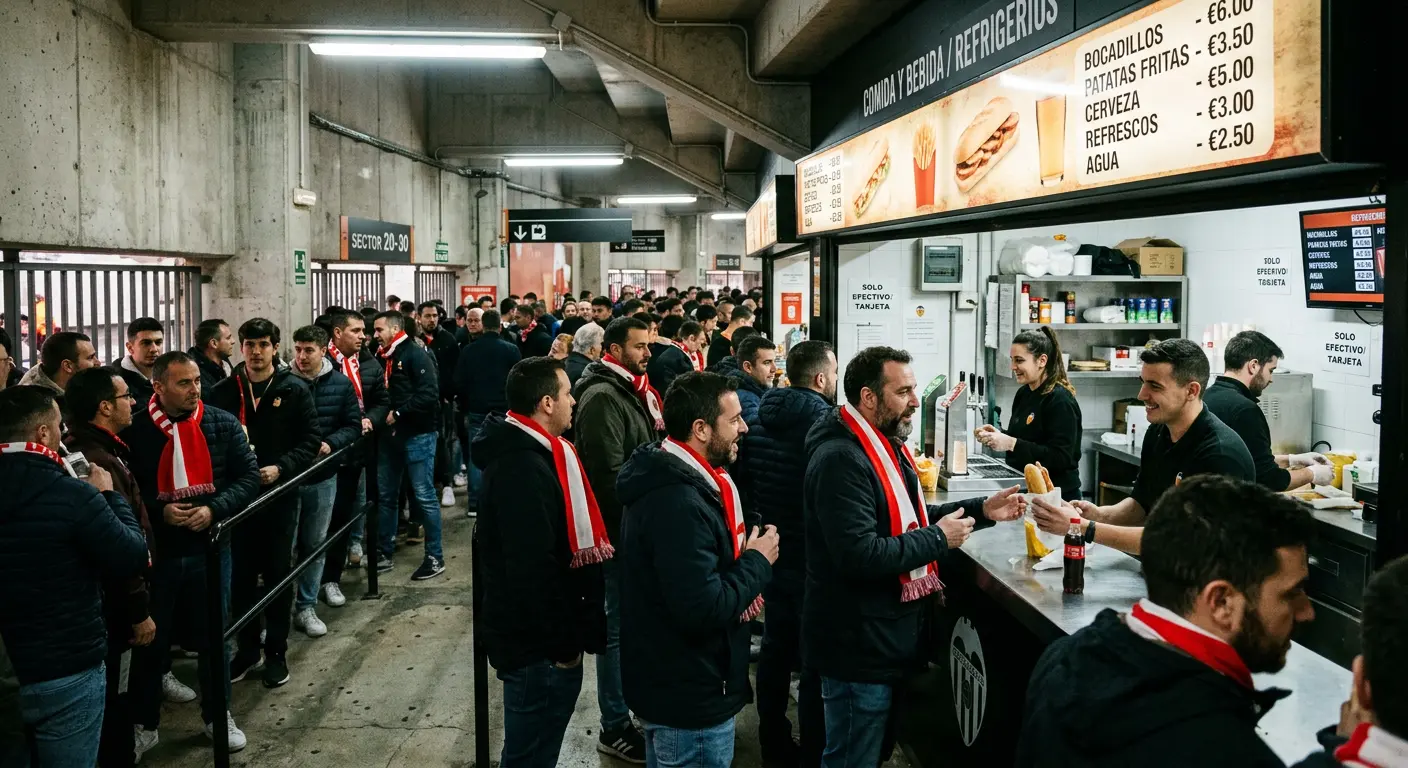
Street food outside the ground follows familiar matchday patterns, bocadillos and churros from vendors along the approach roads, alongside the stadium's own expanded concession offerings inside.
Full Madrid GuideIts names trace the venue's evolving ownership: Estadio de la Comunidad de Madrid, the popular nickname "La Peineta" (the comb, for its distinctive silhouette), Wanda Metropolitano under a Chinese sponsorship deal from 2016, Cívitas Metropolitano, and now Riyadh Air Metropolitano since a October 2024 naming-rights deal, though UEFA regulations require the neutral "Estadio Metropolitano" for European nights.
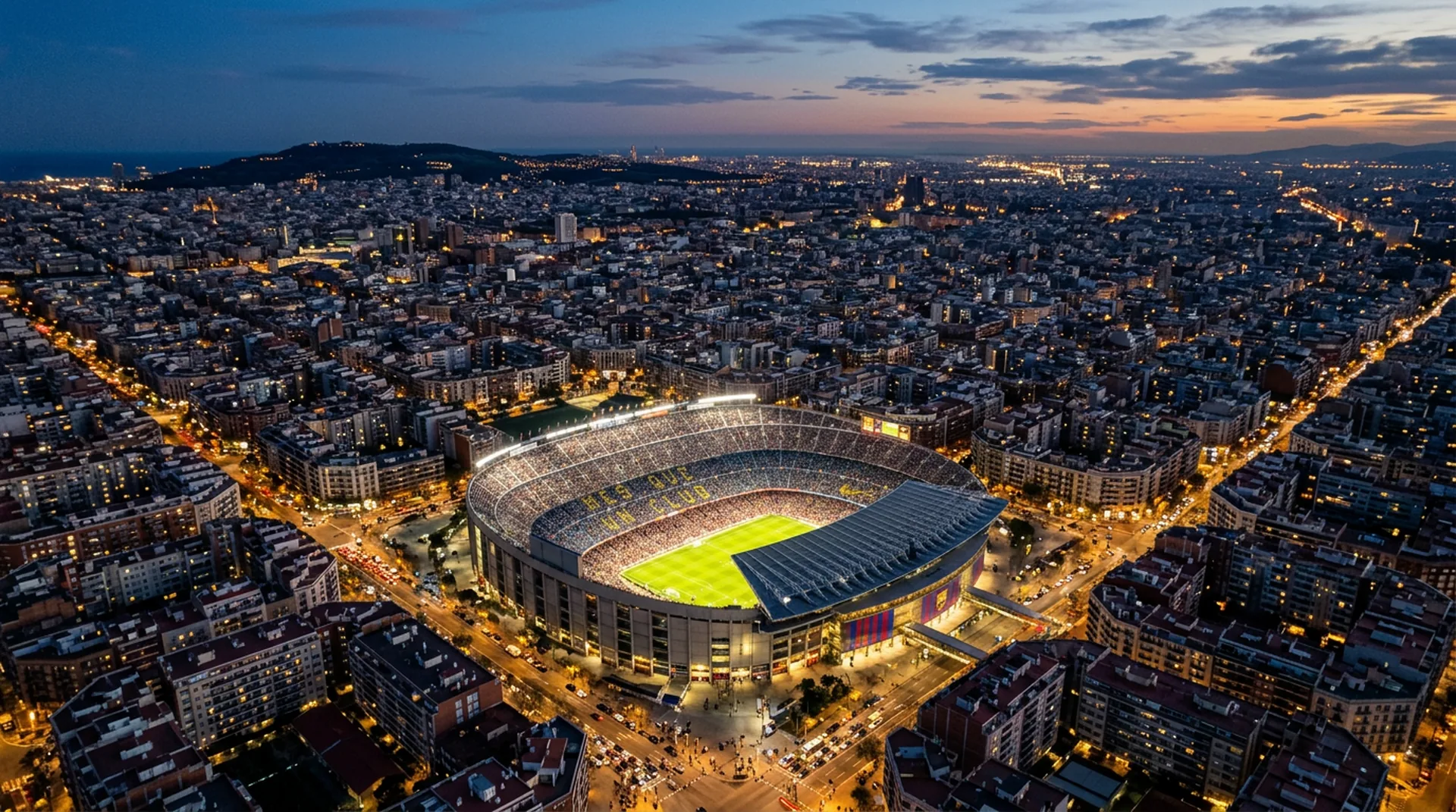
Cívitas Metropolitano is a candidate to host 2030 World Cup matches, one of the stadiums Spain proposed to FIFA, alongside Santiago Bernabéu and Camp Nou.
The stadium is the home of Madrid's Atlético Madrid, one of Spain's most successful clubs. Its capacity has grown steadily since opening: from 68,456 at reopening in 2017 to roughly 70,700 today, following a September 2023 expansion and further Skybox additions since.
Its recent hosting of the 2019 Champions League final, plus its confirmed return for the 2027 final, gives organisers a venue with genuine, proven experience running the biggest club matches in European football. Madrid uniquely offers two 2030 World Cup stadium candidates within the same city, alongside Santiago Bernabéu, giving fans based in the Spanish capital a real chance of attending multiple matches without changing cities.
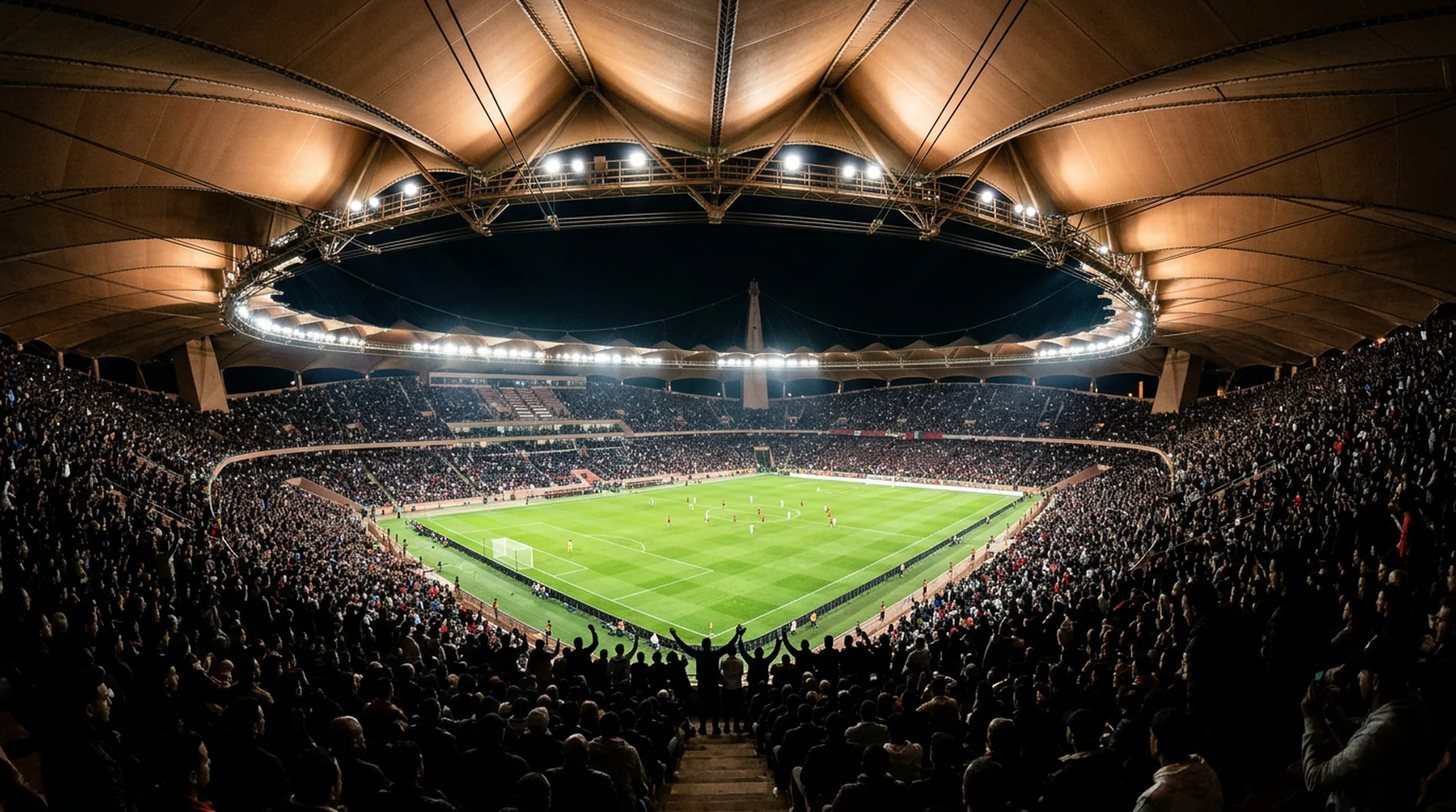
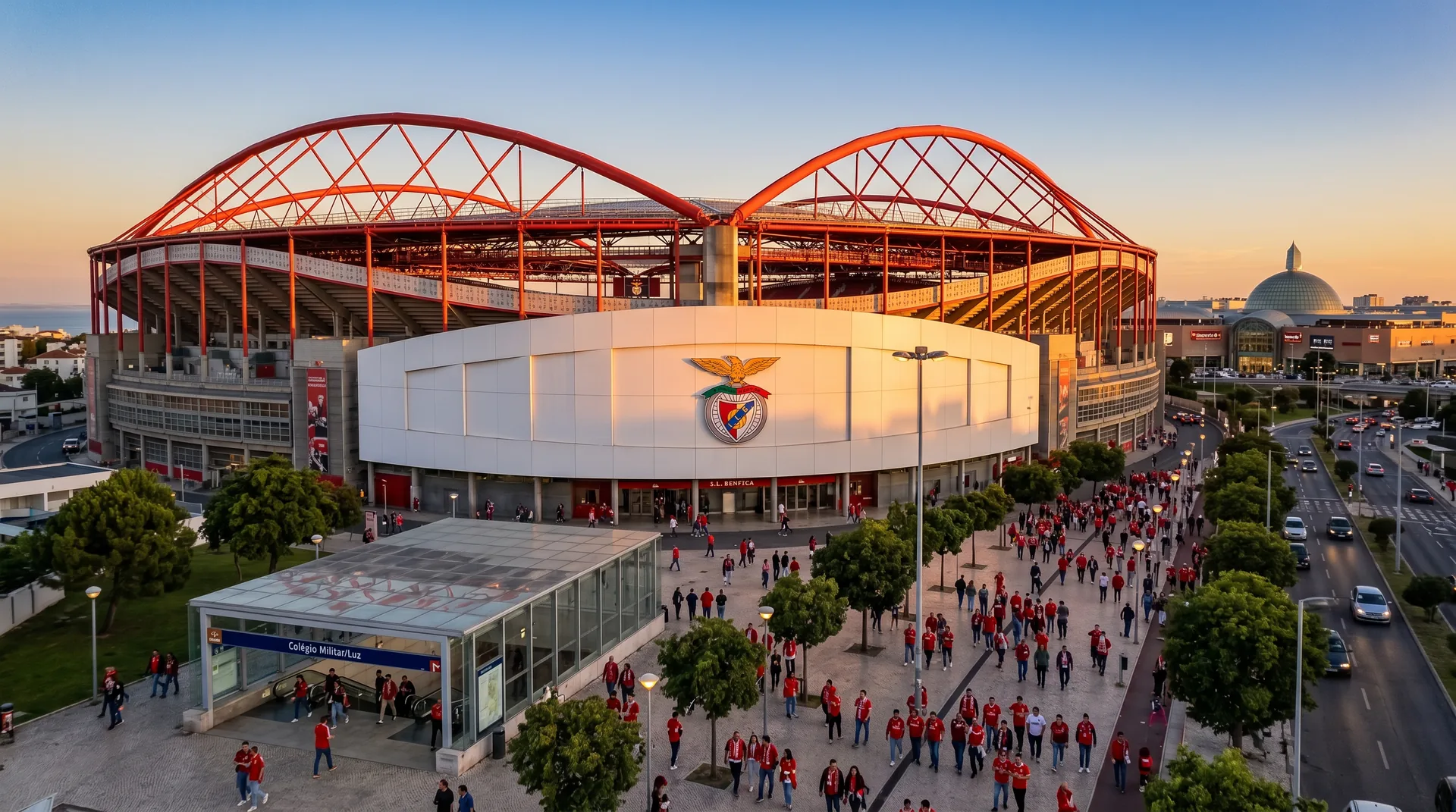
Its capacity sits in a similar bracket to Morocco's Prince Moulay Abdellah Stadium and Portugal's Estádio José Alvalade, both solid mid-to-large tournament venues rather than final contenders, a useful benchmark for fans planning a trip across all three host nations.
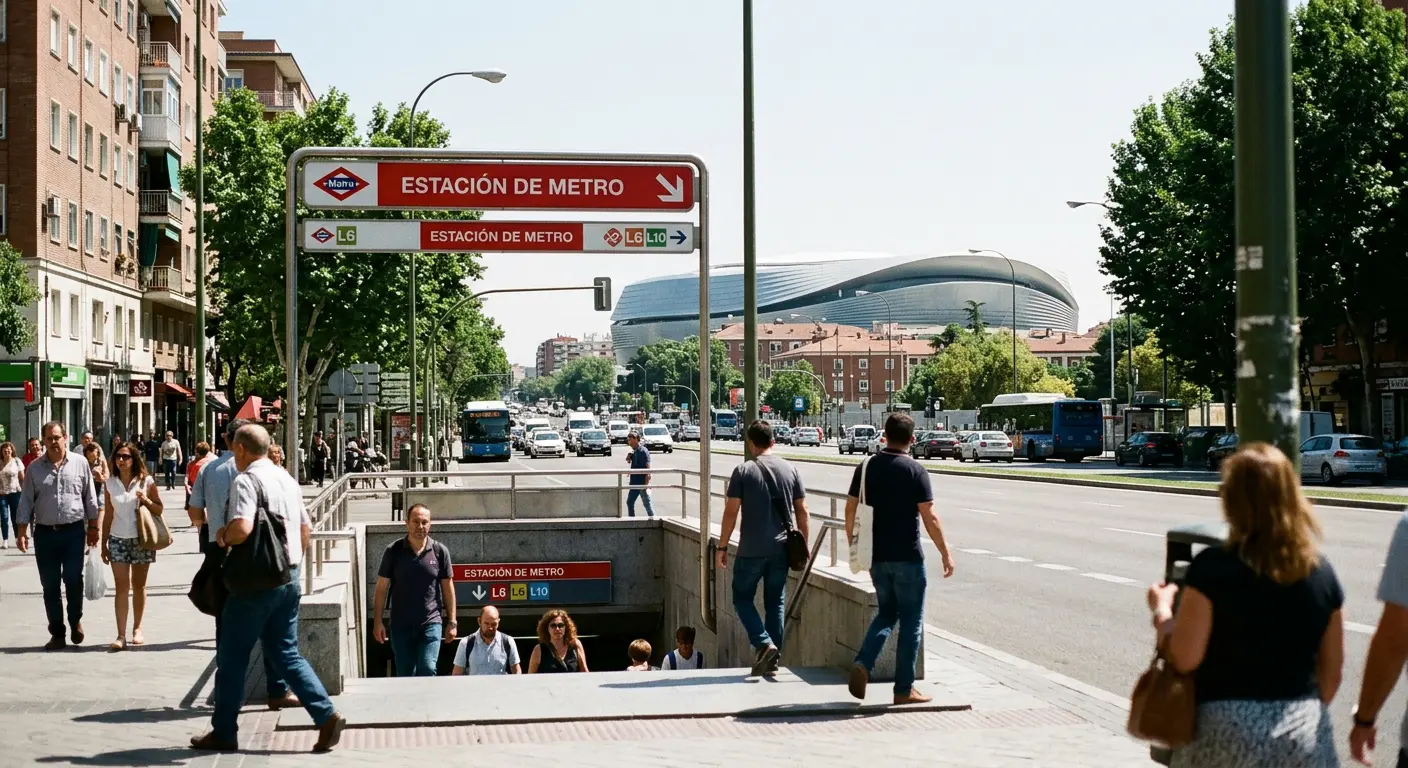
From Central Madrid
Exact matchday shuttle and transport plans will be confirmed by FIFA and Spanish authorities closer to 2030. Check back here for updates.
🇪🇸 Spain


🇲🇦 Morocco


🇵🇹 Portugal
🏆 Centenary Matches
Frequently Asked
Continue Exploring
See every World Cup 2030 stadium, or the full Madrid travel guide.
Stay Informed
FIFA venue confirmations, ticket ballot dates and Madrid travel tips - straight to your inbox.