Spain Stadiums Architecture History Where to Stay FAQ Newsletter
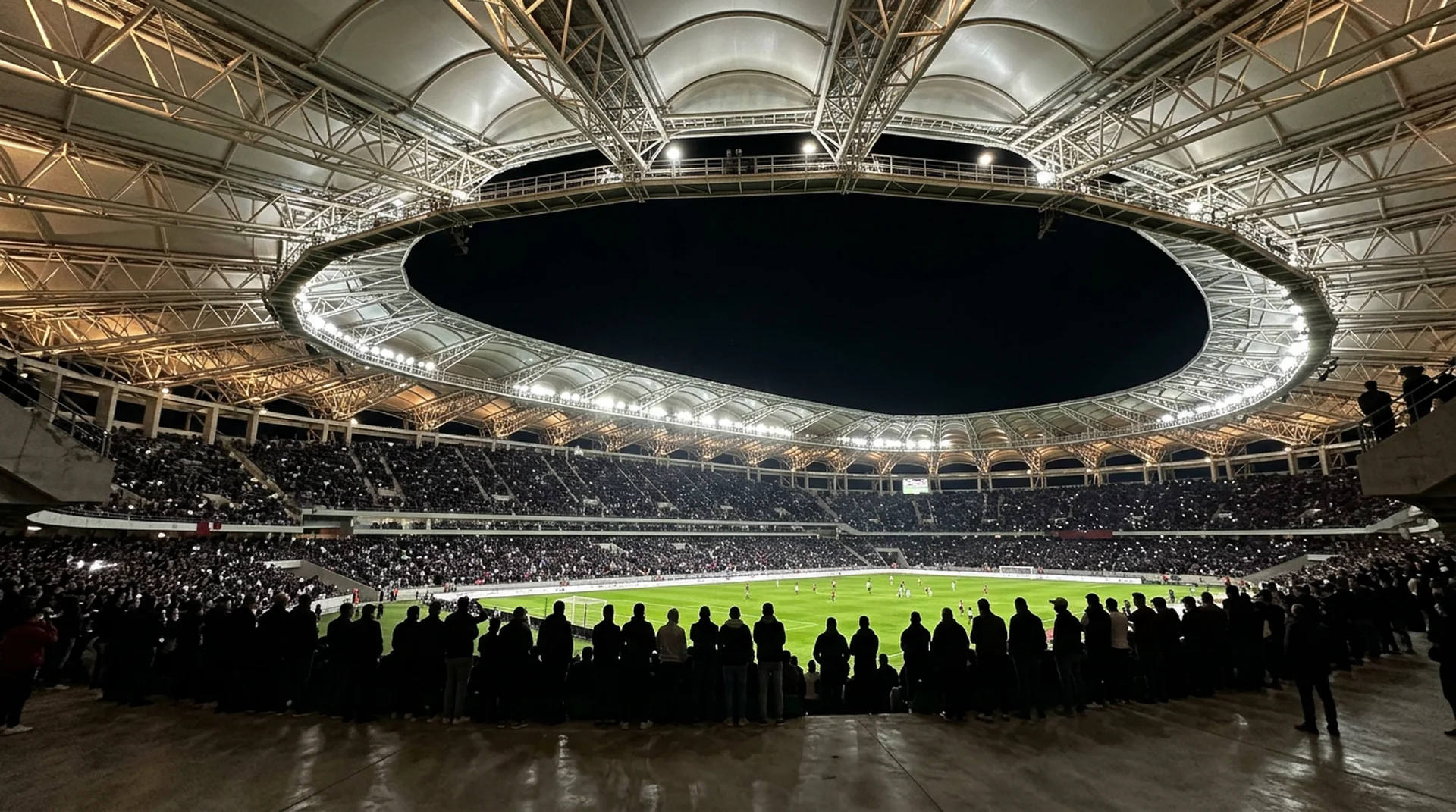
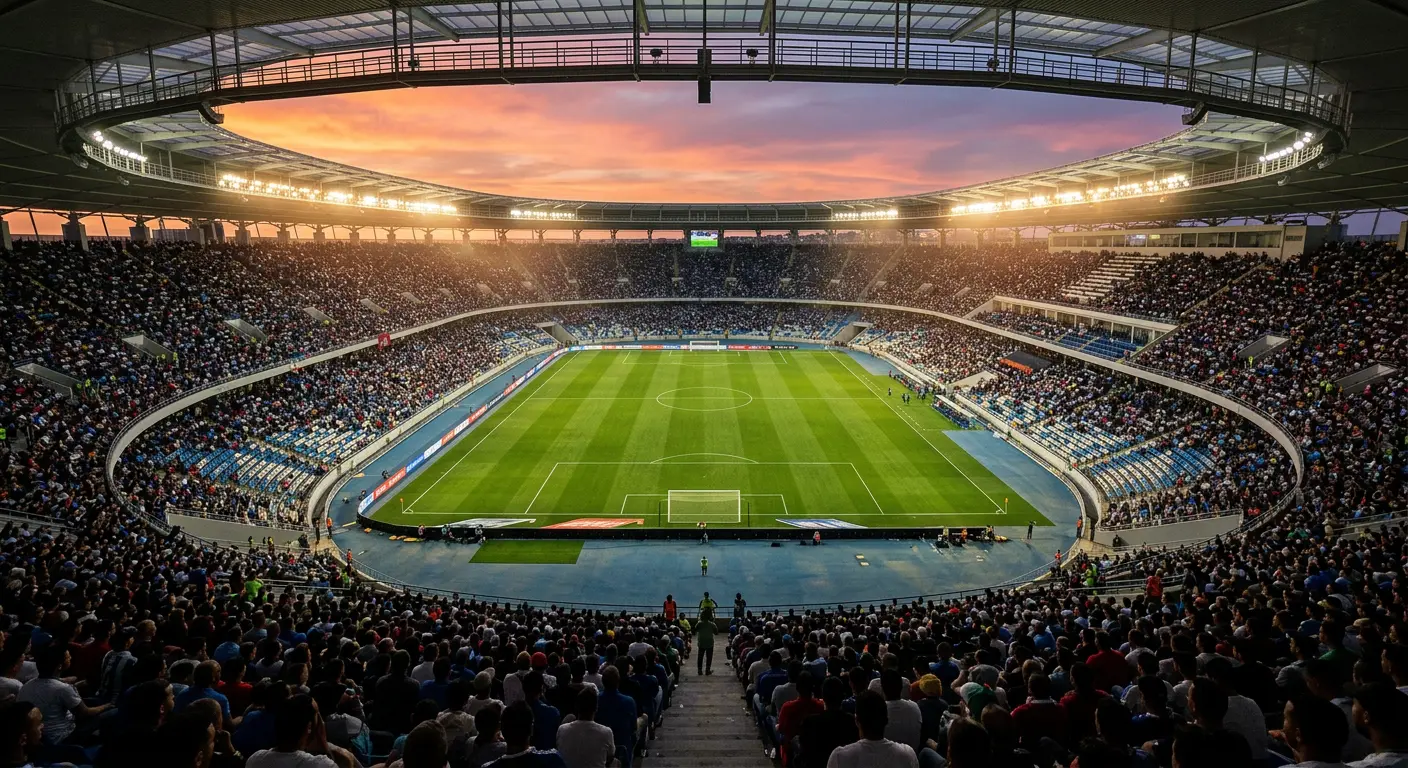
Estadio de Gran Canaria, Las Palmas' stadium ahead of its La Nube transformation for the 2030 FIFA World Cup
Spain · World Cup 2030 Stadium Guide

Estadio de Gran Canaria

Spain's only 2030 World Cup venue on an island outside the mainland is being reborn as "La Nube", The Cloud, a full reconstruction that would push its capacity past 40,000, though a failed construction tender this month has put the timeline in genuine doubt.

41,854Planned Capacity
UD Las PalmasTenant
L35 ArquitectosDesign
2003Current Stadium Opened
📍Siete Palmas, Las Palmas de Gran Canaria
UD Las Palmas
⚠️Status: Construction Tender Failed, July 2026
☁️Project Name: La Nube
🏆Only Canary Islands Venue
Architecture Renovation Atmosphere History World Cup Role Getting There Where to Stay All Stadiums FAQ

Architecture & Design

A Stadium Being Redesigned as "La Nube"

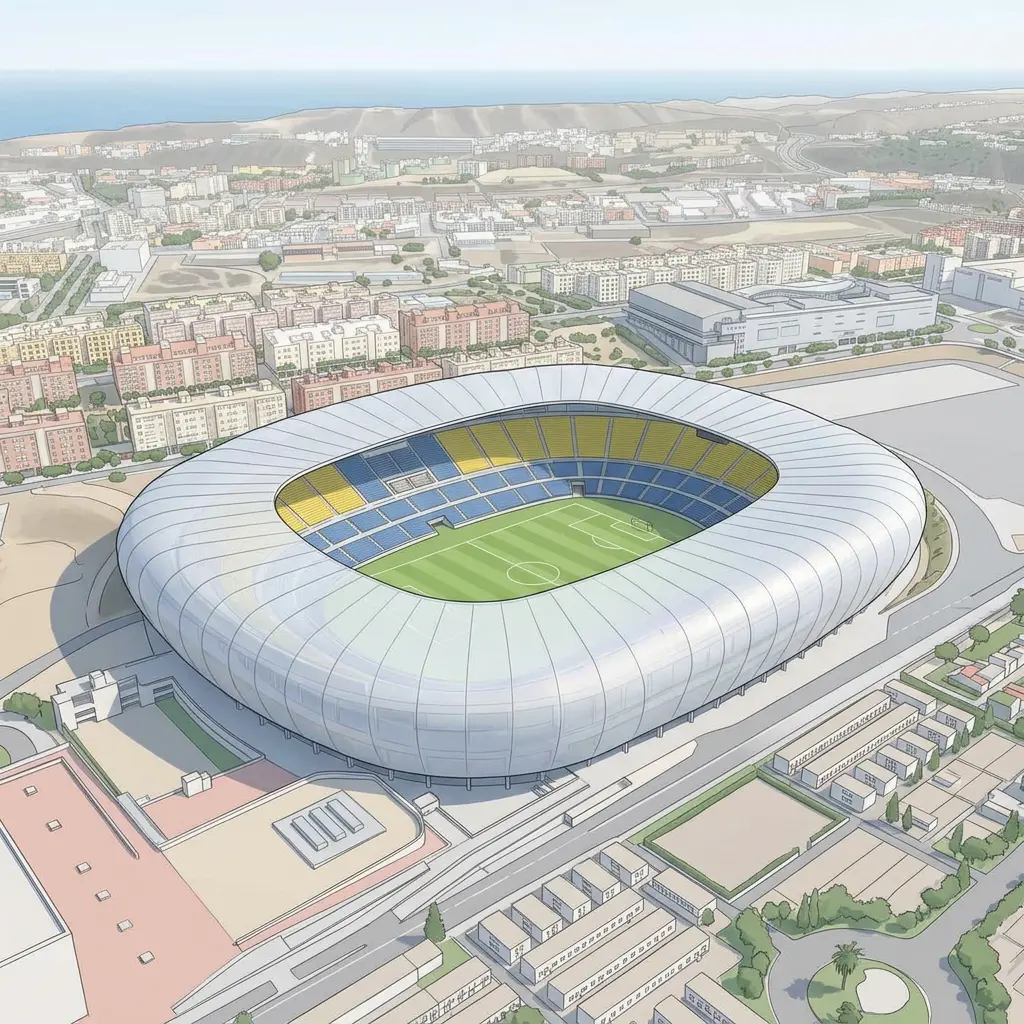
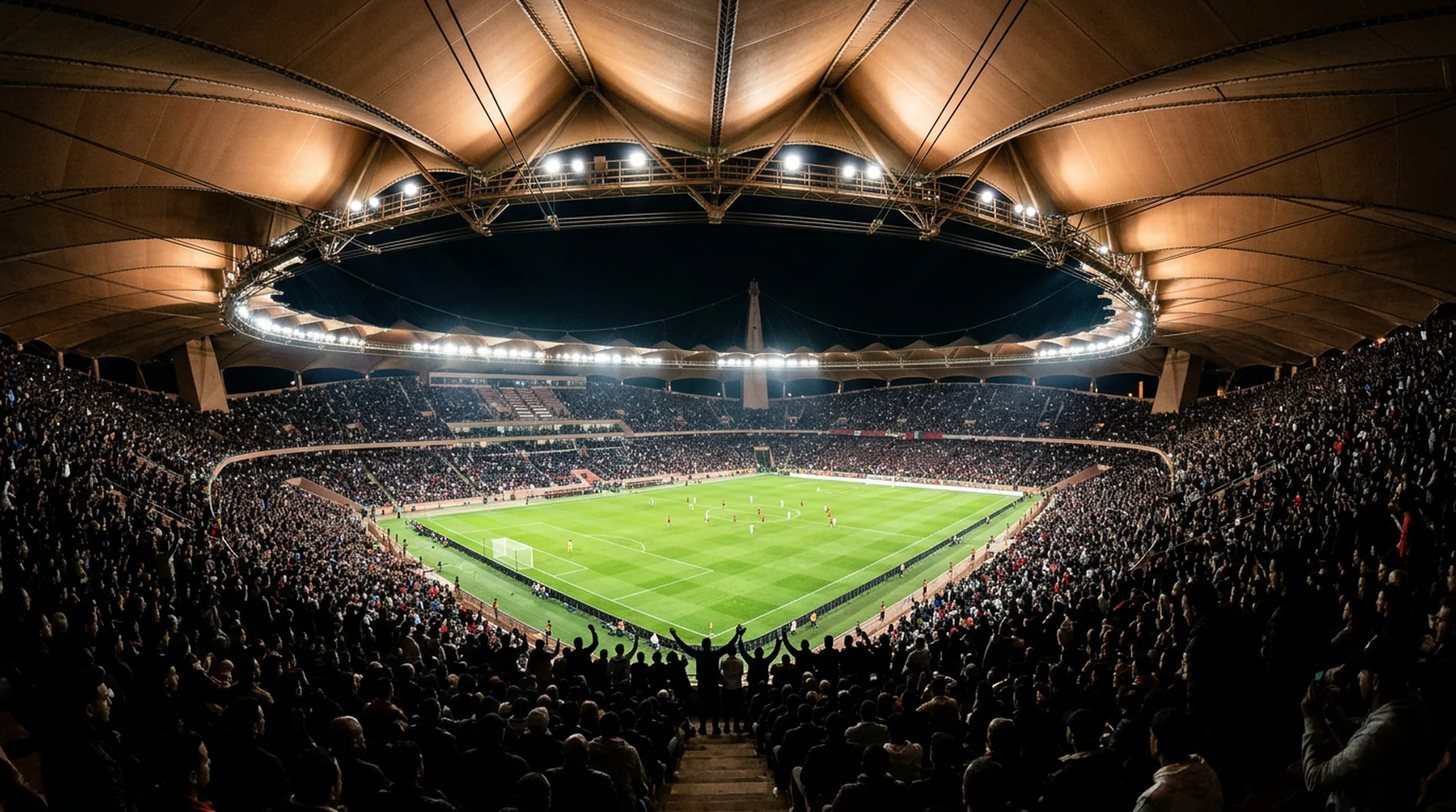
The winning redesign, chosen from nine competing international proposals, comes from L35 Arquitectos working with Estudio 0710, the same firm currently overseeing Santiago Bernabéu's modernisation in Madrid. Their project, named La Nube (The Cloud), wraps the existing 2003 stadium in a new continuous stand and a light-coloured envelope roof, a lightweight radial structure carried on a compression ring and 44 columns, intended to read as a single soft, cloud-like form from the outside rather than a conventional tiered bowl.

The design leans hard into sustainability credentials that increasingly matter for World Cup venues, similar to the environmental case built around Nueva Romareda in Zaragoza or Grand Stade de Marrakech in Morocco: mist-capture systems suited to the island's climate, photovoltaic panels across the roof, and rainwater harvesting are all part of the plan, alongside passive ventilation and natural light let in through the continuous stand design.

Inside, La Nube is planned to include a 360-degree video screen, upgraded media and hospitality infrastructure, new commercial and dining areas, a UD Las Palmas museum, and a dedicated sports centre, positioning the venue as a year-round facility rather than a stadium that only wakes up on matchdays, a role it has already shown signs of during construction: the Estadio hosted the Granca Live Fest in July 2026, drawing more than 90,000 attendees across four days of concerts.

Planning a trip around this stadium? See the full Las Palmas guide →

The project's ambitions have run into real financial headwinds. The construction budget started around €100-114 million, rose to roughly €170 million as structural reinforcement needs and design changes were priced in, and now stands at a public tender value of €174.1 million with a 36-month execution window, figures that have proven difficult to attract bidders at, as the stadium's construction phase has discovered firsthand.

The current stadium, opened in 2003, has an athletics track ringing the pitch, a legacy of its original multipurpose design that has always put fans further from the action than a football-only ground would. Officials say the redevelopment will address that directly: the new continuous stand is designed to bring seating closer to the pitch across all four sides, correcting a sightline complaint that's dogged the venue since it first opened, a change with a real precedent in La Cartuja's own athletics-track removal in Seville.

Gran Canaria's officials have been explicit about the technical case behind the bid: at the time of FIFA's confirmation in December 2024, local leaders pointed out that the island met all 109 parameters FIFA had set for candidate venues from the very first submission, framing the stadium's eventual selection less as a surprise and more as the conclusion of a process the island had been quietly meeting the requirements for all along.
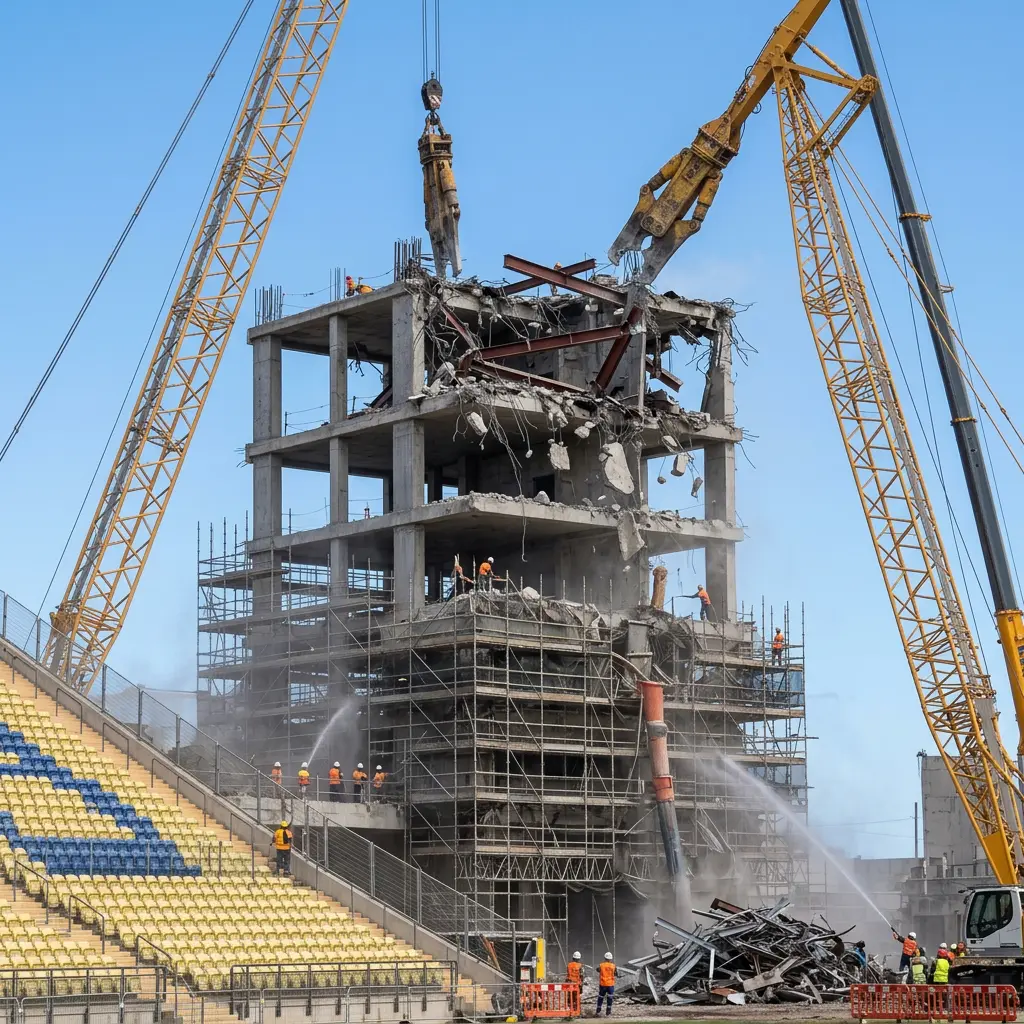
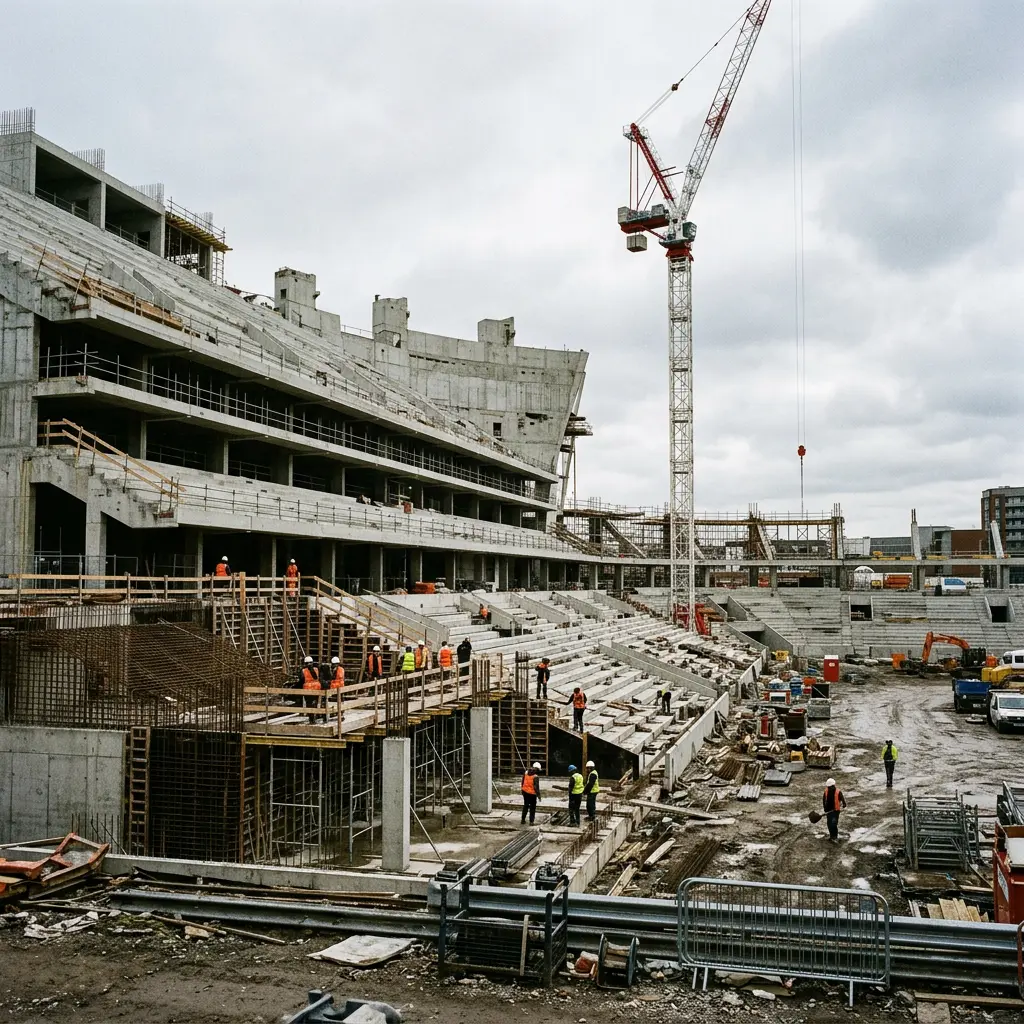
Estadio de Gran Canaria construction progress, Las Palmas

A Project Under a Real Cloud

The East Tower has come down. The main construction contract has not been signed, and that gap is the single biggest question mark on this page.

UD Las Palmas Tickets Explore the Architecture

This section reflects the most recent, fast-moving development on this page, dated mid-July 2026. Demolition of the stadium's East Tower (Torre Este) began after a contract was signed in November 2025, and physical works started in early 2026 as the first visible stage of the wider rebuild. But the tender for the main construction contract, budgeted at €174.1-174.71 million with a 36-month build window, closed in July 2026 with zero bids submitted, a serious setback for a project the Cabildo de Gran Canaria has treated as its flagship case for hosting 2030 World Cup matches.

🏘
East Tower
Demolition Underway
First visible stage of the La Nube project, begun early 2026
⚠️
Main Contract
Tender Failed
No construction company submitted a bid as of July 2026
💰
Budget
€174.1 Million
Up from an original estimate of €100-114 million
🕑
Target
Summer 2029
Completion target, now dependent on resolving the tender

Companies that considered bidding reportedly cited an insufficient timeline and prices set below market rate. The Cabildo now has three legal paths available: renegotiate directly with interested firms, restructure the tender, or revise the project scope, and officials met to weigh them within days of the failed tender. UD Las Palmas is not planning to relocate permanently during construction; instead, the club expects to play its final two matches of the 2026-27 season and first two of 2027-28 away from home to give contractors extra working time, with some sections, likely behind the goals, temporarily closed once building resumes in earnest.

“We will not allow pressure from any lobby.”

— Antonio Morales, President, Cabildo de Gran Canaria, July 2026

What We Don't Know Yet

Whether the Cabildo can secure a contractor through direct negotiation, and on what revised timeline, is genuinely unresolved as of this update. Gran Canaria's own officials describe the setback as "a simple pause," but no construction company had agreed to build La Nube as of mid-July 2026. We'll update this page as soon as a contract is signed.

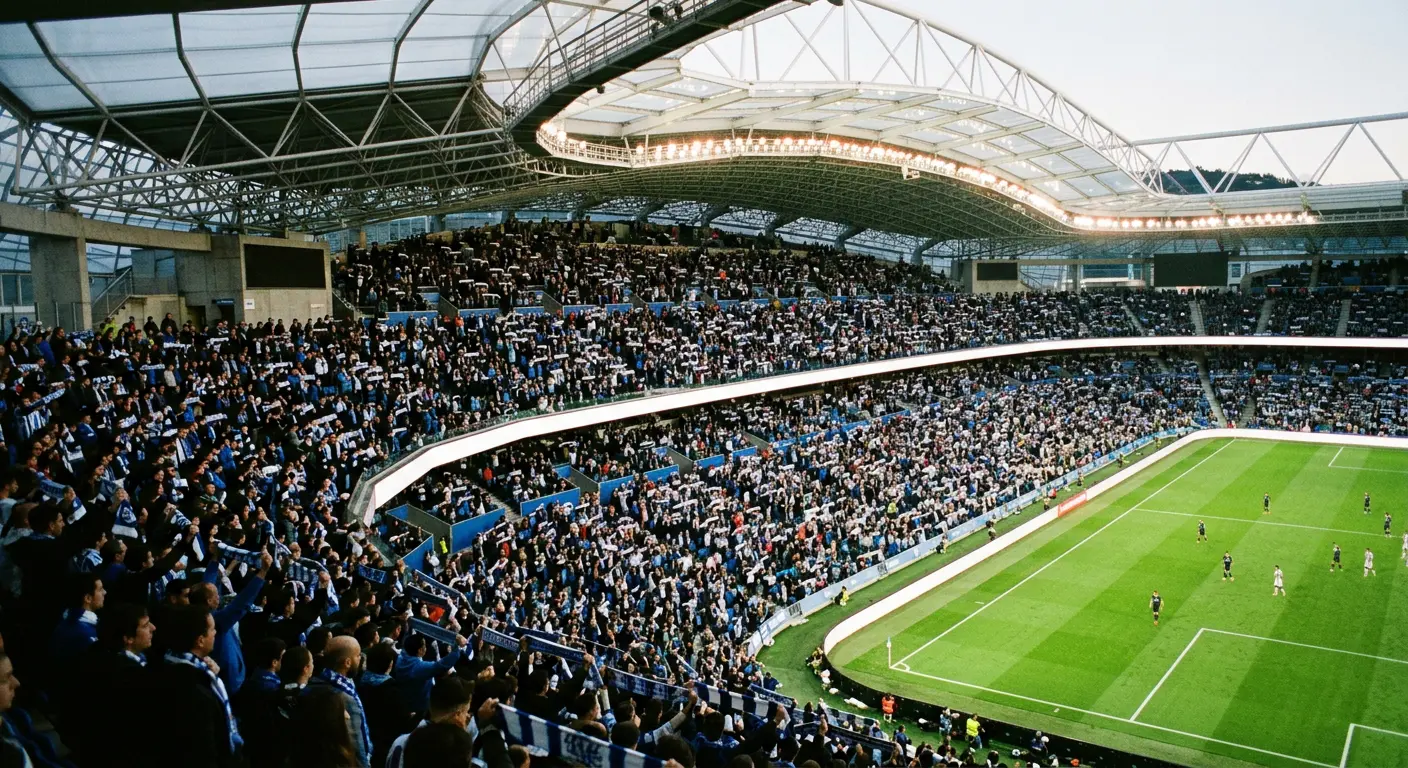
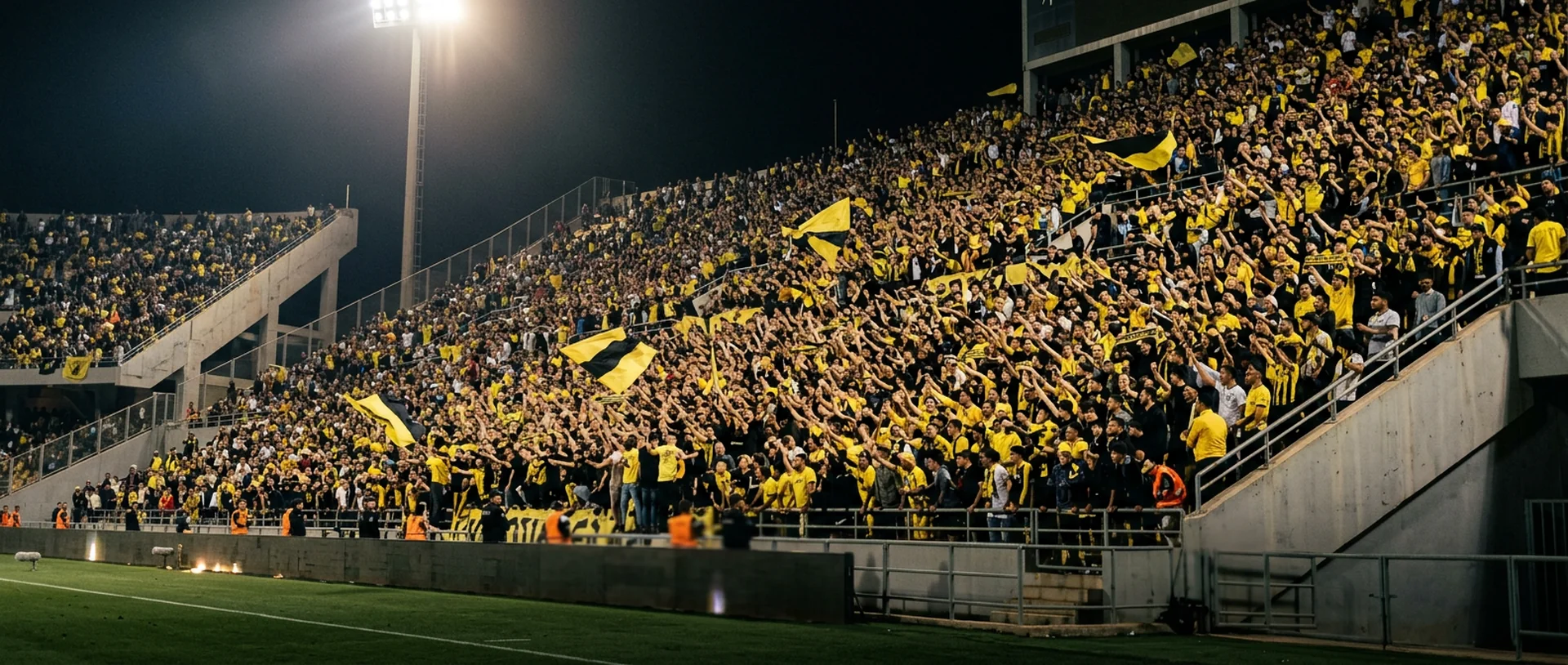
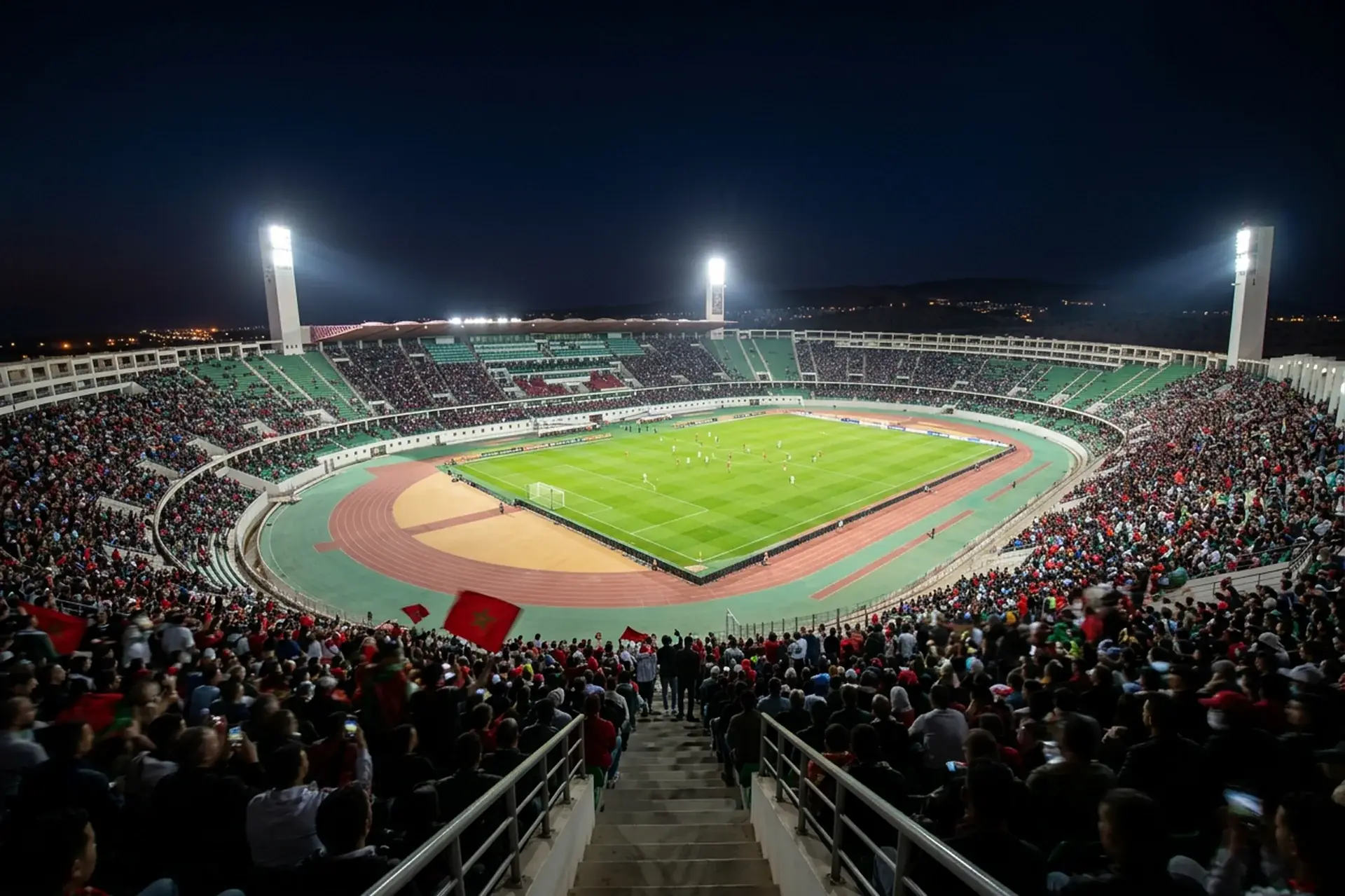
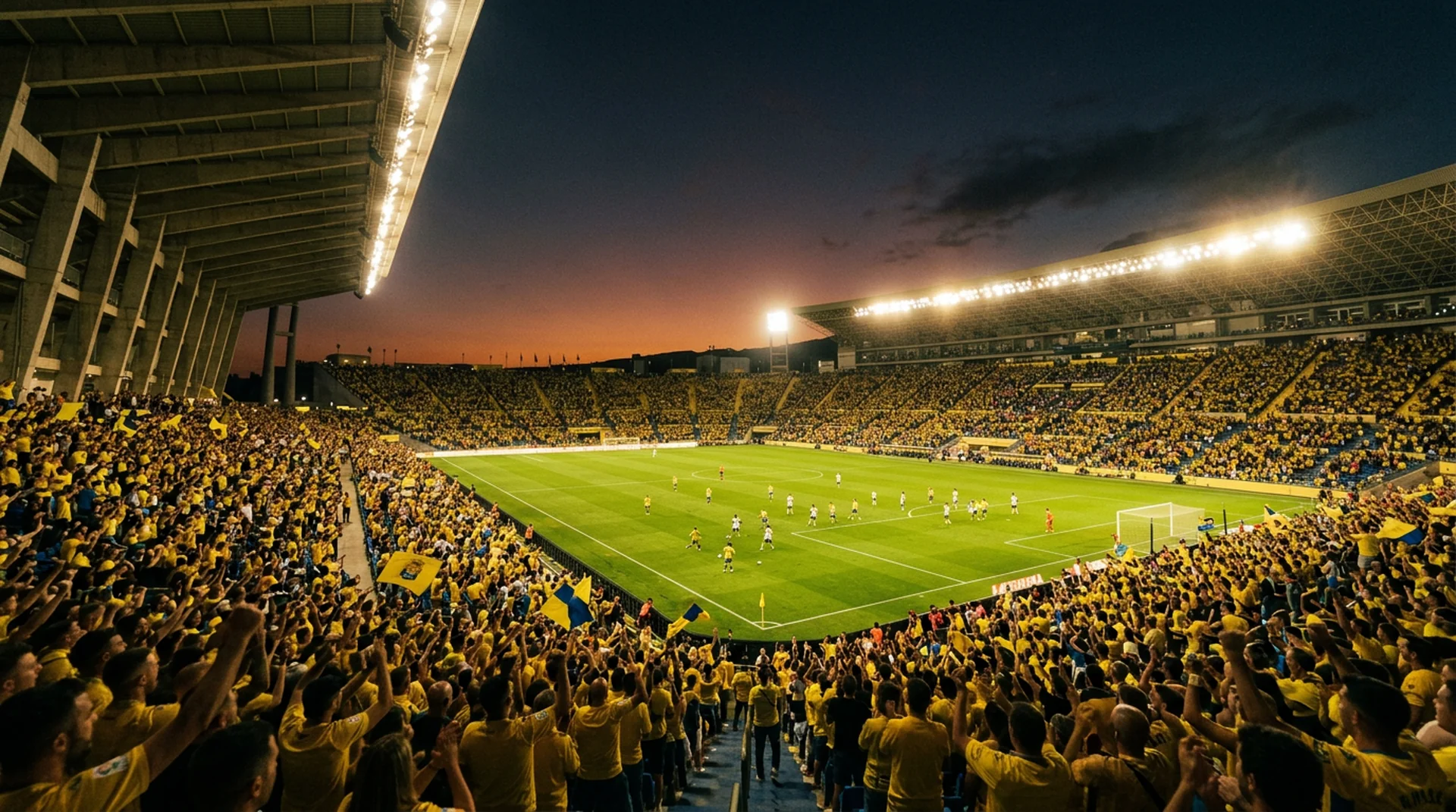
UD Las Palmas matchday atmosphere, Las Palmas

Yellow and Blue, Island Loud

UD Las Palmas plays on through the construction chaos, with an average crowd of 19,000-23,000 that the club has committed to accommodating throughout the build.

See Tickets Full Las Palmas Guide

UD Las Palmas is unusual among Spain's 2030 World Cup tenants in that it isn't going anywhere during construction: rather than relocate to a temporary ground the way Real Betis or Real Zaragoza have, the club is staying put at Siete Palmas while builders work around it, closing sections as needed and asking supporters for patience rather than uprooting the entire operation. That's a bet on keeping continuity with a fanbase, known locally as the Amarillos, that has stuck with the club through some difficult recent seasons.

The stadium has already proven it can handle crowds well beyond football: the July 2026 Granca Live Fest drew more than 90,000 people across four days of concerts, with a dedicated bus service moving fans in and out of Siete Palmas late into the night, a preview of the kind of large-scale event operation La Nube's designers are explicitly planning for.

UD Las Palmas president Miguel Ángel Ramírez has publicly backed the rebuild despite its complications, offering the club's full cooperation and not ruling out playing away from home for a stretch if that speeds construction along.

“It's a pharaonic project.”

— Miguel Ángel Ramírez, President, UD Las Palmas, July 2026
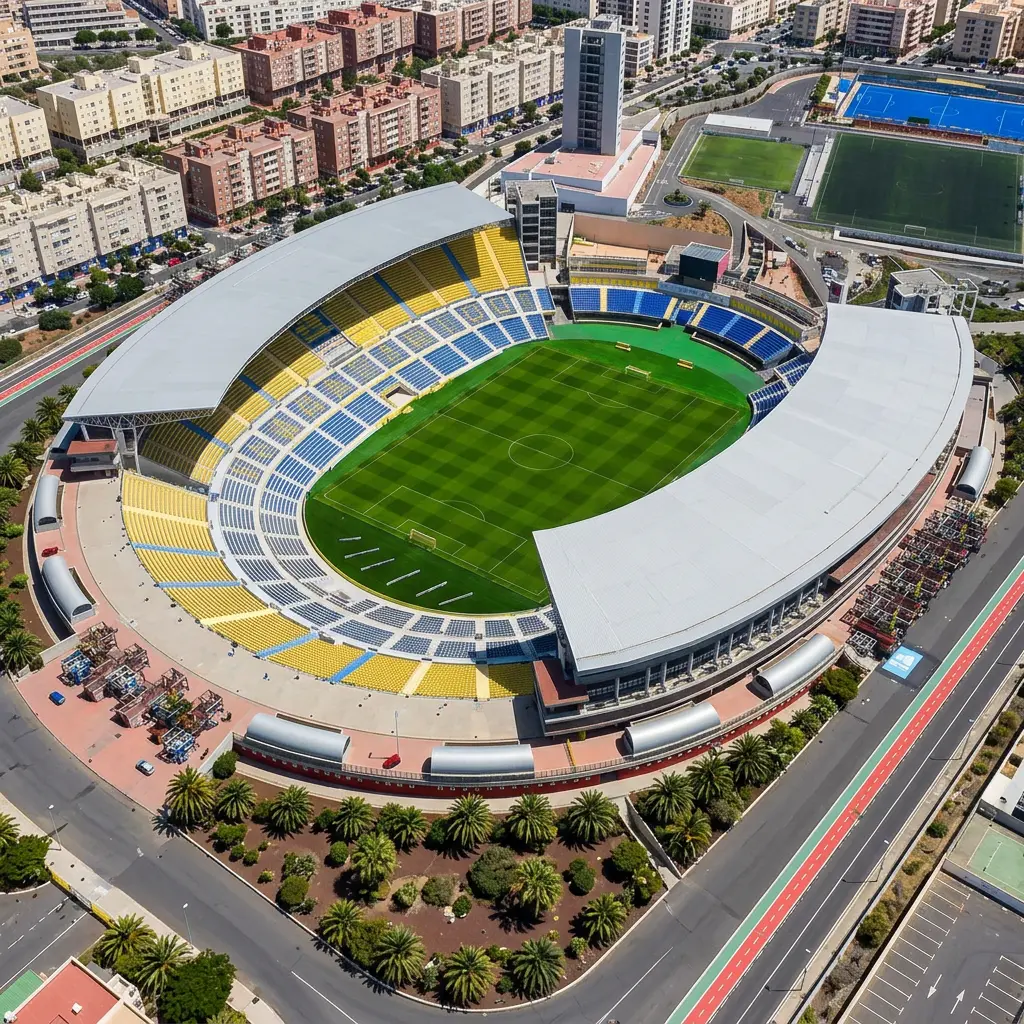
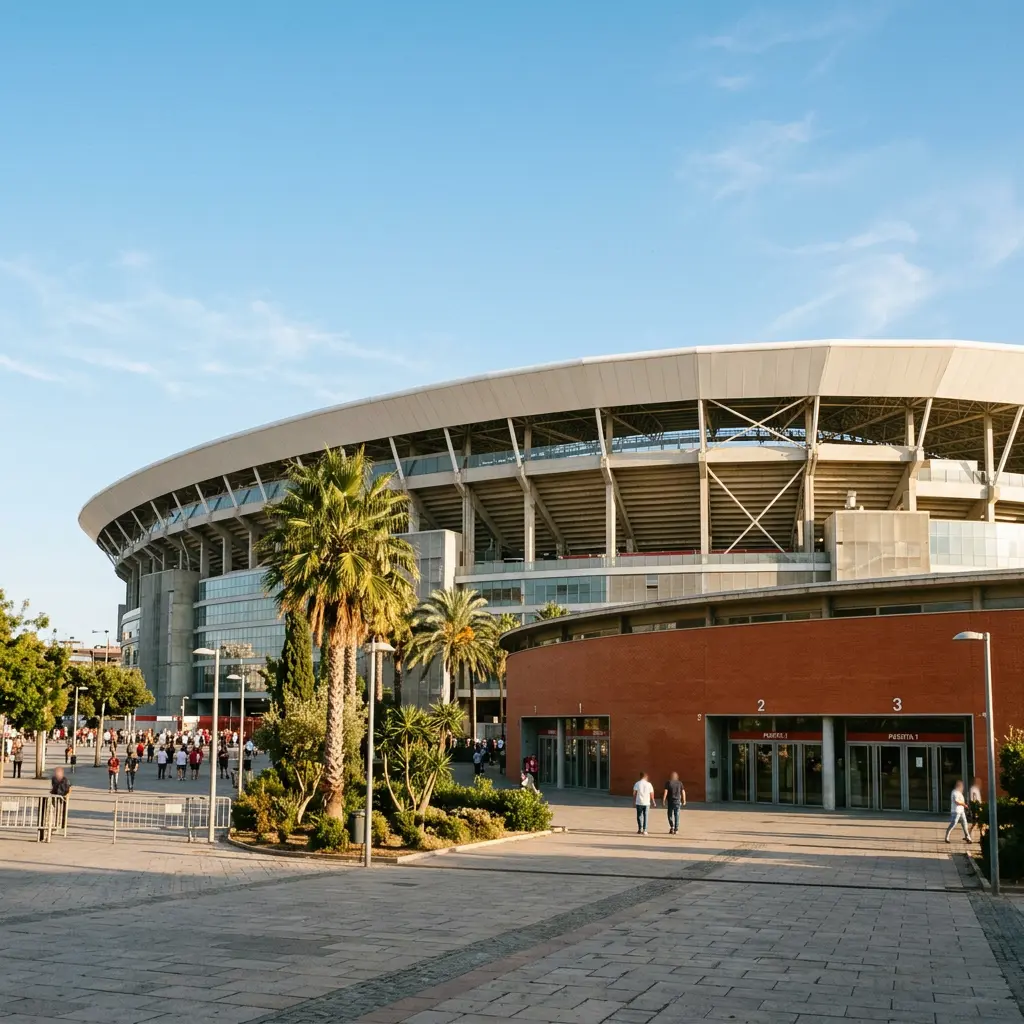
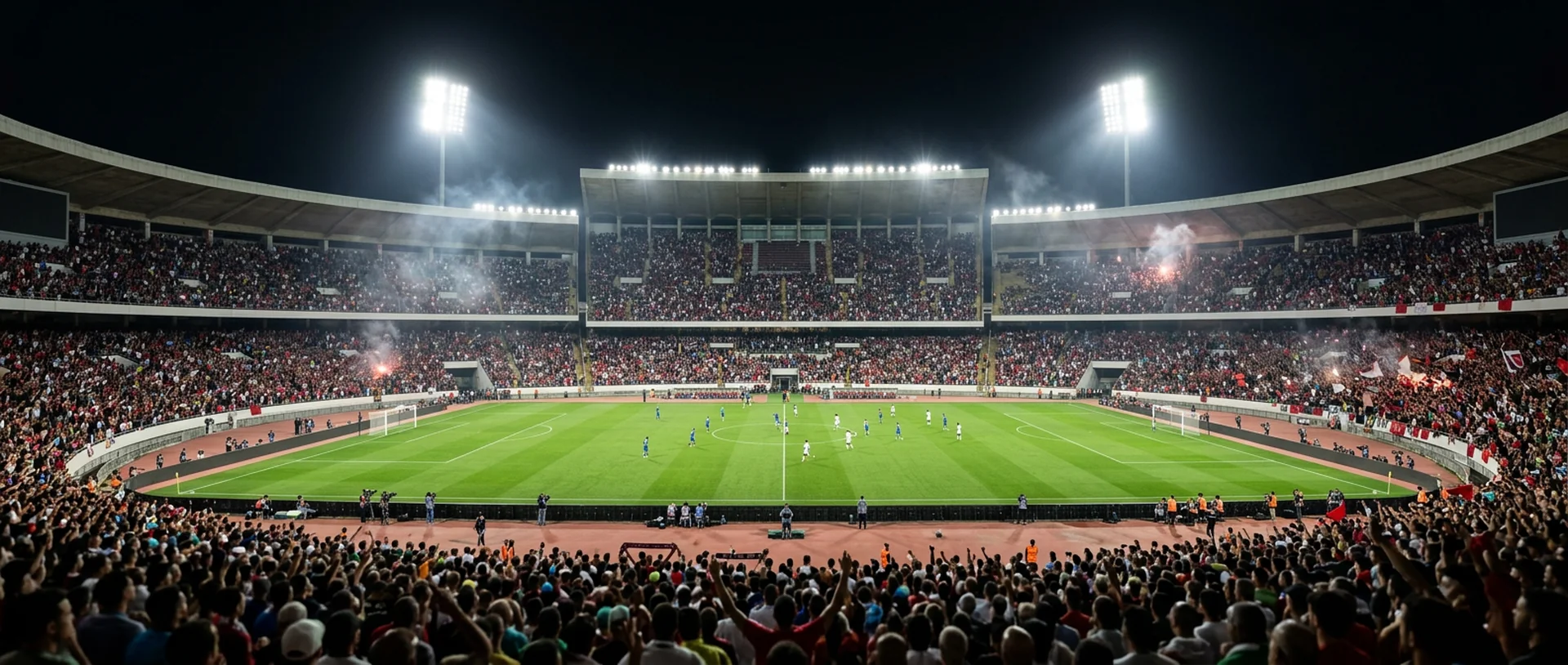
Estadio de Gran Canaria's current form, before its La Nube transformation, Las Palmas

Spain's Youngest Venue, Now Getting Older Fast

Opened in 2003 as a multipurpose ground, it's spent two decades as a solid, unremarkable stadium about to become something else entirely.

See All Stadiums See Spain Guide

Estadio de Gran Canaria opened in 2003 as a multipurpose venue in the Siete Palmas district, considerably younger than most of Spain's other World Cup host stadiums and without the decades of history attached to grounds like Santiago Bernabéu. It has served as UD Las Palmas's home for the club's entire modern era, hosting Segunda and Primera División football through repeated promotions and relegations without any major structural change until now.

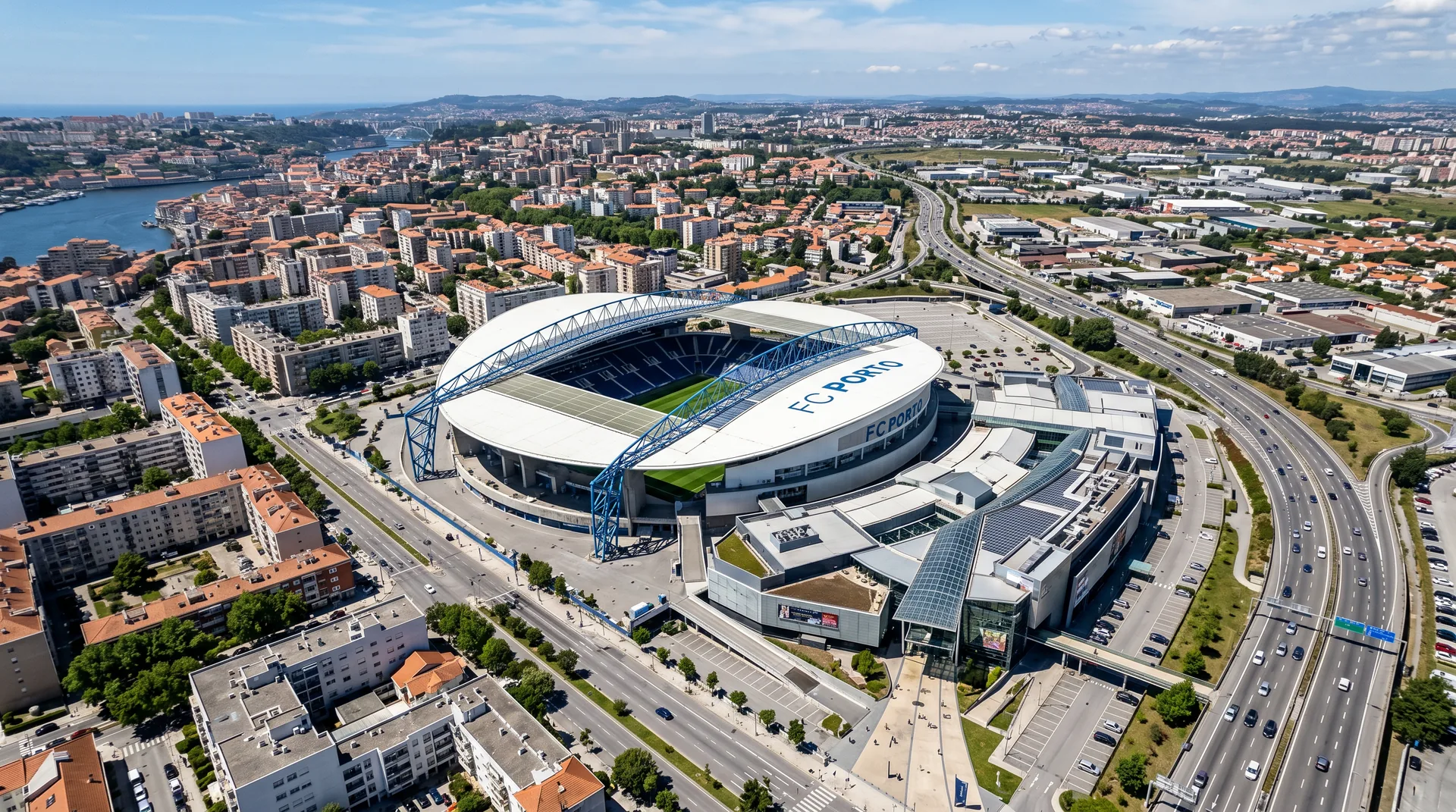
Gran Canaria was included among Spain's eleven proposed 2030 World Cup venues in July 2024, and FIFA confirmed the joint Spain-Portugal-Morocco hosting bid that December. Local officials, including Cabildo president Antonio Morales, have repeatedly framed the selection as validation of the island's ability to organise major international events, alongside Estádio do Dragão in Porto as part of the shared hosting bloc.

2003
Estadio de Gran Canaria opens in the Siete Palmas district as a modern multipurpose venue.
Jul 2024
Included among Spain's eleven proposed 2030 venues, a major milestone for the island's sporting ambitions.
Dec 2024
FIFA confirms the joint Spain-Portugal-Morocco 2030 World Cup hosting bid.
2025
L35 Arquitectos wins the international design competition with its "La Nube" proposal.
Nov 2025
East Tower demolition contract signed, formally starting the renovation project.
Early 2026
East Tower demolition begins on site, the project's first physical milestone.
Mar 2026
Las Palmas City Council approves the urban planning compliance of the full expansion project.
Jul 2026
Main construction tender fails to attract a single bid, putting the completion timeline in question.

The stadium sits in Siete Palmas, a commercial and residential district in northern Las Palmas de Gran Canaria, connected to the rest of the city by a dense network of bus lines rather than rail. Its status as the Canary Islands' only 2030 venue makes it a genuinely singular case among Spain's host cities: an island stadium with no mainland backup plan if the renovation timeline slips.

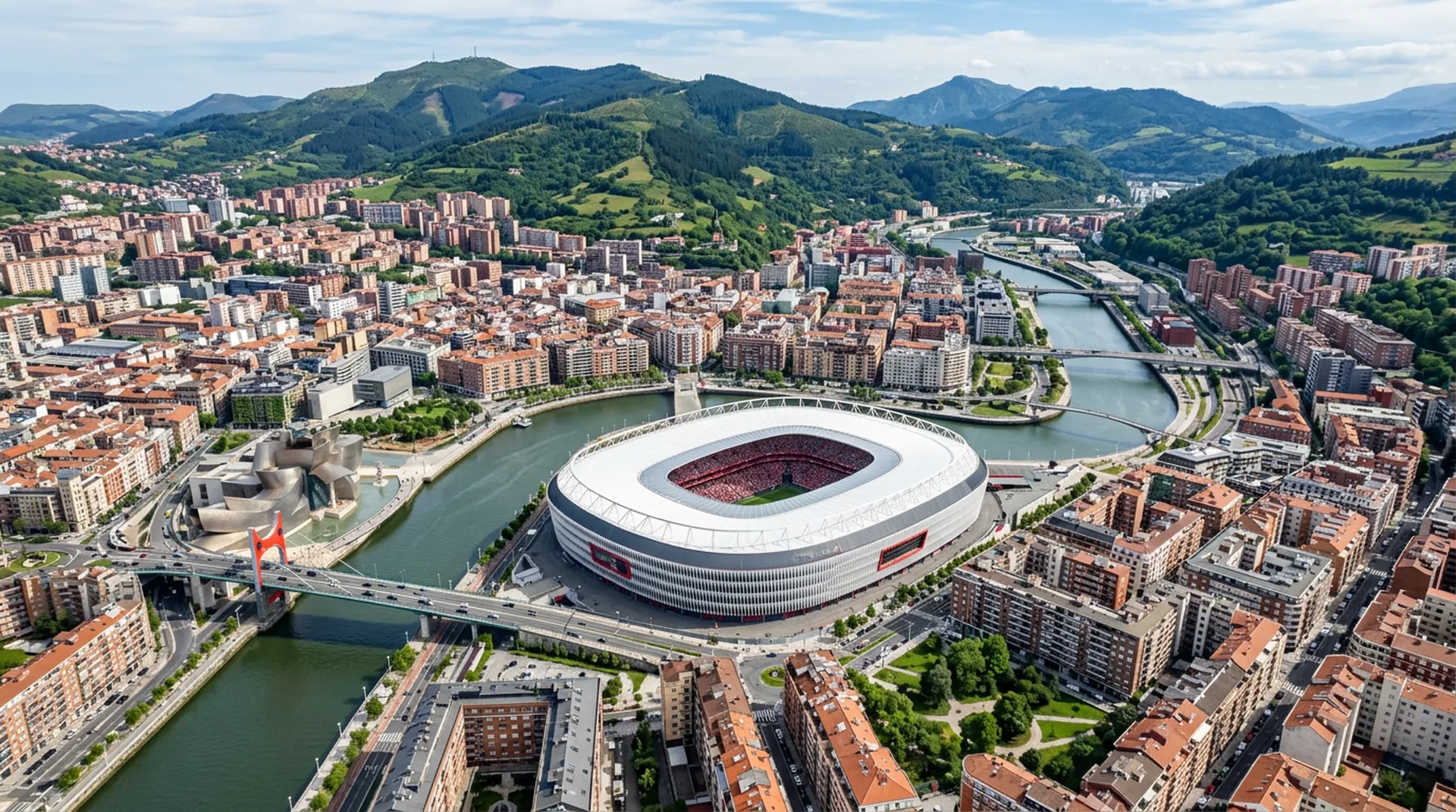
Estadio de Gran Canaria's La Nube design ahead of the 2030 FIFA World Cup

The Atlantic's Only Venue

Roughly 1,350km from mainland Spain, Gran Canaria's selection makes the World Cup 2030 map stretch further than any single edition has before.

Illustrative rendering of the planned "La Nube" design, not a photograph of the finished stadium.

Flight Deals Full Las Palmas Guide

Gran Canaria's inclusion in Spain's host list is as much a statement as a logistical choice: it puts a World Cup match within an Atlantic island territory for the first time in the tournament's history, a genuine outlier alongside twenty other venues clustered across mainland Spain, Portugal and Morocco. That distinction is exactly why local officials have pushed so hard to keep the project alive through its recent setbacks, treating the stadium as proof the island belongs on football's biggest stage rather than a routine infrastructure upgrade.

The catch is that Gran Canaria carries more execution risk than almost any other Spanish venue on this list. Unlike renovations layered onto existing structures with a fallback of "the old version still works," La Nube requires successfully contracting, building and commissioning a near-total transformation on a fixed FIFA deadline, with no mainland backup if things slip. Officials insist the timeline still works even after July 2026's failed tender; independent observers are less certain.

“This news confirms Gran Canaria's capacity for leadership.”

— Antonio Morales, President, Cabildo de Gran Canaria, July 2024
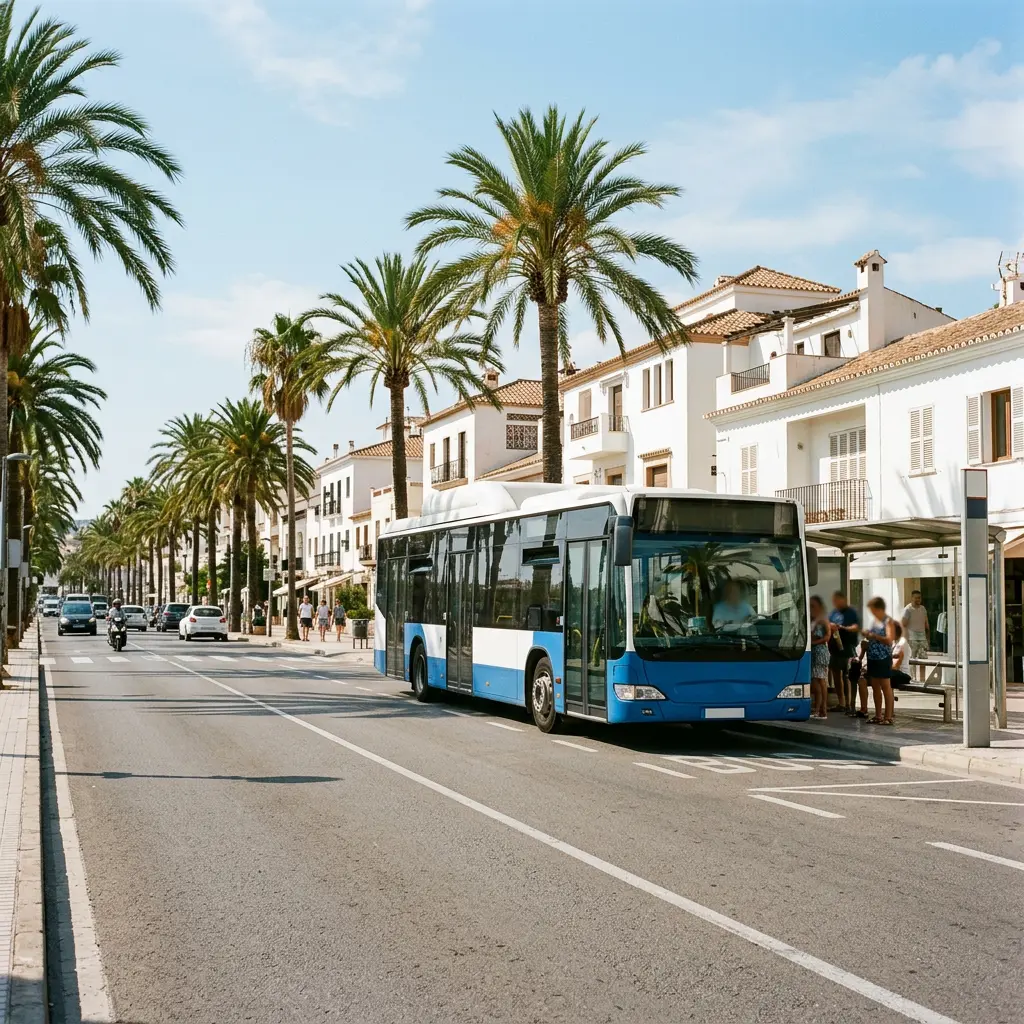
A Guaguas Municipales bus in Las Palmas de Gran Canaria

Siete Palmas, Northern Las Palmas

A dense bus network is the only public transport option; Gran Canaria has no metro or tram system.

Search Las Palmas Hotels Compare Flights

The stadium sits on Avenida Pintor Felo Monzón in the Siete Palmas district of northern Las Palmas de Gran Canaria, next to the Siete Palmas shopping centre. With no metro or tram network on the island, the extensive Guaguas Municipales bus system is the only practical public transport option for most visitors.

Bus
Lines 26, 44, 45, 91 and several others stop directly at Avenida Pintor Felo Monzón, a five-minute walk from the stadium.
From Santa Catalina
Line 26 runs from the Santa Catalina port and beach area through Siete Palmas to the university campus.
Taxi
Roughly 15-20 minutes from central Las Palmas, longer during major events given the district's limited road capacity.
Special event service
For major events, Guaguas Municipales has run dedicated late-night bus services directly from the stadium.

Transport plans for the completed La Nube stadium will be confirmed once construction resumes and again ahead of 2030. Check back here for updates.

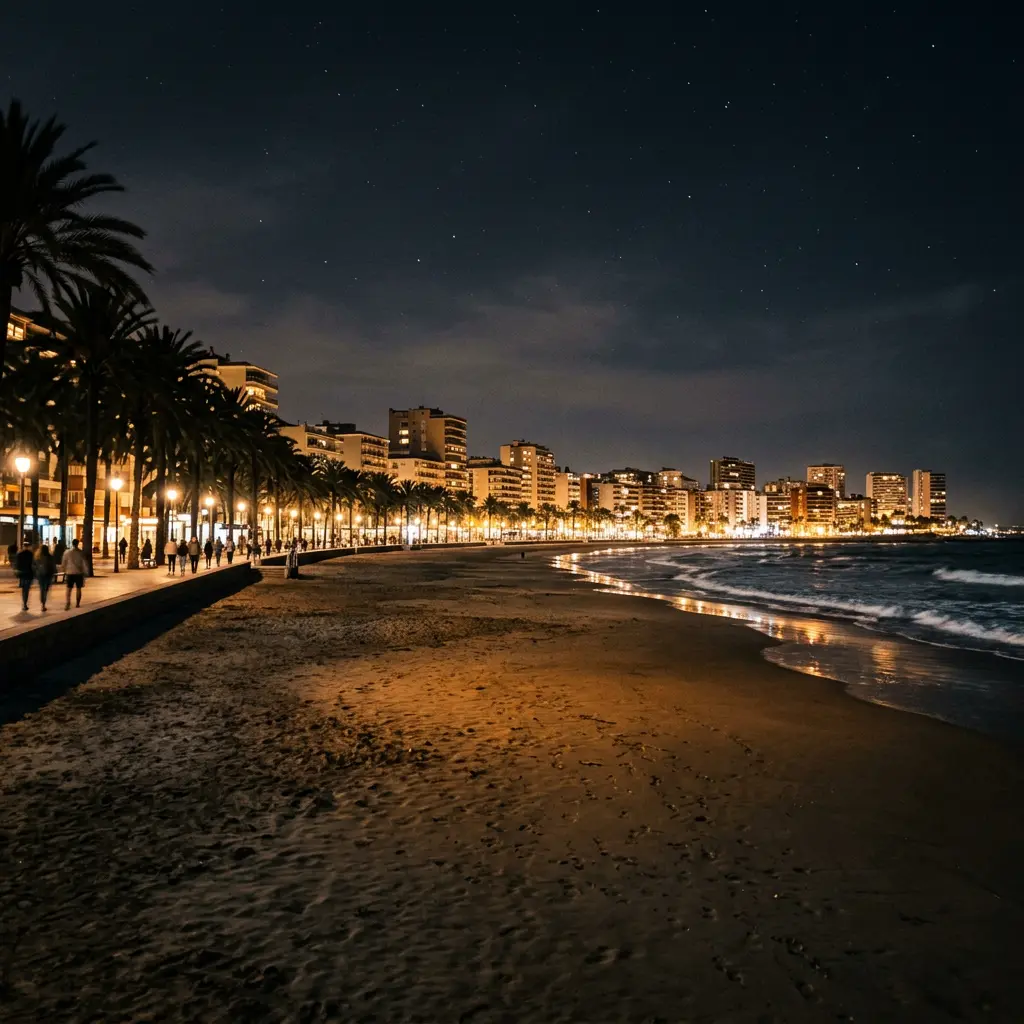
Las Palmas de Gran Canaria skyline near the stadium

Basing Yourself in Las Palmas

Most visitors stay near the beach in Las Canteras rather than in Siete Palmas itself.

Search Las Palmas Hotels See Spain Guide

Siete Palmas itself is a commercial and residential district with limited tourist accommodation, so most visitors base themselves along Playa de Las Canteras, Las Palmas's famous city beach, or in the Ciudad Jardín and Triana areas nearer the historic centre, all roughly 20-30 minutes from the stadium by bus or taxi. Book accommodation with flexible cancellation where possible, given the stadium's own construction timeline is still being worked out.

Flying to Gran Canaria
Gran Canaria Airport (LPA) is roughly 25-30 minutes from the stadium by taxi, with regular connections from mainland Spain and major European cities.
Compare flights
World Cup Tickets
FIFA has not opened ticket sales for 2030 yet, and Gran Canaria's own host status carries more uncertainty than most venues on this list given the stalled construction tender.
Planning Multiple Cities
Following matches across Spain? Start with our full Spain travel guide covering all nine host cities.
See Spain Guide
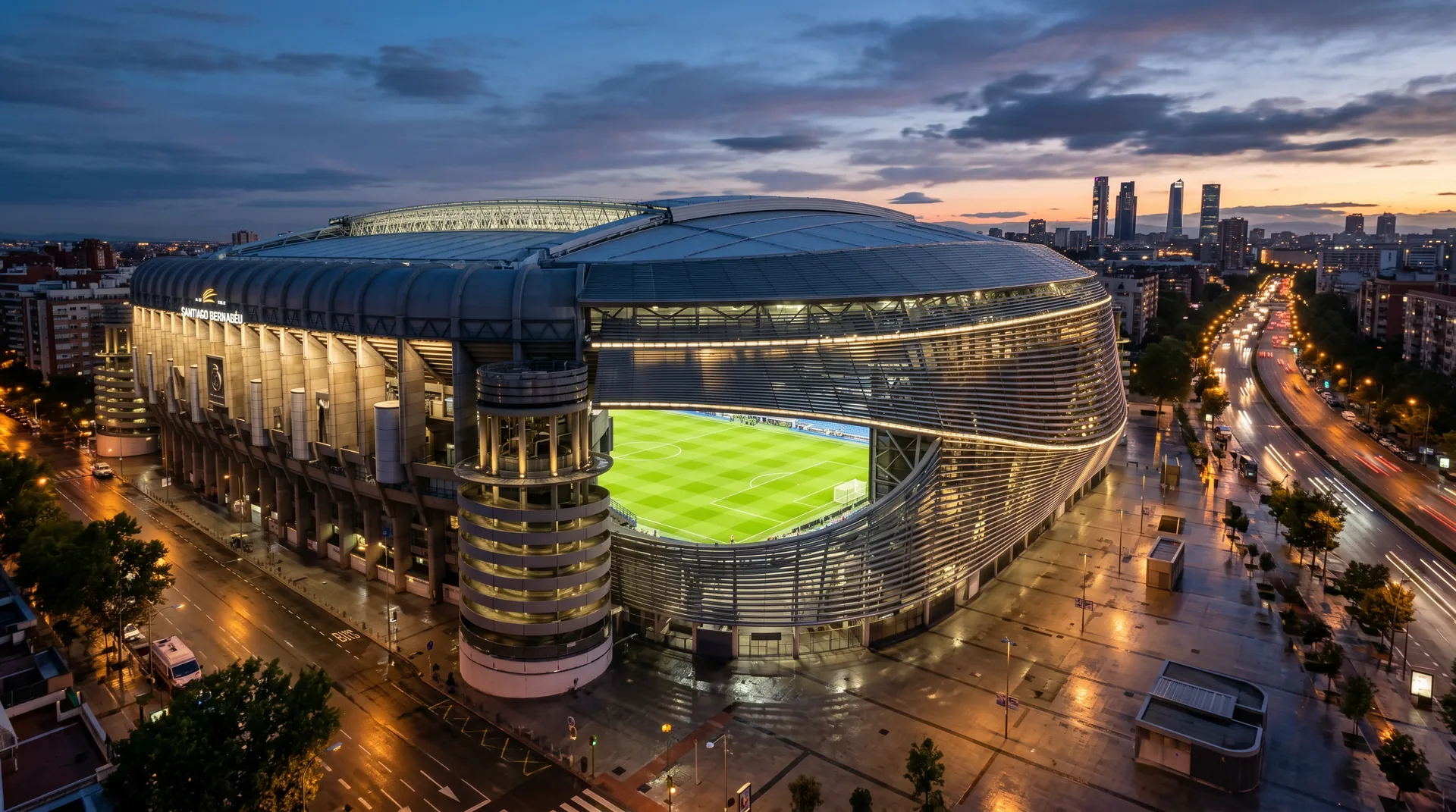
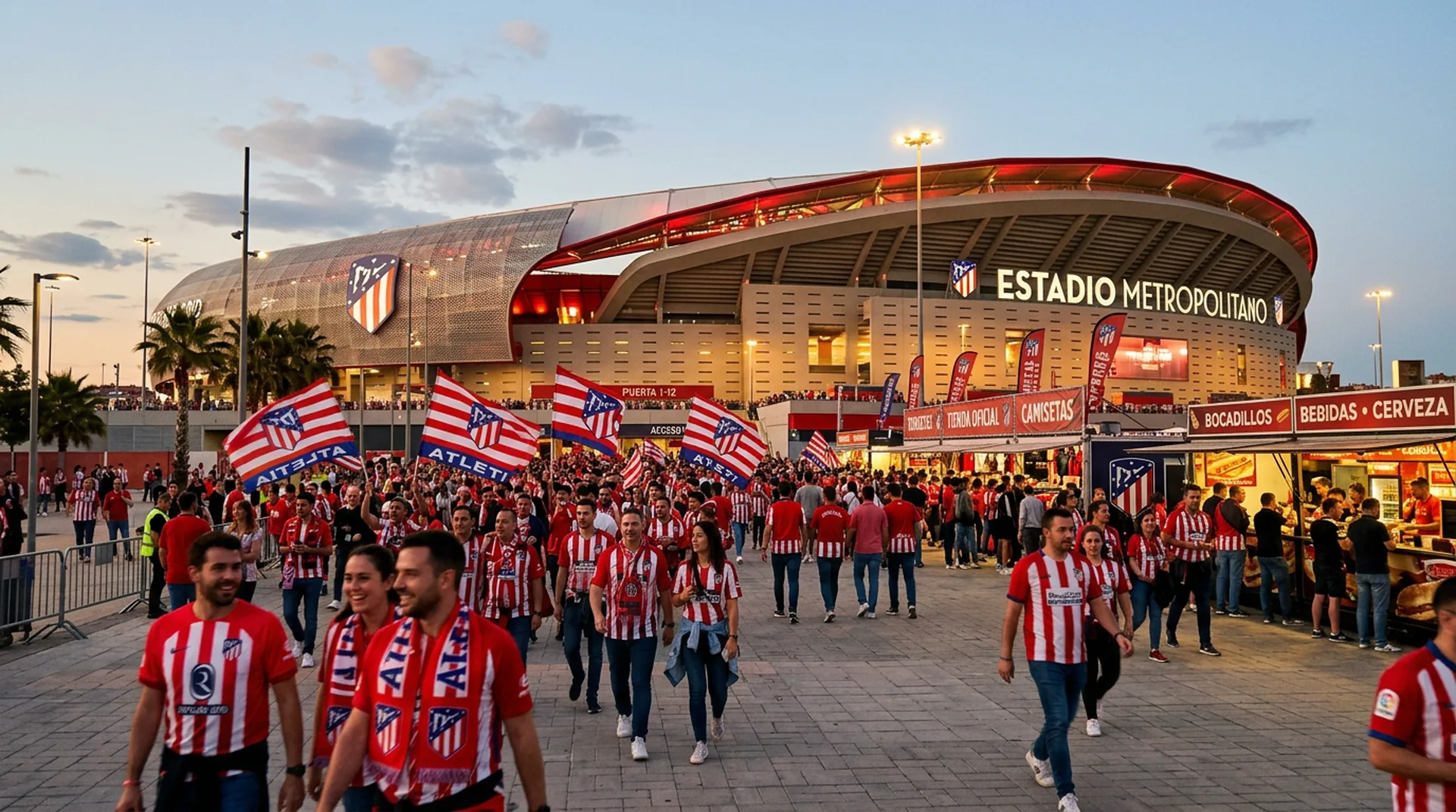
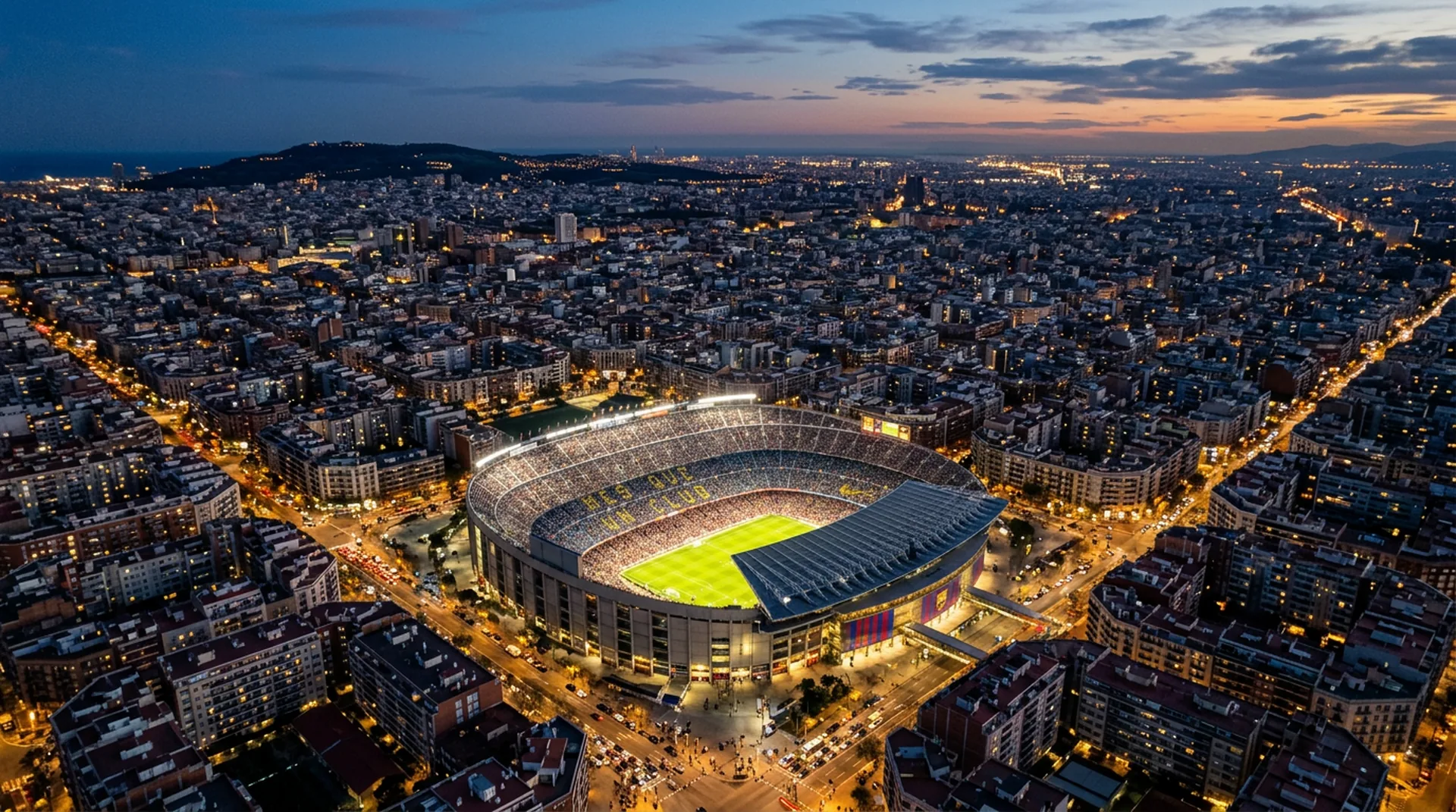
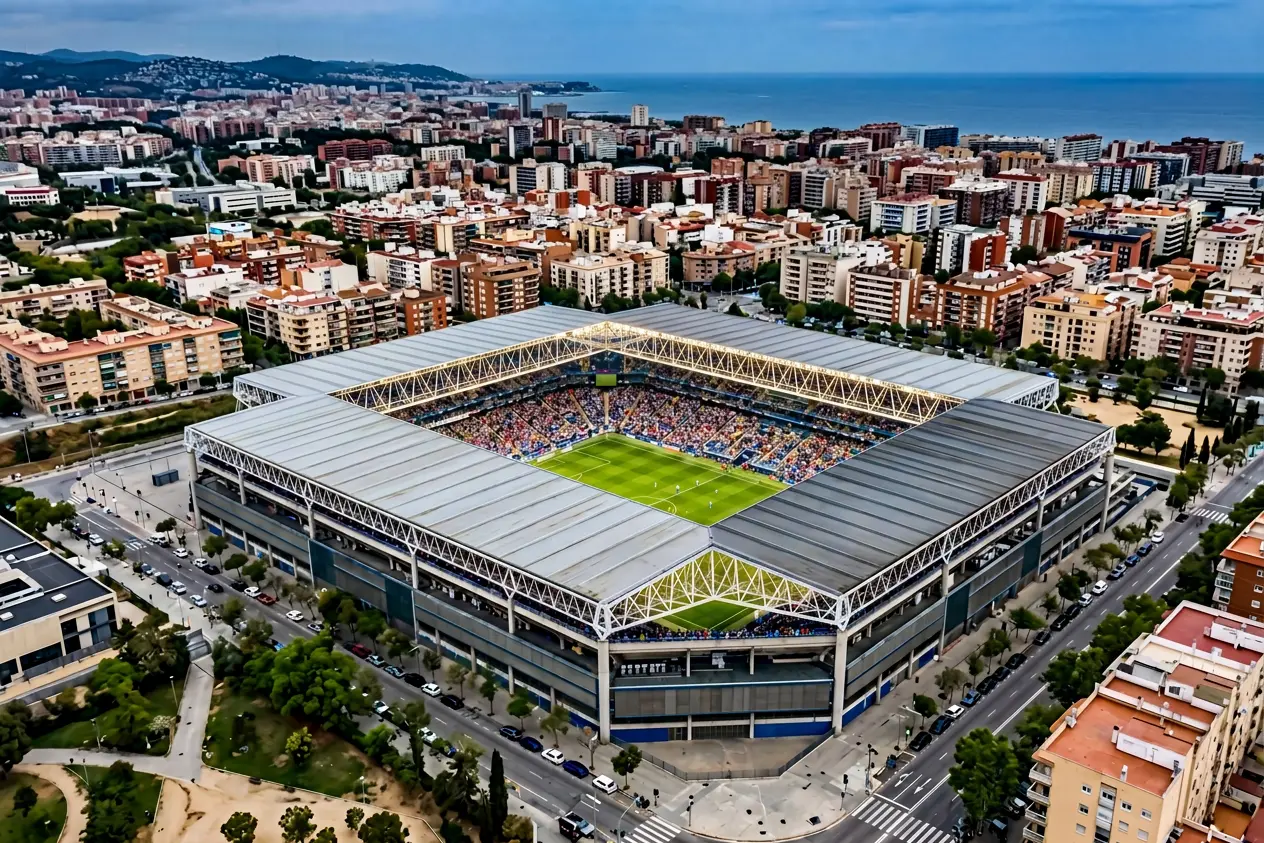
World Cup 2030 host stadiums

Every Host Stadium

21 venues, three confederations, one tournament. See how Estadio de Gran Canaria fits into the bigger picture.

Explore Every Stadium

Estadio de Gran Canaria is one of 21 confirmed venues across Morocco, Portugal, Spain and the three centenary host nations opening the tournament. From Casablanca's Hassan II to Buenos Aires' Estadio Monumental, each host city brings its own story, its own architecture, and its own claim on football history. Explore the full lineup below.

🌅 Spain

🇲🇦 Morocco

🇵🇹 Portugal

🏆 Centenary Matches

Frequently Asked

Estadio de Gran Canaria Questions

Who designed the "La Nube" renovation?
L35 Arquitectos, working with Estudio 0710, won an international design competition against nine other proposals. L35 is also currently overseeing Santiago Bernabéu's modernisation in Madrid.
Why is the project called "La Nube"?
The name means "The Cloud" in Spanish, referring to the light-coloured, continuous envelope roof designed to wrap the entire stadium in a single soft form rather than a conventional tiered structure.
What sustainability features does the design include?
Mist-capture systems suited to the Canary Islands climate, photovoltaic panels across the roof, rainwater harvesting, and a continuous stand design intended to improve natural light and passive ventilation.
Does the stadium host non-football events?
Yes, notably the Granca Live Fest in July 2026, a four-day concert series that drew more than 90,000 attendees, and the completed La Nube is being designed with large-scale events explicitly in mind.
What will the capacity be after renovation?
A planning approval from May 2026 sets the target at 41,854, up from the current roughly 32,400, though earlier proposals had cited figures as high as 44,020-44,484 before the design was refined.
Is the renovation on schedule?
Genuinely uncertain as of this update. The main construction tender, worth around €174 million, failed to attract any bids in July 2026, and officials are now working through alternative paths to award the contract.
How much will the renovation cost?
The budget has grown from an original estimate of €100-114 million to a current tender value of €174.1 million, reflecting added structural reinforcement and design changes.
Will UD Las Palmas play elsewhere during construction?
No permanent relocation is planned. The club expects to play a handful of matches away from home around the 2026-27/2027-28 season boundary to give contractors extra working time, with sections of the current stadium closed as needed.
When did Estadio de Gran Canaria open?
2003, as a multipurpose stadium in the Siete Palmas district, making it one of the youngest grounds among Spain's 2030 World Cup venues.
When was Gran Canaria selected as a World Cup venue?
The island was included among Spain's eleven proposed 2030 venues in July 2024, and FIFA confirmed the joint Spain-Portugal-Morocco hosting bid that December.
Is this Spain's only Canary Islands venue?
Yes, Estadio de Gran Canaria is the only 2030 World Cup venue located outside mainland Spain among the country's confirmed host stadiums.
Who plays at the stadium currently?
UD Las Palmas, who have used the ground as their home stadium since it opened in 2003.
How do I get to the stadium from central Las Palmas?
By bus lines 26, 44, 45 or 91 to Avenida Pintor Felo Monzón, a five-minute walk from the stadium; Gran Canaria has no metro or tram system.
What's the nearest airport to the stadium?
Gran Canaria Airport (LPA), roughly 25-30 minutes from the stadium by taxi.
Where should I stay if I'm visiting for a match?
Most visitors base themselves near Playa de Las Canteras or in central Las Palmas, roughly 20-30 minutes from the stadium by bus or taxi, since Siete Palmas itself has limited tourist accommodation.
How do I buy tickets for a UD Las Palmas match?
Through the club's official website, where season ticket holders get priority access before general sale opens for remaining tickets.

Continue Exploring

See every World Cup 2030 stadium, or the full Las Palmas travel guide.

All StadiumsLas Palmas Guide

Get Gran Canaria Updates

Construction tender updates, FIFA venue confirmations, ticket ballot dates and Las Palmas travel tips - straight to your inbox.