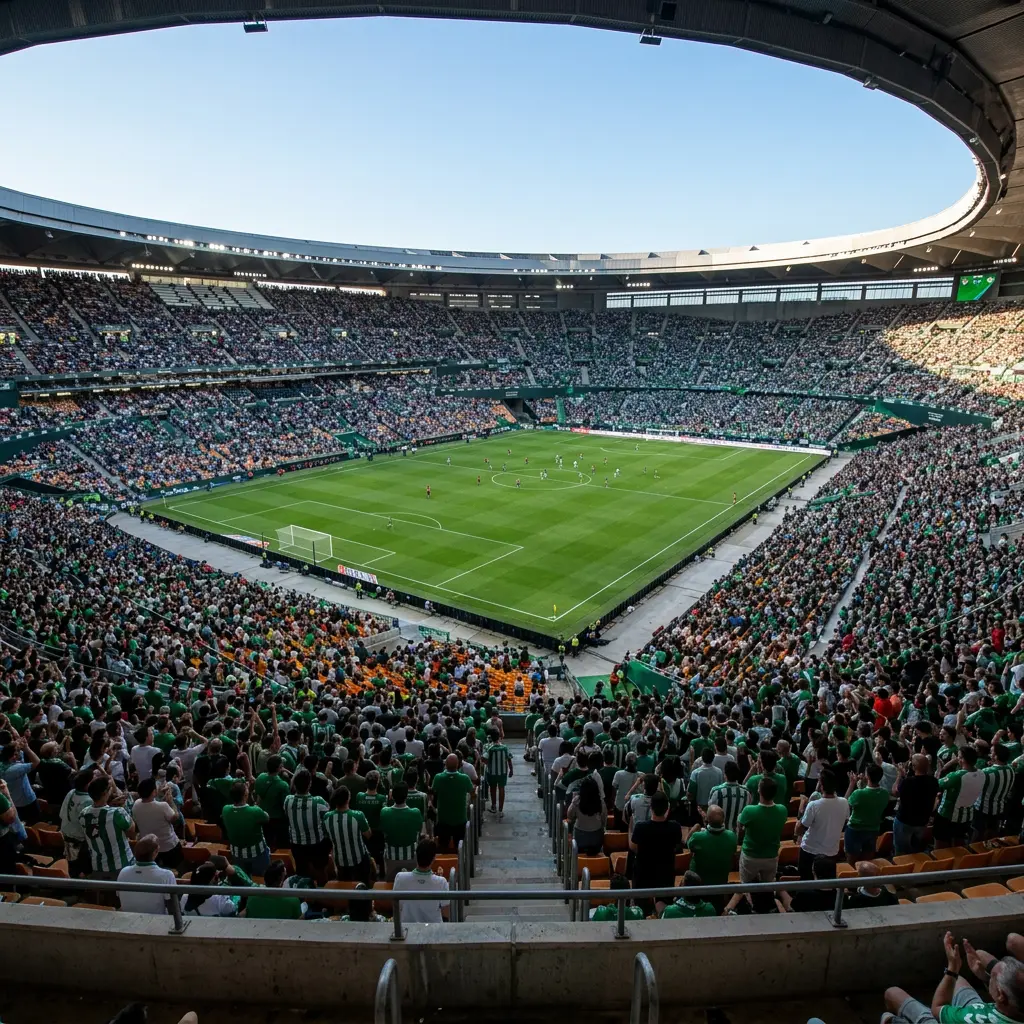
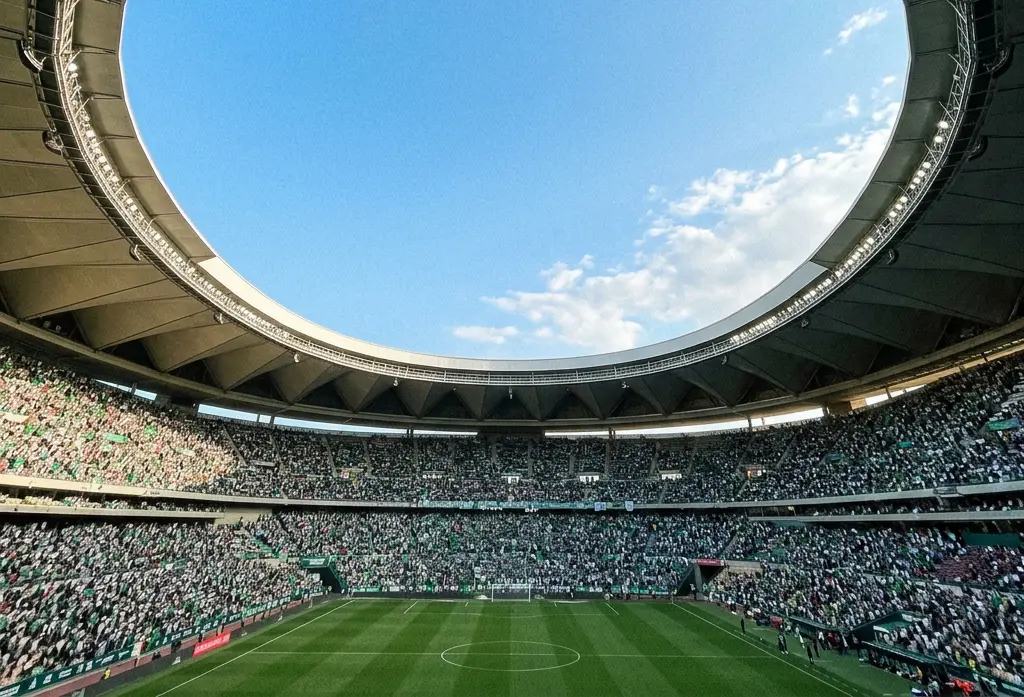
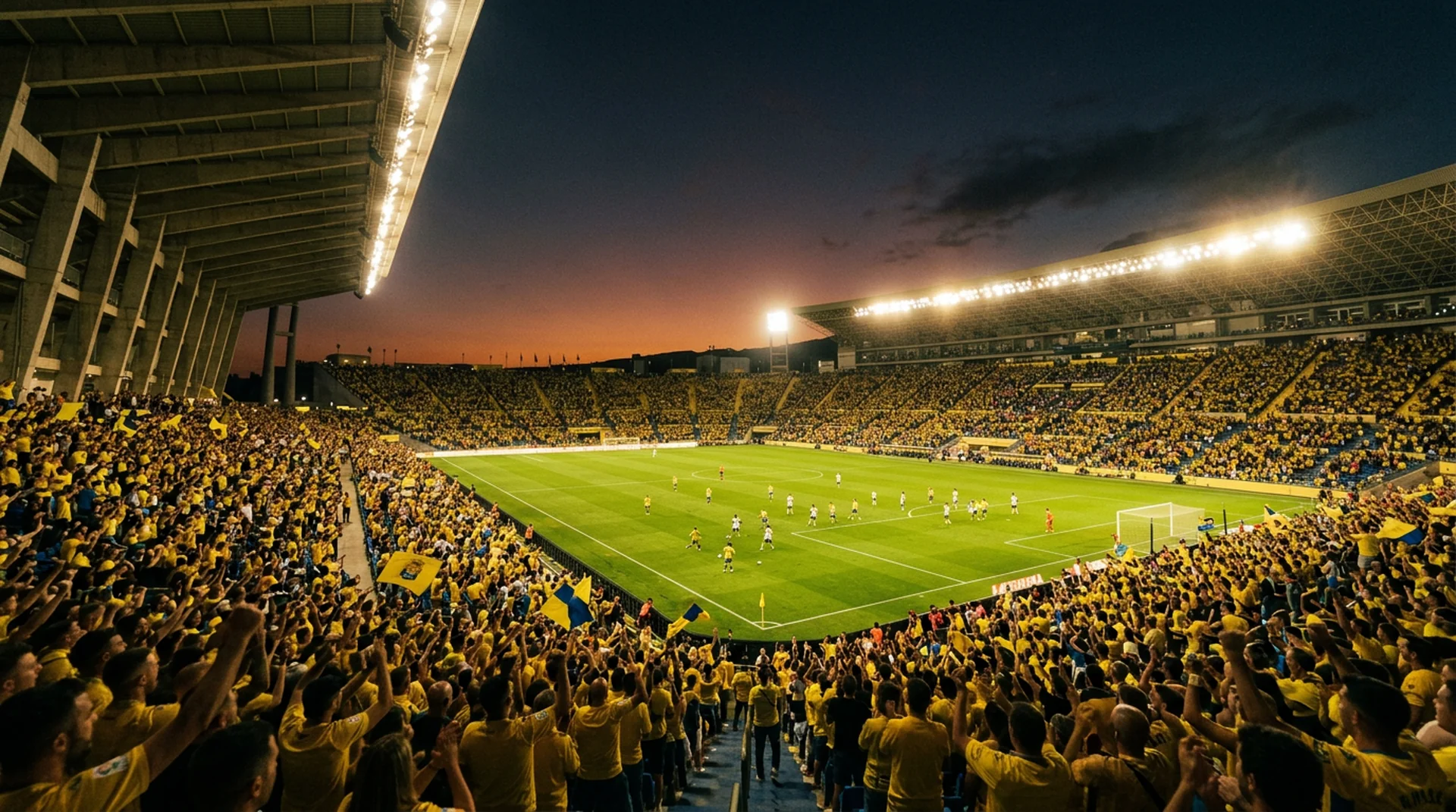
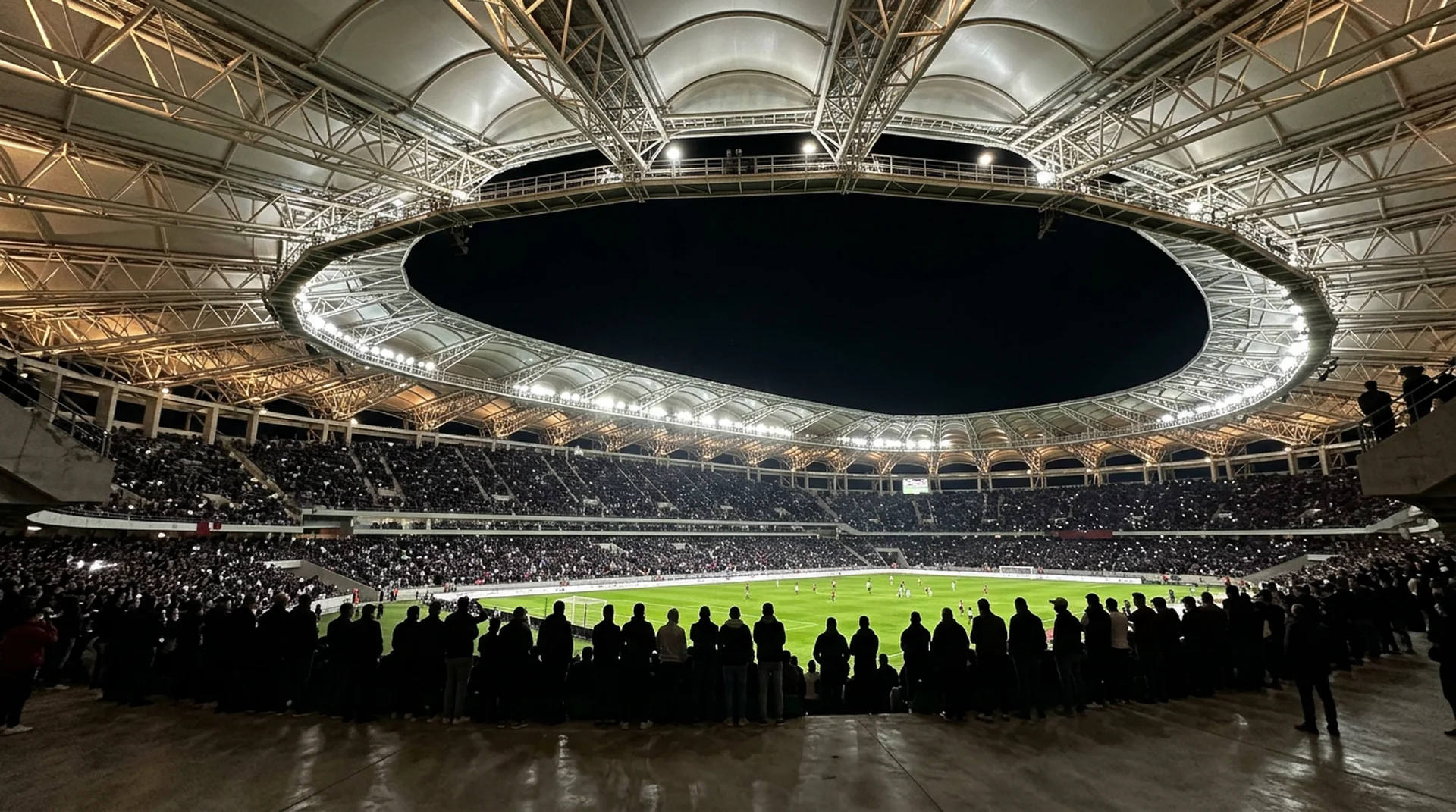
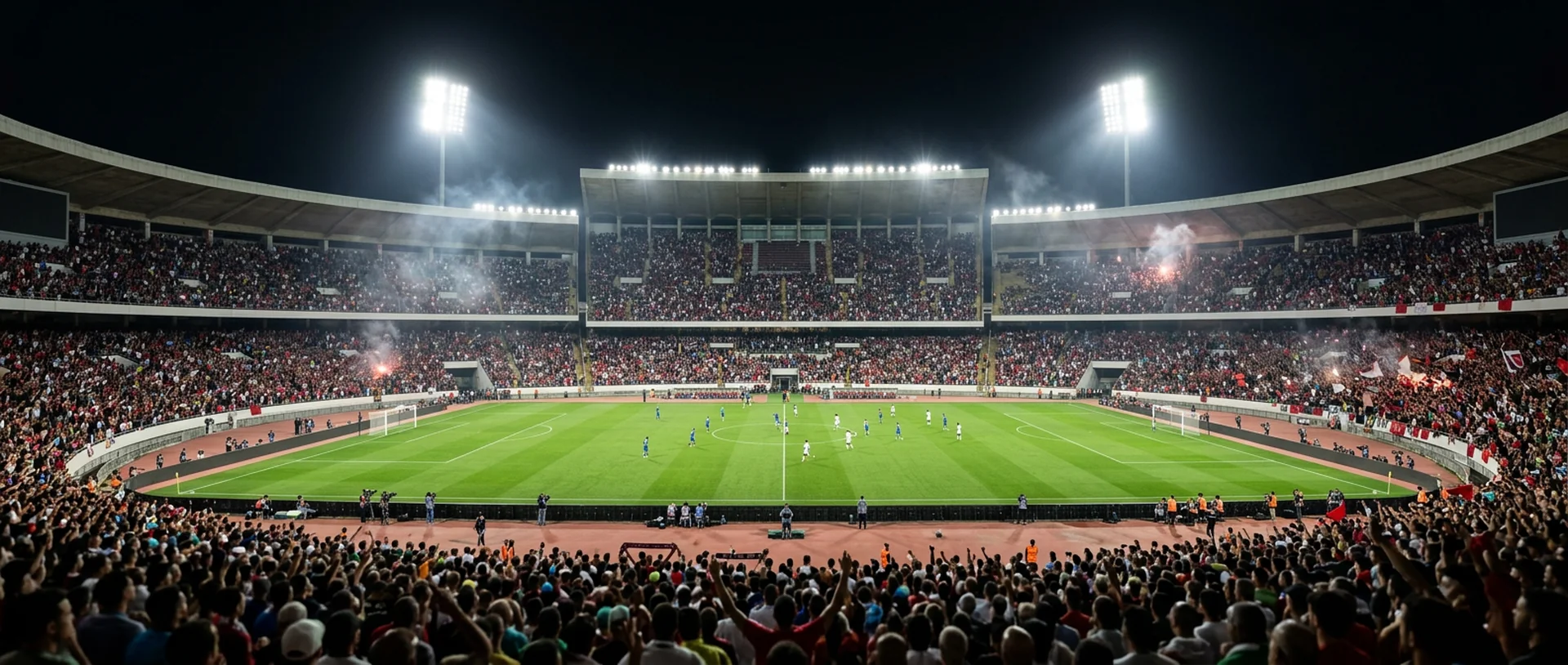
Built for an Olympic bid Seville never won and left half-empty for two decades, this Cruz y Ortiz-designed stadium finally found its purpose: a 70,000-seat football venue, its running track removed in a rapid 2024-25 transformation, and now temporary home to Real Betis.
Architecture & Design
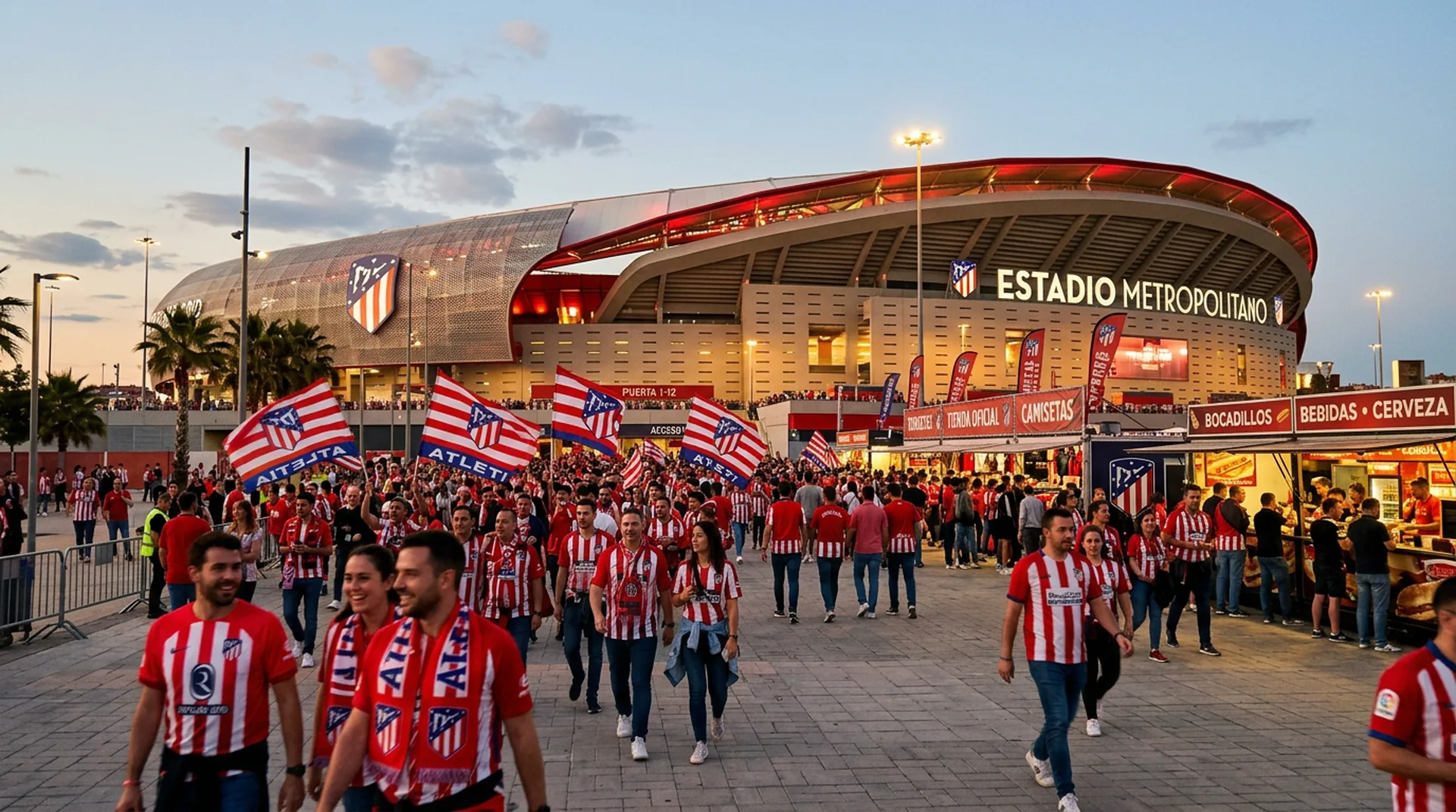
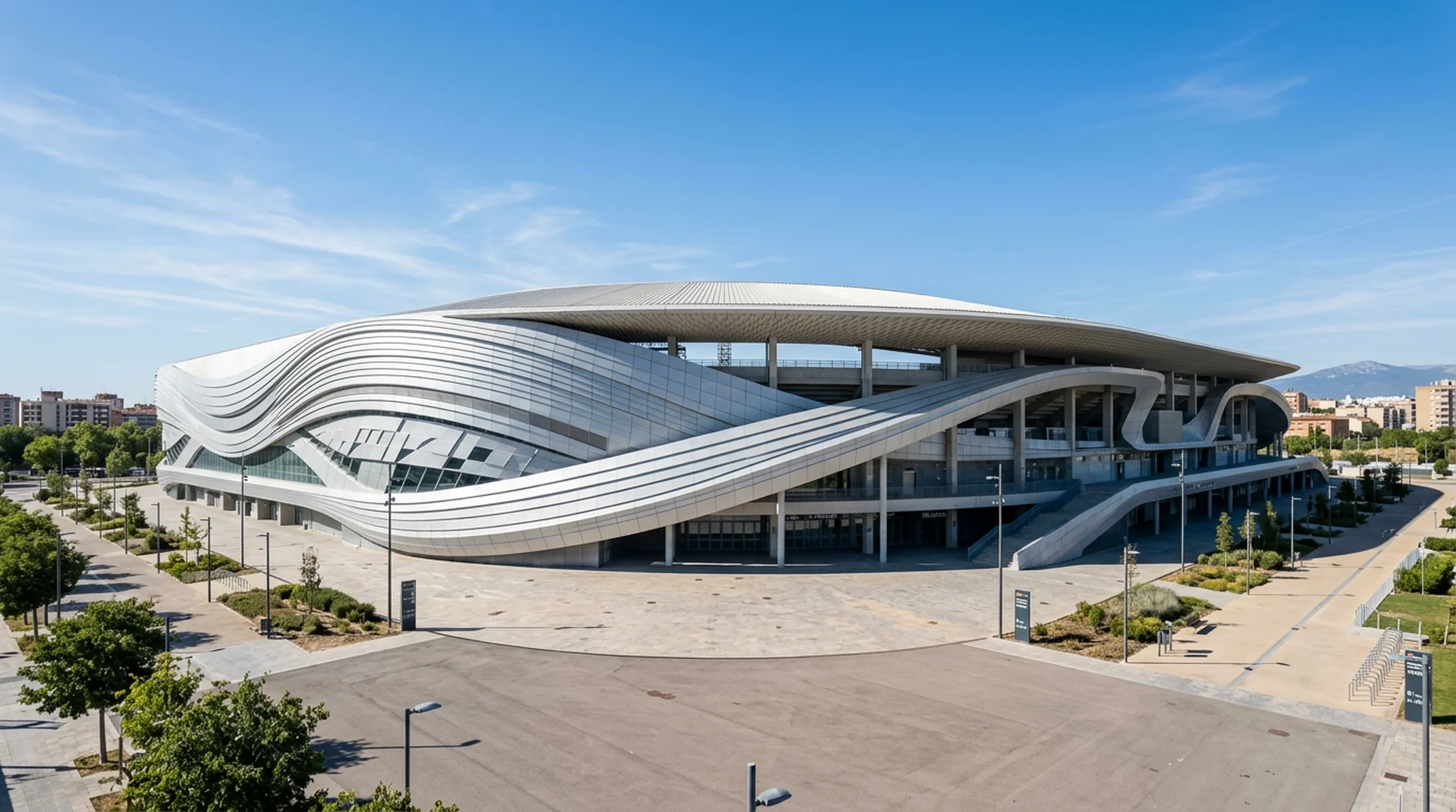
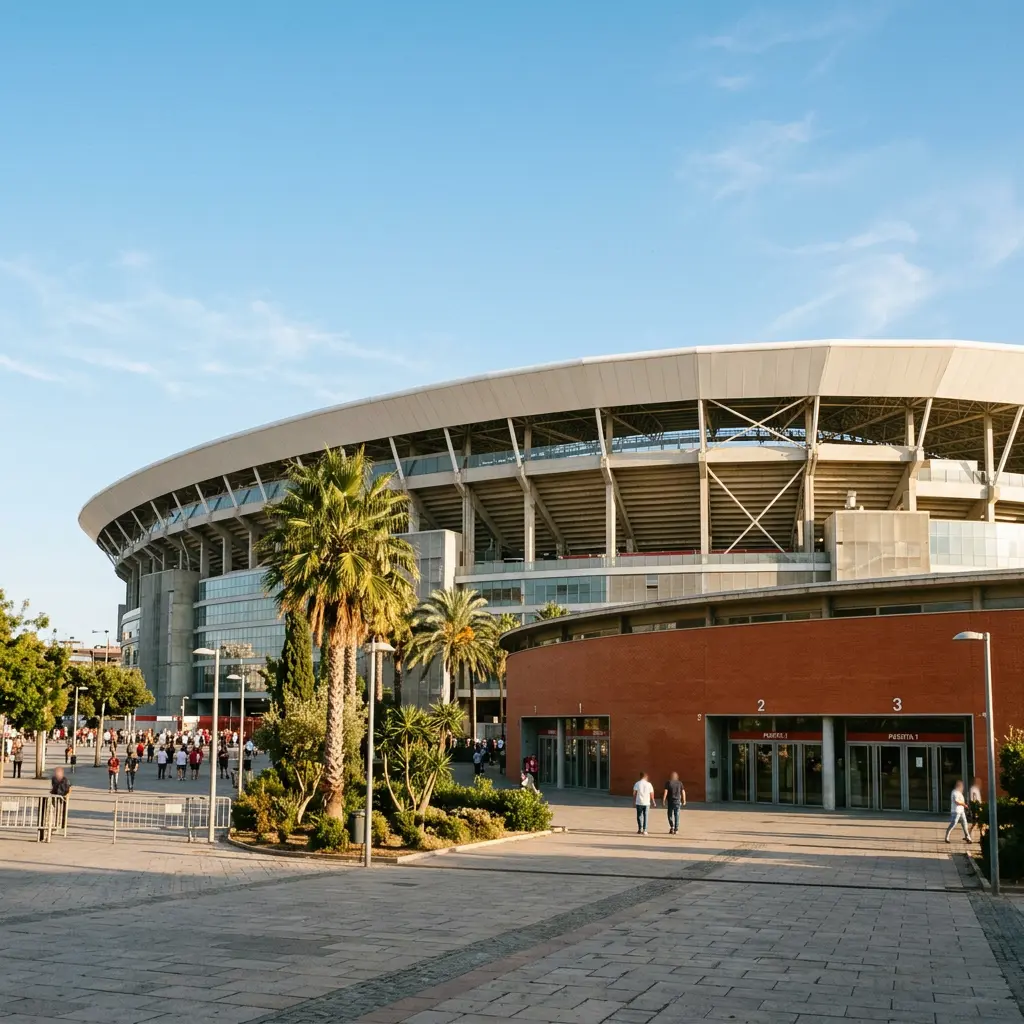
La Cartuja, officially Estadio de La Cartuja de Sevilla and originally Estadio Olímpico de Sevilla, was designed by Cruz y Ortiz Arquitectos, the Seville firm also behind Madrid's Cívitas Metropolitano, and completed in 1999 for Seville's bids to host the 2004 and 2008 Summer Olympics. Both bids failed, leaving the city with a modern, publicly funded athletics stadium and no permanent tenant: neither Real Betis nor Sevilla FC ever moved in, both preferring their own historic grounds.
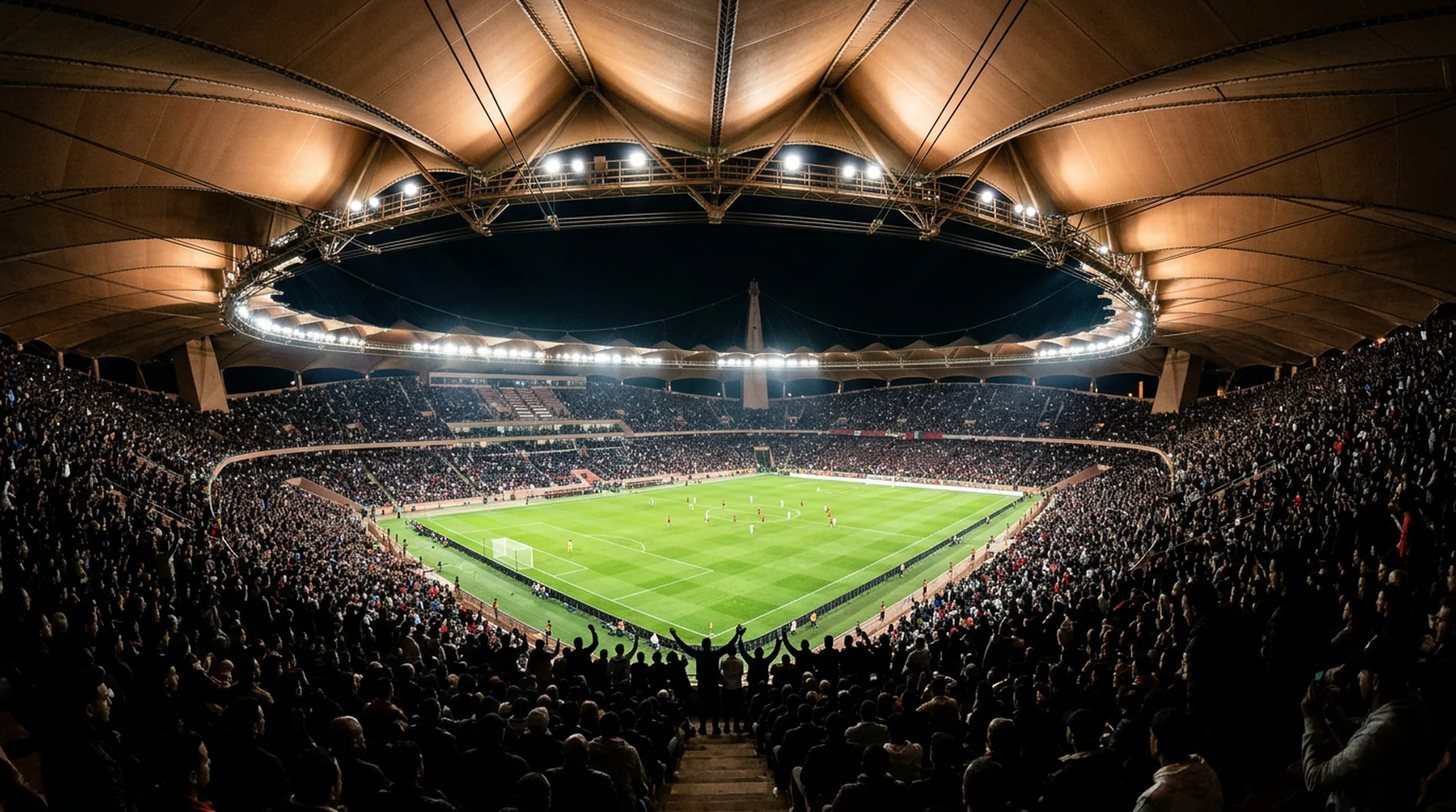
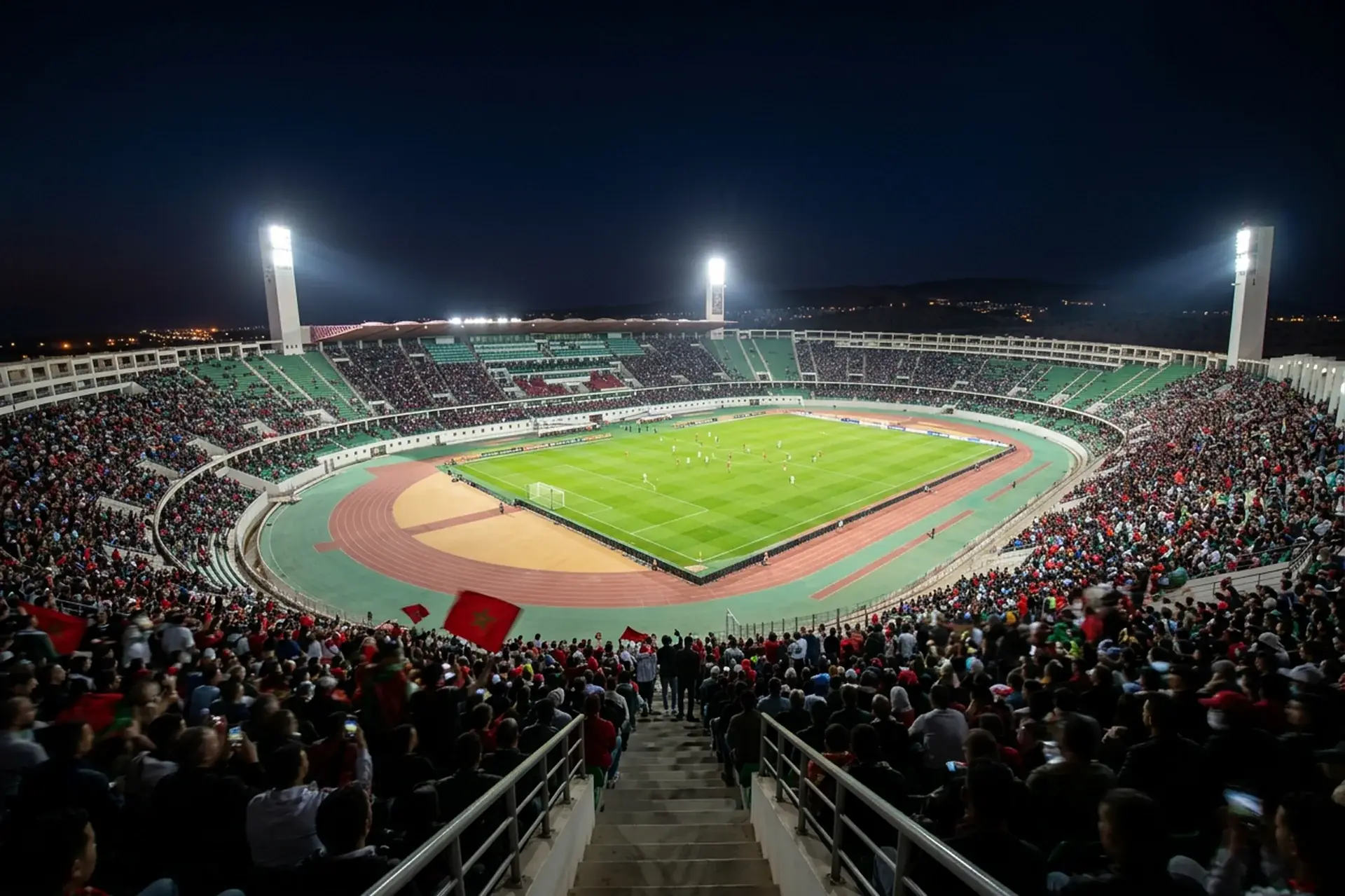
The original design gave the stadium a steel and polycarbonate roof stretched over the seating decks, sheltering fans from Andalusia's punishing summer heat. At opening, its capacity of around 60,000 made it one of Spain's largest stadiums, though the running track that made it viable for athletics also kept fans frustratingly distant from the pitch for football, a compromise shared by other Olympic-legacy venues built for the same era, including Grand Stade de Marrakech in Morocco.
For two decades, the stadium found purpose mainly as an occasional-use venue: hosting the 1999 World Athletics Championships, the 2003 UEFA Cup final, national team fixtures, Copa del Rey finals, and major concerts, while sitting largely dormant the rest of the year. That changed once Spain's 2030 World Cup bid gained momentum and FIFA's football-specific requirements gave the stadium's long-delayed transformation real urgency.
The complex was designed for more than football from the start. Beyond matchdays, La Cartuja functions as a genuine multi-use venue: ramps, lifts, accessible restrooms and dedicated wheelchair seating areas run throughout the bowl, and the surrounding halls have hosted everything from the DIVERSA Pride Festival to business conferences and product launches, alongside an on-site medical clinic and corporate event spaces built into the original 1999 structure.
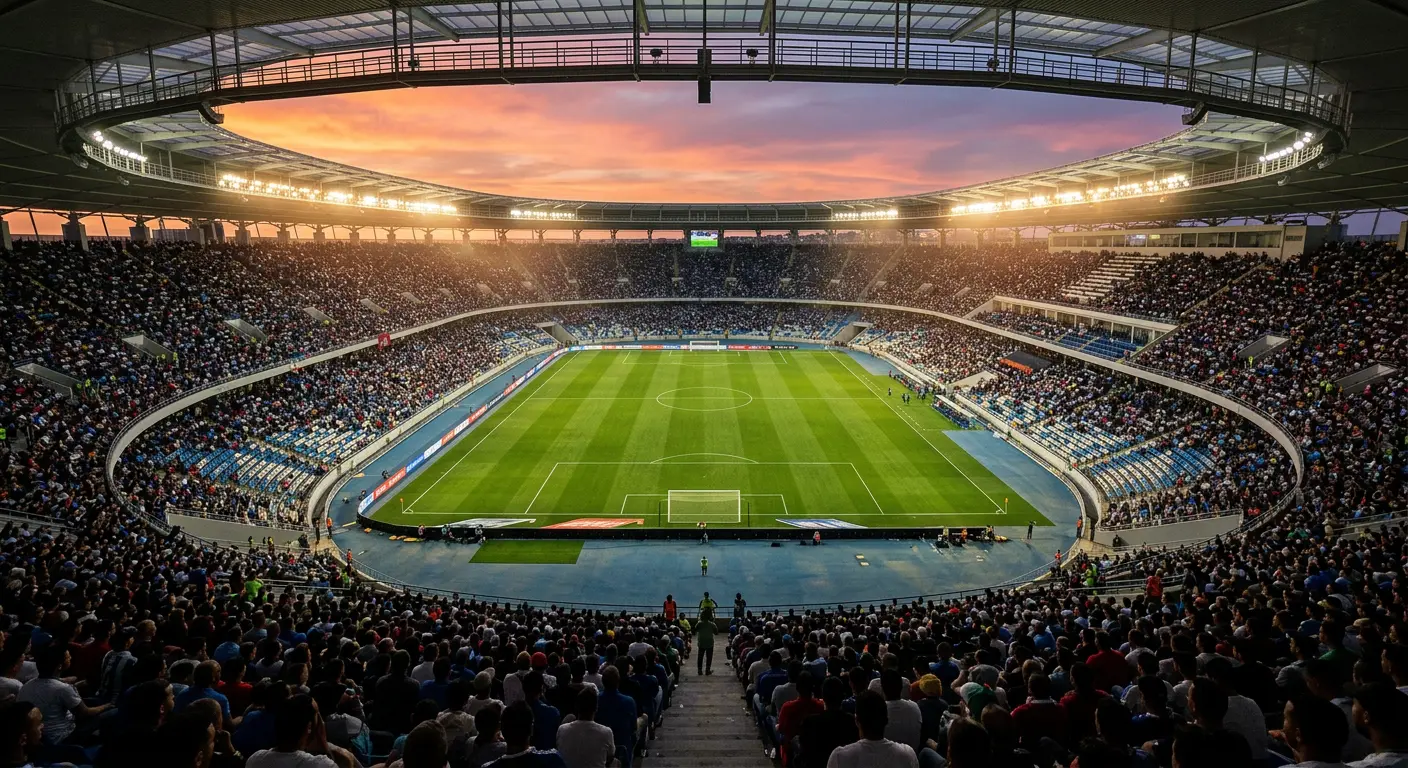
The stadium's UEFA Elite Stadium certification, the same tier required to host a Champions League or Europa League final, rests partly on its broadcast infrastructure: floodlights exceeding 2,500 lux, more than 18 camera positions around the pitch, two 84m² high-resolution video scoreboards and 48 private boxes. The pitch itself is natural Ryegrass rather than a hybrid surface, a deliberate choice given how few days a year the turf actually sees competitive football, replanted each September after a summer of concerts.
The stadium's island setting is itself a legacy of Expo '92, the 1992 Seville World's Fair that reshaped Isla de la Cartuja from open land into a purpose-built district, complete with new bridges, gardens and the research park now known as Cartuja 93. That neutral ground has served the city well since: as a venue with no historical tie to either Real Betis or Sevilla FC, La Cartuja is the natural host whenever Seville needs a stadium above the fray of its oldest football rivalry, from cup finals to national team fixtures.
Planning a trip around this stadium? See the full Seville guide →
Once Spain's 2030 World Cup bid gained momentum, La Cartuja's fortunes changed fast. Phase 1 construction began in July 2024 and finished just before the 26 April 2025 Copa del Rey final, removing the long-criticised athletics track, lowering the pitch, and adding a new Grada Baja lower tier, raising capacity from 57,600 to roughly 70,000 for a strikingly modest cost of around €15 million.
The rushed Phase 1 timeline came with growing pains: some fans complained about disorganisation at the 2025 Copa del Rey final, and FIFA reportedly flagged concerns. Local authorities describe it as a one-off issue tied to the compressed schedule, and Phase 2, targeting 2028 completion and a final capacity Cruz y Ortiz cites at 71,374, is intended to iron out those problems permanently, with most of the heaviest work scheduled once Real Betis and Sevilla FC return to their own rebuilt stadiums.
“I meant that La Cartuja will host the World Cup's final phase.”
— José Luis Sanz, Mayor of Seville, July 2025What We Don't Know Yet
The exact final capacity after Phase 2 has been reported anywhere from 70,000 to 75,000, and Cruz y Ortiz's own materials cite 71,374. We'll update this page once a confirmed final figure is published.
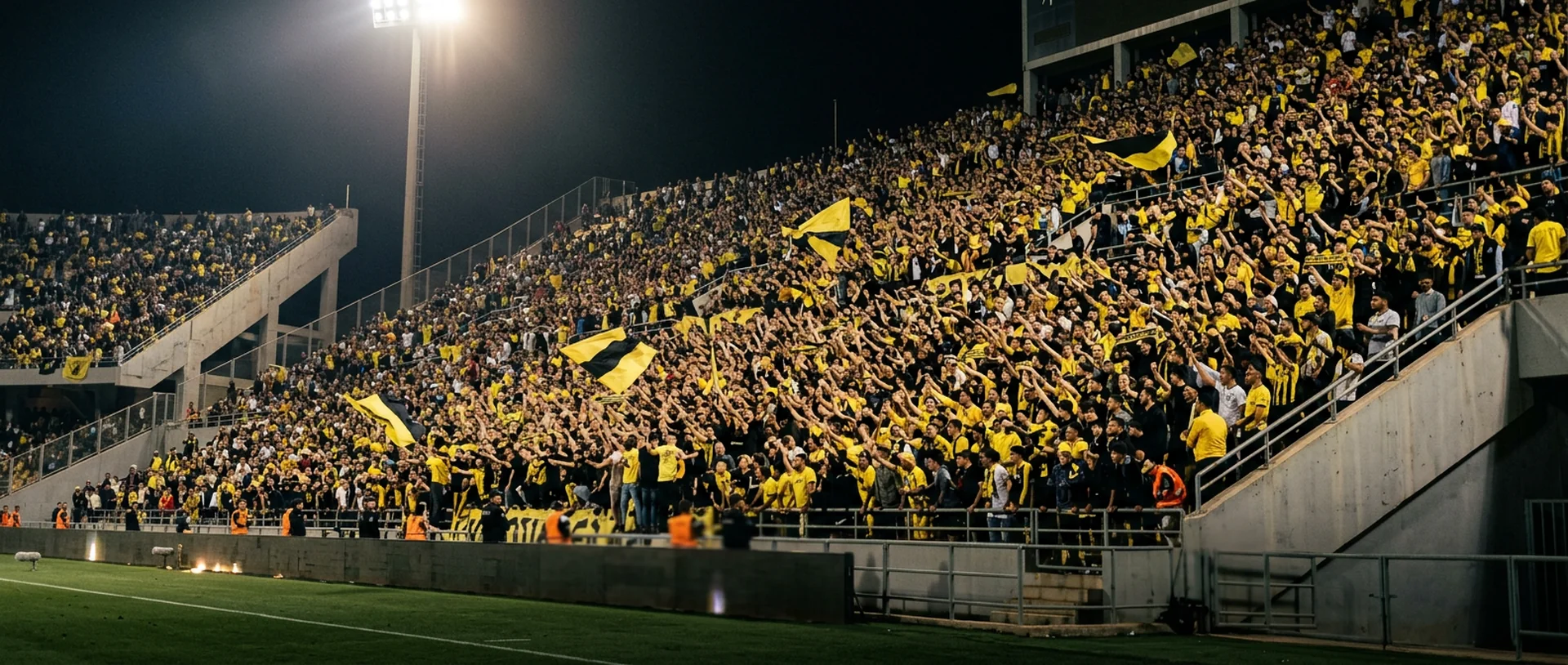
With Real Betis playing every home match at La Cartuja through at least the 2027-28 season while their own Benito Villamarín is rebuilt, the club's famously loyal Béticos have had to relearn matchday habits in a stadium roughly a third larger than their old ground. The Gol Sur end has become the adopted home of the club's most vocal supporters, filled with flags, drums and constant singing behind the goal, while the Preferencia and Fondo sides along the touchline offer a calmer, more panoramic view of the pitch.
The scale of the place still shows its Olympic origins: rows sit further back than at a purpose-built football ground, and the Segundo Anfiteatro upper tier, part of the original 1999 structure, puts fans noticeably higher than the new lower-tier seating built directly over the old running track. Betis has responded by doubling its VIP hospitality footprint for the La Cartuja seasons, a practical nod to the stadium's larger capacity and UEFA Elite-category standing.
The Copa del Rey final has become an annual fixture here too: Real Sociedad beat Atlético Madrid 4-3 on penalties after a 2-2 draw in the 2026 final, continuing a run of finals hosted at the venue every year since 2020, several of them Clásico or Andalusian derby occasions that filled all four stands.
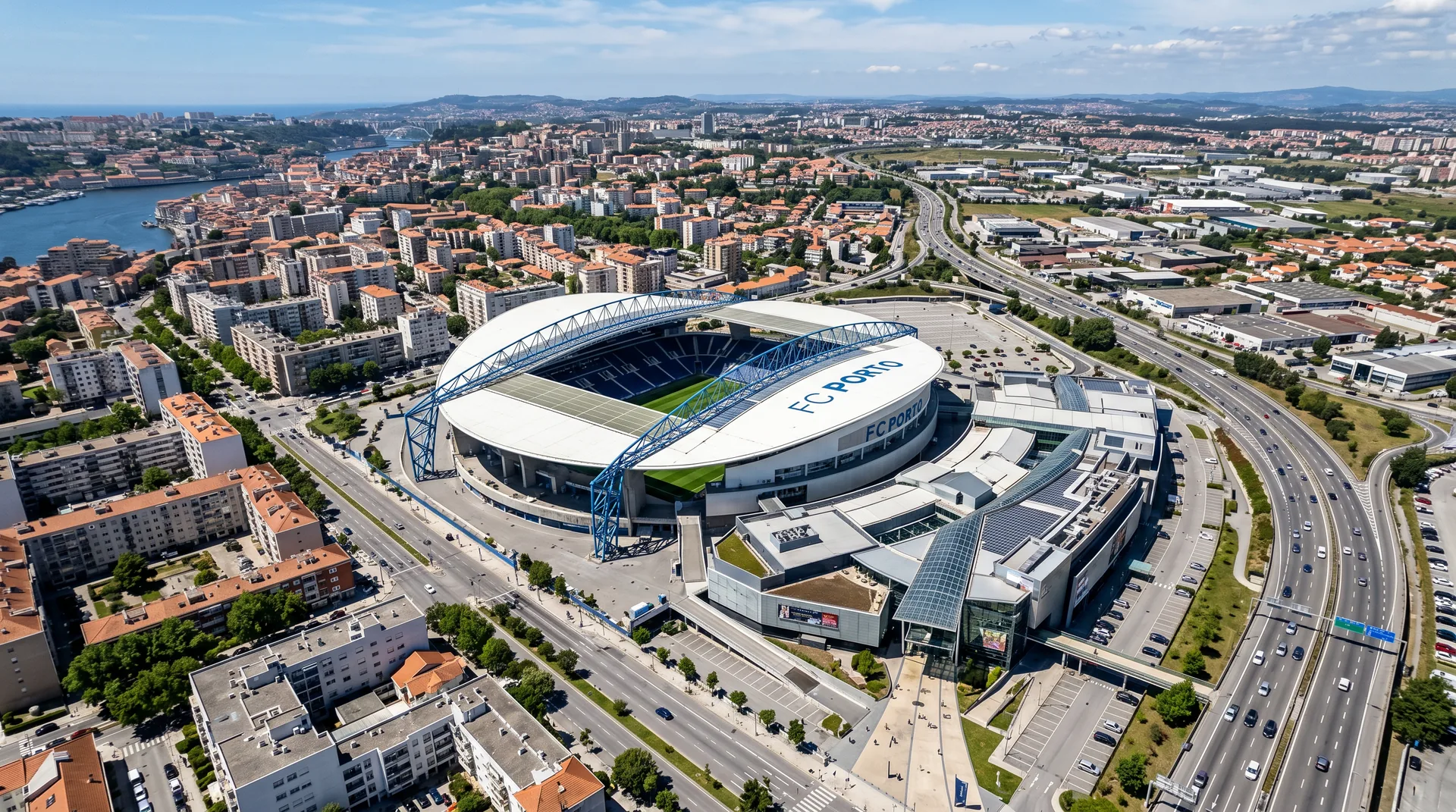
La Cartuja's Athletics World Championships debut in 1999 gave way to genuine football pedigree over the following decades, most notably the 2003 UEFA Cup final, when tens of thousands of Celtic supporters descended on Seville only to watch their side lose to FC Porto. The stadium replaced San Mamés as a Euro 2020 host venue after Bilbao couldn't guarantee attendance during the pandemic, and has hosted the Copa del Rey final continuously since 2020, with the RFEF confirming in November 2025 that the venue will keep the fixture for three more editions.
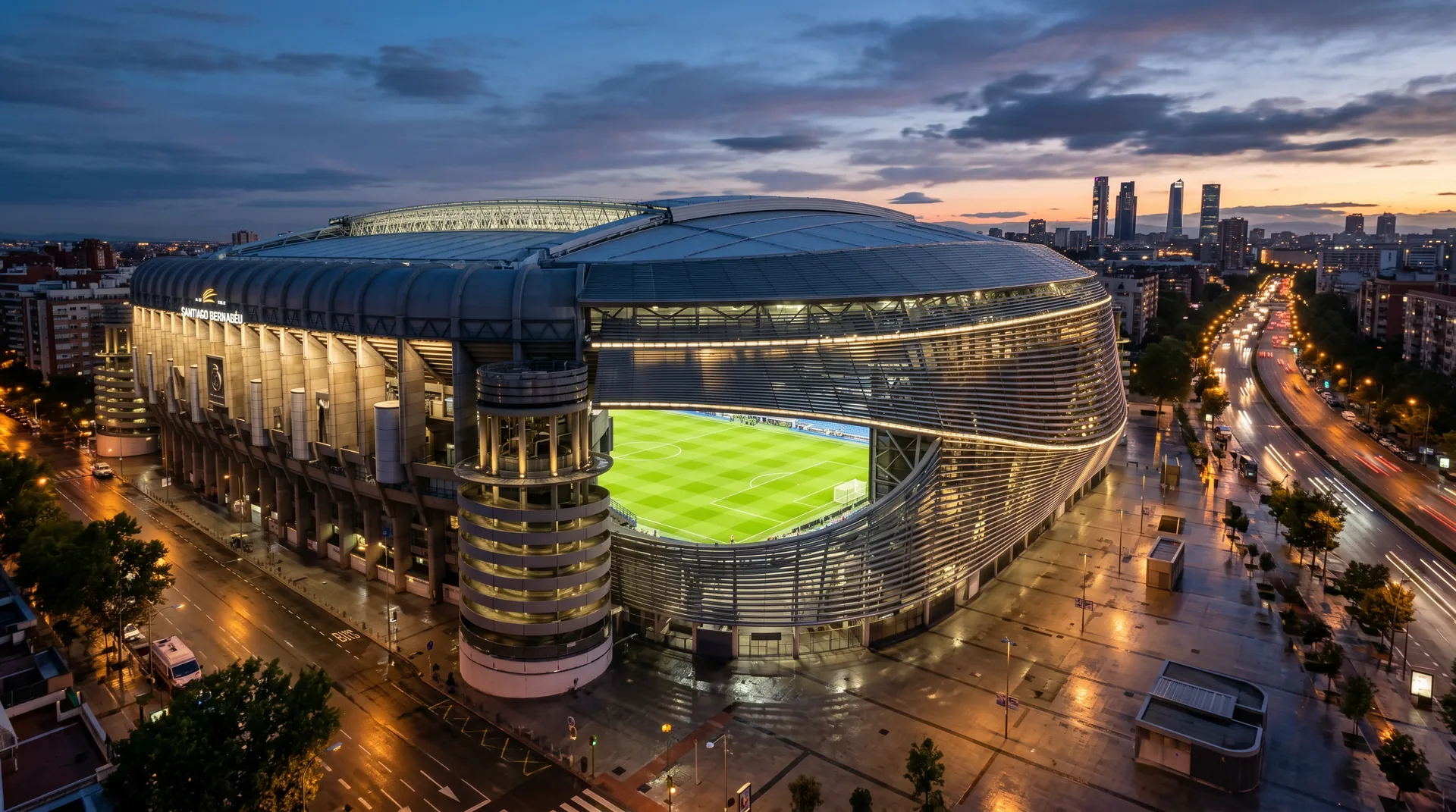
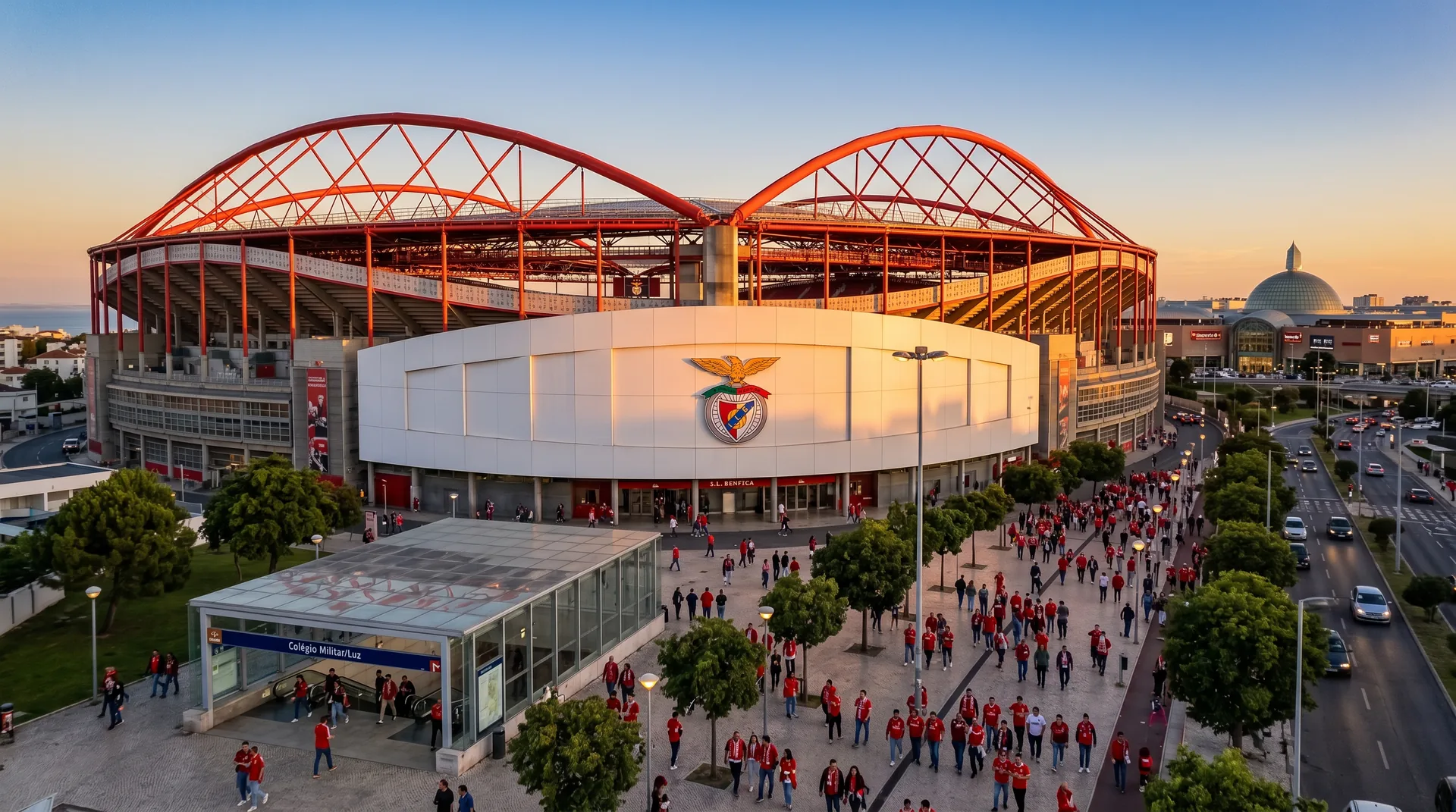
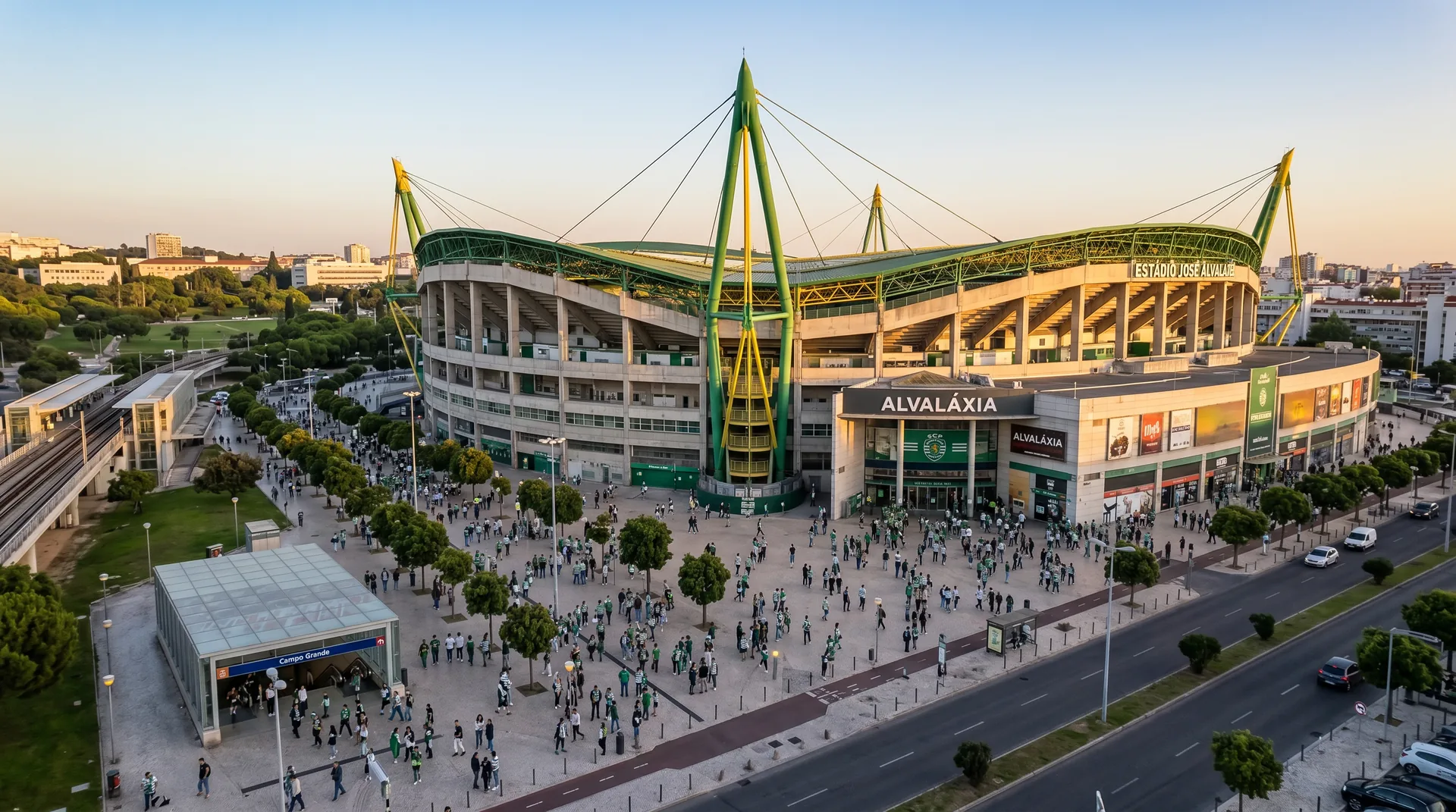
La Cartuja is one of Spain's confirmed 2030 World Cup venues, alongside Santiago Bernabéu in Madrid and Estádio da Luz across the border in Lisbon, part of the shared Spain-Portugal-Morocco hosting bloc.
The stadium sits in Seville's Isla de la Cartuja district. Its list of concert performers reads like a greatest-hits of stadium touring acts: Madonna, U2, Bruce Springsteen, AC/DC, and the Red Hot Chili Peppers, who opened their entire 2022 Global Stadium Tour there. In June 2022, Spanish singer Manuel Carrasco set the record for Spain's most-attended single-day concert at the venue, with 74,345 tickets sold.
As the sole 2030 World Cup venue in Andalusia, and one of the entire southern half of the Iberian Peninsula, La Cartuja gives the region a genuine flagship, backed by a proven track record hosting UEFA Elite-category fixtures and major national finals. FIFA's minimum requirements call for 40,000 net seats for the group stage and at least 60,000 for a semifinal, figures La Cartuja clears comfortably at its post-renovation capacity.
Seville's mayor has spoken confidently about the city's ambitions for the tournament's later rounds, though officials have been careful to clarify exactly what role is realistic. The stadium's temporary role as home to Real Betis, and potentially Sevilla FC during its own stadium redevelopment, only deepens its integration into the city's football life ahead of 2030, while ongoing work to improve rail and road access to the Isla de la Cartuja remains the main outstanding item on FIFA's checklist.
“Originally, the idea was to have 20 host venues.”
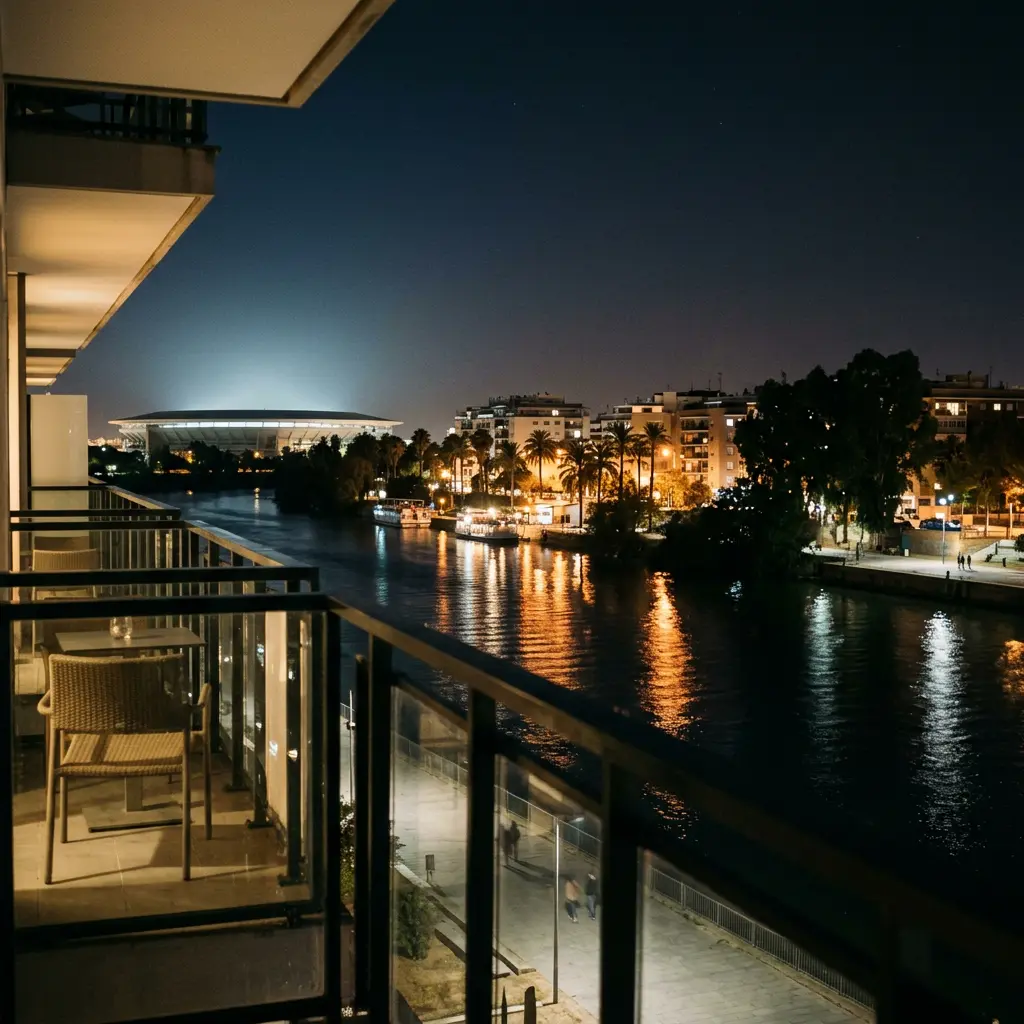
— José Manuel Rodríguez Uribes, President, Consejo Superior de Deportes, July 2025La Cartuja sits on Seville's Isla de la Cartuja, a district on the Guadalquivir River just north of the historic centre, roughly 2-4km from the city's core depending on route, reachable by metro, bus and taxi, with an on-site four-star hotel offering pitch-facing rooms for fans wanting to stay right at the venue.
Exact matchday shuttle and transport plans will be confirmed by FIFA and Spanish authorities closer to 2030. Check back here for updates.
The stadium has its own on-site four-star hotel, the 72-room EXE Isla Cartuja, some of it overlooking the pitch, or stay centrally in Seville's Santa Cruz or Centro districts, roughly 15-20 minutes away by taxi or bus. Our full Seville guide covers neighbourhoods and matchday logistics in detail.
La Cartuja is one of 21 confirmed venues across Morocco, Portugal, Spain and the three centenary host nations opening the tournament. From Casablanca's Hassan II to Buenos Aires' Estadio Monumental, each host city brings its own story, its own architecture, and its own claim on football history. Explore the full lineup below.
🌅 Spain


🇲🇦 Morocco


🇵🇹 Portugal
🏆 Centenary Matches
Frequently Asked
Continue Exploring
See every World Cup 2030 stadium, or the full Seville travel guide.
Stay Informed
Phase 2 renovation milestones, FIFA venue confirmations, ticket ballot dates and Seville travel tips - straight to your inbox.