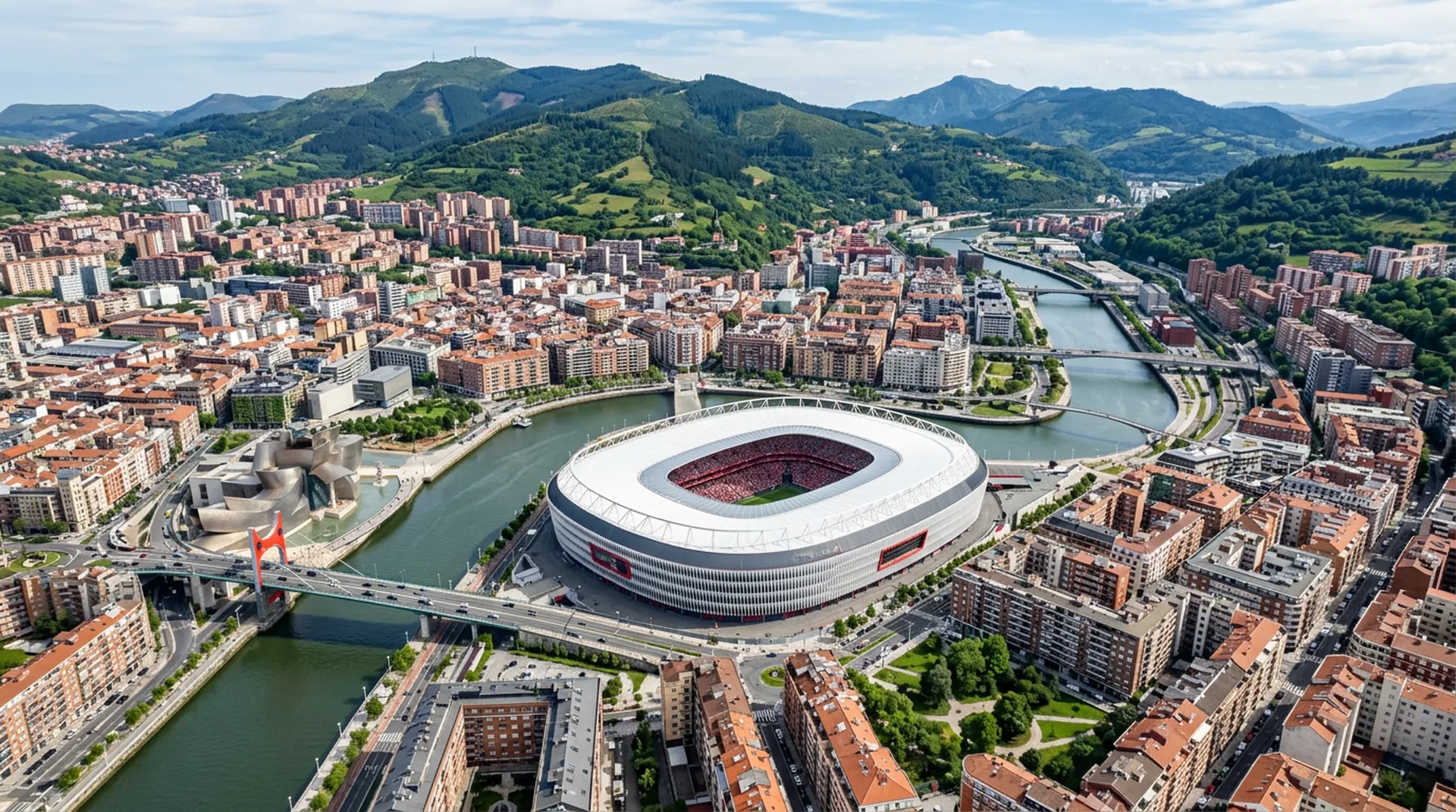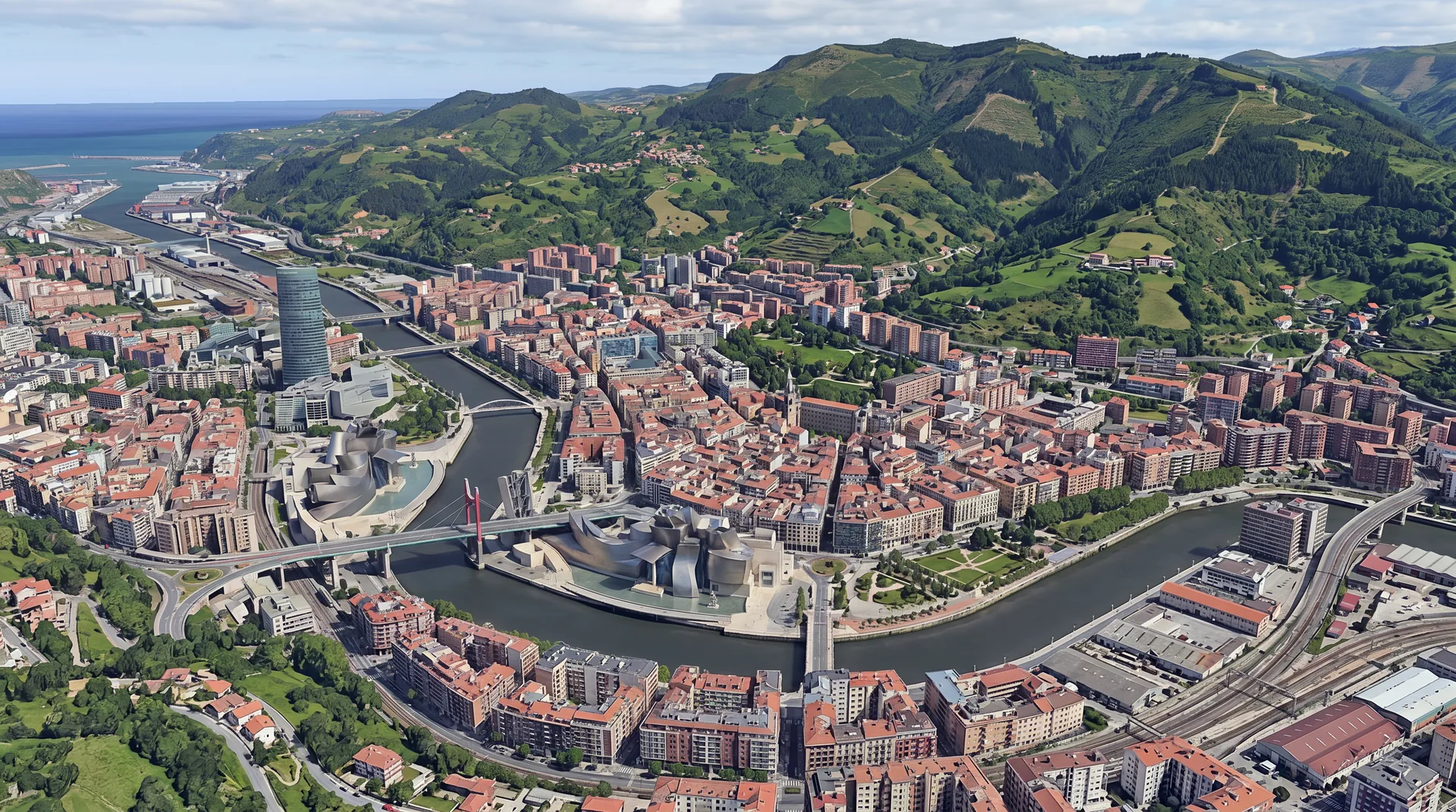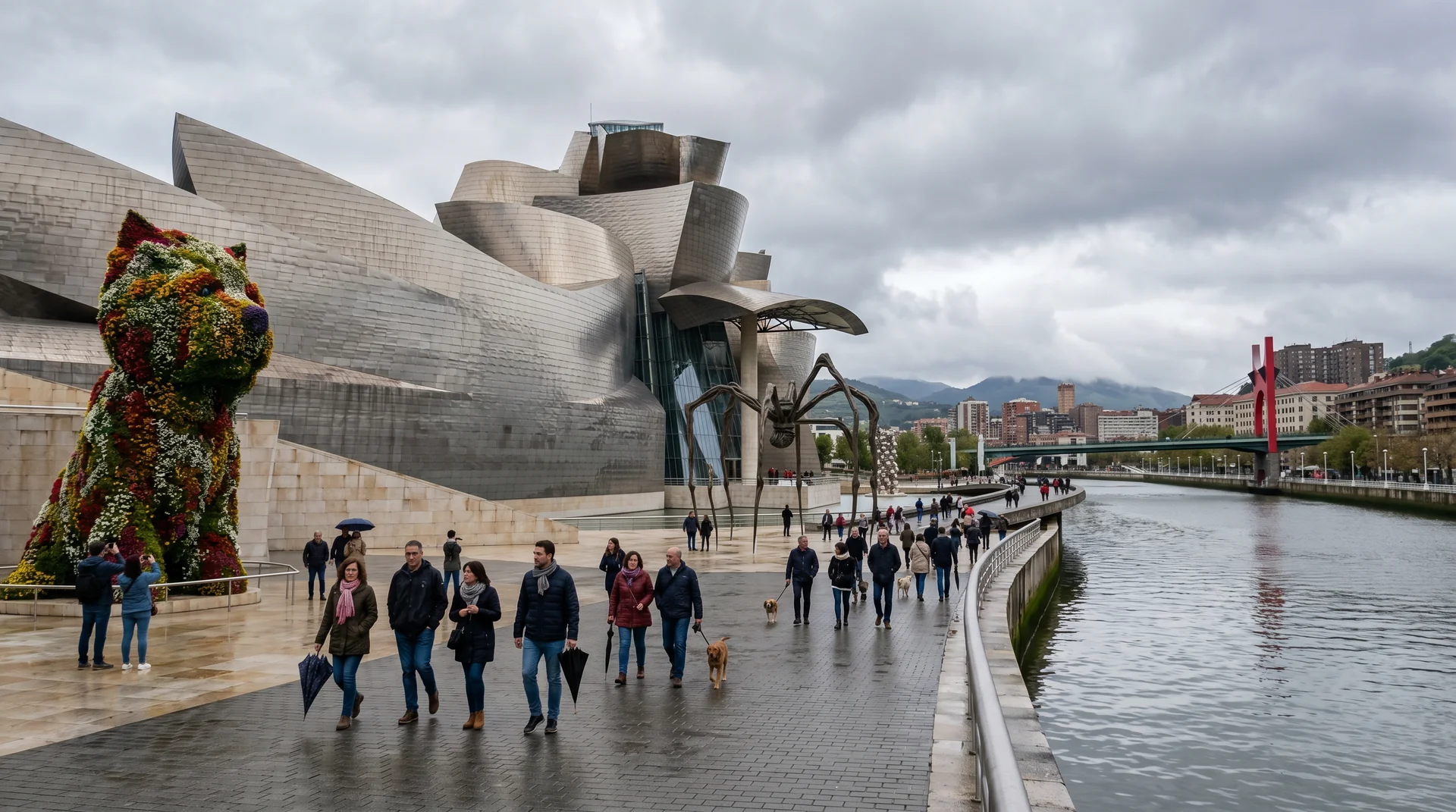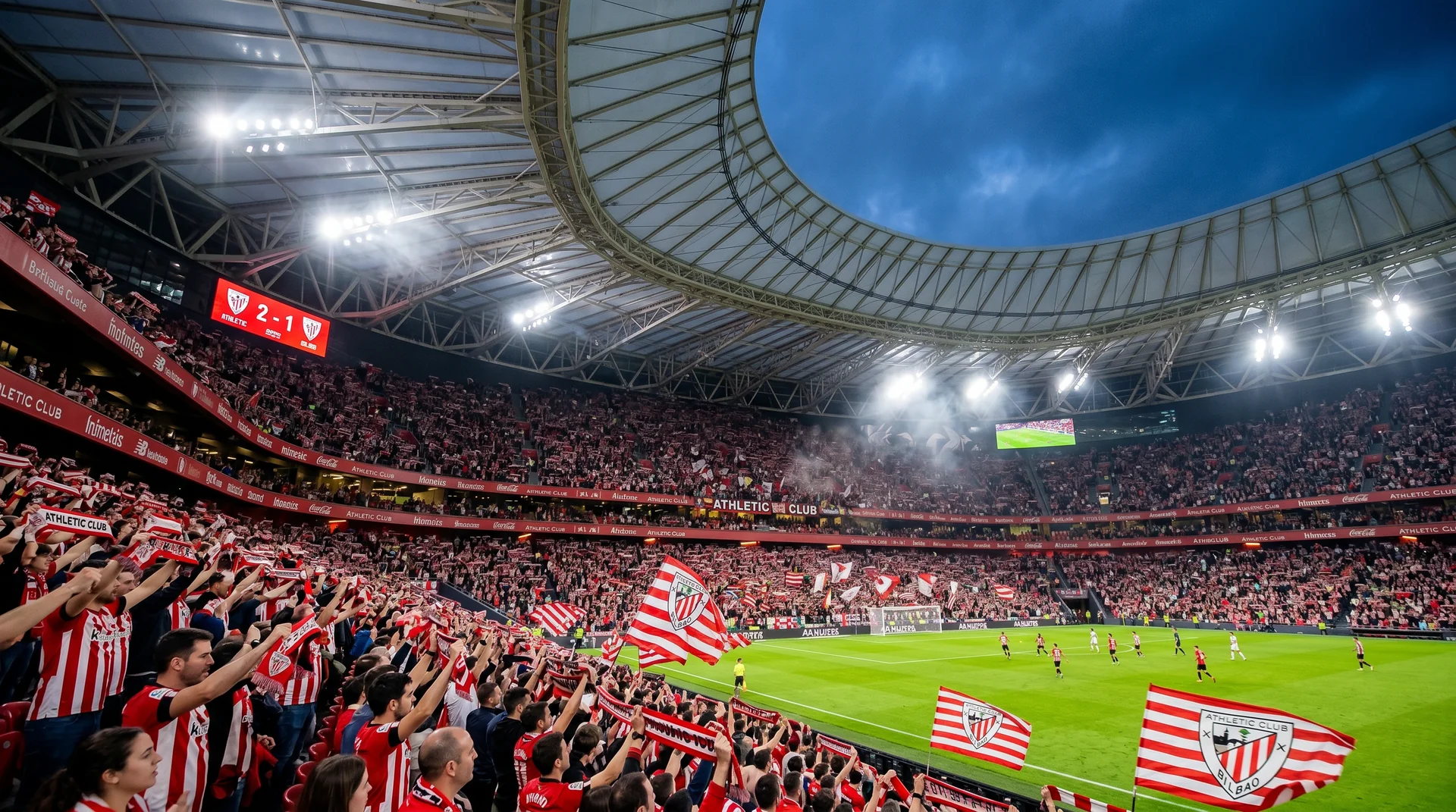
San Mamés, nicknamed "La Catedral," is the only Basque stadium at the 2030 World Cup - and one of the tournament's most singular clubs plays there. Athletic Bilbao fields only Basque-born or Basque-trained players, a policy over a century old, in a stadium that has never left Spain's top division since 1929.
Stadium
Bilbao is one of only a few World Cup 2030 host cities with a single stadium rather than two - but San Mamés carries a weight of history most two-stadium cities can't match. Nicknamed "La Catedral" since 1913, it's the home of the only major European club that has never signed a player from outside the Basque Country.

Football Culture
Athletic Club was founded in 1898 by Basque students returning from England and British industrial workers in Bilbao, which is why the club kept the English spelling "Athletic" rather than a Spanish translation. Since 1912, Athletic has followed an unwritten but unbreakable rule: it only signs players who were born in the Basque Country or developed at a Basque club. The motto - "Con cantera y afición, no hace falta importación" ("with home-grown talent and local support, there's no need for imports") - has never stopped Athletic staying in La Liga's top flight since 1929, a distinction shared only with Real Madrid and Barcelona.
The policy extends beyond the men born within Basque borders - players developed at a Basque club from a young age qualify too, which is how some players with no Basque ancestry, like Catalan-born Enric Saborit, have worn the shirt. Athletic supporters are Los Leones (the Lions), and the club is one of only four in Spain, alongside Real Madrid, Barcelona and Osasuna, owned by its members rather than run as a corporation.
"Con cantera y afición, no hace falta importación."
- Athletic Bilbao's century-old motto: "With home-grown talent and local support, there's no need for imports"
The Basque derby (Euskal Derbia) between Athletic Bilbao and Real Sociedad, first played in 1909, is one of Spanish football's oldest rivalries - and one of its warmest. As of the 2024-25 season the sides had met 191 times in La Liga, Athletic winning 79 to Real Sociedad's 62 with 50 draws. Unlike most derbies, there's no fan segregation on matchday, and opposing supporters are known to mix freely in the same stands.
The rivalry's most famous moment came in December 1976, a year after Franco's death, when the captains of both teams walked onto the pitch at Real Sociedad's old Atotxa ground carrying the Ikurriña, the Basque flag, still technically banned at the time. The gesture is widely credited with accelerating the flag's official re-legalisation in 1977 and remains one of the most symbolic moments in Spanish sport - two rival captains, one regional identity, transcending 90 minutes of football.
The original San Mamés stood from 1913 to 2013, earning the nickname "La Catedral" for its imposing presence and near-religious devotion of its fans - fittingly, since Bilbao itself had no cathedral of its own for much of that time. It hosted Spain's first-ever international match in 1921 and several matches at the 1982 World Cup.
The new San Mamés, opened in 2013 on an adjacent plot, kept the nickname and much of the atmosphere while adding a UEFA Elite category rating. It hosted four Euro 2020 matches, including two of Spain's group games, and continues to welcome Champions League and Europa League nights - now with 2030 World Cup football to add to that list.
Matchday in Bilbao
"There's no fan segregation at a Basque derby - opposing supporters are known to mix freely in the same stands, a rarity anywhere in football."
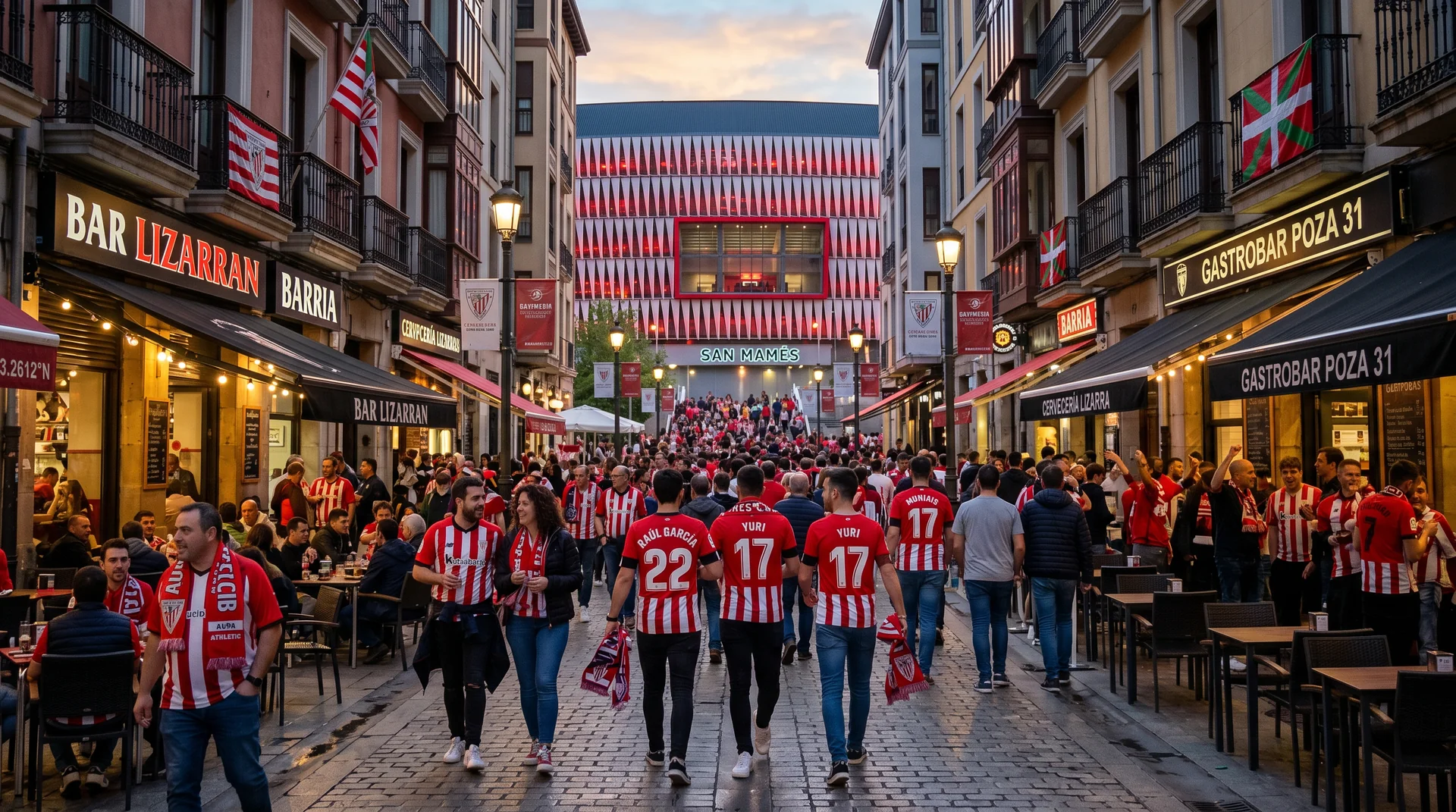
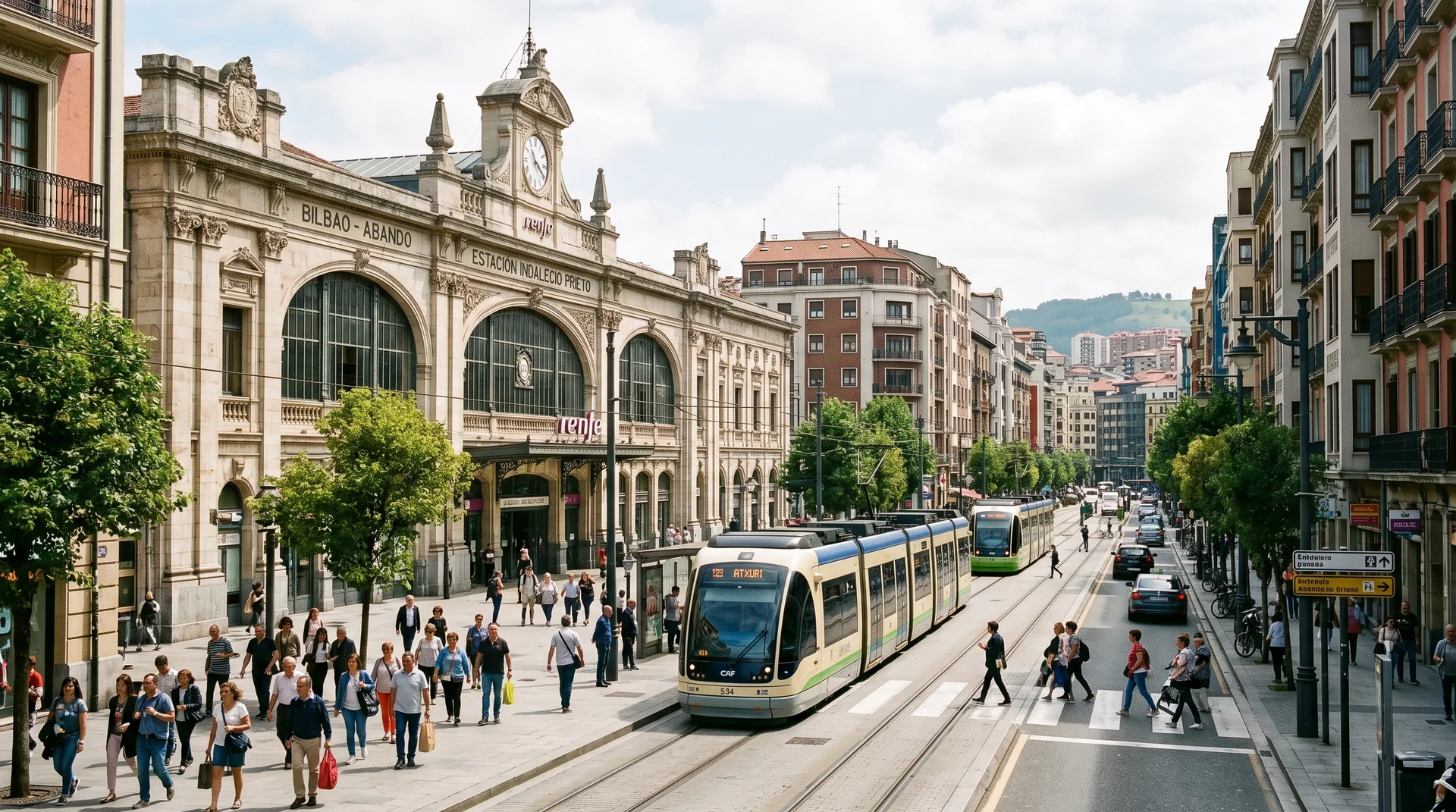
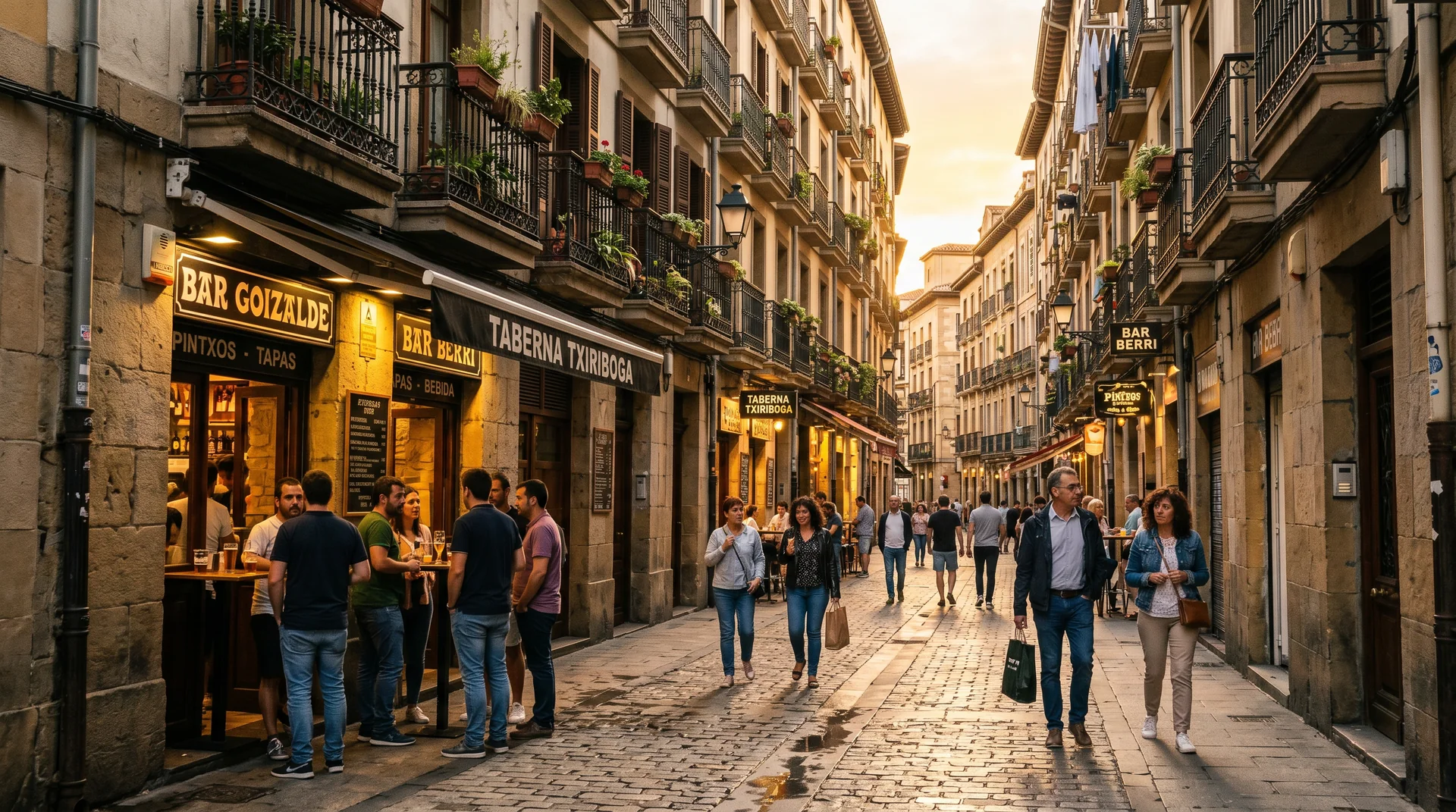
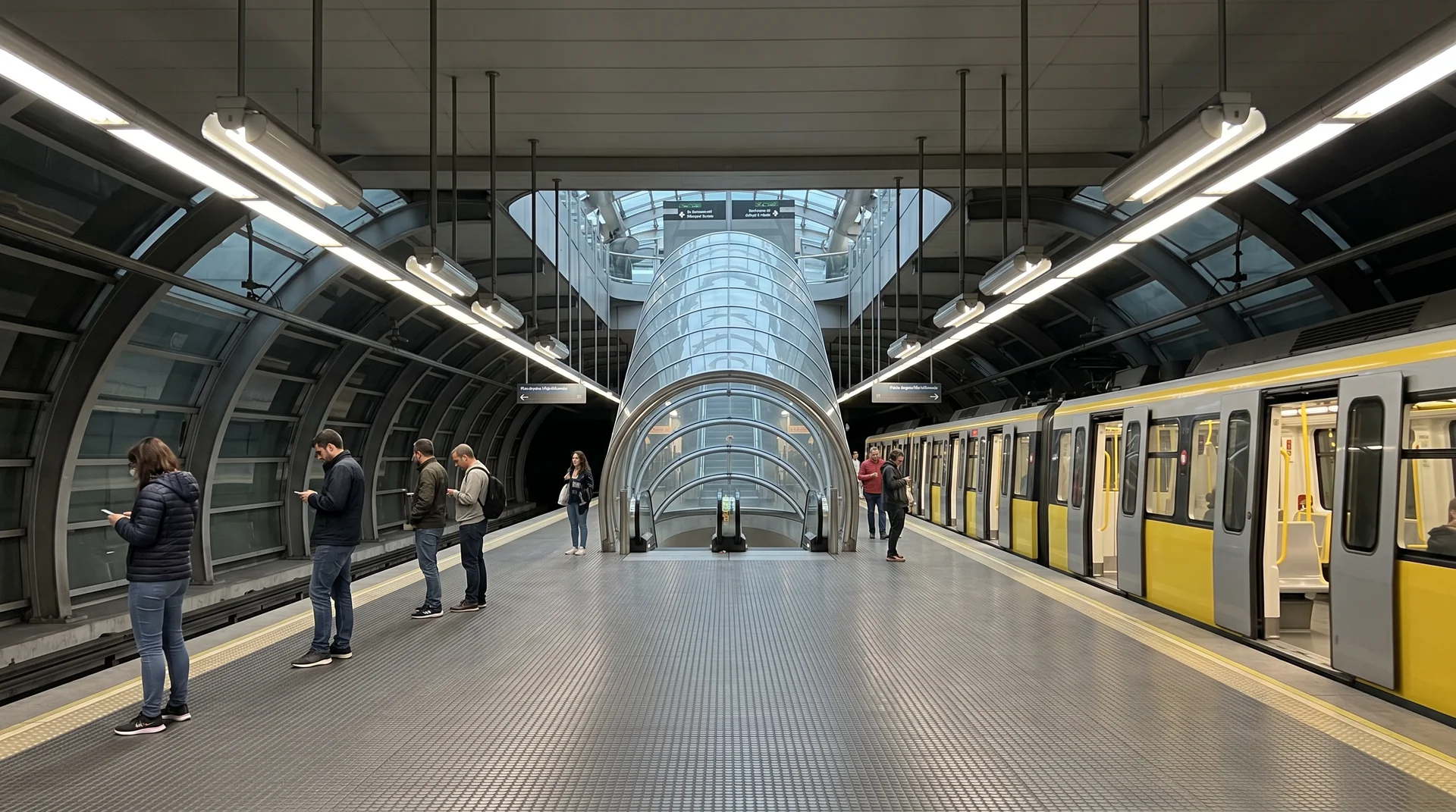
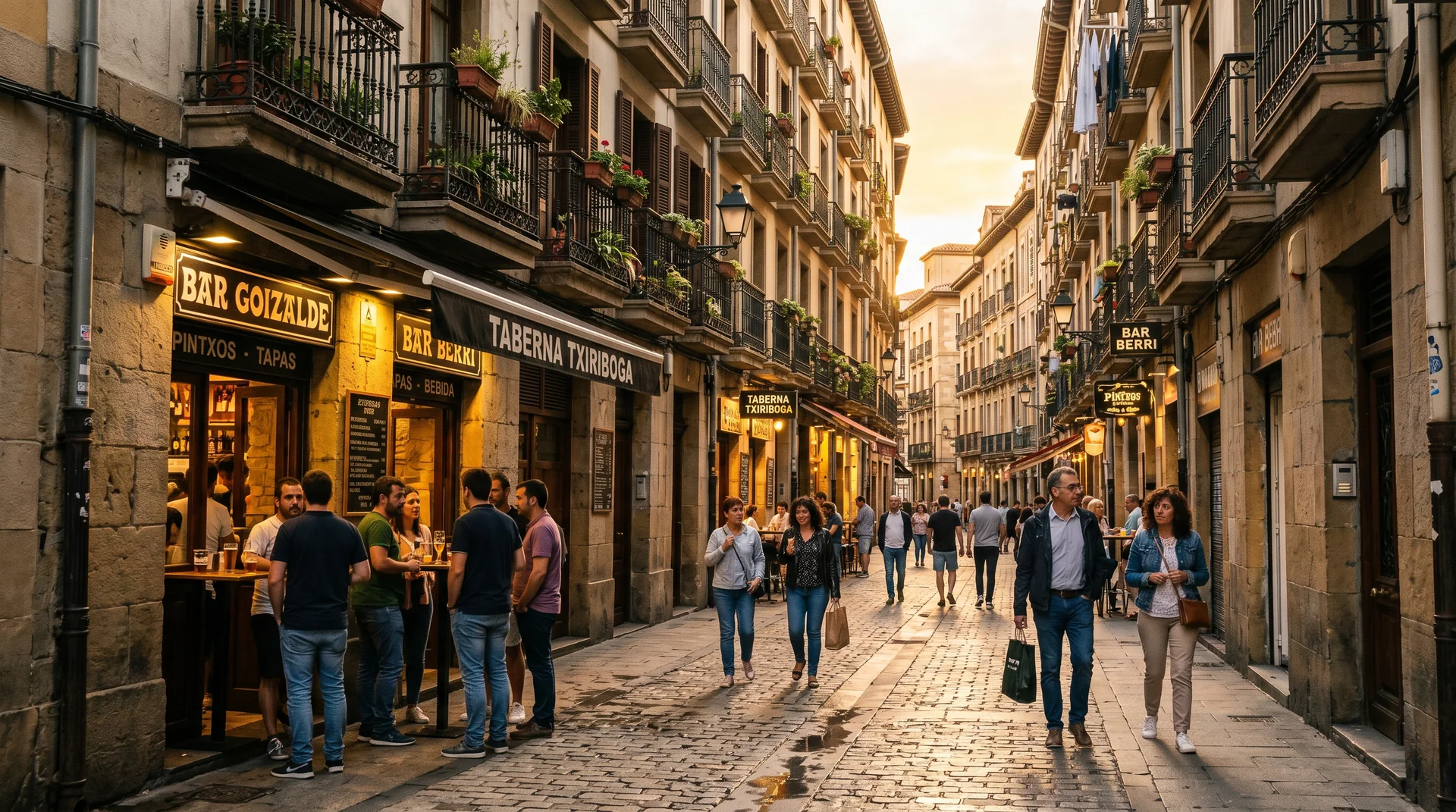
Bilbao is a compact, walkable city, and San Mamés sits close enough to the centre that most visitors reach it on foot or with a single Metro or tram ride. The atmosphere builds steadily through the afternoon along Calle Licenciado Poza, Bilbao's main matchday bar strip, where fans in red-and-white gather for pintxos and drinks well before kickoff.
For a Basque derby specifically, expect a genuinely different atmosphere from most Spanish football: both sets of fans have a long history of mutual respect rooted in shared regional identity, so the tension is real but rarely hostile.


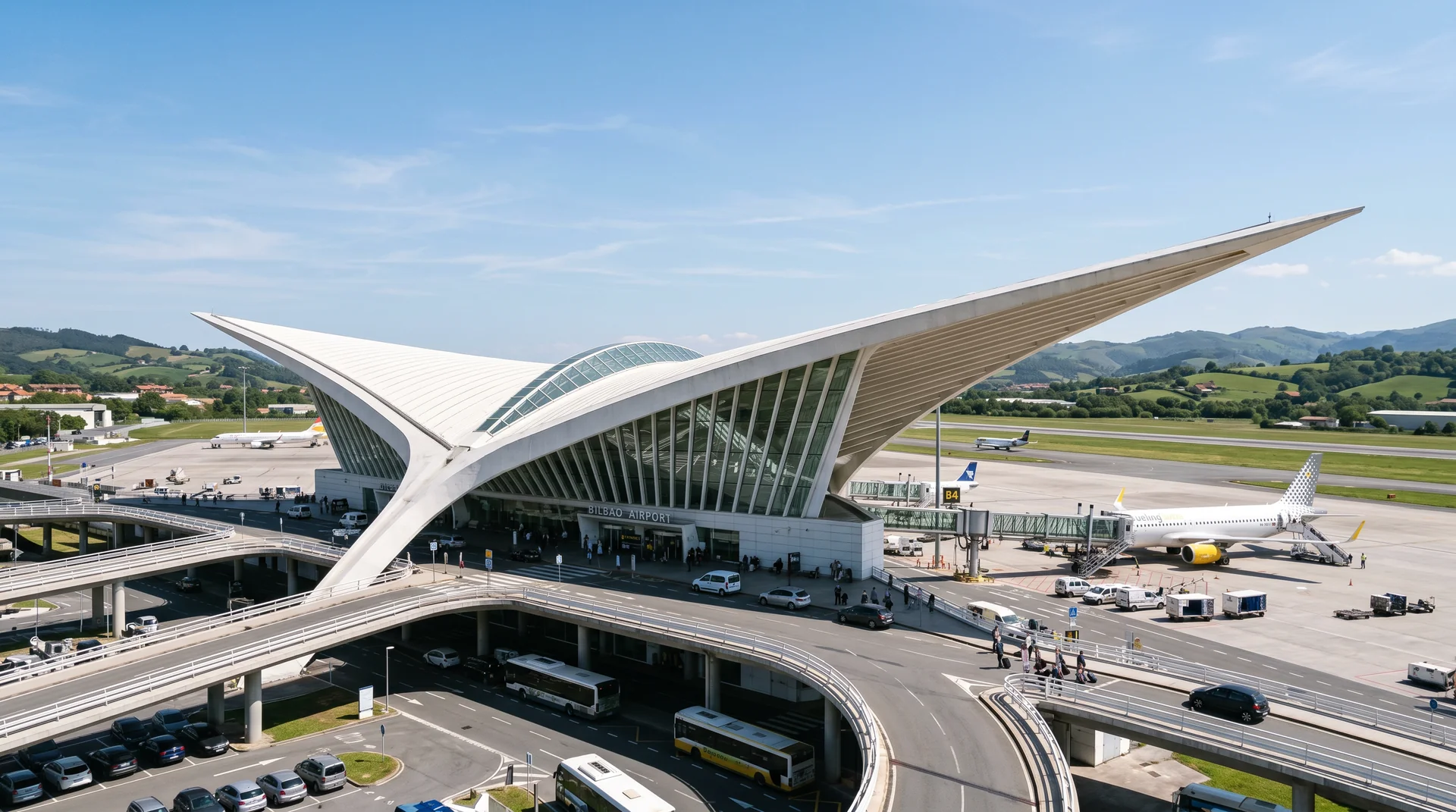
From Bilbao Airport to San Mamés
Airport to San Mamés: ~30-40 min total, about €3-4 by bus · Taxi: ~20 min, €25-30 · San Sebastián by bus: ~1h15-1h30, €10-15


Following matches in more than one city? San Sebastián is under 1.5 hours away by bus, making a two-city Basque Country trip straightforward. See the Spain transport guide for full routes across all host cities.
Between Matches
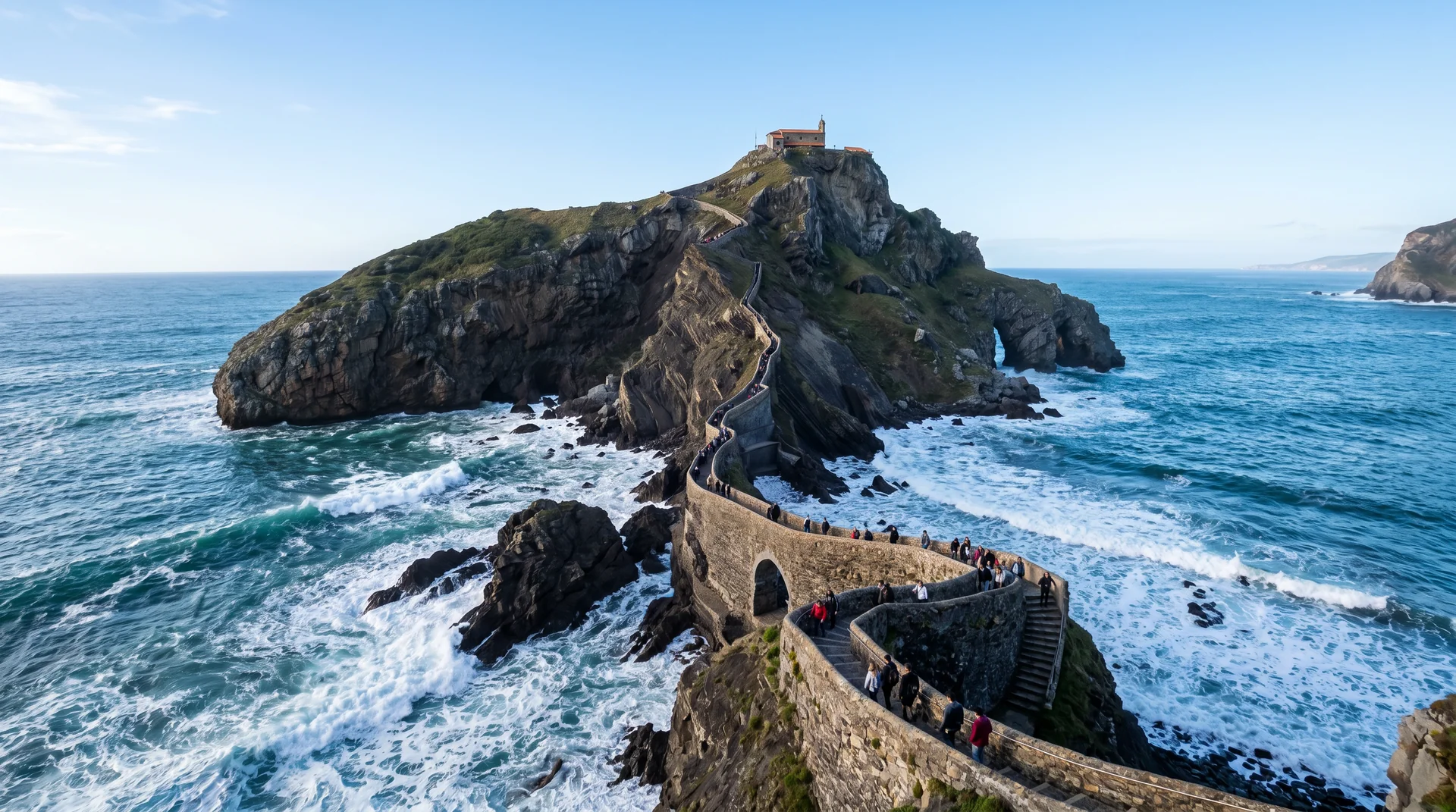
Bilbao rewards unhurried mornings along the Ría and long pintxos evenings. Save Gaztelugatxe for a genuine half-day out rather than squeezing it around a match schedule.


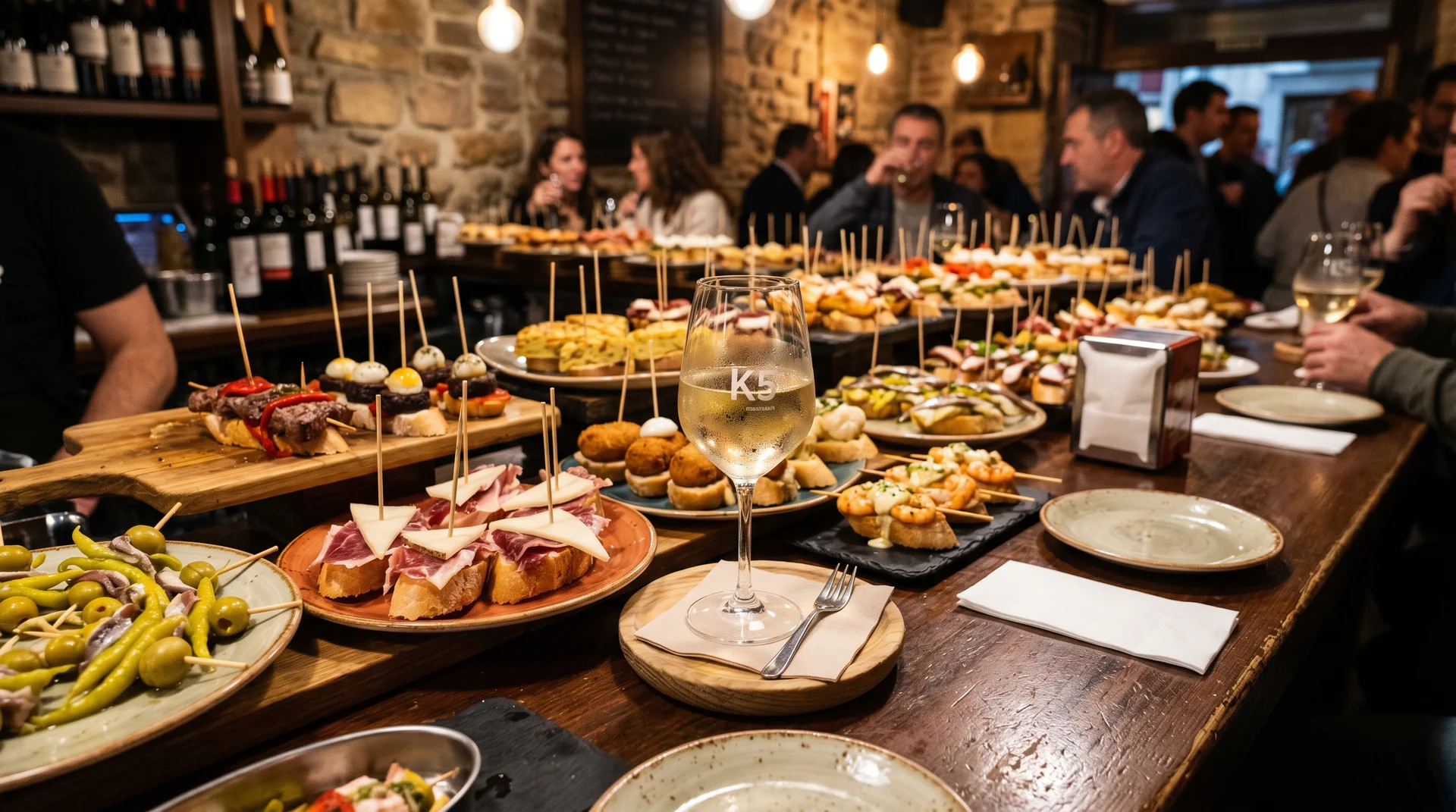
Here's what to order at each budget, from pre-match pintxos to Basque Country tasting menus.
Near San Mamés specifically, Calle Licenciado Poza fills with matchday pintxos crowds. If you have time for only one culinary side trip during the tournament, San Sebastián's pintxos and Michelin scene, both under 1.5 hours away, is arguably the single best food day trip available from any World Cup 2030 host city.
22-26°C in June-July, mild and often wet given Bilbao's Atlantic coastal climate. Pack a light rain jacket even in midsummer - it's noticeably cooler and wetter than Madrid or Seville.
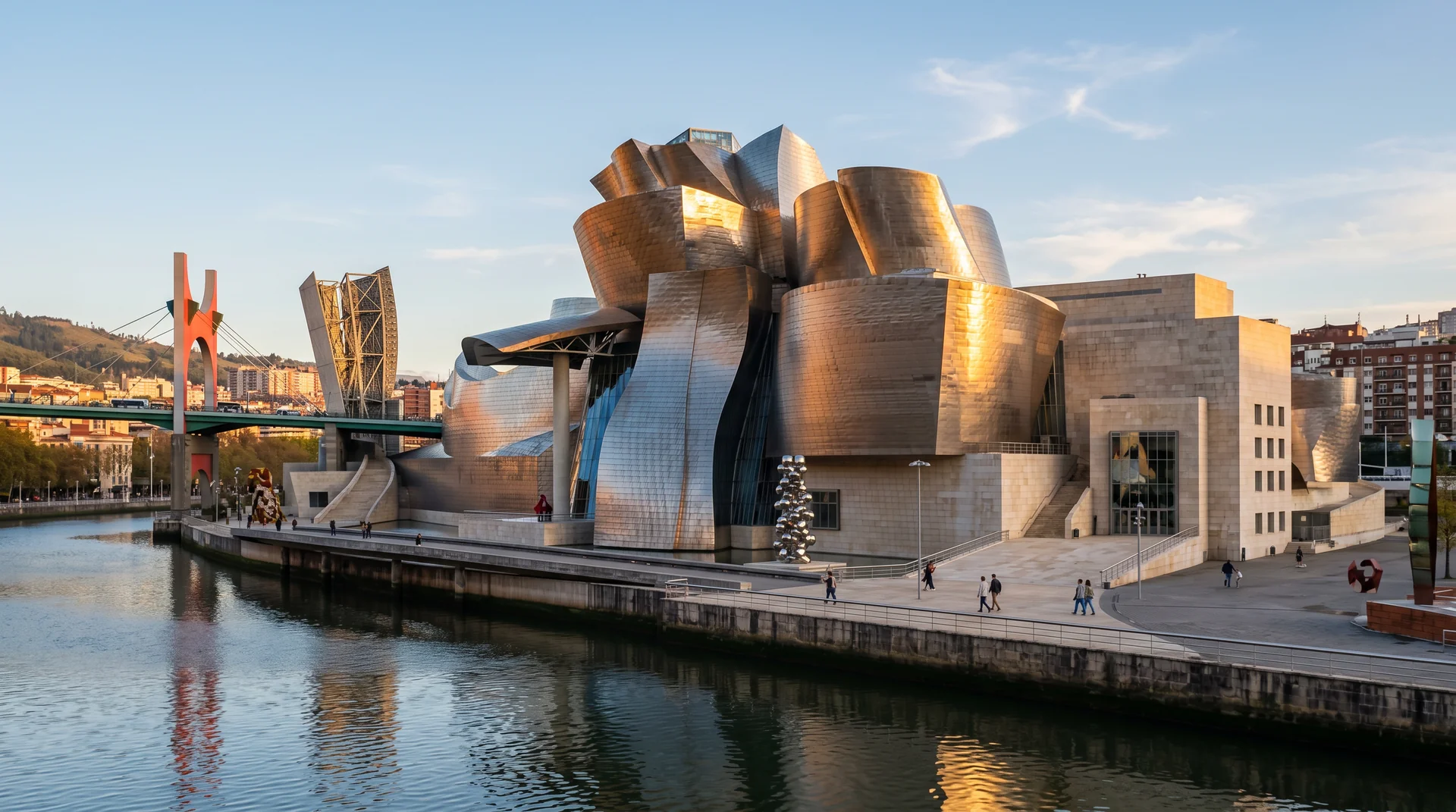
Bilbao is one of Spain's safer major cities, with low rates of violent crime. Standard pickpocket precautions apply in Casco Viejo and around the Guggenheim.
Basque (Euskara) and Spanish are both official; English is widely spoken in hotels, restaurants and tourism-facing venues across central Bilbao.
Euro (€). Cards accepted almost everywhere, including pintxos bars and Metro ticket machines. ATMs widely available.
As a single-stadium host city, Bilbao's hotel stock is smaller than Madrid's or Barcelona's, so rooms are likely to sell out earlier relative to demand around confirmed match dates. For visa requirements and FIFA ticket ballot details that apply across Spain, see the Spain visa guide and match ticket guide.
FAQ
Continue Planning
See the full Spain guide, covering all World Cup 2030 host cities across the country.
Stay Informed
Hotel deal alerts near San Mamés, FIFA ticket ballot dates, Metro service changes and insider Bilbao tips - straight to your inbox.