Newsletter
Morocco World Cup 2030 - Hassan II Stadium Casablanca
World Cup 2030 Host Nation

Morocco
World Cup
2030

Africa's first co-host. Six cities, six stadiums, and one of the most unique World Cup destinations ever. From the medinas of Marrakech to the port of Tangier - this is football like you've never experienced it.

6Host Cities
6Stadiums
115kLargest Stadium
1stAfrican Co-host
Until kickoff · 8 June 2030
000 Days
:
00 Hours
:
00 Mins
:
00 Secs
Why Morocco Stadiums Cities Hotels Flights Transport Budget Tickets Weather Visa FAQ
🗓 8 June - 21 July 2030
🏛 Capital: Rabat
💵 Moroccan Dirham (MAD)
🗣 Arabic · Berber · French
🛂 Visa-free for 70+ countries · 90 days
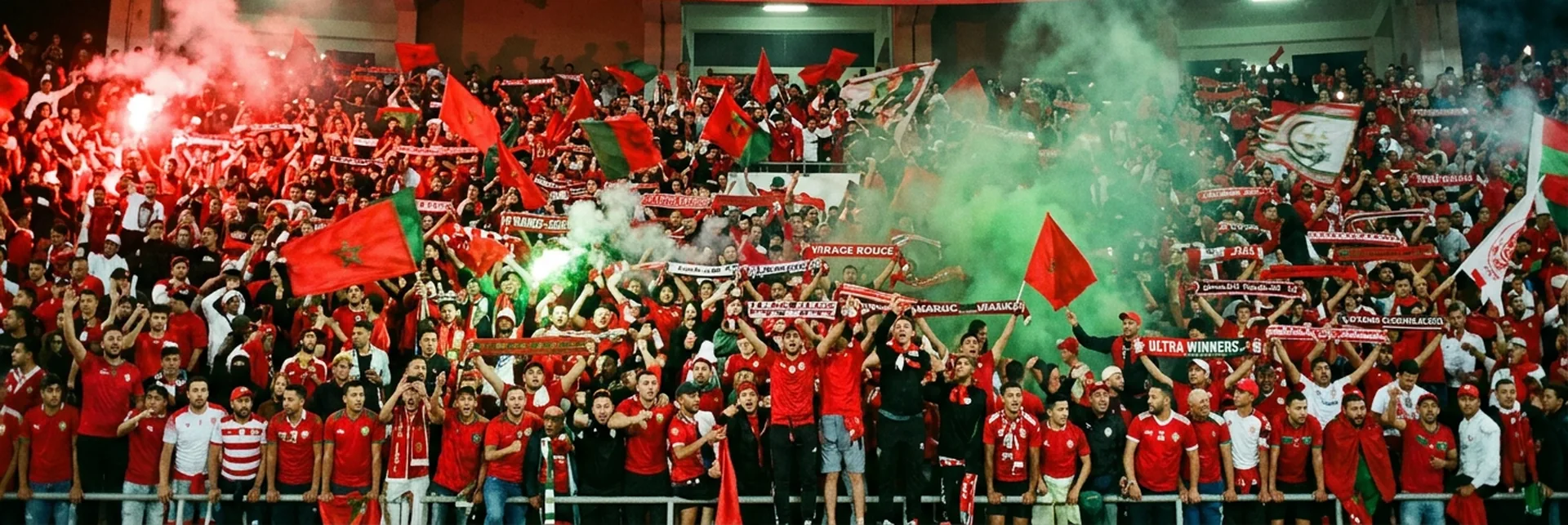
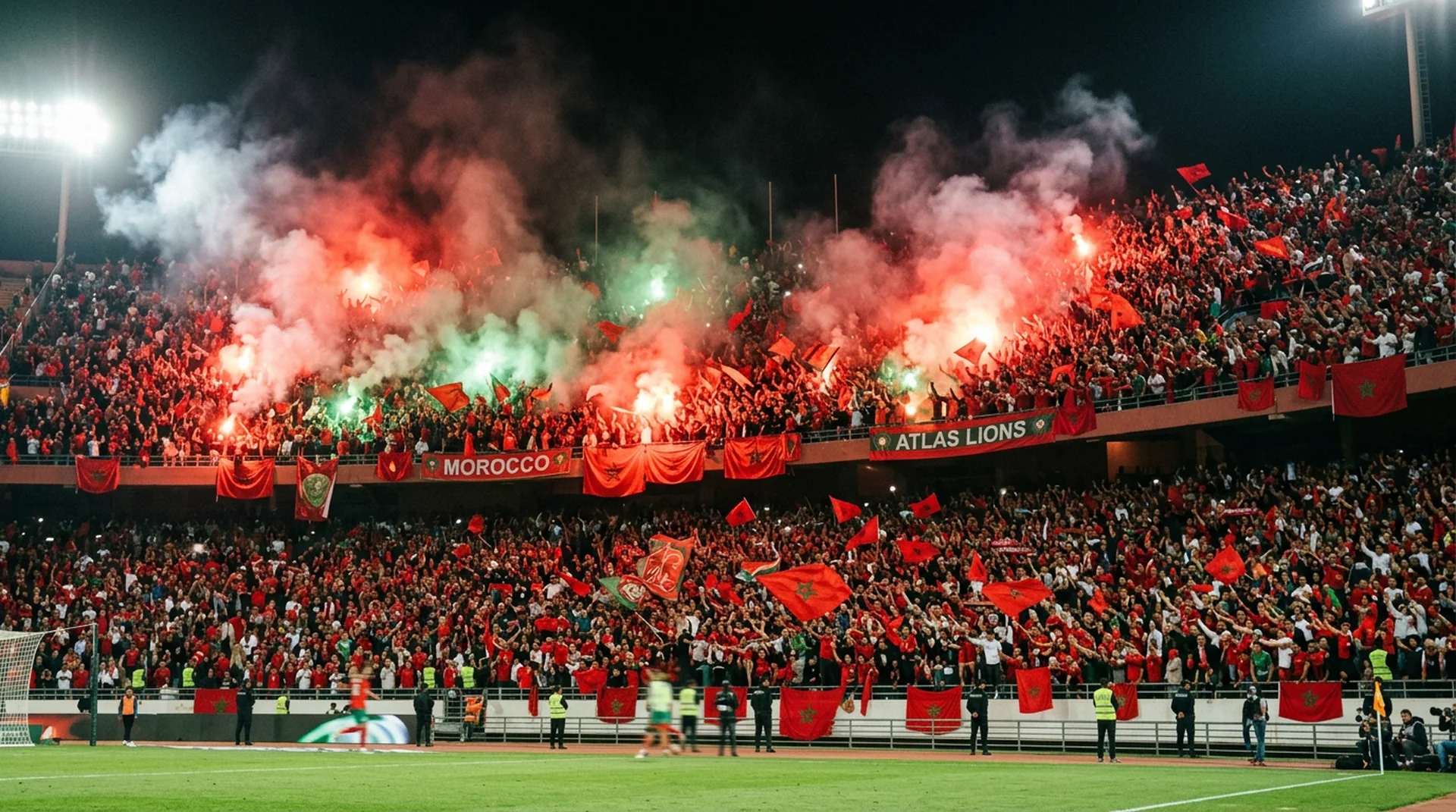
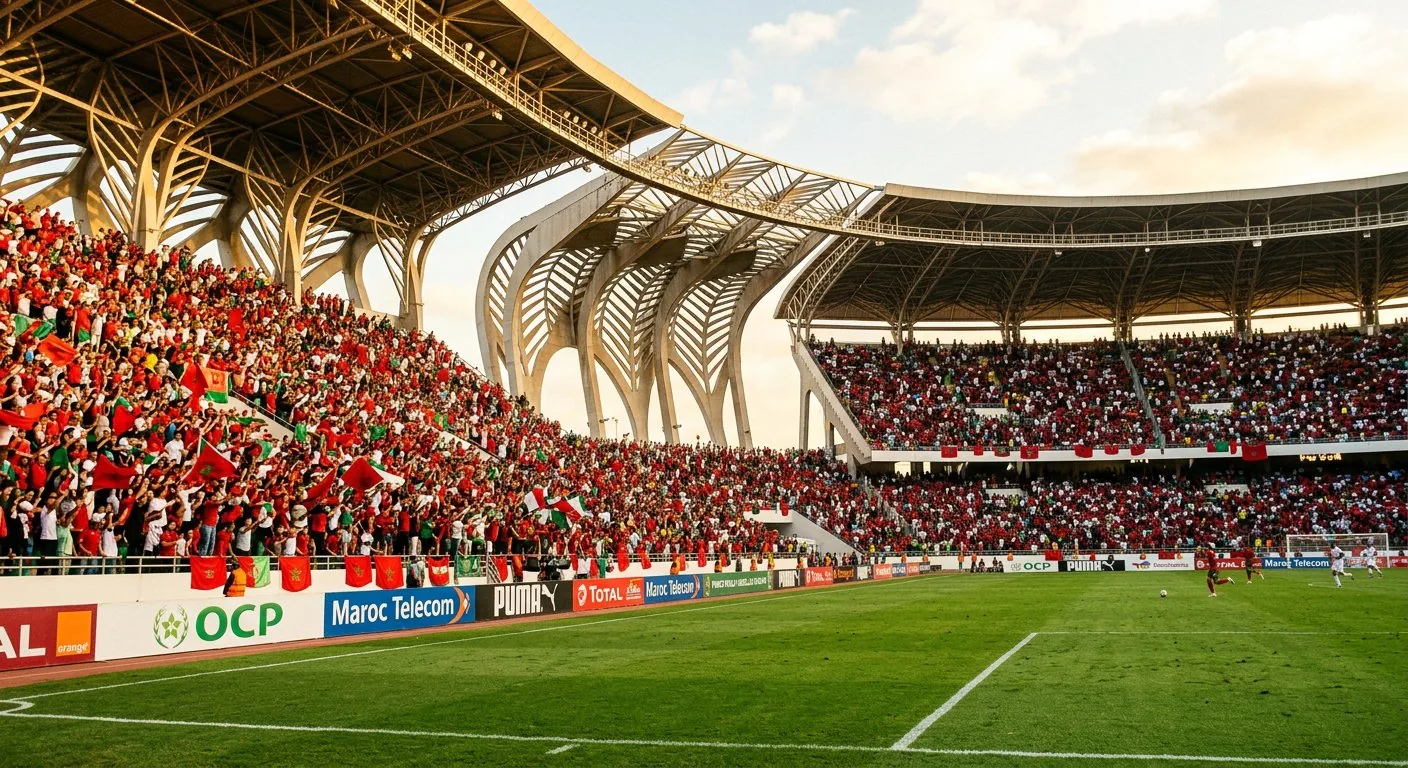
Moroccan football fans atmosphere

Africa's Greatest Football Stage

Morocco's semi-final run at Qatar 2022 showed the world what Moroccan football is about. Now the Atlas Lions host the world - and the atmosphere will be unlike anything you've ever seen.

  • 🔴 The most passionate football culture in Africa
  • 🏟 6 world-class stadiums across 1,200km of landscape
  • 🌍 Ancient medinas, Sahara desert and Atlantic beaches
World's Largest Stadium
🏟️
World's Largest Stadium
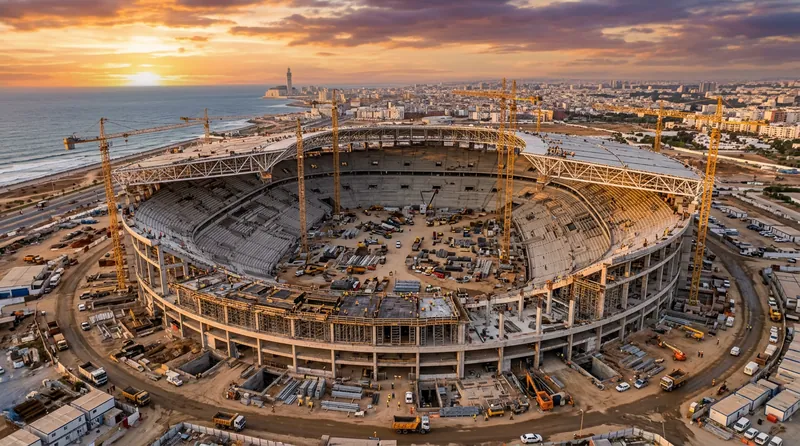
Built from scratch in Casablanca, the Hassan II Stadium holds 115,000 fans - the largest football venue on earth. Front-runner to host the 2030 World Cup Final.
Read More
Legendary Atmosphere
🔥
Legendary Atmosphere
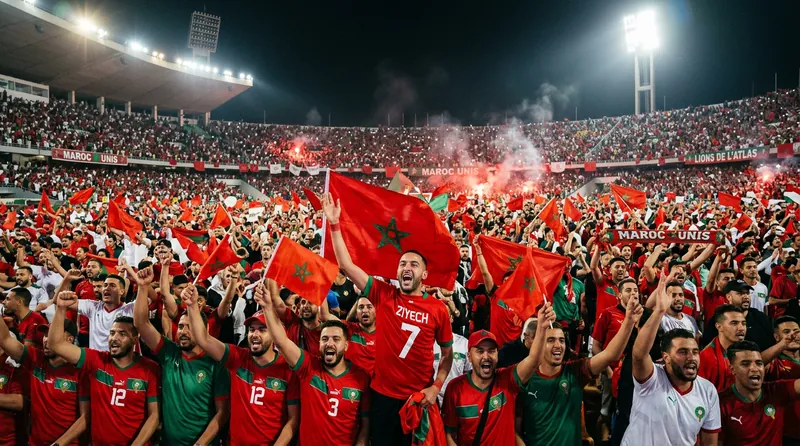
The Atlas Lions reached the 2022 World Cup semi-finals - the first African nation ever. Moroccan football culture is loud, passionate and unlike anything in European football tourism.
Read More
Culture Beyond Football
🕌
Culture Beyond Football
Four imperial cities, UNESCO medinas, Sahara desert, Atlantic beaches. The 3-4 day gaps between group stage fixtures are made for exploring.
Read More
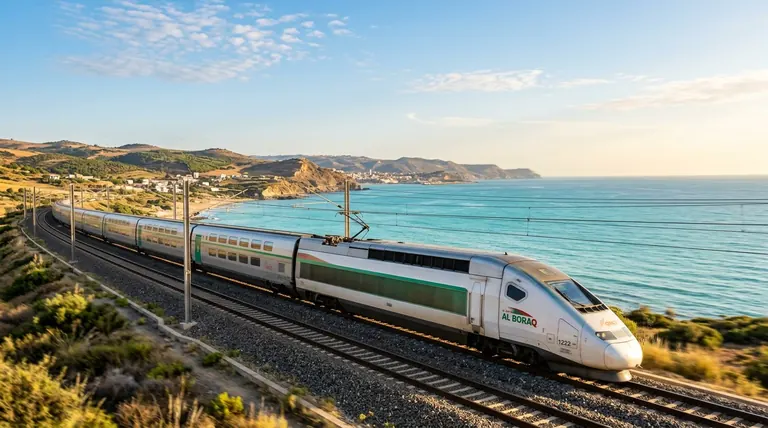
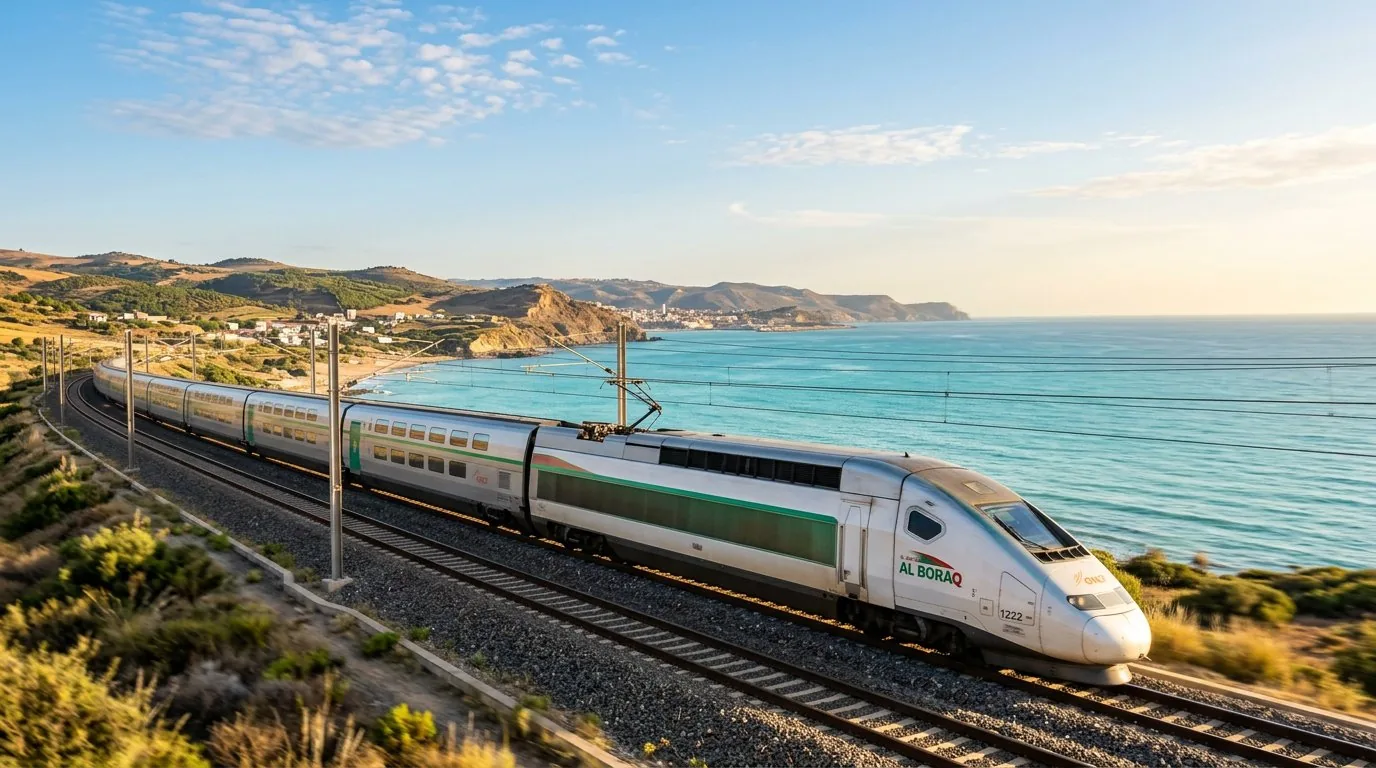
Al Boraq High-Speed Rail
🚄
Al Boraq High-Speed Rail
Africa's only high-speed train at 320 km/h. Tangier to Casablanca in 2h10m. Planned extensions to Marrakech and Agadir for 2030.
Read More
Most Affordable Host
💰
Most Affordable Host
Budget travellers live well on €50-80/day. A tagine costs €5-8, buses under €10. Morocco is the most affordable of the three 2030 host nations.
Read More
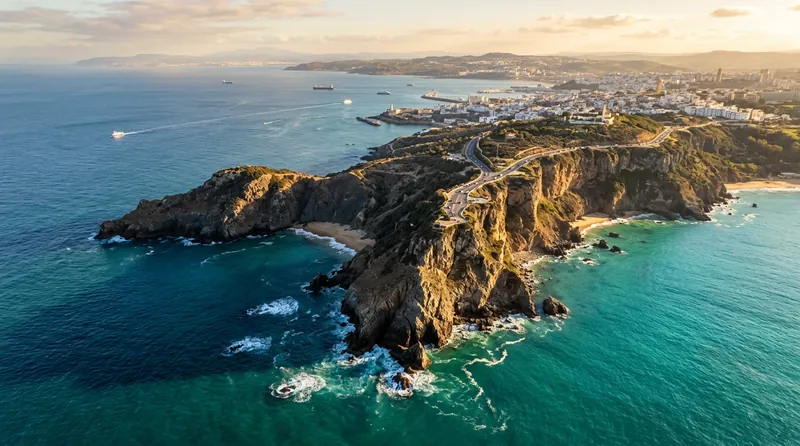
Two Coastlines
🌊
Two Coastlines
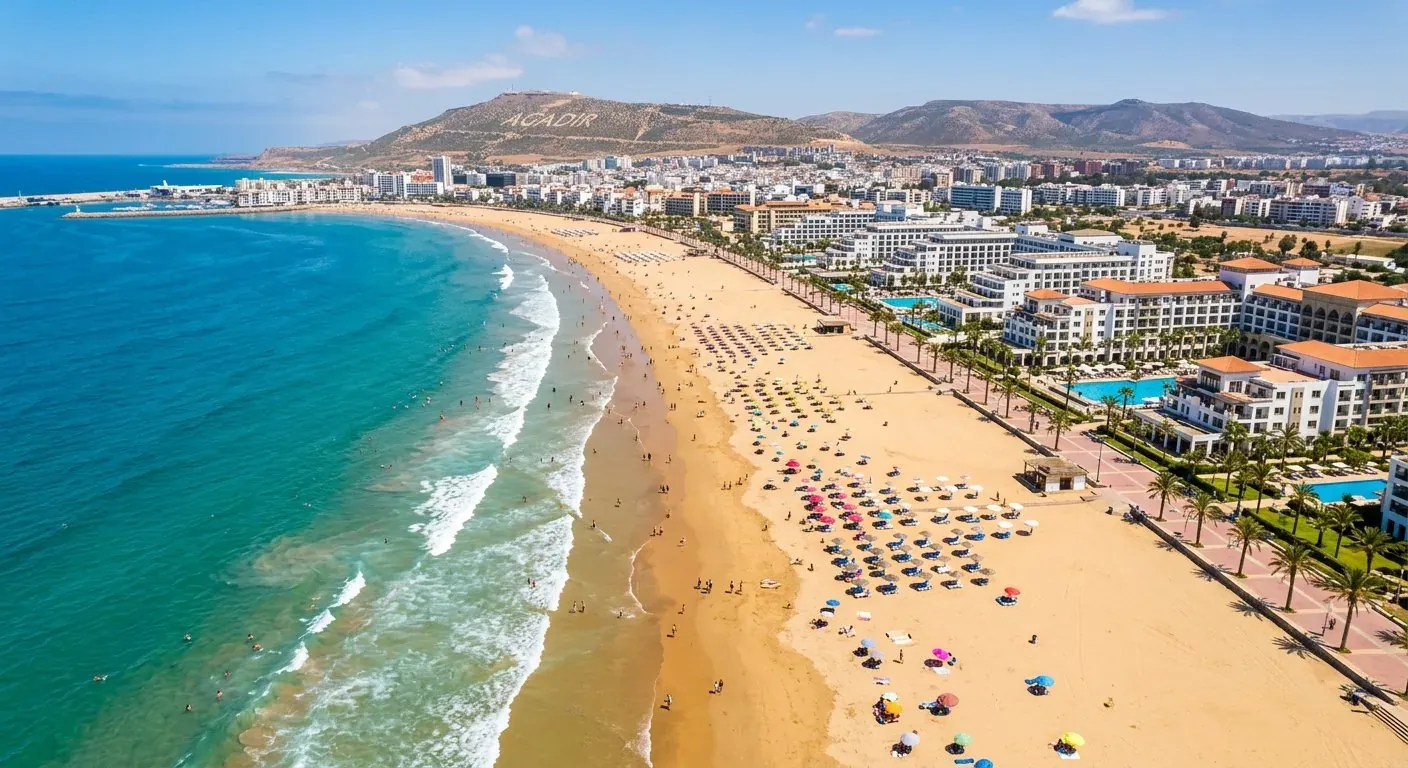
The only World Cup host with Atlantic and Mediterranean coastlines. Agadir's 10km beach for recovery days. Tangier where two seas meet, Spain visible across the water.
Read More

World Cup Venues

Morocco's 6 Stadiums

Six stadiums built to the highest architectural standards, blending Moroccan heritage with cutting-edge engineering. From the world's largest football stadium in Casablanca to the intimate atmosphere of Agadir on the Atlantic coast. In 2030, these venues will host fans from every corner of the planet, united by football and surrounded by some of the most extraordinary architecture ever built for the game.

Find Tickets Explore Morocco
Morocco World Cup stadium atmosphere
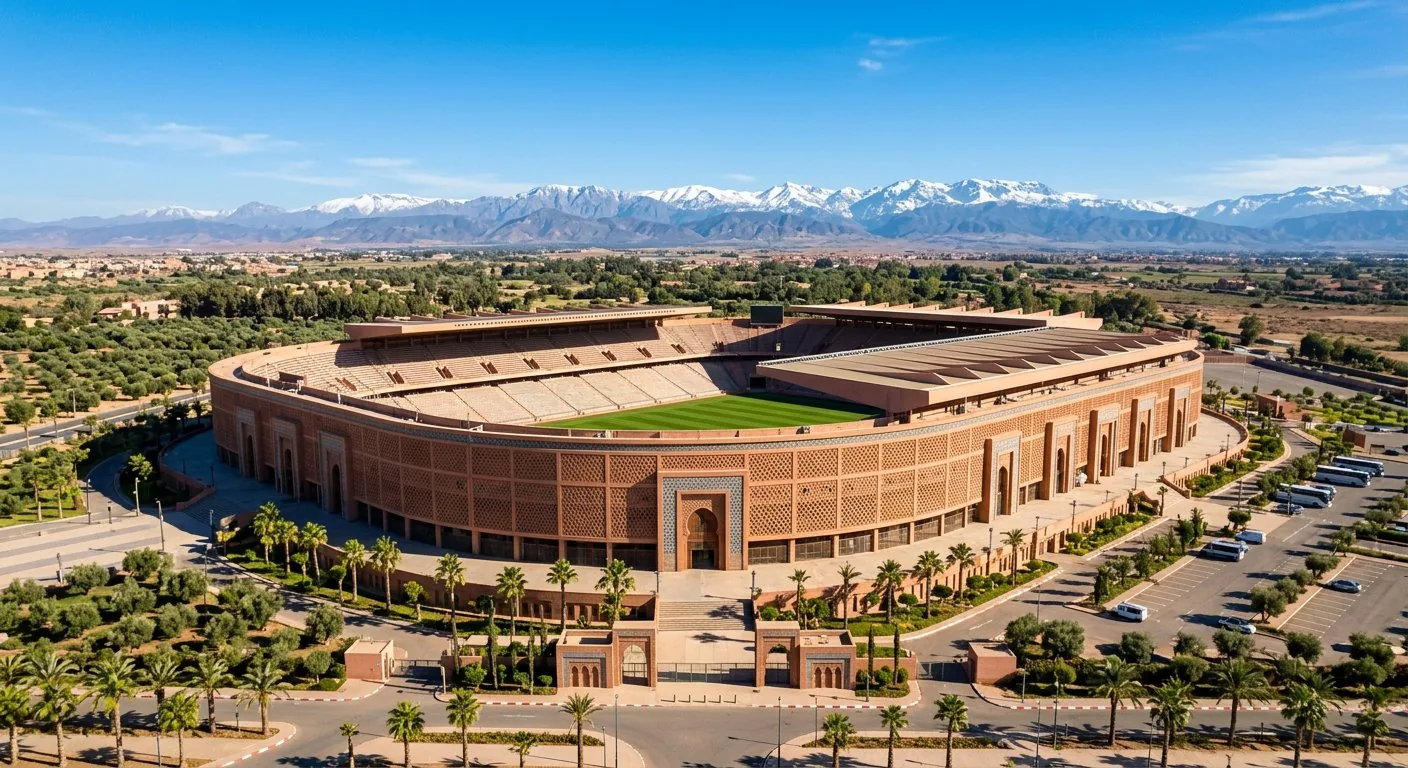
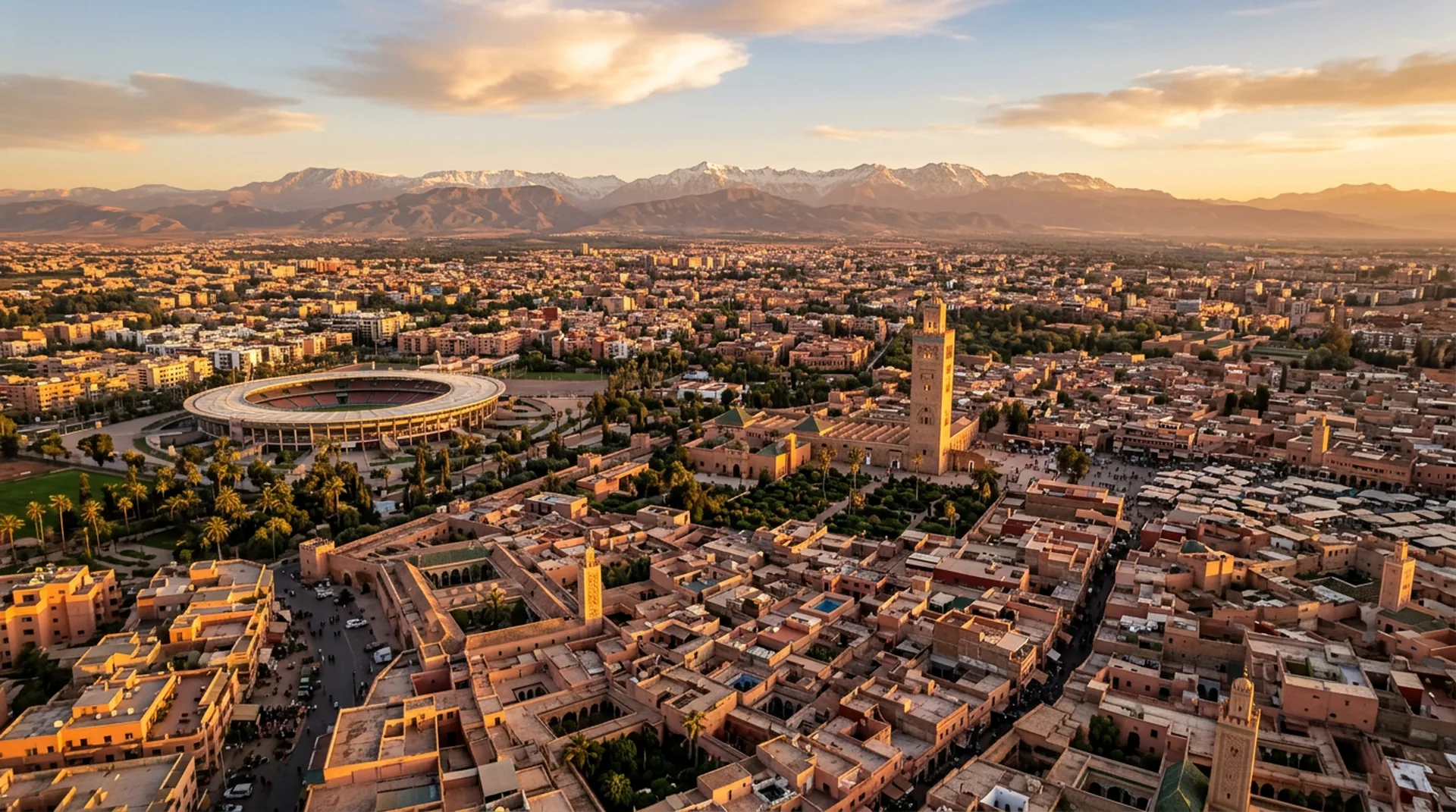
Marrakech Stadium. Renovated extensively for 2030. Walking distance from Jemaa el-Fna square and the ancient souks. Snow-capped Atlas Mountains visible on the horizon. The most atmospheric World Cup venue in Morocco. Capacity: 70,000. Est. 6 matches Walking distance from Jemaa el-Fna. Atlas Mountains visible from the stands. Free shuttle from city centre on match days. Group stage and Round of 16 confirmed. Marrakech
Marrakech Stadium Marrakech · Est. 6 matches
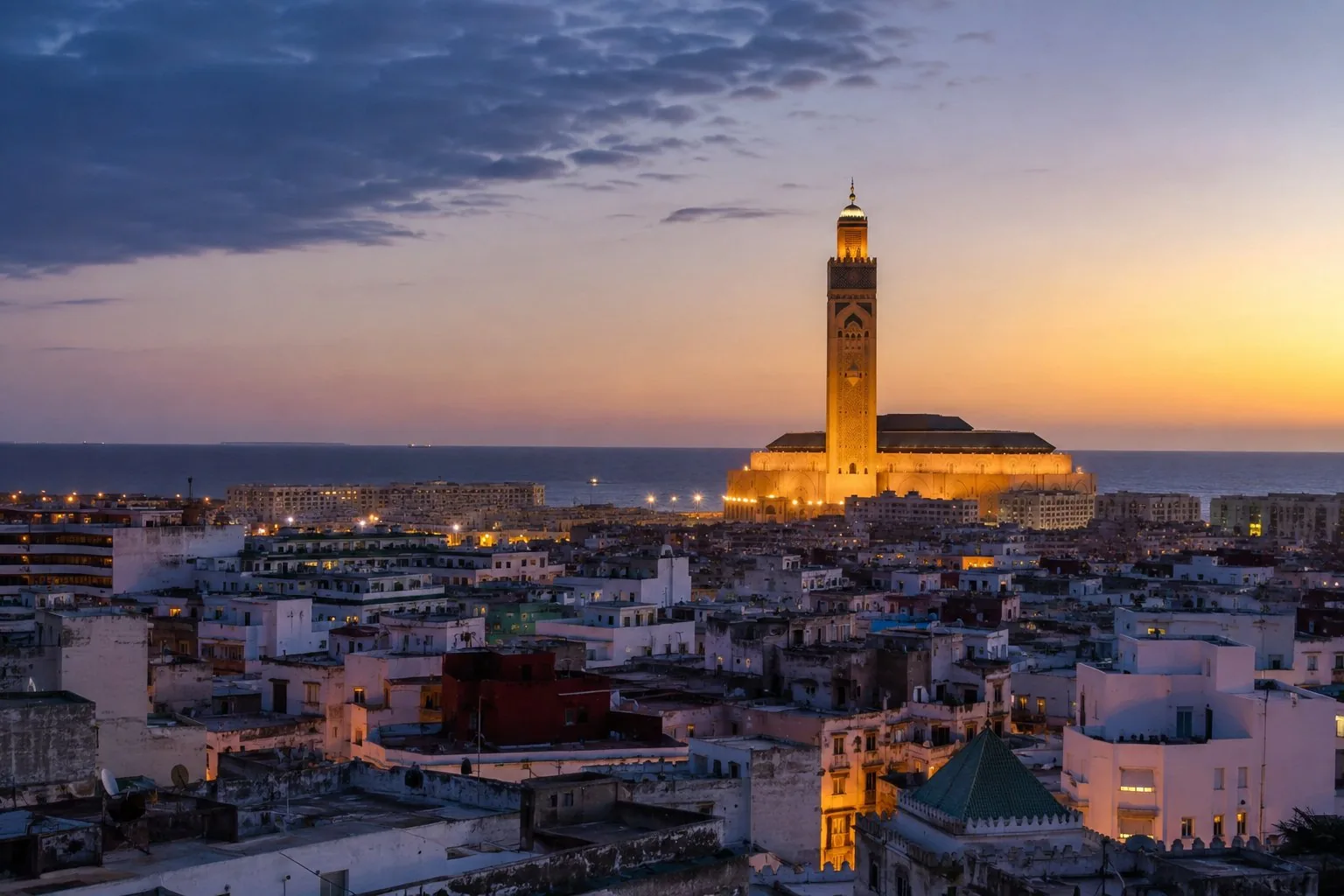
Hassan II Stadium (Casablanca). The world's largest football stadium ever built. Expected to host the 2030 World Cup Final. Under construction in Casablanca and confirmed for delivery in 2028, two years before the tournament. Capacity: 115,000. Est. 8 matches World's largest stadium at 115,000 capacity. Expected to host the 2030 World Cup Final. Direct metro and tram links from city centre. Under construction, delivery confirmed 2028. Casablanca
Hassan II Stadium Casablanca · Est. 8 matches
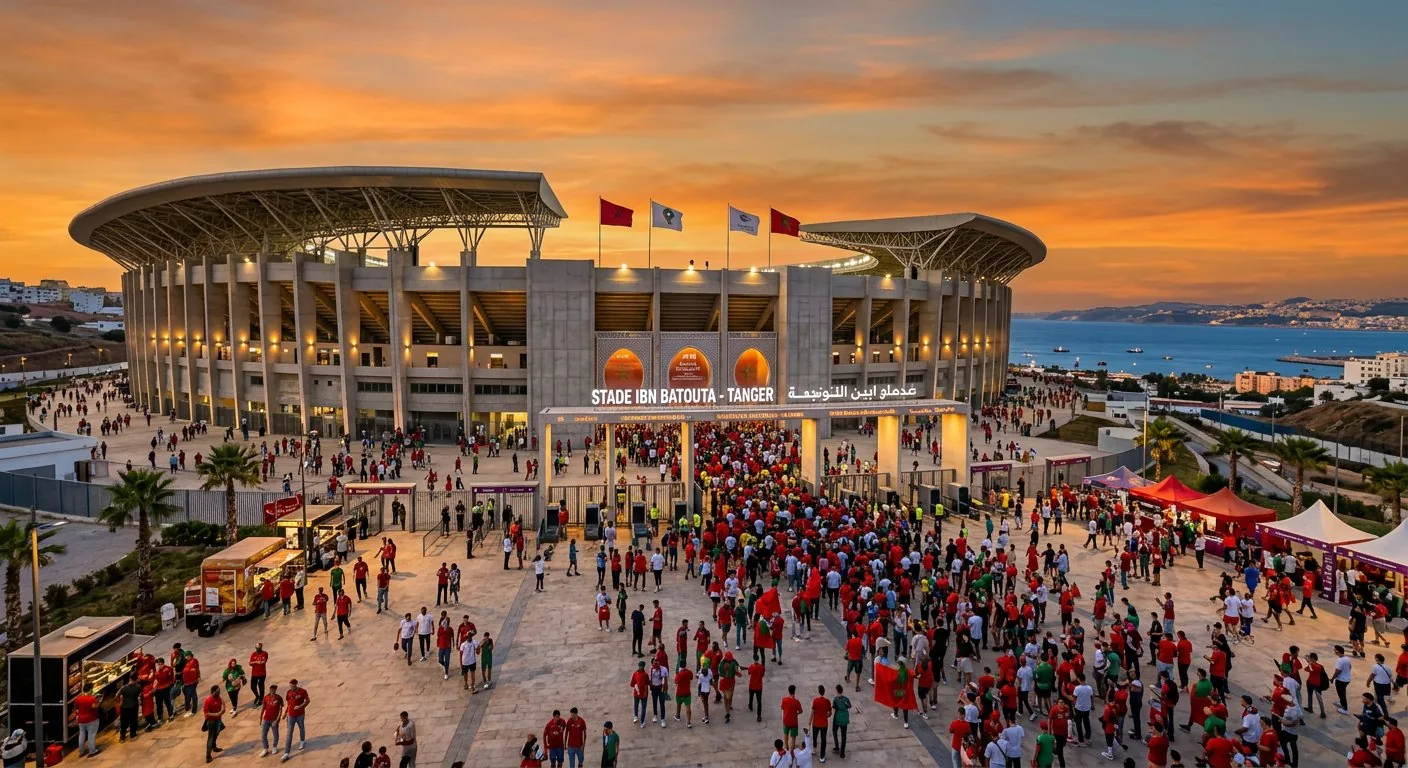
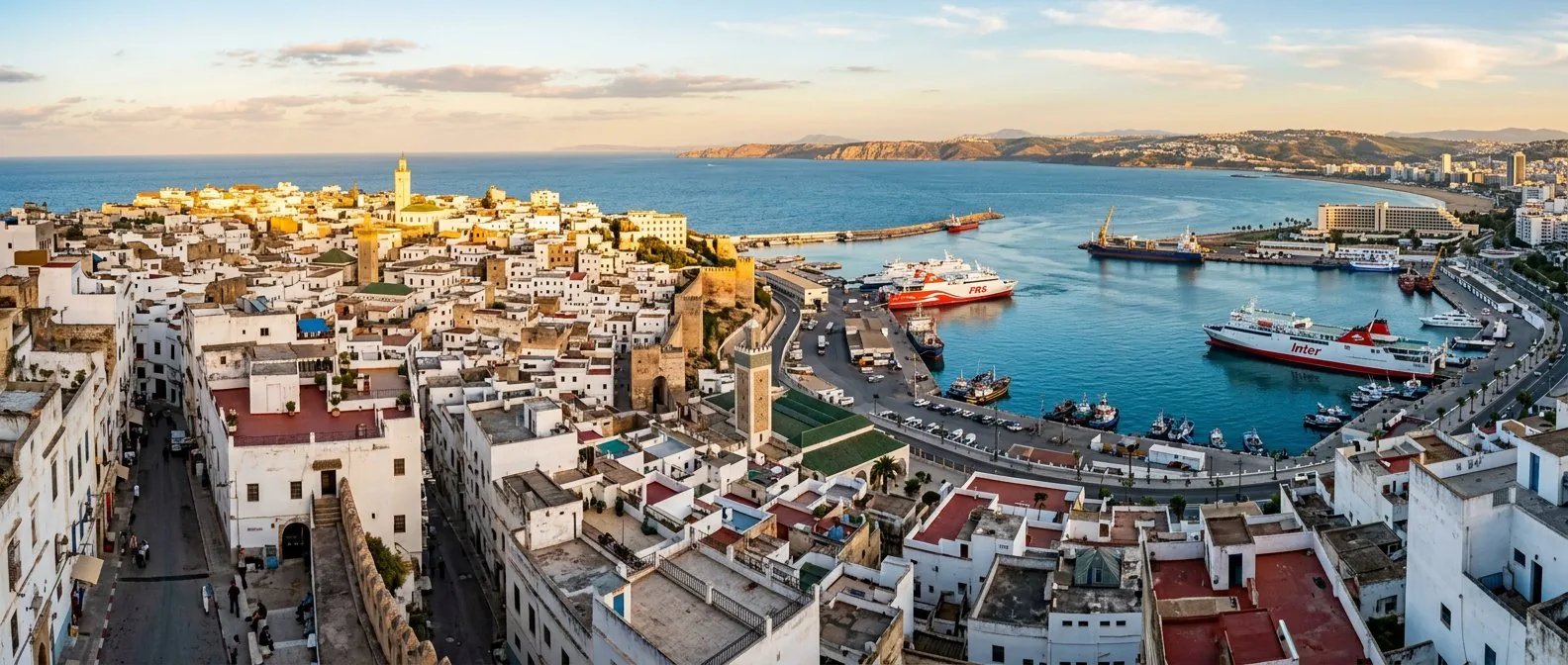
Ibn Batouta Stadium (Tangier). The only World Cup stadium where you can see two continents at once. Spain is visible from the stands across the Strait of Gibraltar. A 35-minute ferry to Tarifa means you can attend matches in both Morocco and Spain on the same trip. Capacity: 75,600. Est. 6 matches Spain visible across the Strait from the stands. 35-min ferry to Tarifa, Spain on match days. Direct flights from London, Paris, Madrid. Mediterranean beaches 10 minutes away. Tangier
Ibn Batouta Tangier · Est. 6 matches
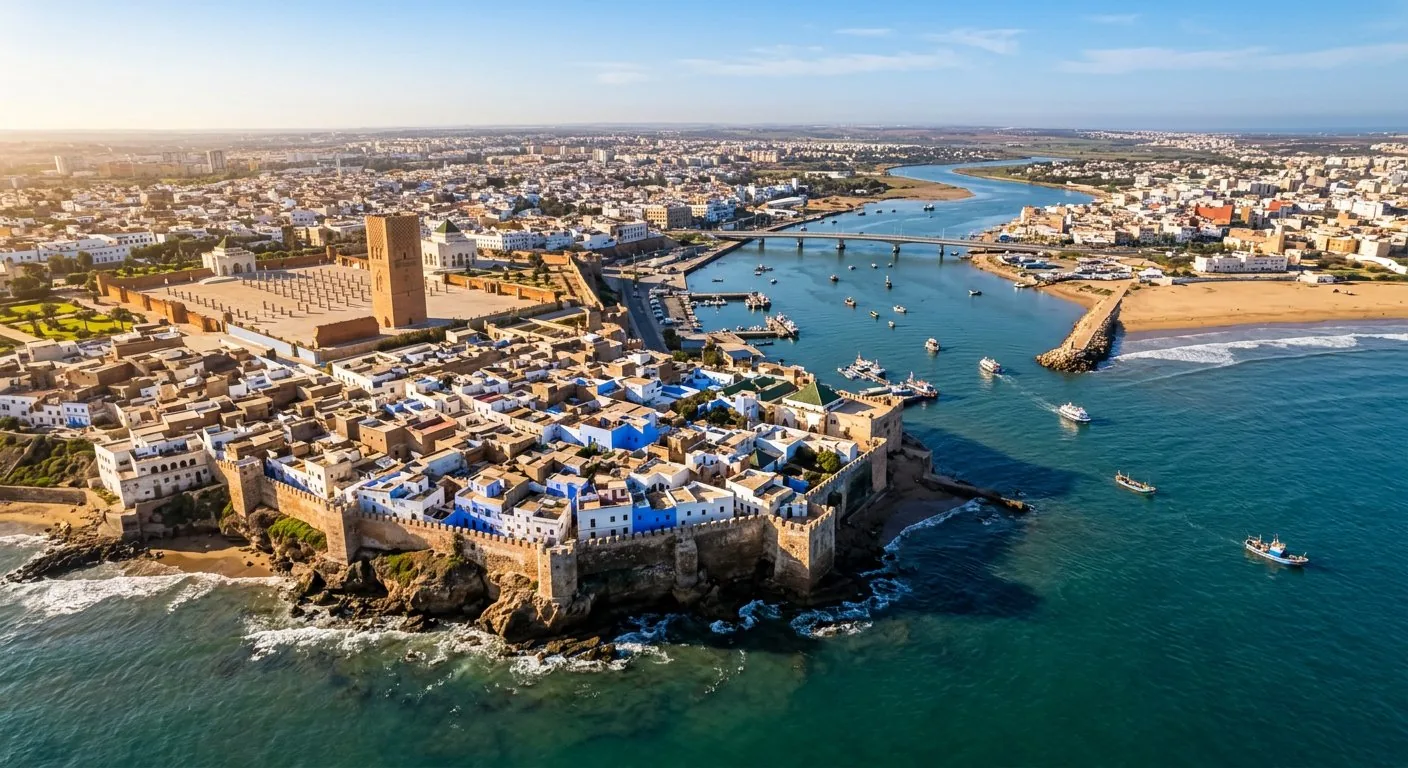
Moulay Abdellah (Rabat). Fully rebuilt for 2030 in Morocco's elegant royal capital. Situated alongside the Bou Regreg river with direct tram access from the city centre. Minutes from the ancient Kasbah of the Udayas and Hassan Tower. Capacity: 68,700. Est. 6 matches Morocco's royal capital, seat of government. Tram stop directly outside the stadium. Bou Regreg river and Atlantic beaches nearby. Fully rebuilt for 2030, brand new venue. Rabat
Moulay Abdellah Rabat · Est. 6 matches
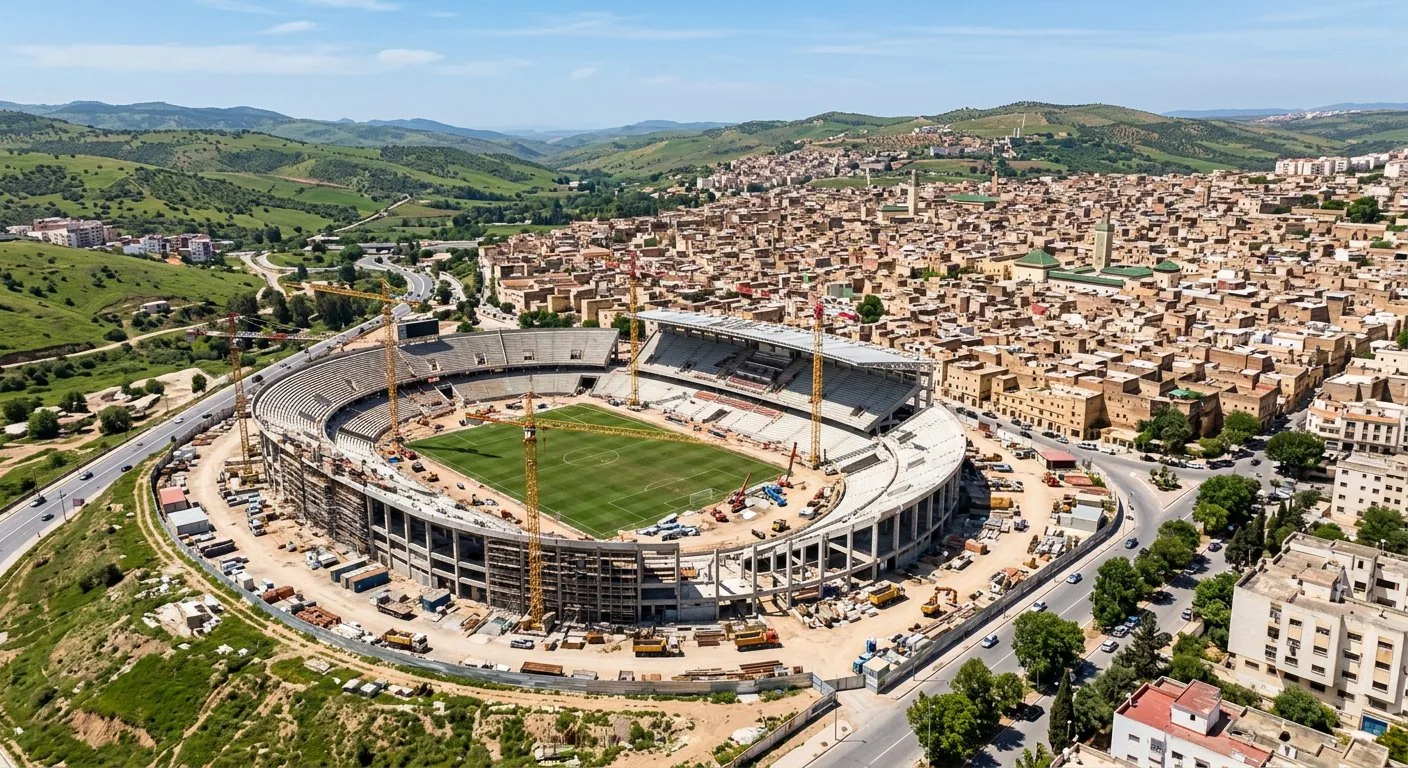
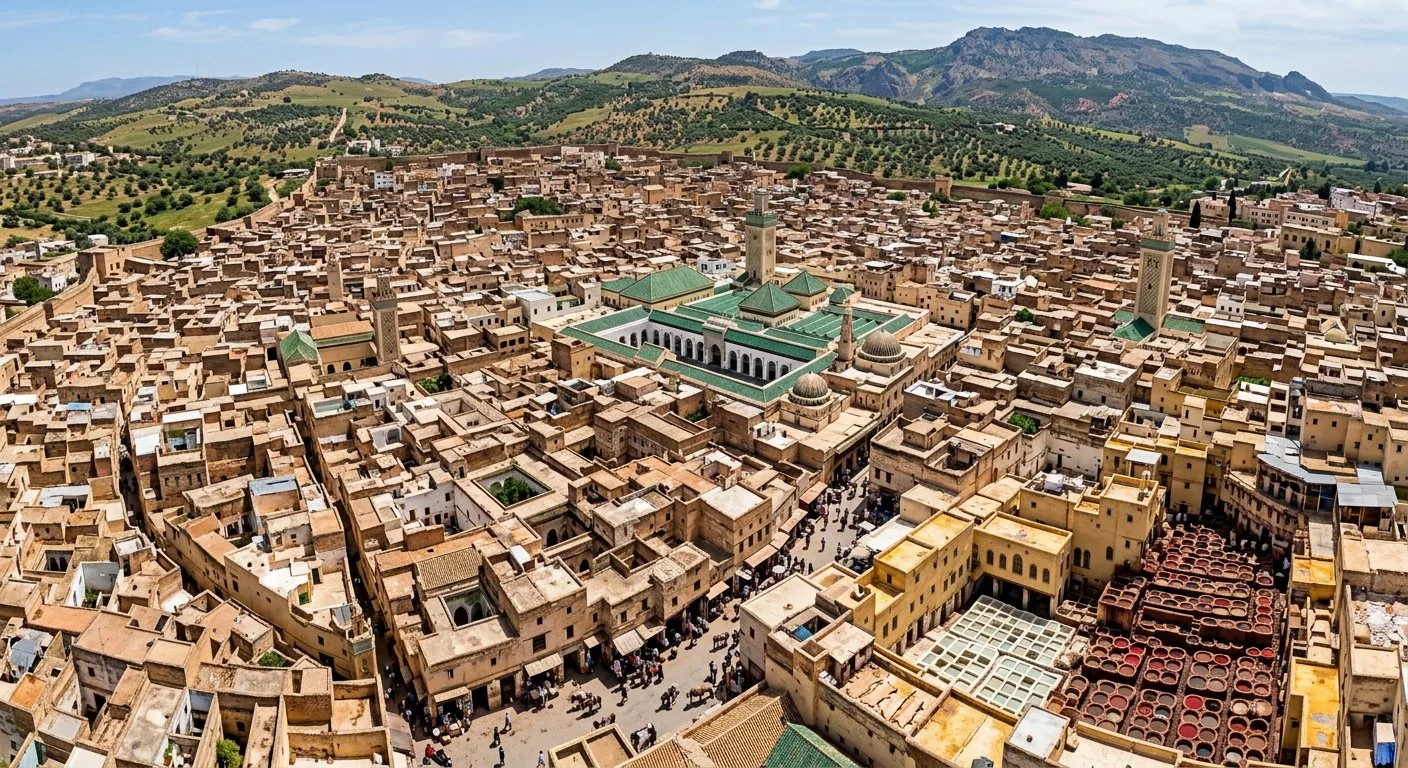
Fez Stadium. Gateway to Fez el-Bali, the world's largest car-free urban area and a UNESCO World Heritage Site dating to 859 AD. Attending a match here means stepping from a medieval medina unchanged for centuries into a modern World Cup stadium. Capacity: 55,800. Est. 5 matches World's largest car-free urban area next door. UNESCO World Heritage Site since 1981. Free match shuttle from the medina gates. Expanding from 45,000 to 55,800 seats. Fez
Fez Stadium Fez · Est. 5 matches
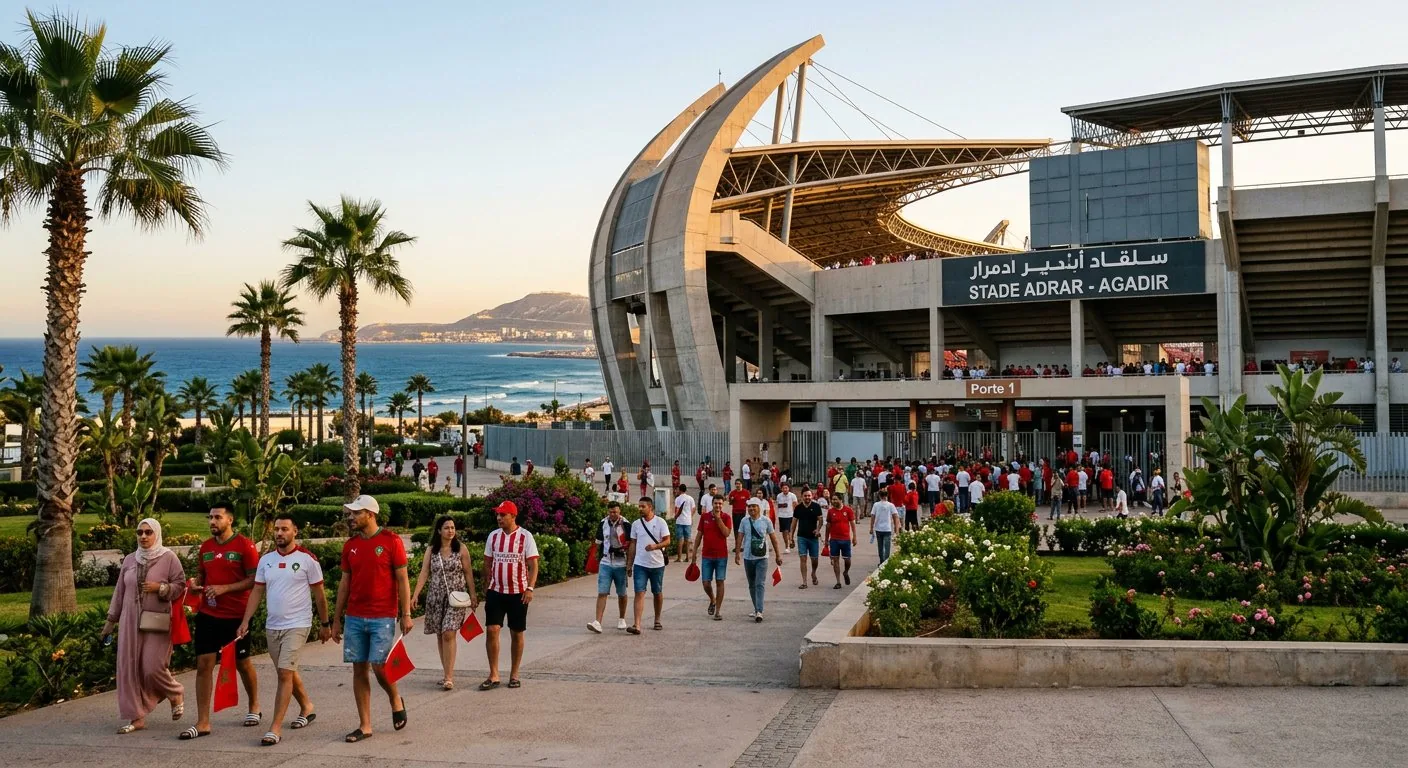
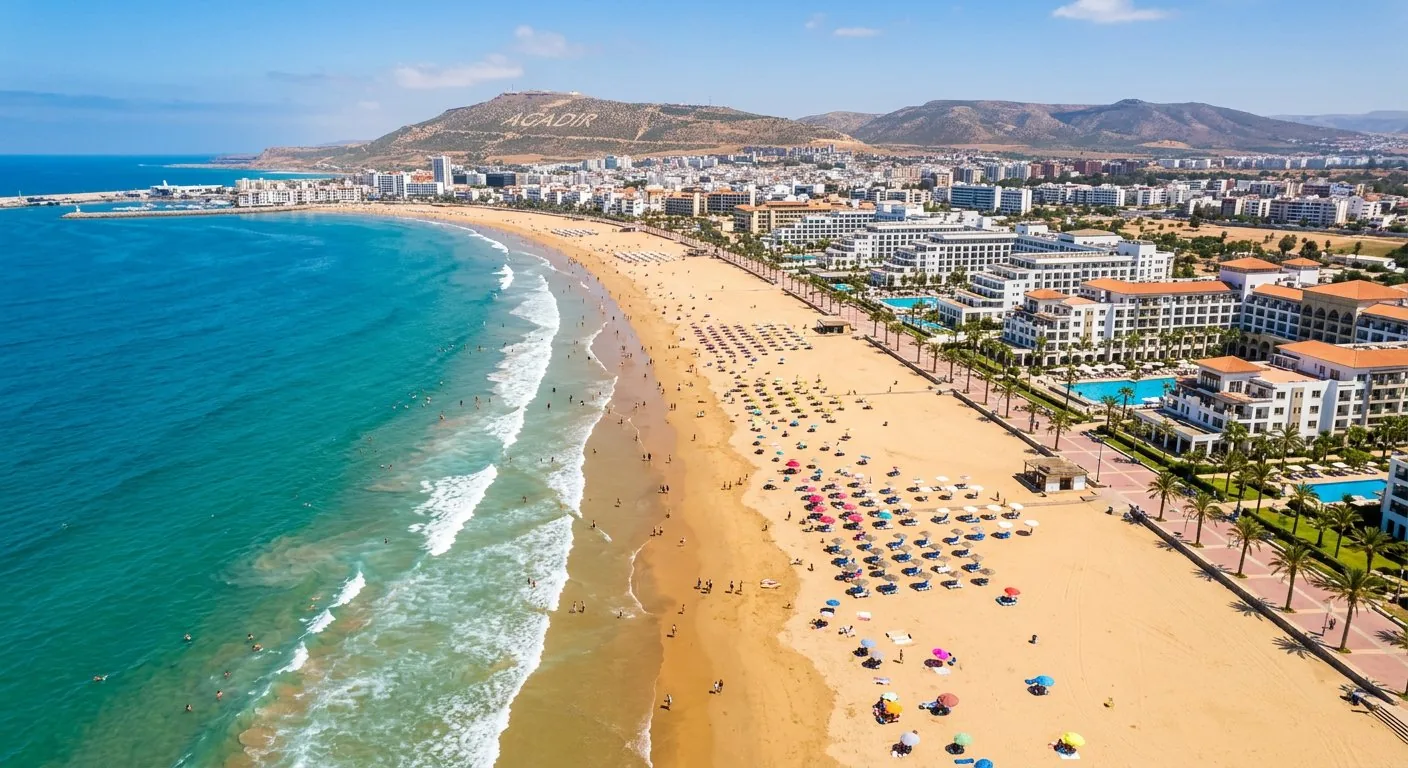
Adrar Stadium (Agadir). Morocco's beach capital and the most laid-back World Cup host city. 10km of golden Atlantic sand just 3km from the stadium, 300 days of sunshine per year, and more budget airline routes from Europe than any other host city. Capacity: 46,000. Est. 5 matches Atlantic beach 3km from the stadium. 300 days of sunshine, warmest host city. Most budget airline routes from Europe. Souk El Had, largest outdoor market in Morocco. Agadir
Adrar Stadium Agadir · Est. 5 matches
>

Host Cities

Choose Your Moroccan City

Morocco lives and breathes football. From Casablanca's cafes screening every match to Marrakech's Jemaa el-Fna erupting after an Atlas Lions goal, this is a country where football is religion. Six host cities, each with its own personality, six completely different World Cup experiences.

Marrakech medina stadium and Atlas Mountains
Casablanca. Morocco's largest city and main gateway. Home of the world's largest football stadium, the iconic Hassan II Mosque on the Atlantic, and the country's most cosmopolitan dining scene. Capacity: 115,000. Est. 8 matches Home of the 115,000-capacity Hassan II Stadium. Direct flights from 50+ cities worldwide. Hassan II Mosque built on the Atlantic Ocean. Morocco's best restaurants and nightlife. Casablanca
Casablanca115,000 · 8 matches
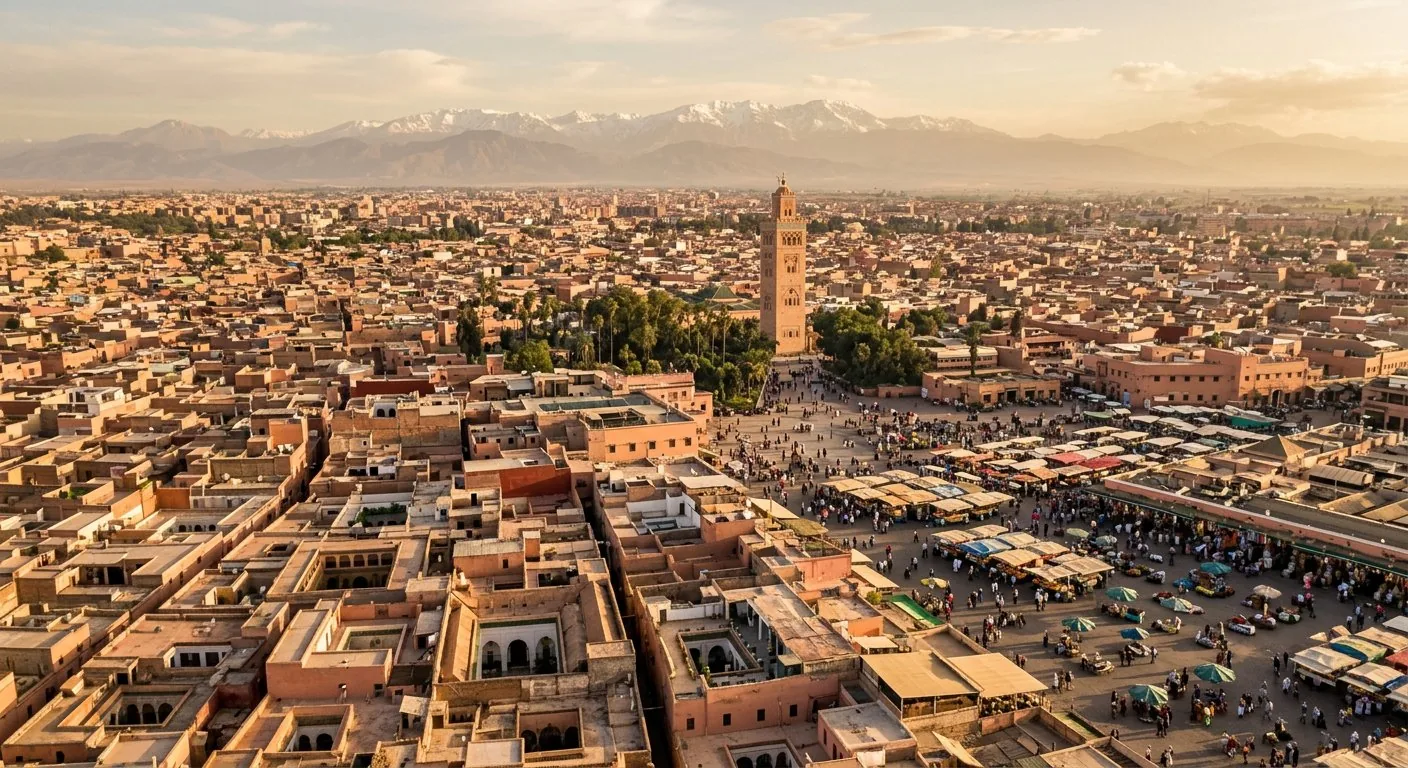
Marrakech. The Red City. Ancient medina, Jemaa el-Fna square, rooftop riads and snow-capped Atlas Mountains on the horizon. The most atmospheric World Cup host city in history. Capacity: 70,000. Est. 6 matches Snow-capped Atlas Mountains visible from the city. Jemaa el-Fna, UNESCO Intangible Heritage. 15 minutes from airport to medina. Most riads and boutique hotels in Morocco. Marrakech
Marrakech70,000 · 6 matches
Rabat. Morocco's elegant royal capital. Wide boulevards, the ancient Kasbah of the Udayas, Hassan Tower and the Bou Regreg river. Quieter than Marrakech but with serious historical depth. Capacity: 68,700. Est. 6 matches Royal capital, home of the King of Morocco. Modern tram connects stadium and medina. Atlantic beaches 10 minutes from centre. Hassan Tower and Kasbah of the Udayas. Rabat
Rabat68,700 · 6 matches
Tangier. Where Africa meets Europe. Spain is visible from the stadium stands. A 35-minute ferry to Tarifa means you can attend matches in both Morocco and Spain on the same trip. Capacity: 75,600. Est. 6 matches See two continents from the stadium stands. 35-min ferry to Tarifa, Spain. Direct flights from London, Paris, Madrid. Mediterranean beaches and legendary Café Hafa. Tangier
Tangier75,600 · 6 matches
Agadir. Morocco's beach capital. 10km of golden Atlantic sand, 300 days of sunshine, and the most laid-back World Cup atmosphere. Perfect for fans who want football with a holiday. Capacity: 46,000. Est. 5 matches 10km Atlantic beach, 3km from stadium. 300 days sunshine, warmest host city. Most budget airline routes from Europe. Souk El Had, largest market in Morocco. Agadir
Agadir46,000 · 5 matches
Fez. The spiritual heart of Morocco. Fez el-Bali is the world's largest car-free urban area, a living medieval city dating to 859 AD. The most authentic World Cup destination on earth. Capacity: 55,800. Est. 5 matches World's largest car-free urban area. Medieval souks unchanged for centuries. UNESCO World Heritage since 1981. Free match shuttle from medina gates. Fez
Fez55,800 · 5 matches
Luxury hotel pool Marrakech Morocco

Rooftop pools.
Atlas Mountains.
World Cup football.

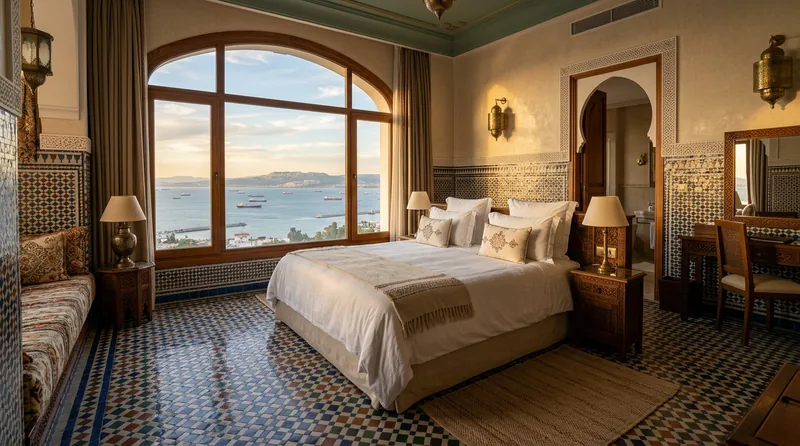
From ancient medina riads in Fez to Atlantic beachfront resorts in Agadir, Morocco offers accommodation unlike anywhere else on the World Cup circuit. Book early, World Cup properties in Marrakech and Casablanca filled up 6 months before AFCON 2025. For 2030, expect 18 months lead time.

Search All Hotels Compare Prices
Riad Marrakech
Marrakech
Search Hotels in Marrakech →
Riads & Boutique Hotels
Ancient medina riads with rooftop terraces, courtyard pools and Atlas Mountain views.
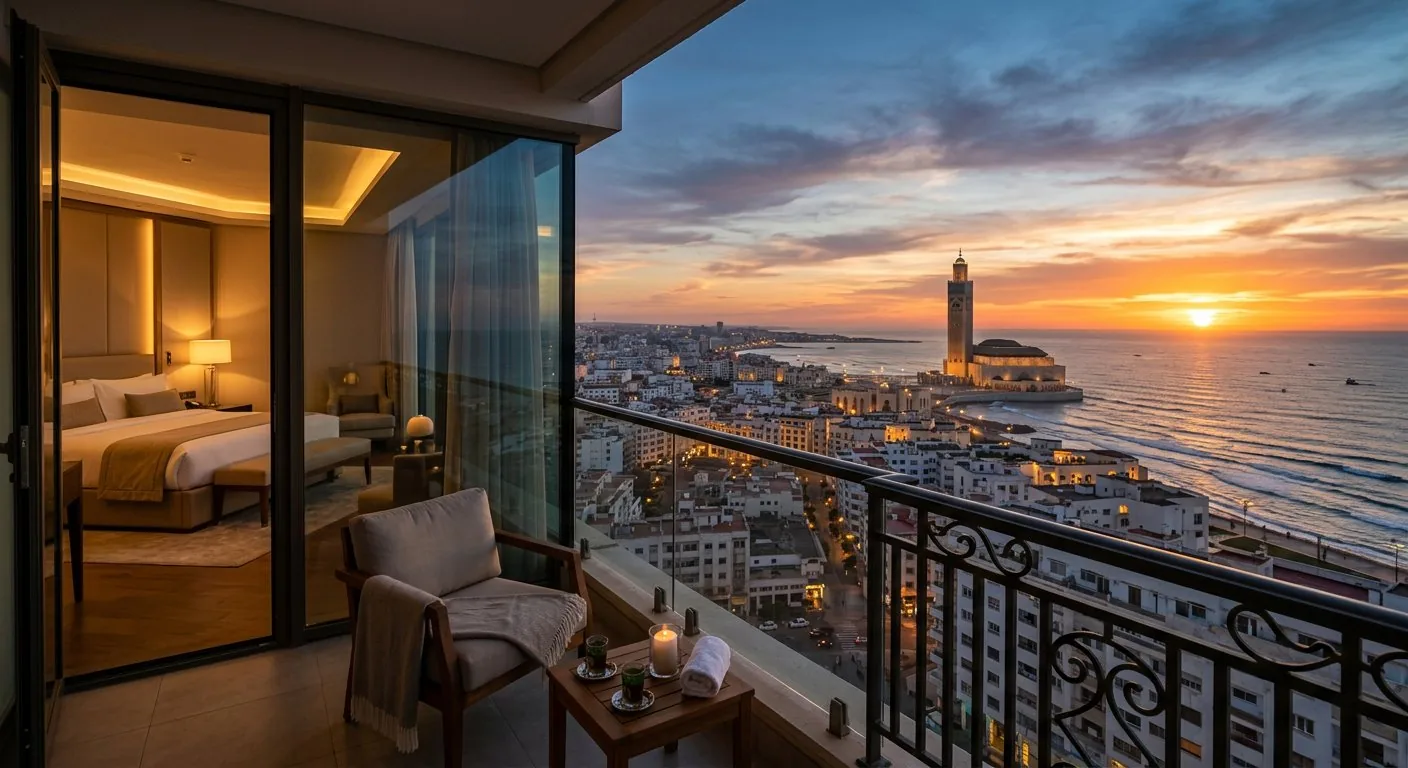
Casablanca Hotel
Casablanca
Search Hotels in Casablanca →
Business & Luxury Hotels
International 5-star chains near the Hassan II Mosque. Morocco's most cosmopolitan hotel scene.
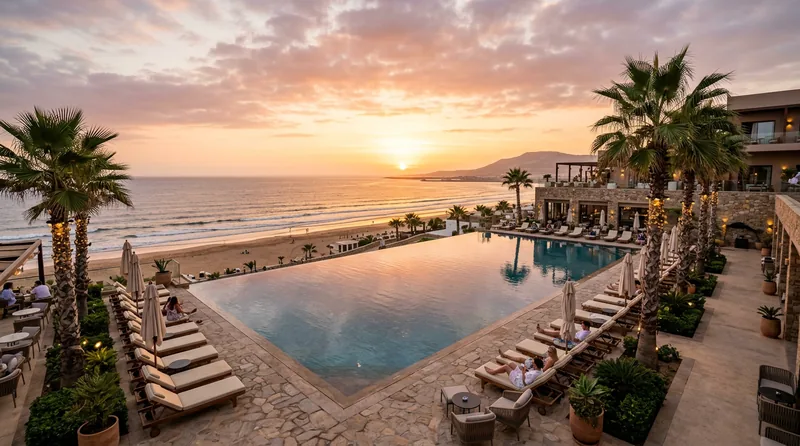
Agadir Beach Hotel
Agadir
Search Hotels in Agadir →
Beach & Resort Hotels
Atlantic beachfront resorts with pools, direct beach access and World Cup match packages.
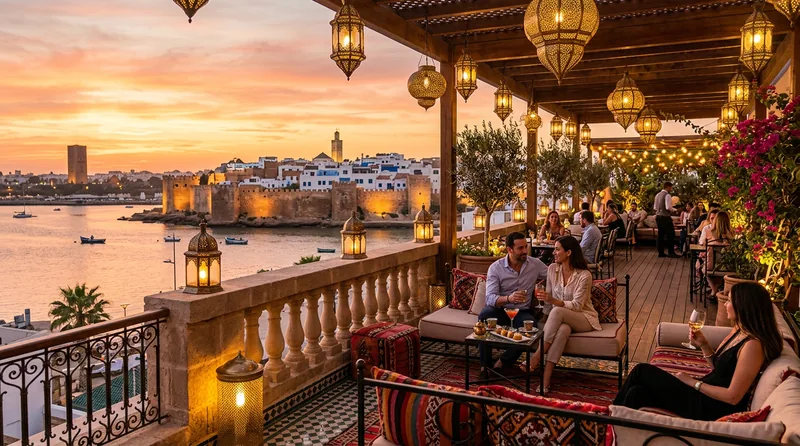
Rabat Hotel
Rabat
Search Hotels in Rabat →
Riverside Boutique Hotels
Rooftop terraces overlooking the Bou Regreg river and Kasbah at sunset. Morocco's most elegant capital.
Tangier Hotel
Tangier
Search Hotels in Tangier →
Strait View Hotels
Wake up to panoramic views of the Strait of Gibraltar and the Spanish coastline from your room.
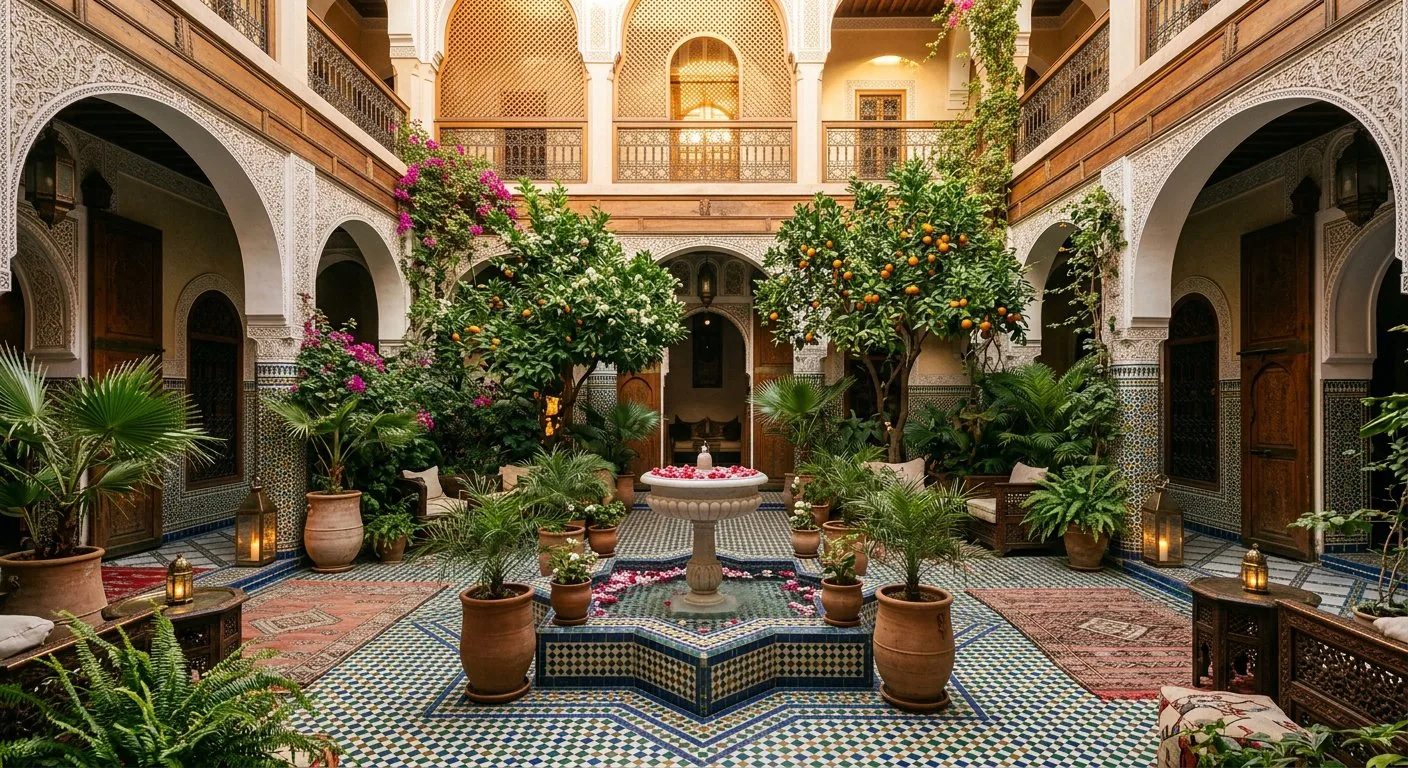
Fez Riad
Fez
Search Hotels in Fez →
Medina Riads
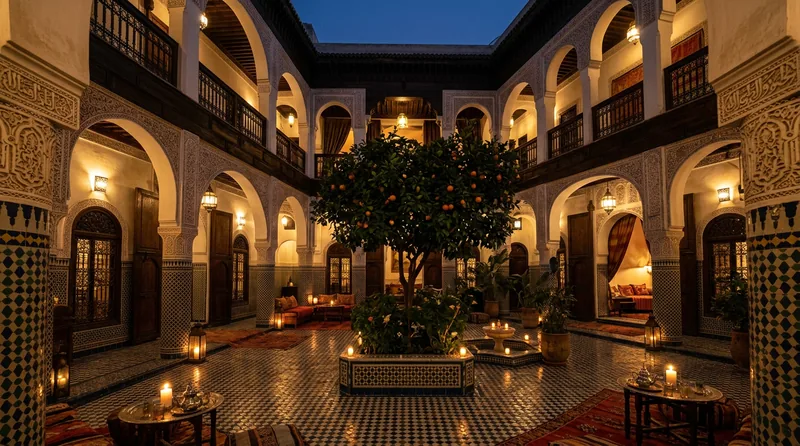
Step inside a 14th-century riad. Zellige tilework, orange trees, candlelit courtyards. The most authentic stay in Morocco.

Find hotels across all 6 Moroccan cities

Compare 500,000+ properties. Free cancellation on most bookings.

Search All Hotels
Flights to Morocco World Cup 2030

Flights to Morocco

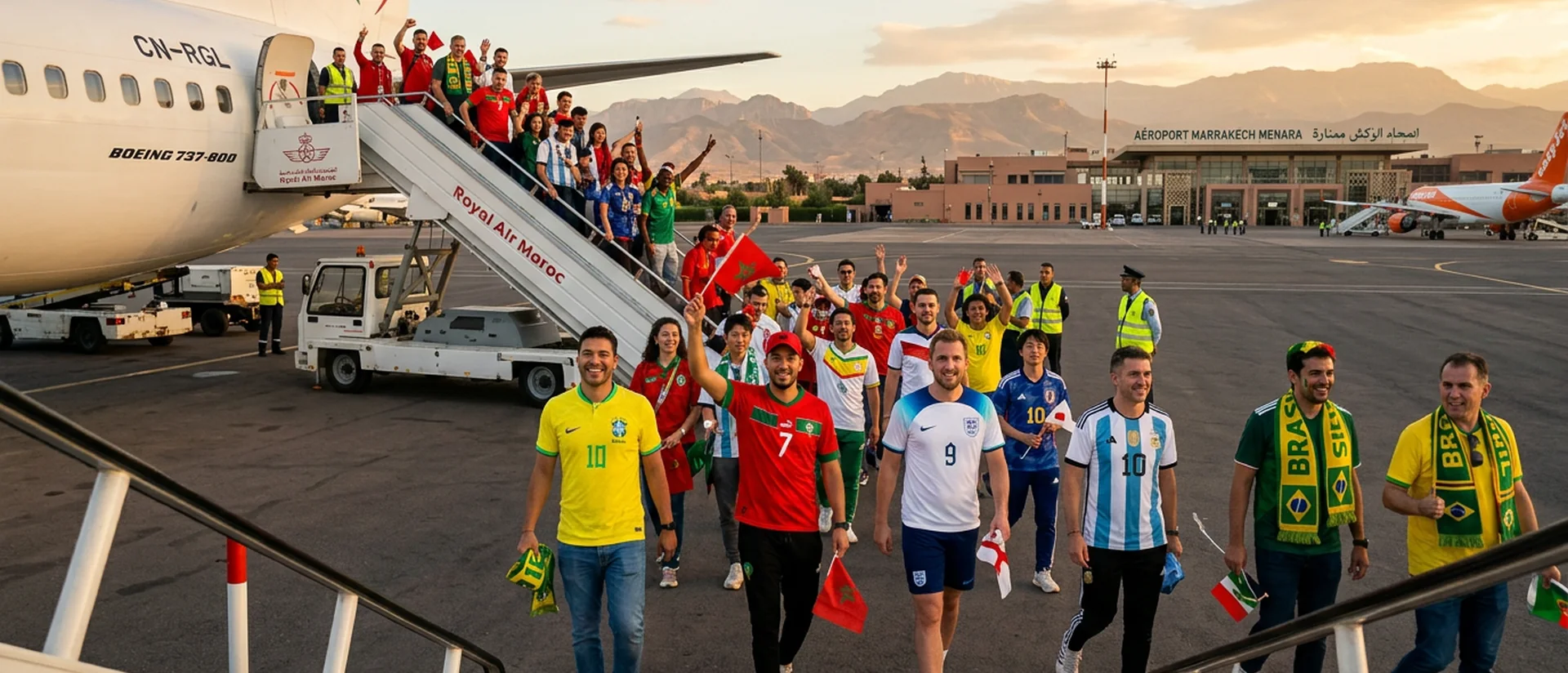
All 6 host cities have international airports with direct routes from Europe, North America and the Middle East. Book early - World Cup flights sell out 12-18 months in advance.

  • ✈ 50+ direct routes - Ryanair, easyJet, Royal Air Maroc
  • 🌍 Direct flights from New York, Dubai, Doha and London
  • ⚡ Prices rise 40-60% closer to 2030 - book early
Compare Flights Find Cheapest

Compare flights to all 6 Moroccan cities

Prices increase significantly closer to 2030. Book early for the best deals.

Compare All Flights
Al Boraq high-speed train Morocco

Transport in Morocco

Morocco has invested billions in infrastructure for 2030. Al Boraq high-speed rail connects the northern cities at 320 km/h, while an expanding motorway network and domestic airports make getting between all 6 host cities easier than you think.

Book Train Rent a Car
Al Boraq · 320 km/h · Africa's Fastest Train  ·  Tangier to Casablanca in 2h 10m

Al Boraq - Journey Times Between Host Cities

Tangier
Ibn Batouta
75,600
1h 05m
Rabat
Moulay Abdellah
68,700
35m
Casablanca
Hassan II
115,000
3h 30m *
Marrakech
Marrakech Stad.
70,000
2h 30m *
Agadir
Adrar Stadium
46,000

* Extensions to Marrakech and Agadir planned for 2030 - journey times estimated

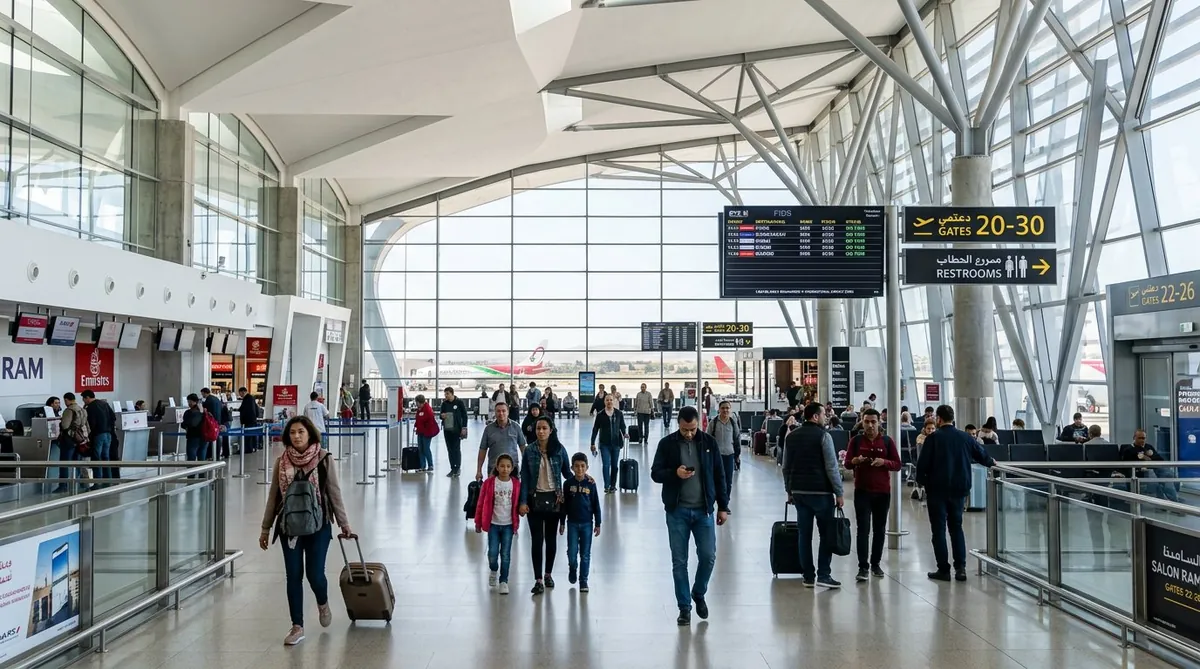
Casablanca airport
International Airports
Casablanca (CMN) is the main hub with direct flights from most cities. Marrakech, Agadir, Tangier and Fez all have international airports.
Compare flights
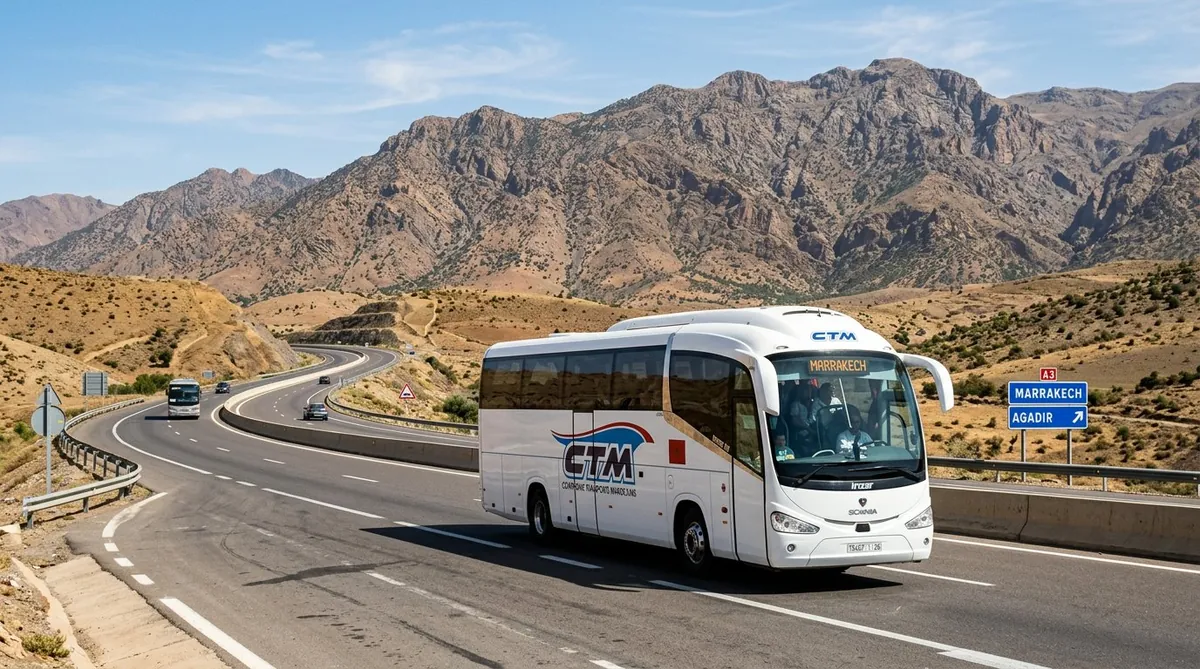
CTM bus Morocco
CTM Long-Distance Buses
Reliable and cheap. CTM connects all 6 host cities. Book ahead during the tournament - routes will be extremely busy.
Book CTM tickets
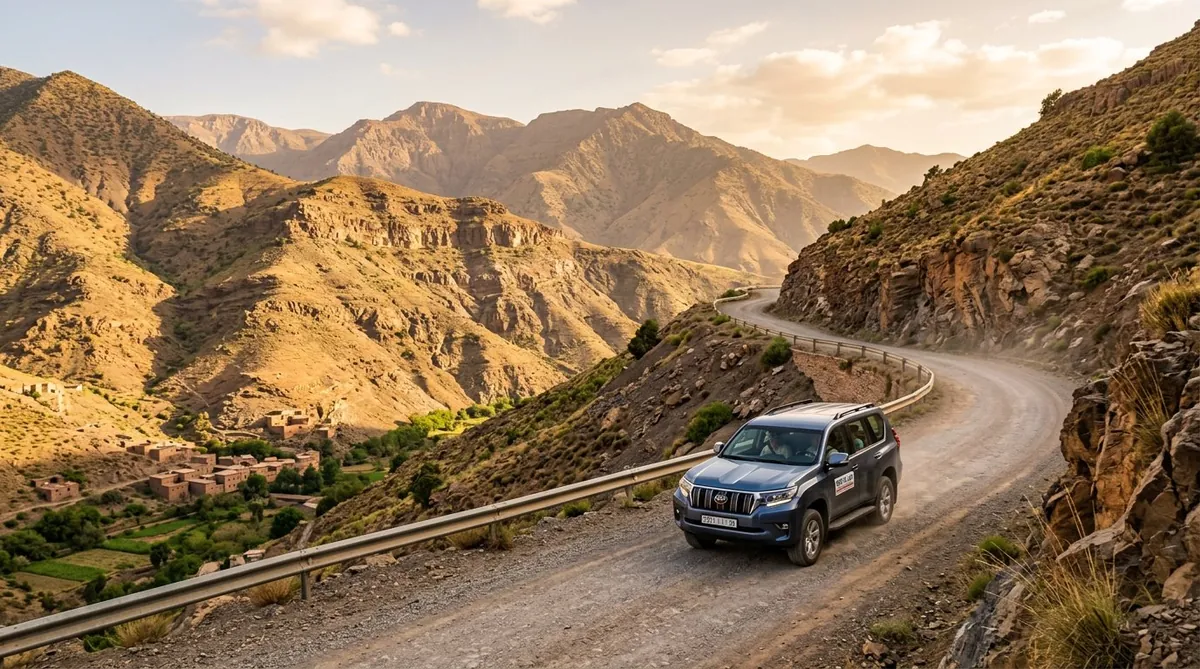
Car rental Morocco Atlas Mountains
Car Rental
Great for day trips between cities. Parking near stadiums will be limited - use park and ride on match days.
Compare car rentals

Flying to Morocco for the World Cup?

Compare flights to Casablanca, Marrakech, Agadir, Tangier and Fez. Book early - prices will surge closer to 2030.

Compare Flights
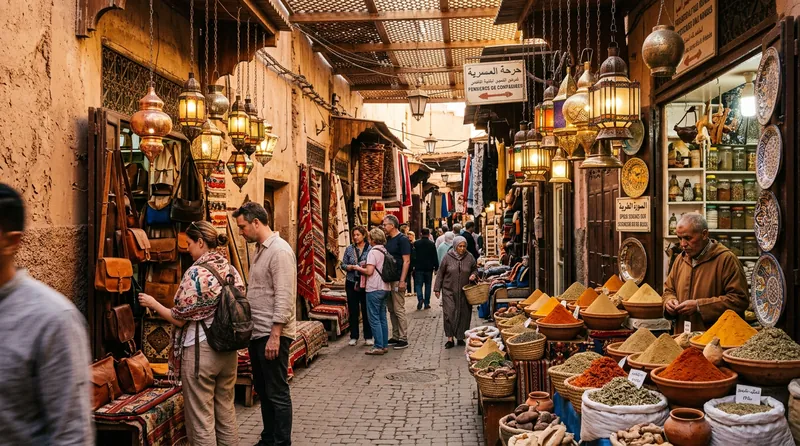
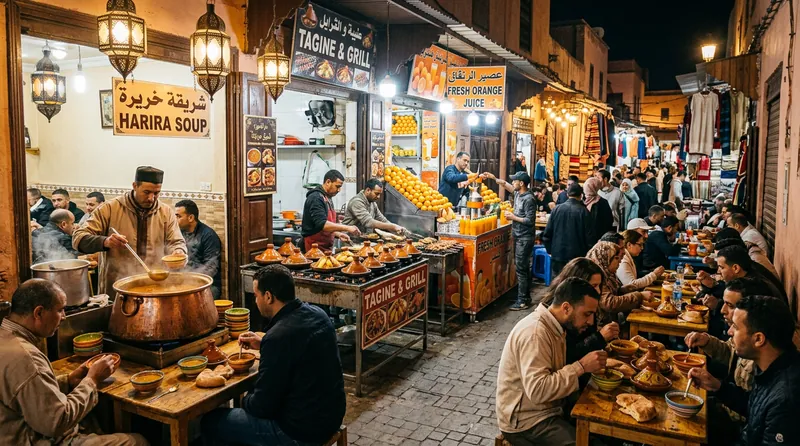
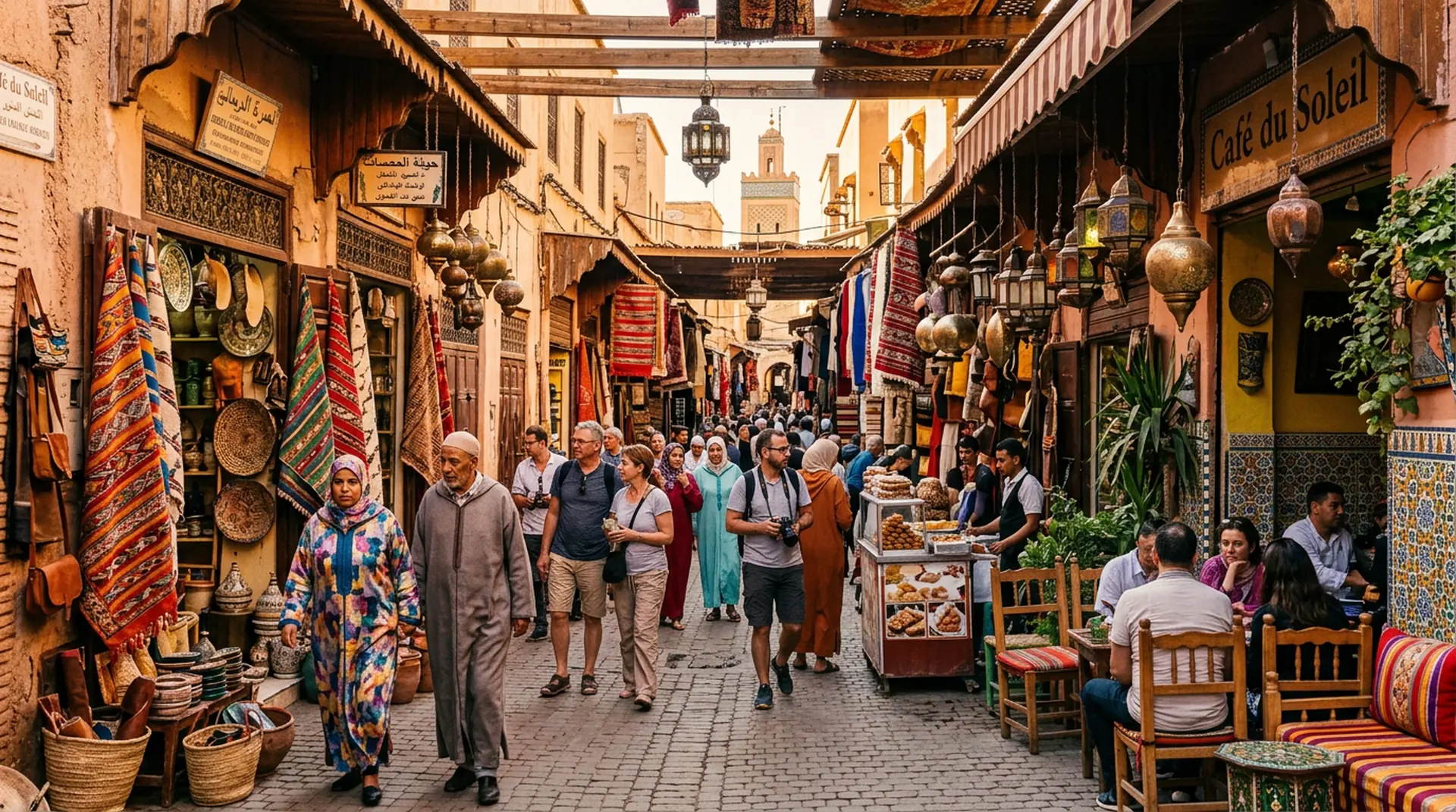
Morocco medina street

How Much Does Morocco Cost?

Morocco is the most affordable of the three host nations. Accommodation, food and transport cost a fraction of Europe.

  • 💰 Budget travellers: €50-80/day all-in
  • 🏨 Mid-range riad: €50-100/night including breakfast
  • 🍽 Lunch at a local restaurant: €3-8 per person
Find Budget Hotels Cheap Transport
Budget
€50-80/day
  • Accommodation: Hostel dorm or basic riad room · €15-30/night
  • Breakfast: Msemen flatbread with honey and coffee at a local cafe · €1-2
  • Lunch: Harira soup, bread and orange juice · €3-5
  • Dinner: Tagine at a local restaurant · €5-8
  • Transport: CTM bus between cities · €5-10 per journey
  • Sightseeing: Medinas are free to explore · Mosque entry from €5
  • Match ticket: Group stage from €50-80 (additional)
Find Budget Hotels →
Luxury
€250+/day
  • Accommodation: 5-star hotel or design riad · €150-400/night
  • Breakfast: Full Moroccan spread included
  • Dining: Fine dining restaurants · €50-80 per meal
  • Transport: Private driver or transfers · €80-150/day
  • Experiences: Private tours, cooking classes, spa · €80-200
  • Alcohol: Hotel bar · expect €8-15 per drink
  • Match ticket: Hospitality packages from €500+ (additional)
Luxury Hotels Morocco →

Important note: All prices are estimates for 2025 and may change by 2030. During the World Cup, hotel prices near stadiums will increase significantly - sometimes 3-5x normal rates. Match tickets are additional to daily budgets above. Book accommodation as early as possible to lock in reasonable prices.

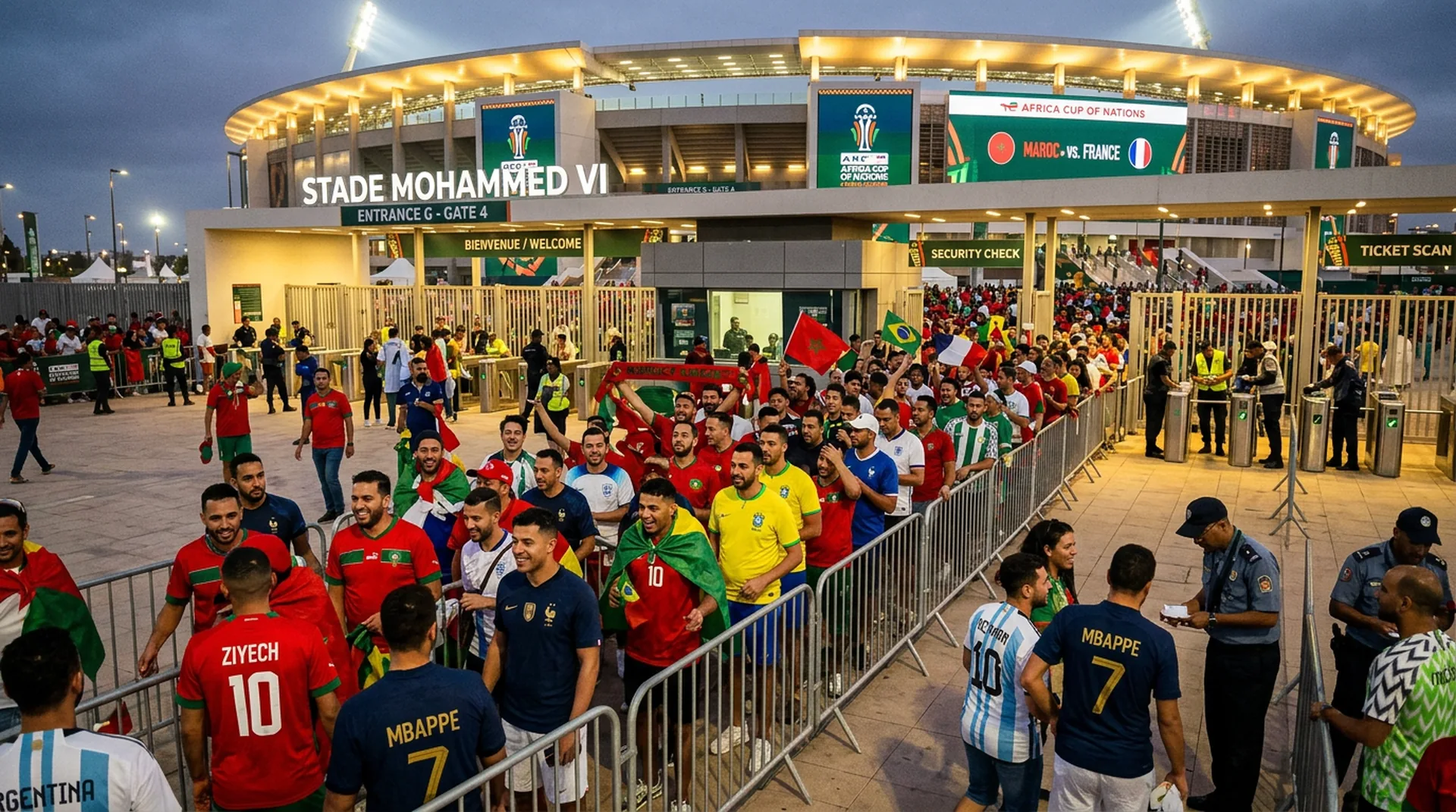
Fans entering Morocco World Cup stadium

How to Get World Cup 2030 Tickets

FIFA ticket sales for Morocco 2030 have not opened yet. Here is everything you need to know to be ready the moment they do - and how to avoid scams.

  • 🎟 Official FIFA ballot opens Late 2028 - register now for alerts
  • ⚠️ Any tickets sold before 2028 are scams - never buy early
  • 💰 Group stage from €50 · Final hospitality packages from €2,000+
Register on FIFA.com Resale Marketplace
FIFA Official Ballot
The only guaranteed legitimate source. Register on FIFA.com now for early notifications. The ballot is a lottery - apply for every match you want and hope for the best. Group stage tickets will be cheapest, Final tickets the most sought-after. Expected price range: €50-500 depending on match and category.
Register at FIFA.com
Resale Platforms
Viagogo and StubHub will list tickets from fans who could not attend. Prices will be 2-5x face value for popular matches. Only use established platforms with buyer guarantees. Never pay via bank transfer, Western Union or cryptocurrency - these are always scams. Always check seller ratings and guarantee policies before purchasing.
Check Viagogo
Hospitality Packages
Official hospitality packages bundle match tickets with premium seating, hotel accommodation and transfers. The most expensive option but also the most stress-free. Ideal for corporate groups or fans who want a guaranteed, premium experience. Packages for the World Cup Final can exceed €2,000 per person. Book early - these sell out fast.
View Packages

Expected Ticket Sales Timeline

2026-2027
Register on FIFA.com for ticket alerts. No tickets available yet. Beware of scams claiming early access.
Late 2028
FIFA Phase 1 Ballot opens. Apply for tickets via lottery. High demand matches - Final, semis, group openers - will be oversubscribed.
Early 2029
Phase 2: First-come-first-served sales for unsuccessful ballot applicants. Move fast - popular matches sell out within hours.
2029-2030
Phase 3: Last-minute releases and resale marketplace. Prices will be significantly higher than face value.

Ticket Scam Warning

World Cup ticket scams begin years before the tournament. Anyone claiming to sell tickets before the official FIFA ballot opens is running a scam. Red flags include: guaranteed tickets before sales open, social media sellers, prices that seem too good to be true, and requests for payment via bank transfer or cryptocurrency. Only buy from FIFA.com or established resale platforms with buyer protection. We will update this page with official ticket links as soon as FIFA announces sales.

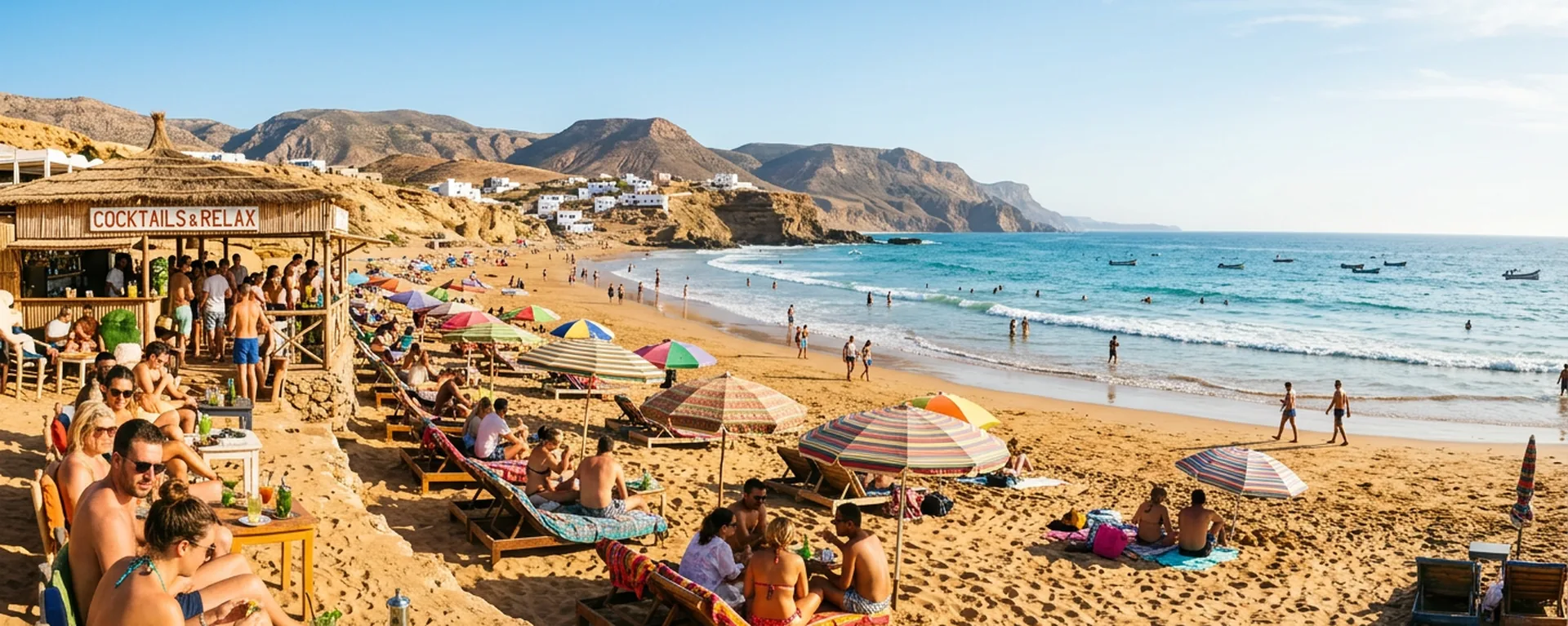
Morocco beach summer

Morocco in Summer 2030

June-July is warm, sunny and perfect for football. Coastal cities stay comfortable with Atlantic breezes while inland cities like Marrakech and Fez heat up. Plan sightseeing for mornings, matches for evenings.

Best Hotels for Summer Compare Flights
☀️
June · Casablanca
26°C
Night: 18°C
Humidity: 70% · Atlantic breeze
Warm · Low humidity · Perfect
Best of all 6 cities for June. Comfortable day and cool evenings. Shorts and a light layer for night matches.
Pack: Light shirt, shorts, SPF50, sunglasses. Evening: light jacket for sea breeze.
🌡️
July · Marrakech
38°C
Night: 22°C
Humidity: 25% · Dry desert heat
Very hot · Stay hydrated
Hottest host city. Plan sightseeing before 10am or after 6pm. Carry water at all times. Evening matches will be more bearable.
Pack: Loose long sleeves, wide-brim hat, SPF50+, 1.5L bottle. Evening: breathable trousers for the medina.
🌊
June · Agadir
24°C
Night: 17°C
Humidity: 65% · Ocean breeze
Atlantic breeze · Ideal
Coolest host city. Perfect for beach days between matches. 10km of golden sand minutes from the stadium.
Pack: Swimwear, flip flops, light shirt, SPF50. Evening: light layer for the ocean breeze.
🌅
July · Tangier
28°C
Night: 20°C
Humidity: 60% · Mediterranean
Mediterranean · Comfortable
Pleasant sea breeze from both Atlantic and Mediterranean. One of the more comfortable northern cities for summer travel.
Pack: Light layers, comfortable walking shoes, sunglasses. Evening: light jacket - cooler than inland cities.
🏙️
June · Rabat
25°C
Night: 17°C
Humidity: 72% · Coastal
Coastal · Breezy · Pleasant
Capital city with Atlantic influence. Very similar to Casablanca. Comfortable for exploring the medina and kasbah between matches.
Pack: Light shirt, comfortable shoes, SPF50. Evening: light cardigan for coastal evenings.
🕌
July · Fez
36°C
Night: 20°C
Humidity: 30% · Dry inland
Dry heat · Morning visits best
Second hottest city. The ancient medina walls trap heat. Visit the tanneries and souks before 10am. Evenings cool down well.
Pack: Loose long sleeves, wide-brim hat, SPF50+, water. Comfortable shoes for medina cobblestones.
What to wear Light, breathable fabrics in natural colours. Long sleeves protect from sun. Modest dress is respectful in medinas. Comfortable walking shoes essential.
Hydration Drink 2-3 litres of water per day minimum. Fresh orange juice is available everywhere for 5 MAD. Avoid alcohol in extreme heat. Rehydration salts are widely available.
Match day planning Evening kick-offs will be significantly more comfortable than afternoon games. Arrive early to find shade inside stadiums. All World Cup venues will have covered seating areas.
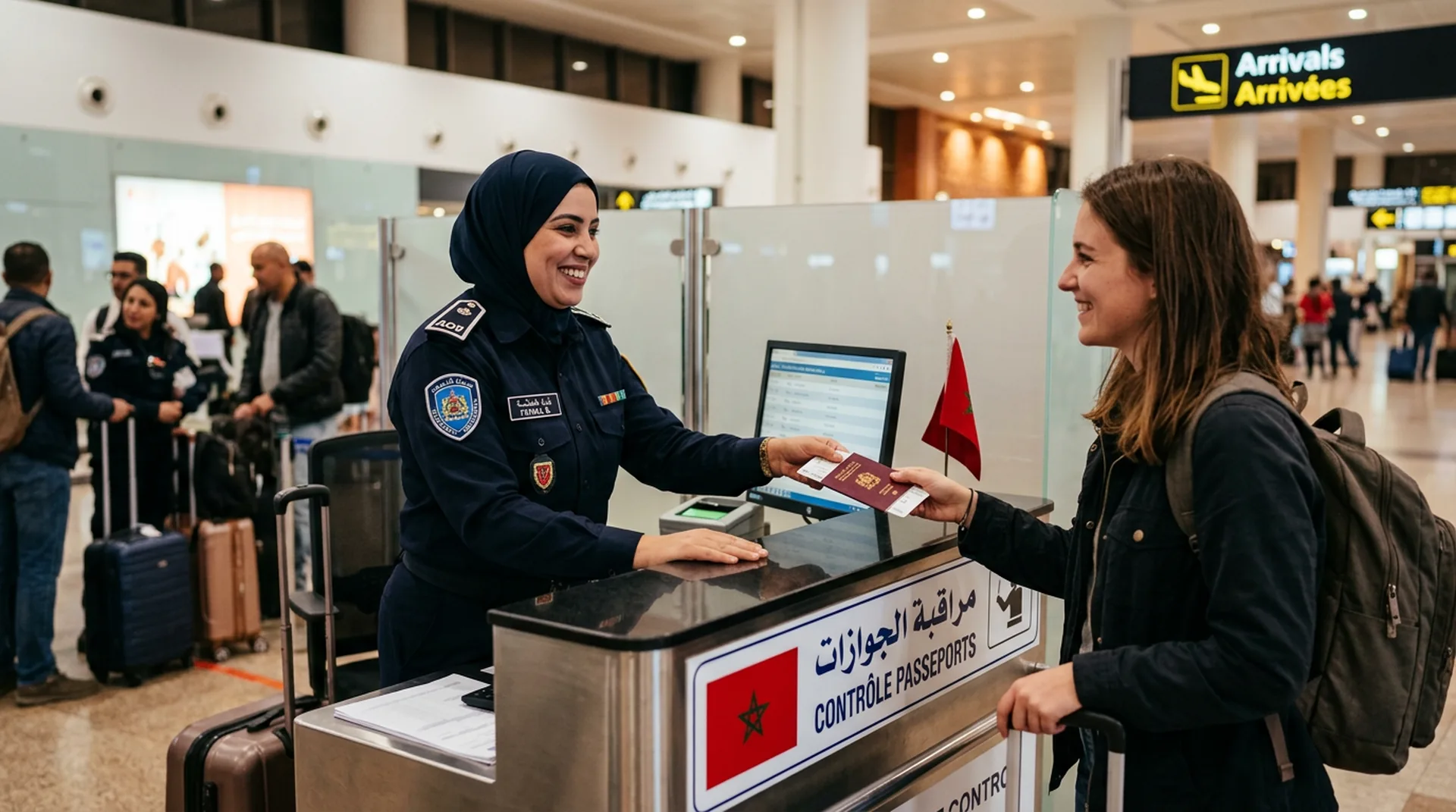
Morocco passport control

Visa Guide for Morocco

Morocco is one of the most accessible destinations in Africa. Over 70 nationalities can enter visa-free for up to 90 days.

  • 🛂 70+ nationalities enter visa-free - EU, USA, UK, Canada, Australia
  • ⏱ 90 days stay permitted with no visa required
  • 🎟 FIFA Fan ID may simplify entry for 2030 ticket holders
Check Visa Requirements Get Travel Insurance
Visa-Free Countries
EU, USA, UK, Canada, Australia, Japan, South Korea, Brazil and 60+ more. Valid passport required - minimum 6 months validity.
Check My Country
Visa on Arrival
Some nationalities can obtain a visa on arrival at Casablanca Mohammed V airport. Check the official Acces Maroc portal for your country.
Apply Online
FIFA Fan ID
For 2030, FIFA will likely introduce a Fan ID system that may simplify entry for ticket holders. Details to be confirmed closer to the tournament.
Learn More
Travel Insurance
World Cup travel requires comprehensive coverage. Medical, cancellation, and ticket protection recommended for all fans travelling to Morocco 2030.
Get Insured

FAQ

Morocco World Cup 2030 FAQ

When do FIFA World Cup 2030 tickets go on sale for Morocco matches?
FIFA typically opens ticket sales 12-18 months before the tournament, meaning the first ballot for Morocco 2030 matches is expected in late 2028 or early 2029. There will be multiple phases: a lottery ballot first, then first-come-first-served sales, and finally last-minute releases. Register on FIFA.com now to receive notifications. Never buy from unofficial sources before the ballot opens - all pre-sale offers are scams.
When should I book hotels for Morocco World Cup 2030?
As early as possible - ideally as soon as you secure tickets. Morocco hosted AFCON 2025 and quality riads in Marrakech and Fez sold out months in advance for that tournament alone. A World Cup creates 10 times that demand. Hotels within 2km of stadiums will be the first to sell out. We recommend booking 12-18 months in advance. Most hotels offer free cancellation, so booking early carries little risk. Do not wait for the match schedule to be confirmed.
How much does it cost to attend the World Cup in Morocco?
Morocco is the most affordable of the three 2030 host nations. Budget travellers can manage on 50-80 EUR per day including accommodation, food and local transport. Mid-range travellers spending 100-180 EUR per day will enjoy boutique riads, good restaurants and comfortable travel between cities. Match tickets will cost between 50-500 EUR depending on the round and category, with group stage seats being the most accessible. Flying into Casablanca from most European cities costs 100-300 EUR return if booked early.
Which is the best city in Morocco to stay during World Cup 2030?
It depends on your priorities. Casablanca is the best transport hub with the largest stadium and direct international flights. Marrakech offers the richest tourist experience with medina, souks and Atlas Mountains. Agadir is ideal for beach lovers with a relaxed Atlantic atmosphere. Tangier is perfect if you plan to combine Morocco with matches in Spain - a short ferry crossing brings you to Europe. Rabat offers a quieter, more elegant capital city experience.
Is Morocco a good destination for solo travellers attending the World Cup?
Morocco is an excellent destination for solo travellers. The World Cup atmosphere will be particularly electric for those travelling alone - fan zones, stadium queues and medina guesthouses are natural places to meet fellow fans from around the world. Moroccan people are famously warm and hospitable towards visitors. Solo female travellers should be aware that attention from local men can be persistent in busy tourist areas - dressing modestly and walking confidently reduces this significantly. Stay in riads rather than large hotels for a more social, communal experience.
Do I need a visa to visit Morocco for the 2030 World Cup?
Citizens of over 70 countries can enter Morocco visa-free for up to 90 days, including all EU nations, USA, UK, Canada, Australia, Japan and Brazil. Your passport must be valid for at least 6 months beyond your travel dates. FIFA may also introduce a Fan ID system for 2030 that could simplify entry for ticket holders, as was done at the 2022 Qatar World Cup. Always check the official Acces Maroc portal for the latest requirements for your nationality.
What is the best airport to fly into for Morocco World Cup 2030?
It depends on which cities you are visiting. Casablanca Mohammed V (CMN) is the main international hub with direct flights from most cities worldwide and is the best choice for most fans. Marrakech Menara (RAK) is ideal if you are based in Marrakech, with direct routes from most European airports including budget airlines. Tangier Ibn Batouta (TNG) is best for the north and for fans combining Morocco with Spain via ferry. Agadir Al Massira (AGA) serves the south. For most fans flying from outside Europe, land in Casablanca first.
How do I get from Casablanca airport to the city centre?
Casablanca Mohammed V Airport is 30km from the city centre. The ONCF train is the fastest and cheapest option - the station is at Level -1 of Terminal 1, trains run every hour from 6am to 11pm, the journey takes 35-45 minutes and costs just 42 MAD (around 4 EUR). An official white taxi costs 250-300 MAD (23-28 EUR) during the day, rising to around 350 MAD at night - always agree the fare before setting off. A pre-booked private transfer costs around 385 MAD (36 EUR) for up to 3 passengers with a driver waiting on arrival. The train is the best option for budget travellers. Pre-book a private transfer if arriving late at night or travelling with a group.
How do I travel between Morocco World Cup host cities?
The Al Boraq high-speed train is the best option between Tangier, Rabat and Casablanca - journey times of 1h05m and 35m respectively. Morocco plans to extend high-speed rail to Marrakech and Agadir by 2030. CTM long-distance buses are reliable, affordable and connect all 6 host cities. Domestic flights are available but often not necessary given distances. Renting a car gives maximum flexibility for day trips but parking near stadiums on match days will be restricted.
Can I travel between Morocco and Spain during the 2030 World Cup?
Yes - this is one of the most exciting possibilities of the 2030 format. From Tangier, a ferry to Tarifa in Spain takes just 35 minutes. You can attend a match in Morocco and be in Seville or Madrid within hours. The Strait of Gibraltar crossing is one of the most dramatic and affordable ways to combine both host nations. Ferries run multiple times daily and should be booked well in advance during the tournament period. This cross-continental fan experience is truly unique to 2030.
Is Morocco safe for football fans attending the 2030 World Cup?
Morocco is a safe destination for international tourists and football fans. The country successfully hosted AFCON 2025 across multiple cities without significant security incidents. Moroccan hospitality towards visitors is genuine and deeply embedded in the culture. Standard travel precautions apply: be aware of your surroundings in busy medinas, use official taxis, and keep valuables secure. FIFA and the Moroccan government will implement extensive security measures for 2030.
How hot is Morocco in June and July during the World Cup?
Temperatures vary significantly by location. Coastal cities are comfortable: Casablanca averages 26C, Tangier 28C and Agadir 24C with Atlantic sea breezes. Inland cities are much hotter: Marrakech regularly reaches 38-40C in July and Fez can hit 36C. Evening matches will be more comfortable in all cities. Stay hydrated, wear sunscreen and plan morning sightseeing for the hottest destinations.
Can football fans drink alcohol in Morocco during the World Cup?
Yes, alcohol is legal in Morocco and available in licensed venues - hotels, licensed bars, restaurants and certain supermarkets such as Carrefour. The legal drinking age is 18. However, drinking in public spaces such as streets, parks and beaches is illegal and can result in police intervention. For the 2030 World Cup, FIFA and Moroccan authorities are expected to designate Fan Zones where alcohol will be available. The key rule: drink inside licensed venues, not on the street.
What currency does Morocco use and can I pay by card?
Morocco uses the Moroccan Dirham (MAD). Cards are widely accepted in hotels, restaurants and shops in tourist areas. Cash is essential for markets, small restaurants, local taxis and tips. ATMs are widely available in all 6 host cities. The Dirham is a closed currency meaning you cannot buy it before arrival - exchange at the airport or use ATMs on arrival. Avoid unofficial money changers.
What languages do people speak in Morocco?
Morocco has four official languages. Darija (Moroccan Arabic) is the everyday spoken language. Modern Standard Arabic is used in formal settings. Amazigh (Berber) is spoken in rural and mountain regions. French is the primary language of tourism and hospitality - you will use it most in hotels, restaurants and shops. In Tangier and the north, Spanish is also widely understood. English is increasingly common in tourist areas. French or basic English will get you through most situations.
What food should I eat in Morocco during the World Cup?
Must-try dishes include tagine (slow-cooked meat or vegetable stew in a clay pot), couscous (steamed semolina with vegetables and meat), harira (a hearty tomato and lentil soup), pastilla (flaky pastry filled with chicken and almonds) and mechoui (whole roasted lamb). Street food in Jemaa el-Fna square in Marrakech is an experience in itself. Fresh-squeezed orange juice costs around 5 MAD (0.50 EUR). Mint tea poured from a height is a ritual you will encounter everywhere.
What is a riad and should I stay in one for the World Cup?
A riad is a traditional Moroccan house built around a central courtyard with a fountain, garden and rooftop terrace. From the outside they look like plain walls with an unmarked wooden door - inside they open into stunning spaces of tilework, carved plasterwork and orange trees. Staying in a riad is one of the most authentic experiences Morocco offers. Riads range from budget options at 40 EUR per night to luxury boutique properties at 300 EUR and above. Book early: quality riads in Marrakech and Fez sell out months in advance for any major event.
What is there to do between matches in Morocco?
From Marrakech, take a day trip to the Sahara desert edge at Agafay or the snow-capped Atlas Mountains. From Fez, explore the world's oldest university and the ancient tanneries. From Casablanca, visit the Hassan II Mosque - the third largest in the world, built over the Atlantic Ocean. From Agadir, surf Atlantic waves or relax on 10km of golden beach. Group stage gaps of 3-4 days between fixtures give genuine time to explore. Morocco offers experiences that will stay with fans long after the final whistle.
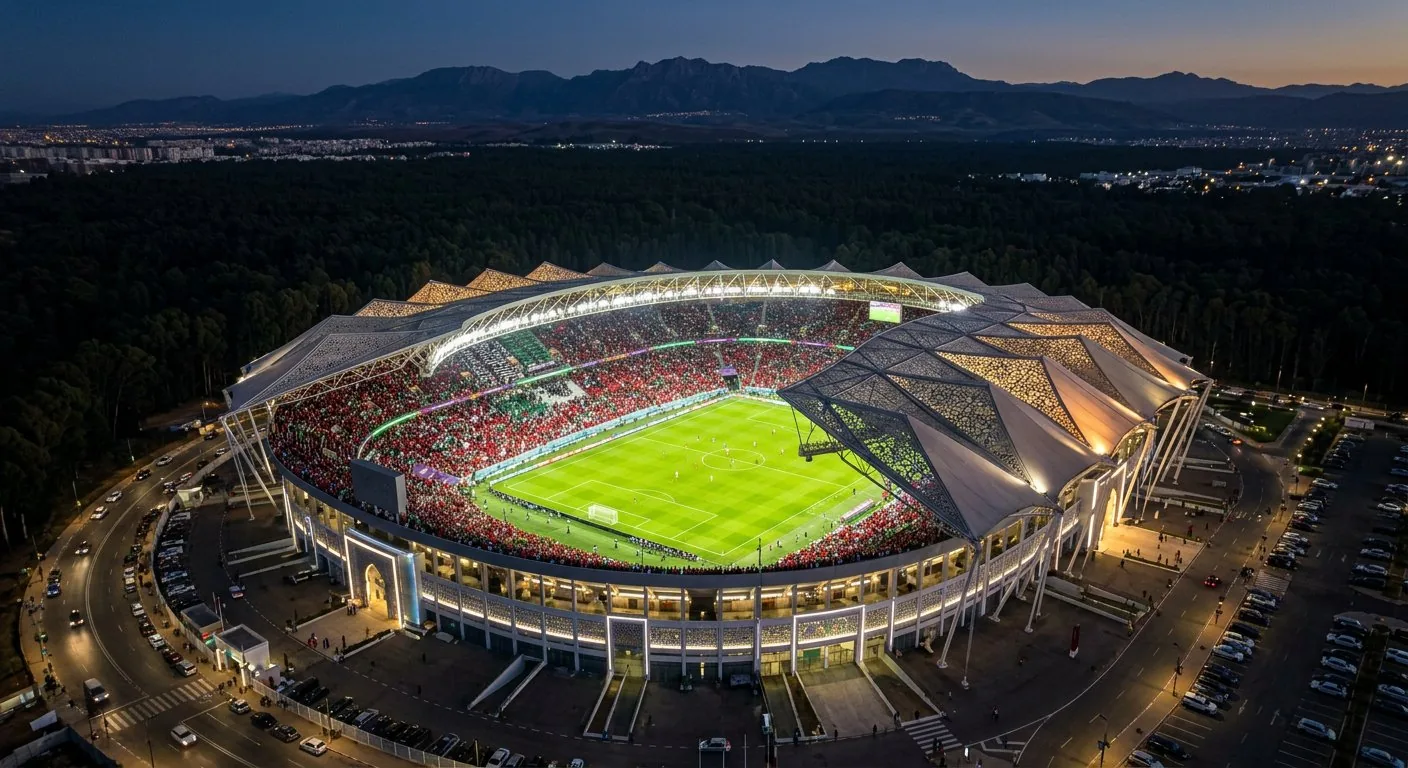
What is the Hassan II Stadium and will it host the World Cup Final?
The Grand Stade Hassan II in Casablanca is Morocco's flagship 2030 project - a brand new stadium being built from scratch with a capacity of 115,000, which will make it the largest football stadium in the world. It is located in the Benslimane area near Casablanca and is due to complete in 2028. With a capacity larger than any other 2030 venue, it is a strong contender to host the World Cup Final, though FIFA will not confirm the final venue until December 2026.
Related Searches

Get Morocco World Cup Updates

Hotel deal alerts, ticket ballot dates, match schedule updates and insider tips - straight to your inbox.