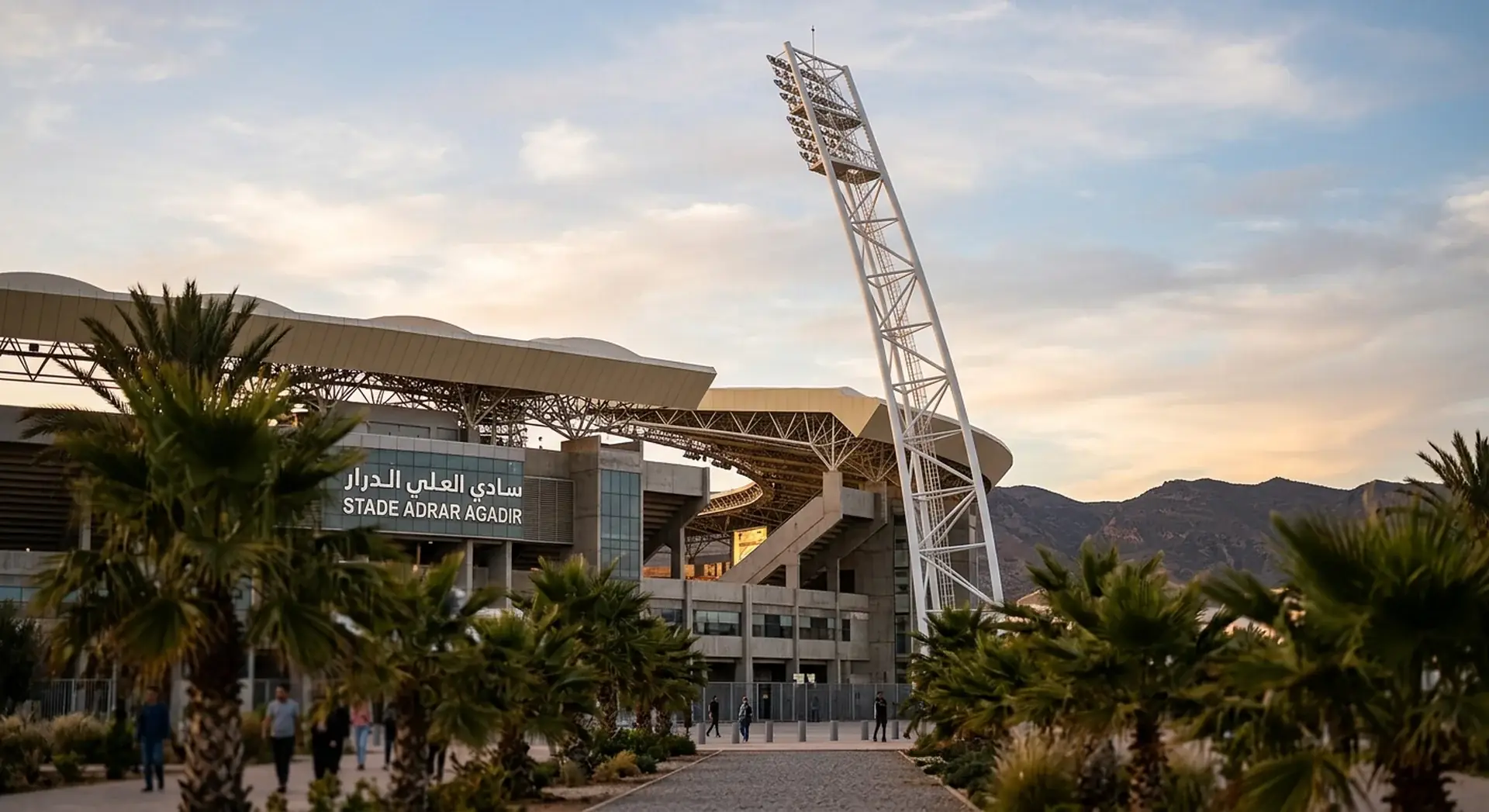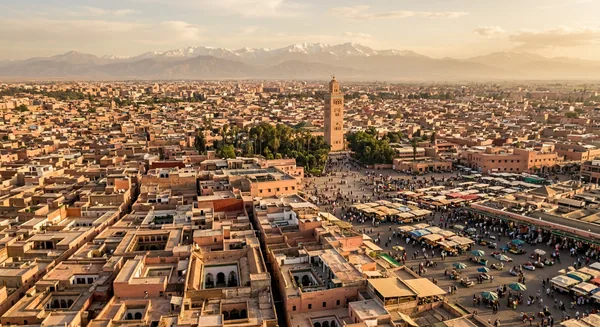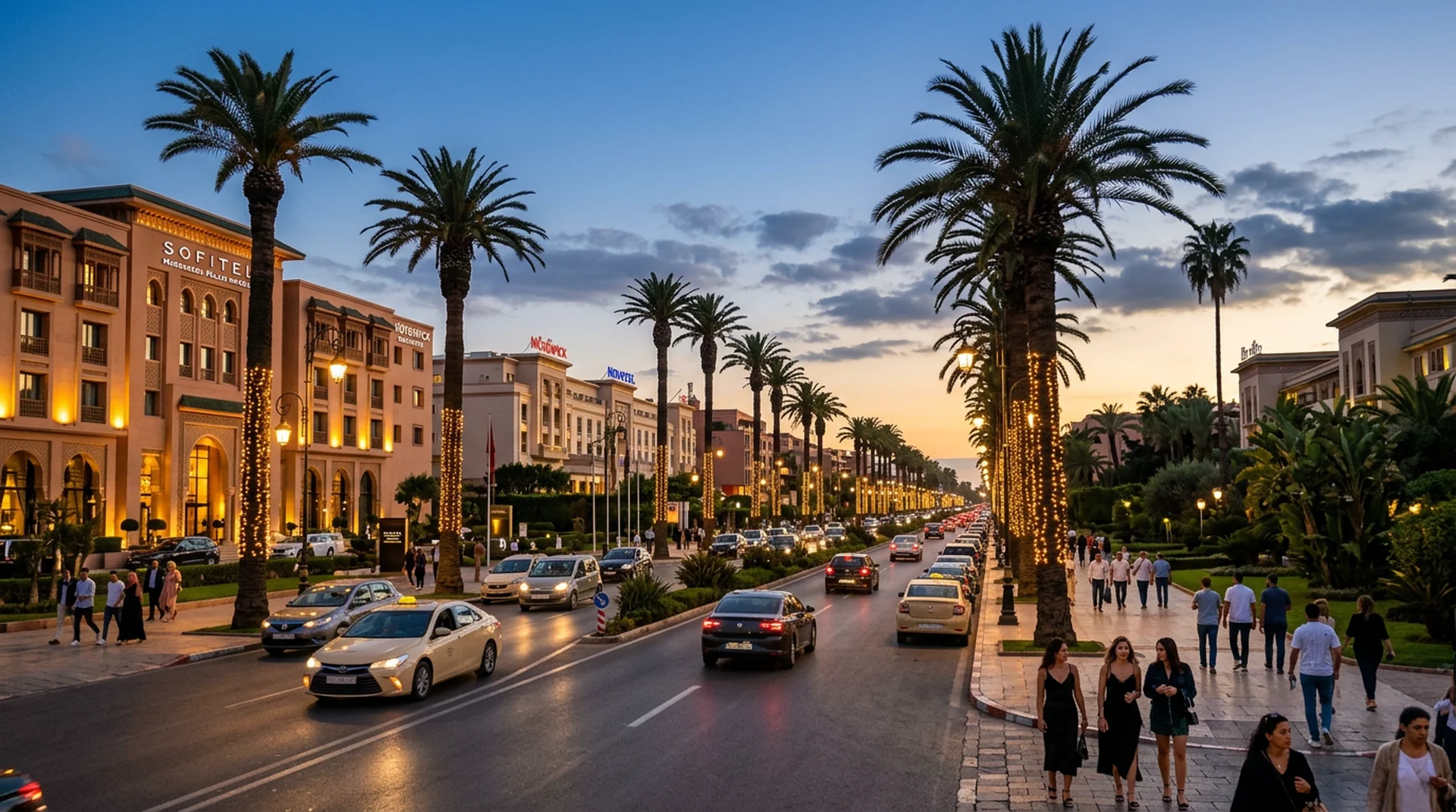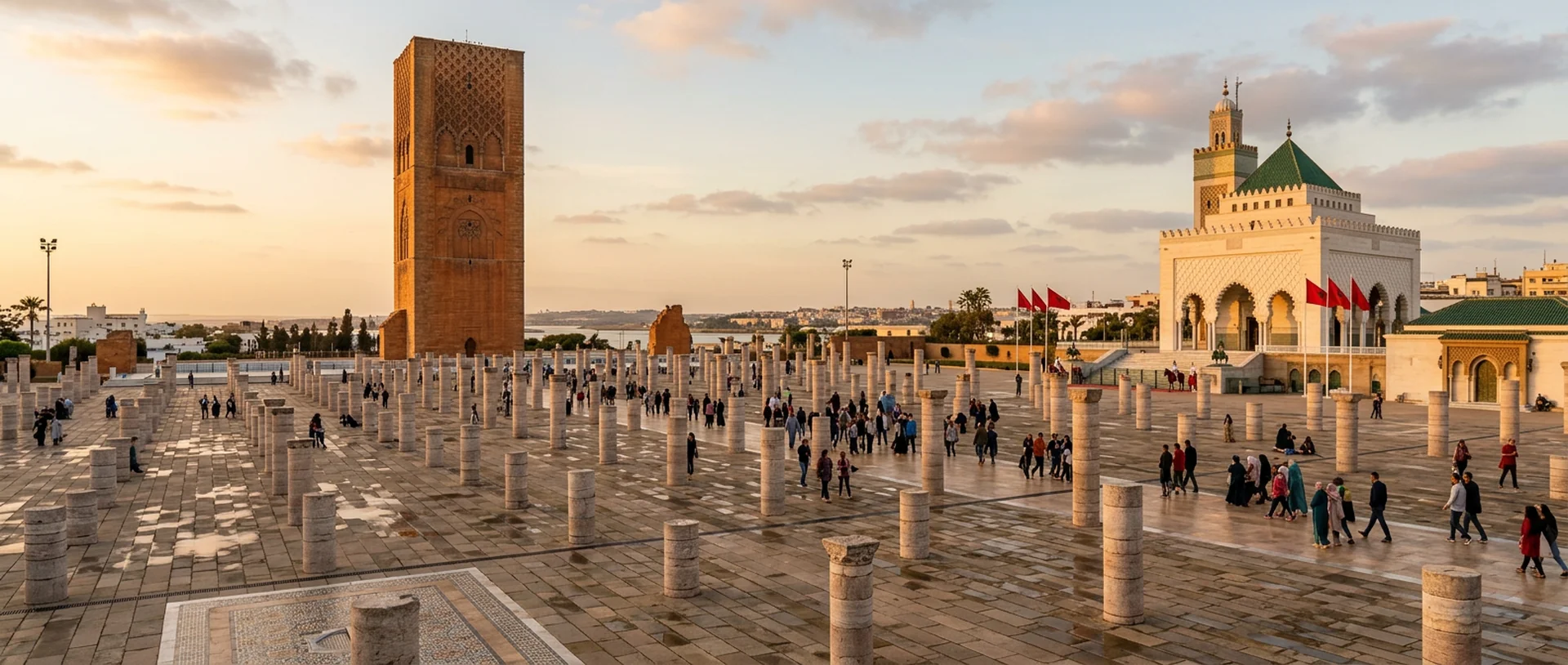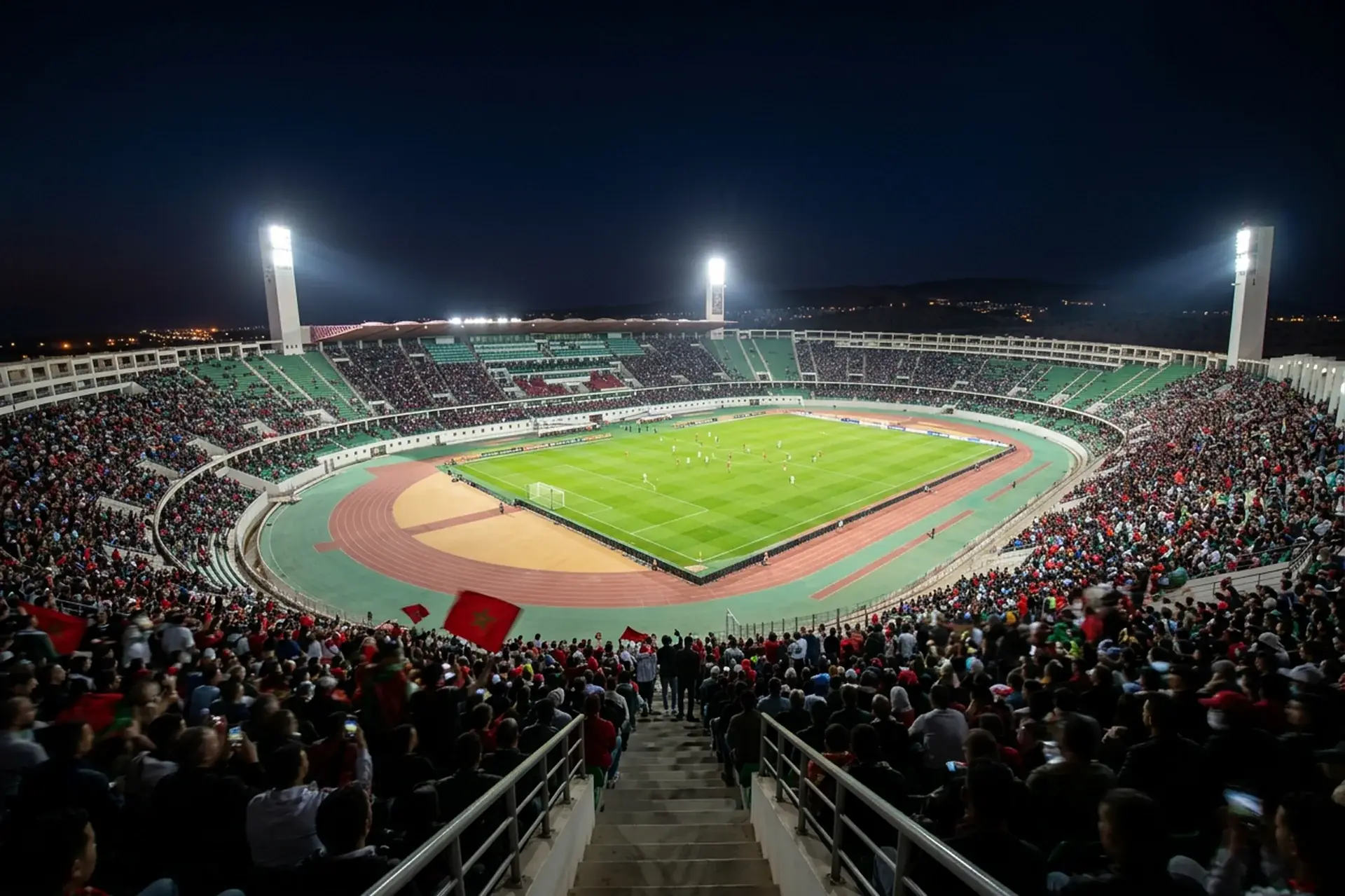
Morocco's leading Atlantic resort city, rebuilt entirely after the devastating 1960 earthquake, offers World Cup fans arguably the tournament's best climate. The Adrar Stadium, opened in 2013 at the foot of the Atlas Mountains, is undergoing a second renovation phase that will add a full panoramic roof and lift capacity to 46,000 ahead of 2030, home to Botola Pro side Hassania Agadir.
Stadium
Agadir is putting forward a single World Cup venue. The Adrar Stadium's first renovation phase, focused on pitch, security and exterior works, wrapped up for AFCON 2025. A second phase, adding a full panoramic roof and removing the athletics track, is under way through 2030.

Football Culture
Hassania Agadir, universally known as HUSA, represents the Souss-Massa region with fierce local pride and moved into the newly-built Adrar Stadium in October 2013, replacing its old ground, Stade Al Inbiaat. The club has been a fixture of Morocco's top flight, the Botola Pro, in recent seasons, drawing on a passionate Amazigh fanbase across the wider Agadir region.
HUSA has never lifted a major domestic trophy but has come close: the club reached the 2019 Moroccan Throne Cup final. On the continental stage, Hassania qualified for the 2018-19 CAF Confederation Cup and advanced to the quarter-finals before losing to Egypt's Zamalek SC, then reached the semi-finals of the 2019-20 edition the following season, falling to fellow Moroccan side RS Berkane.
Attending a derby against Raja Casablanca or Wydad at Stade Adrar is one of the most atmospheric football experiences in Morocco.
- a description widely echoed in Moroccan football travel coverage
HUSA's biggest home fixtures come against Morocco's two most decorated clubs, Raja Casablanca and Wydad AC, matches that reliably fill the Adrar Stadium's stands. The club's dedicated supporters, Ultras Imazighen, are based in the stadium's atmospheric north and south end sections behind each goal.
Agadir's football identity is also inseparable from its Amazigh (Berber) heritage: Tashelhit is the majority first language across the region, and the Adrar Stadium's name itself, meaning "mountain" in Tashelhit, nods to the nearby Atlas foothills.
Adrar Stadium's second renovation phase will remove the athletics track and add a full 360-degree roof, turning it from a multi-purpose venue into a purpose-built football bowl, elevating VIP areas in line with FIFA's requirements for 2030.
Matchday in Agadir
Agadir turns football into a beach-town occasion unlike anywhere else Morocco hosts.
The Adrar Stadium sits about 6km east of the city centre and 8-10km from the main beach hotel zone, at the foot of the Atlas foothills, so most fans gather along the Corniche or in Marina Agadir before taking a taxi out to the ground. Expect a relaxed, sun-soaked pre-match atmosphere rather than the medina intensity of Fez or Marrakech.
For domestic HUSA fixtures against Raja or Wydad, the Adrar Stadium's north and south stands, home to Ultras Imazighen, provide some of the loudest, most sustained atmosphere anywhere in Morocco.


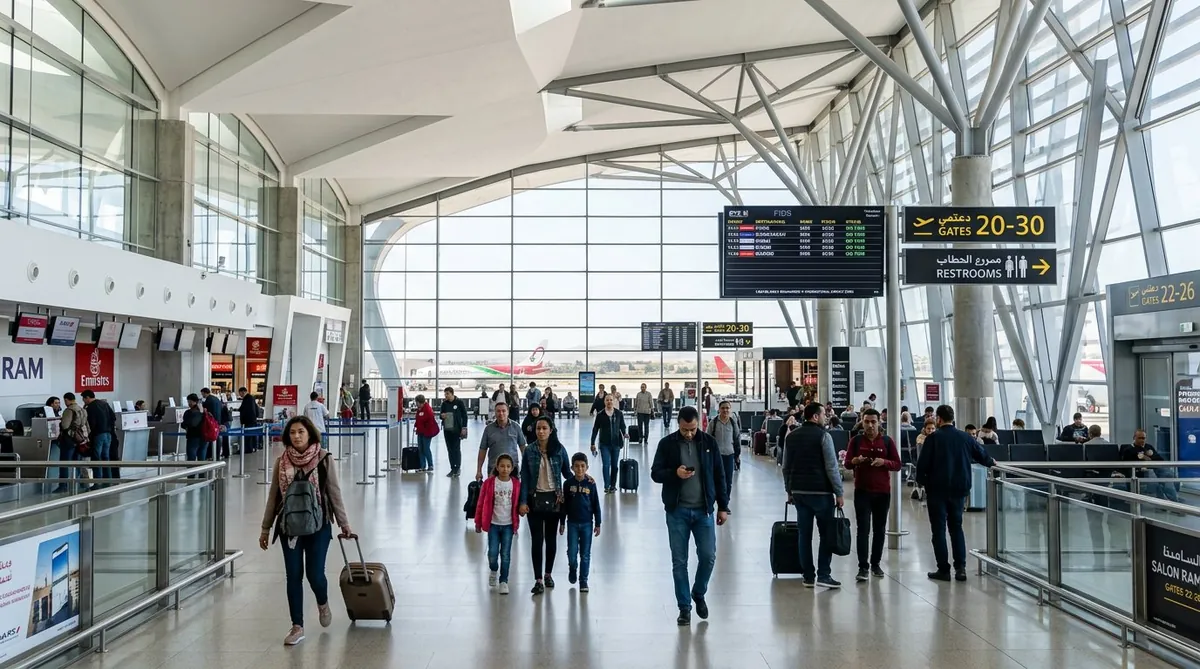
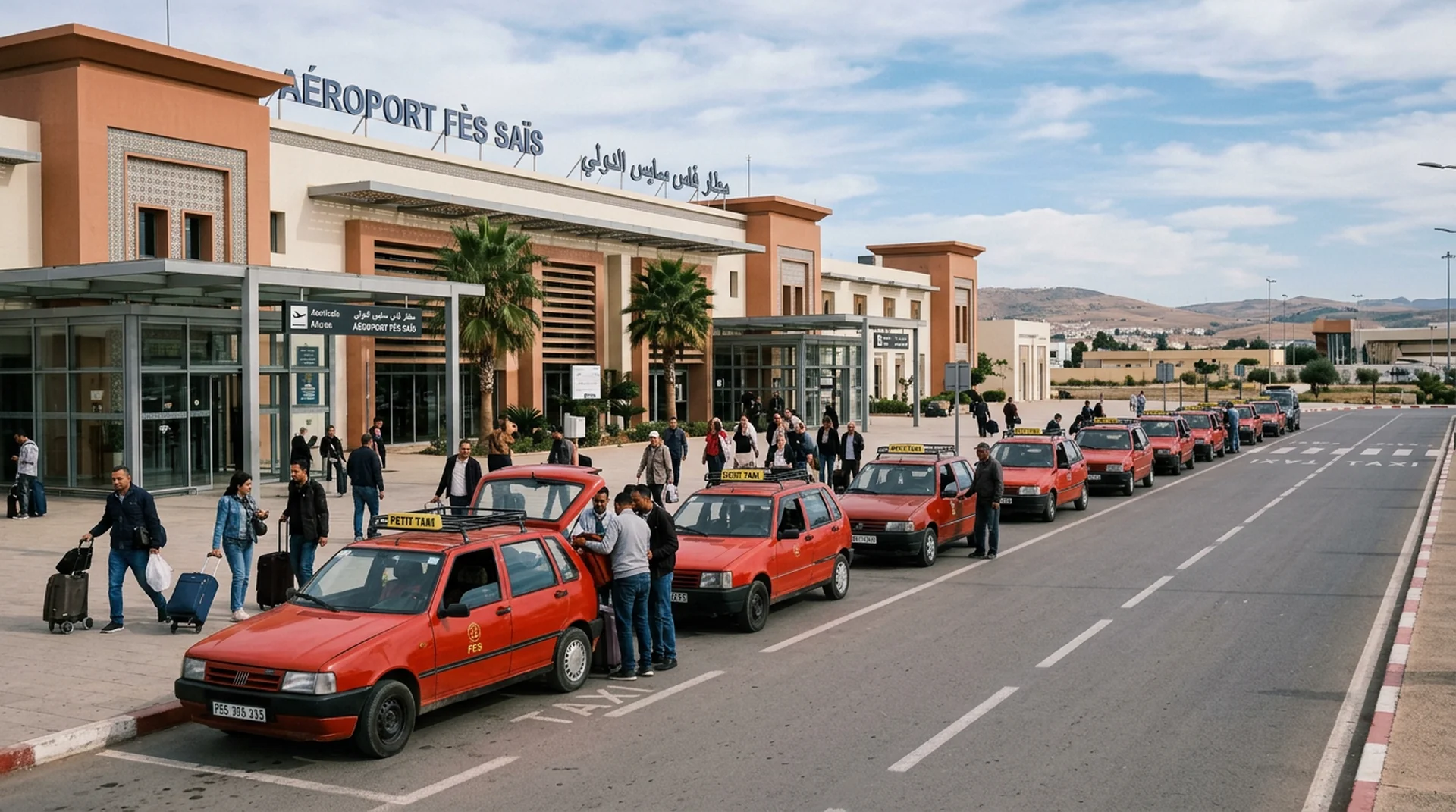
From Al Massira Airport to the City Centre
Airport to city centre: ~25-30 min by taxi (or ~50 min by ALSA airport bus) · City centre to stadium: taxi, roughly 15-20 min · Agadir to Marrakech by road: ~3h · Rail extension to the Al Boraq network planned following 2022 investment announcement


Following matches in more than one city? Agadir is Morocco's most geographically remote host city, roughly 3 hours by road from Marrakech, so plan connections carefully. See the Morocco transport guide for full routes across all host cities.
Between Matches
Agadir rewards a slower pace than Morocco's medina cities. Spend a morning at the Kasbah ruins, an afternoon on the beach, and an evening at the souk.


Here's what to order at each budget, from Souk El Had food stalls to marina-side seafood restaurants in Morocco's leading fishing port.
Cash is still preferred at Souk El Had and for petit taxis, though card payments are widely accepted at hotels and larger restaurants given Agadir's status as Morocco's top resort destination. For an authentic, affordable meal, head to the fish stalls near the port rather than the more tourist-facing beachfront spots.
25-28C in June-July, arguably Morocco's most pleasant summer climate thanks to the Atlantic's cooling effect. Rain is almost entirely confined to winter months, and summers stay comfortable rather than scorching.
Agadir is Morocco's most established resort city and is generally very safe, with a modern layout and infrastructure built specifically for international tourism since its 1960s reconstruction.
Tashelhit (Amazigh/Berber) is the majority first language locally, alongside Darija Arabic as a lingua franca. French is common in business, and English is widely spoken in the tourism sector.
Moroccan Dirham (MAD). Cash is preferred at souks and for petit taxis; cards are widely accepted at hotels, resorts and larger restaurants given Agadir's tourism-driven economy. ATMs are plentiful along the Corniche and in Talborjt.
Agadir already has Morocco's largest concentration of resort hotels, but World Cup demand will still be high along the beachfront, so book early around confirmed match dates. For visa requirements and FIFA ticket ballot details that apply across Morocco, see the Morocco visa guide and match ticket guide.
FAQ
Continue Planning
See the full Morocco guide, covering all World Cup 2030 host cities across the country.
Stay Informed
Beachfront hotel deal alerts, FIFA ticket ballot dates, Adrar Stadium roof progress and insider Agadir tips - straight to your inbox.