Newsletter
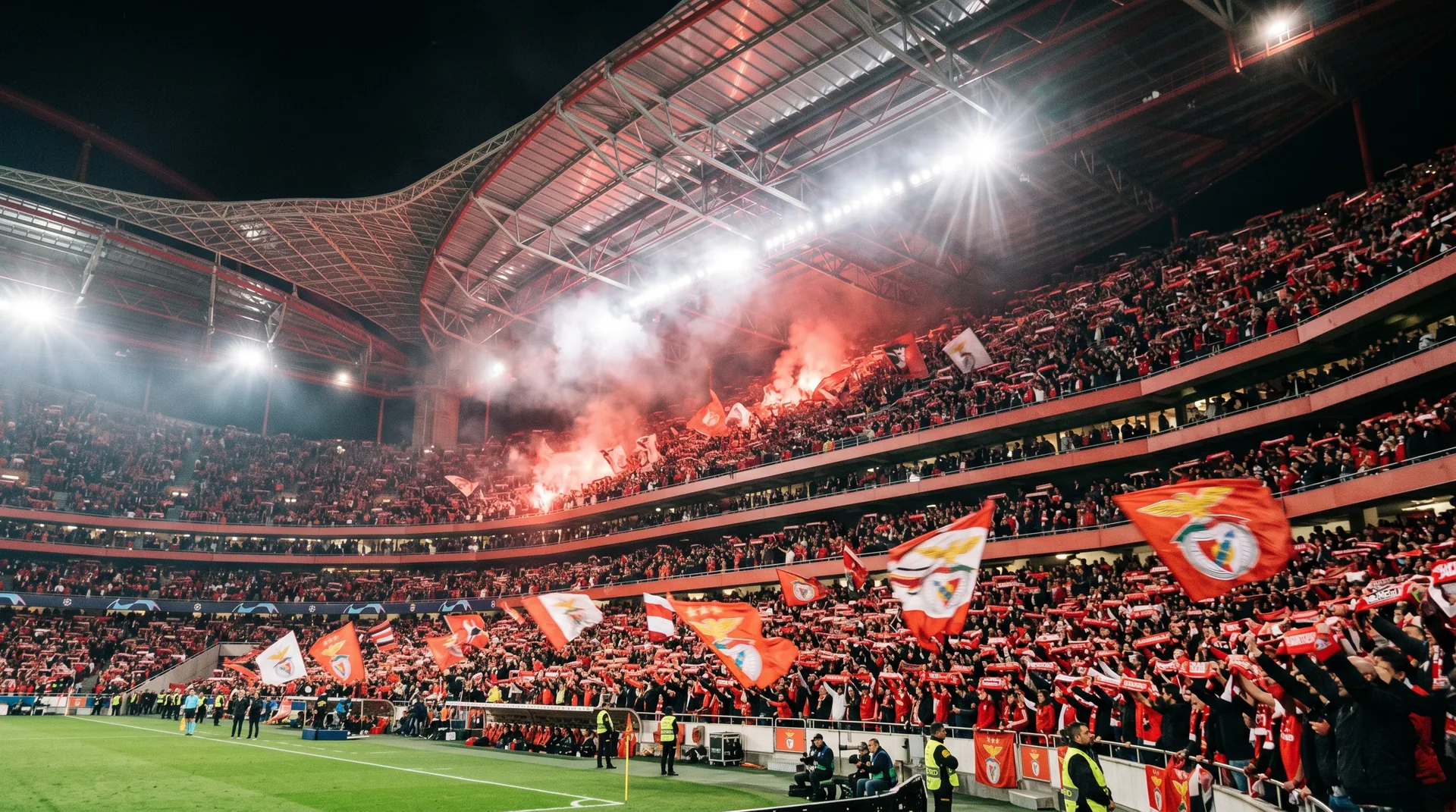
Estádio da Luz Lisbon electric matchday atmosphere
Portugal · World Cup 2030 Host City

Lisbon

Portugal's capital hosts more World Cup 2030 football than anywhere else in the country - two stadiums, an estimated 14 matches, and a possible Final at the "Cathedral of Light."

2Stadiums
14Est. Matches
68,100Da Luz Capacity
24-28°CJune-July Avg
Until kickoff · 8 June 2030
000Days
:
00Hours
:
00Mins
:
00Secs
StadiumsFootball CultureMatchdayNeighbourhoods Getting AroundThings to DoFood & Drink Practical InfoFAQ
✈️Airport: LIS · Humberto Delgado
🚇Metro to Da Luz: 20-25 min from centre
👥Population: ~545,000 (city) · 2.9M (metro)
💵Euro (€)
🗣Portuguese · English widely spoken

Two Stadiums, 3km Apart

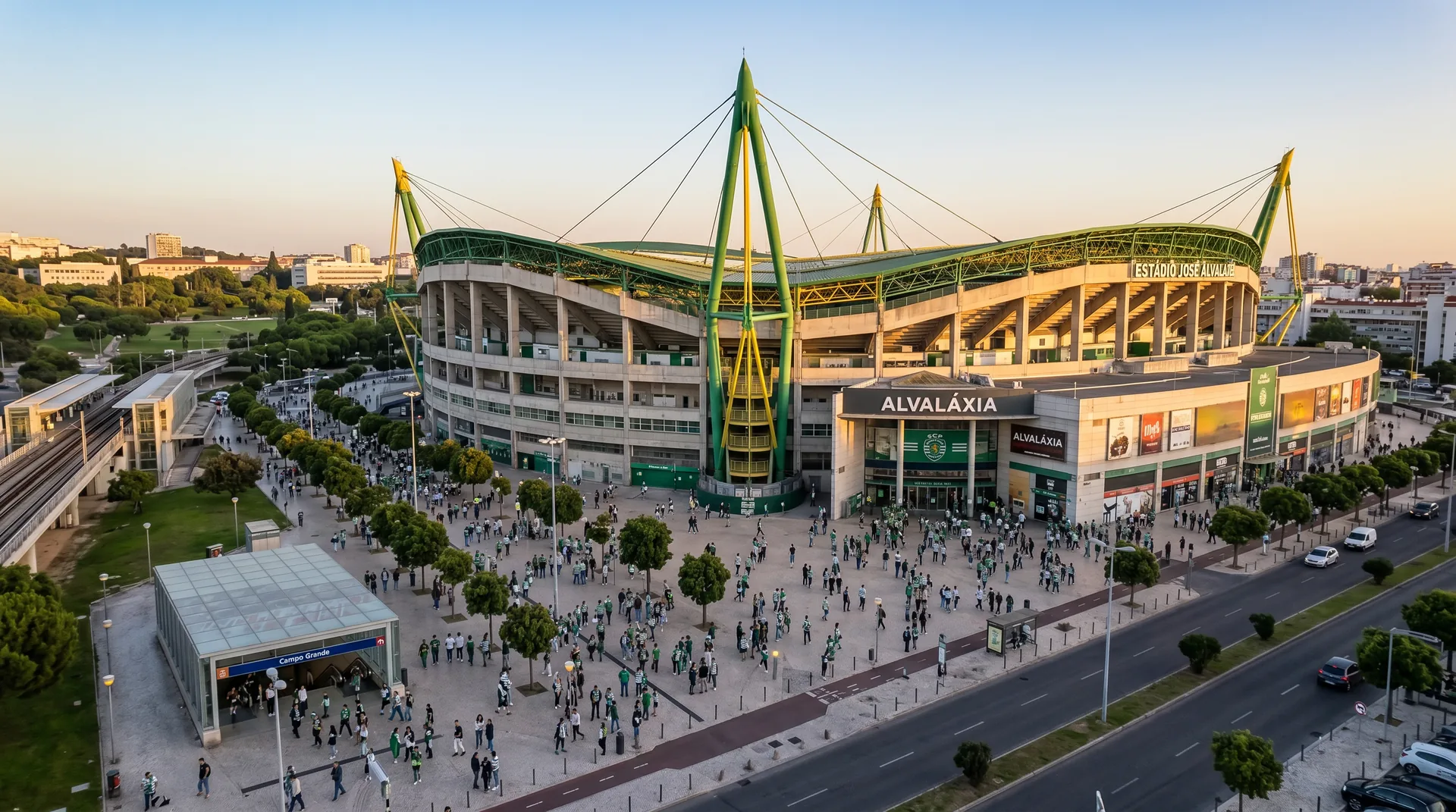
Lisbon hosts World Cup 2030 football at two grounds on opposite sides of the same Metro network: Estádio da Luz, Portugal's largest stadium and a candidate to host the Final, and Estádio José Alvalade, home of Sporting CP. Both sit directly on Lisbon Metro lines, meaning fans can watch a match at one and be at the other within 25 minutes without a car.

Estádio da Luz Lisbon
Possible Final Venue
Estádio da Luz
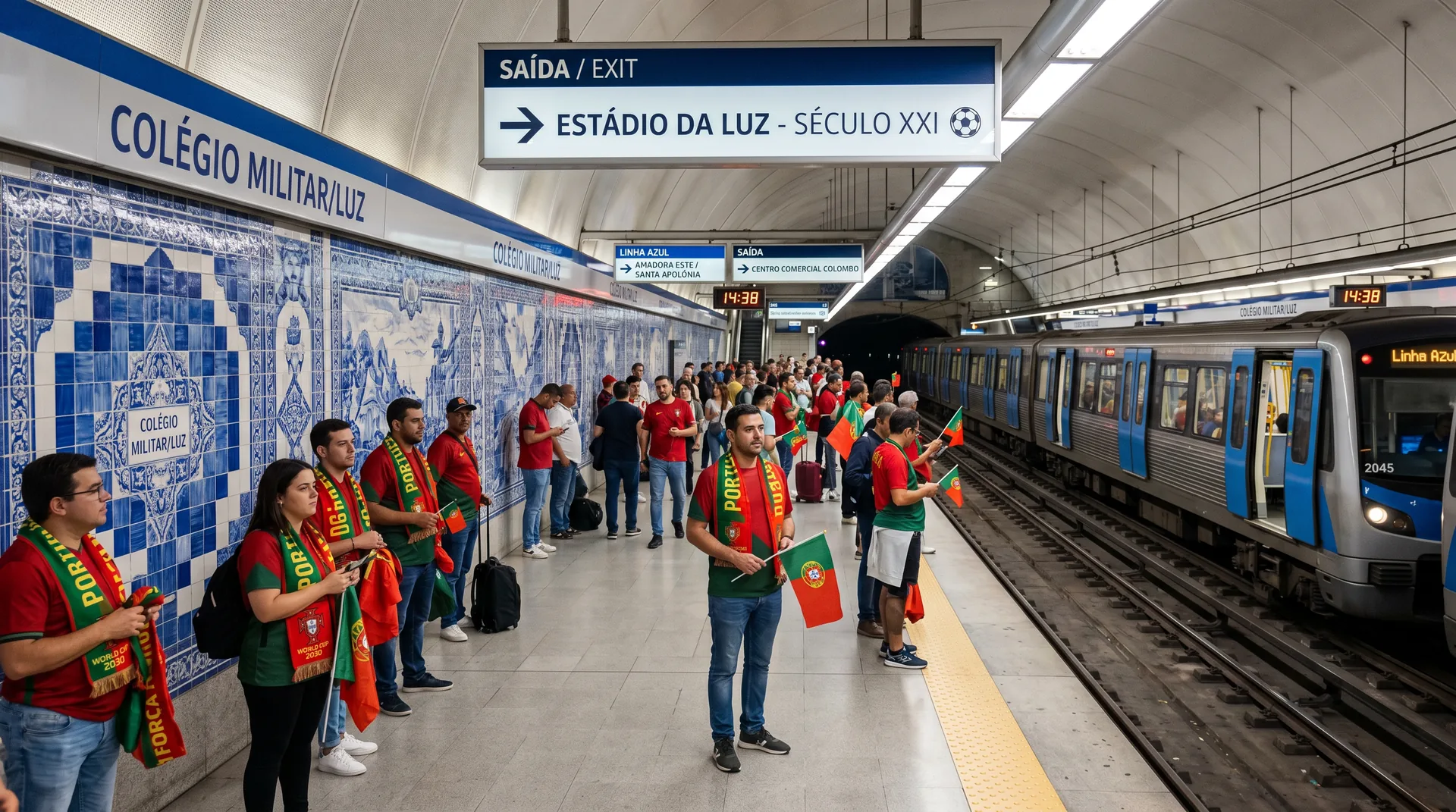
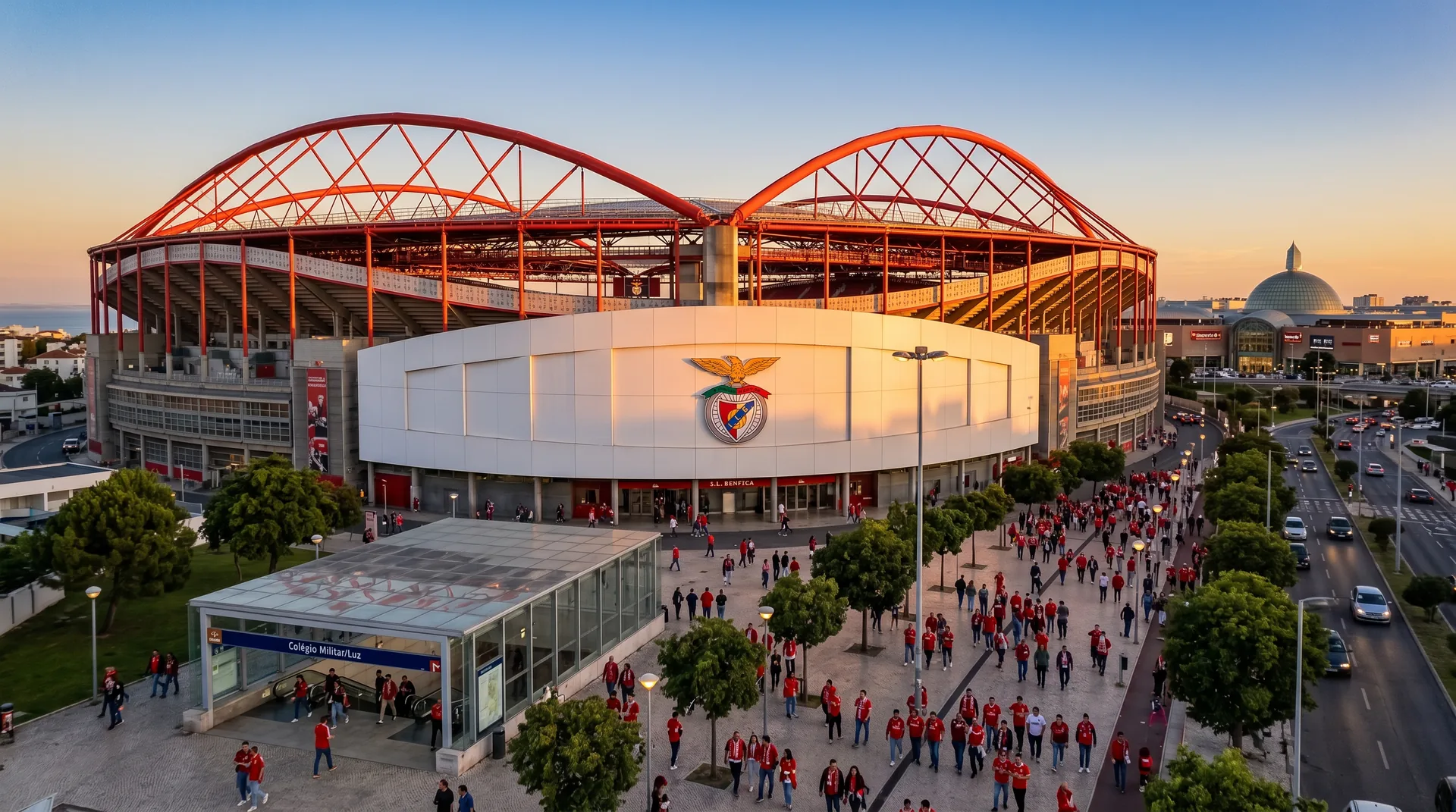
Capacity 68,100 · Home of SL Benfica. Known as the "Cathedral of Light," built for Euro 2004 and host to two Champions League Finals (2014, 2020). Metro Colégio Militar/Luz drops you at the stadium gates on the Blue Line, a 5-minute walk. Estimated 8 matches, with a genuine chance of hosting the 2030 Final.
How to get there
Estádio José Alvalade Lisbon
3km from Da Luz
Estádio José Alvalade
Capacity 50,095 · Home of Sporting CP, UEFA 4-star rated. Opened in 2003, with one of the most passionate atmospheres in Portuguese football - the green-and-white "leões" end. Metro Campo Grande on the Green or Yellow Line, about 10 minutes' walk. Estimated 6 matches.
How to get there

Two Clubs, One Eternal Derby

38 Benfica titles European Cup 1961 & 1962 Rivalry since 1907 300+ derby meetings

🦅 The Eagles and the Lions

Before kickoff at Estádio da Luz, a live eagle named Vitória circles the stadium and lands on the club crest at the centre circle - a ritual that captures, in about thirty seconds, why Lisbon takes its football as seriously as any city in Europe. Lisbon is home to two of Portugal's "Big Three" clubs - the third, FC Porto, plays 300km north on the Douro. Between them the three clubs have won all but two Primeira Liga titles since the league's founding in 1934, a level of domination matched by very few leagues in Europe.

Benfica, founded on 28 February 1904, is the most decorated club in the country: a record 38 Primeira Liga titles and 26 Portuguese Cups, plus the only Portuguese back-to-back European Cup wins, in 1961 and 1962, built around Mozambican-born forward Eusébio - who arrived in Lisbon in 1960 under Portuguese colonial rule and became the first African-born player to win the Ballon d'Or - and Hungarian coach Béla Guttmann.

"Not in a hundred years from now will Benfica ever be European champion."

- Béla Guttmann, on leaving Benfica after being refused a pay rise in 1962. The club has since lost five European finals.

Supporters are known as benfiquistas, the club as "O Glorioso" (The Glorious One). Sporting CP, founded on 1 July 1906 with backing from the aristocratic Viscount of Alvalade, is Portugal's third-most decorated club, with a single major European trophy - the 1964 Cup Winners' Cup - but arguably football's most productive academy: Cristiano Ronaldo, Luís Figo and João Félix all came through Sporting's youth system before moving on. Supporters are sportinguistas, the club "Os Leões" (The Lions).

⚔️ The Lisbon Derby

The rivalry predates the clubs' first meeting. In 1907, eight Benfica players defected to the newly formed Sporting in search of better facilities - and when the sides met for the first time on 1 December 1907, Sporting won 2-1, the decisive goal an own goal off Cosme Damião, one of Benfica's own founders. The class divide behind the rivalry has never fully faded: Benfica grew as a working-class club from central Lisbon, Sporting as the team of the city's elite.

More than 300 official meetings later, Benfica holds a narrow historical edge. The biggest wins run both ways - Benfica 7-2 in 1948, Sporting 7-1 in 1986 - and the fixture has had its darkest moments too: a Sporting supporter died after being struck by a firecracker during the 1996 Portuguese Cup final. Today the atmosphere is generated by organised supporter groups on both sides, Benfica's No Name Boys and Sporting's Juventude Leonina, founded in 1976. The stadiums sit just 3km apart, both on the Lisbon Metro.

🏆 Hosting Football's Biggest Nights

Lisbon's World Cup 2030 credentials rest on a genuine track record. UEFA Euro 2004 was Portugal's first major tournament as host, and Estádio da Luz staged five of its matches, including the final on 4 July 2004 - a 1-0 defeat to Greece, still ranked among the biggest upsets in European Championship history, decided by an Angelos Charisteas header in the 57th minute. Estádio José Alvalade hosted five matches of the same tournament, including Portugal's 2-1 semi-final win over the Netherlands.

Estádio da Luz has since staged two UEFA Champions League finals: Real Madrid's dramatic 4-1 extra-time win over city rivals Atlético Madrid in 2014, secured after Sergio Ramos's 93rd-minute equaliser and remembered in Spain as "La Décima" - and the 2020 final, played behind closed doors during the COVID-19 pandemic as Bayern Munich beat Paris Saint-Germain 1-0. Estádio José Alvalade has its own European final pedigree, hosting the 2005 UEFA Cup final and the 2025 UEFA Women's Champions League final. That combined history is exactly why Estádio da Luz is considered a serious contender to host the 2030 World Cup Final.

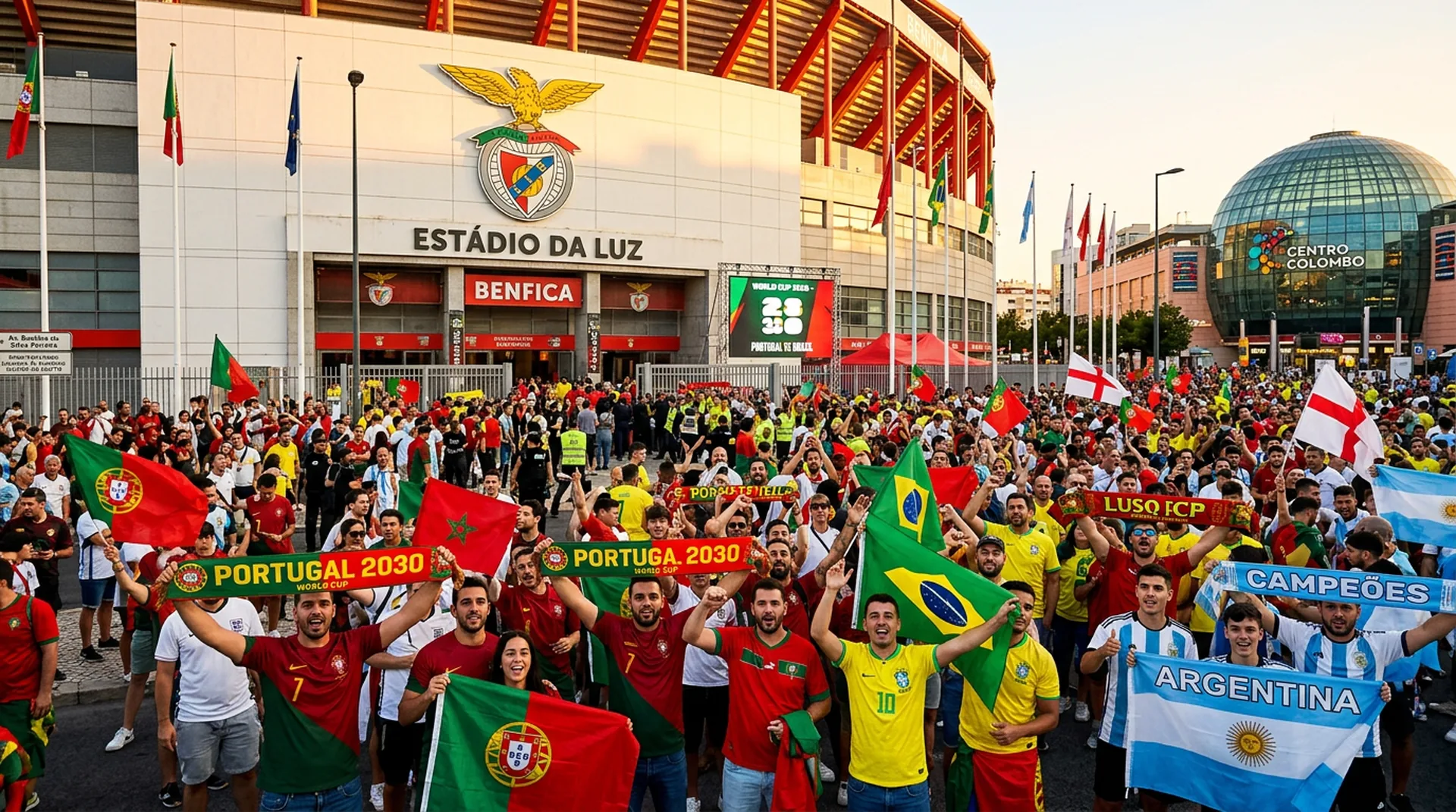
Lisbon matchday fans Estadio da Luz

Where Lisbon Watches Football

Bairro Alto and Cais do Sodré are Lisbon's main nightlife districts and the natural pre- and post-match gathering points, both a short Metro ride or walk from the centre and well connected onward to either stadium.

🍻
Pre-Match
Bairro Alto's bars fill from early evening on matchdays. For proximity to Da Luz specifically, cafés around Colégio Militar/Luz get busy 2-3 hours before kickoff.
📺
Public Viewing
Praça do Comércio, Lisbon's grand riverside square, is the historic gathering point for major public occasions and the likely site of an official fan zone - to be confirmed by FIFA closer to 2030.
🚇
After the Final Whistle
Expect the Metro to be extremely busy for 30-45 minutes after a match ends. Many fans wait it out at a nearby bar - not a bad strategy for avoiding the crush at Colégio Militar/Luz or Campo Grande.
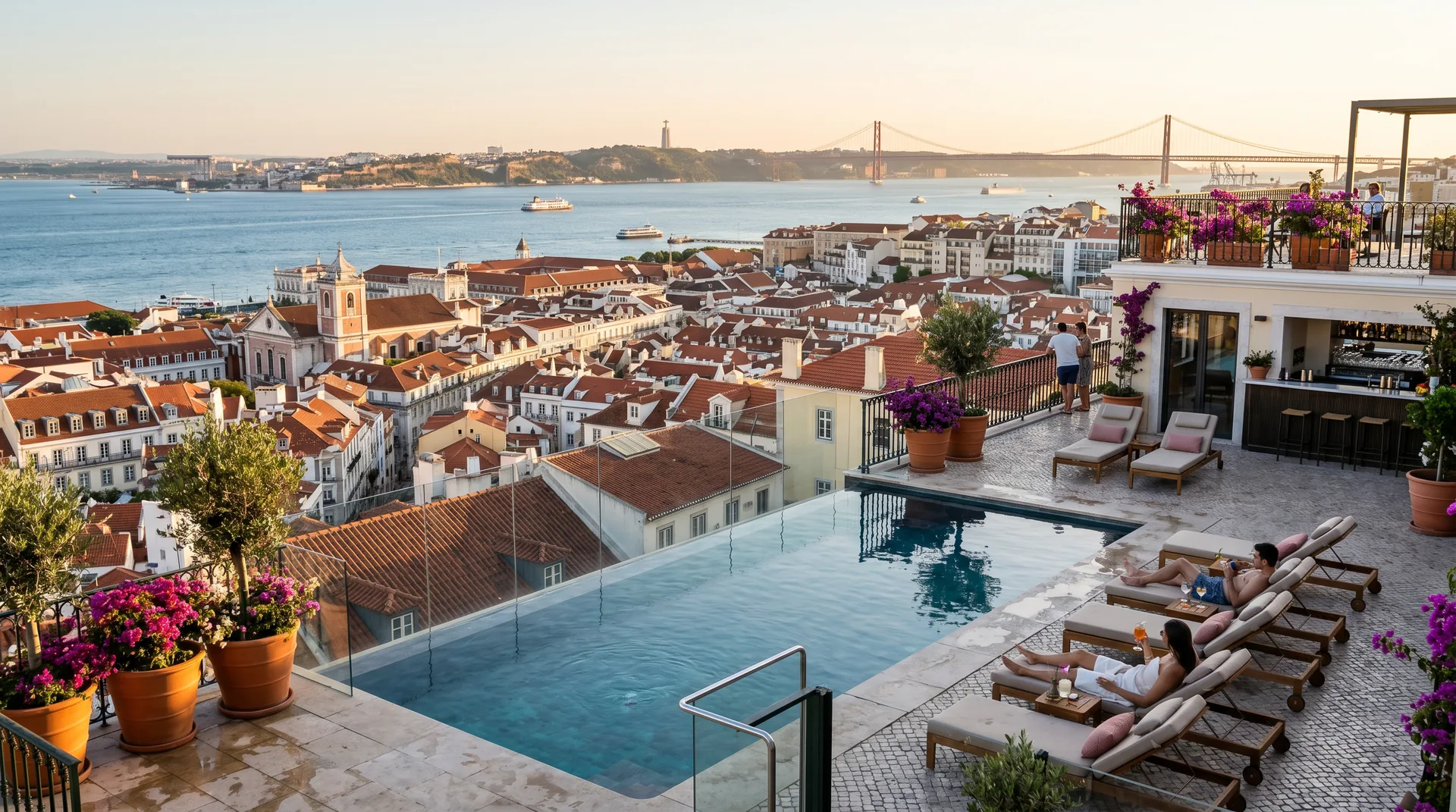
Lisbon rooftop terrace

Five Neighbourhoods, Five Different Trips

Chiado and Baixa give the best all-round base: central, walkable, and roughly equidistant from both stadiums by Metro. Here's how the other neighbourhoods compare.

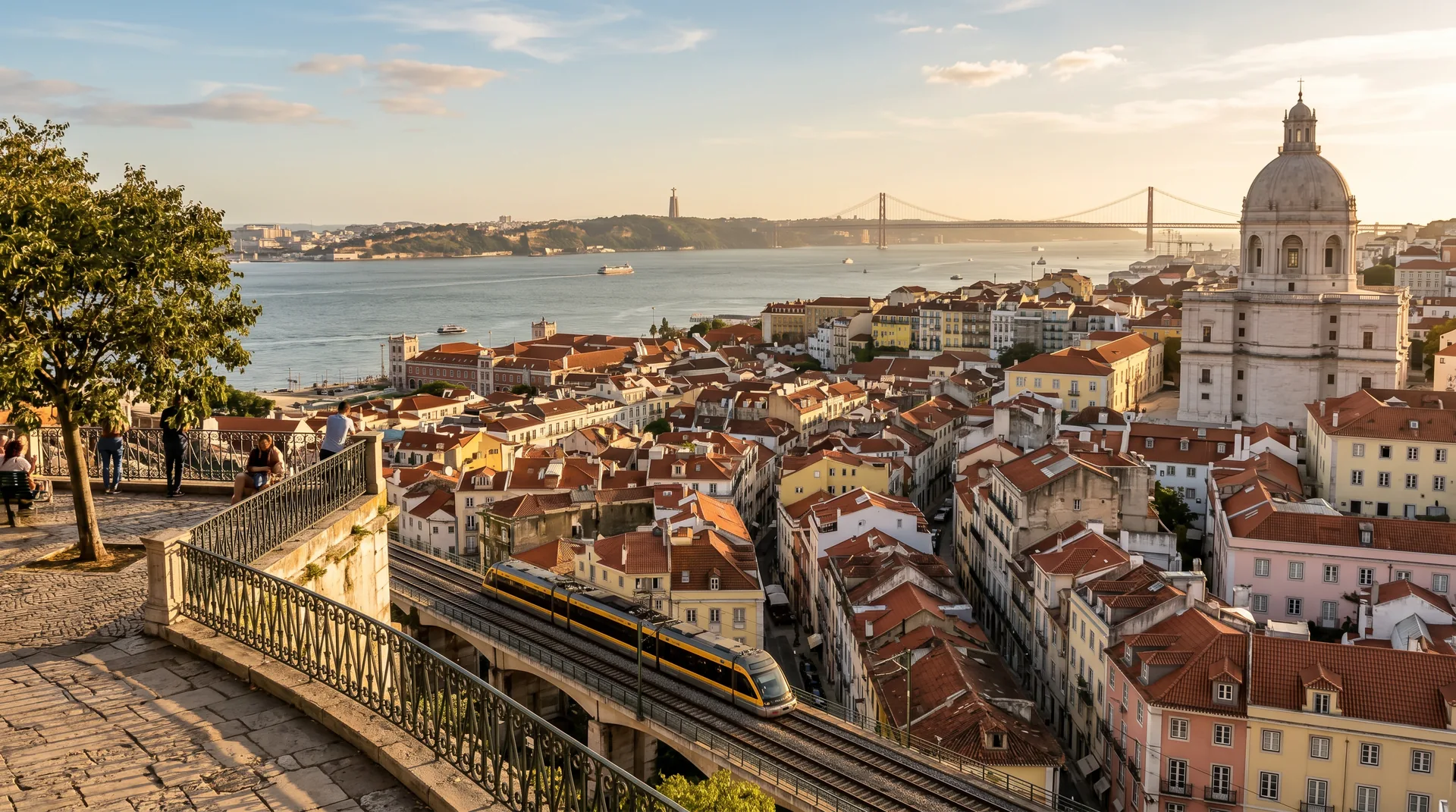
Chiado Baixa Lisbon tram
🎯
Chiado & Baixa - Best All-Round
Central, flat, walkable, and the highest concentration of restaurants and nightlife. Both stadiums reachable by Metro in 20-25 minutes without a transfer for most routes. The default recommendation for a first-time visitor.
Alfama hillside Lisbon
🏛
Alfama - Historic Charm
Medieval streets, fado houses, São Jorge Castle overhead. The most atmospheric base, but steep and narrow - expect to walk uphill to your hotel, and pack light. Best for travellers prioritising character over convenience.
Príncipe Real boutique Lisbon
🛍
Príncipe Real - Boutique & Design
Lisbon's design-hotel neighbourhood - independent boutiques, wine bars, a slower pace. A 10-minute walk or short tram ride from Baixa, with easy Metro access at Rato station.
Belém riverside Lisbon
🗼
Belém - Quiet & Monumental
Home to Jerónimos Monastery, Belém Tower and the original Pastéis de Belém bakery. Quieter and further out (tram or bus into the centre), better suited to a short add-on stay than a full-tournament base.
Near Estadio da Luz Lisbon
🏟
Colégio Militar / Luz - Matchday Convenience
Residential area immediately around Estádio da Luz. Limited hotel stock but useful if you're attending several matches there specifically and want to walk to kickoff rather than ride the Metro.
Lisbon Metro Colegio Militar Luz

The Metro Reaches Both Stadiums

Lisbon's Metro is the only transport you need on match days. The Blue Line runs direct to Estádio da Luz; the Green and Yellow Lines reach Estádio José Alvalade. Trains run every 4-8 minutes, more frequently around kickoff.

From Humberto Delgado Airport to Each Stadium

Airport (LIS)
Red Line start
~10 min
Alameda
Transfer point
~15 min
Da Luz
Blue Line direct
68,100
~10 min ↔
Alvalade
Green/Yellow Line
50,095

Airport to Da Luz: ~30-35 min total, €1.65 with Viva Viagem card · Taxi/rideshare: 15-20 min outside rush hour, €15-20 · Da Luz ↔ Alvalade by taxi: ~10 min off-peak

Lisbon Humberto Delgado Airport
From the Airport
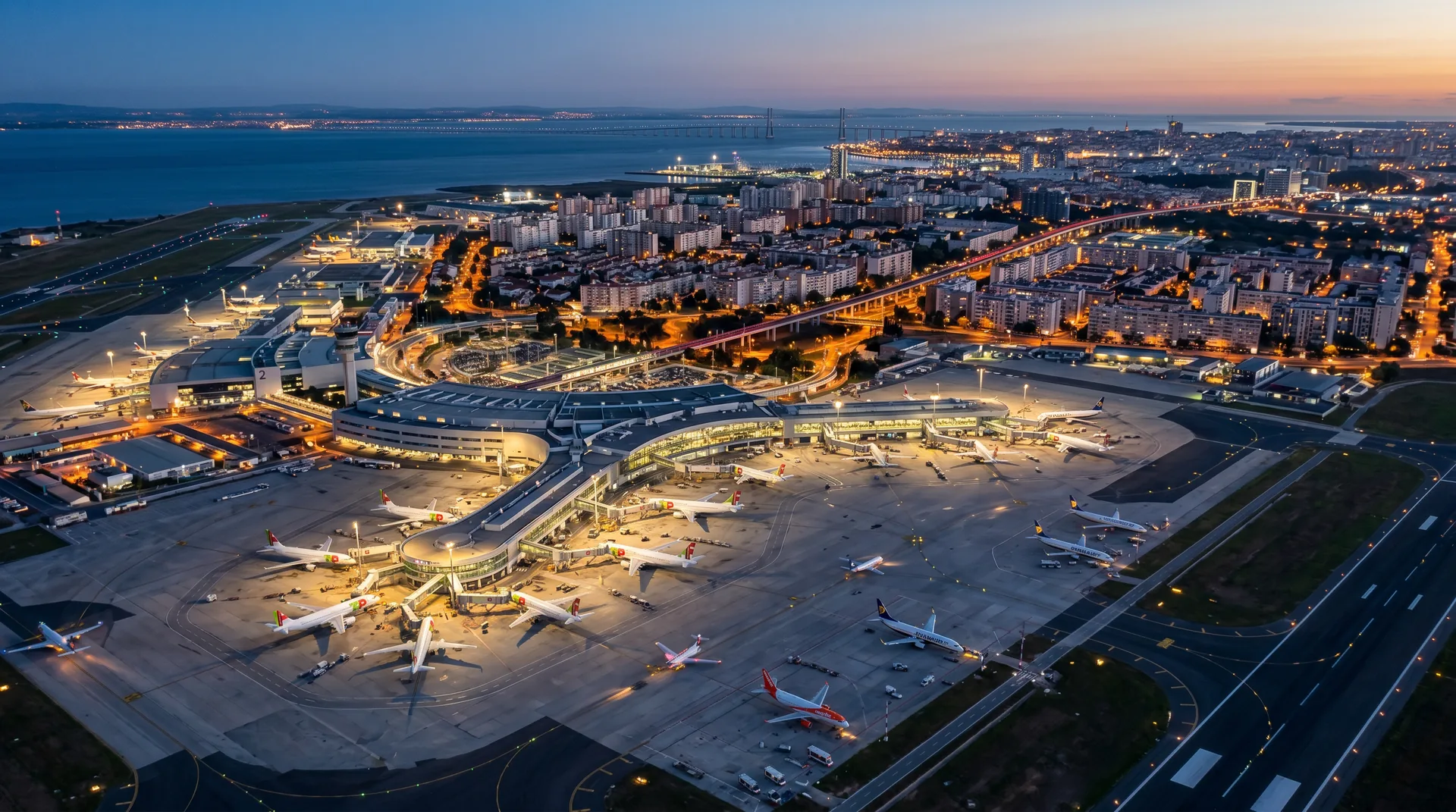
Humberto Delgado Airport sits inside the city, just 7km from the centre. Red Line Metro to Alameda, then Blue Line towards Colégio Militar/Luz for Da Luz. For central hotels, ride the Red Line to São Sebastião or Saldanha and transfer.
Compare flights
Lisbon Metro platform
Lisbon Metro
Four lines - Blue, Yellow, Green, Red - cover the whole city. A single Viva Viagem card works across Metro, trams and buses. Expect heavy crowds on the Blue and Green Lines in the 2 hours before kickoff on match days.
See both stadiums
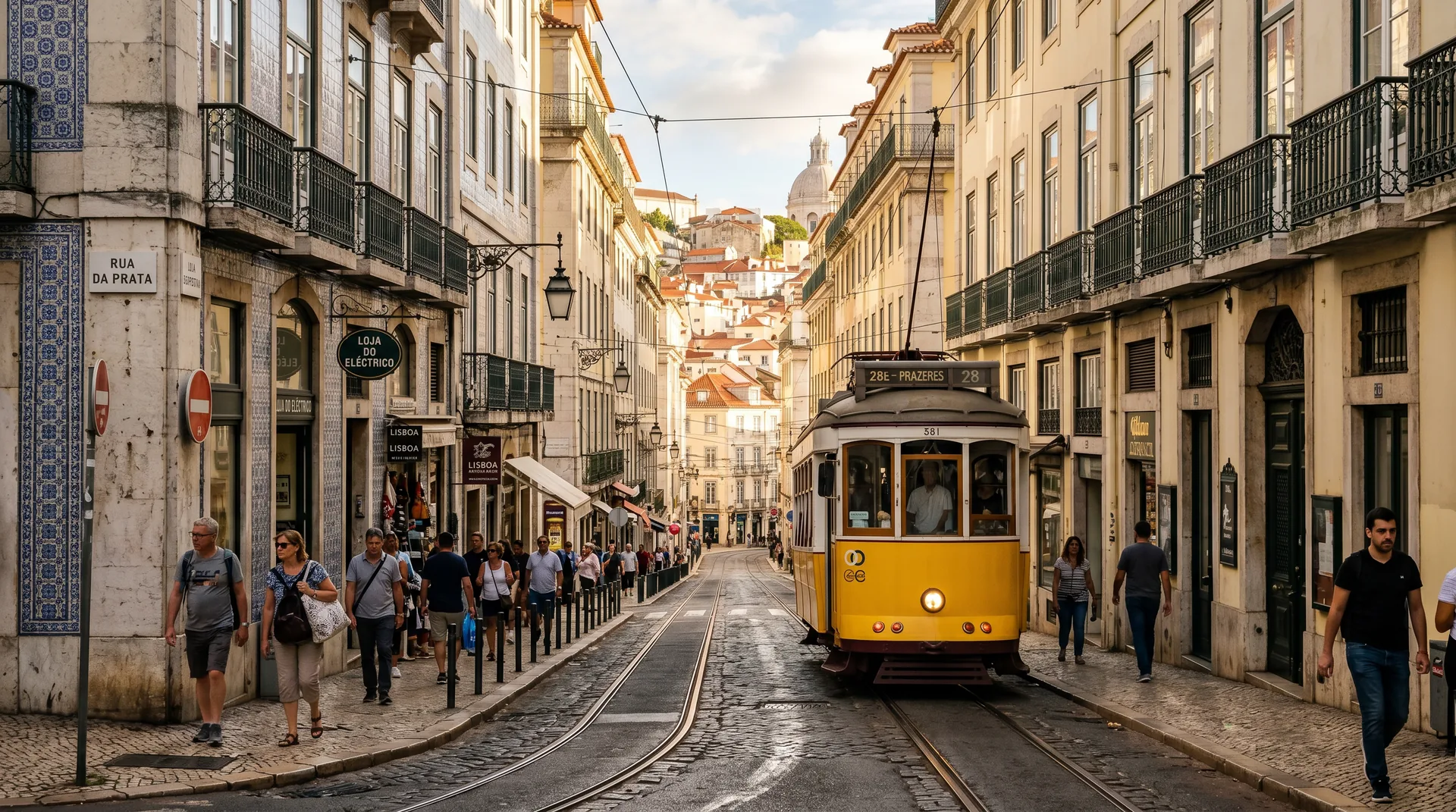
Tram 28 Lisbon
Tram 28 & Taxis
Tram 28 is for sightseeing through Alfama and Graça, not stadium access - it's slow and often packed with tourists. For late-night returns after a match, taxis and rideshares are affordable and widely available across the city.
Where to stay

Following matches in more than one city? The Alfa Pendular train connects Lisbon directly to Porto in about 3h15m, making a Lisbon-Porto split stay straightforward for fans covering both of Portugal's host cities across a single trip.

What to Do When There's No Match

Lisbon rewards a few unhurried days. Budget a full day for Sintra rather than squeezing it into a match-day morning - it's a UNESCO cultural landscape, not a quick photo stop.

Sintra Pena Palace day trip
🏰
Sintra
Direct train from Rossio station, about 40 minutes, departing every 15-20 minutes. Pena Palace and Quinta da Regaleira sit on separate hills linked by a local shuttle bus - budget the full day.
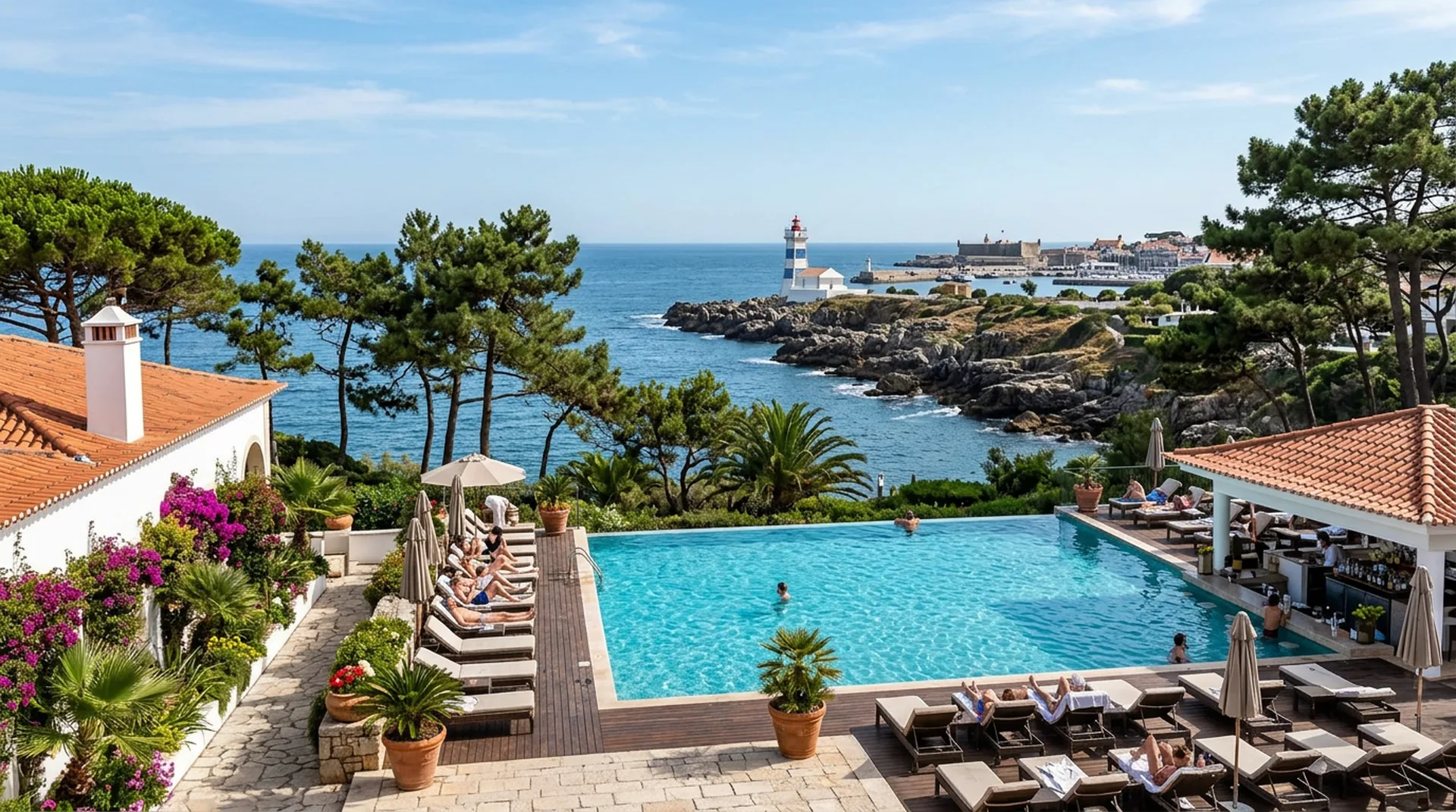
Cascais coastal day trip
🌊
Cascais & Estoril
Direct train from Cais do Sodré, about 40 minutes. A relaxed Atlantic resort town with a coastal promenade, easily combined with a half-day rather than a full one.
Belem Tower Jeronimos Monastery
🗼
Belém Tower & Jerónimos Monastery
Two UNESCO World Heritage sites within walking distance of each other on the Tagus riverfront. Reach by tram or bus from the centre; arrive early to avoid the longest queues at the Monastery.
Alfama Sao Jorge Castle
🏛
Alfama & São Jorge Castle
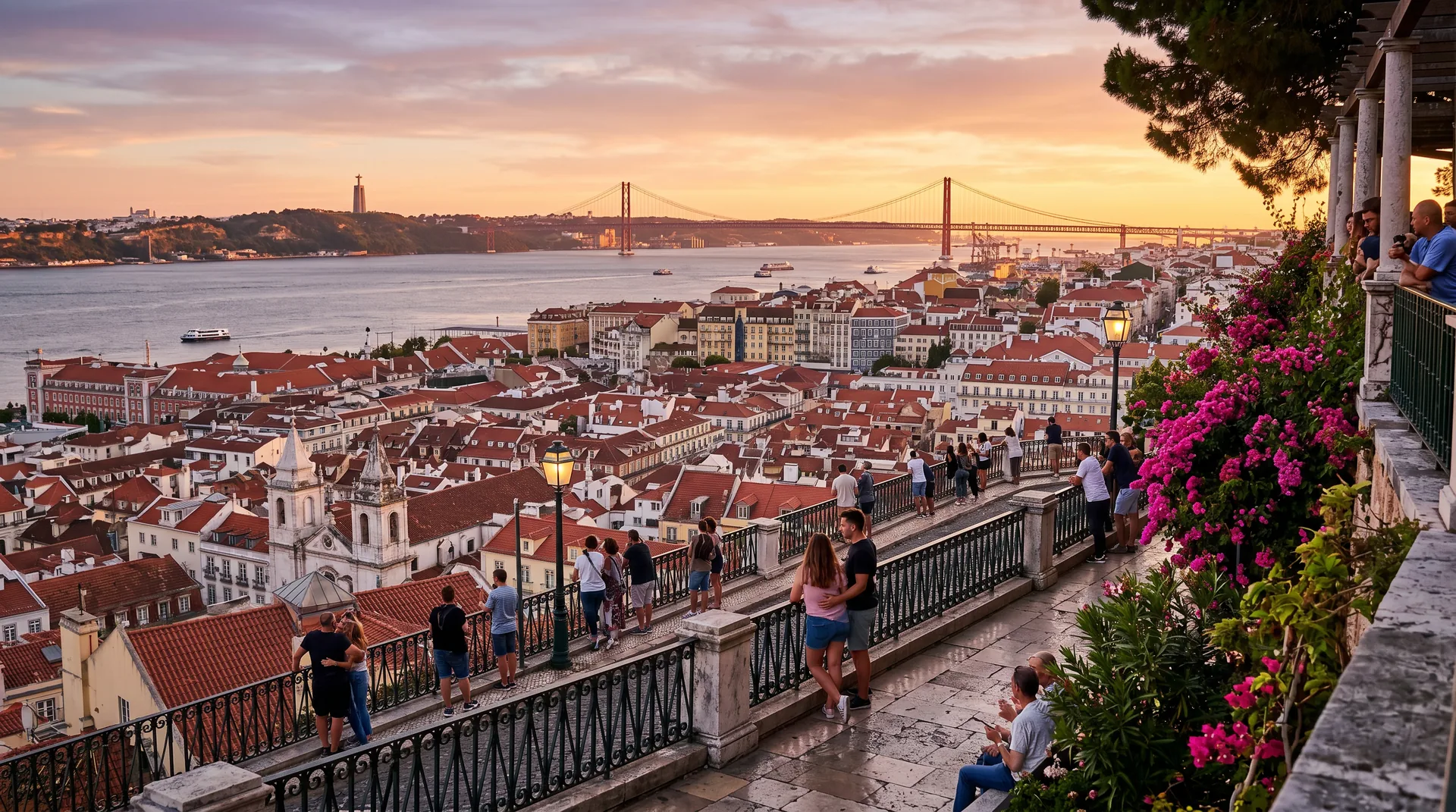
Lisbon's oldest quarter, steep and tiled, crowned by the Moorish castle with panoramic city and river views. Best explored slowly, on foot, in the morning before the heat.
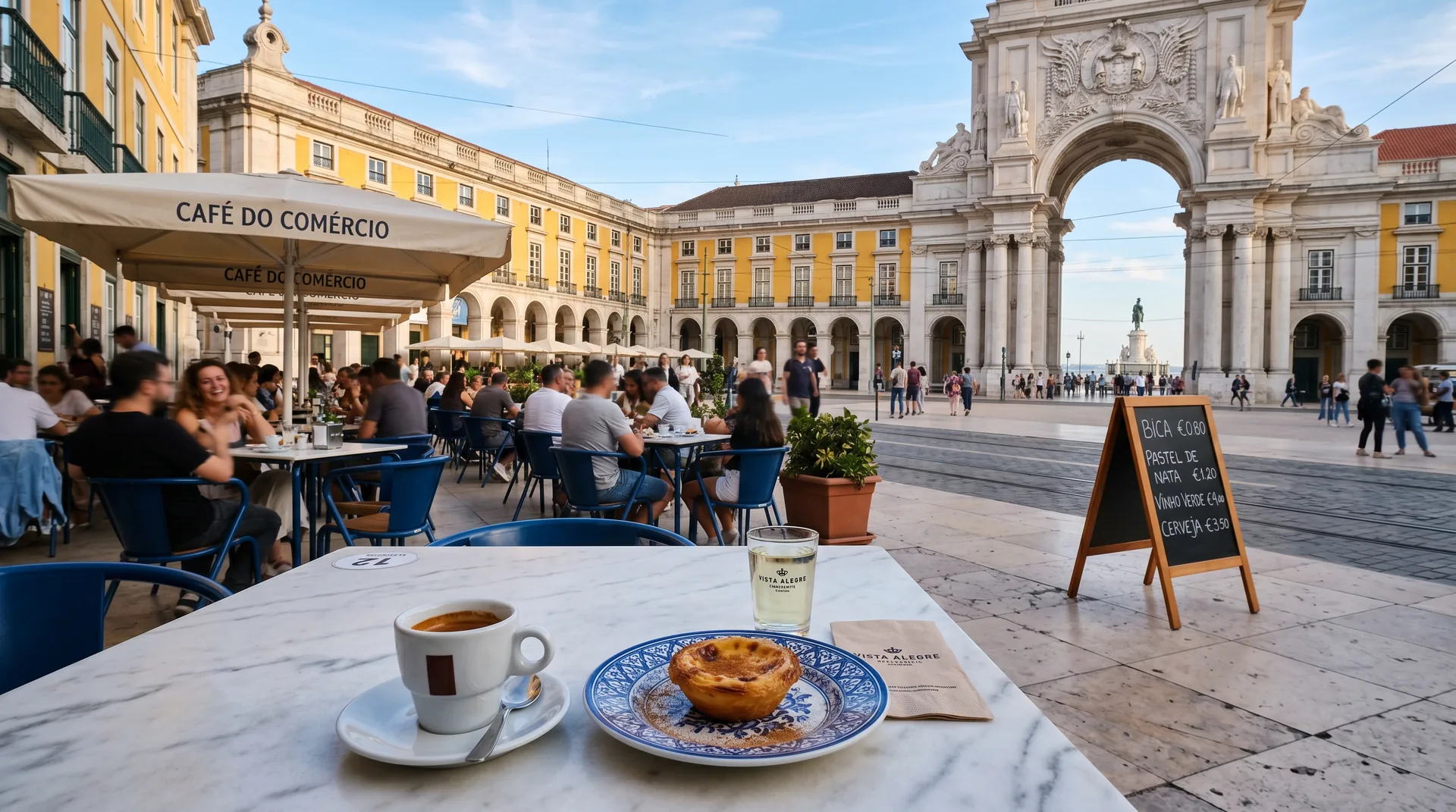
Lisbon cafe pastel de nata matchday

What to Eat Before Kickoff

A bifana on the way to the stadium is as much a Lisbon matchday tradition as the eagle circling Da Luz. Here's how Lisbon eats before, during and after a game - at every budget.

  • 🥪 Bifana - the pre-match classic, €3-5 near either stadium
  • ☕ Bica & pastel de nata - Lisbon's everyday ritual, from €2
  • 🍽 Time Out Market - one-stop food hall, Cais do Sodré

Here's what to order at each budget, from pre-match staples to a proper sit-down meal after the final whistle.

Pre-Match & Casual
€2-8/dish
  • Bifana: marinated pork sandwich, the classic pre-match grab-and-go, €3-5
  • Pastel de nata: €1.20-1.80, best at Pastéis de Belém (original, since 1837)
  • Ginjinha: cherry liqueur shot from a Rossio kiosk, €1.50
  • Bica: Lisbon's espresso, €0.70-1
Fine Dining
€40+/person
  • Belcanto: José Avillez, 2 Michelin stars, reimagined Portuguese classics
  • Alma: Henrique Sá Pessoa, 2 Michelin stars, Chiado
  • Praça do Comércio waterfront restaurants: river views, tasting menus
  • Vinho verde or Douro red: pairs with most tasting menus

Near the stadiums specifically: the streets around Colégio Militar/Luz fill with bifana stands and pop-up grills on Benfica matchdays, while Campo Grande's cafés do the same for Sporting fixtures at Alvalade. Arrive an hour early and eat like a local before you take your seat.

Portugal Atlantic coast before your Lisbon trip

Before You Go

Weather, safety, language and money - the basics every fan should have sorted before landing in Lisbon.

🌤

Weather

24-28°C in June-July, Atlantic breeze keeps evenings comfortable. Rainfall minimal. Milder than inland Spanish host cities.

🛡

Safety

Portugal ranks top-5 globally on the Global Peace Index. Standard pickpocket precautions apply around Rossio, Tram 28 and Belém.

🗣

Language

Portuguese is the official language; English is widely spoken in hotels, restaurants and transport across central Lisbon.

💳

Money

Euro (€). Cards accepted almost everywhere, including small tascas and Metro ticket machines. Multibanco ATMs widely available.

Hotel and flight prices in Lisbon typically climb 40-60% around confirmed match dates, and rooms near Estádio da Luz have historically sold out furthest in advance of any Portuguese venue. For visa requirements and FIFA ticket ballot details that apply across Portugal, see the Portugal visa guide and match ticket guide.

FAQ

Lisbon Questions

Which Lisbon stadium is easier to reach, Estádio da Luz or Alvalade?
Estádio da Luz is generally easier: the Blue Line's Colégio Militar/Luz station sits directly outside the stadium gates, a 5-minute walk. Alvalade requires exiting at Campo Grande on the Green or Yellow Line and walking roughly 10 minutes. Both are fully accessible by Metro without needing a taxi.
How do I get from Lisbon Humberto Delgado Airport to Estádio da Luz?
Take the Red Line from the airport to Alameda station, then transfer to the Blue Line towards Colégio Militar/Luz - about 30-35 minutes total and roughly €1.65 with a Viva Viagem card. A taxi or rideshare takes 15-20 minutes outside rush hour and costs approximately €15-20.
Is the Lisbon Metro safe and reliable for match days?
Yes. The Lisbon Metro is modern, frequent (trains every 4-8 minutes) and considered very safe by European standards. On match days expect significantly heavier crowds on the Blue Line toward Colégio Militar/Luz and the Green Line toward Campo Grande in the 2 hours before kickoff - arrive at the station early or expect to let a train or two pass.
How many World Cup 2030 matches will Lisbon host?
Lisbon is estimated to host around 14 matches across its two stadiums - roughly 8 at Estádio da Luz, including a possible Final, and 6 at Estádio José Alvalade. Exact fixtures depend on FIFA's official match schedule, expected in 2028.
Why is Estádio da Luz considered a strong candidate for the 2030 World Cup Final?
Estádio da Luz has already hosted the UEFA Euro 2004 final and two UEFA Champions League finals, in 2014 and 2020 - a hosting record matched by very few stadiums worldwide. Combined with its capacity of 68,100 (Portugal's largest) and full Metro access, that pedigree makes it one of the most credible Final venues among all 2030 World Cup stadiums.
Should I stay near Estádio da Luz or in central Lisbon?
Stay in central Lisbon (Baixa, Chiado or Príncipe Real) unless you're attending multiple matches at Da Luz specifically. Both stadiums sit on direct Metro lines from the centre - Da Luz is 15-20 minutes via the Blue Line from Baixa-Chiado, Alvalade about the same via the Green Line - so central hotels reach either ground in under 25 minutes while also putting you closer to restaurants, nightlife and the Tagus riverfront.
What is the best neighbourhood to stay in Lisbon for the World Cup?
Chiado and Baixa offer the best all-round base: central, walkable, well connected to both stadiums by Metro, with the highest concentration of restaurants and nightlife. Alfama suits travellers wanting historic charm and fado, at the cost of steep, narrow streets. Príncipe Real suits boutique-hotel travellers. Belém is quieter and further from the stadiums but close to major monuments.
Can I day-trip to Sintra from Lisbon during the World Cup?
Yes. Direct trains run from Rossio station to Sintra in about 40 minutes, departing every 15-20 minutes. Budget a full day to see Pena Palace and Quinta da Regaleira comfortably, since the sites sit on separate hills connected by a local shuttle bus. Avoid scheduling Sintra on a Lisbon match day - it's a full day out, not a half-day add-on.
What is the Lisbon Derby?
The Derby de Lisboa pits Benfica against Sporting CP, first contested on 1 December 1907 and played over 300 times since. Benfica grew as a working-class club, Sporting as the team of Lisbon's elite, and the rivalry has never lost that edge. The two stadiums sit just 3km apart, both on the Lisbon Metro, and Benfica holds a narrow historical lead in the head-to-head record.
Which is bigger, Estádio da Luz or San Mamés in Bilbao?
Estádio da Luz is larger, seating 68,100 compared to San Mamés's 53,331 - a difference of nearly 15,000 seats. Both stadiums share the nickname "La Catedral"/"Cathedral" and both are 2030 World Cup venues, but Da Luz is Portugal's largest stadium while San Mamés ranks seventh-largest in Spain.
What is Portugal's football "Big Three"?
The Big Three refers to Benfica and Sporting CP in Lisbon plus FC Porto, 300km north - the only three clubs to have played every season of the Primeira Liga since its 1934 founding. Between them they have won all but two of the league's 91 titles, a level of domination unmatched by almost any other major European league.
Why did Béla Guttmann leave Benfica and what was his curse?
Hungarian coach Béla Guttmann led Benfica to back-to-back European Cup titles in 1961 and 1962. When the club refused him a pay rise afterwards, he resigned and reportedly warned that Benfica would not become European champions again for a hundred years without him. Benfica has since lost five European finals, and Portuguese football still refers to this as "Guttmann's curse."
What is the weather like in Lisbon in June and July?
Lisbon averages 24-28°C in June and July with an Atlantic sea breeze that keeps evenings comfortable, and rainfall is minimal. It's warm but noticeably milder than inland Spanish host cities like Madrid or Seville - pack light layers for evening matches.
Is Lisbon expensive compared to other World Cup 2030 host cities?
Lisbon is mid-range for a European capital - pricier than Porto (roughly 15% higher) but noticeably cheaper than Madrid or Barcelona. A coffee and pastel de nata costs about €2, a tasca lunch with wine €10-14, and budget hotel rooms €70-100/night outside the tournament premium.
What should I eat in Lisbon?
Start with a pastel de nata, ideally from Pastéis de Belém, the original recipe since 1837. For a proper meal, try bacalhau à brás (shredded salt cod with egg and potato), bifanas (marinated pork sandwiches), and grilled sardines if visiting during the June Santo António festival. Wash it down with vinho verde or a bica (espresso).
Is World Cup 2030 the first time Portugal has hosted the tournament?
Yes. Portugal has never hosted a men's FIFA World Cup before 2030. The country's only prior experience hosting a major international football tournament was UEFA Euro 2004, when it hosted matches across Lisbon, Porto and six other cities.

Continue Planning

See the full Portugal guide, or compare with Porto - Portugal's second World Cup 2030 host city.

Back to Portugal Guide Porto Guide

Get Lisbon World Cup Updates

Hotel deal alerts near Estádio da Luz and Alvalade, FIFA ticket ballot dates, Metro service changes and insider Lisbon tips - straight to your inbox.