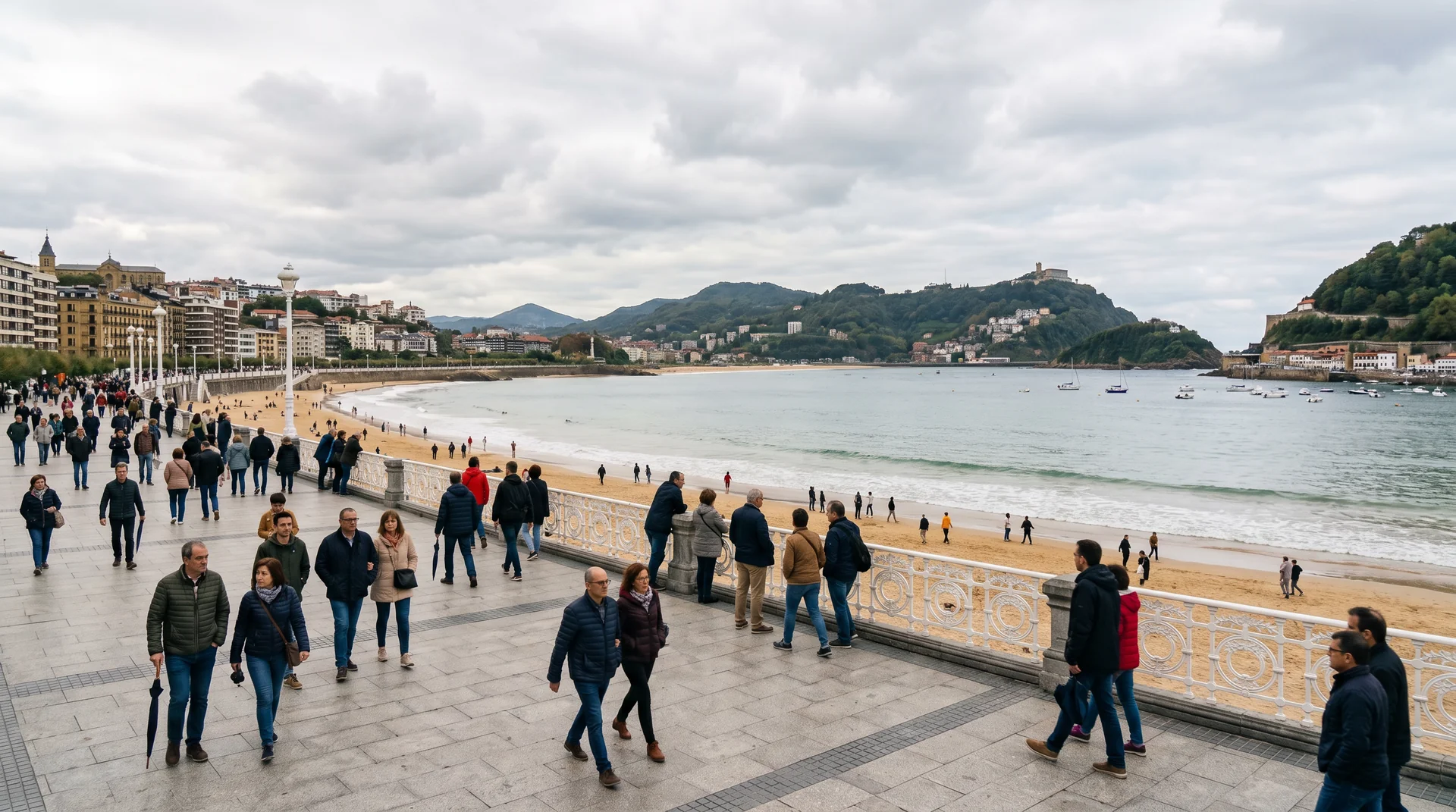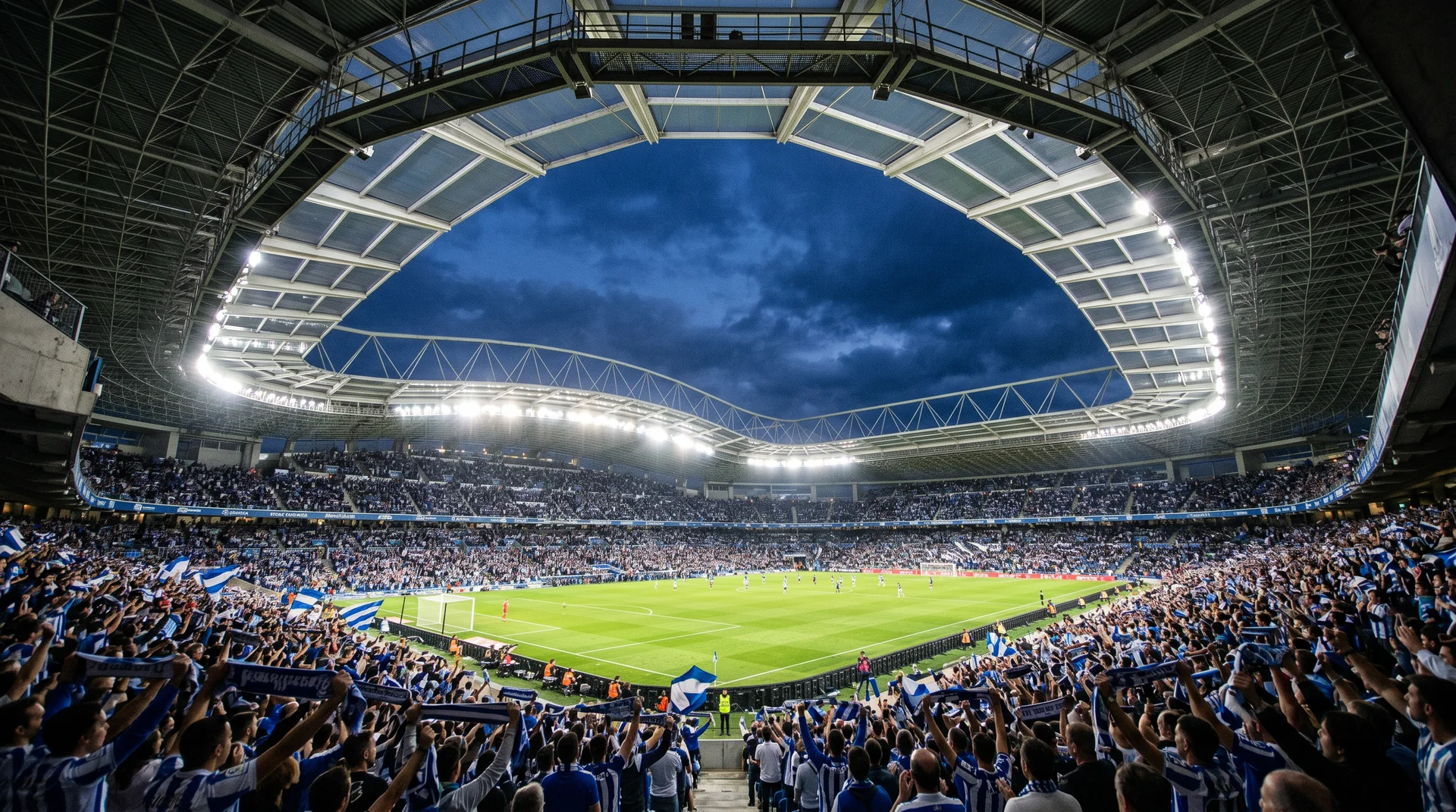
Reale Arena hosts World Cup 2030 football in a city that has more Michelin stars per capita than anywhere else on earth. Real Sociedad's home ground shares the Basque derby with Athletic Bilbao, one of football's warmest rivalries, in a stadium racing to expand ahead of 2030.
Stadium
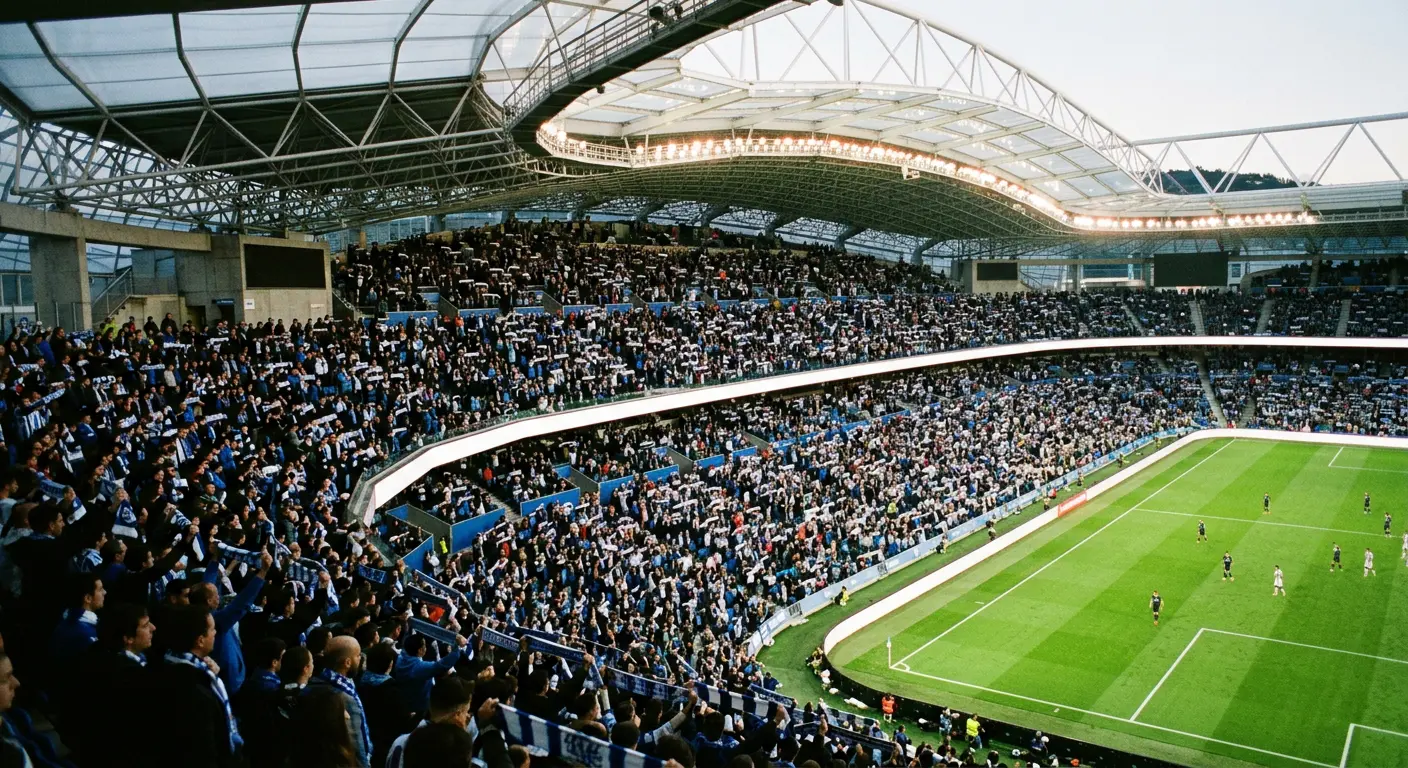
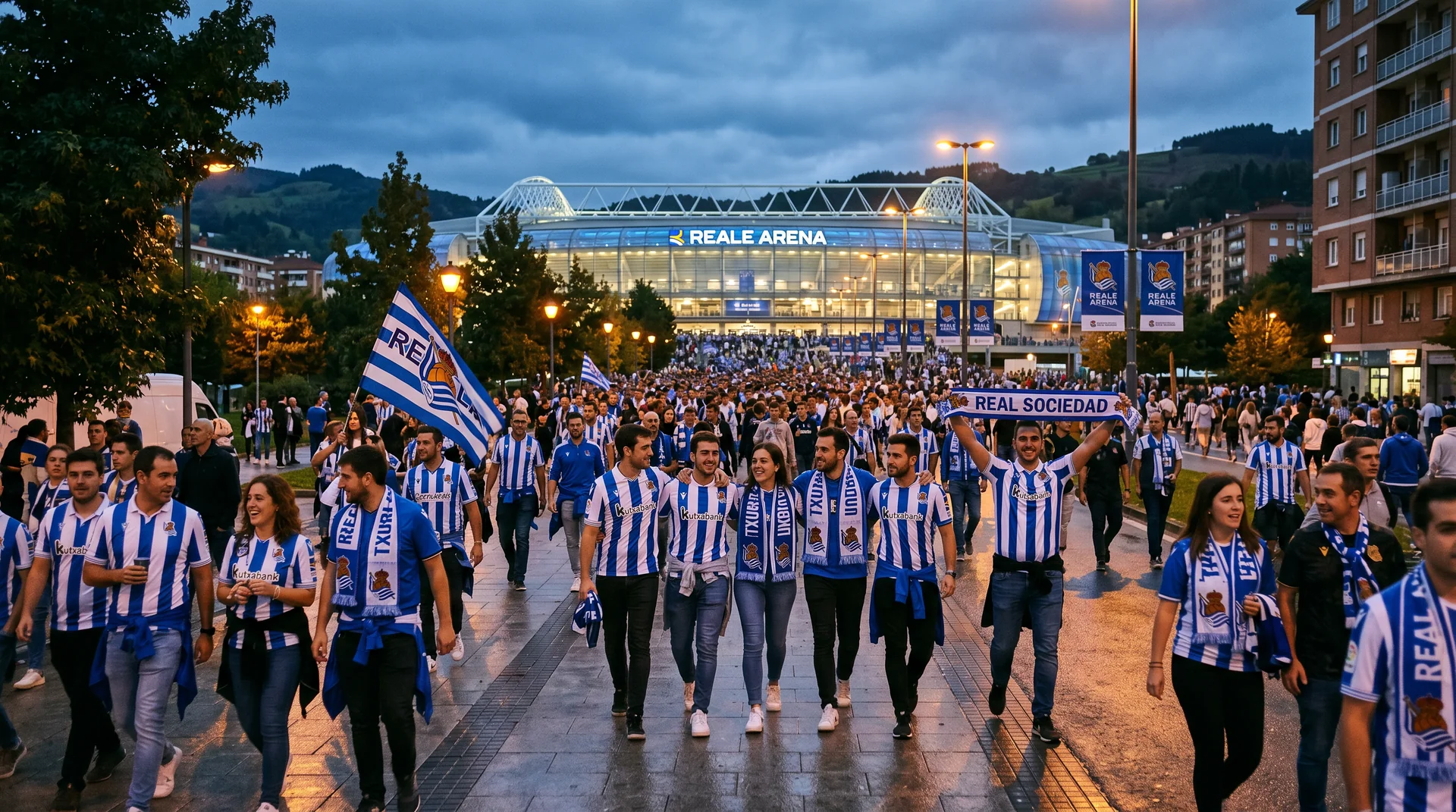
Like Bilbao, San Sebastián brings a single stadium to World Cup 2030 rather than two. Reale Arena is racing to expand ahead of the tournament, and its compact size only sharpens the atmosphere Real Sociedad's fans are known for.

Football Culture
Real Sociedad de Fútbol, founded in 1909, is one of Spanish football's most respected academies, developing more homegrown talent than any other club in Europe's major leagues in a recent CIES Football Observatory study. The club followed a Basque-only signing policy of its own from around 1962 into the 1980s, but dropped it in 1989 when they signed Republic of Ireland striker John Aldridge, and extended this openness to non-Basque Spanish players in 2002.
Real Sociedad's golden era came in the early 1980s, winning back-to-back La Liga titles in 1981 and 1982 - part of a remarkable four-year stretch in which the Basque Country's two big clubs shared every league title between 1981 and 1984. More recently, La Real beat Athletic Bilbao in the 2020 Copa del Rey final, played behind closed doors in April 2021 due to the pandemic, and reached the Champions League for the first time in over a decade in 2023-24.
The Ikurriña derby, December 1976.
- when Real Sociedad and Athletic Bilbao's captains carried the banned Basque flag onto the pitch together
Real Sociedad's rivalry with Athletic Bilbao (covered in depth on our Bilbao guide) is one of football's oldest, first played in 1909. As of the 2024-25 season the sides had met 191 times in La Liga, Athletic winning 79 to Real Sociedad's 62 with 50 draws. Uniquely among major derbies, there's no fan segregation on matchday, and the two sets of supporters are known to mix freely.
That warmth traces back to a shared history under Franco: both clubs became vessels for suppressed Basque identity, most famously in December 1976 when the captains of Real Sociedad and Athletic Bilbao walked out together carrying the still-banned Ikurriña, the Basque flag, at Real Sociedad's old Atotxa ground - a gesture credited with helping the flag's re-legalisation the following year.
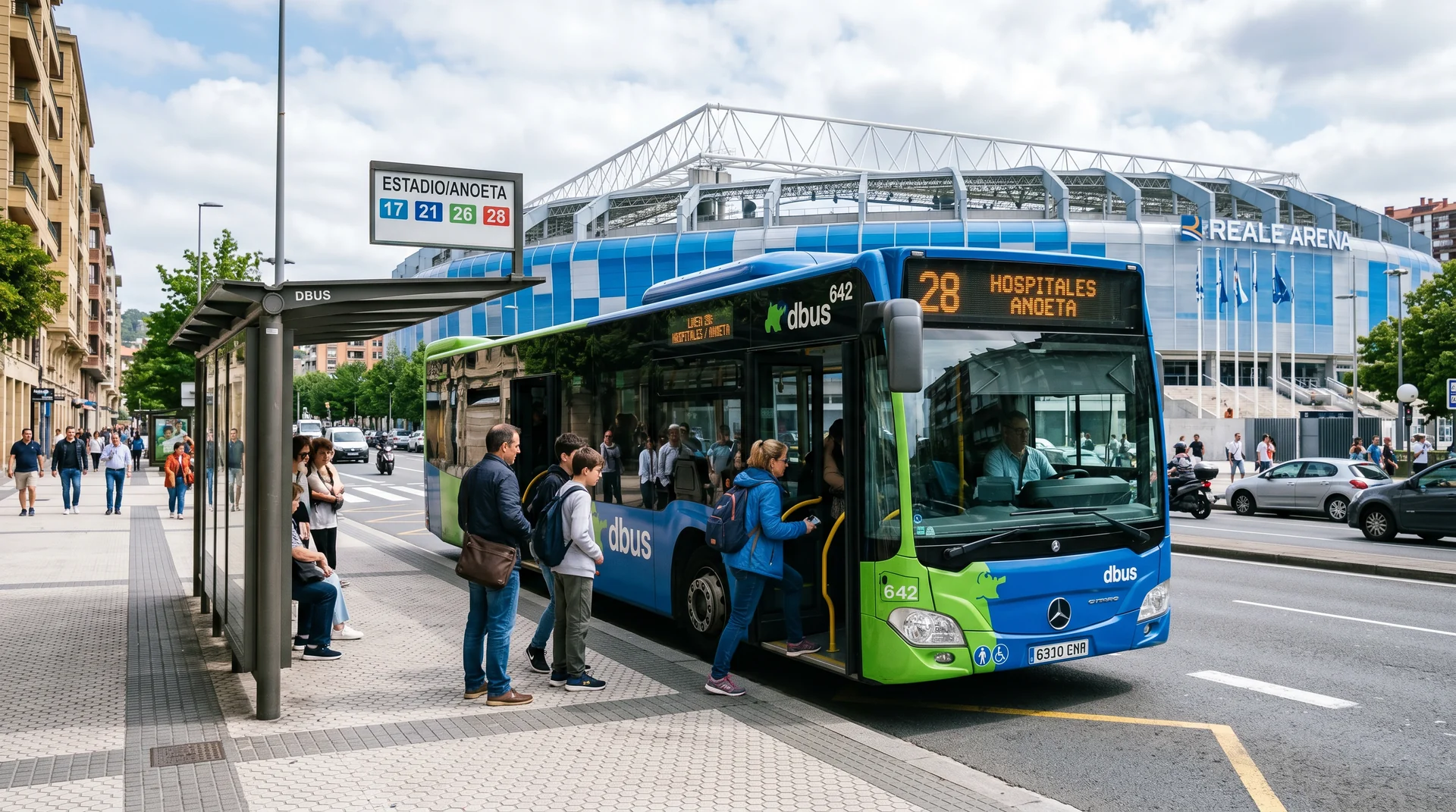
Reale Arena, long known simply as Anoeta, opened in 1993 with an athletics track separating fans from the pitch - a design fans criticised for years. The 2017-2019 renovation removed the track entirely, brought stands within touching distance of the game, and installed a retractable roof, transforming the atmosphere in the process. The next transformation, expanding capacity toward 42,247 seats, is already underway ahead of 2030.
Matchday in San Sebastián
"There's no fan segregation at a Basque derby - opposing supporters are known to mix freely in the same stands, a rarity anywhere in football."
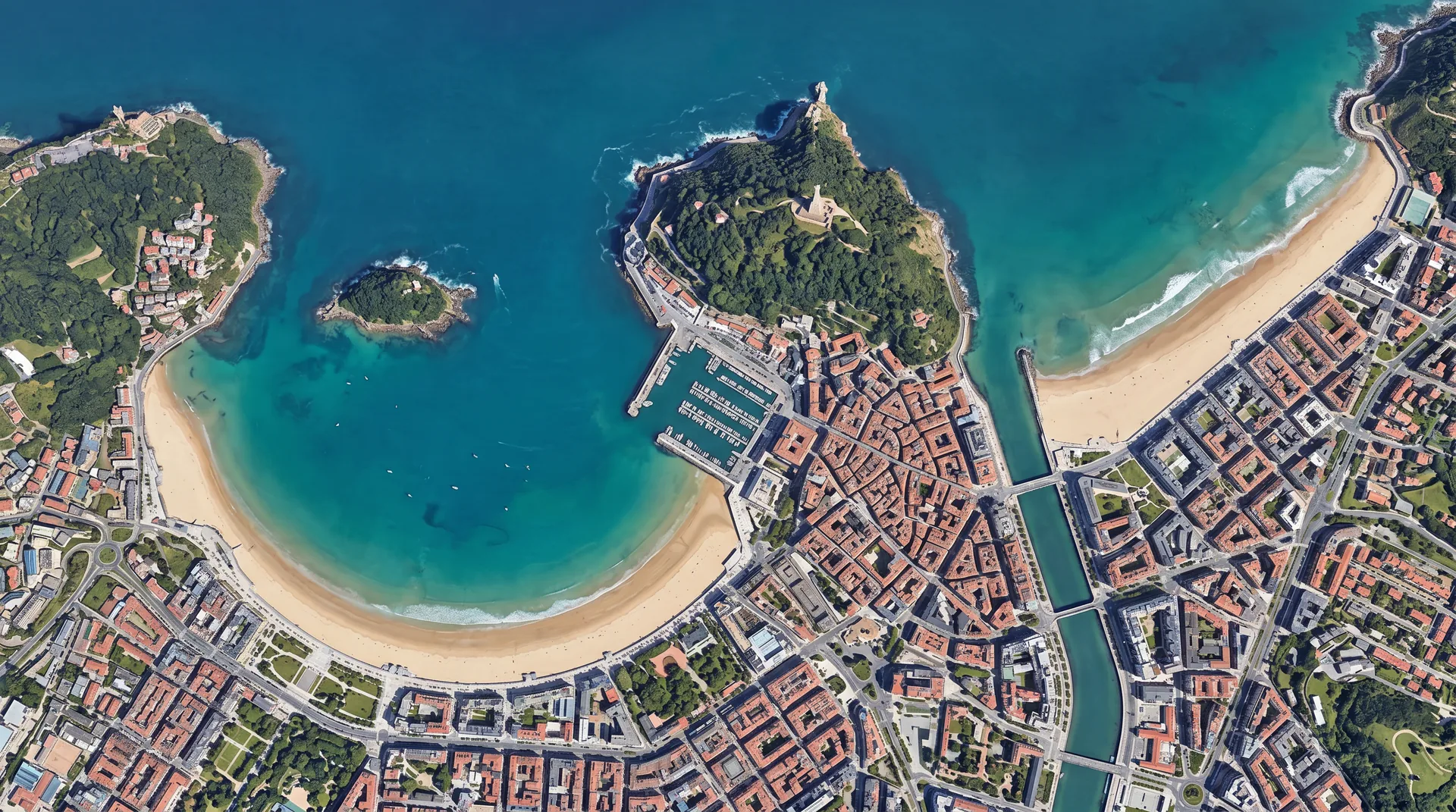
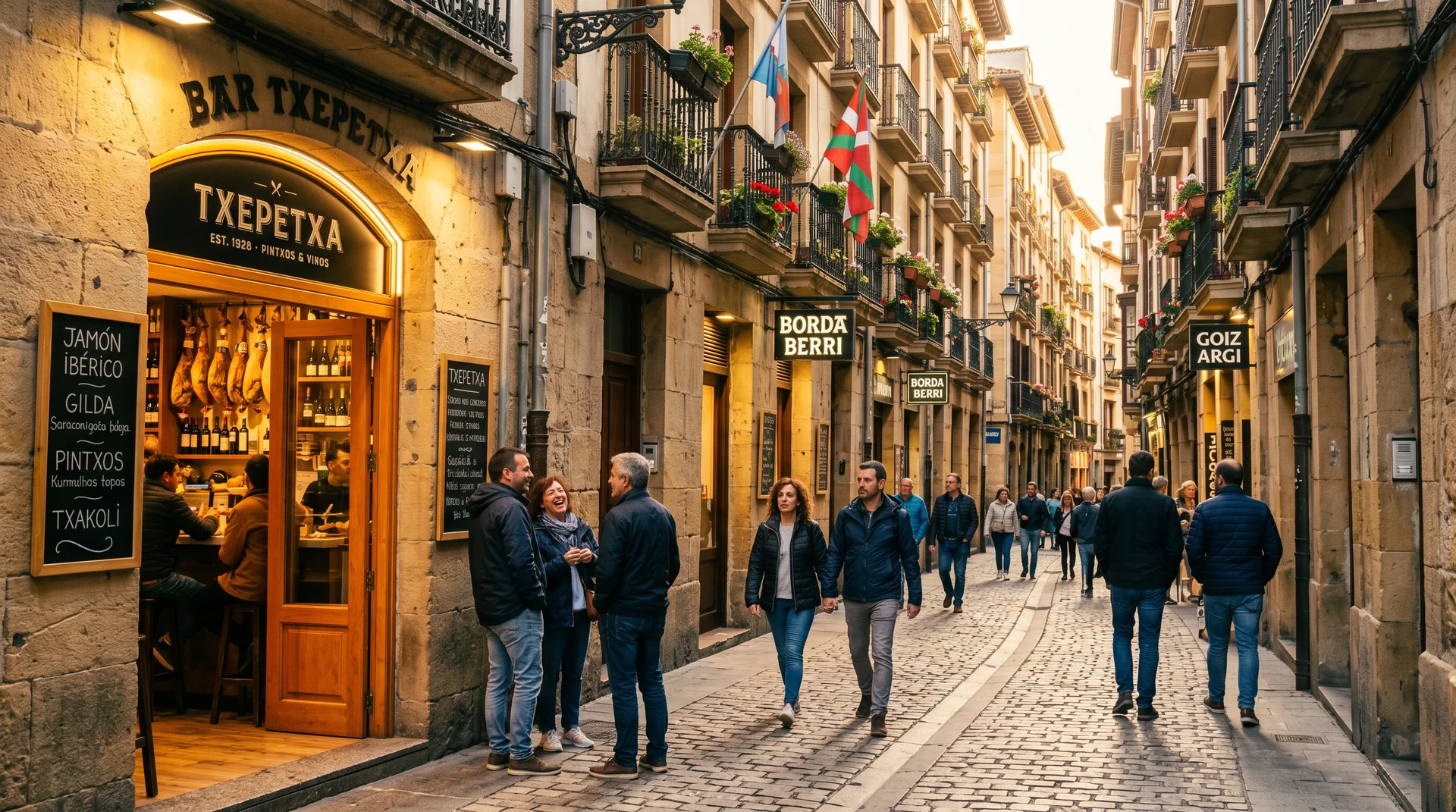
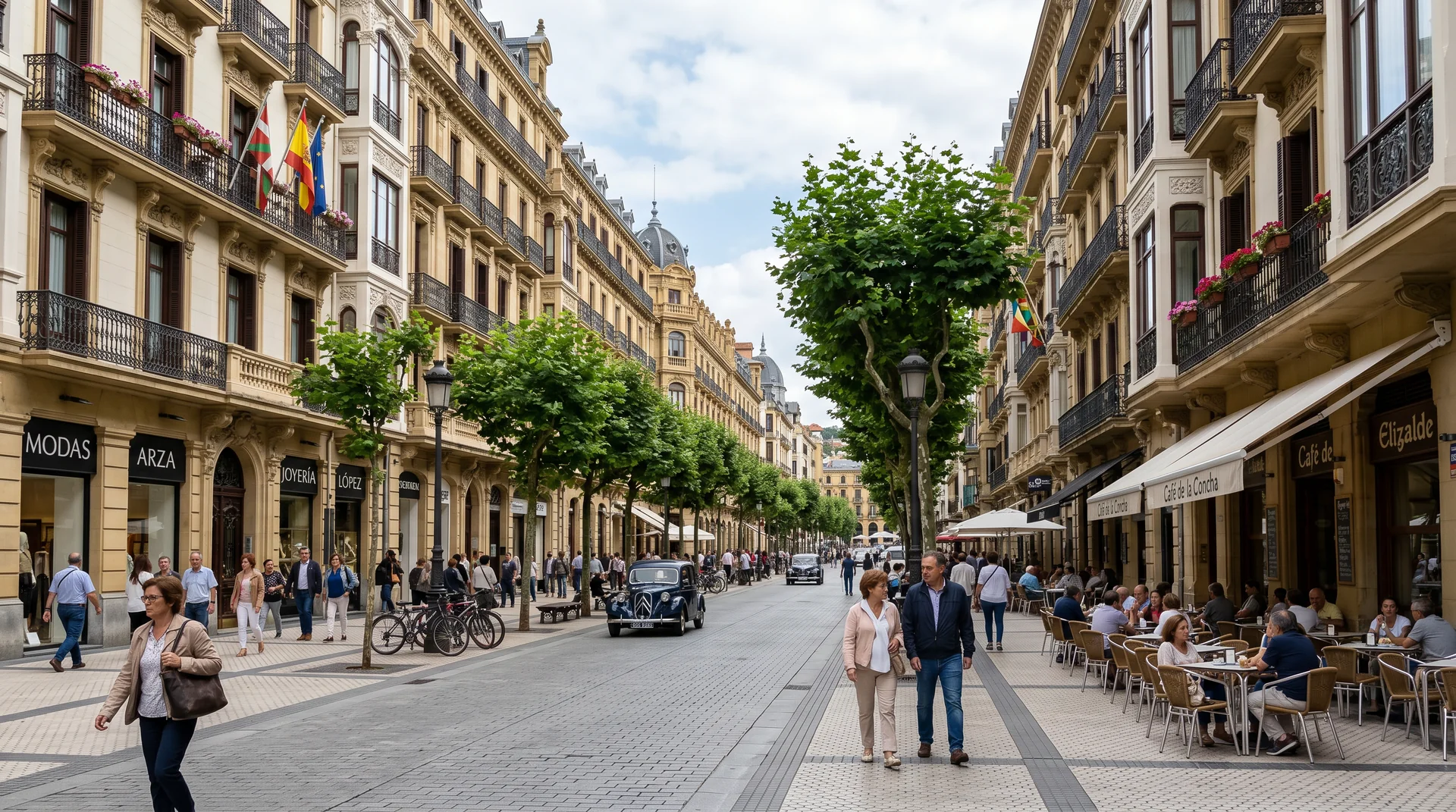
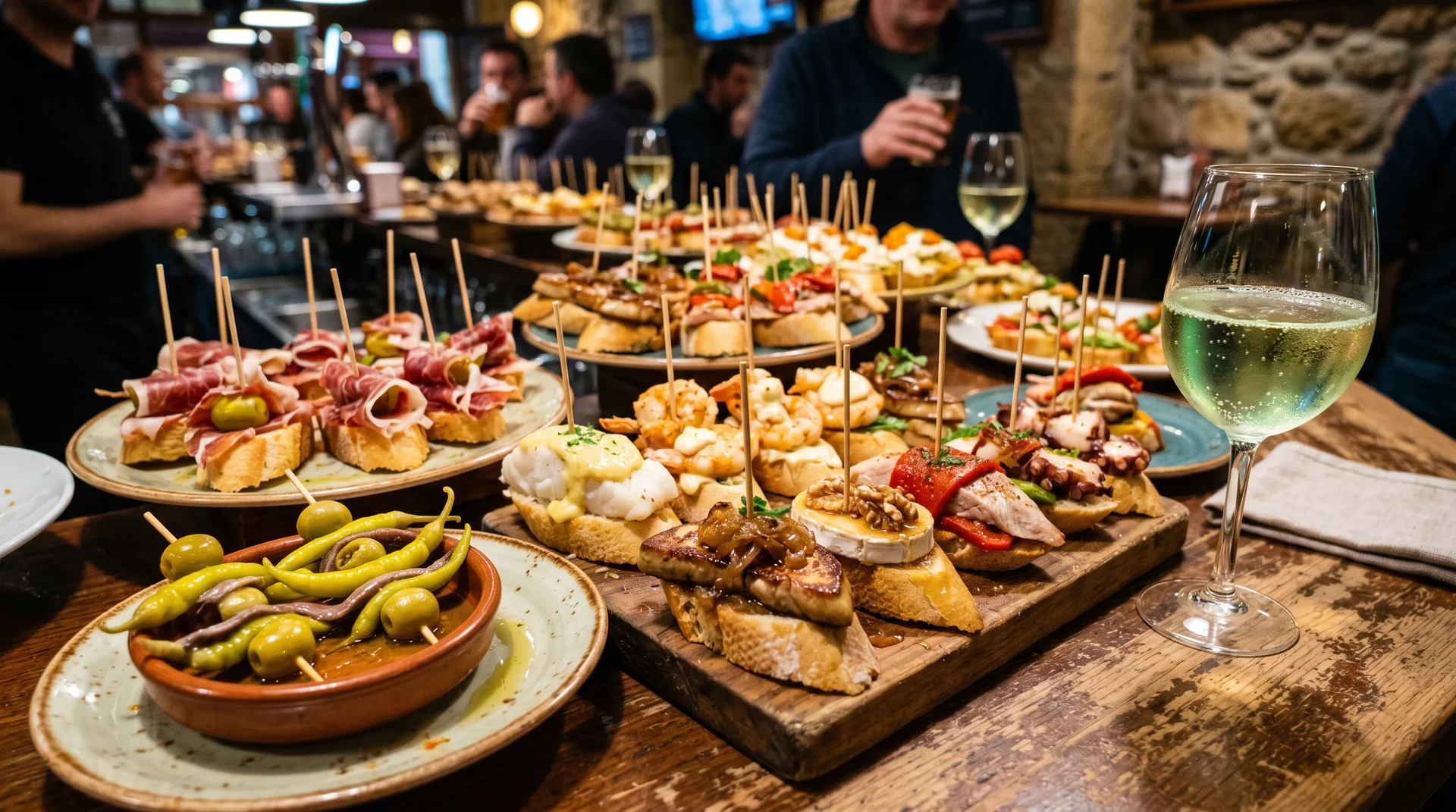
San Sebastián is compact enough that most visitors walk to Reale Arena from the centre, or catch one of several local bus lines. The build-up starts early in Parte Vieja, where pintxos bars fill with fans in Real Sociedad's blue and white well before kickoff.
For a Basque derby specifically, expect a genuinely different atmosphere from most Spanish football: both sets of fans have a long history of mutual respect rooted in shared regional identity, so the tension is real but rarely hostile.


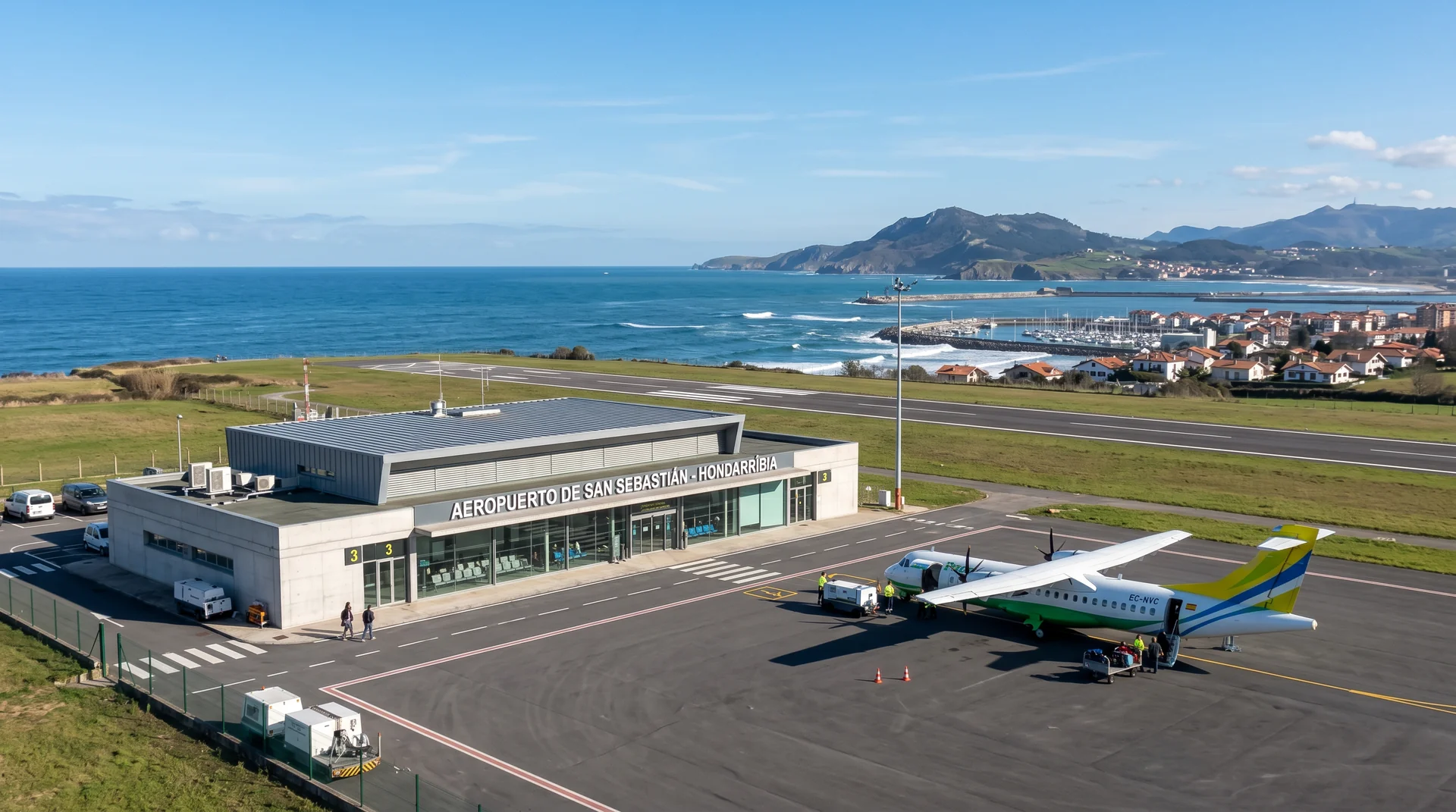
From San Sebastián Airport to Reale Arena
Airport to centre: ~25-30 min, €10-20 by taxi · Bilbao Airport (100km away) also serves the city via direct bus, ~1h15 · Bilbao by bus: ~1h15-1h30, €10-15


Following matches in more than one city? Bilbao is under 1.5 hours away by bus, making a two-city Basque Country trip straightforward. See the Spain transport guide for full routes across all host cities.
Between Matches
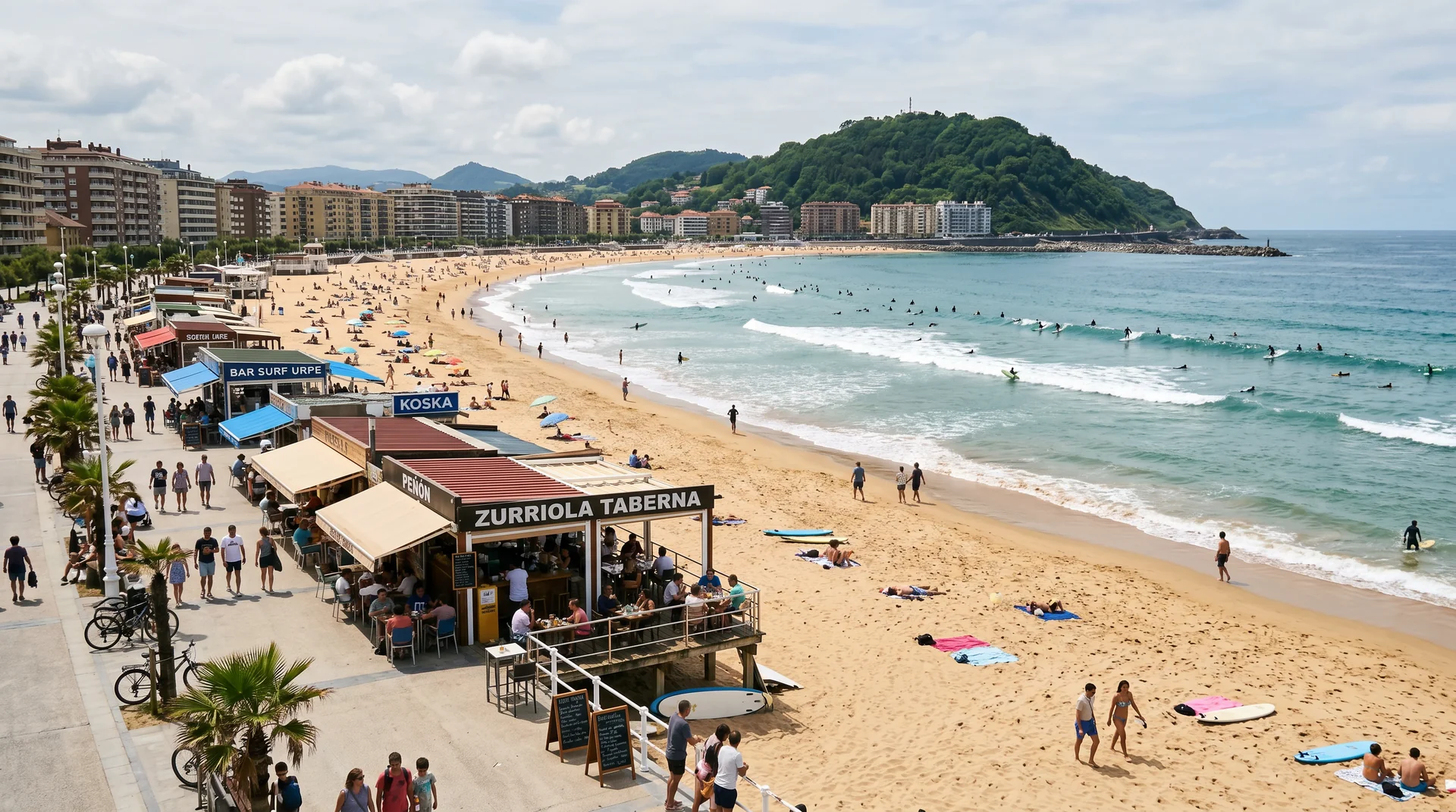
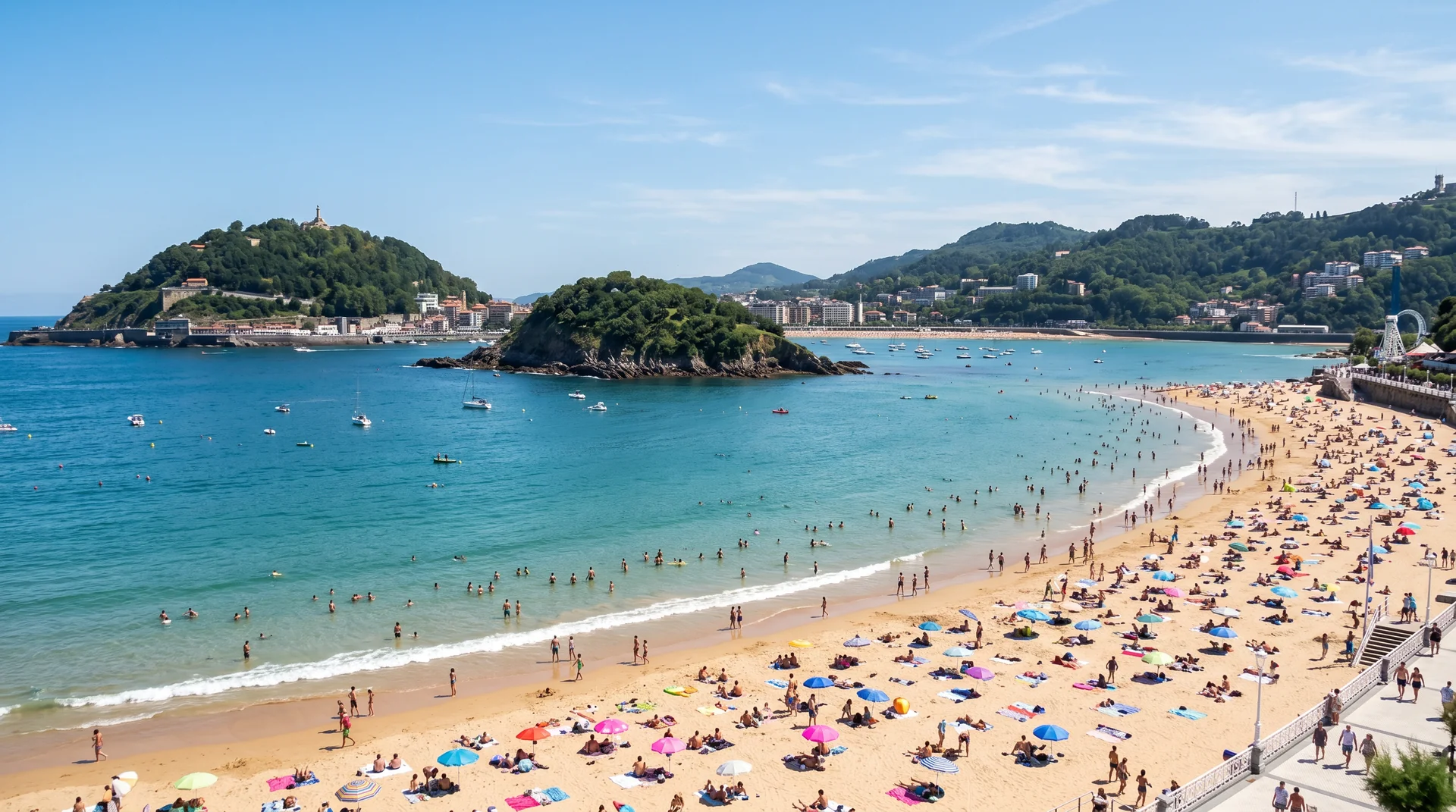
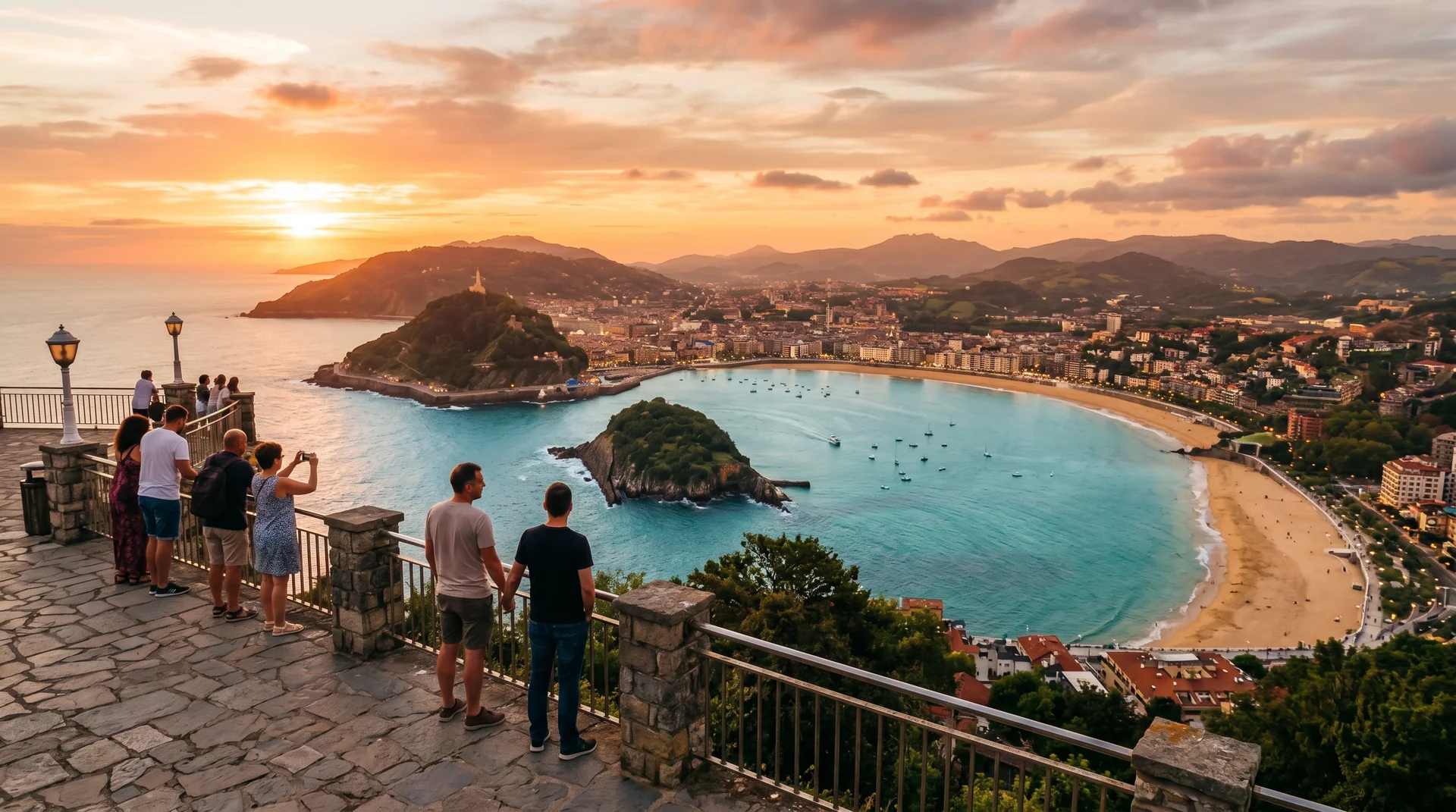
San Sebastián rewards slow mornings on the beach and long pintxos evenings. Save a Michelin dinner for a night without an early match the next day.


Here's what to order at each budget, from pre-match pintxos to the world's highest concentration of Michelin stars.
Near Reale Arena specifically, Amara has a handful of casual restaurants for a pre-match bite, though most of the city's food culture is centred in Parte Vieja, a 20-30 minute walk or short bus ride away. If time allows only one meal outside a match, make it pintxos in the Old Town rather than a rushed sit-down dinner.
21-25°C in June-July, mild and often wet given San Sebastián's Atlantic coastal climate. Pack a light rain jacket even in midsummer.
San Sebastián is one of Spain's safer cities, with low rates of violent crime. Standard pickpocket precautions apply in busy parts of Parte Vieja and along La Concha in peak season.
Basque (Euskara) and Spanish are both official; English is widely spoken in hotels, restaurants and tourism-facing venues.
Euro (€). Cards accepted almost everywhere, including pintxos bars. ATMs widely available.
San Sebastián is one of the smaller and pricier World Cup 2030 host cities, with a limited hotel stock that's likely to sell out early around confirmed match dates. For visa requirements and FIFA ticket ballot details that apply across Spain, see the Spain visa guide and match ticket guide.
FAQ
Continue Planning
See the full Spain guide, covering all World Cup 2030 host cities across the country.
Stay Informed
Hotel deal alerts near Reale Arena, FIFA ticket ballot dates, and insider San Sebastián tips - straight to your inbox.